Featured

Exploring the remote Scottish islands of Orkney and Shetland September 2025

Hiking back in time five thousand years …

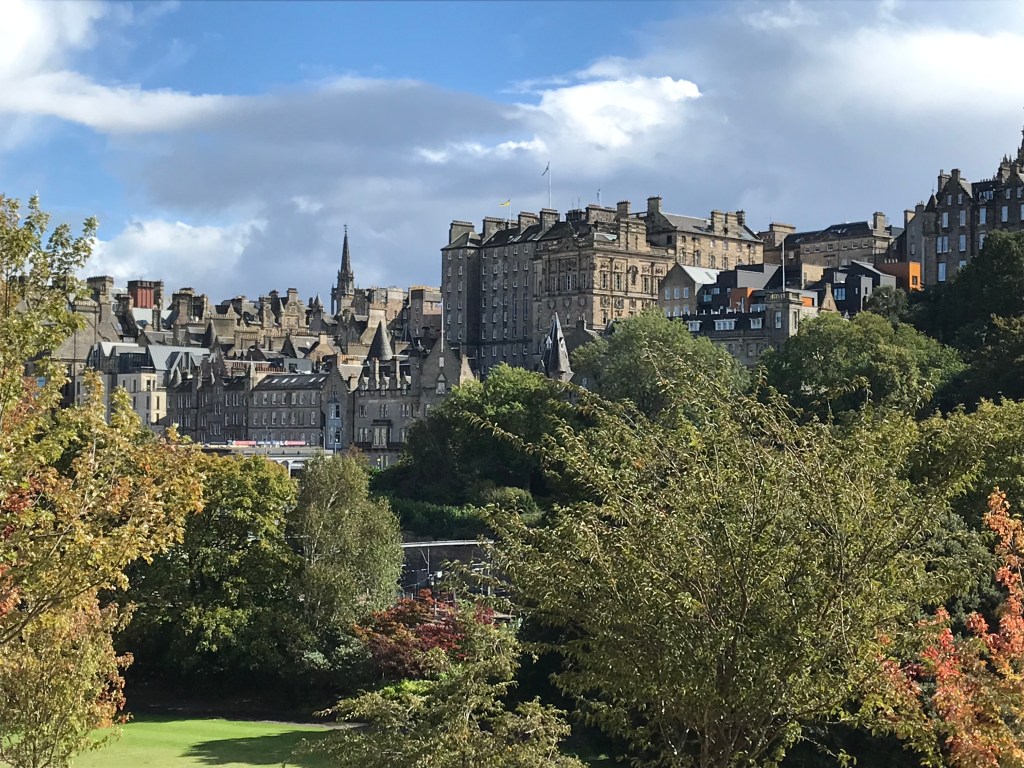
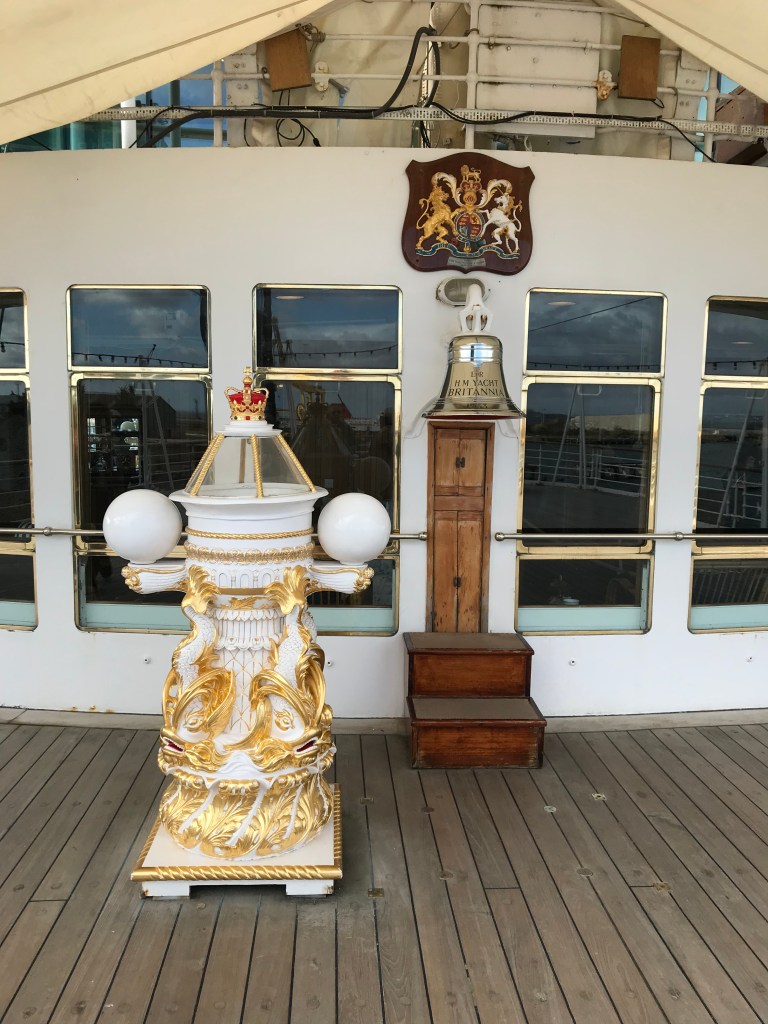
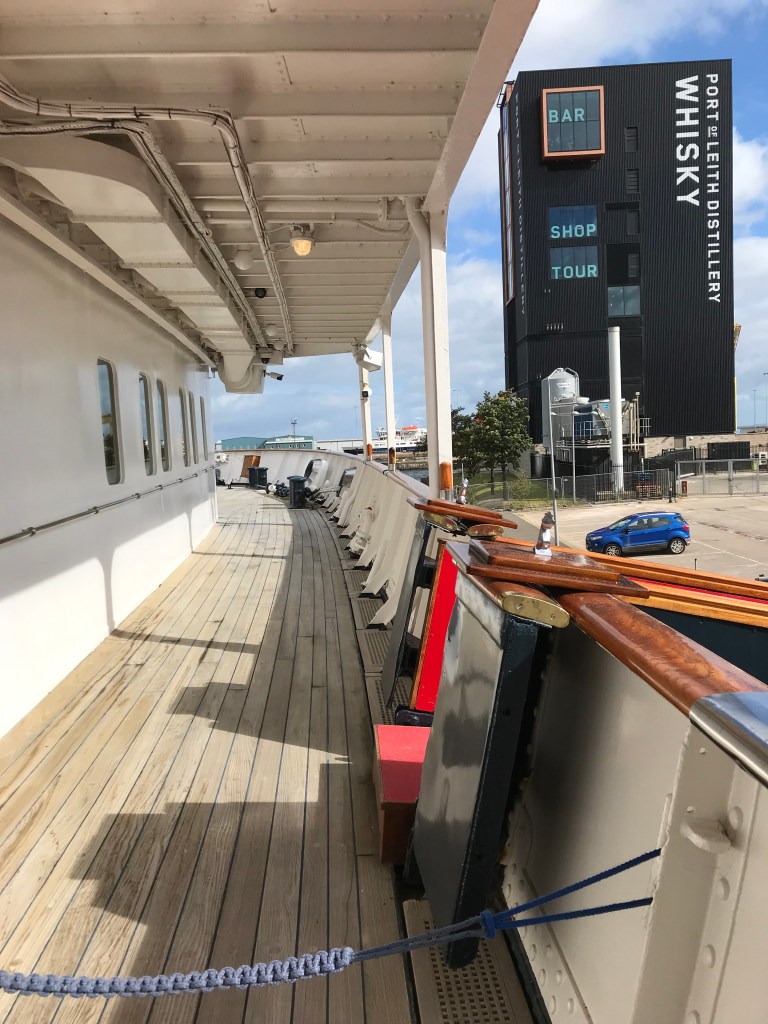
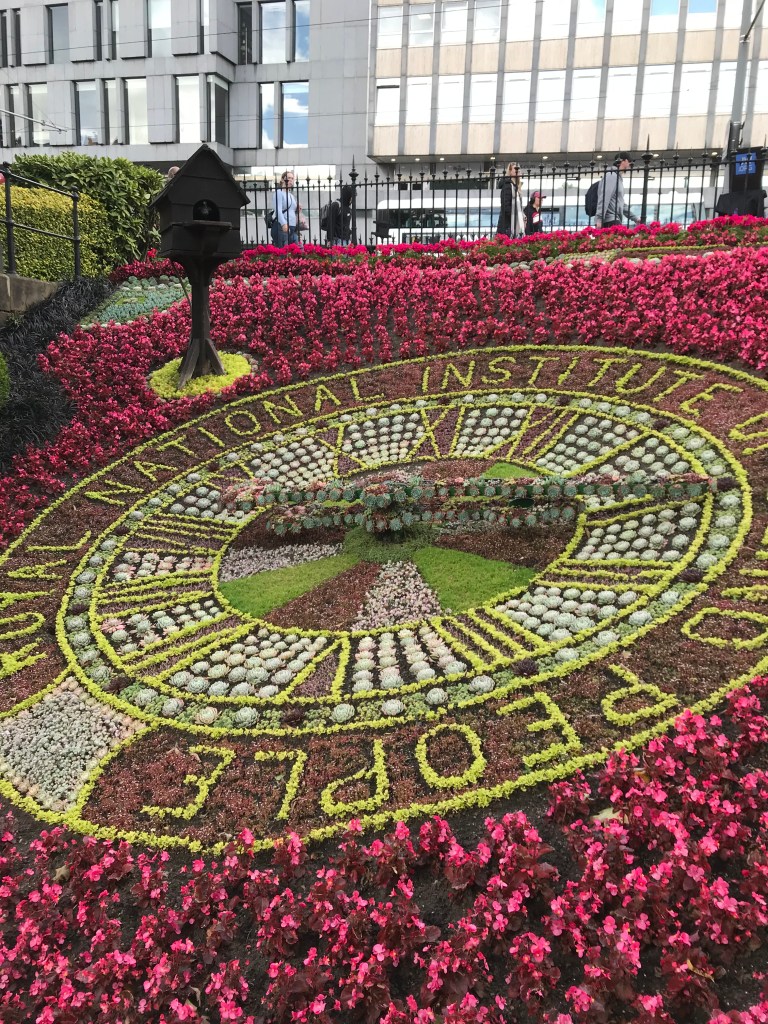
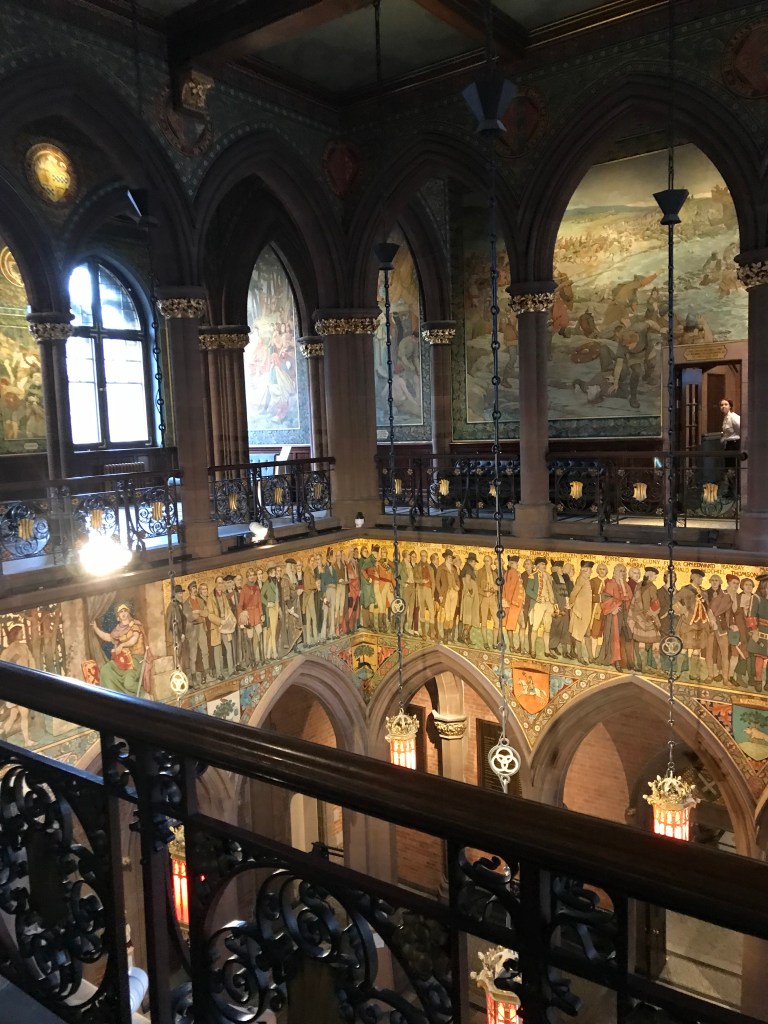
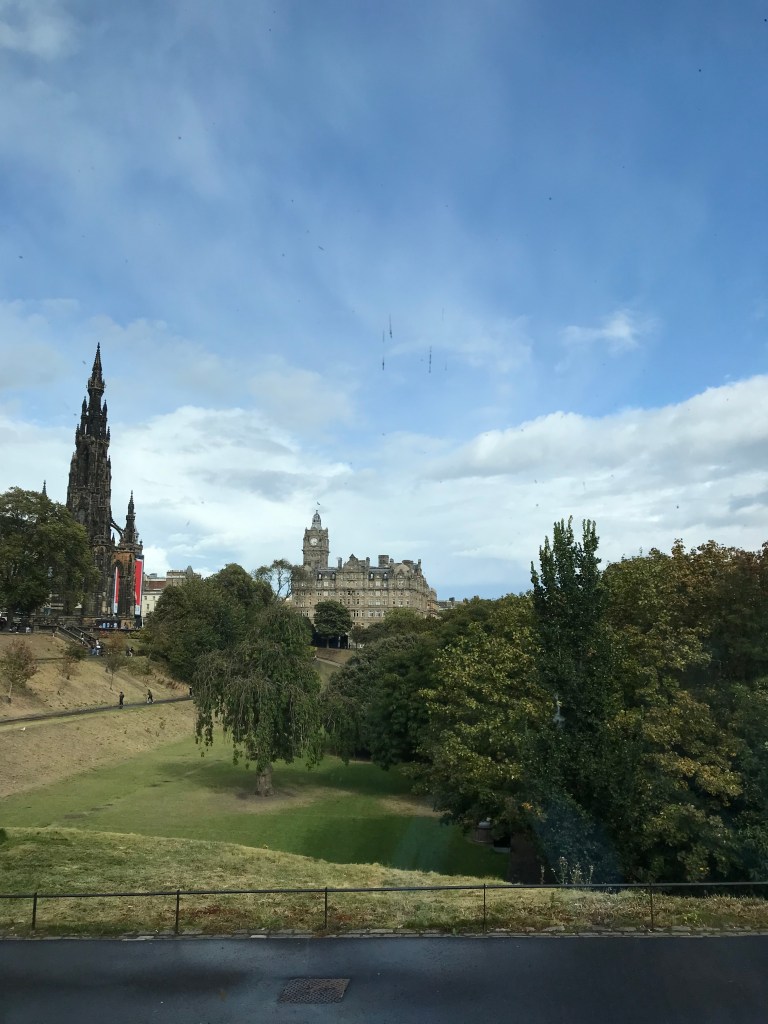
My fixation with islands as sources of inspiration for writing continues unabated. I have just returned from an unforgettable adventure exploring Scotland’s most northerly groups of islands, Orkney and Shetland, bordered by the Atlantic Ocean and the North Sea, and situated respectively over fifty miles (eighty five kilometers) and a hundred miles (160 kilometers) north east of the Scottish mainland. After a week’s hiking on each group, I spent a further week walking the stone wynds (narrow paved alleyways) of historic Edinburgh.

My knowledge of the topography of the islands being limited – as indeed was time – I chose to sign on for a group holiday with Ramble Worldwide, a hiking company with whom I have previously travelled in Europe, depending upon its excellent reputation to provide comfortable, convenient accommodation, locally-driven land transport and a skilled group leader to coordinate a crammed but stimulating, itinerary.  I was not to be disappointed.

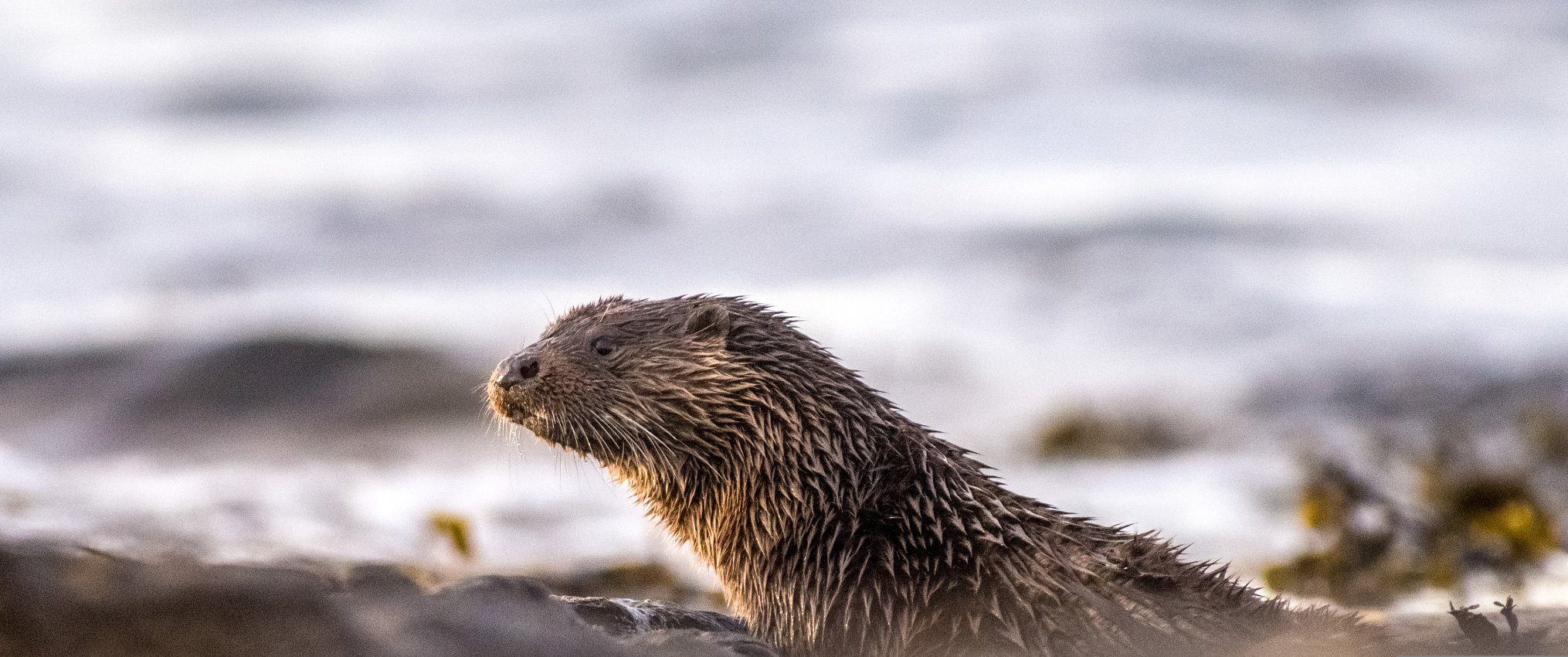
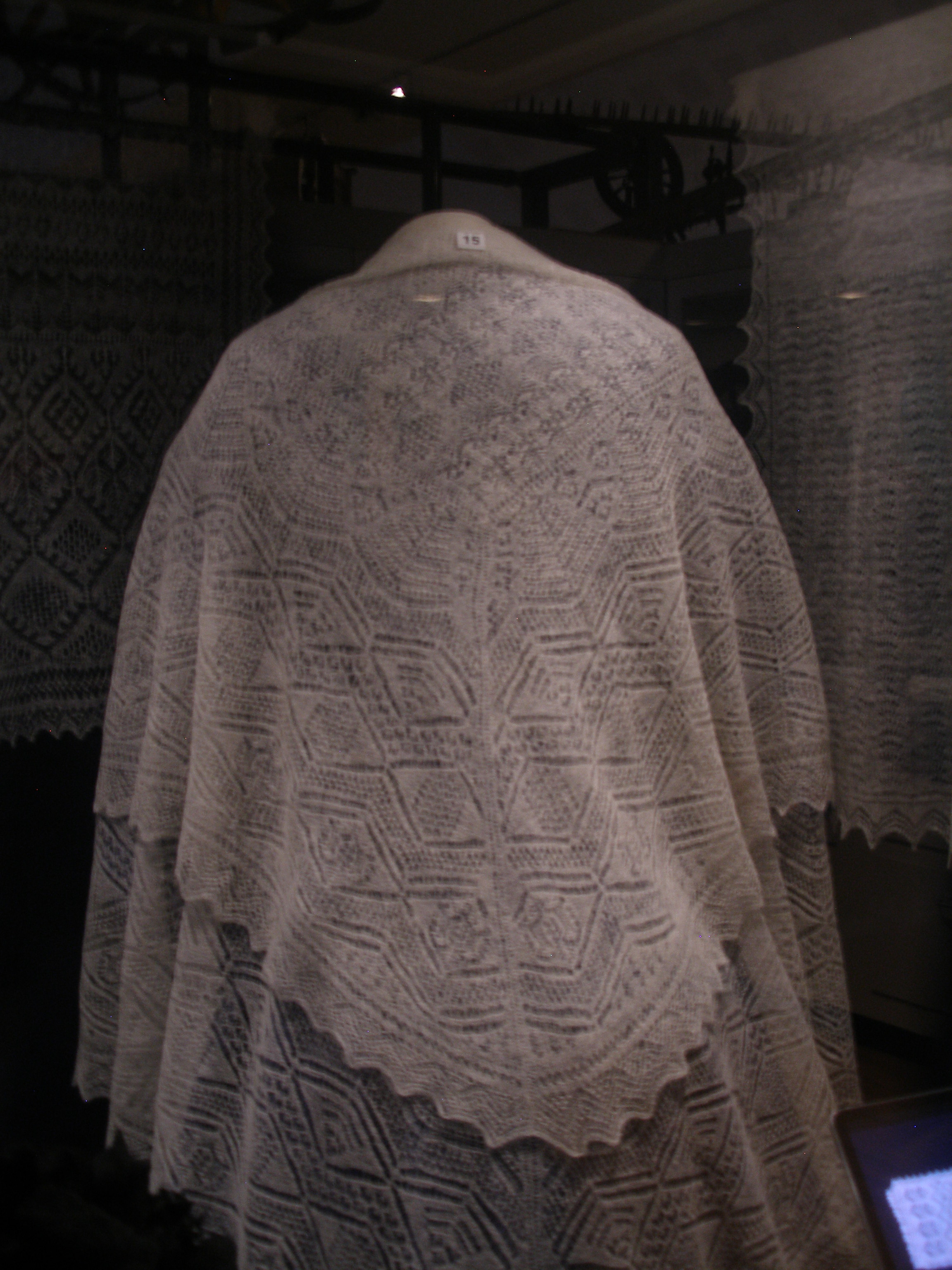
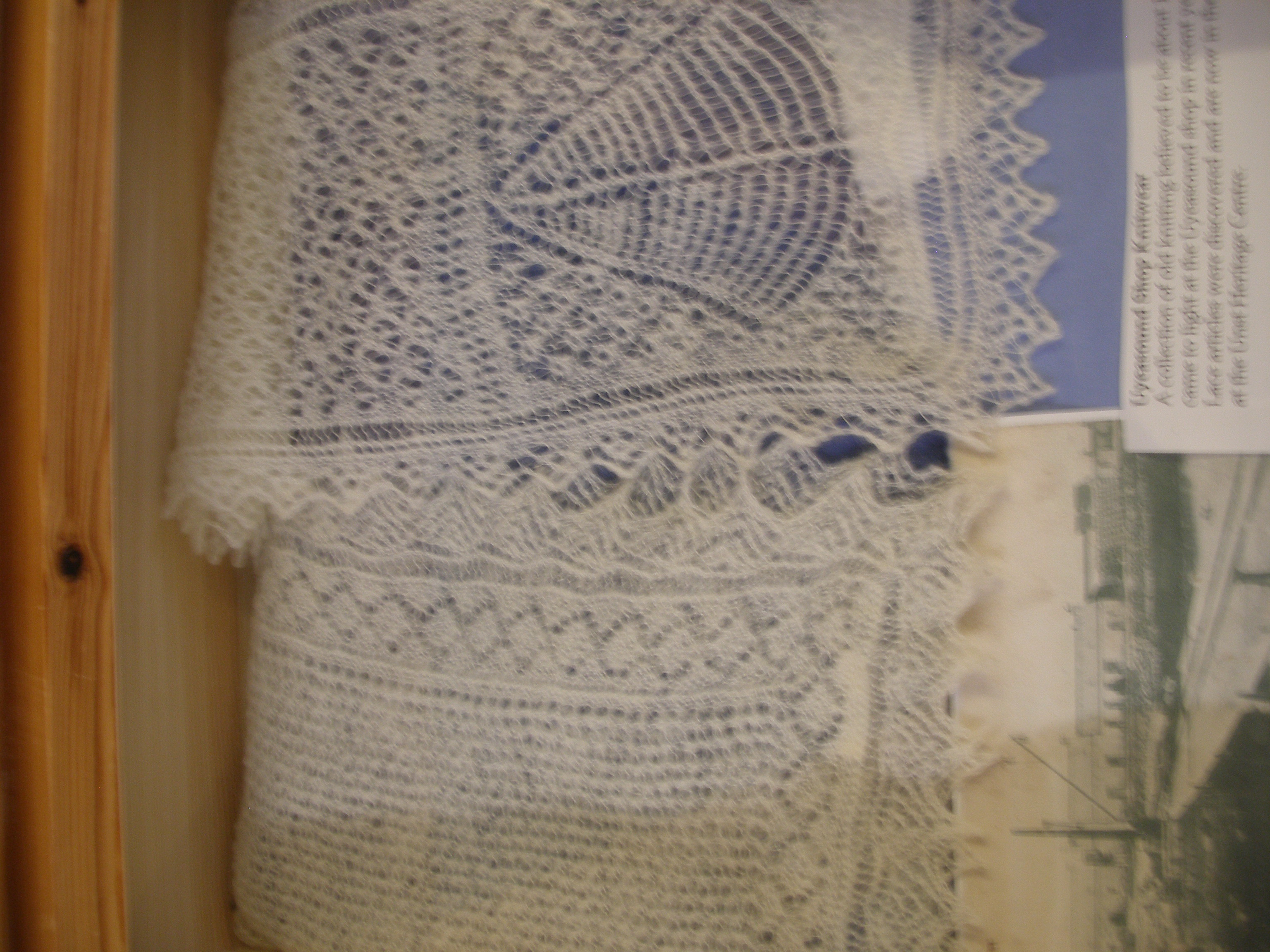
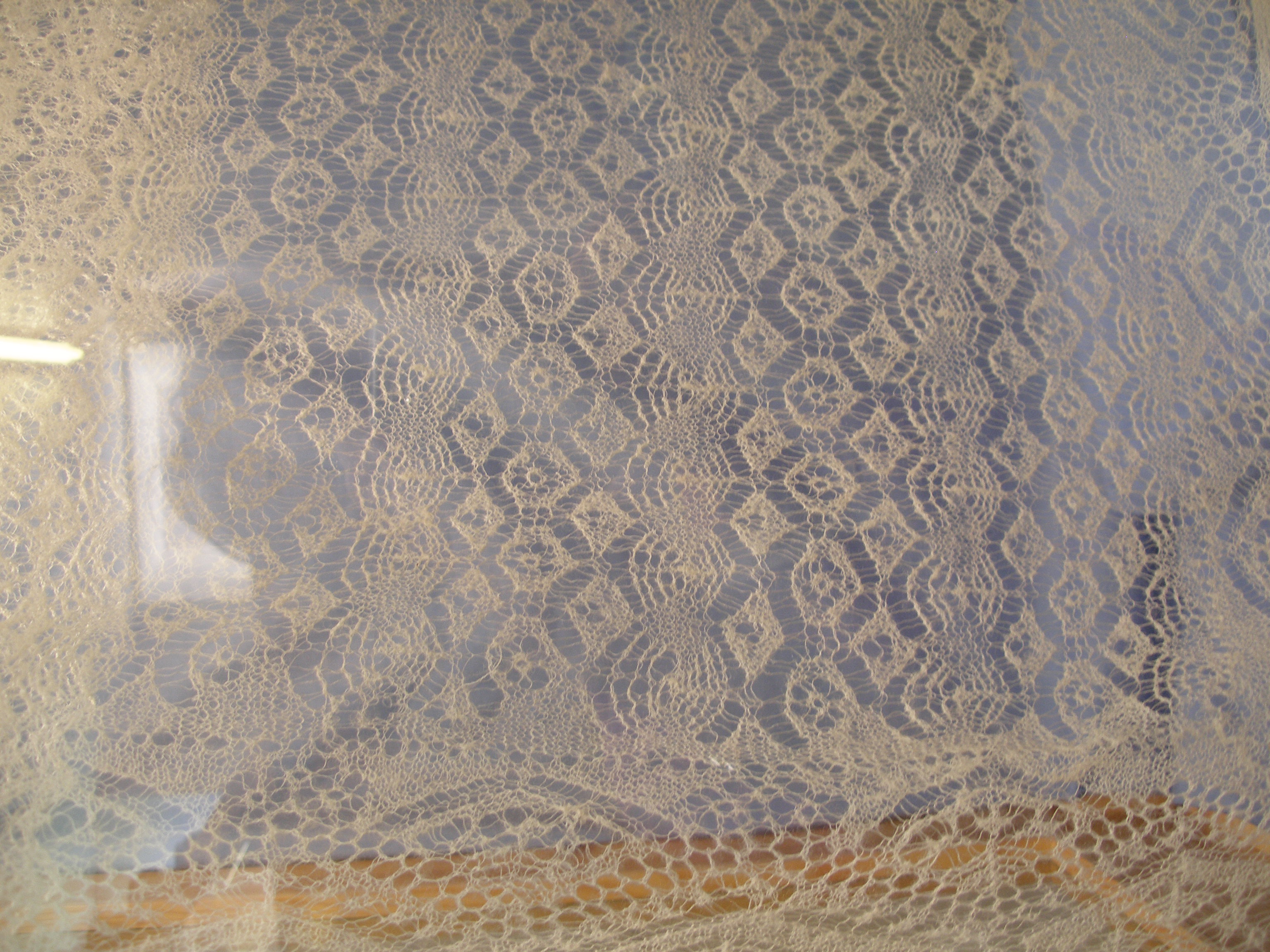
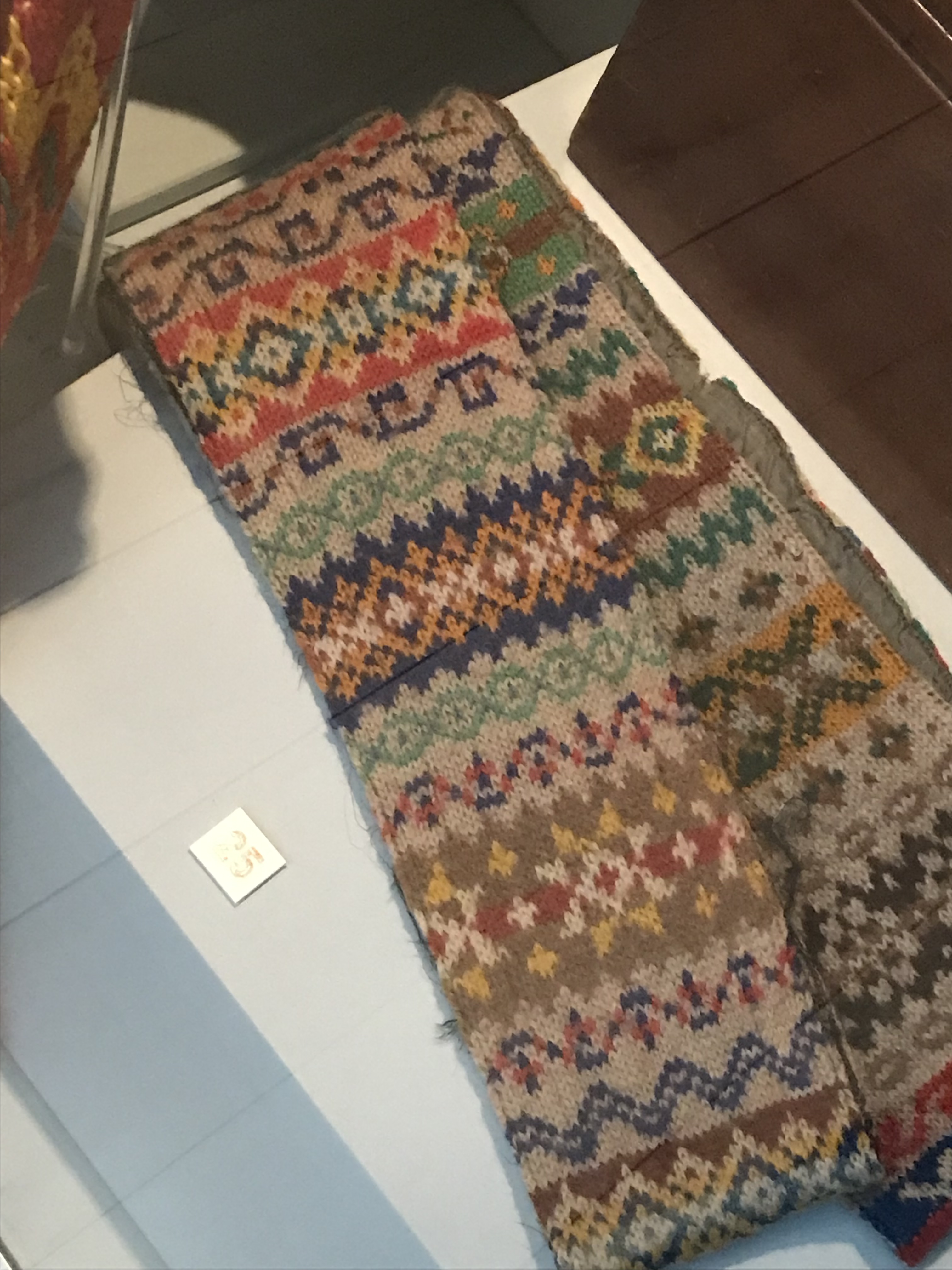
The lure of these isolated islands?  They offered a unique combination:  a pilgrims’ path for an Orcadian patron saint; rugged coast lines filled with wildlife (gannets, fulmars, otters, seals and whales); more than five thousand years of ancient history (from Neolithic villages to Vikings) plus an opportunity to delve into the timeless traditions of local textiles.  Having read that the cobweb-fine wool from the neck of the indigenous Shetland flocks could be knitted into a shawl so fine it could be drawn through a wedding ring, and learning that this signature lace-work was said to have been influenced by marooned survivors of the Spanish Armada and lace mantillas, I was keen to study their designs in depth, as well as the signature multi-coloured patterns of the nearby Fair Isle islands, situated between Orkney and Shetland.  Prior to my departure, I had intentionally not read Anne Cleeve’s detective novels set on Shetland, nor watched any of the BBC tv series of the same name, as I wanted to form my own impressions of that remote group of islands and not allow another’s vision of its landscape and people to shade my view or colour my words.

THE ORKNEY ISLANDS

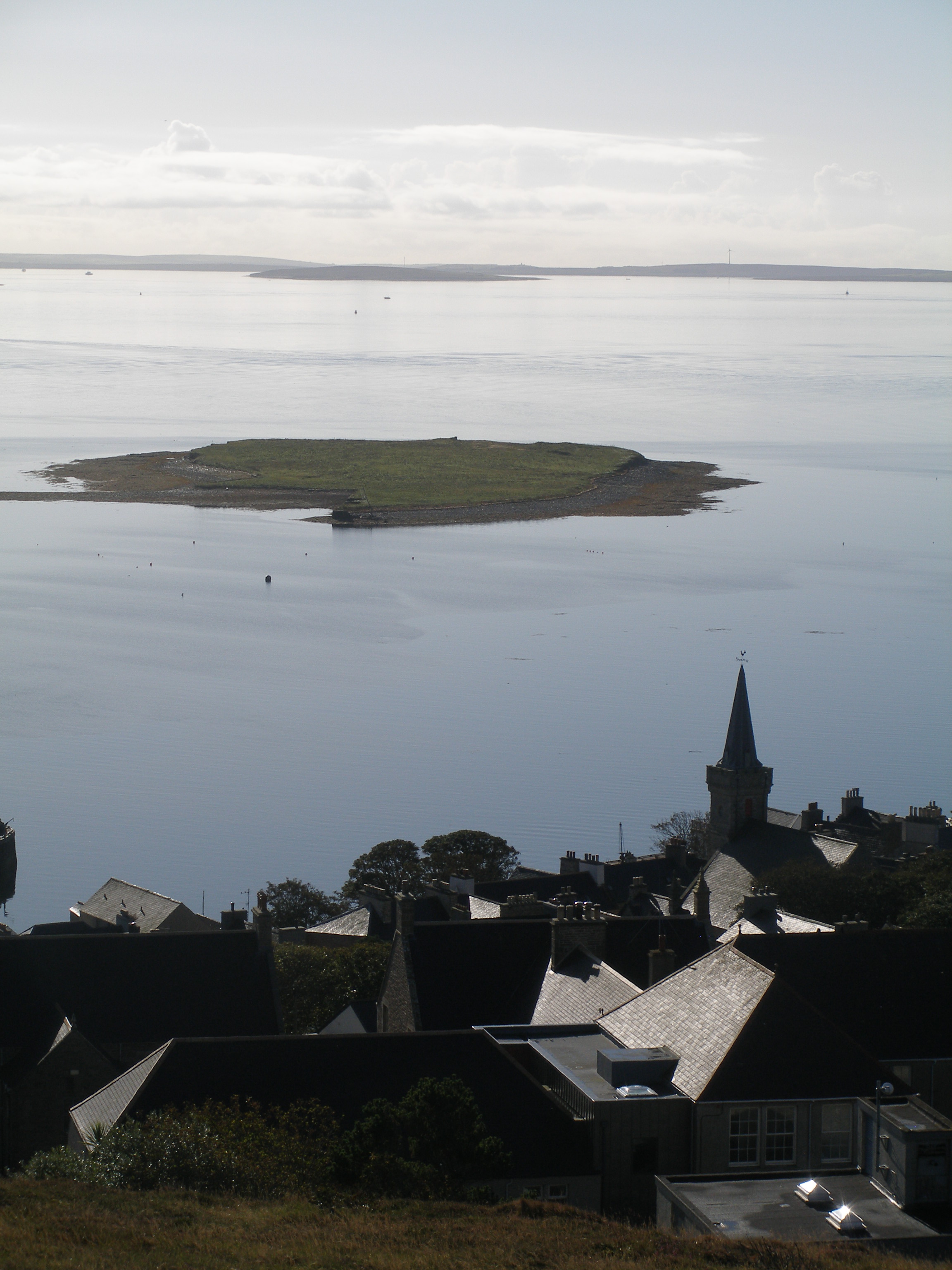
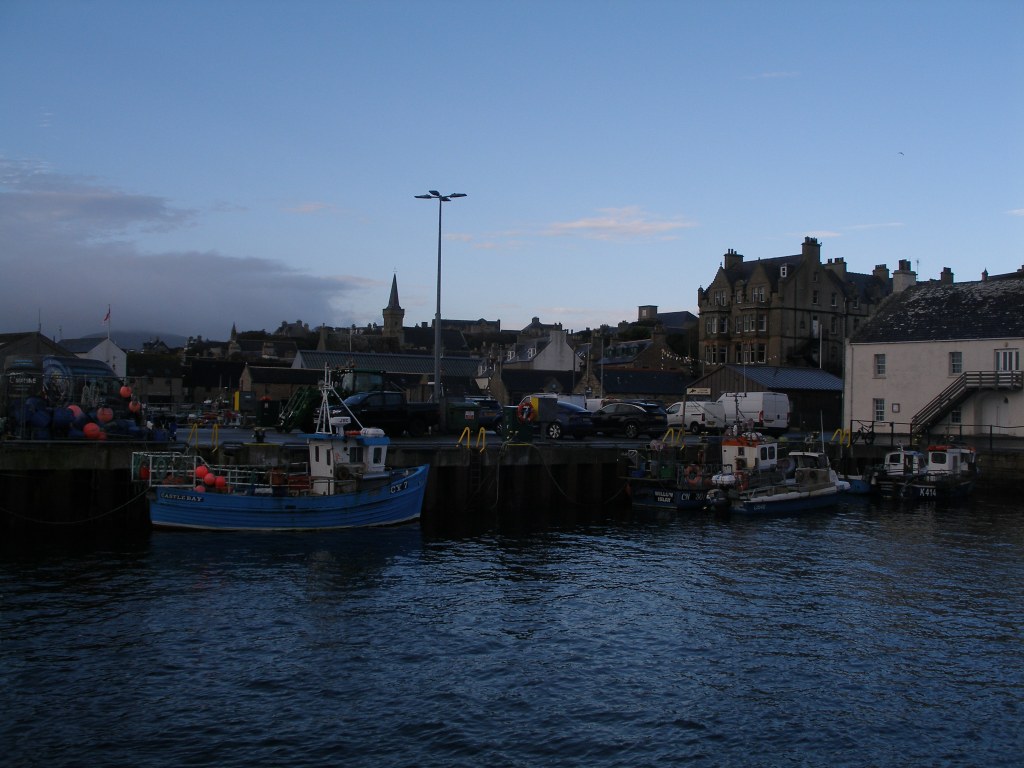
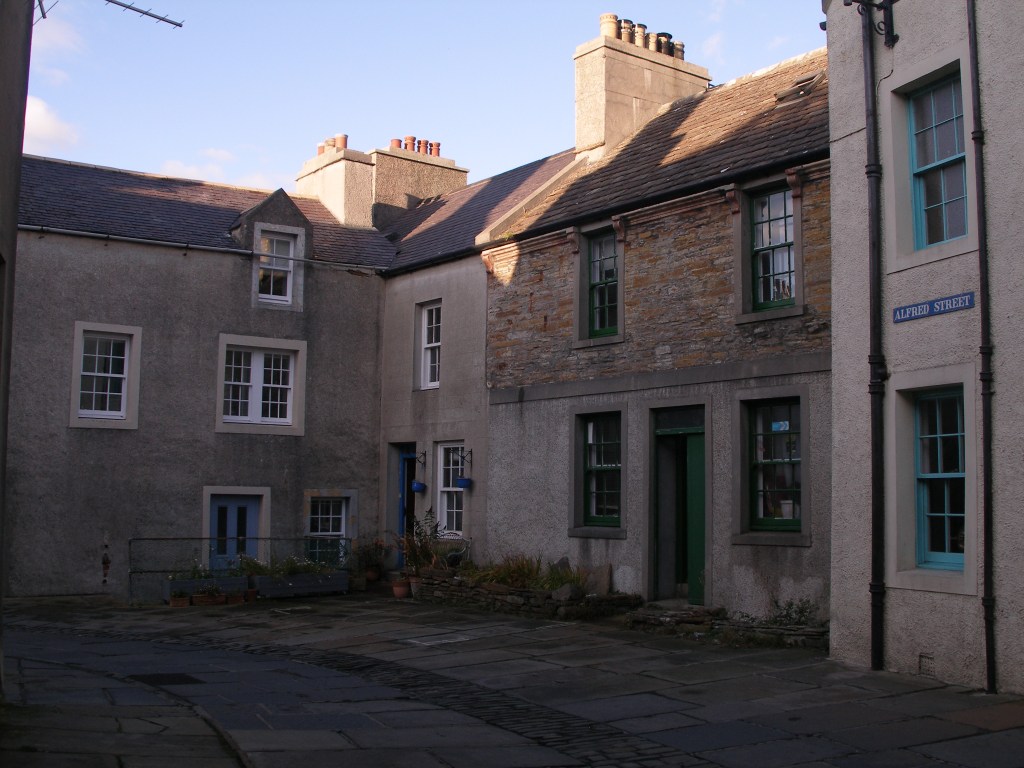
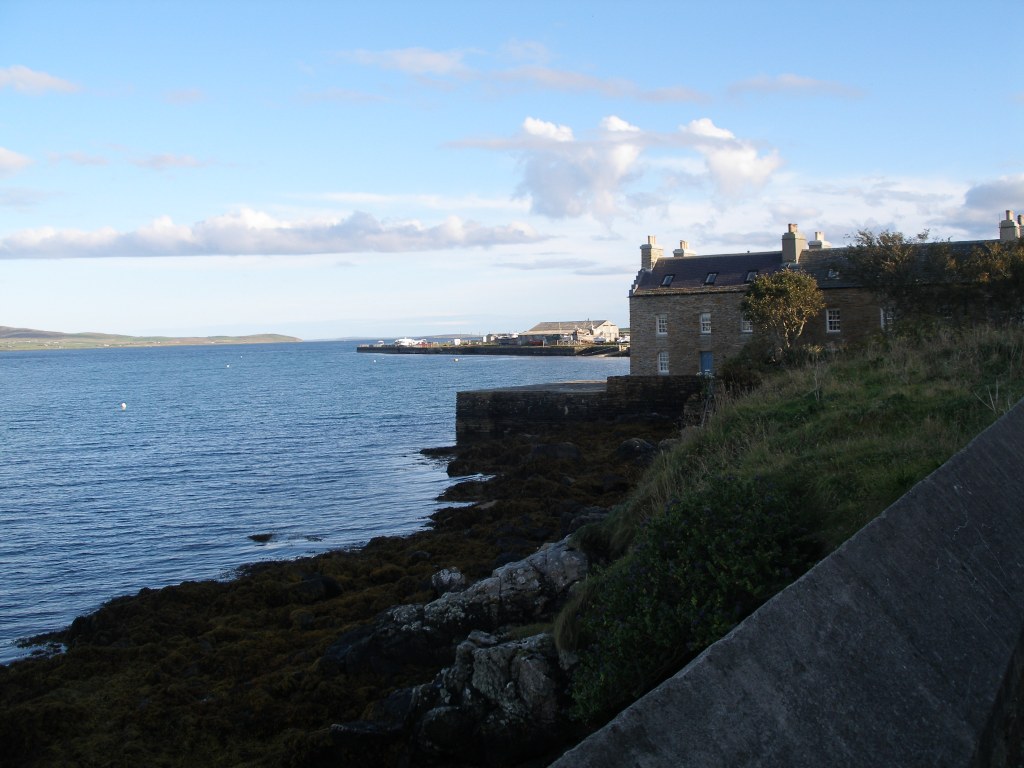
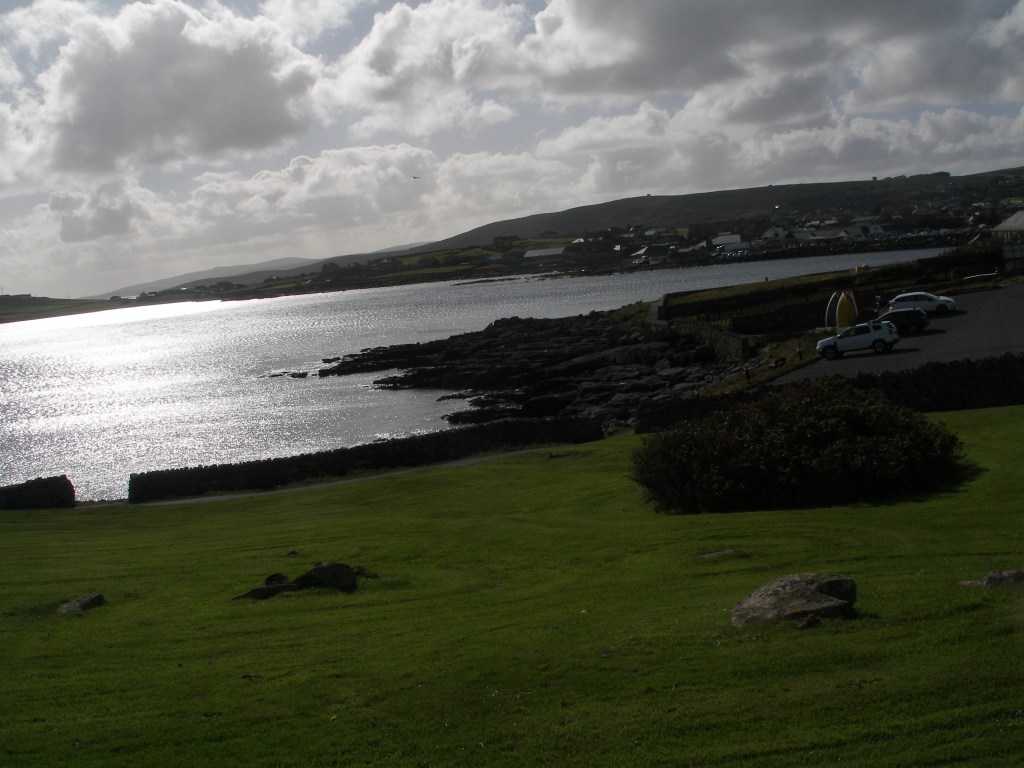
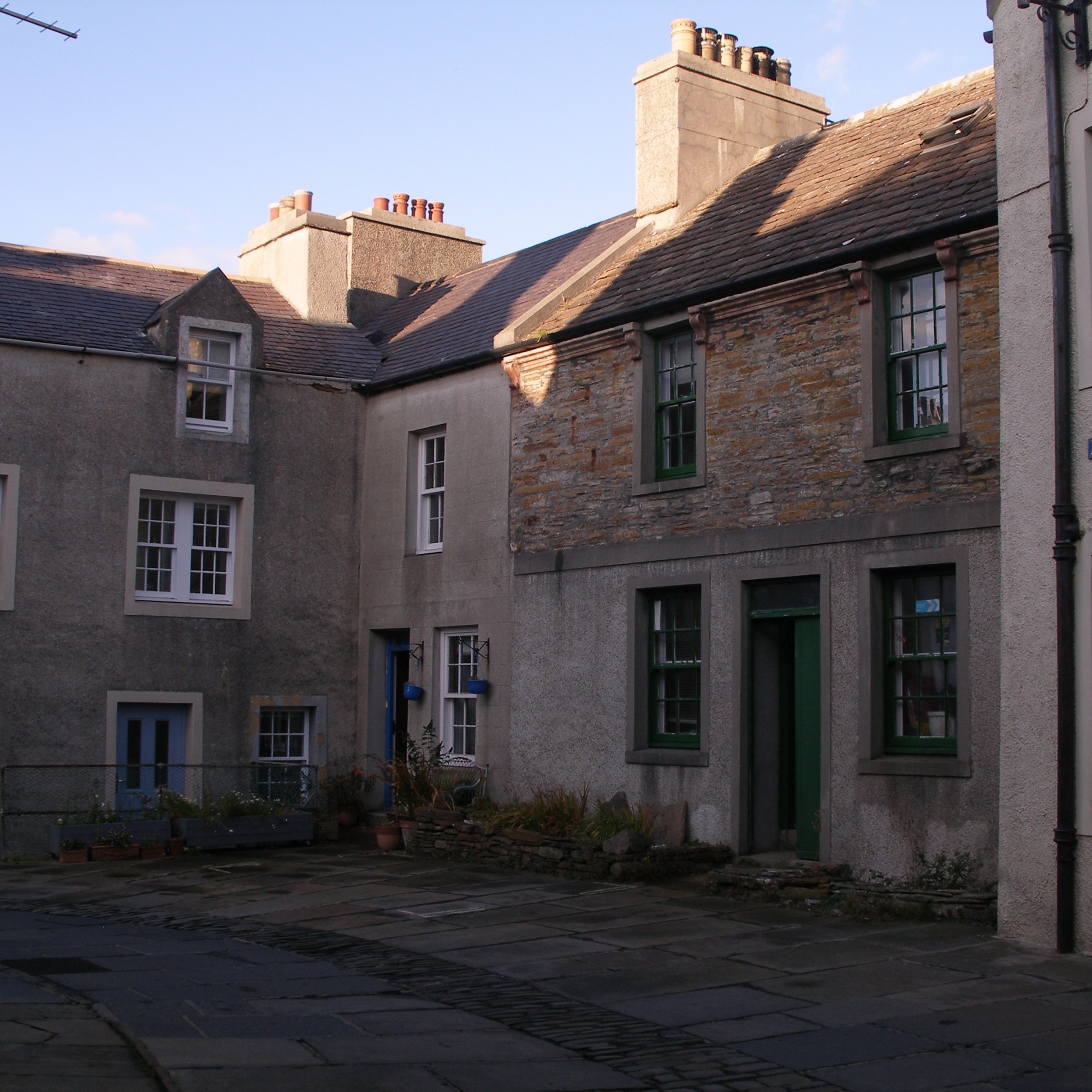
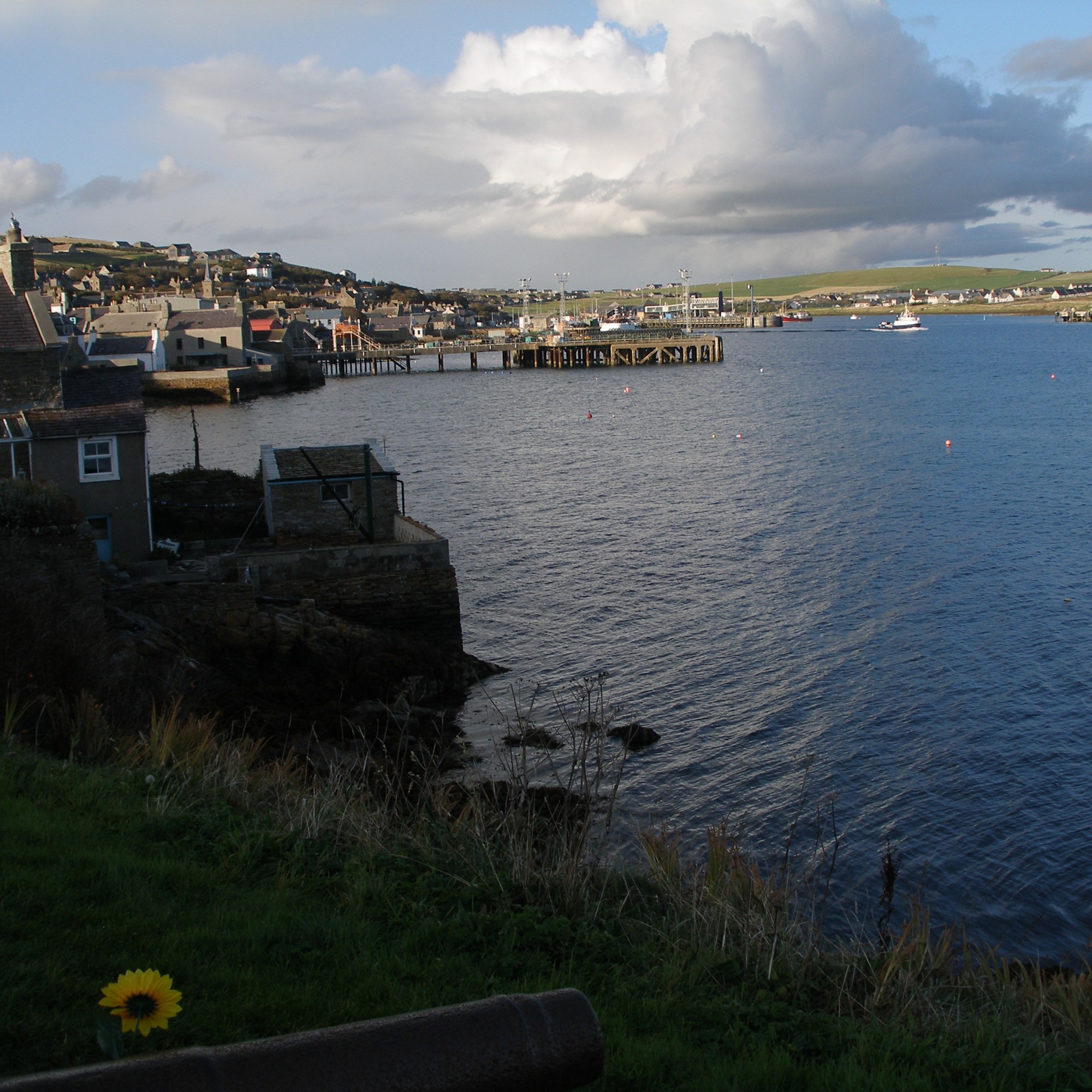
Flying in early afternoon from Edinburgh to the airport situated to the south of its capital, Kirkwall, to meet up with our first leader and the hikers on my flight, my expectations were high. By late afternoon, well-settled into my charming room in the historic Ferry Inn in ancient Stromness, west of the capital, I set off to explore the old town, walking past the busy ferry terminal towards Stromness Point. In golden evening sunlight, the narrow granite streets of slab-fronted old houses were enchanting. Looking out from the Point towards the distinctive humpback ridge of the isle of Hoy, I pledged to not waste a single moment of the precious next two weeks.

Sustained by the first of outstanding breakfasts from the Ferry Inn’s restaurant, Sunday was out first full day of walking. Orcadian poet George MacKay Brown’s Brinkie’s Brae (a hill) was climbed and after a picnic lunch of oatcakes and fruit, a second hike from Stromness was completed to Warebeth Beach and cemetery with a visit to Stromness Museum enroute back to the inn. After the Ferry Inn Restaurant’s three-course superb dinner, there was traditional Orkney music to enjoy in the crowded lounge bar of the nearby Royal Hotel, the band consisting of fiddles, guitars, a flute and a piano. Sipping a wee dram of local Scapa malt, I watched incomers and locals alike immerse themselves in the pleasure of the energetic melodies.
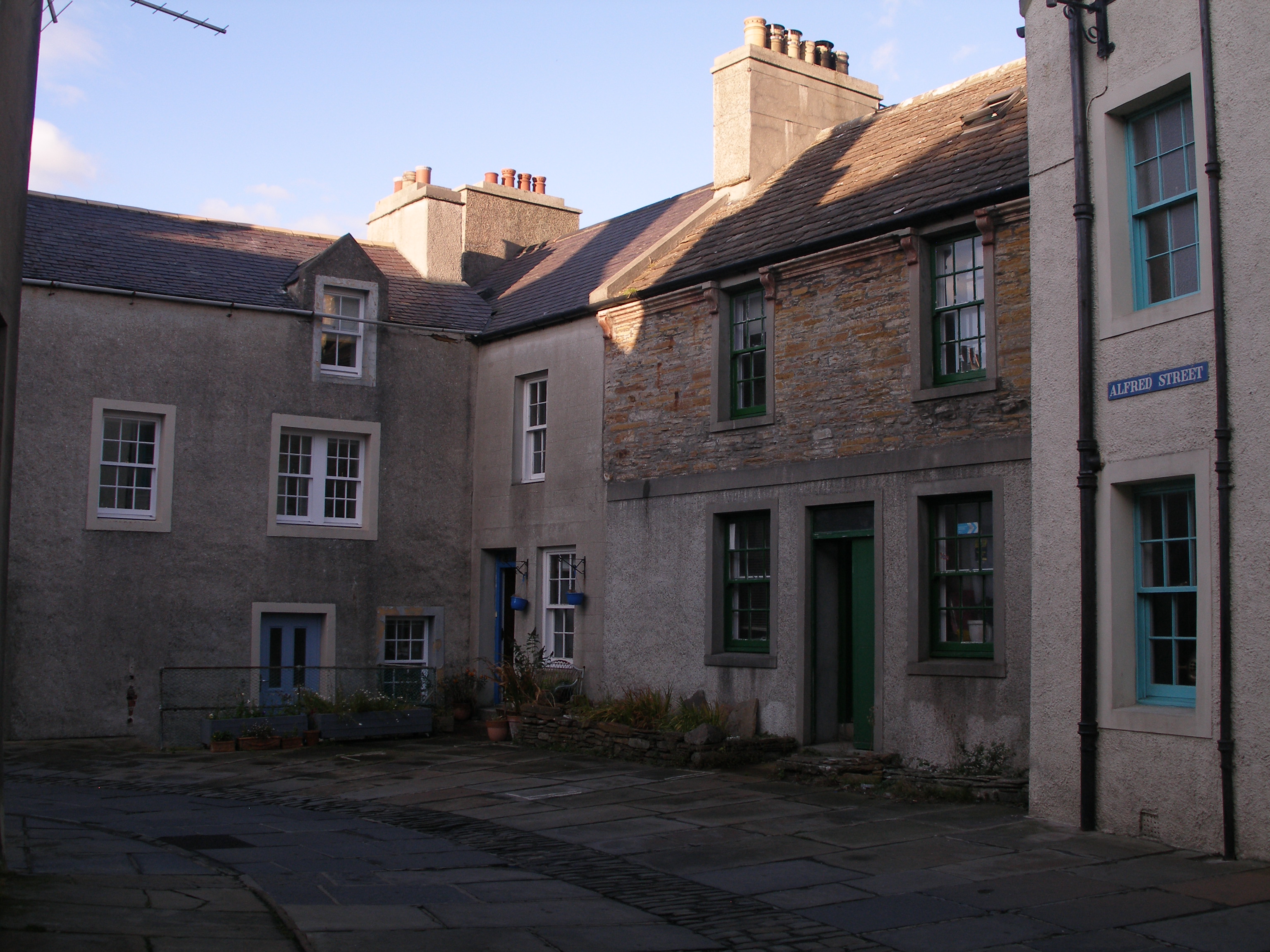
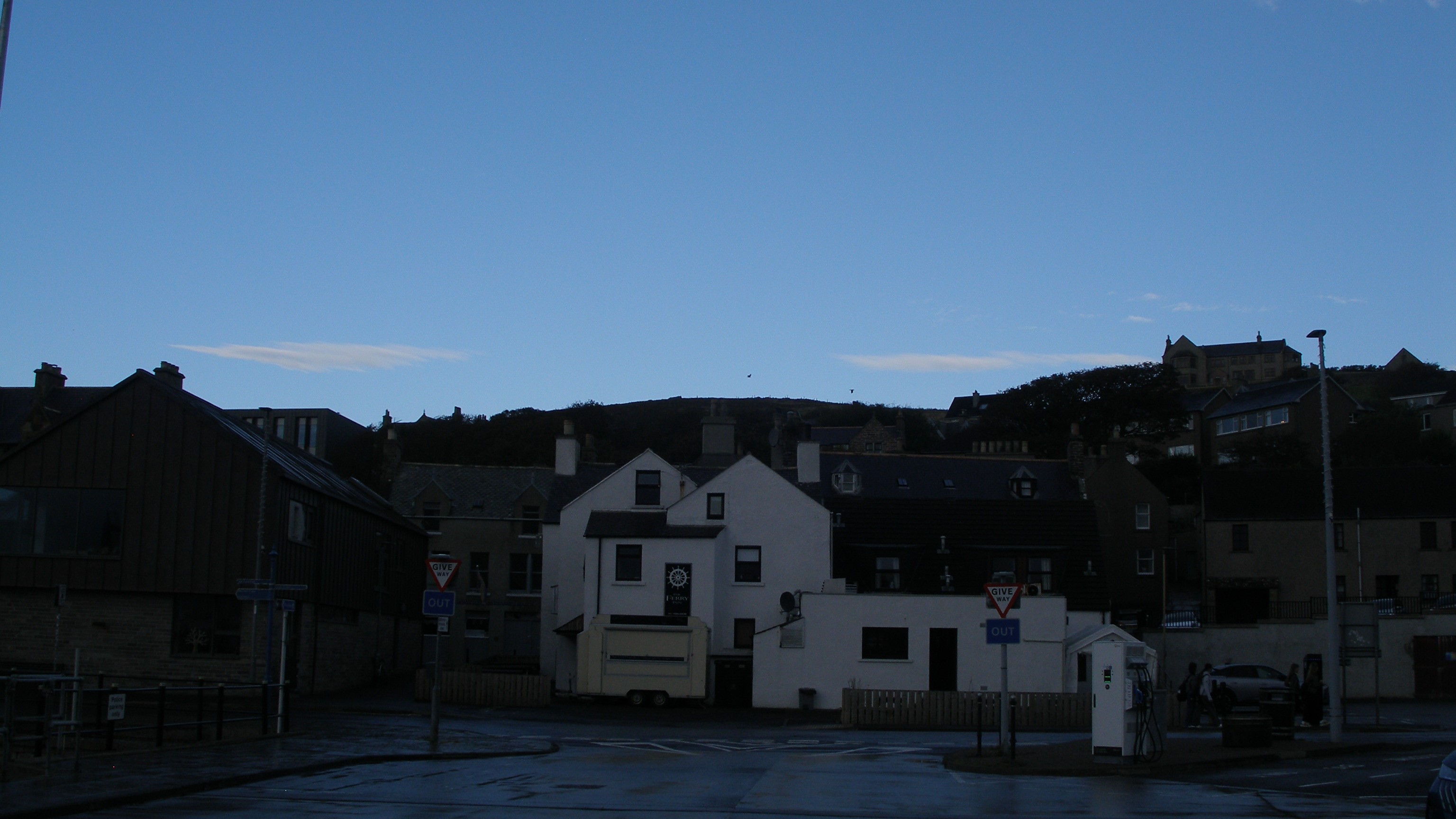
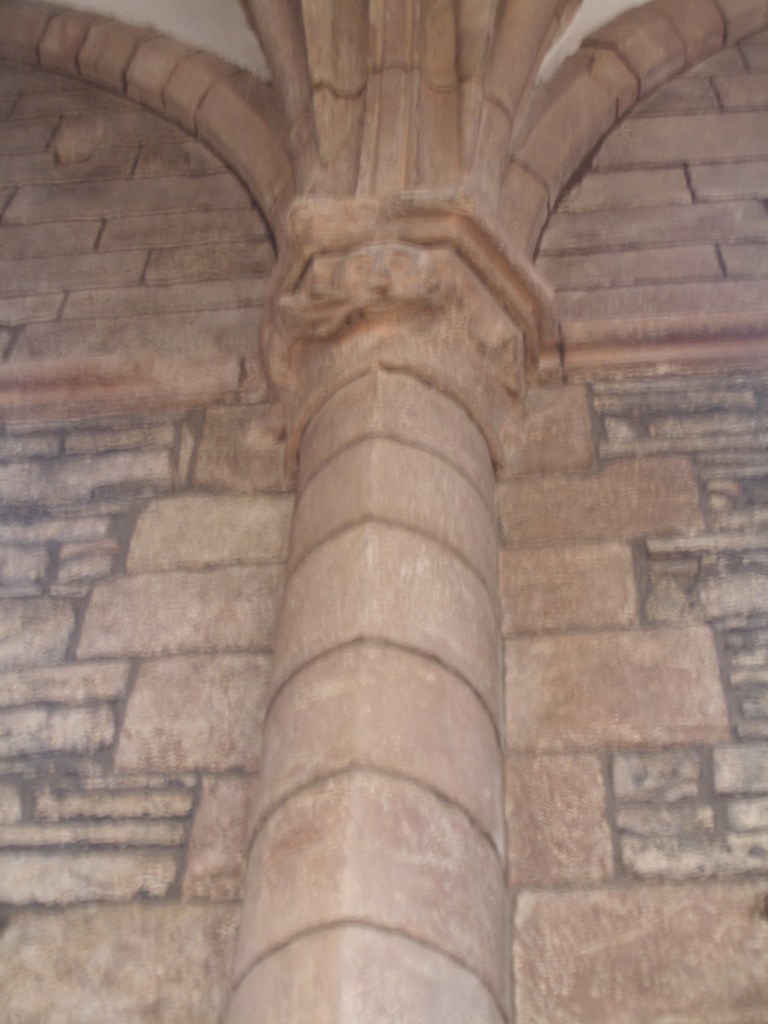
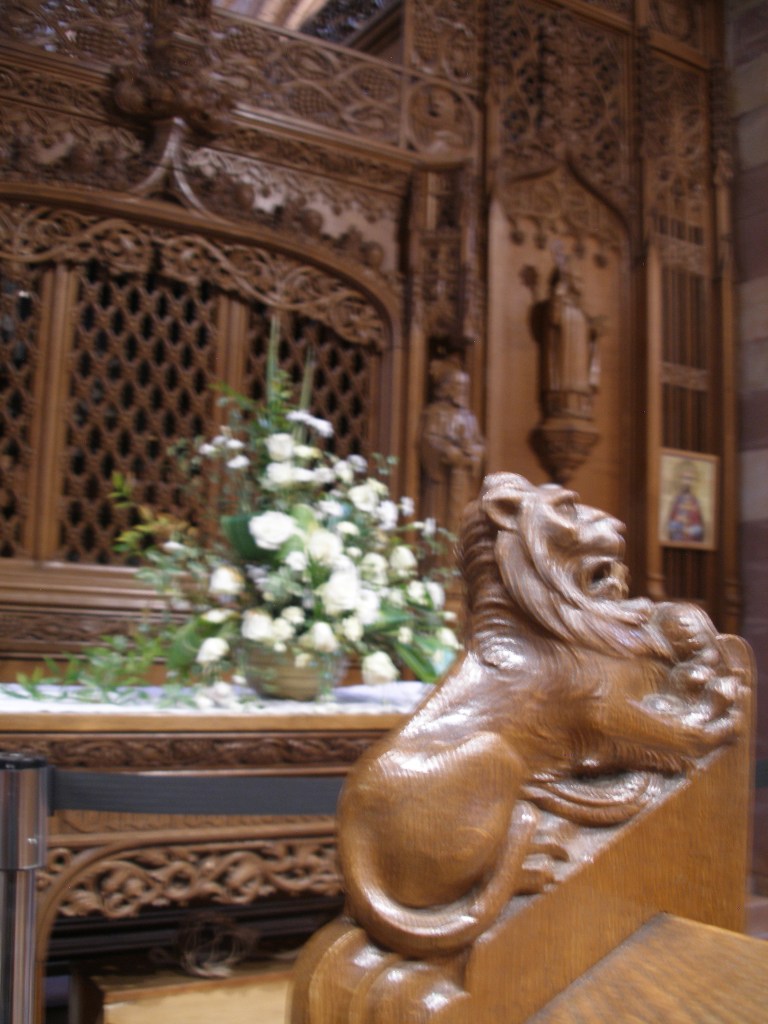
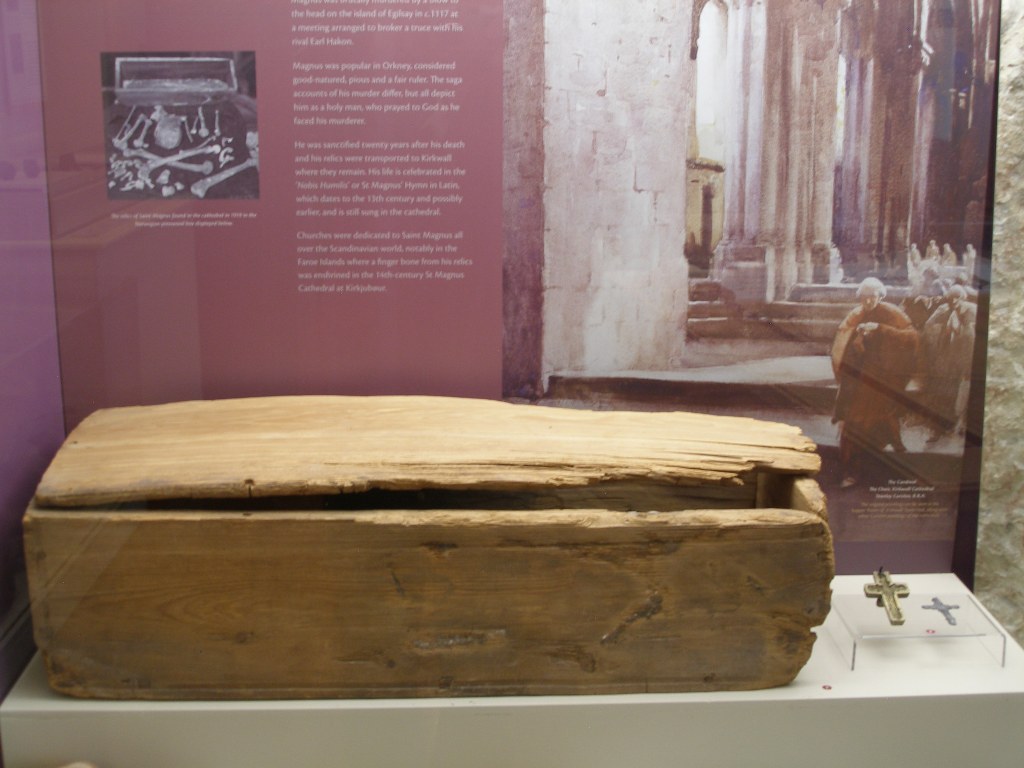
The weather did not cooperate over the next few days, making hiking but not photography possible as we explored in steady rain, the Bishop’s and Earl’s palaces at Berstane and nearby St Magnus’ Chapel, part of the pilgrim’s way from the island of Egilsay (where the patron saint was murdered) and ending at St Magnus’ Cathedral in Kirkwall.

Pelting rain failed to diminish the awe of the Neolithic village site at Skara Brae, nor the graciousness of our welcome from staff at the charming Jacobean manor house, Skaill House, home to the Earls of Orkney.

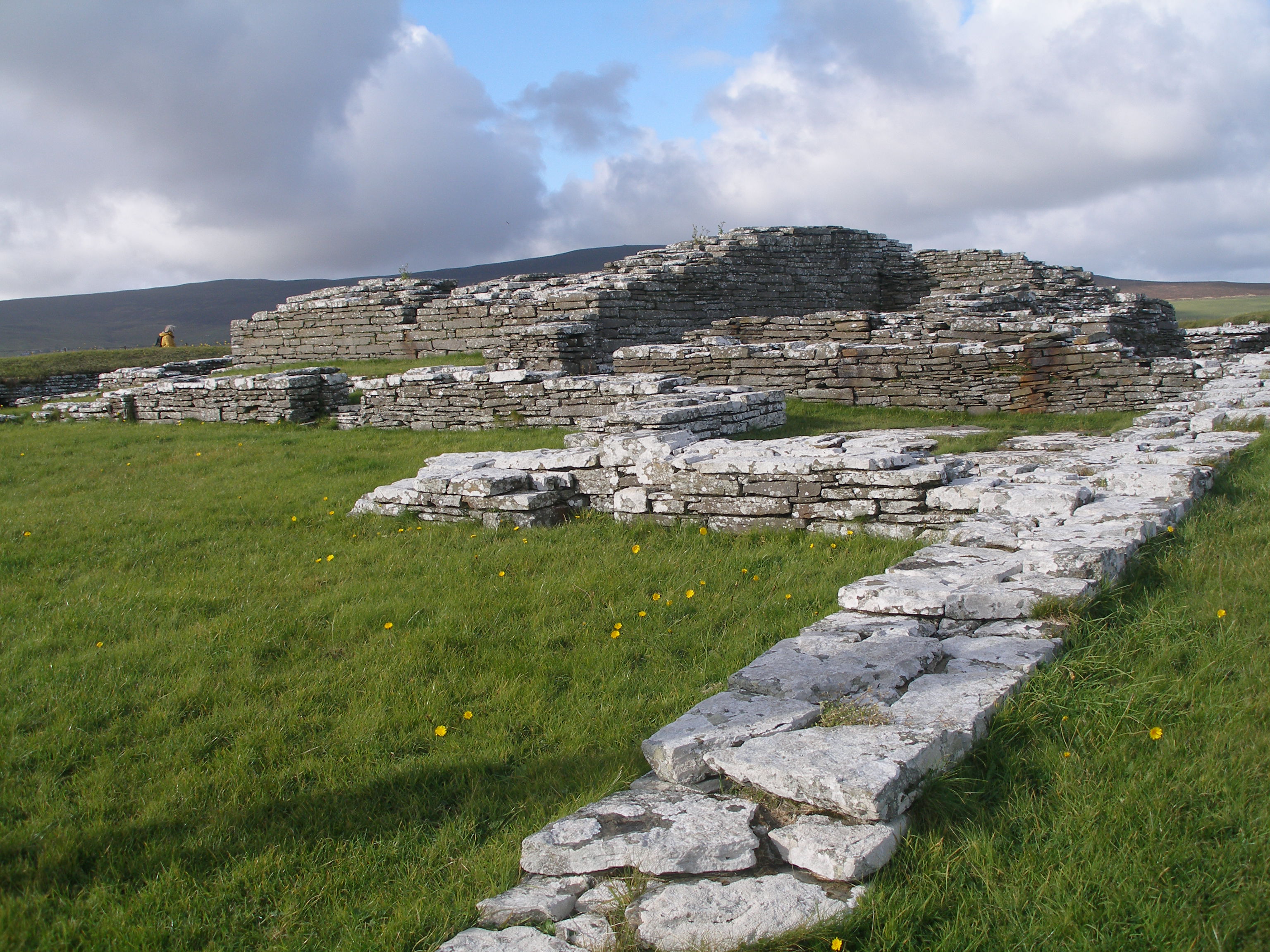
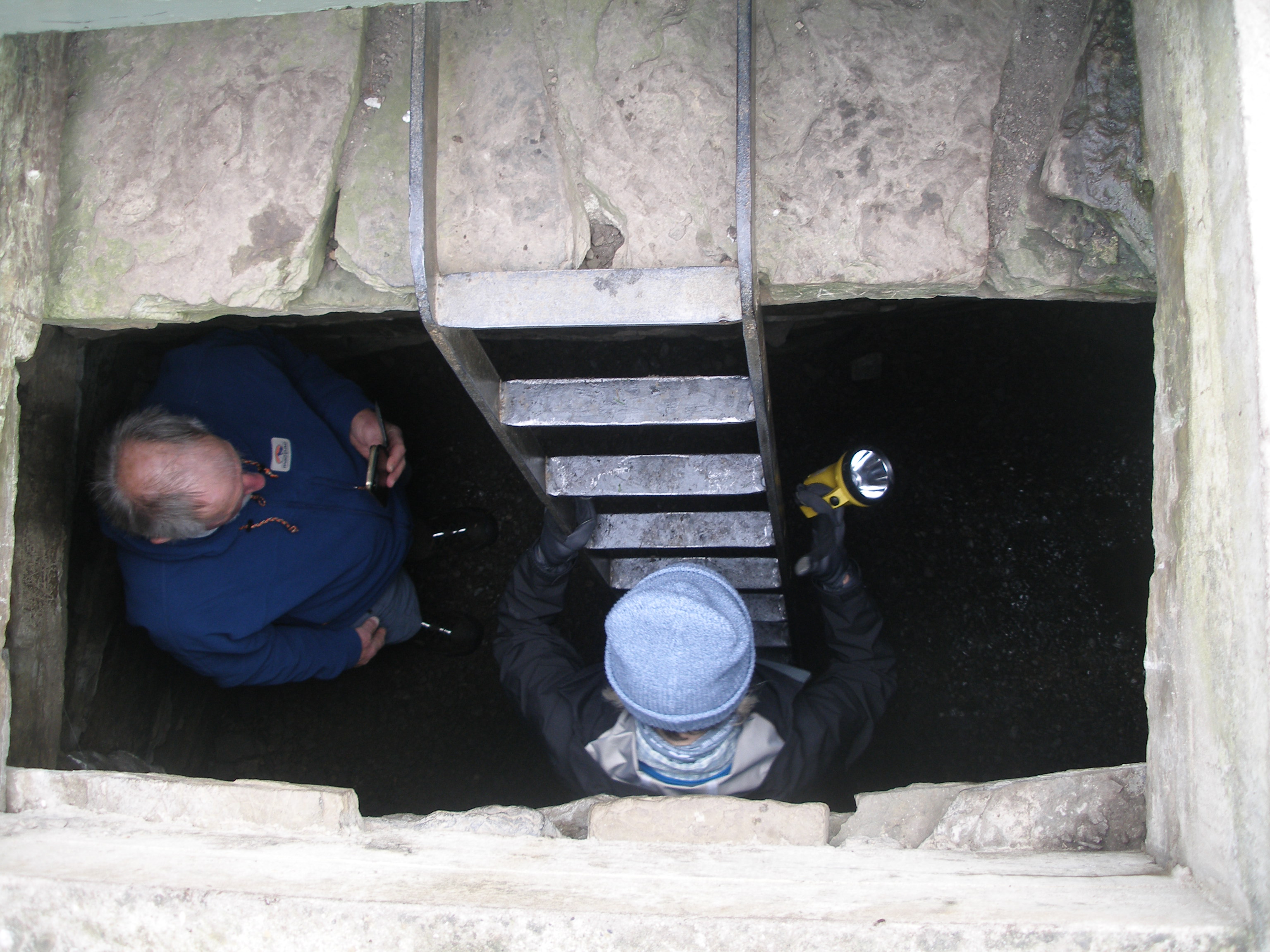
Damp ferry journeys were undertaken to the islands of Wyre to explore the oldest defence tower in Scotland, Viking Earl’s Cubbie Roos, and of Rousay, to climb down into the claustrophobic confines of the Taversoe Tuick underground cairn, followed by hiking the ridge of Knichen Hill, pausing only to help a local lad round up some errant sheep as we descended.
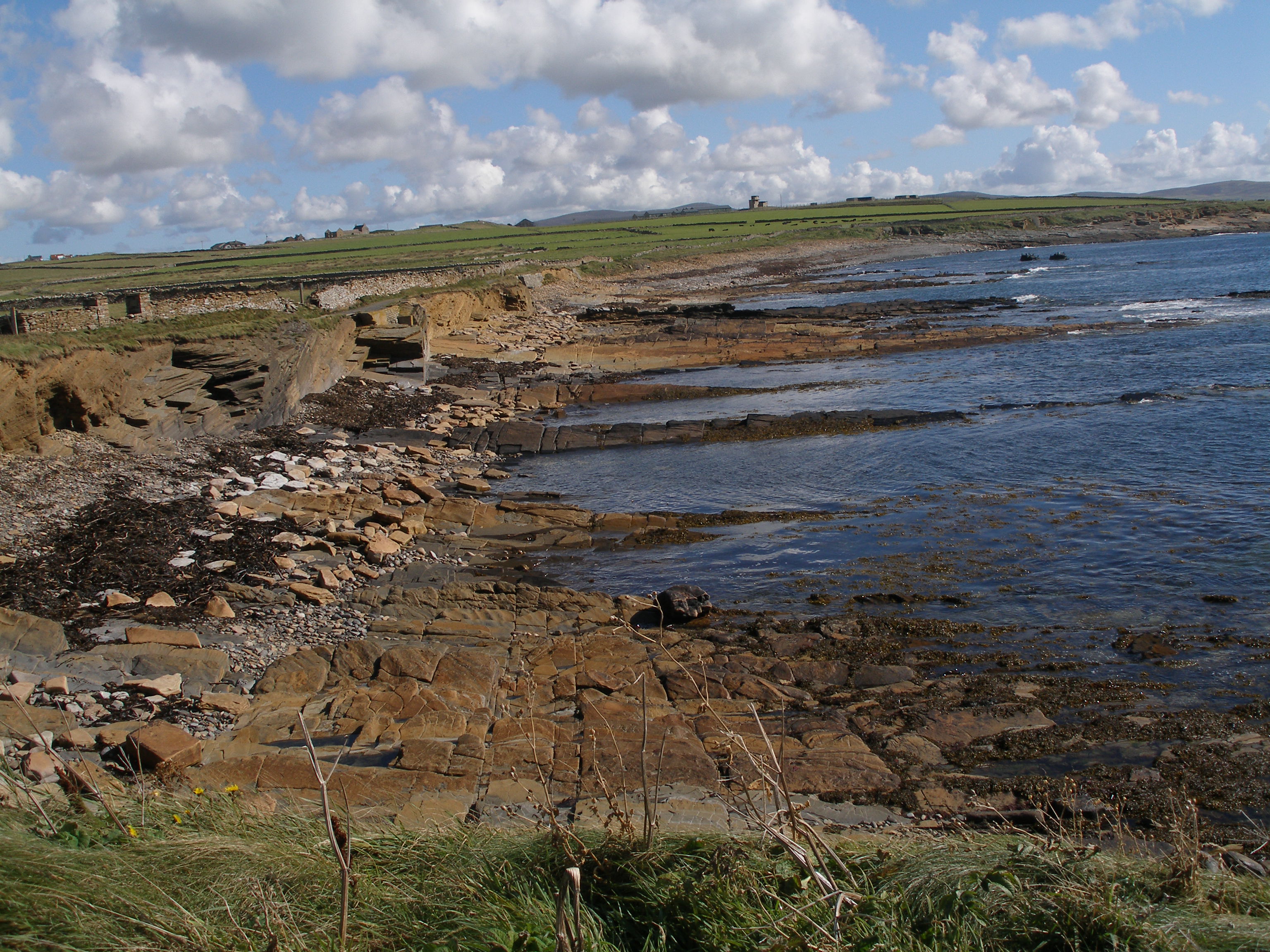
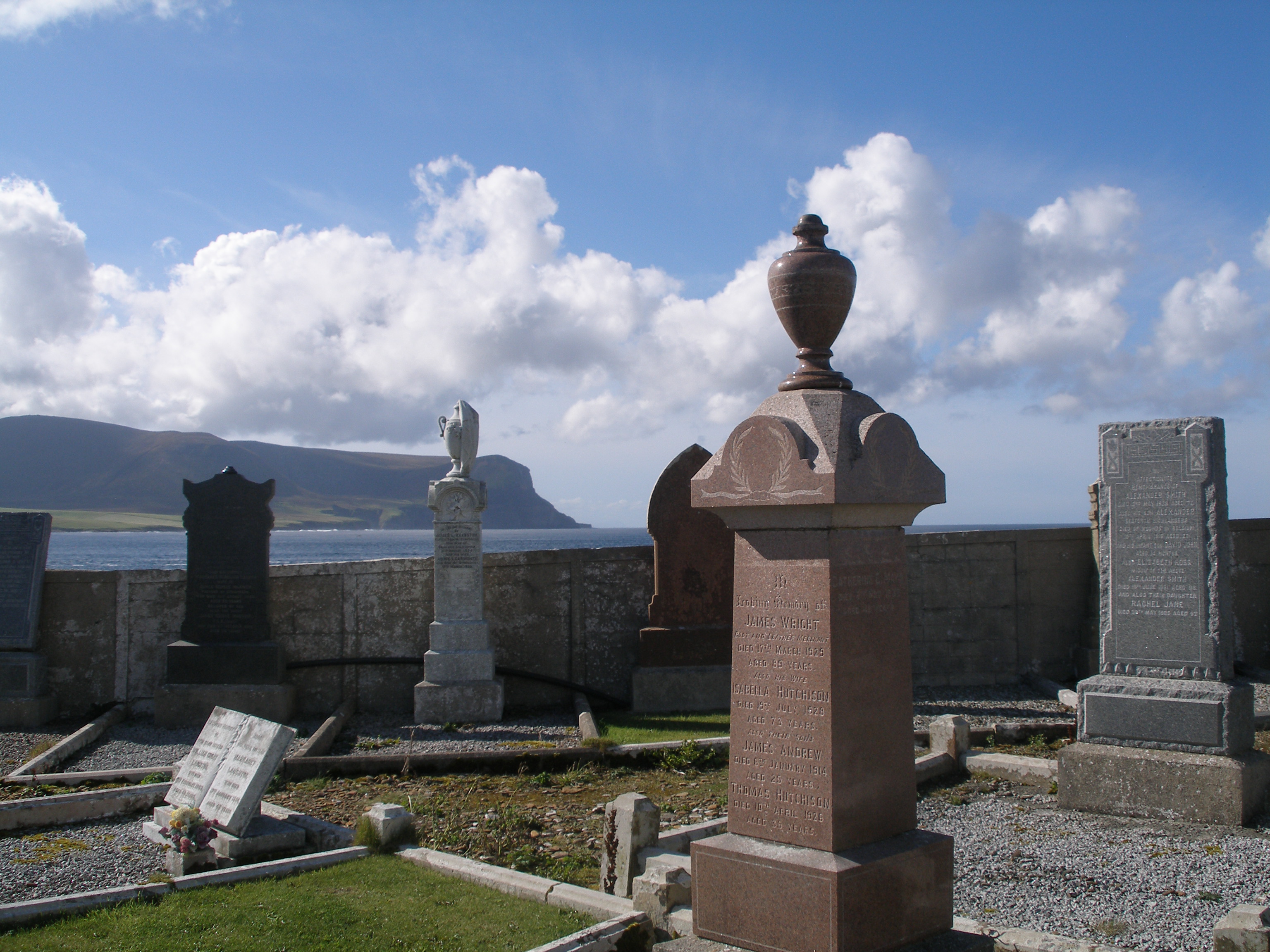
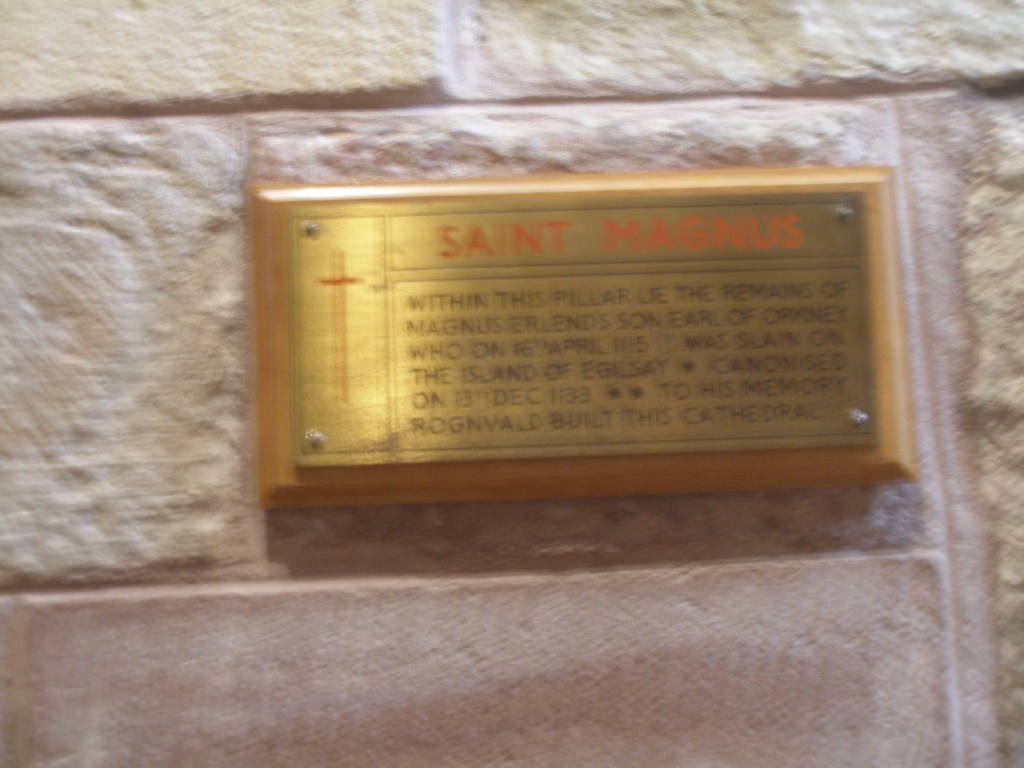
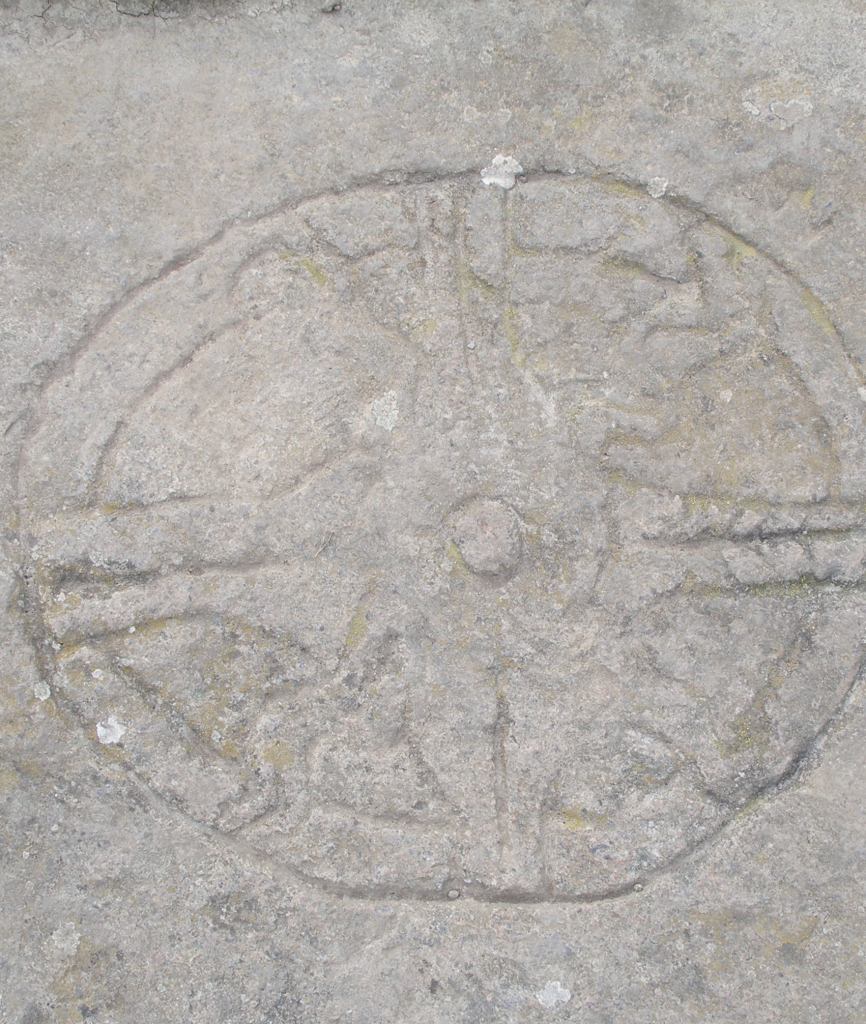
Next day the minibus dropped us off to hike through showers to Wideford Hill Chambered Cairn with its Neolithic scratchings carved into the rock face, and to then descend into the town of Kirkwall itself to explore the absorbing displays of the Orkney Museum set in Tankerness House and gardens. The St Magnus’ Visitor Centre’s informative video installation filled in all the gaps in the story of St Magnus’ life and I was thrilled to finally locate the remains of the saint himself interred in a pillar in a modest spot in the tranquil Cathedral.

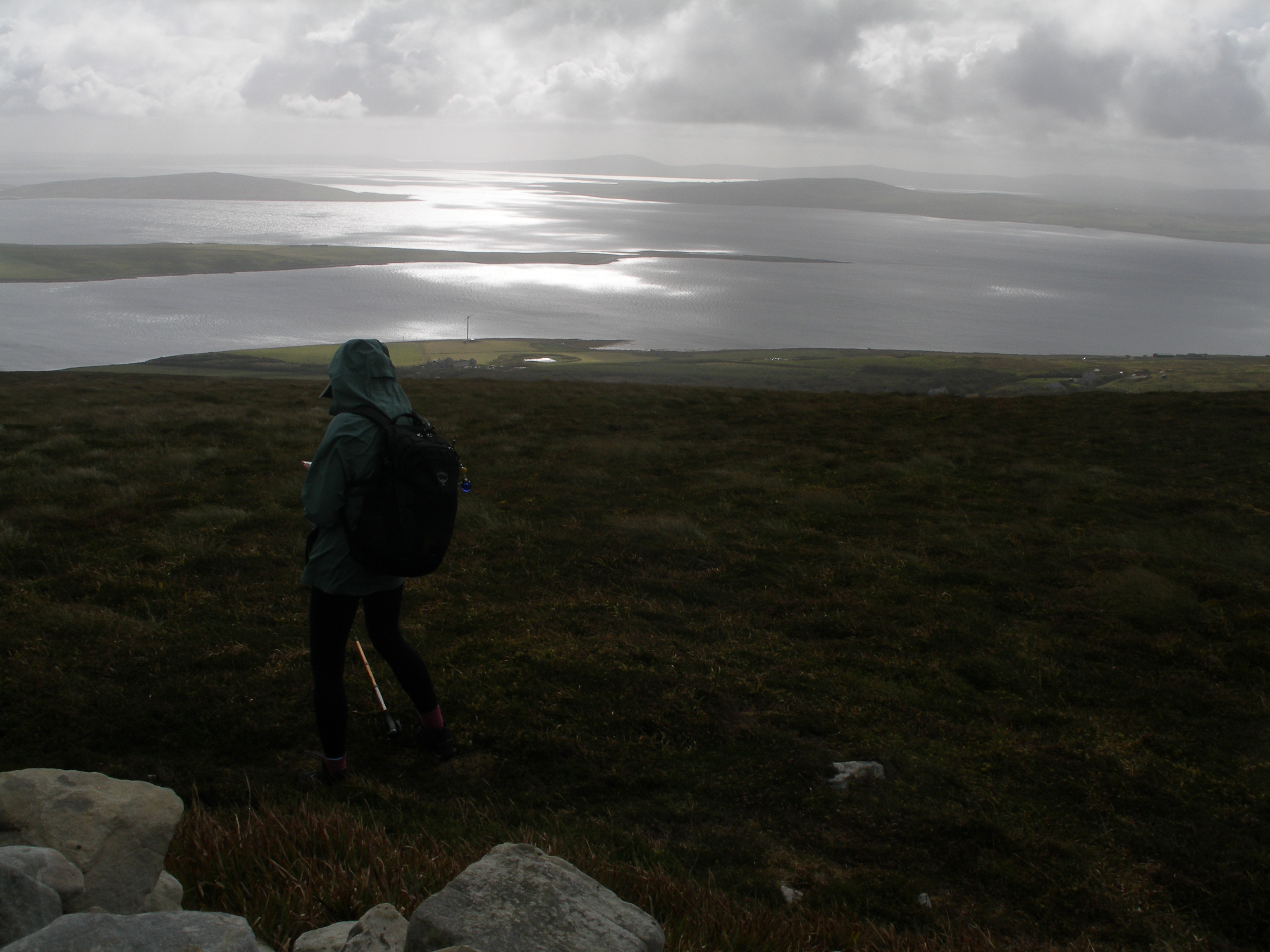
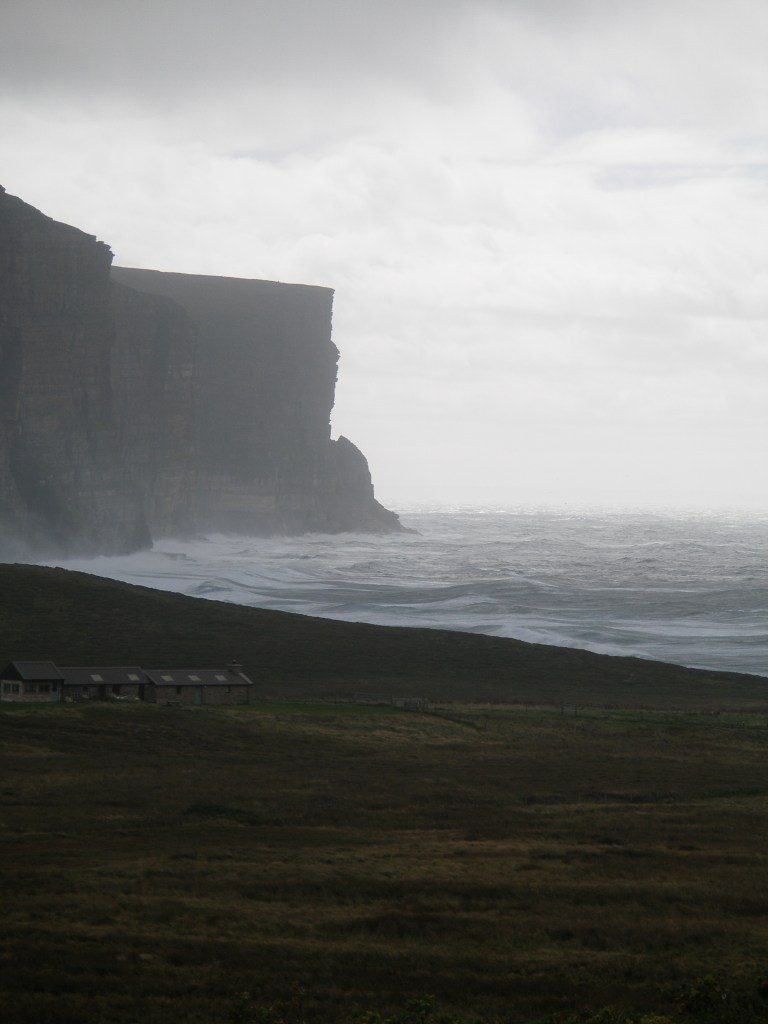
Wind gusts had joined the rain by the time we climbed aboard the ferry to the Isle of Hoy the next day.  Huge swells built as we hiked from Longhope to Rackwick to see the Dwarfie Stone Chambered Cairn.  Halfway along the headland path towards the solitary stack of the Old Man of Hoy, our group leader aborted the hike due to the ultra-high, inshore winds buffeting our every step. We about-turned and headed back into Rackwick, visiting the Cra’Nest Heritage Museum and Hoy Old Parish Church as we returned to the jetty at Longhope.

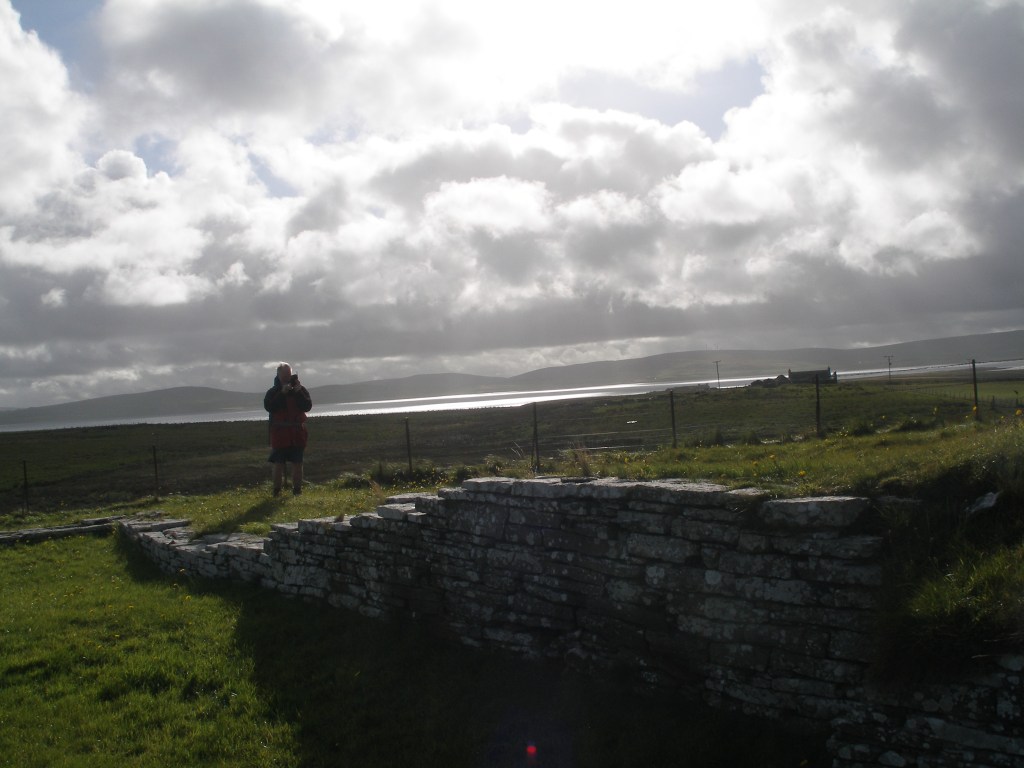
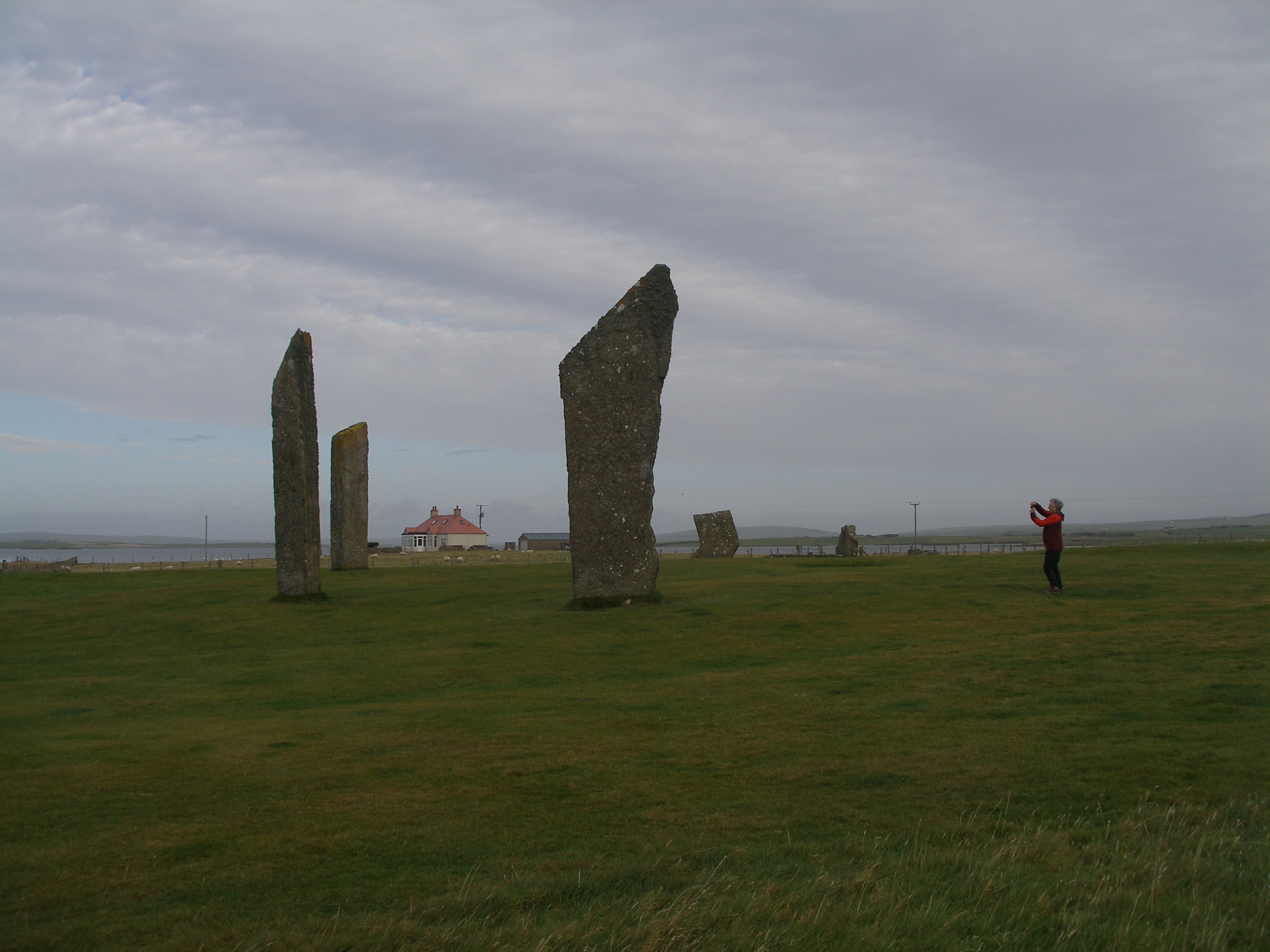
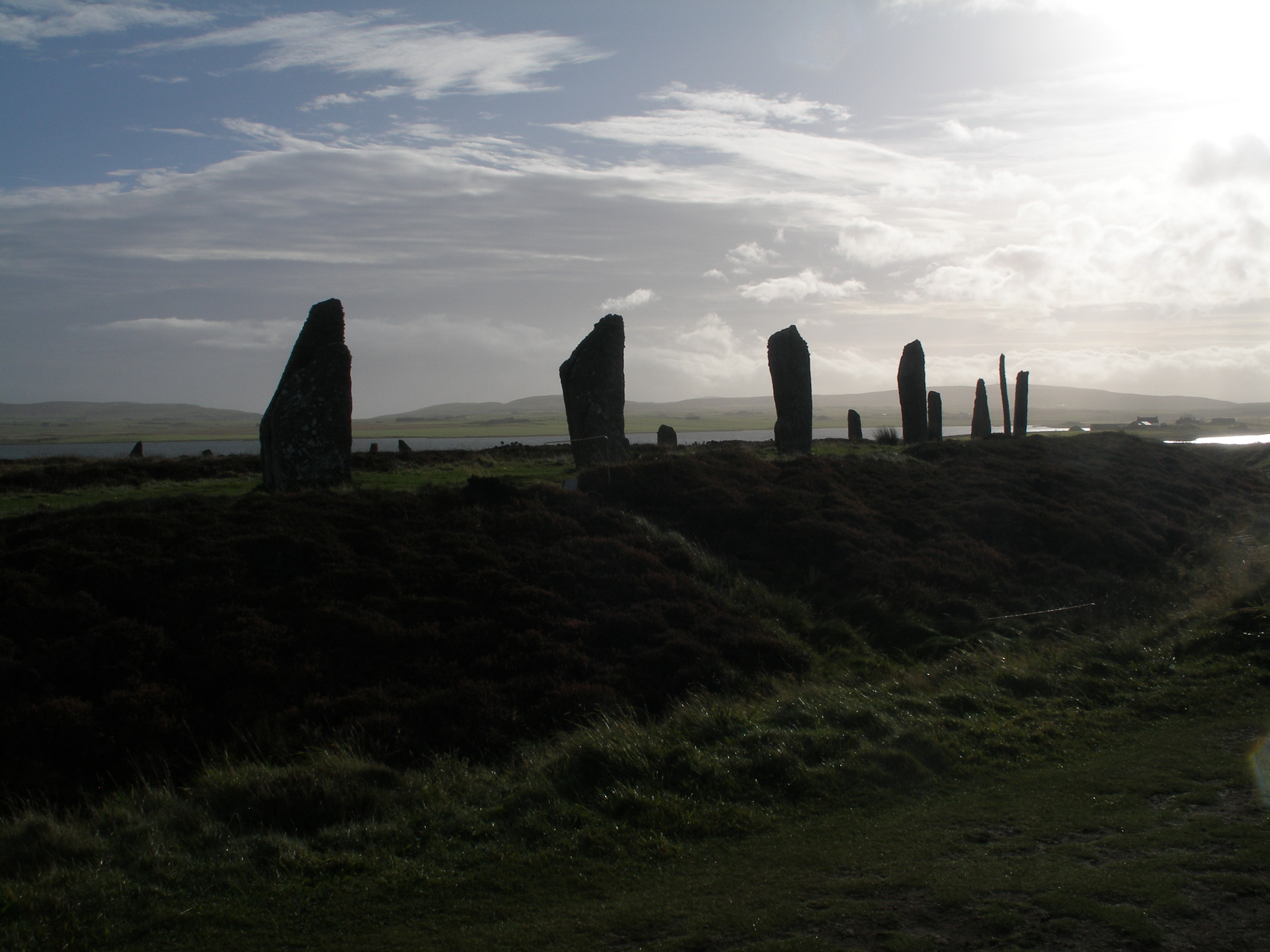
The ancient gods must have learned of our disappointment: the next day we woke to clear skies for our tours of the iconic stone circle Ring of Brodgar where thirty six of sixty original standing stones are still erect, and the Standing Stones of Stenness where six of the original twelve remain. Their majesty somewhat over-shadowed the impact of the visit to the Neolithic Barnhouse Settlement where a group of eight multi-roomed houses have been excavated, together with the Unstan Chambered Tomb and its unique Unstan ware pottery.

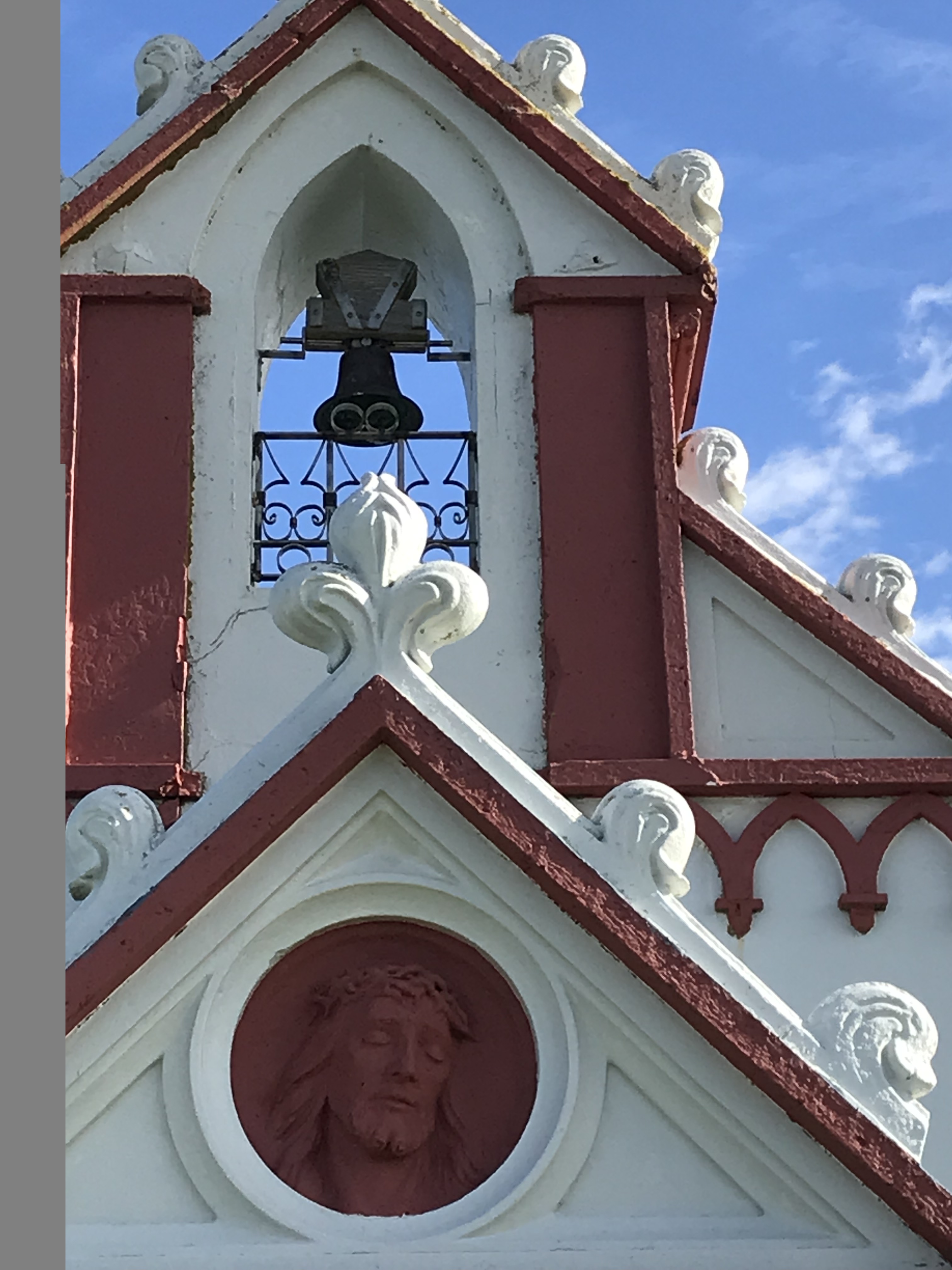
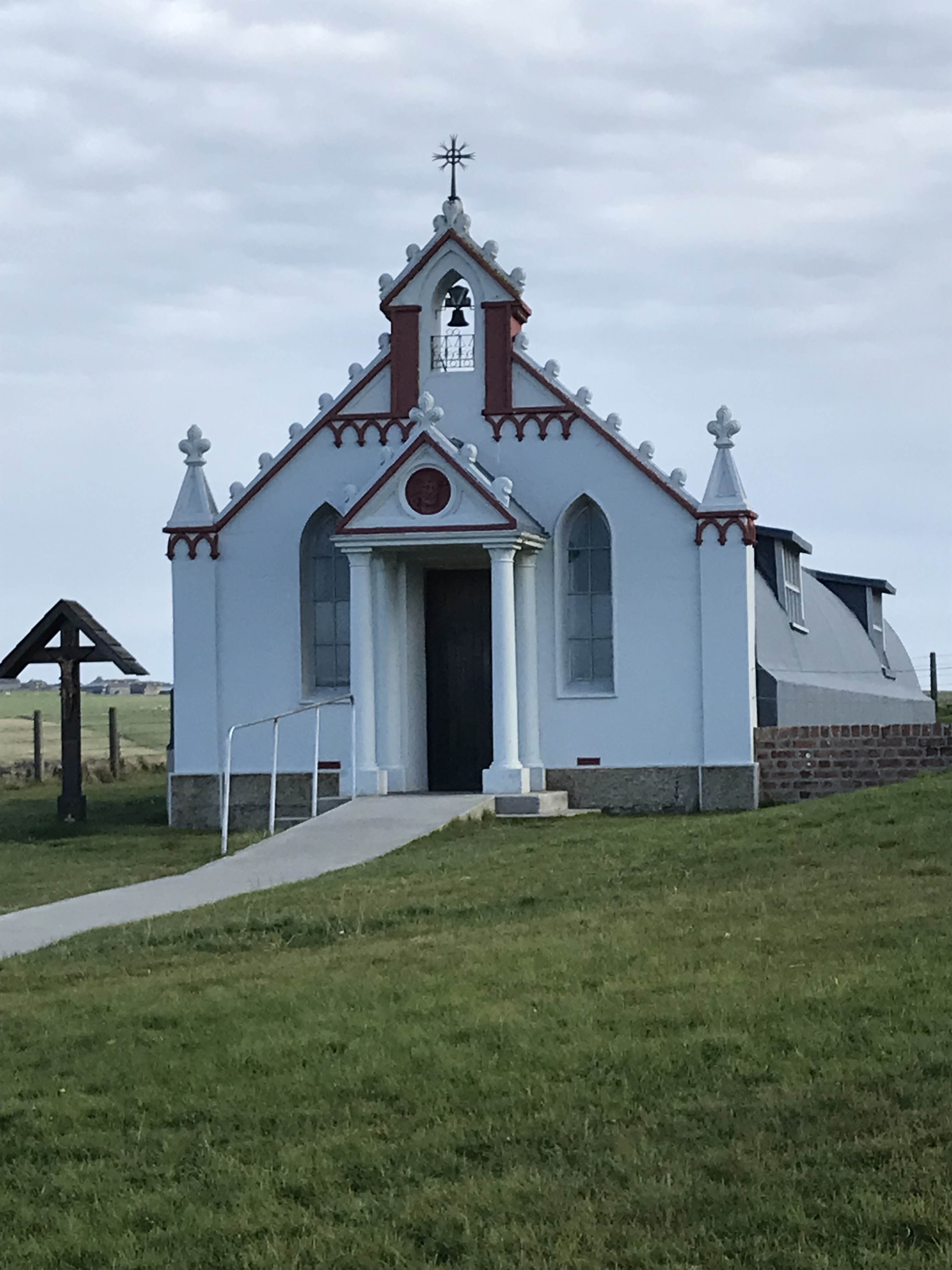
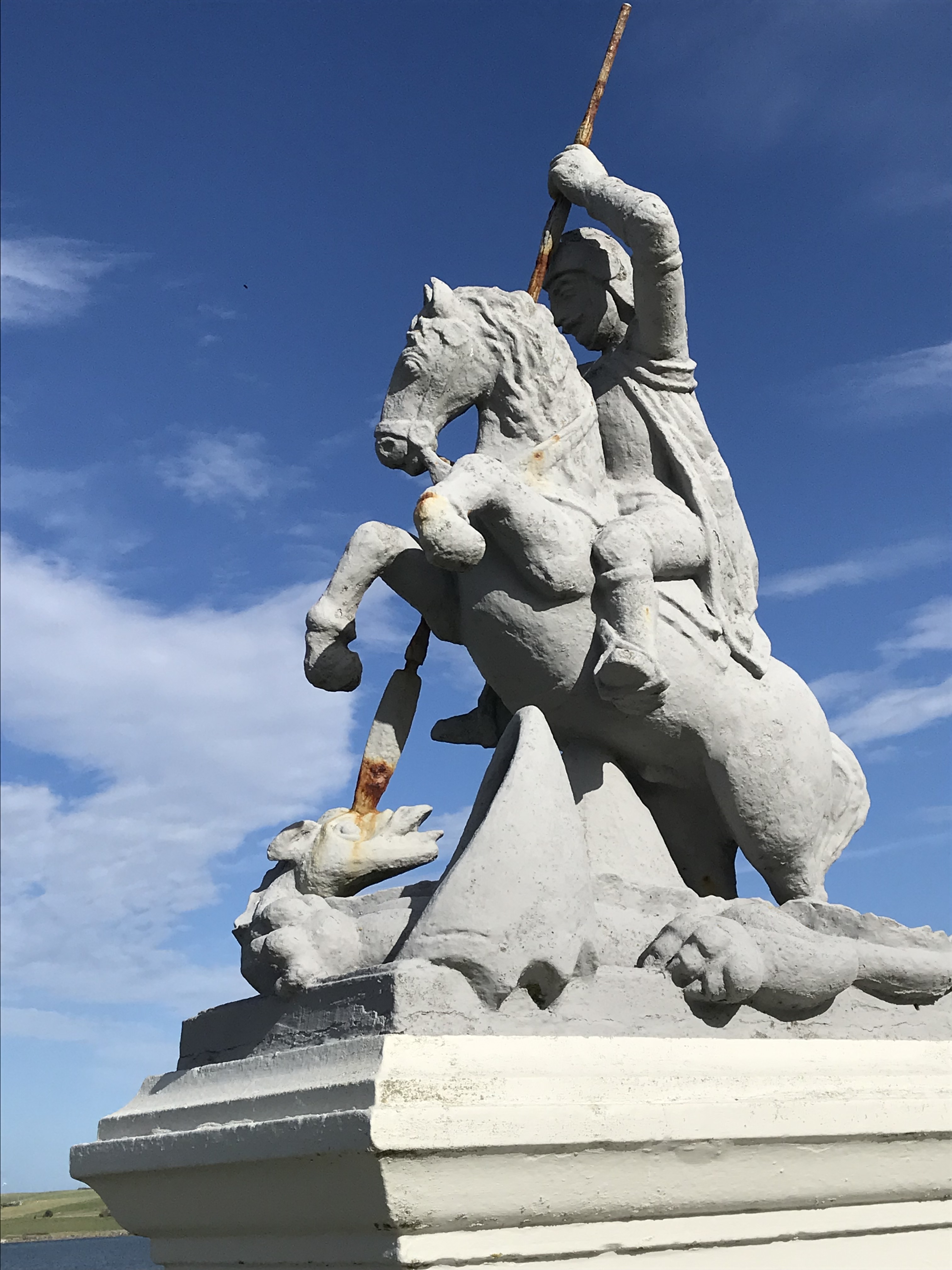
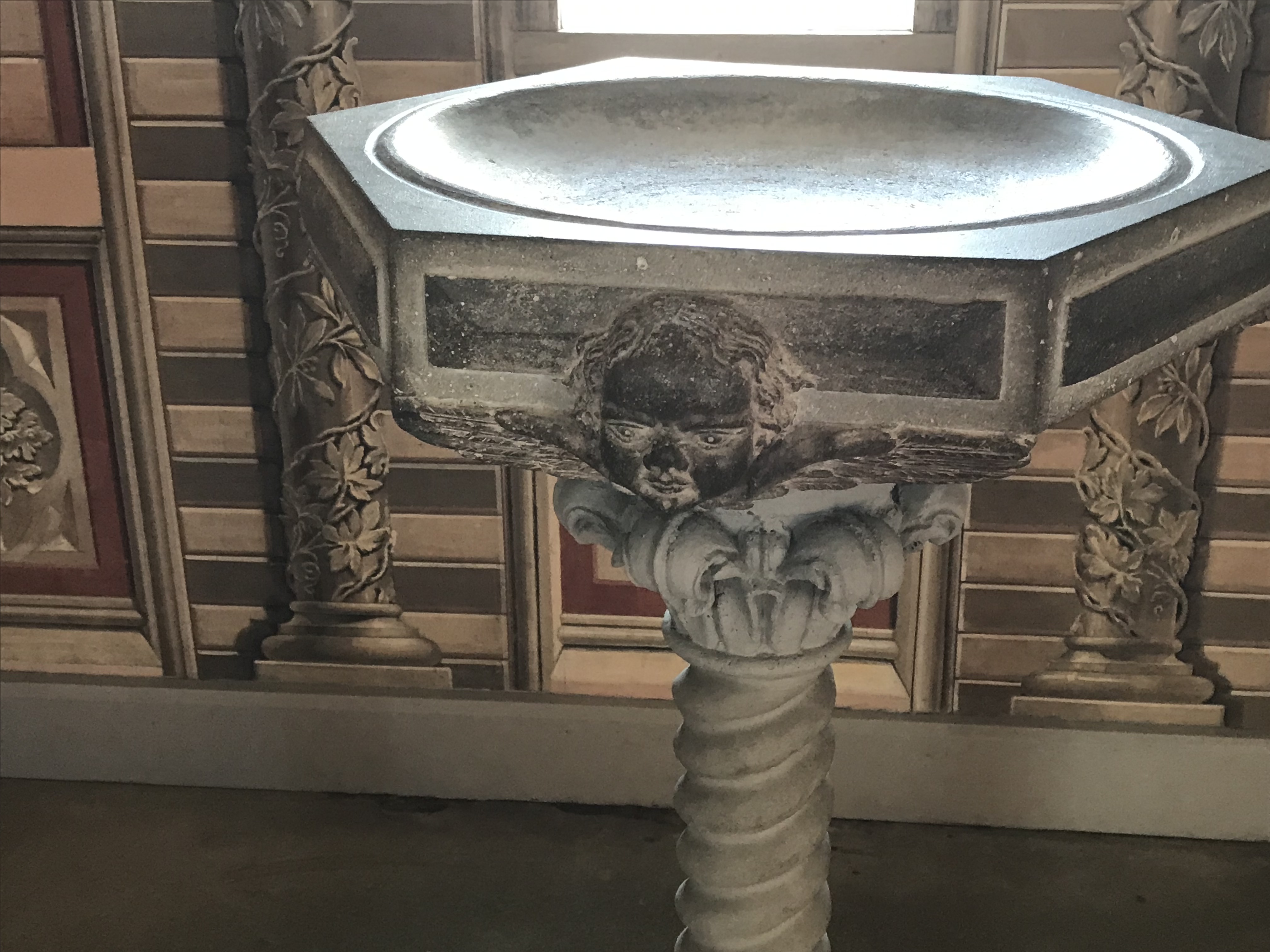
Back into the mini bus to visit the Italian Chapel created from two Second World War Andersen shelters by Italian prisoners of war who ingeniously decorated the entirety with trompe d’œil into an ornate Roman Catholic  place of worship.

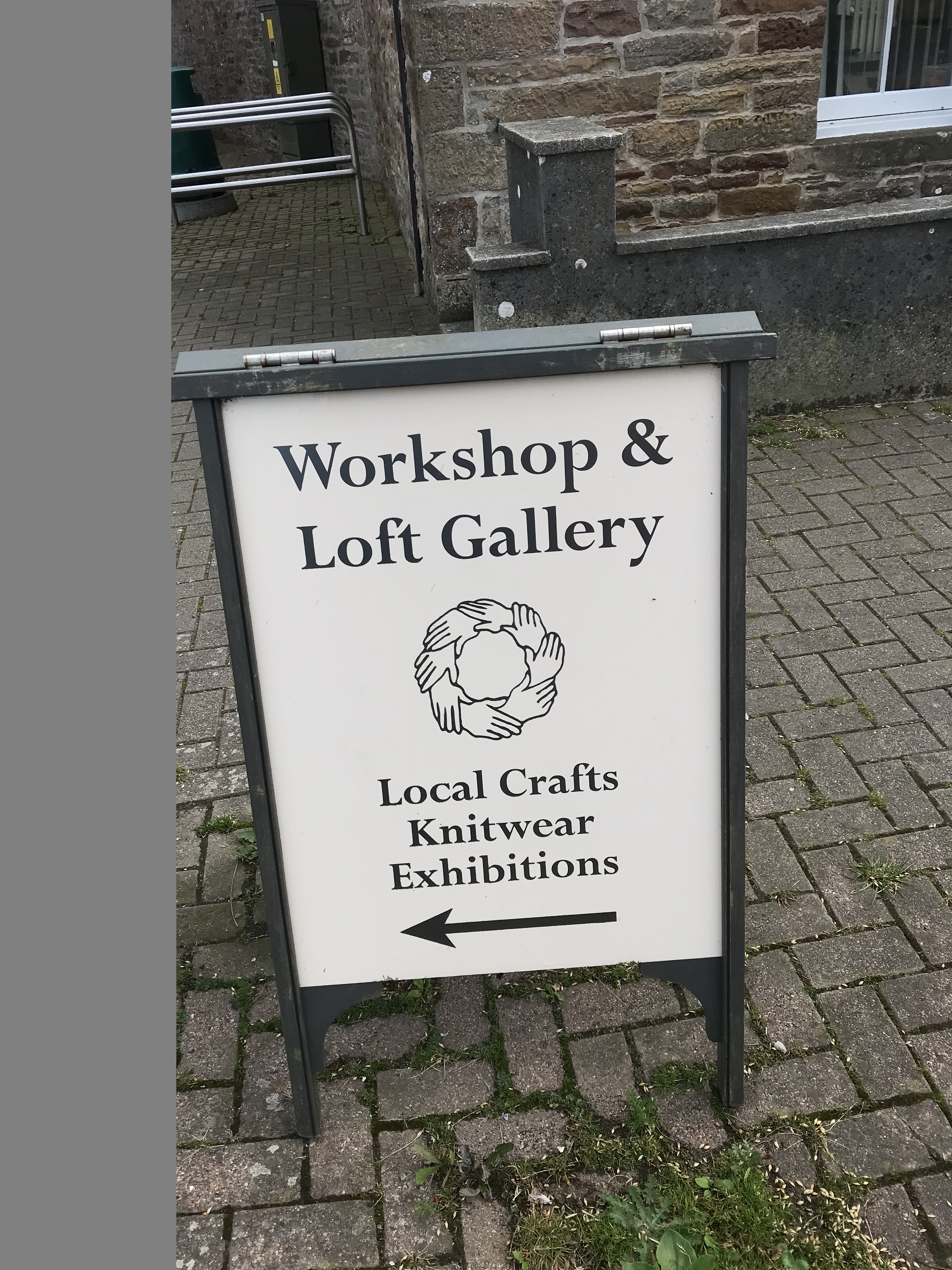
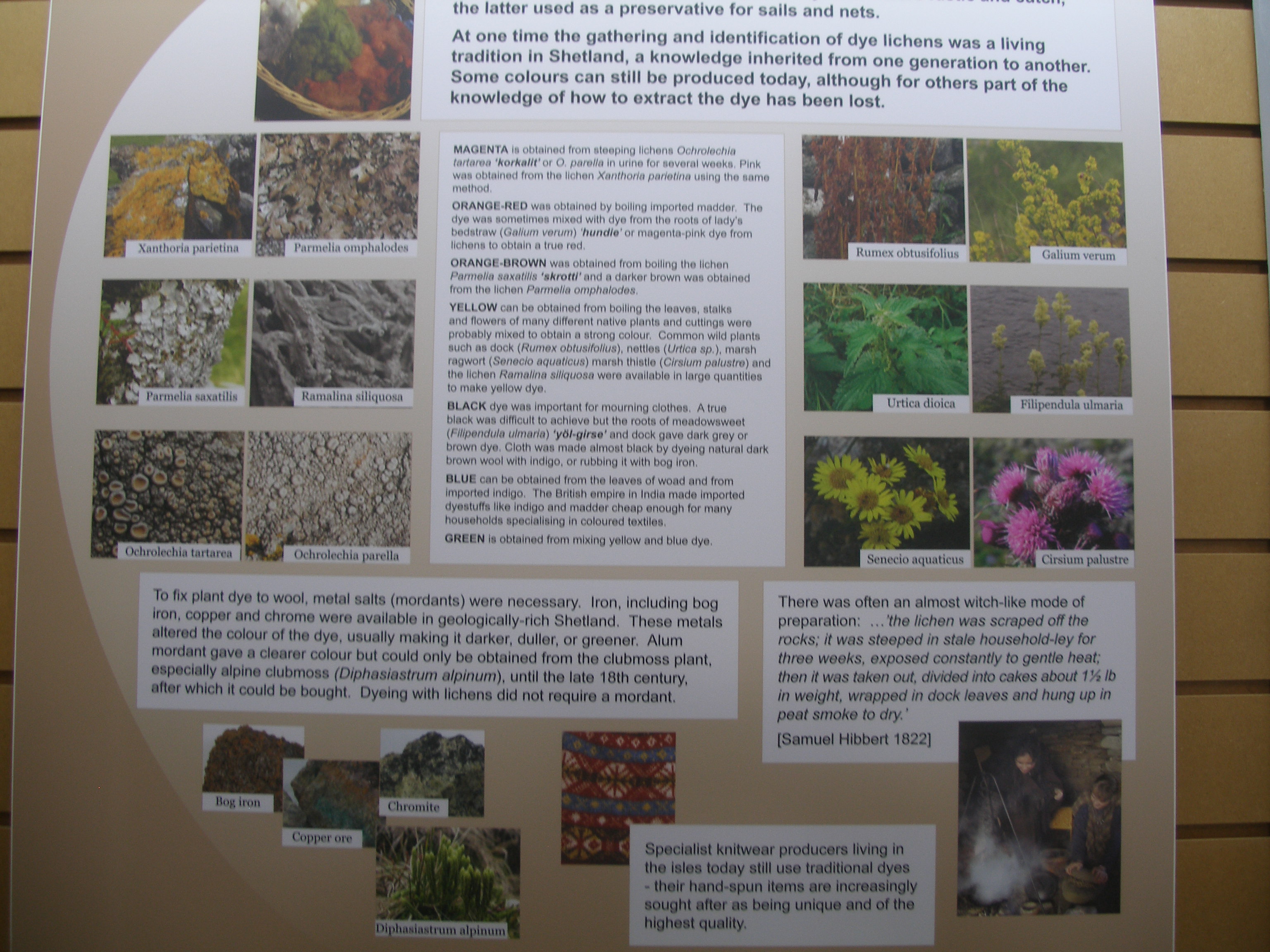
In addition to the obvious pleasure of the better weather, my day was made when during free time for lunch, I happened upon the Workshop and Loft Gallery, located near the picturesque harbor front of the town of St Margaret’s Hope. Inside were baskets of local Orcadian wool vegetable dyed in subtle blues, greens, rose and ochres.  I purchased five large skeins of hand-spun wool from a flock on the Isle of Auskerry, farmed, shepherded, sheered and spun by a single mother raising five sons: an Orcadian resilient.
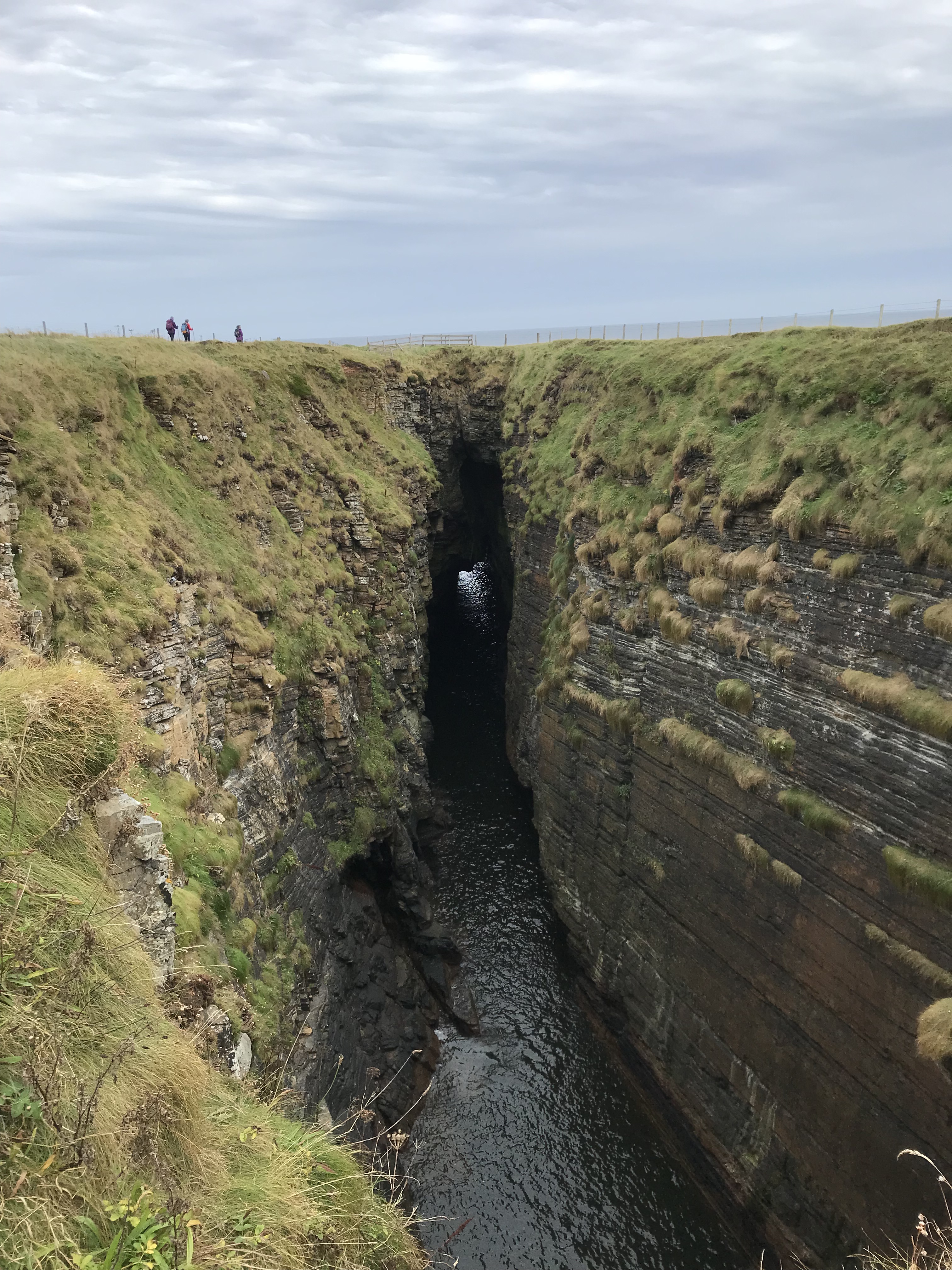
Sunshine continued for our last day’s final short hike along Mull Head through the nature reserve to photograph the Gloup (a naturally-formed sea spout and blow hole) and the climb up onto the Brough of Deerness with its steps cut into the rock at its summit. Several sightings of mountain hares made a last afternoon’s hike perfect!

After an outstandingly delicious farewell dinner and a group thank-you to our fabulous hosts at the Ferry Inn, Karen and Garth Crichton, we dispersed to pack: the majority was like me flying at first light to the Shetland Islands: others were catching return flights to Edinburgh and Glasgow airports.

Packed, I slipped out of the hotel and walked the quiet streets of the old town of Stromness for a last time. Reaching the Point, I sat for some moments on an old bench silently thanking the islands for their unforgettable welcome.

Loudly whistling Peter Maxwell Davies’ poignant melody, “Farewell to Stromness” I made my way back to the hotel in the last of the evening’s sunlight. I was ready for the next phase of this adventure relishing the prospect of a full seven, packed days of significantly more rugged shoreline hiking yet to enjoy!
THE SHETLAND ISLES

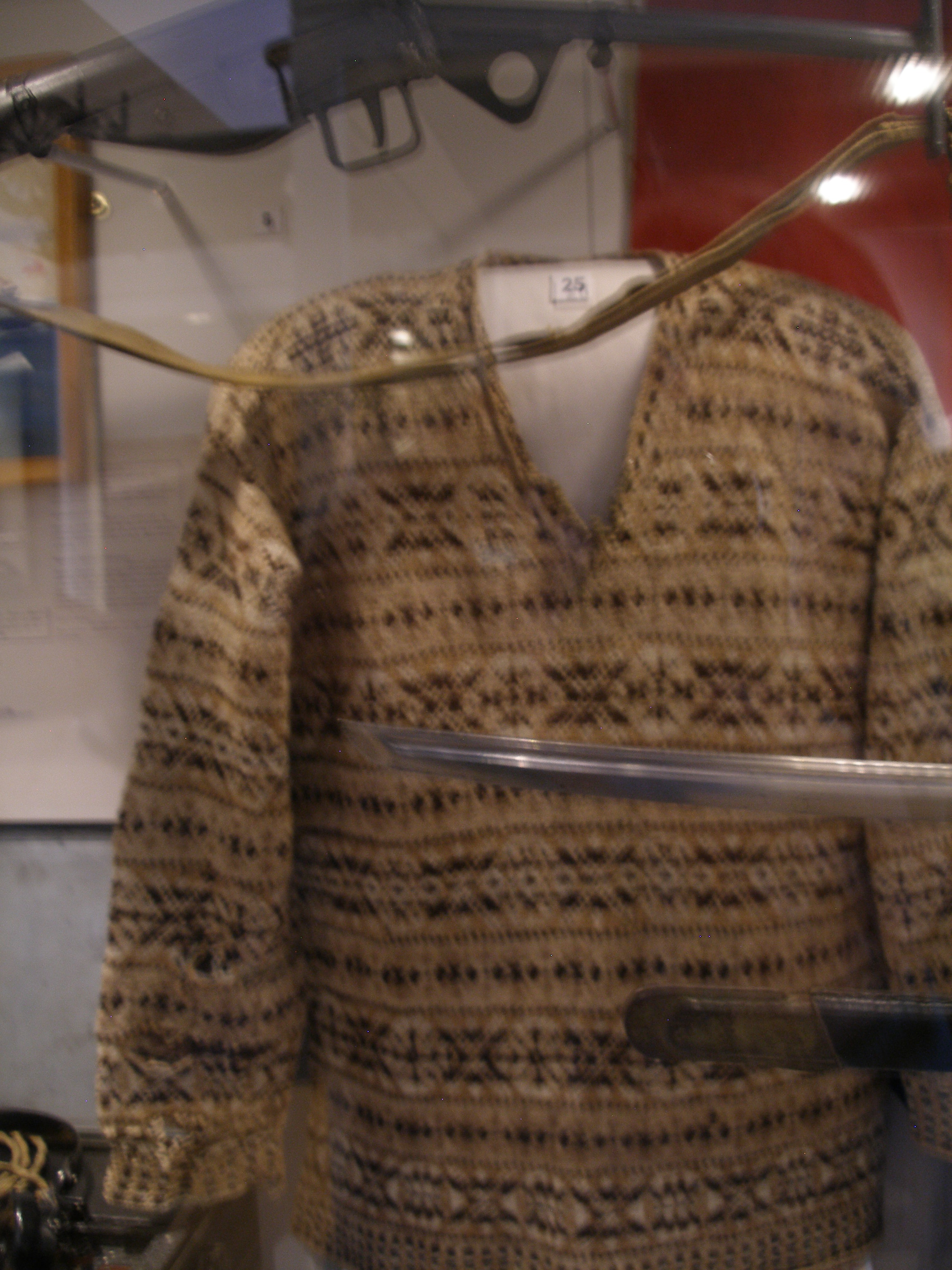
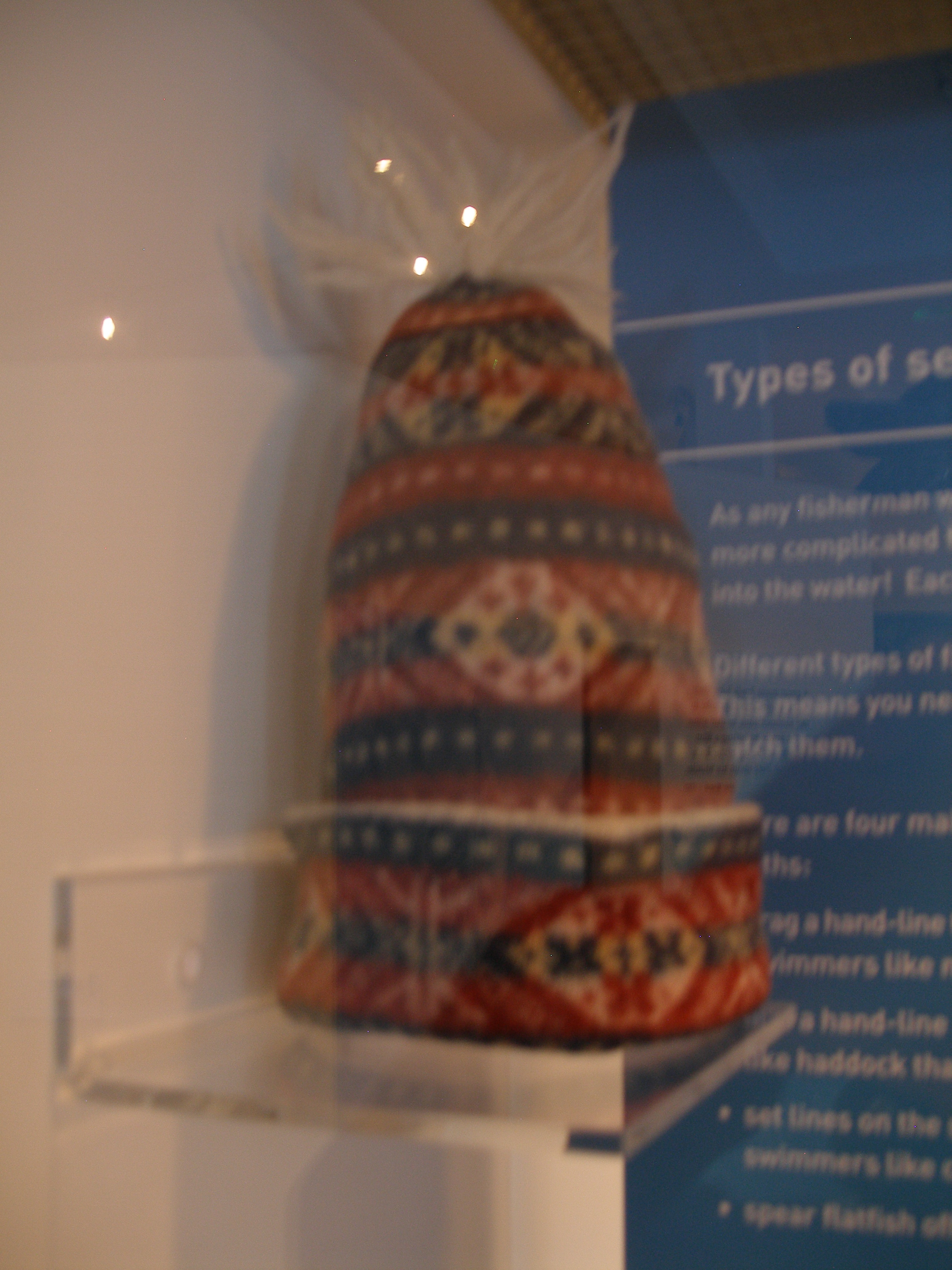
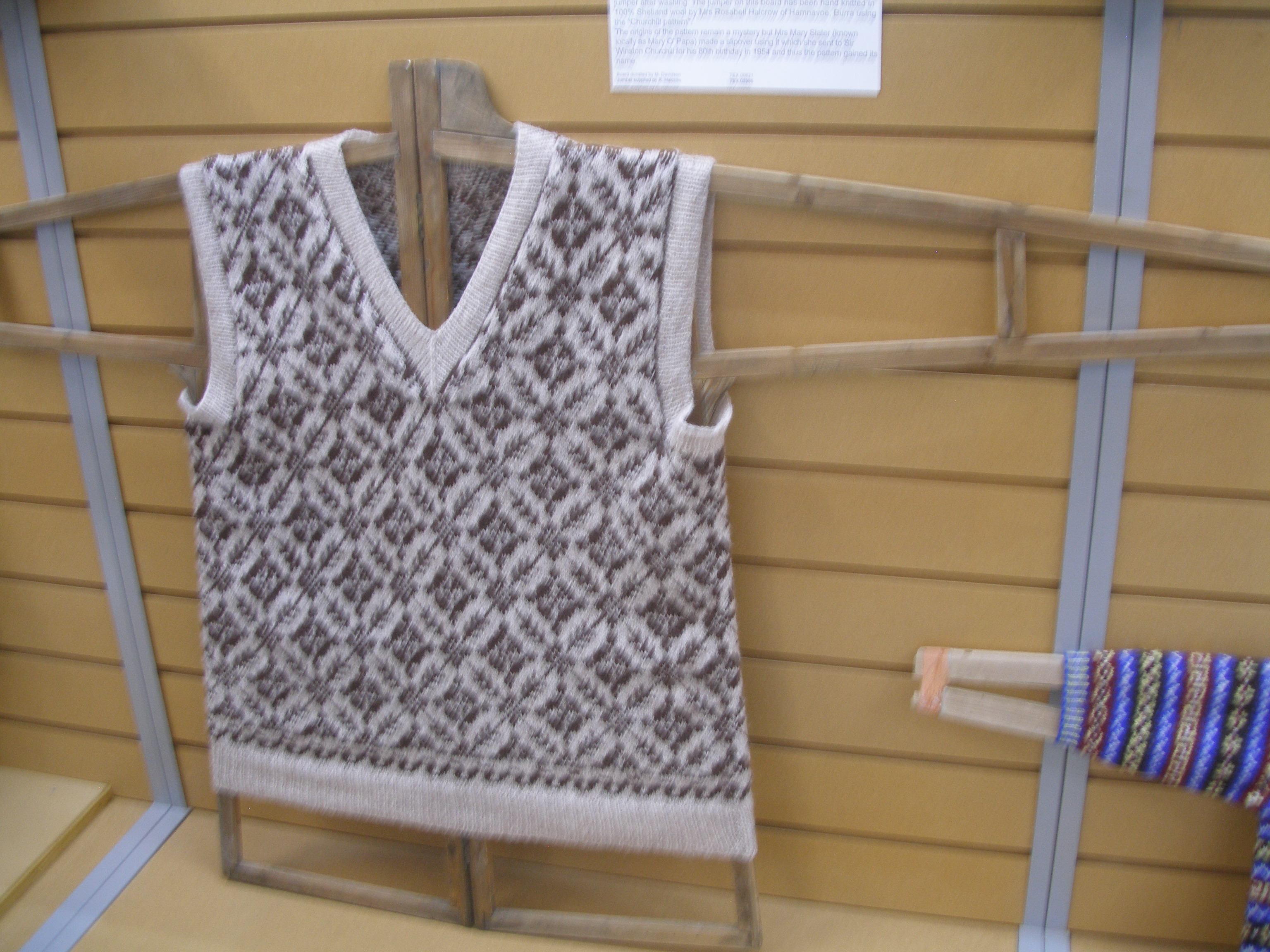
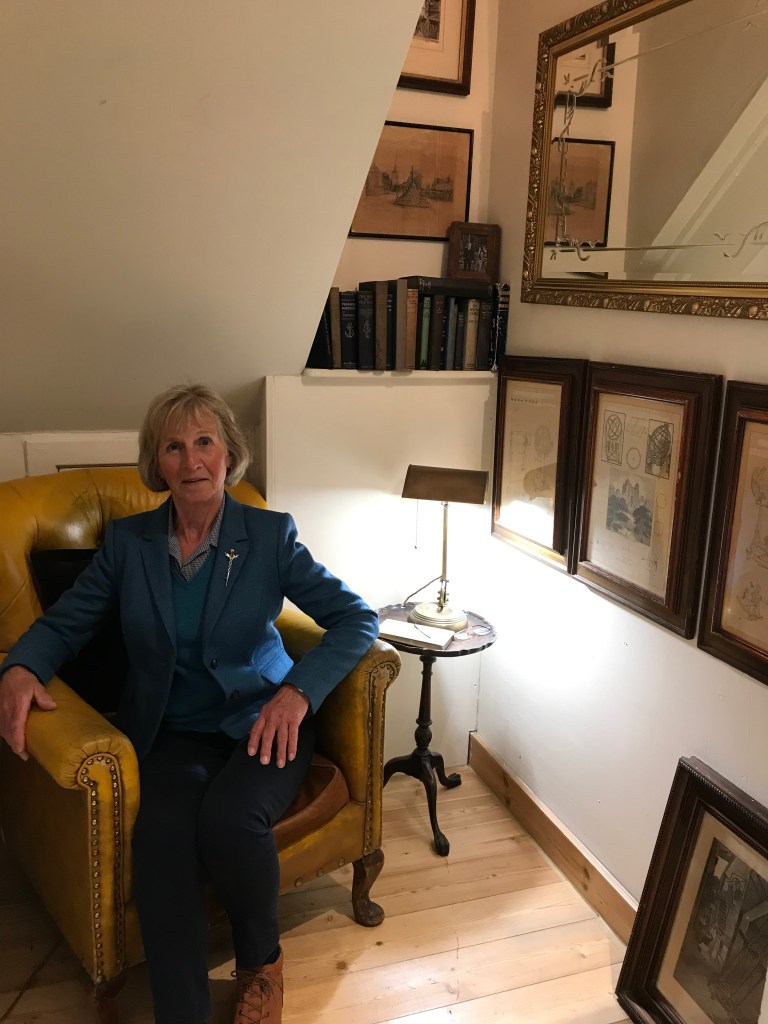
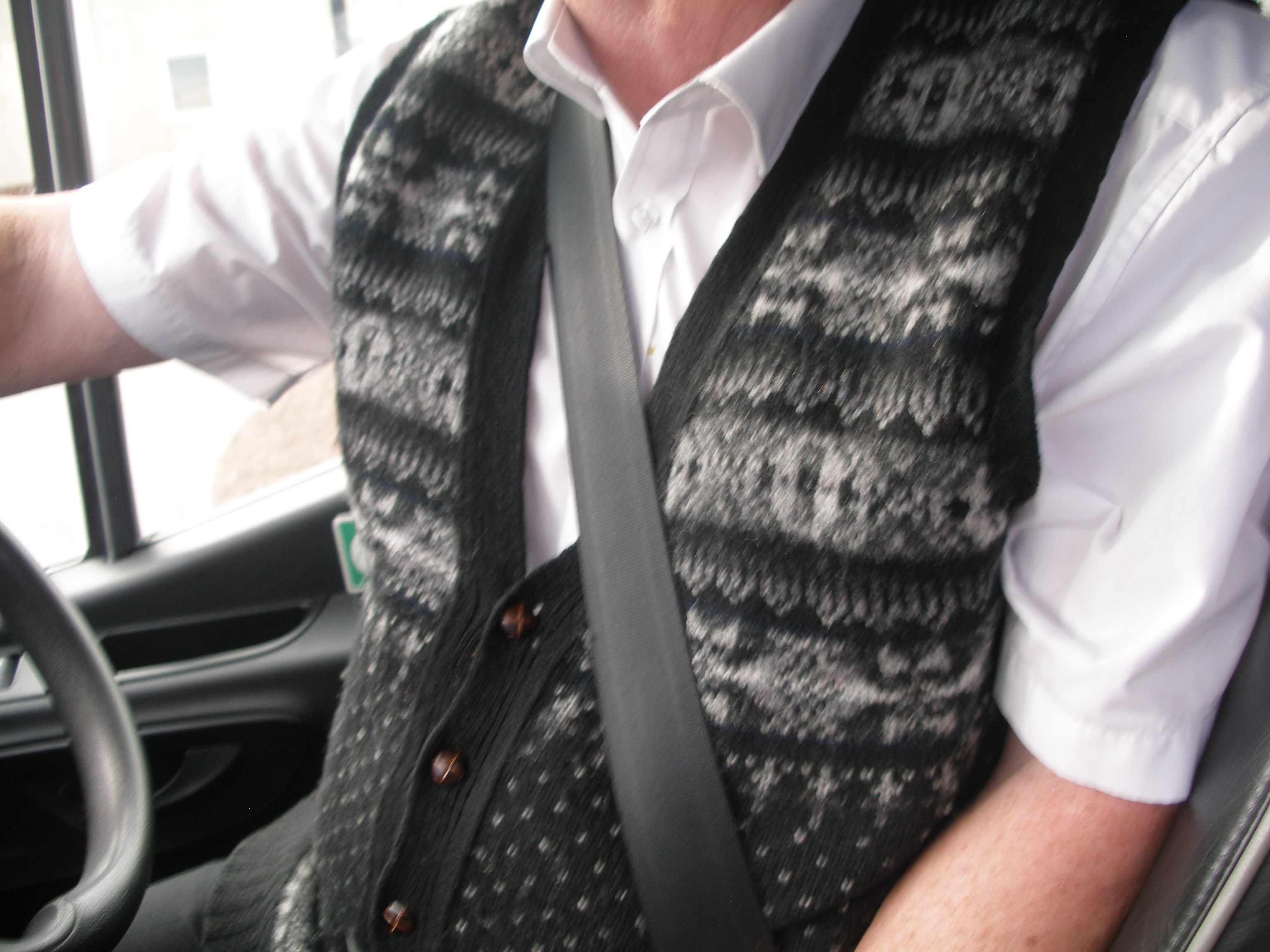
Week two began with the spectacular flight in from over surging seas swells onto the narrow tarmac airstrip at Sumburgh Head, the most southerly point of the Shetland mainland. In arrivals waited our new group leader and John, an expert local driver from Unst whose daily running commentaries on local history were to become one of the highlights of our time exploring the islands. I noticed immediately the handsome, red hand-knitted Fair Isle waistcoat that he wore …

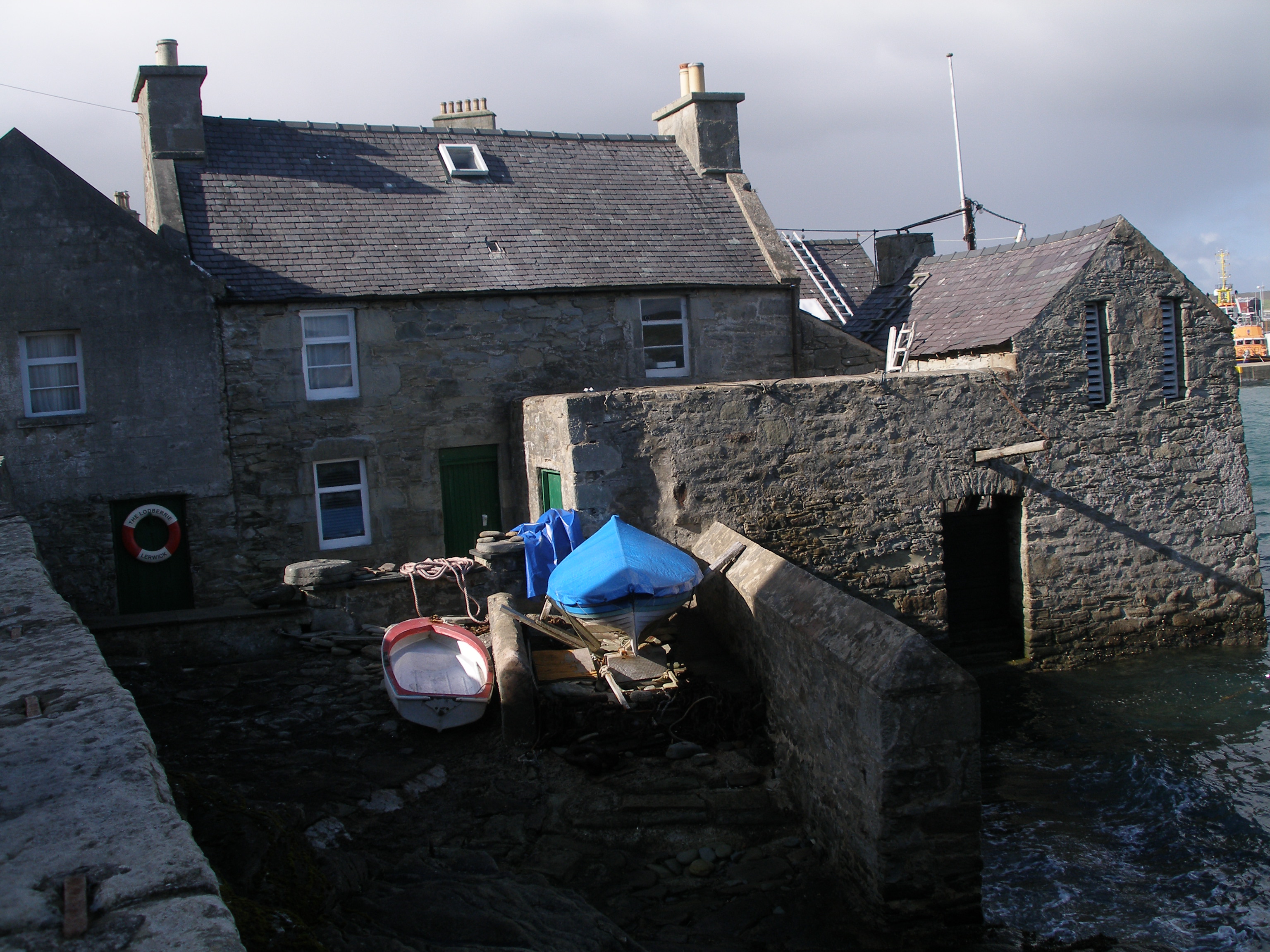
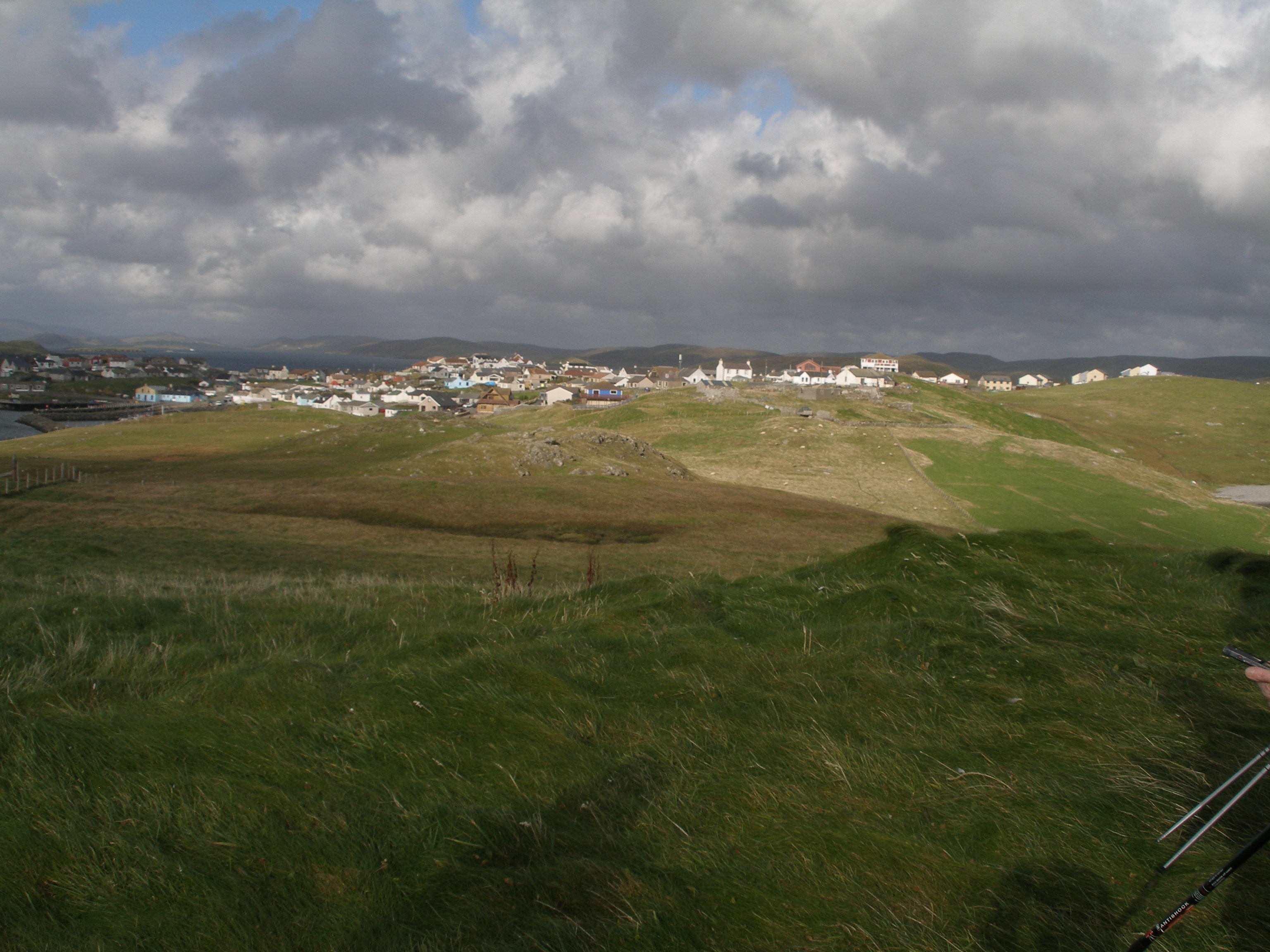
John drove us on a brief orientation tour of the streets of the capital Lerwick (pronounced ‘Lerrik’) before dropping us of at our new accommodation, the sprawling Lerwick Hotel. Having left our suitcases in the hotel storage room, we now had three free hours to explore the town while our leader and John headed south again to meet the Glasgow flight.  At three o’clock, the entire group (twelve again) was to rendezvous in the hotel lobby ready for a short afternoon local hike.

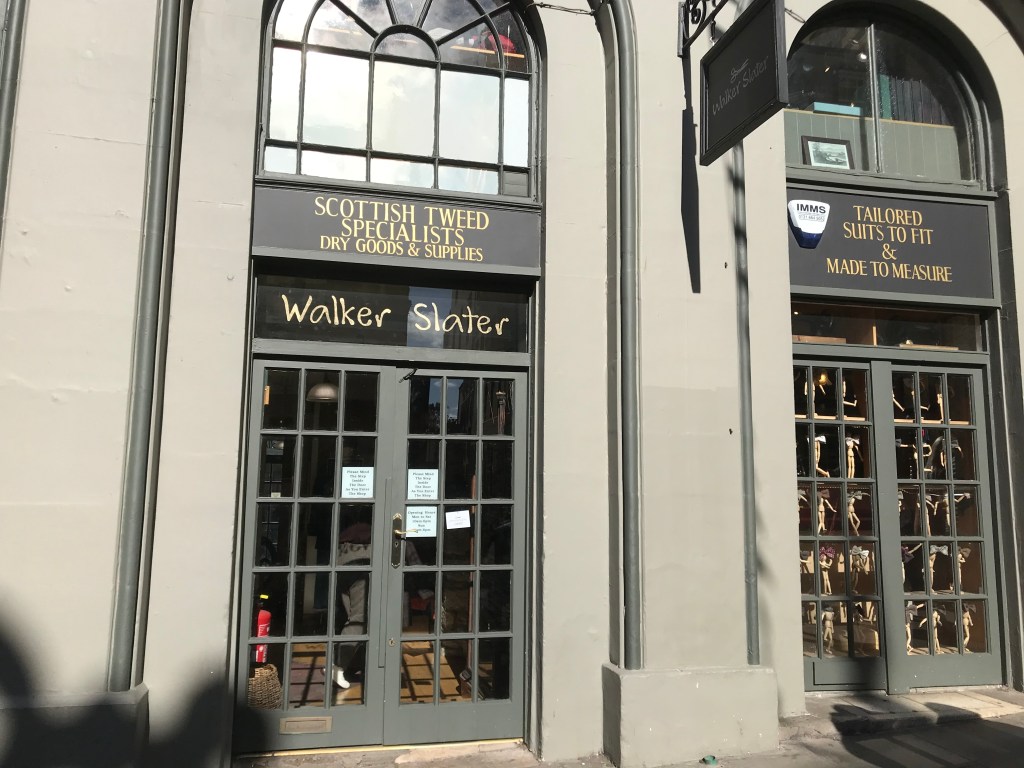
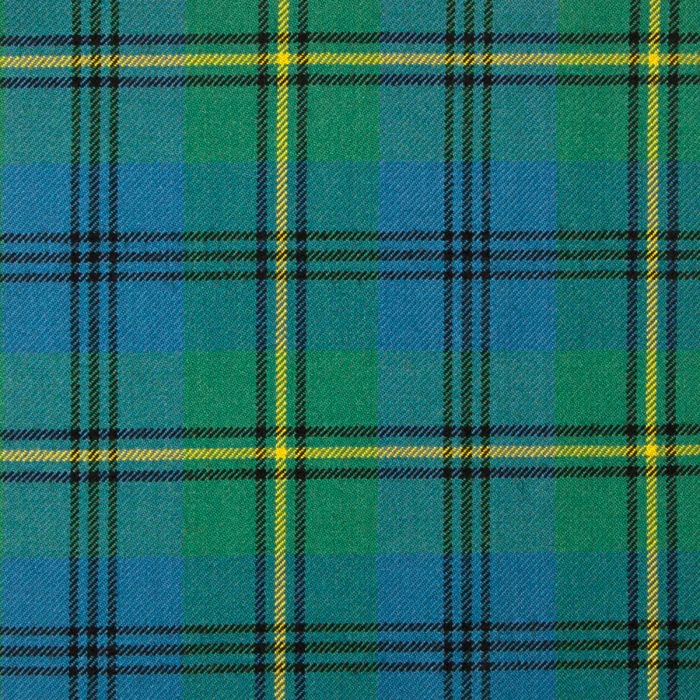
Teaming up with an artist from last week’s tour, I hurried down the nearest wynd into the central bustling harbourside of the town and immediately located Jamiesons wool shop – and the much anticipated wool.  Aided by her expert eye for colour, I bought lace-weight wool (suitable for open worked cardigans and scarves) in shades of heathery mauves and tweedy-green hues, plus  some double knitting weight (for sweaters and Fair Isle patterns) in shades of blue to compliment those I had chosen on Orkney. Finally, I purchased several balls of the cobweb weight plain cream colour wool for shawls, stoles and scarves.

Arriving back at the hotel after a quick lunch, I was thrilled to discover that my designated ground floor room over looked the Sletts (massive flat granite rocky outcrops) and across the bay towards a point called the Knab and then south towards the island of Bressay.

That afternoon’s short orientation walk to the nearby Neolithic Clickimin Broch preceded a daily evening meeting with a brief review of the next day’s itinerary which made planning what to put in the back pack each morning an easy task. Sipping a wee dram of Shetland Reel malt after dinner, I realised that the coming week was to be as full on as last week, but in more benign weather.

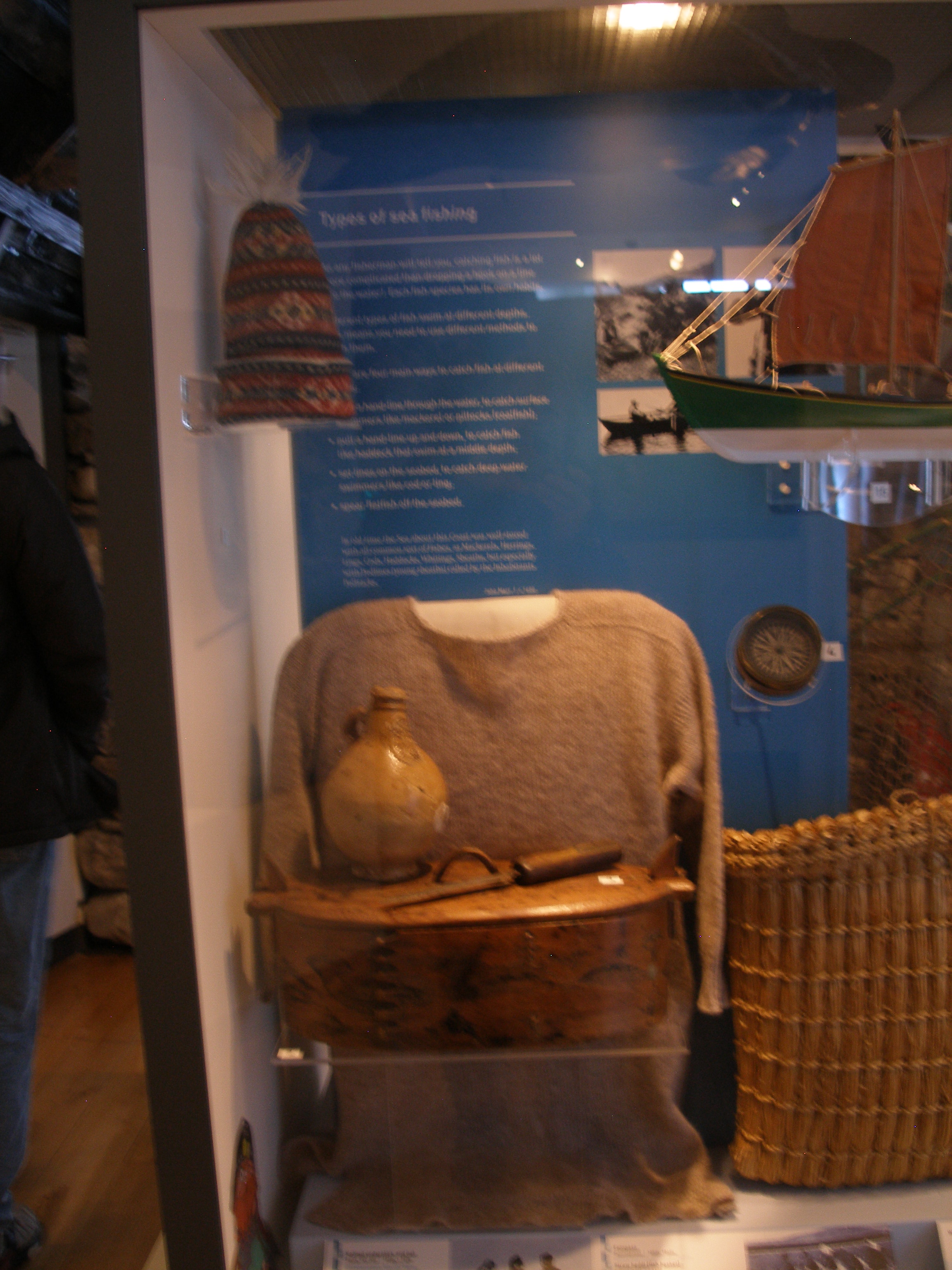
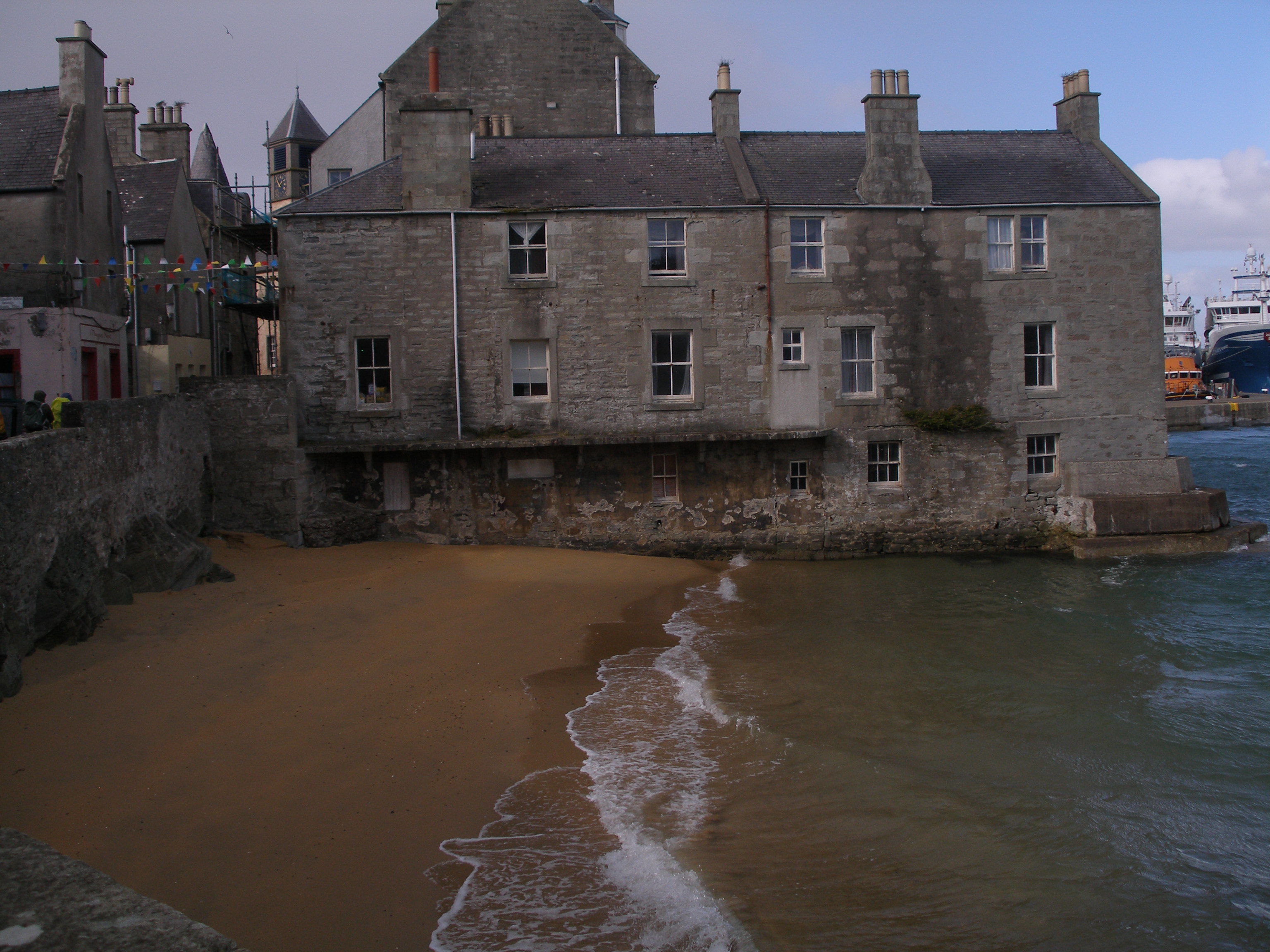
The Knab of my room’s view was our destination for our longer hike on Sunday morning, doubling back into Lerwick in the afternoon to wander past Jimmy Perez’ famous (tv) house, and along the harbourside past massive car ferries heading to Aberdeen and Fair Isle, to the Shetland Museum and Archive.  Not only were there superb installations explaining the unique geology of the islands, but also casement after casement showing the history of the textile industry.

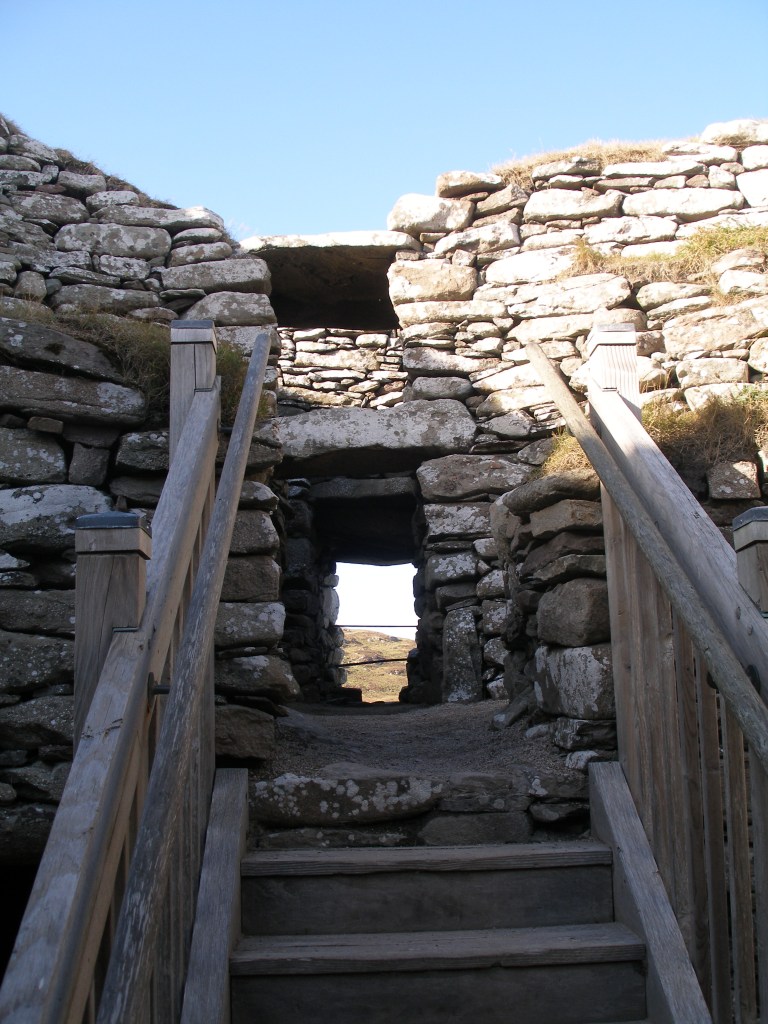
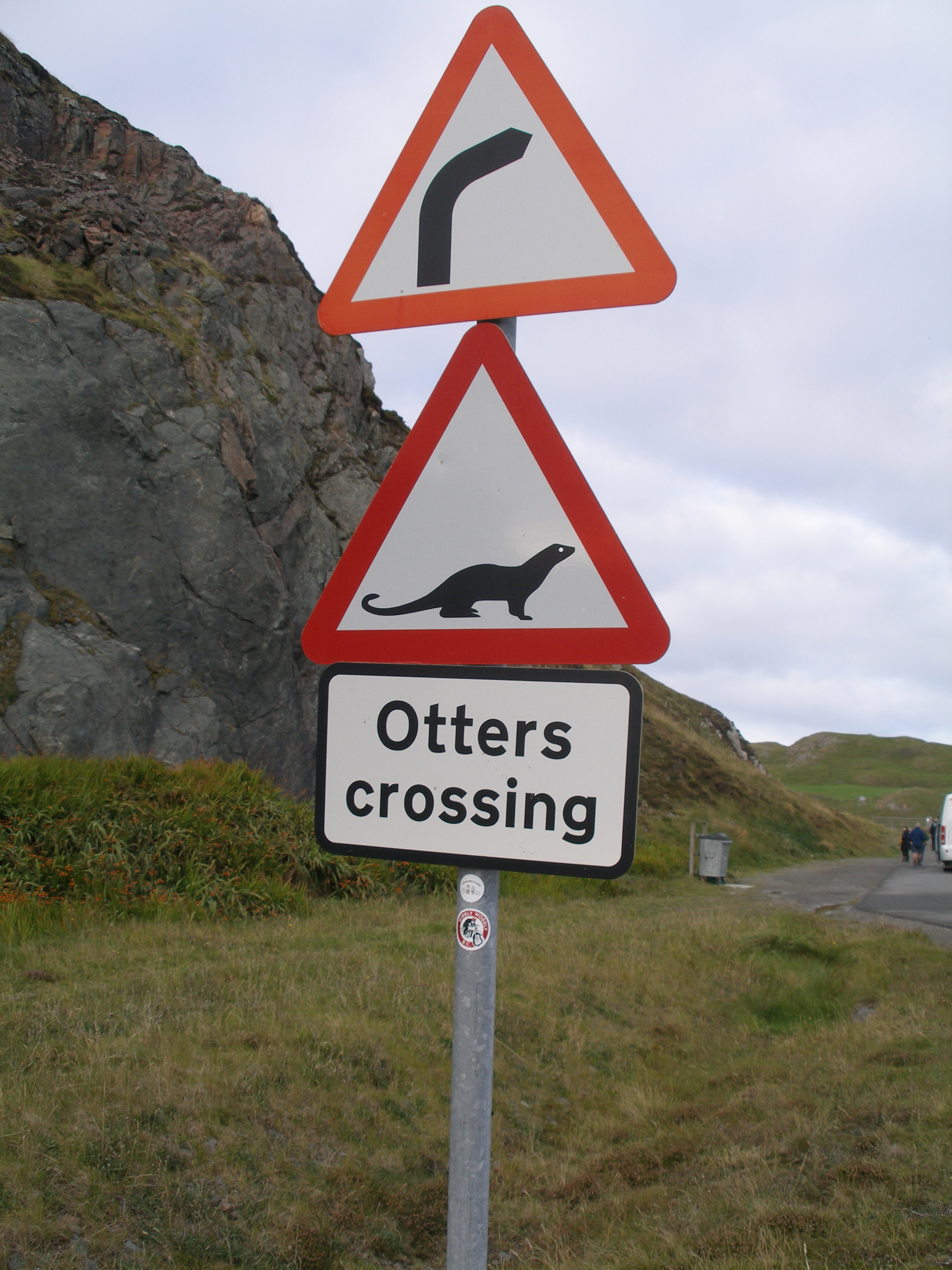
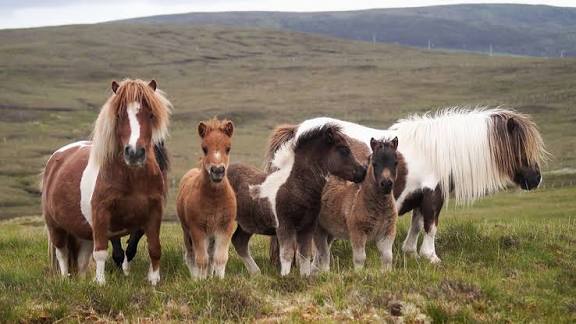
On Monday, John – resplendent in another Fair Isle waistcoat – drove us south towards Sumburgh, and dropping us off, left us to explore the extensive Jarlshof Prehistoric and Norse Settlement dating from about 2,700 BC, consisting of Bronze Age houses and smithy; an Iron Age village, broch and an aisled roundhouse; a ninth century Viking longhouse and finally the derelict ruins of a sixteenth century laird’s manor house. Our head’s reeling with time charts, we met up with John and were driven to the Sumburgh Visitor Centre and Nature Reserve, lucky enough to spot a diving Minke whale from the observatory, as well as diving gannets, fulmars (like miniature stiff-winged albatrosses) and dunlins. No otters. The cultivated meadows of this southern, more hospitable region, contained several herds of Shetland ponies to admire, grazing among the ruins of croft cottages.
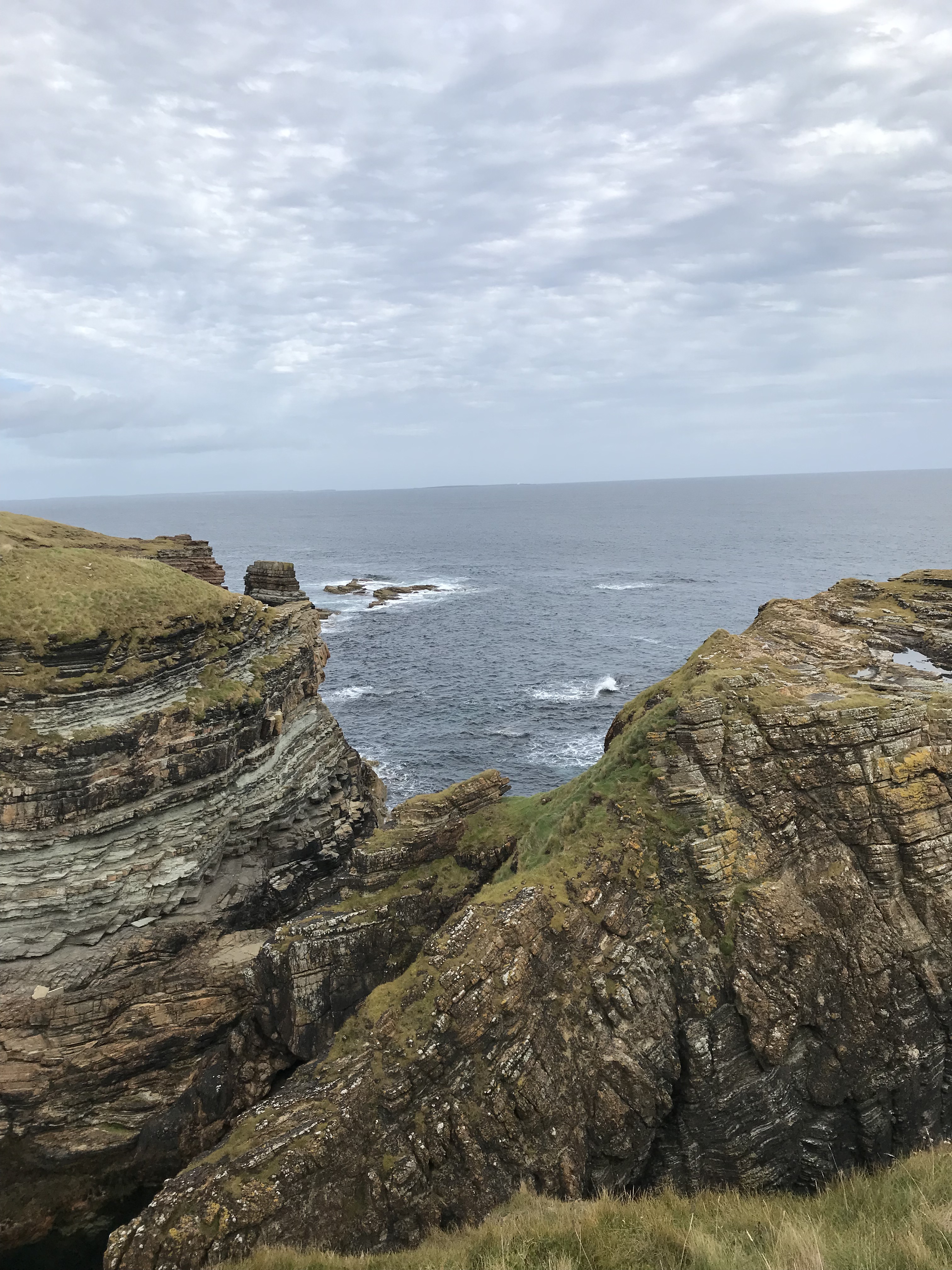
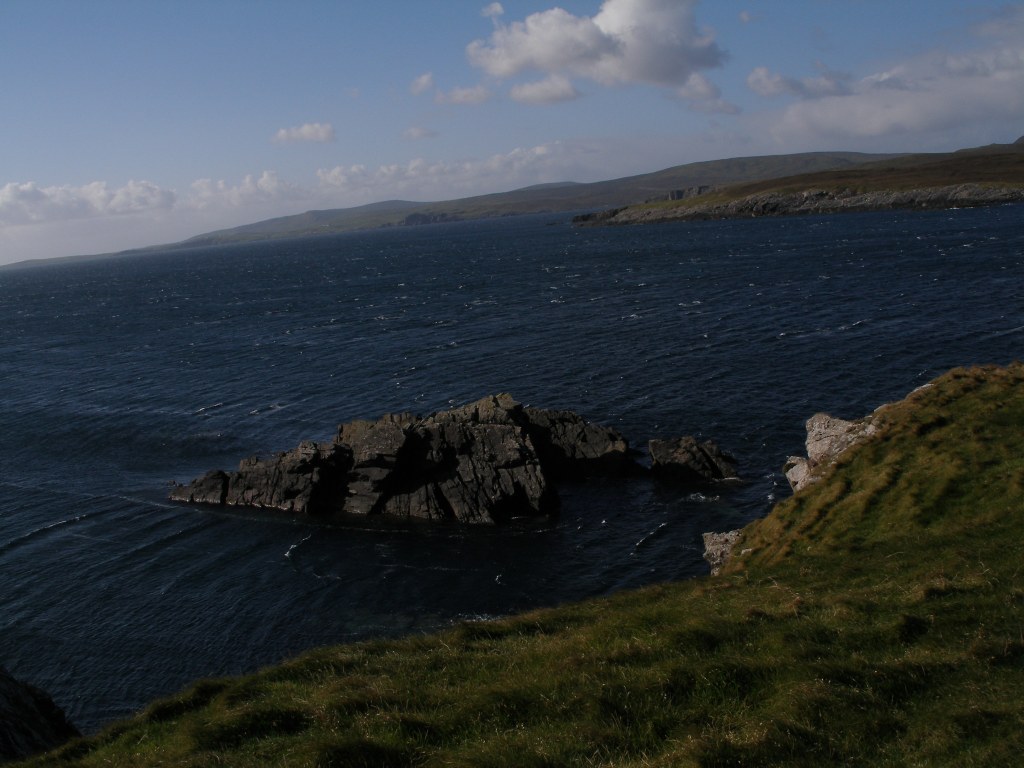
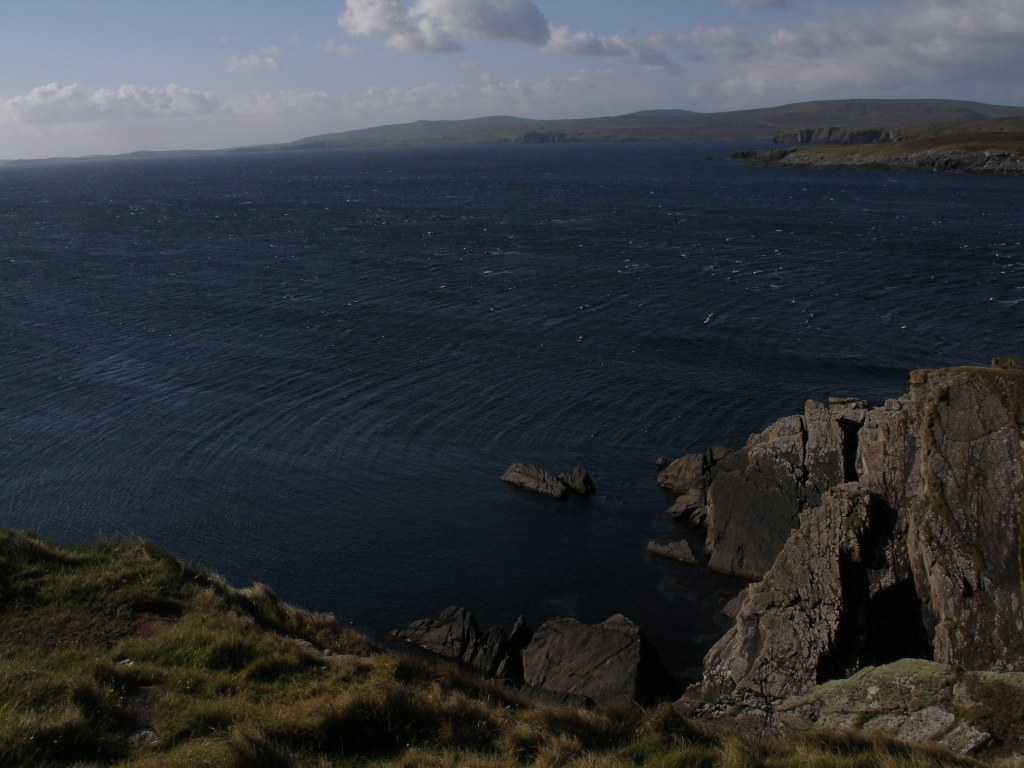
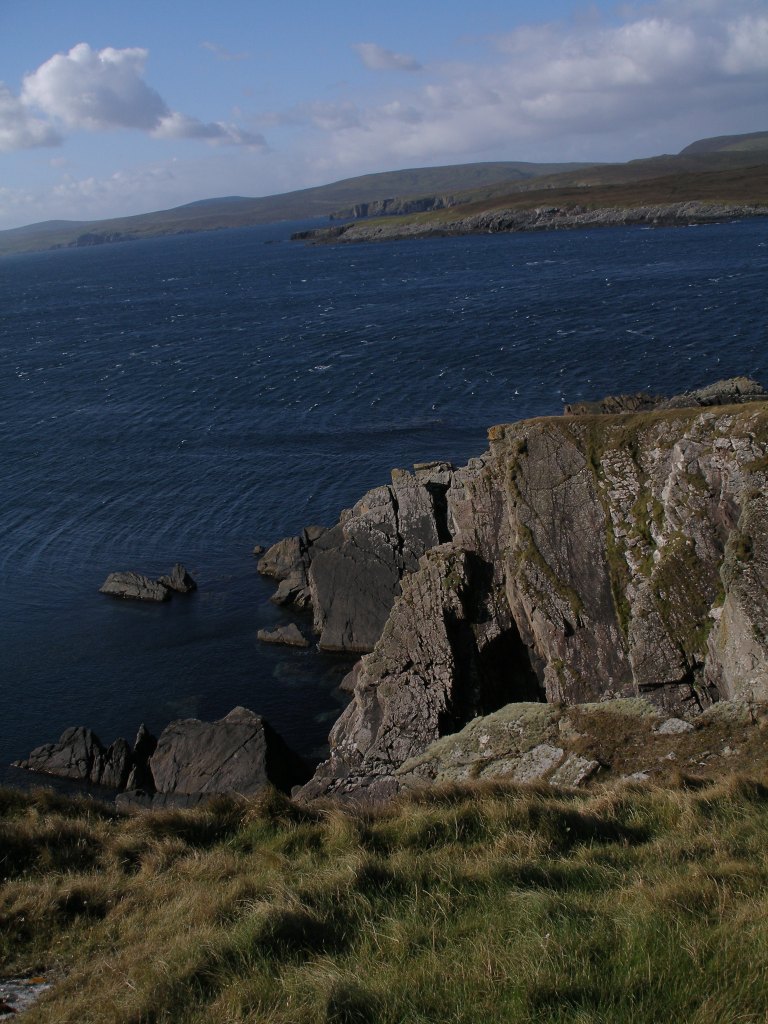
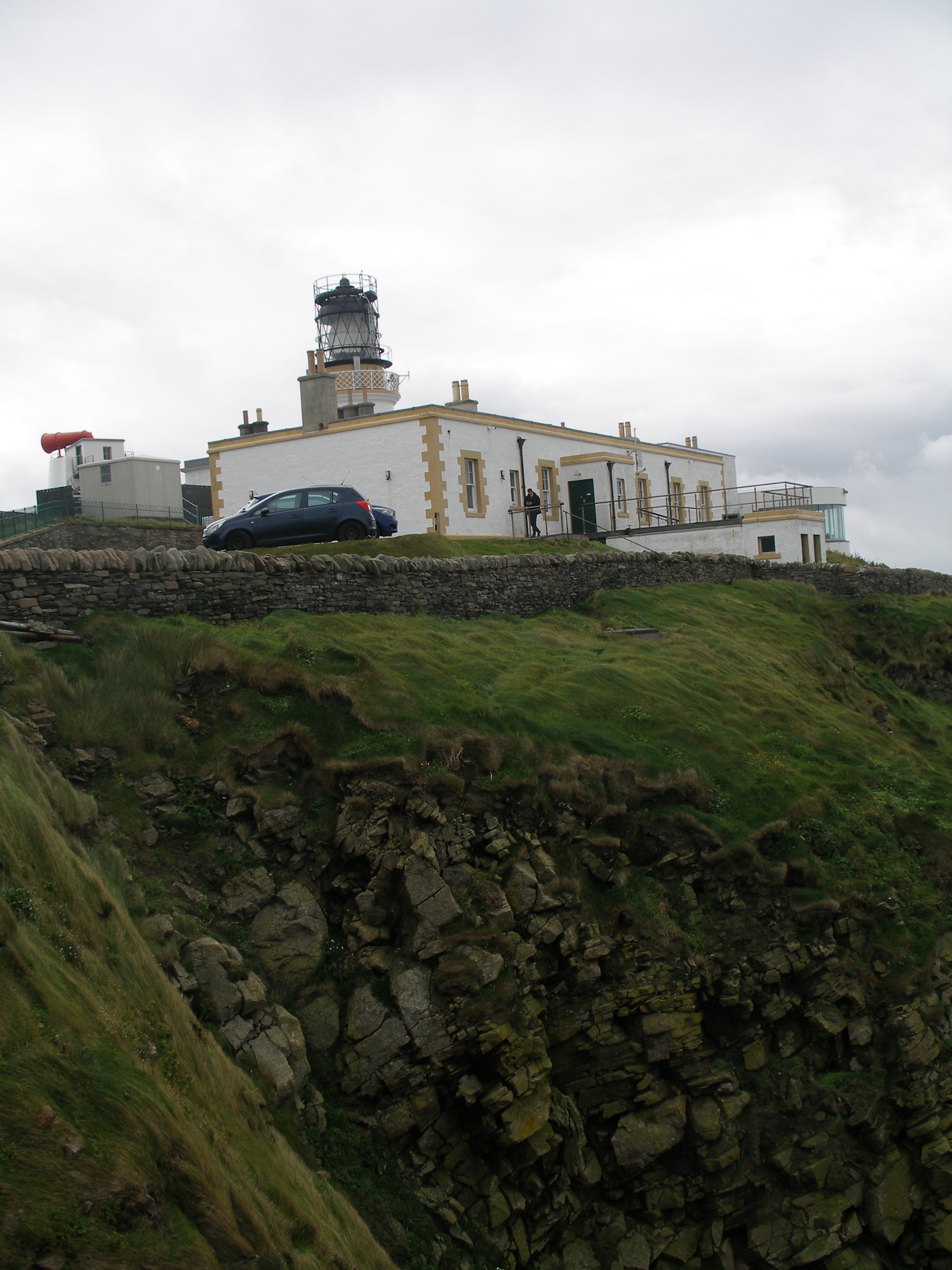
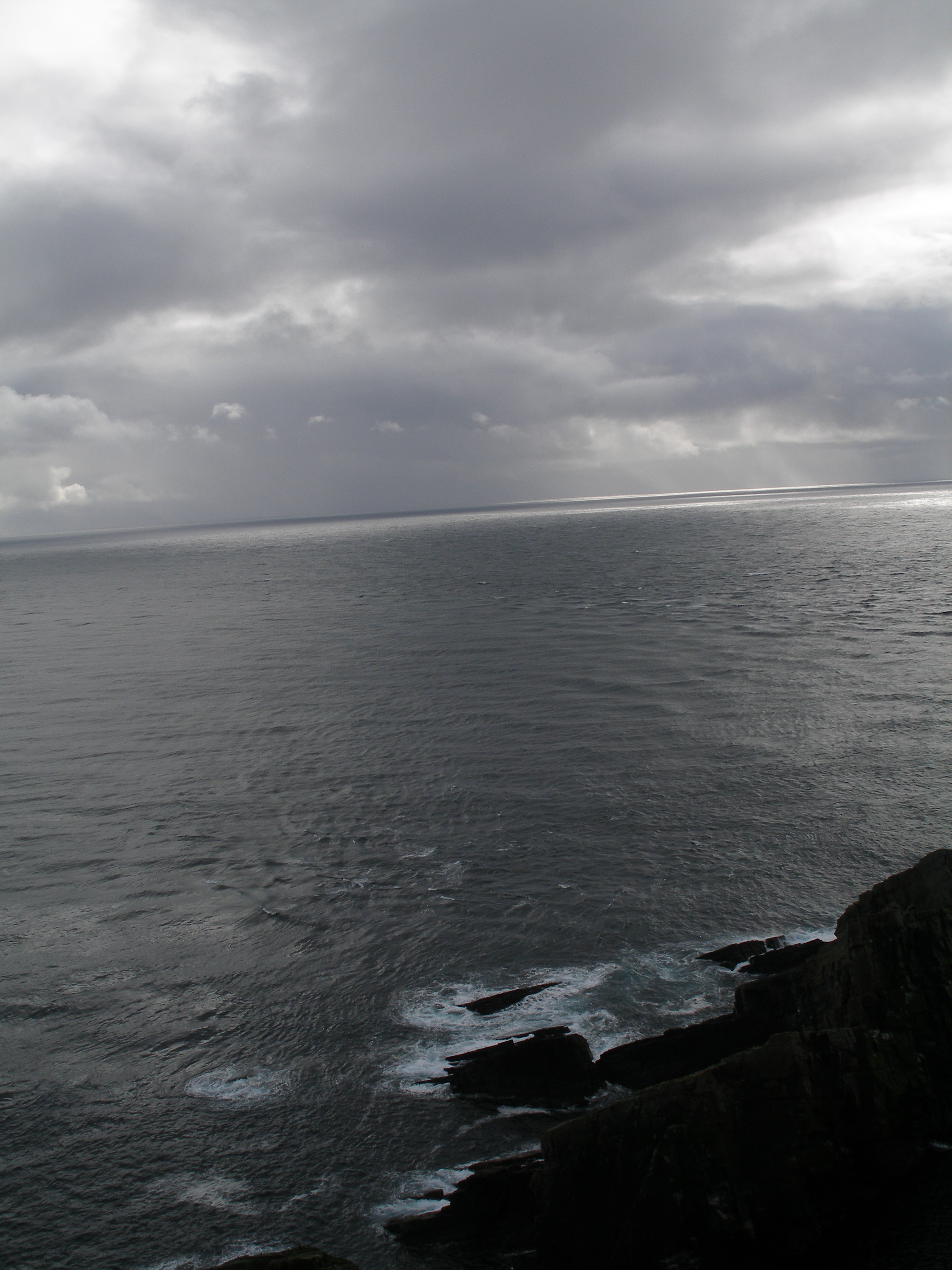
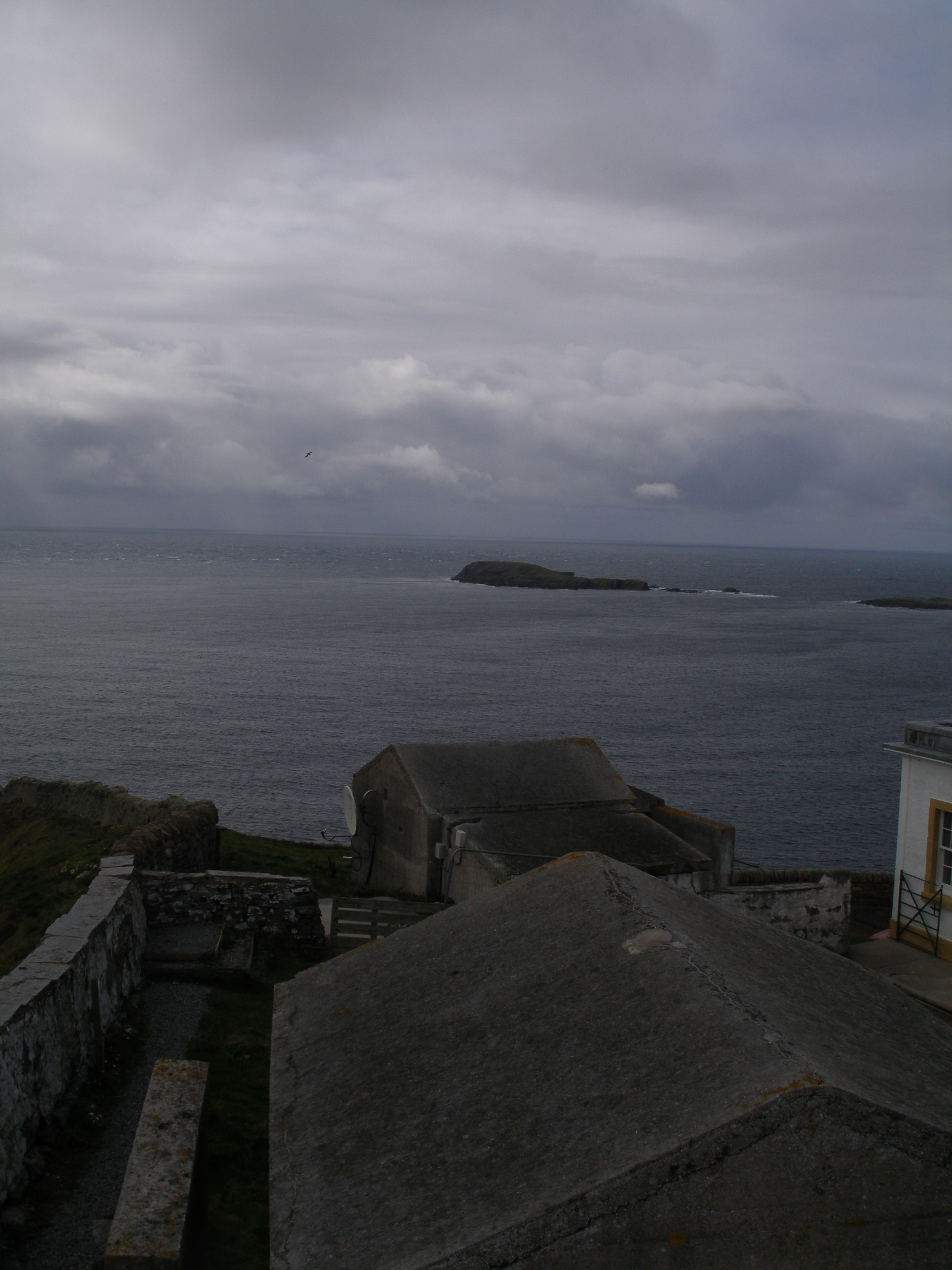
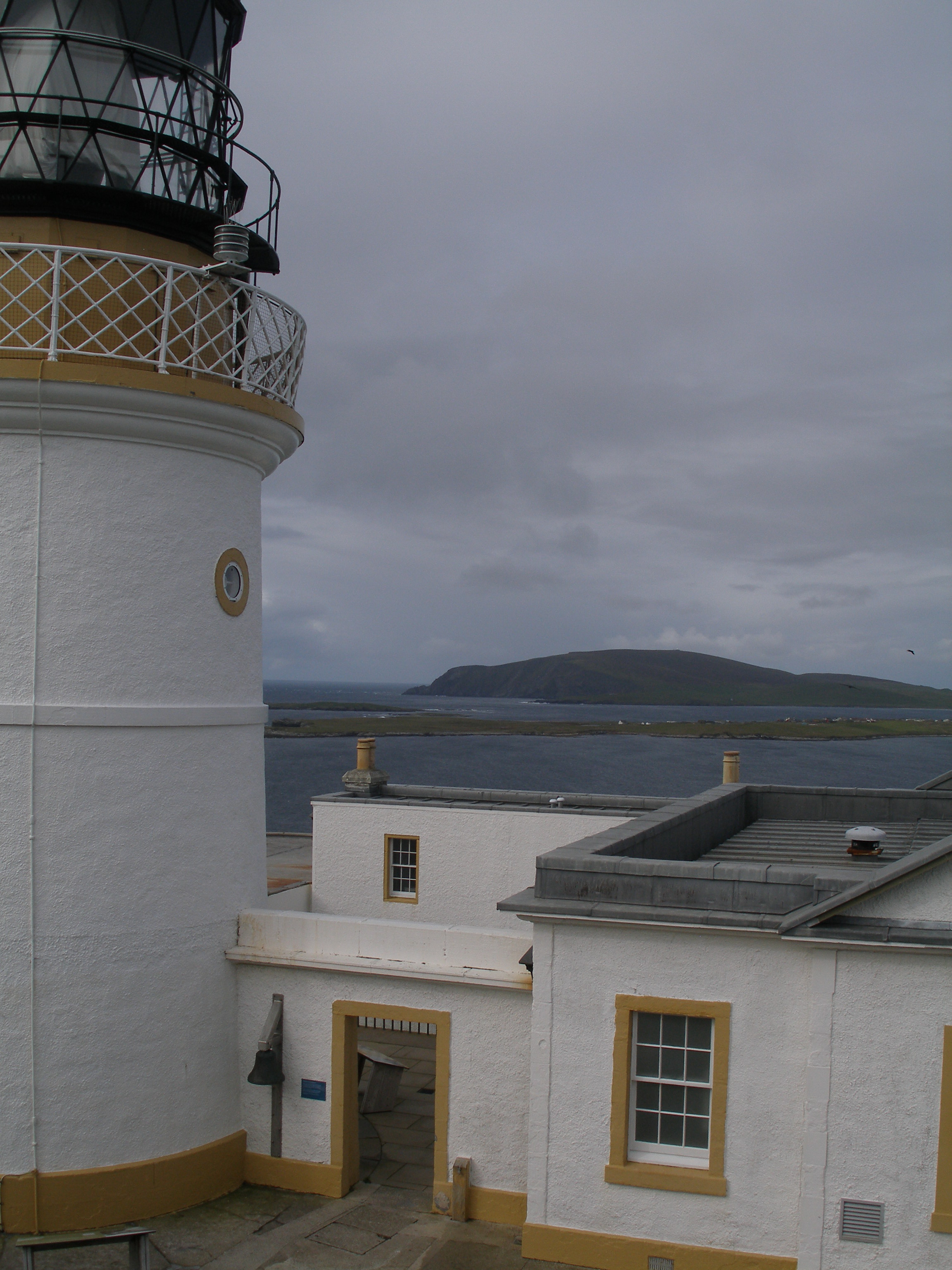
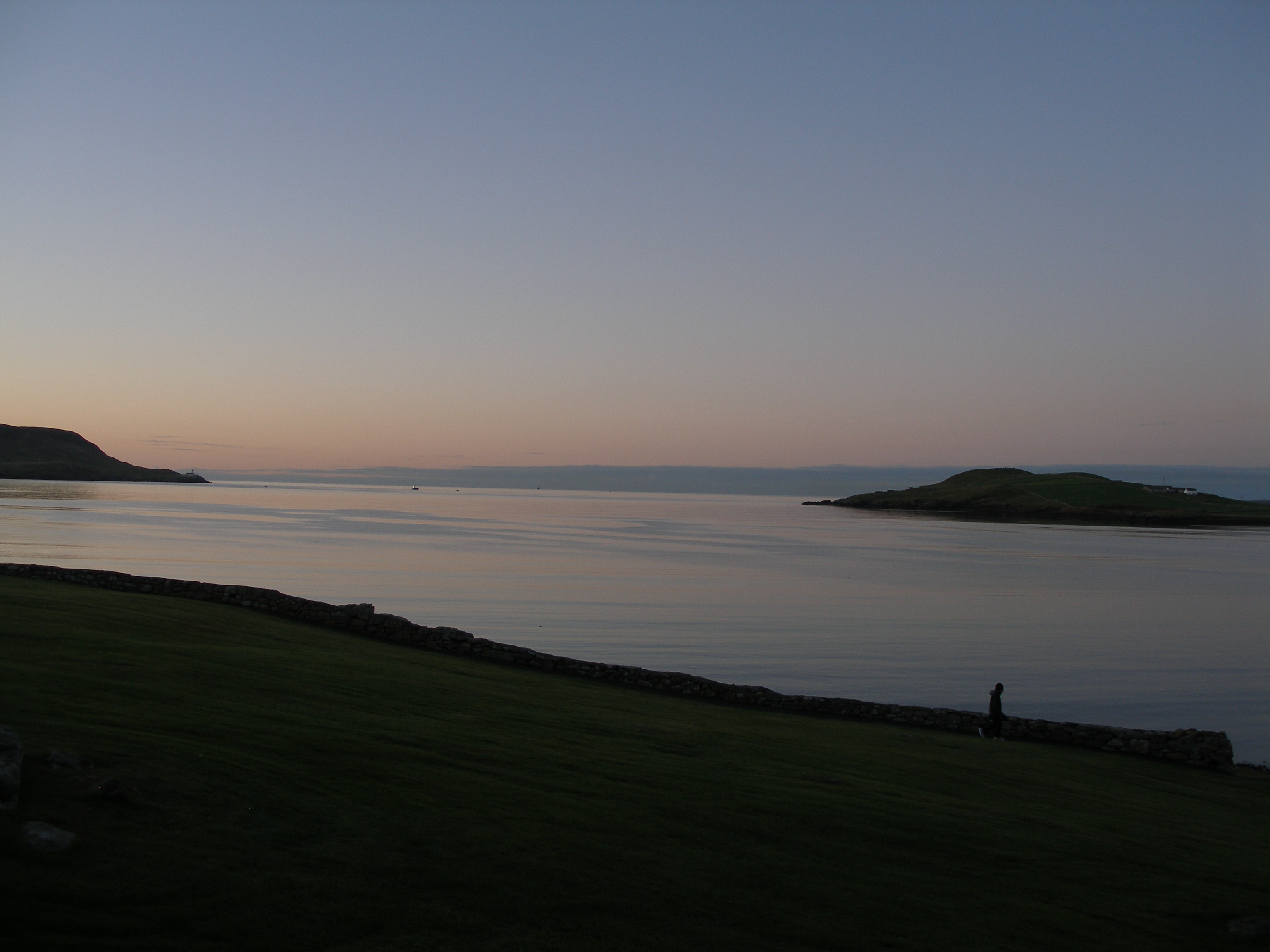
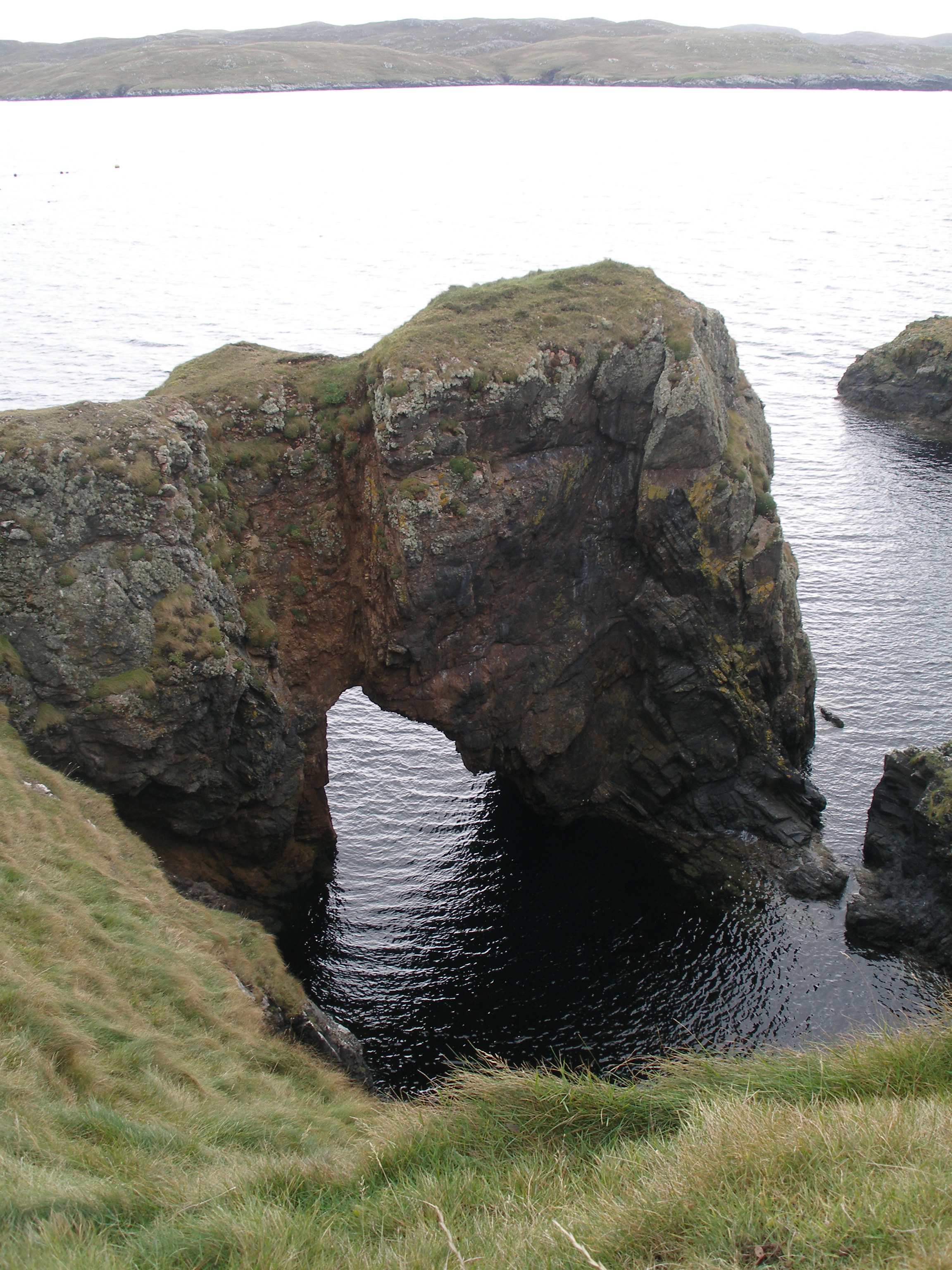
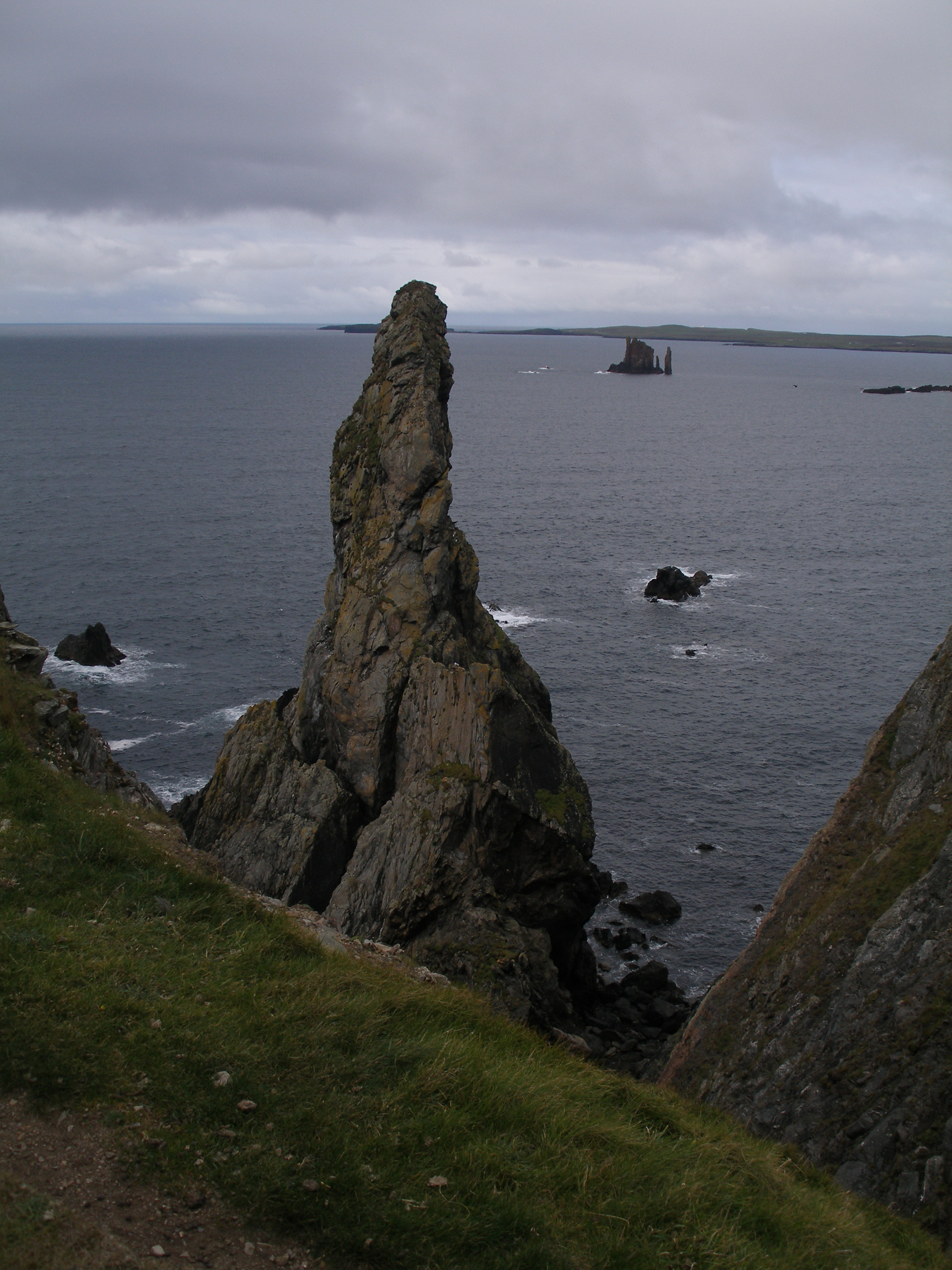
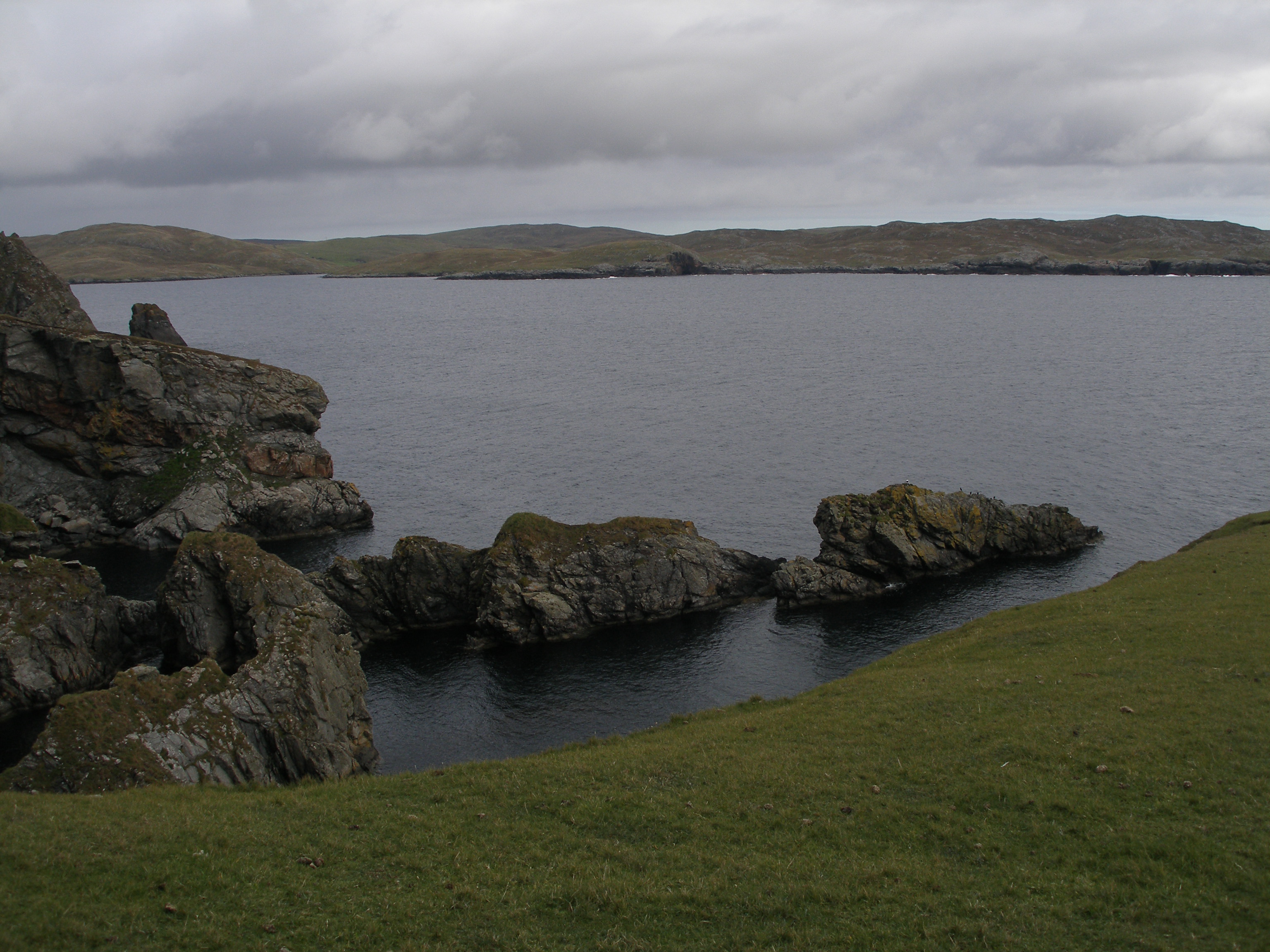
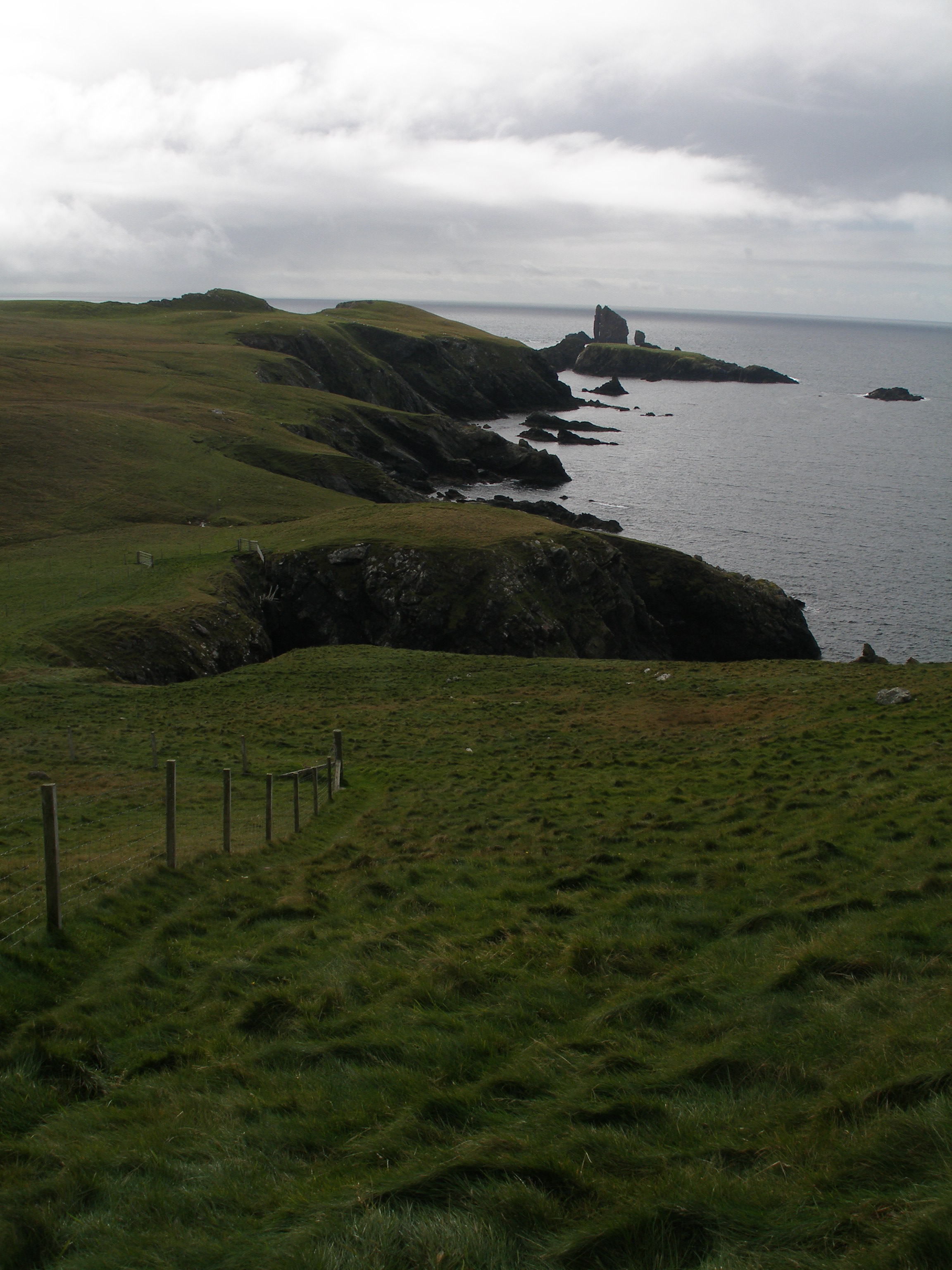
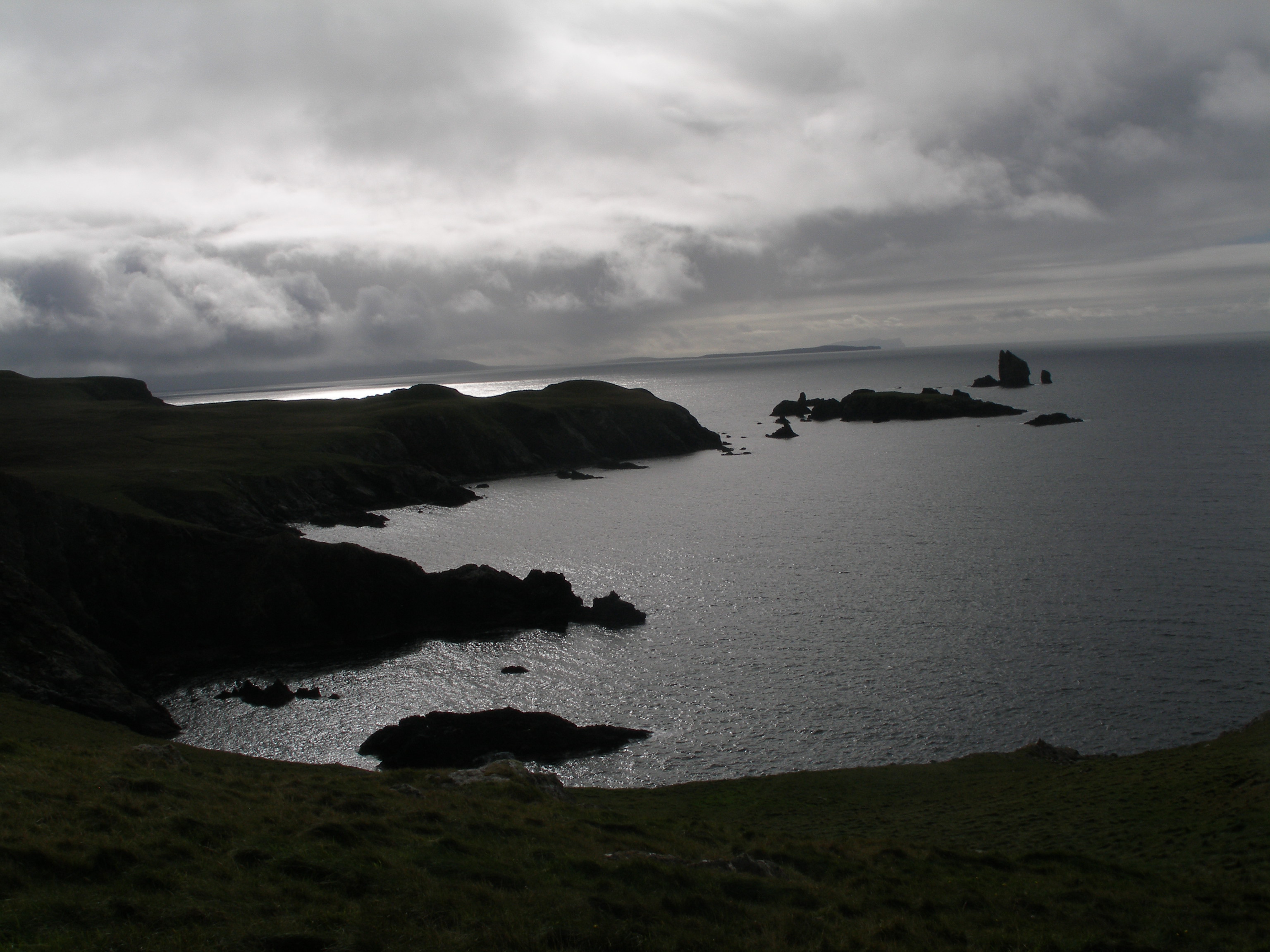
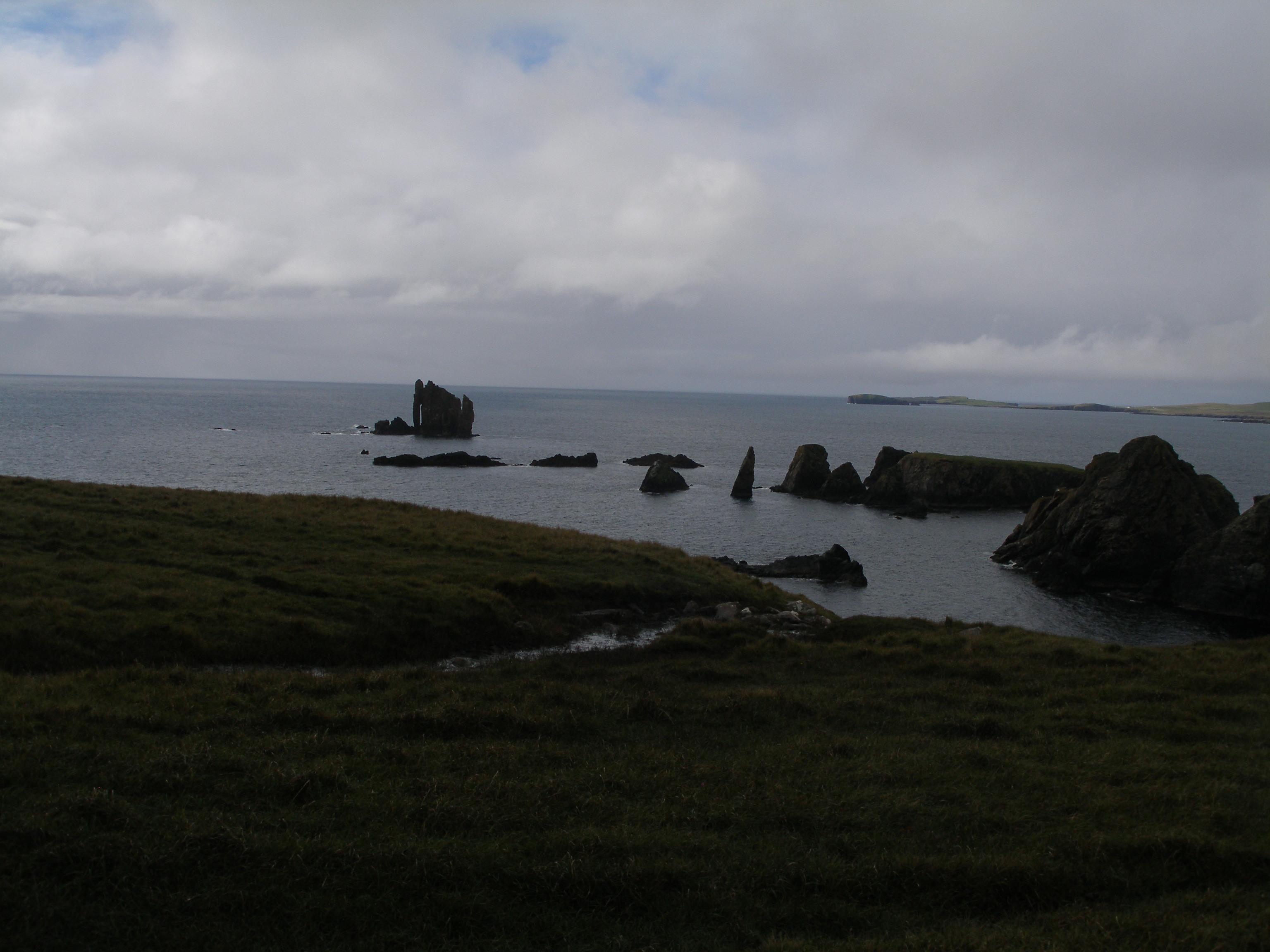
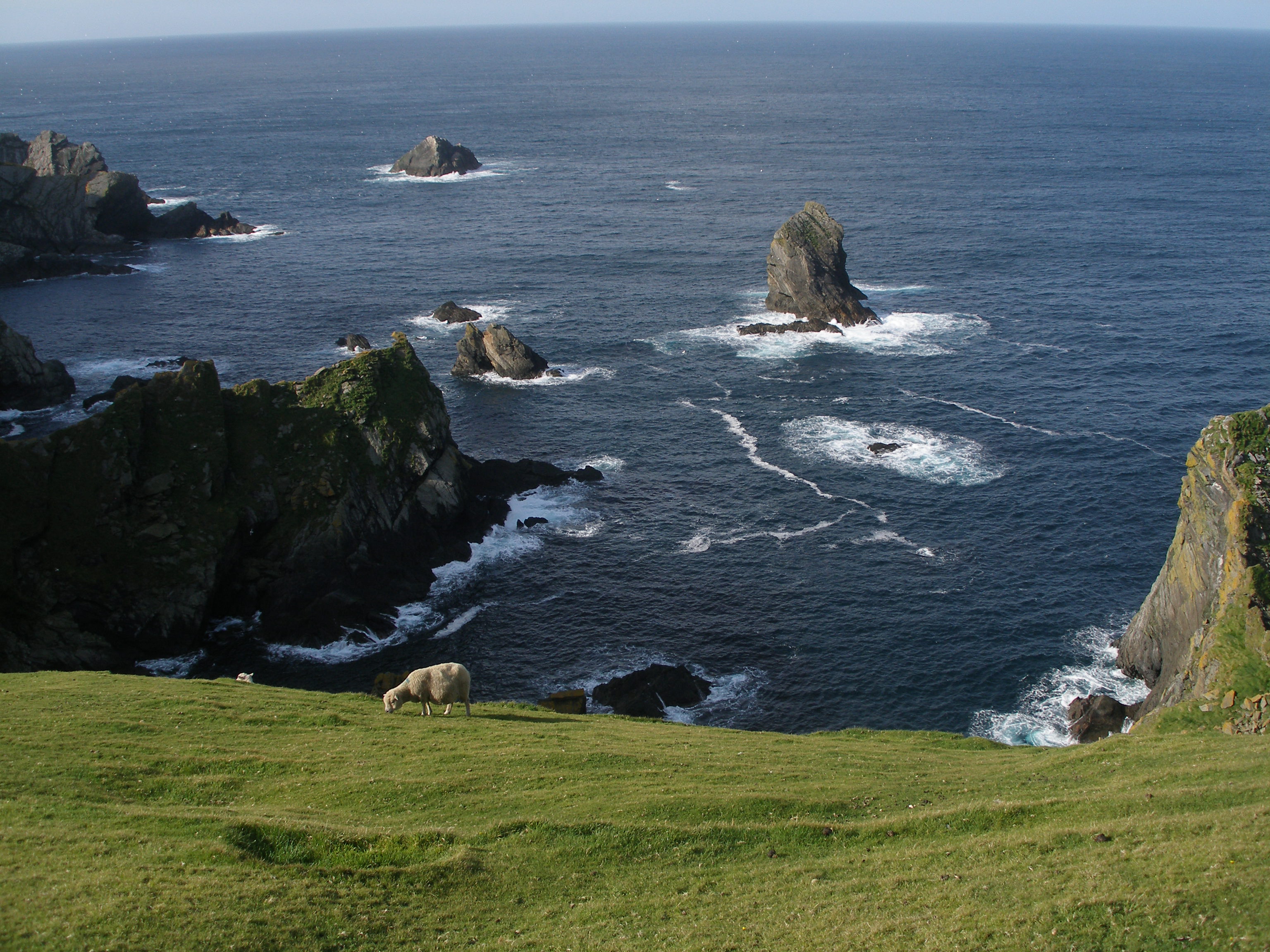
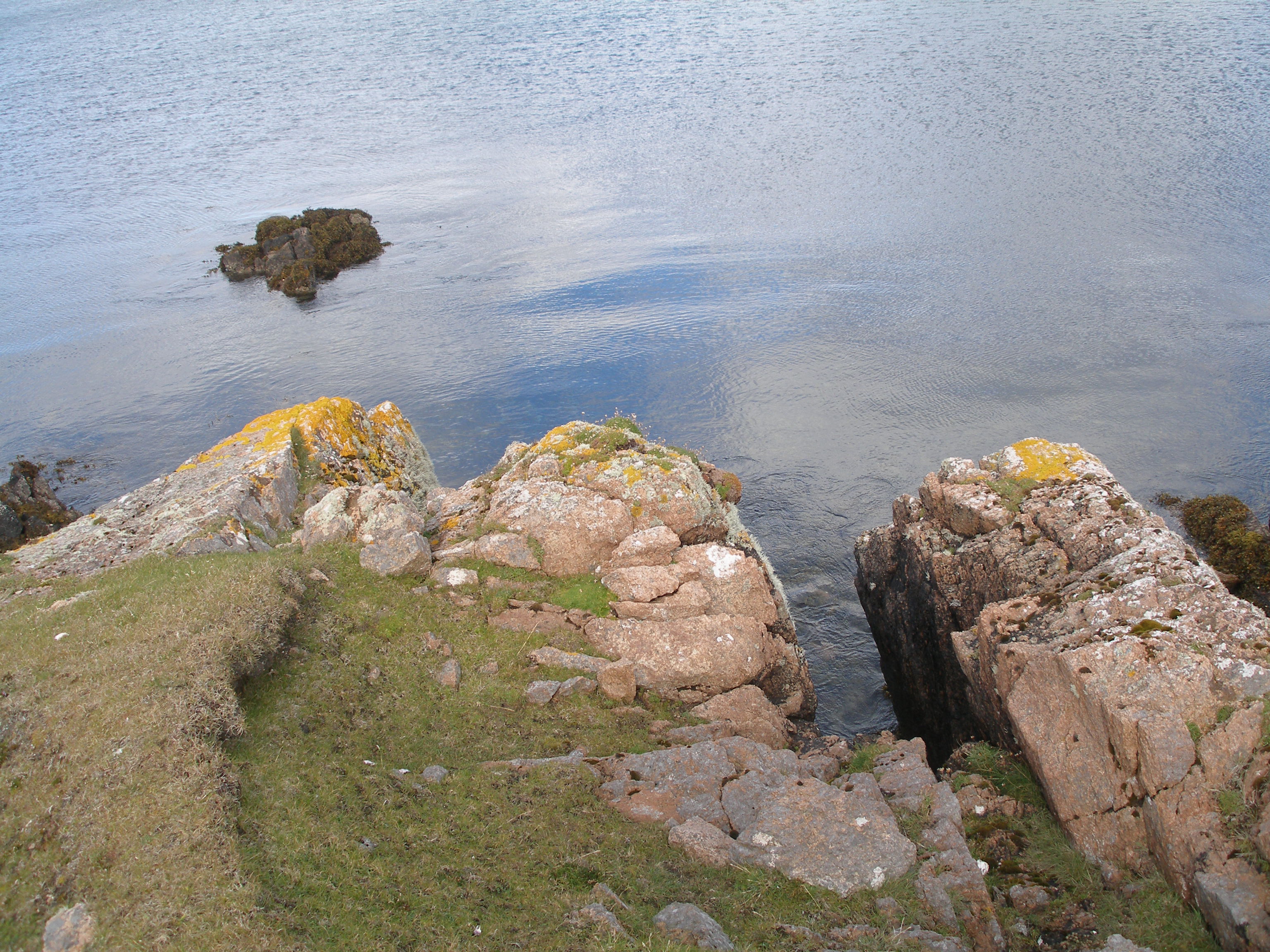
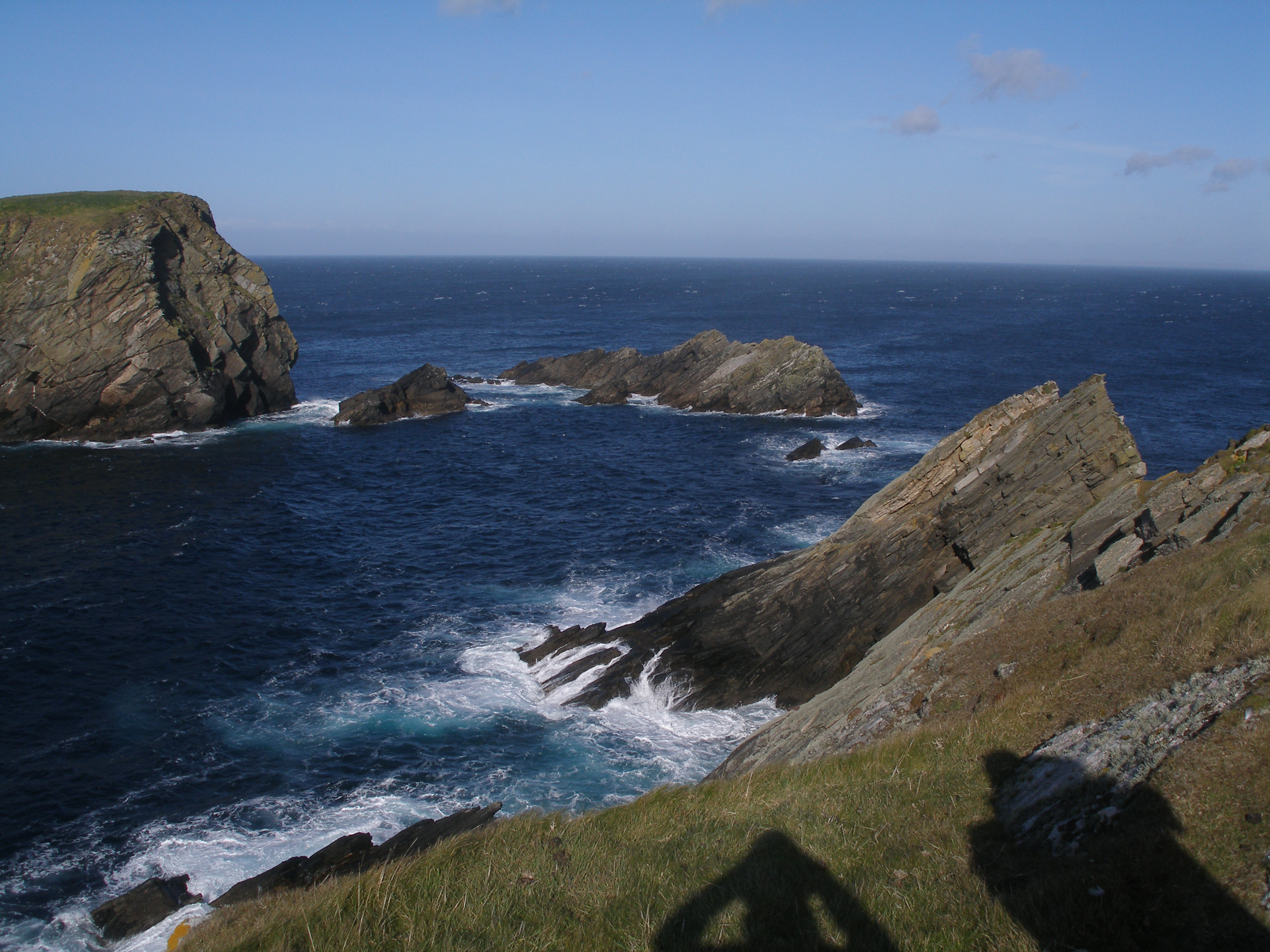
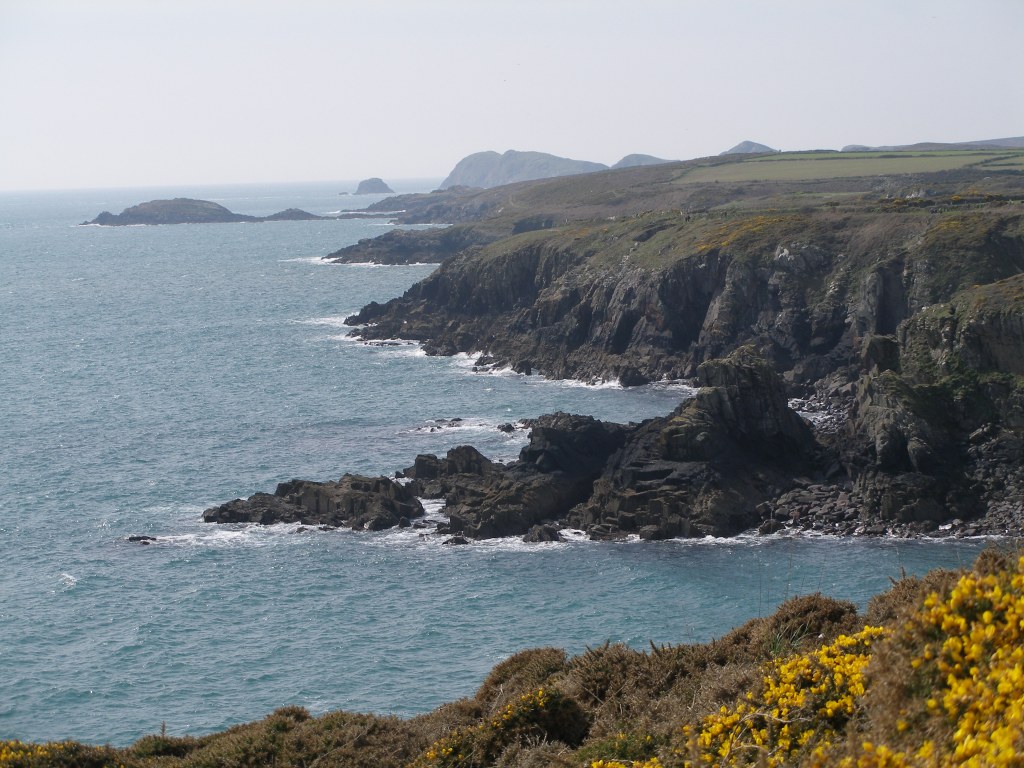
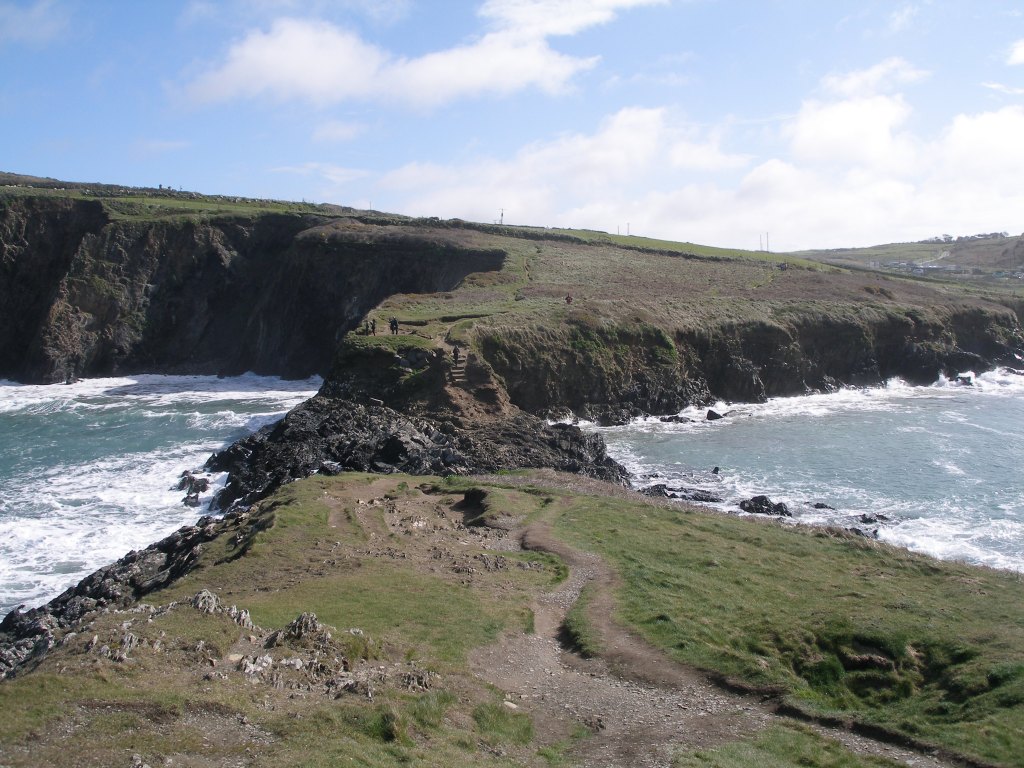
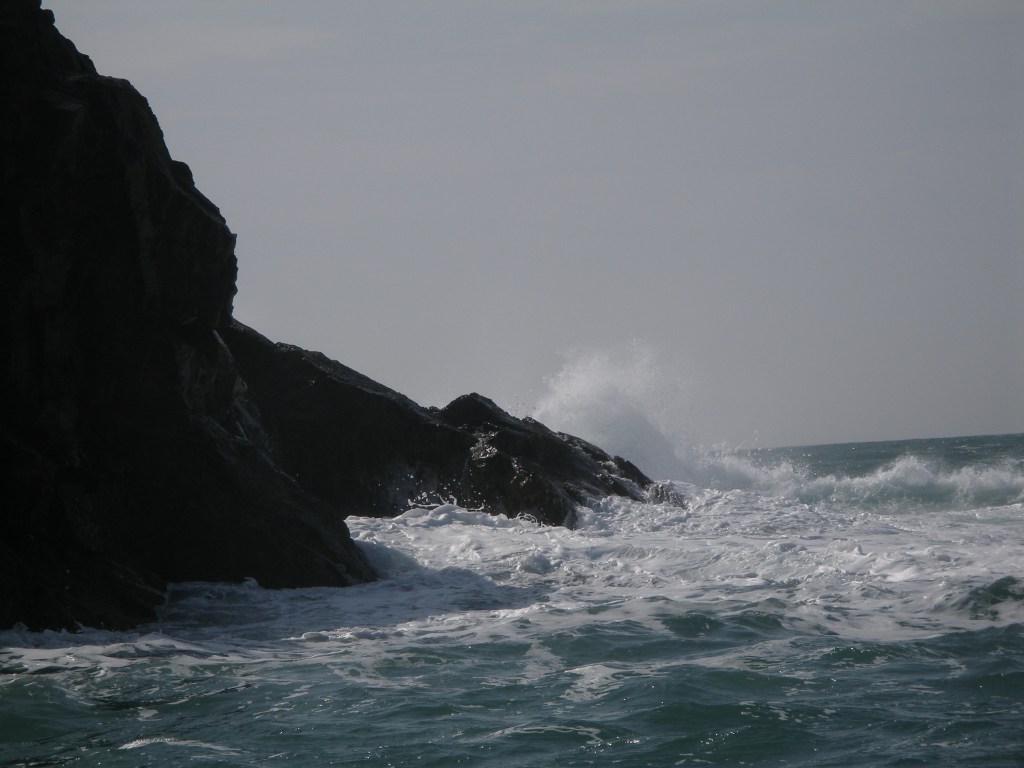
A clear bright dawn next morning offered the opportunity to photograph the quintessential Shetland sunrise. John drove us to the north west wing of the main island stopping for us to remark at Mavis Grind with the Atlantic to our left and  –  a mere stone’s throw away –  to the right, the North Sea. Reputed to be a good spot to see otters crossing from one to the other, we were again out of luck. Reaching Hillswick, we hiked for about five miles along the Esha Ness Cliffs to the lighthouse at Baa Taig. Phenomenal geological stacks and strata to admire marked out this hike:  cathedral-like island stacks such as the Drongs, the tiny isle of Westerhouse and views north west to the Runk from the Ness cliff tops. The circular hike brought us back to the ornate St Magnus Bay Hotel. We sat in the pristine formal lounge in our hiking boots drinking cups of tea …

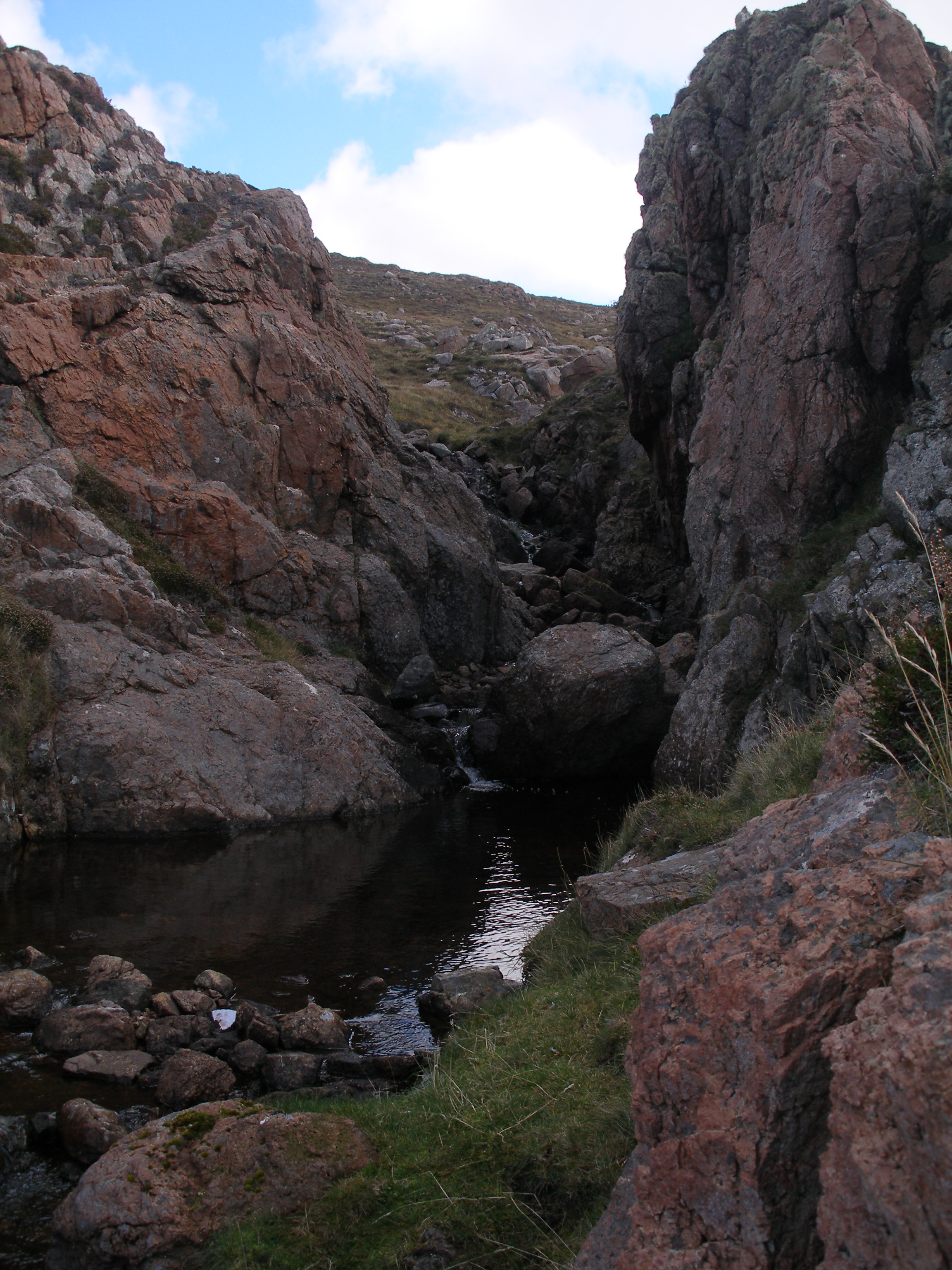
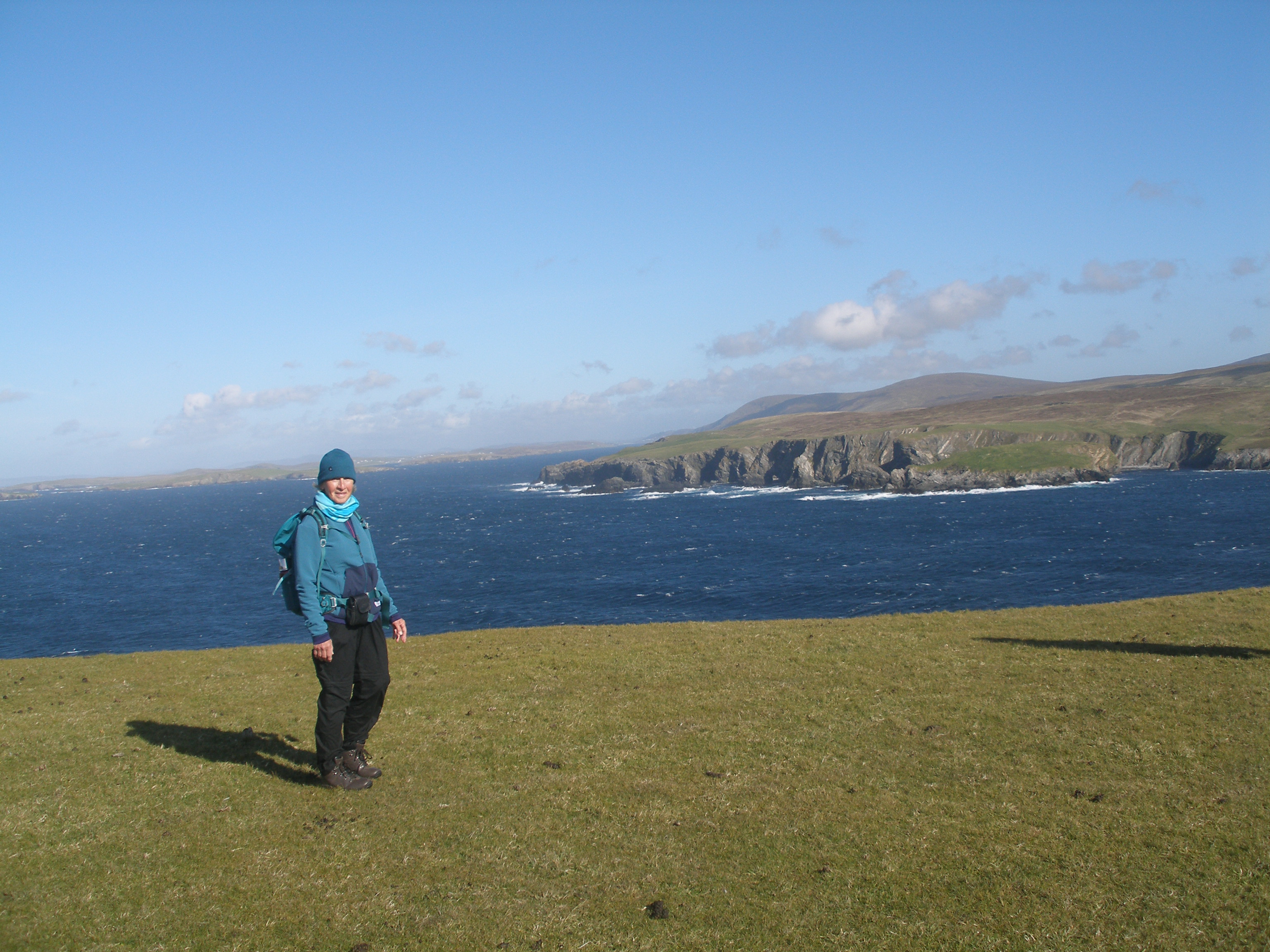
The following day’s destination is often described as the prettiest place on Shetland: Muckle Roe, an island connected to Busta and the main island by a narrow stone bridge. Hiking up to Riding Stack Lighthouse we were glutted with sightings of red rock stacks as we explored ruins of the old Mill, North Ham and South Ham Beaches and then walked to Little Ness and Swabi Stack.

There was no time to relax after dinner that evening: live traditional Shetland music was available at the Lounge in Lerwick (again made famous by Anne Cleeve’s detective novels and the tv series). The piano, accordion, acoustic guitar and vocalists were later joined by a fiddler and a drummer: a perfect background for sipping another relaxing wee dram of Shetland Reel.
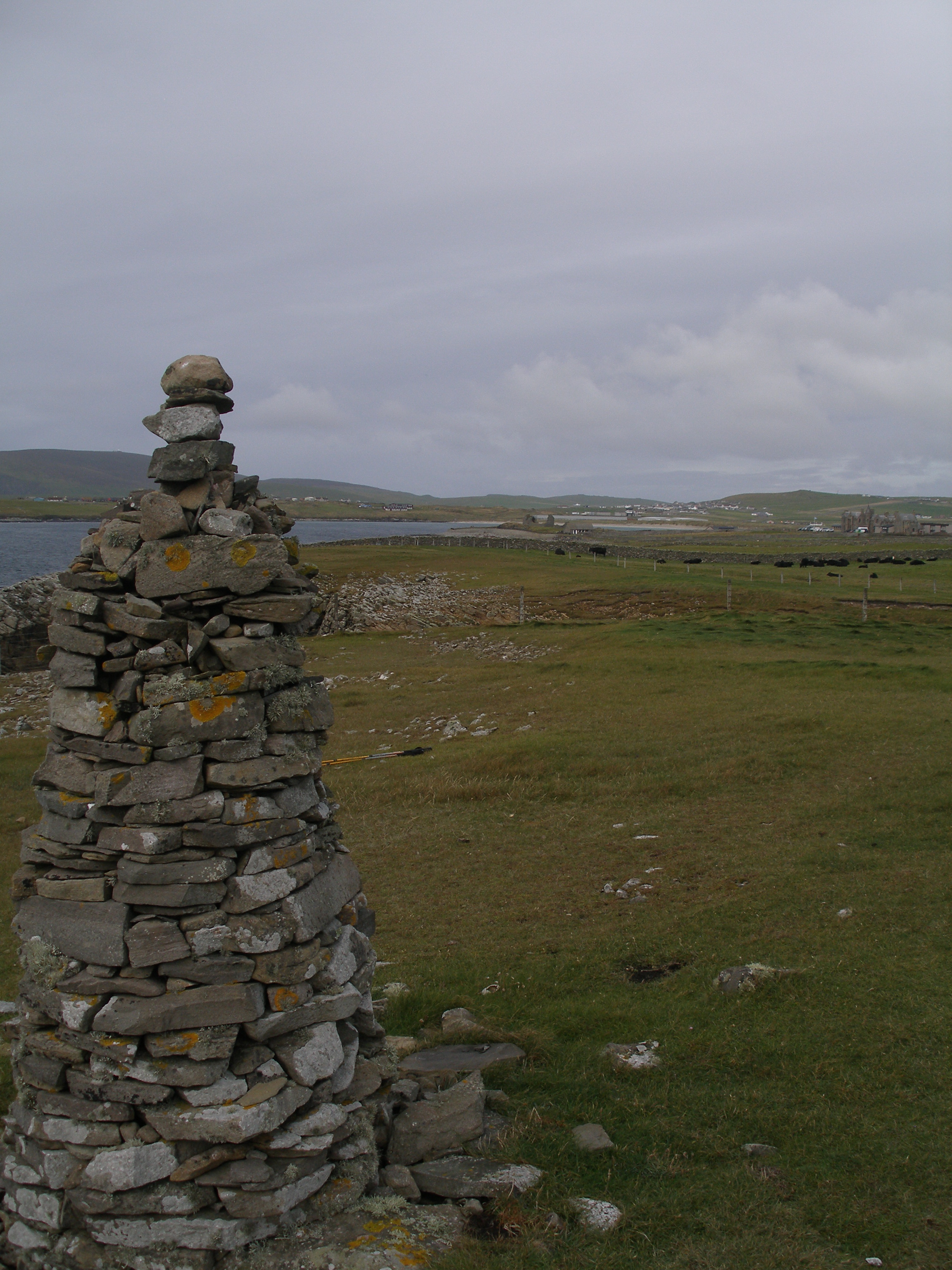
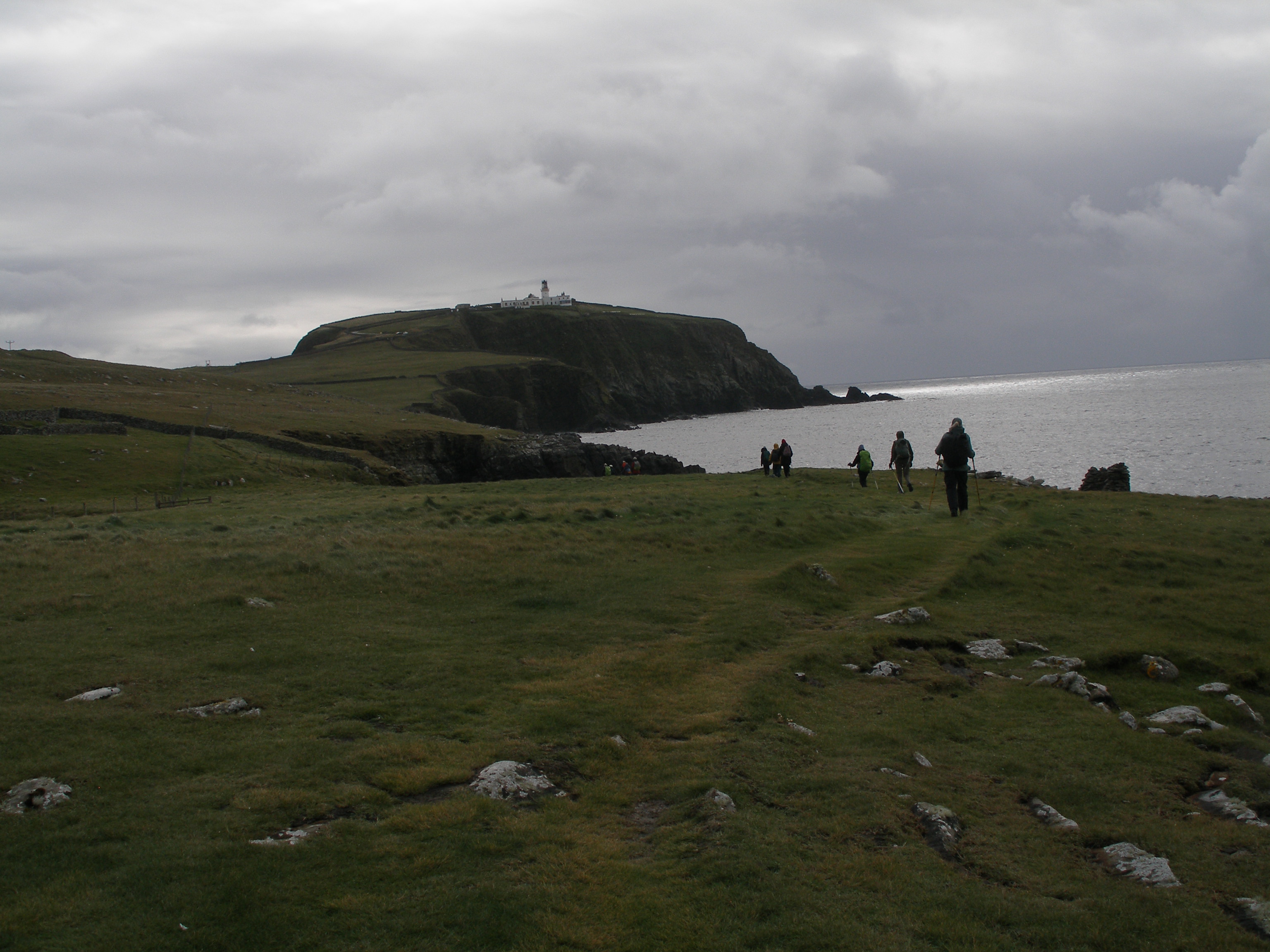
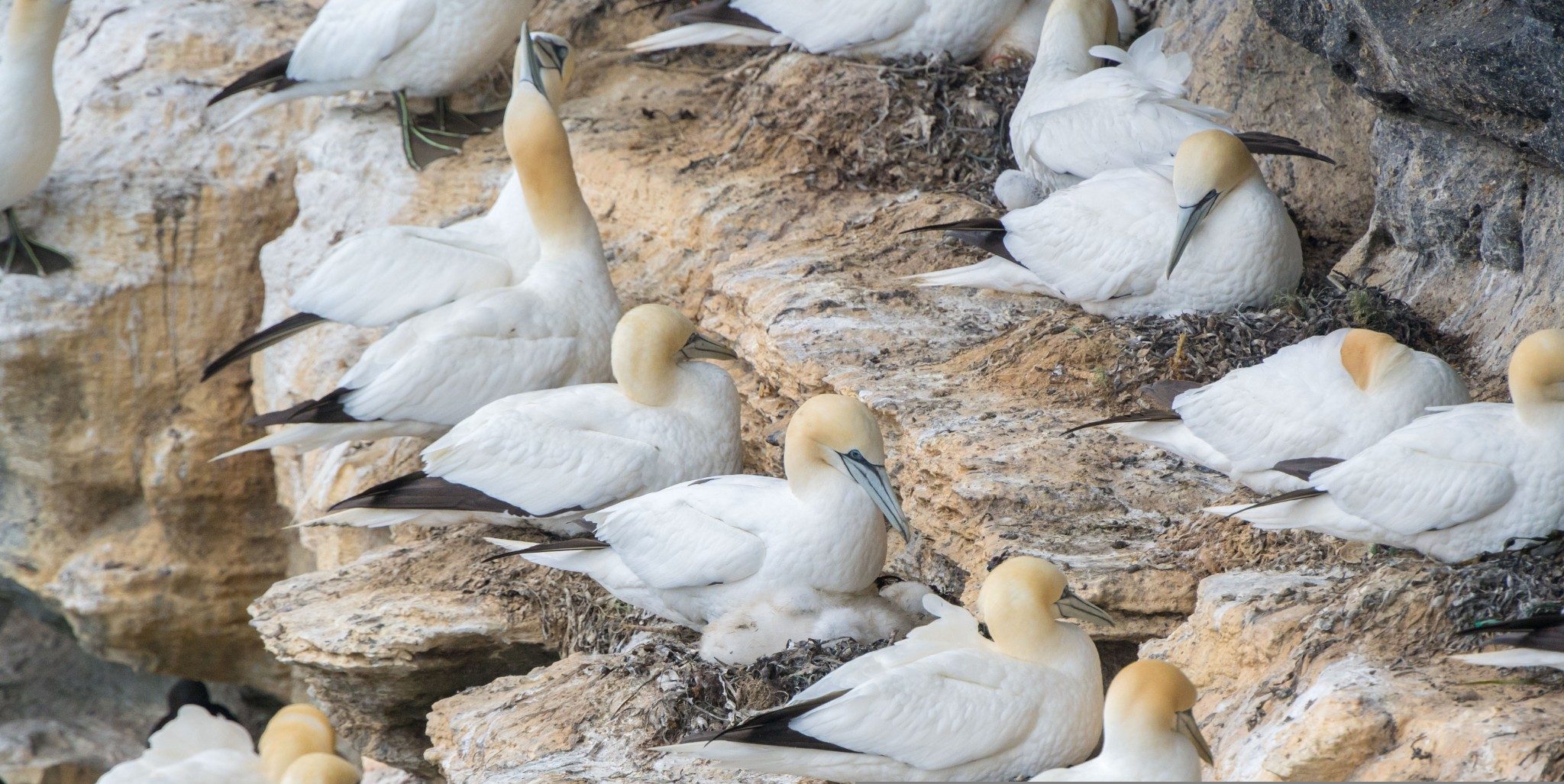
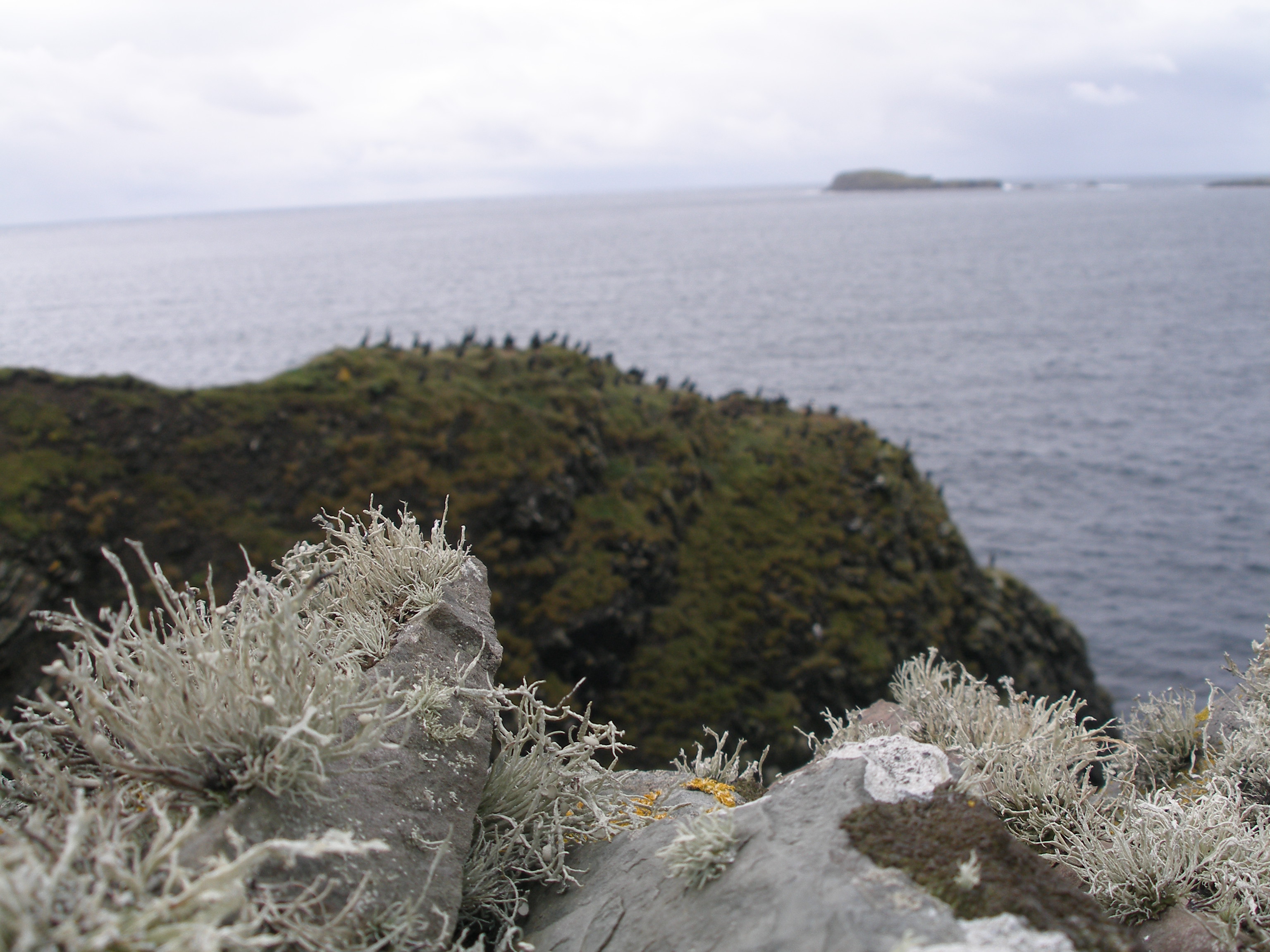
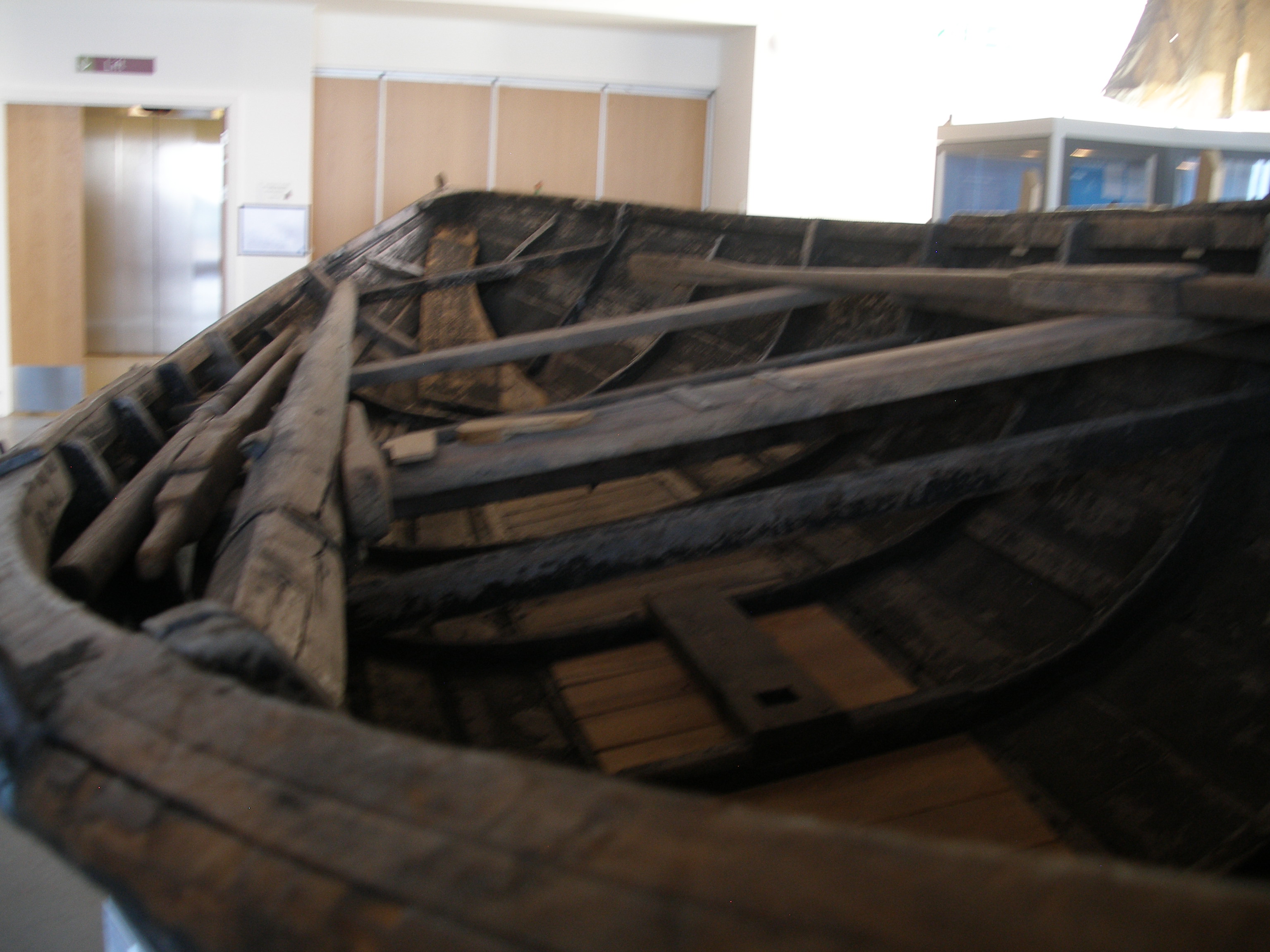
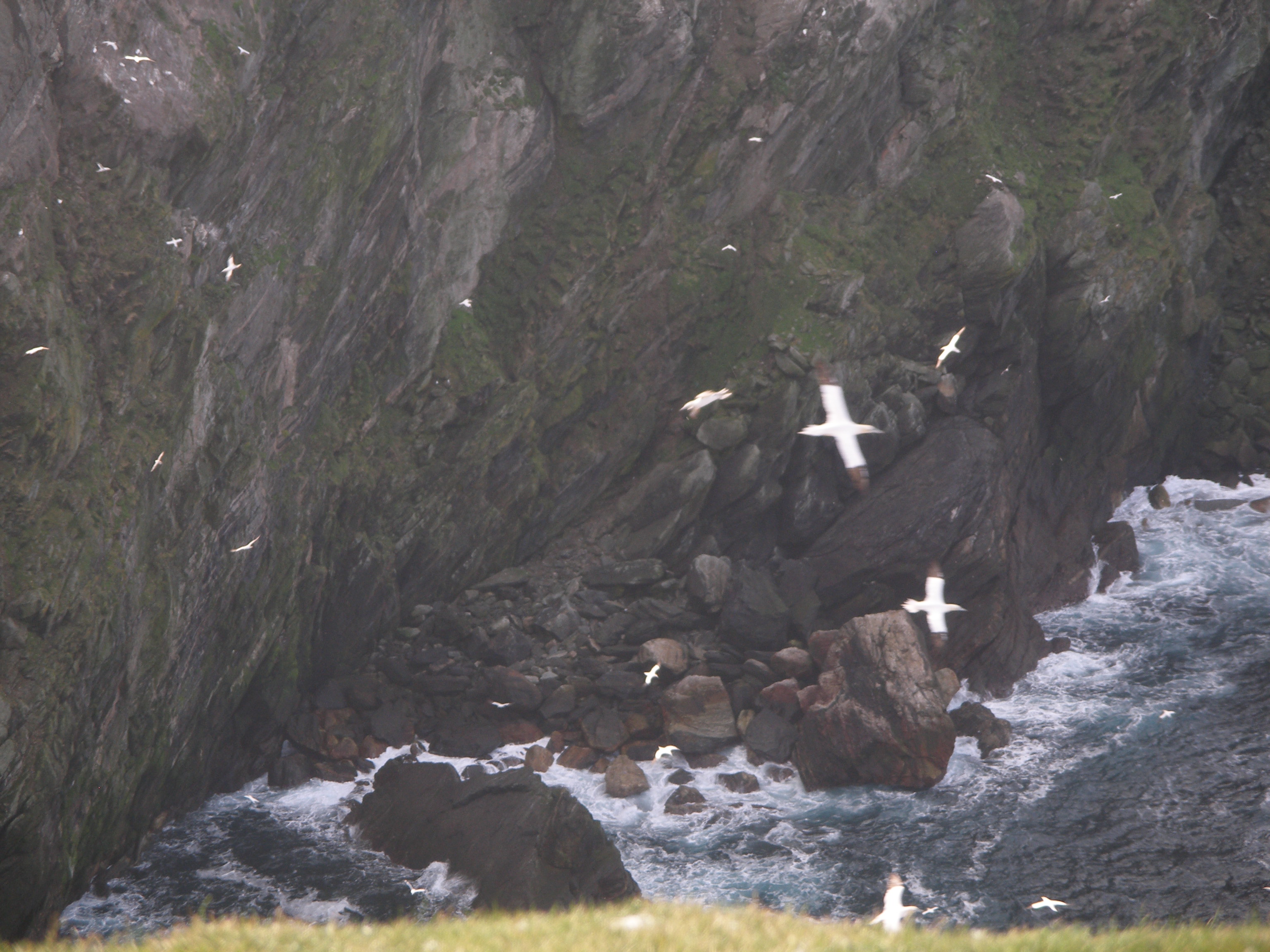
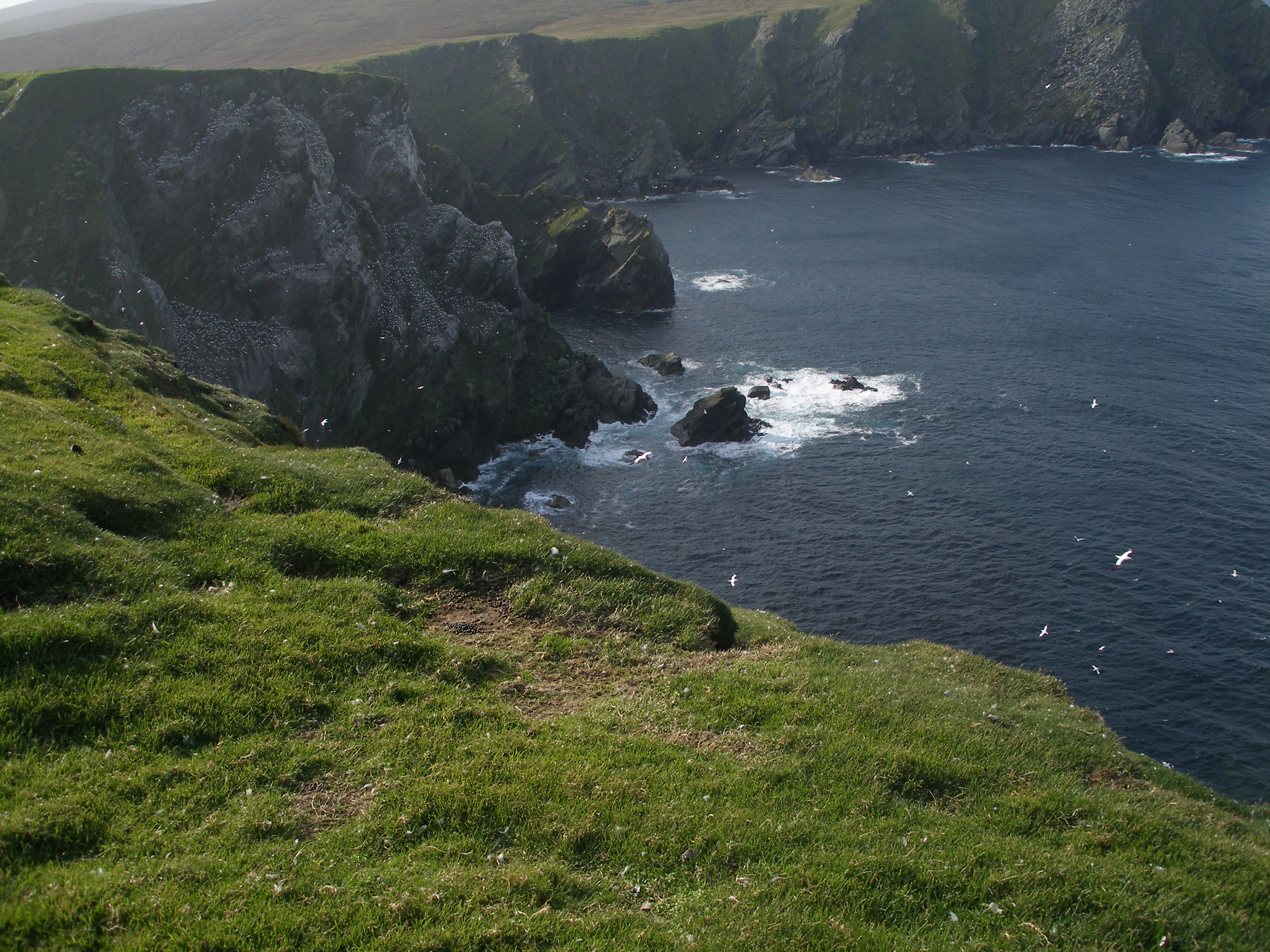
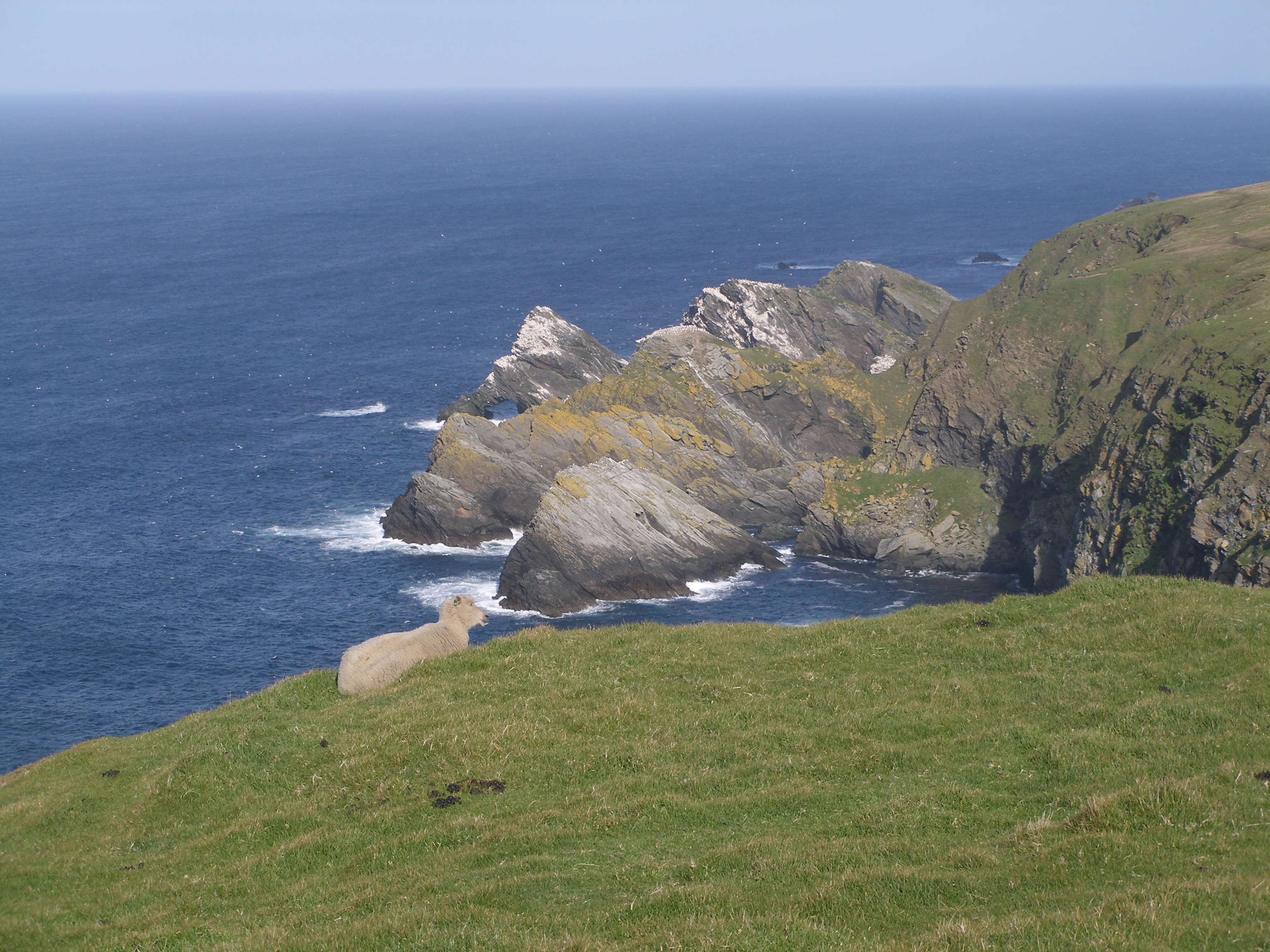
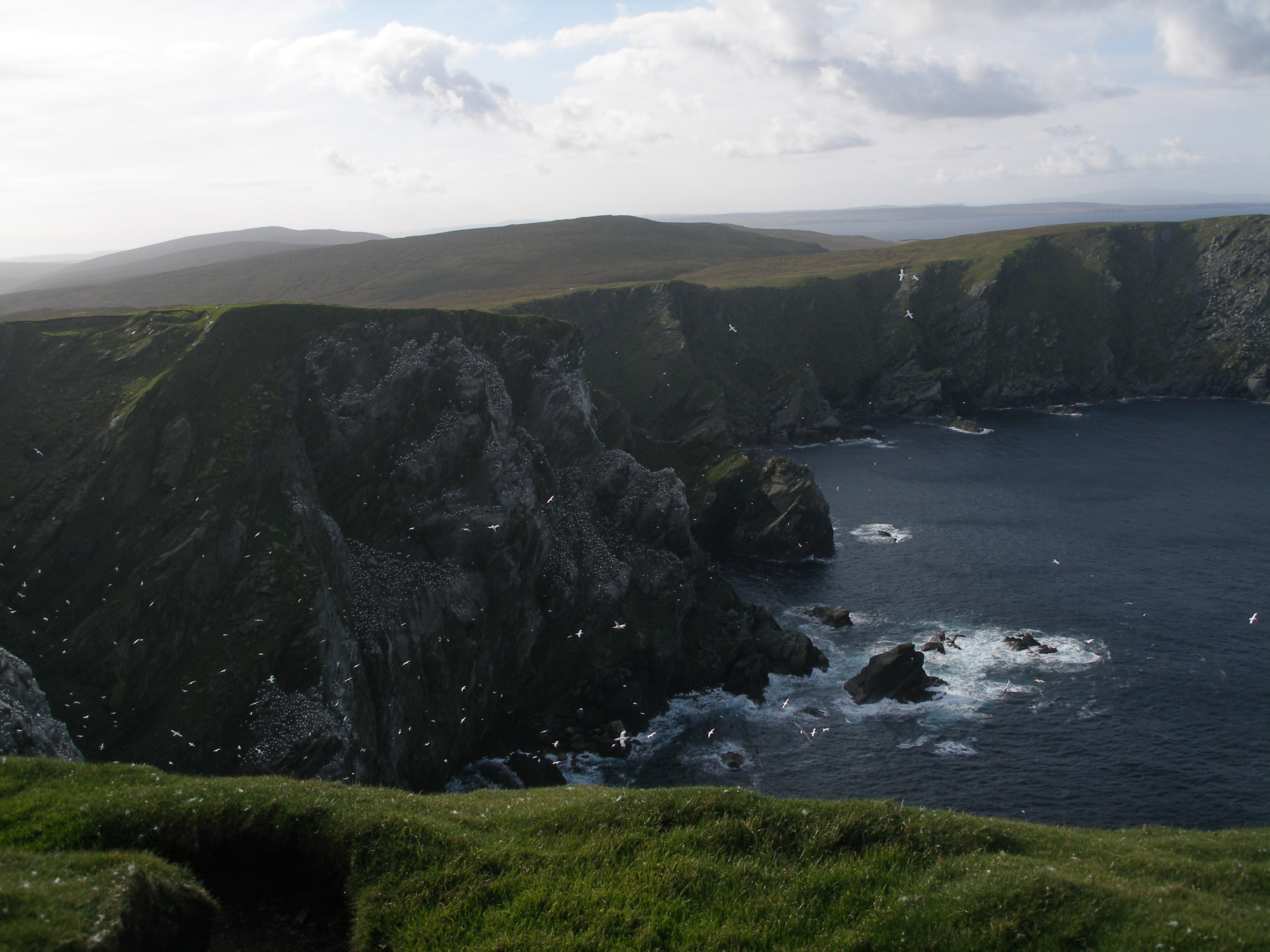
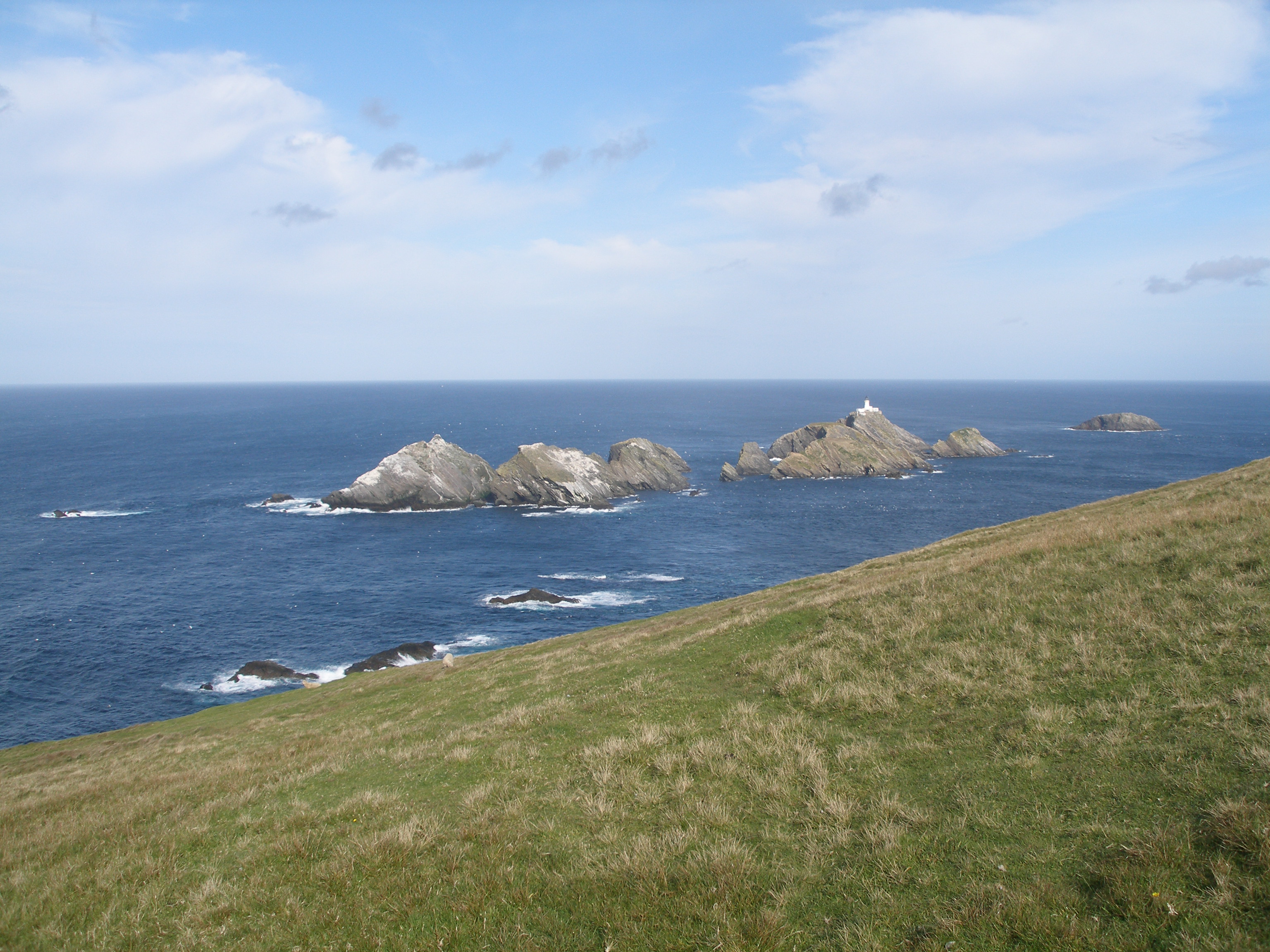
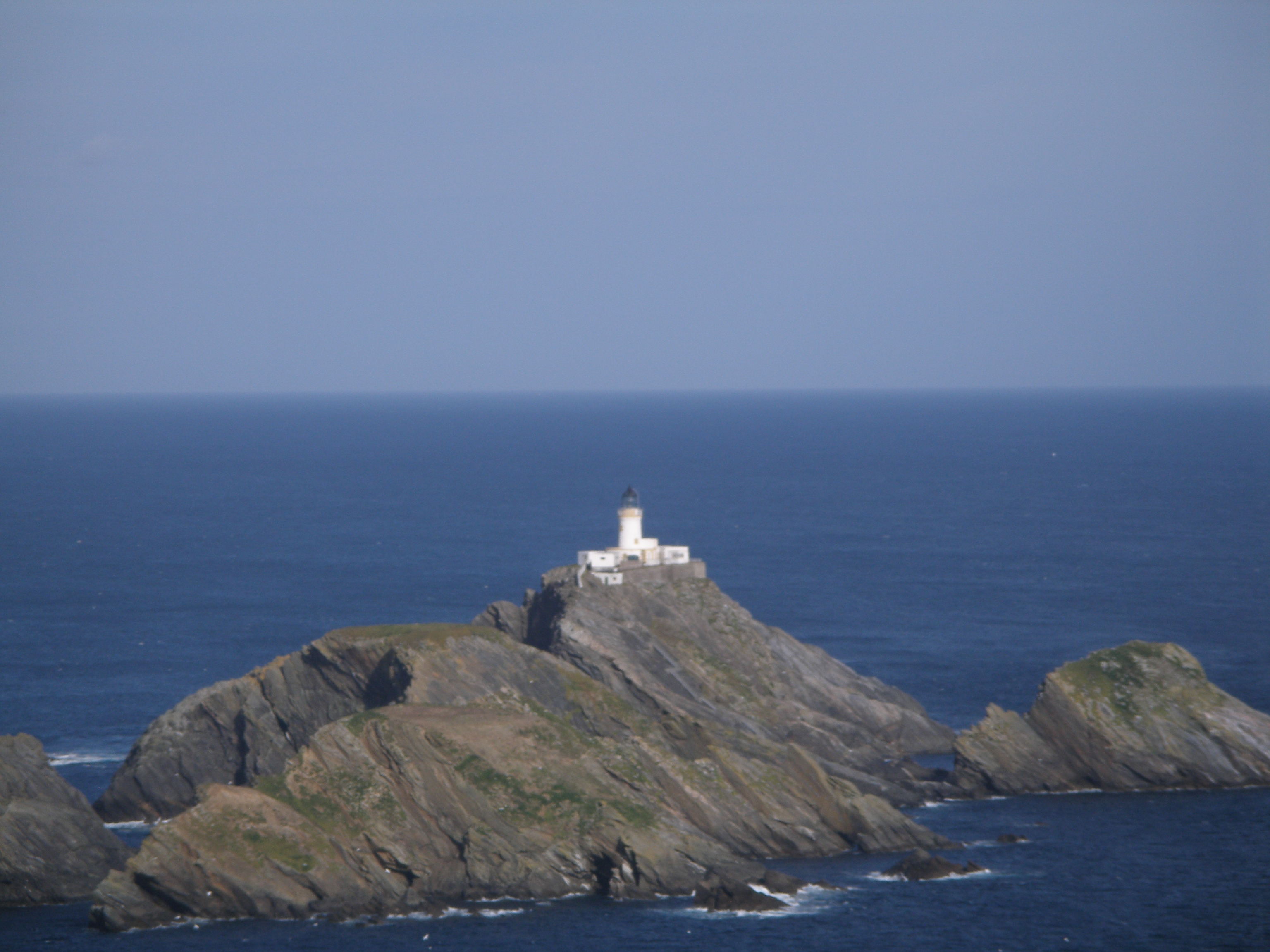
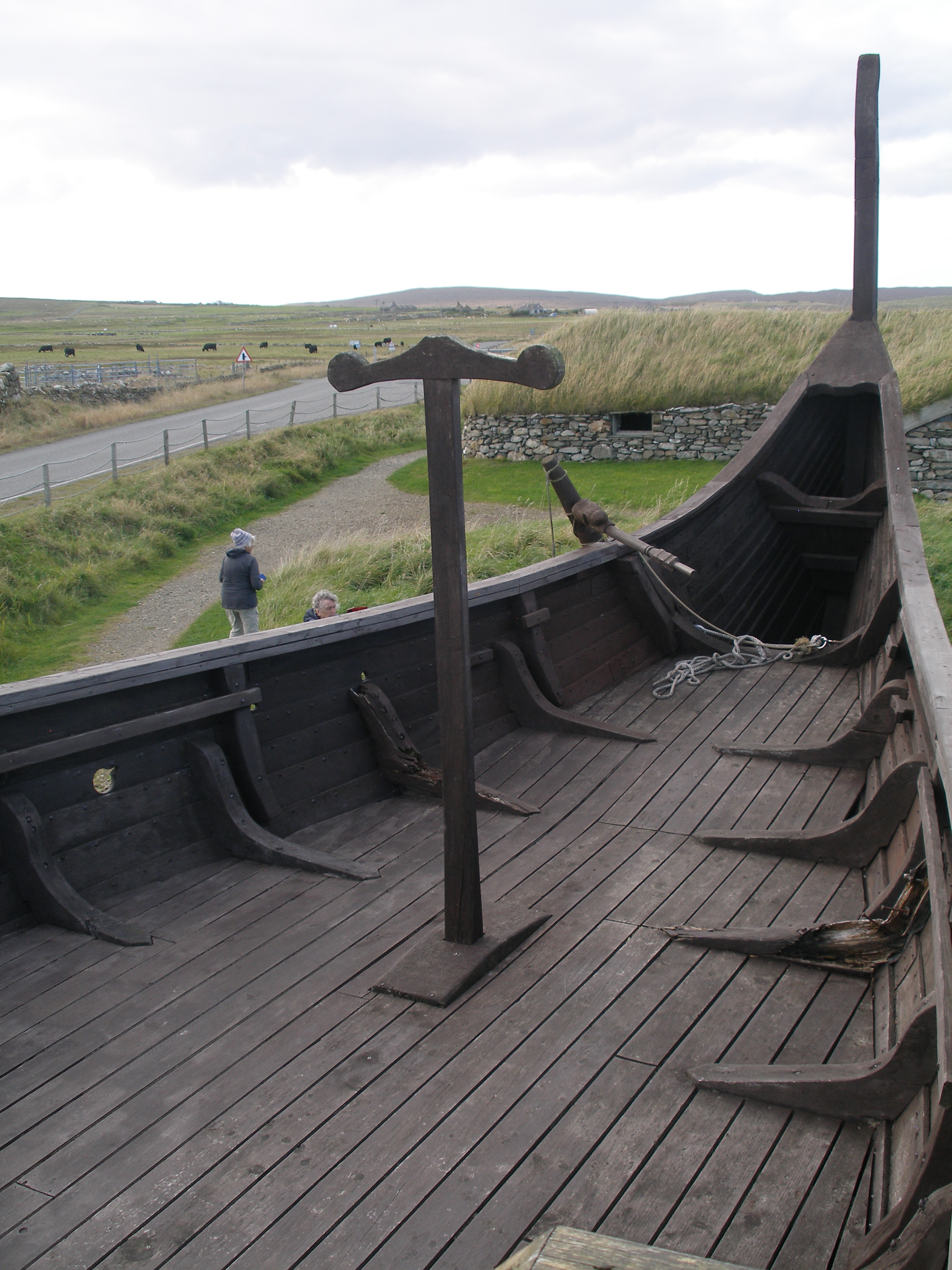
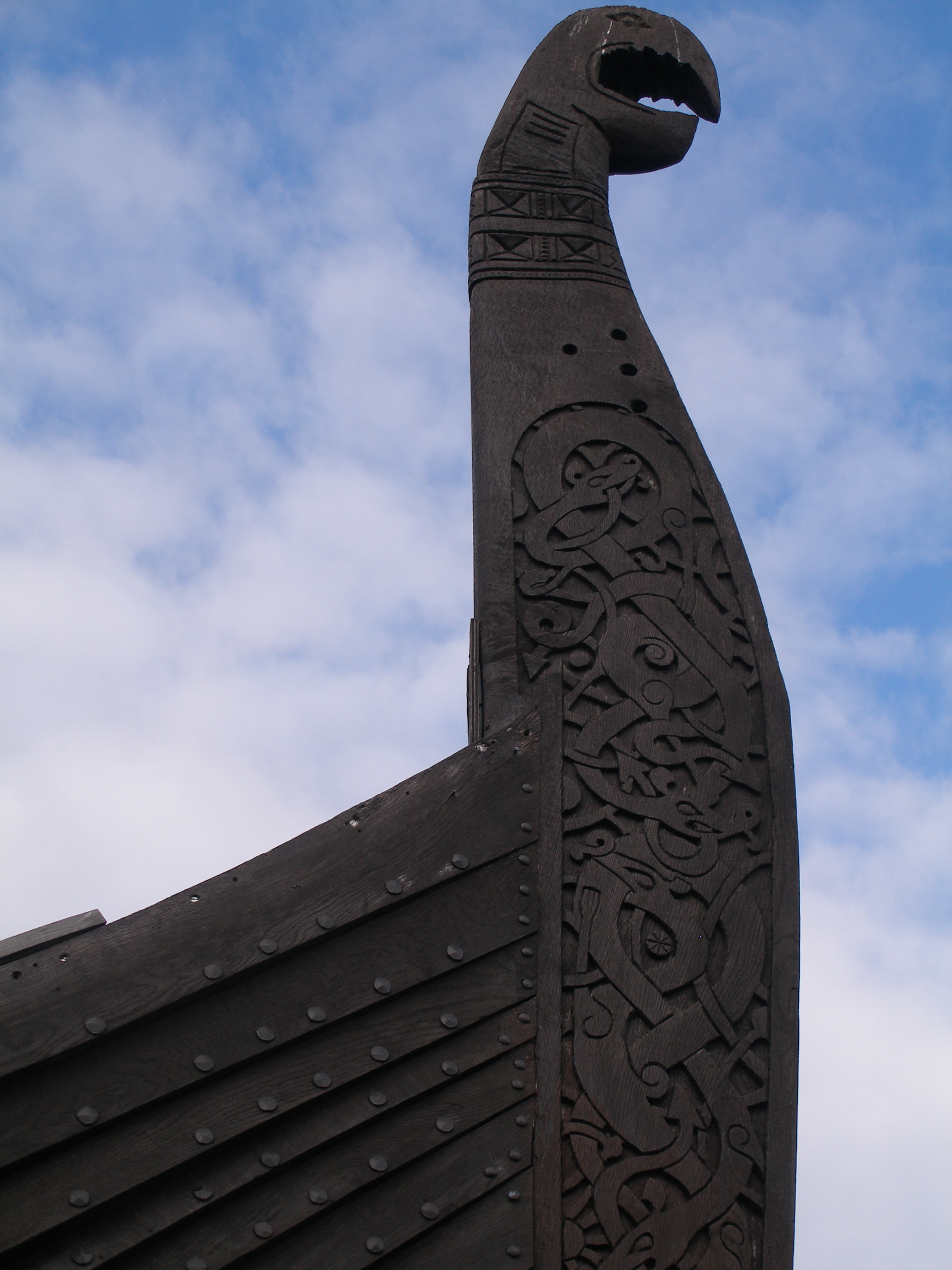
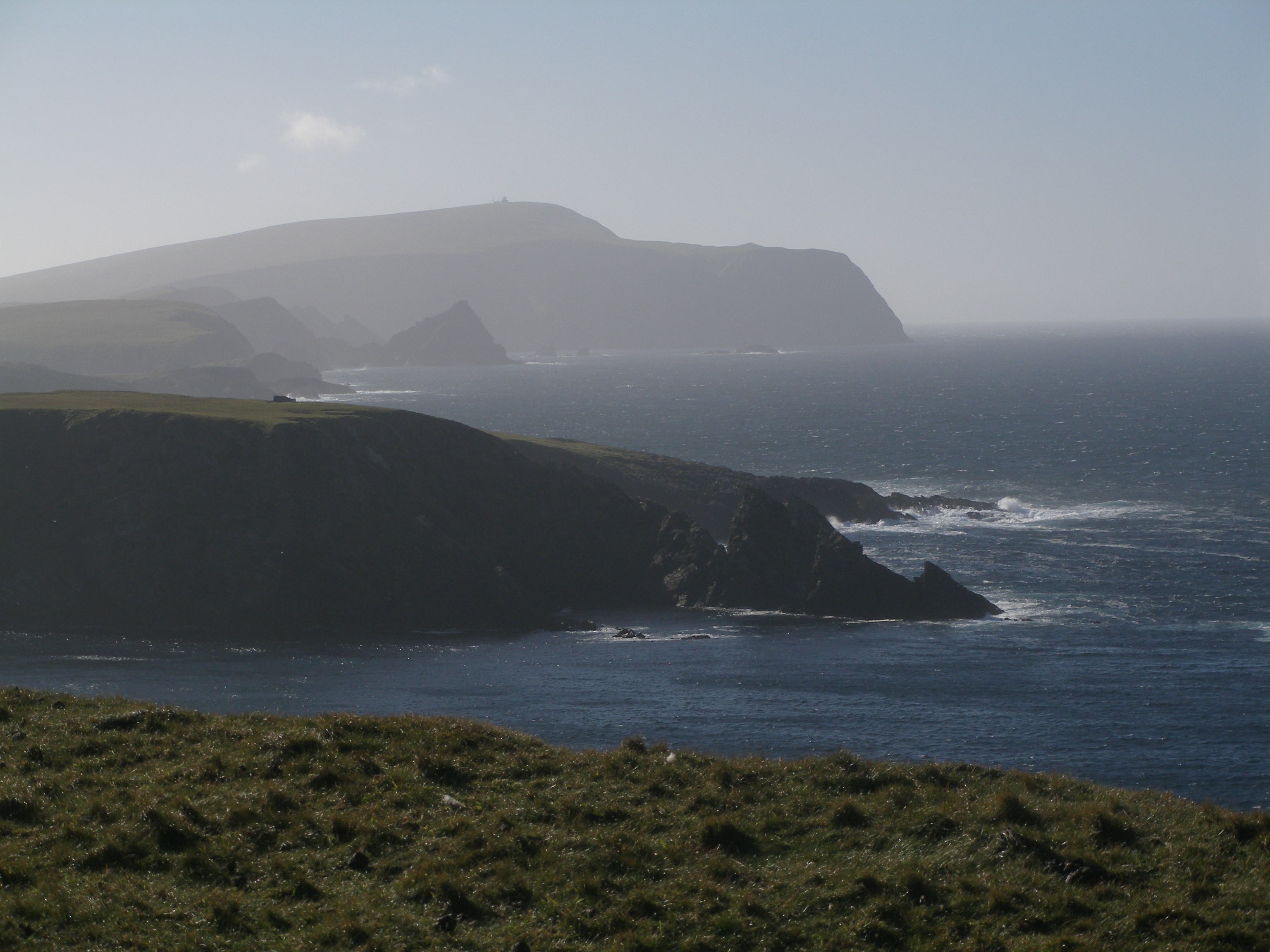
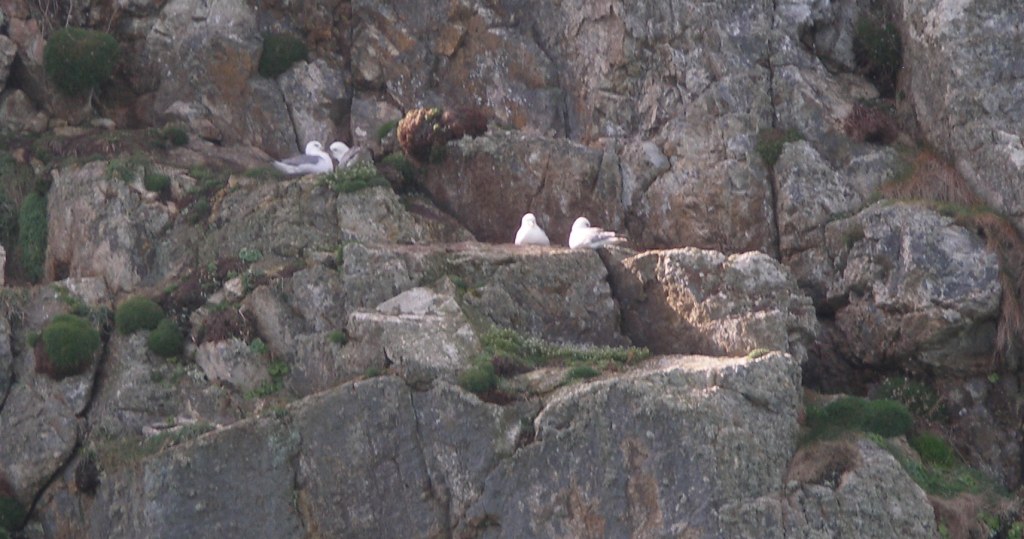
Our penultimate day – scheduled to be a long one of driving north and catching inter-island ferries – was blessed with sunshine. Our goal was to reach the most northerly point of Shetland (and the UK) on the island of Unst. From Toft on the main island we caught an early ferry to the island of Yell, drove north across it to the jetty at Gutcher and then caught another ferry to Unst, where we continued driving north to Hermaness Nature Reserve. Here we were to marvel at the teeming gannet colonies turning the grey rock faces white, drowning out the sound of the breaking swells with their cries. We hiked the cliff paths to view craggy Muckle Flugga Outstack and its solitary lighthouse before walking back into Unst to tour the excellent Heritage Centre (more superb textile displays!) and climb up into the replica Viking longboat beached nearby.

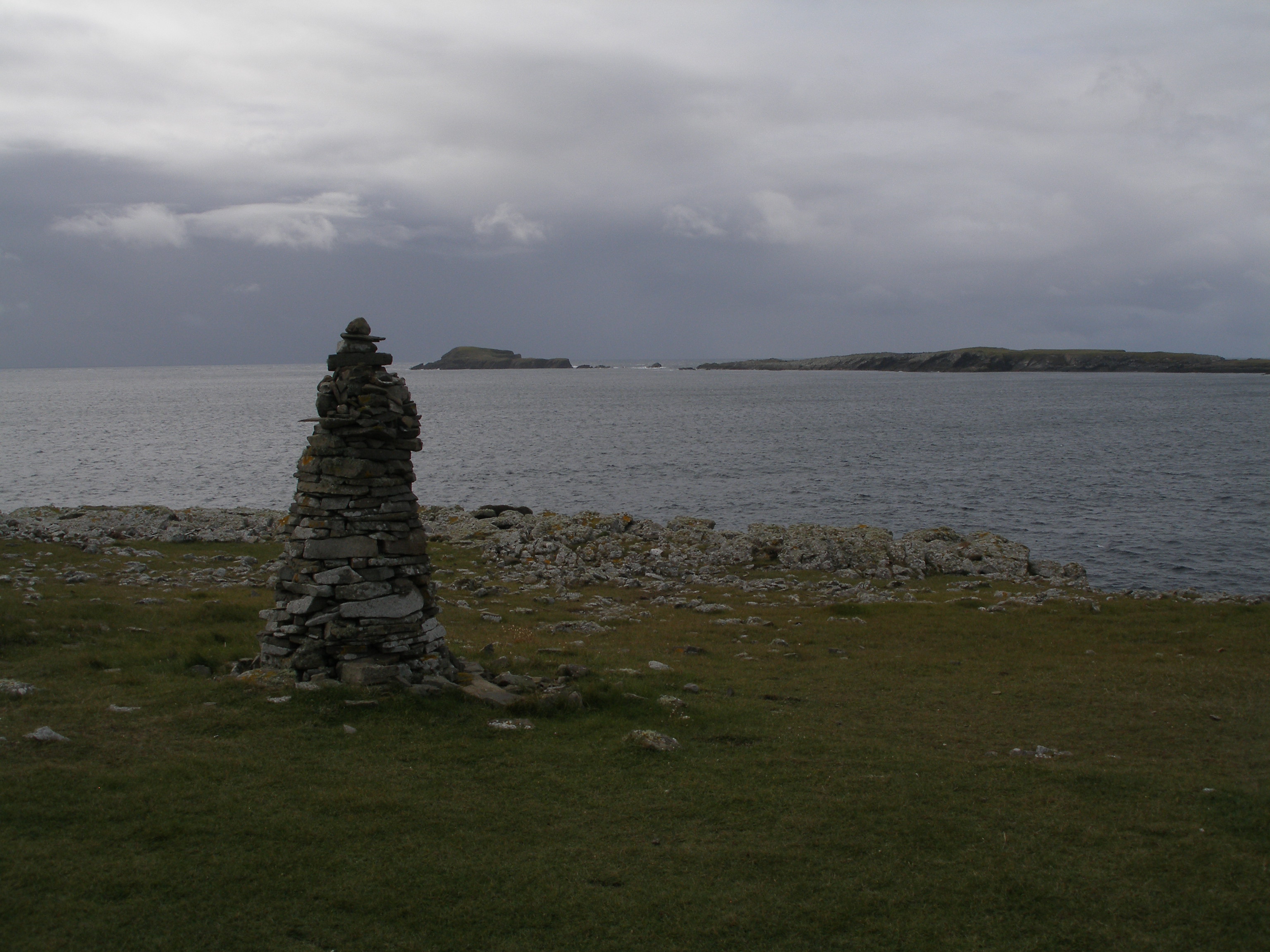
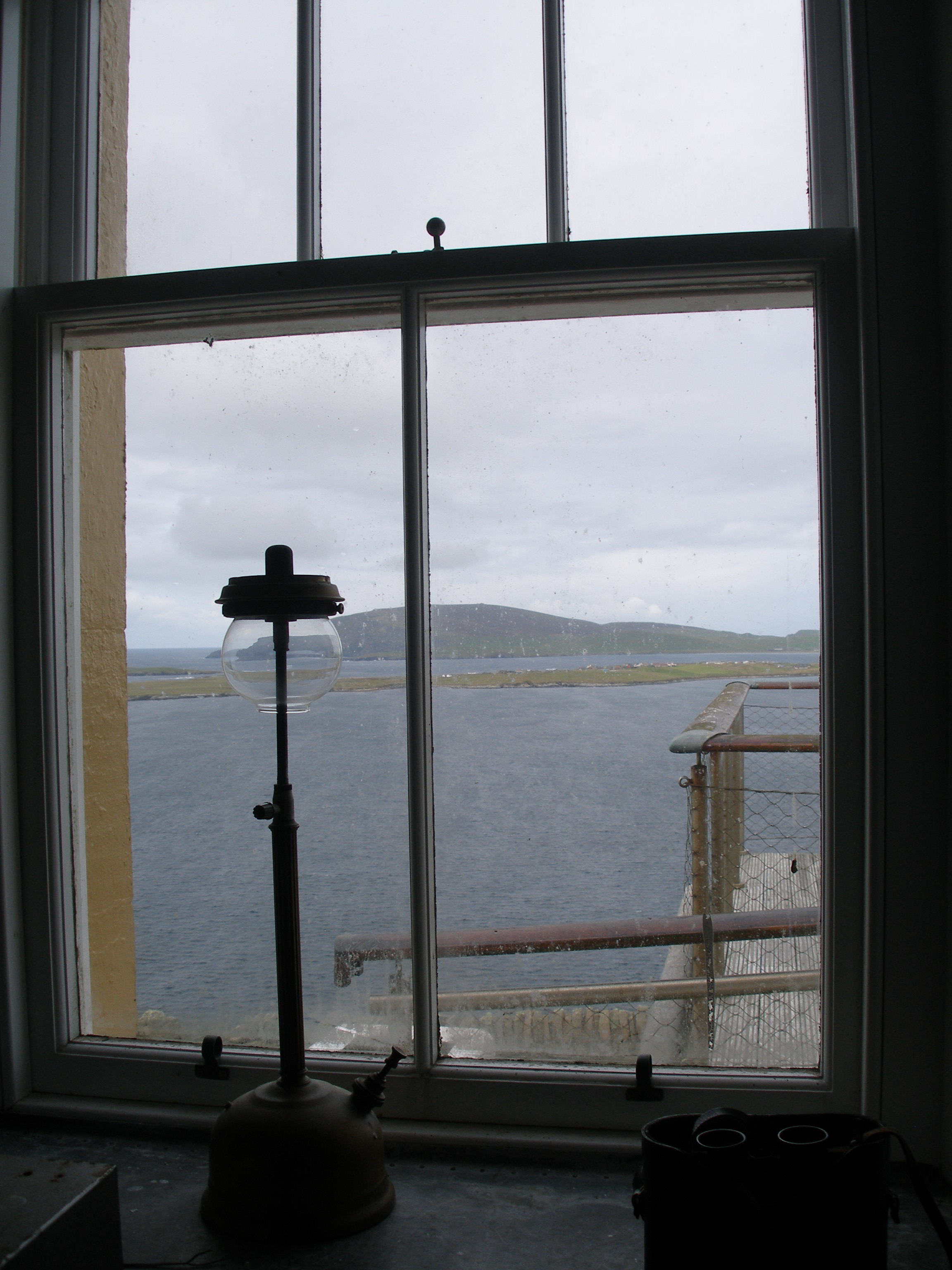
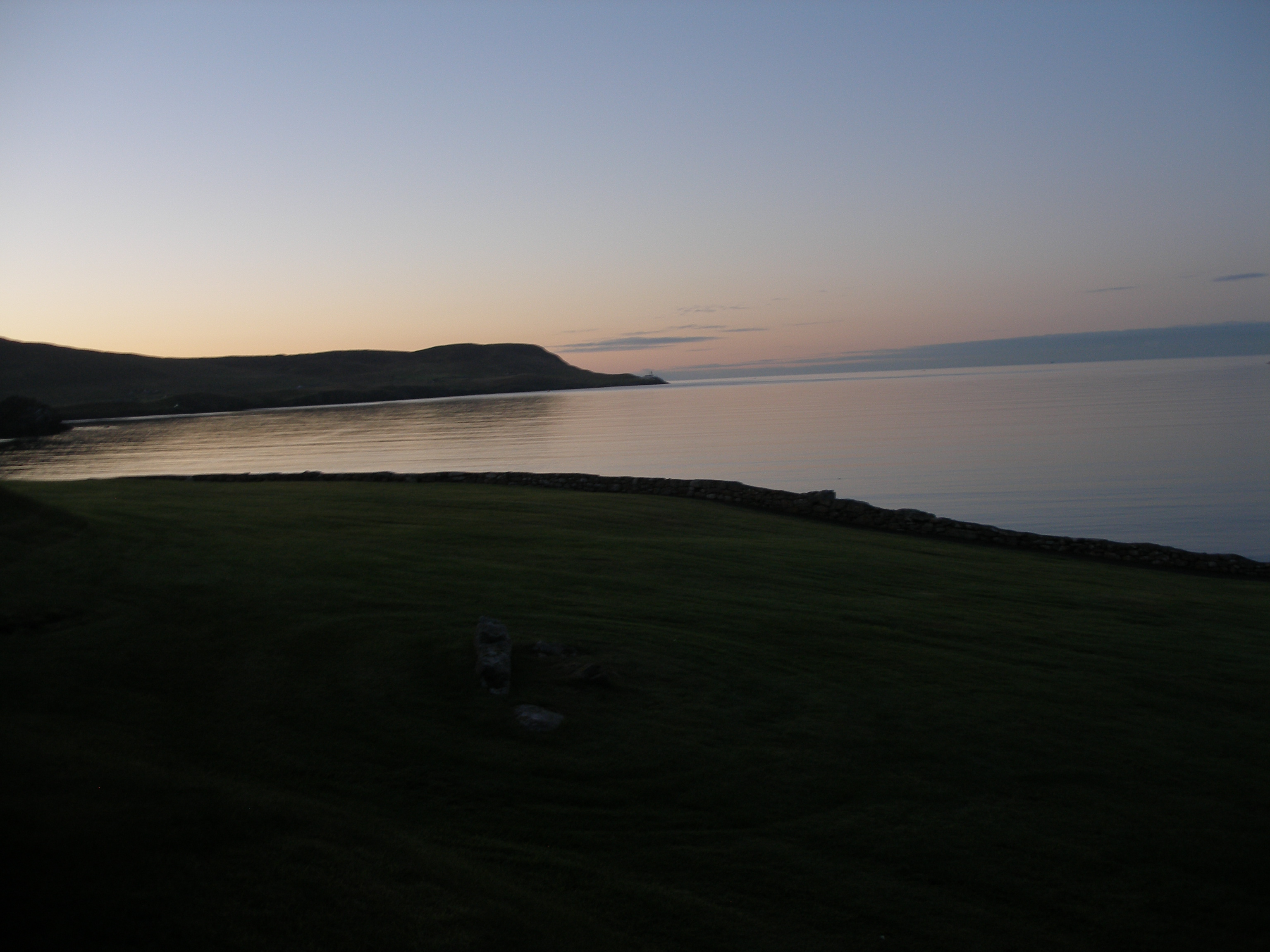
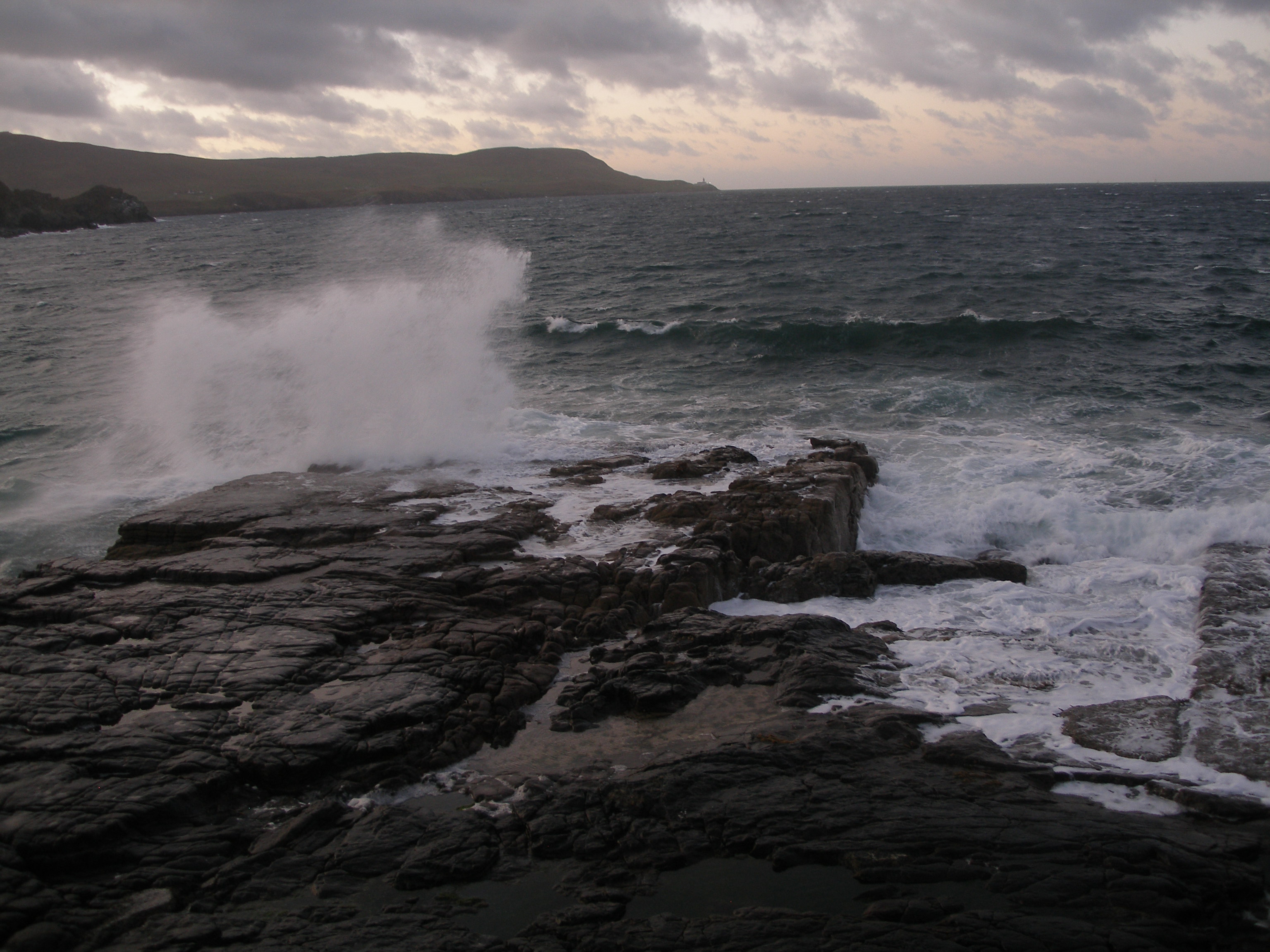
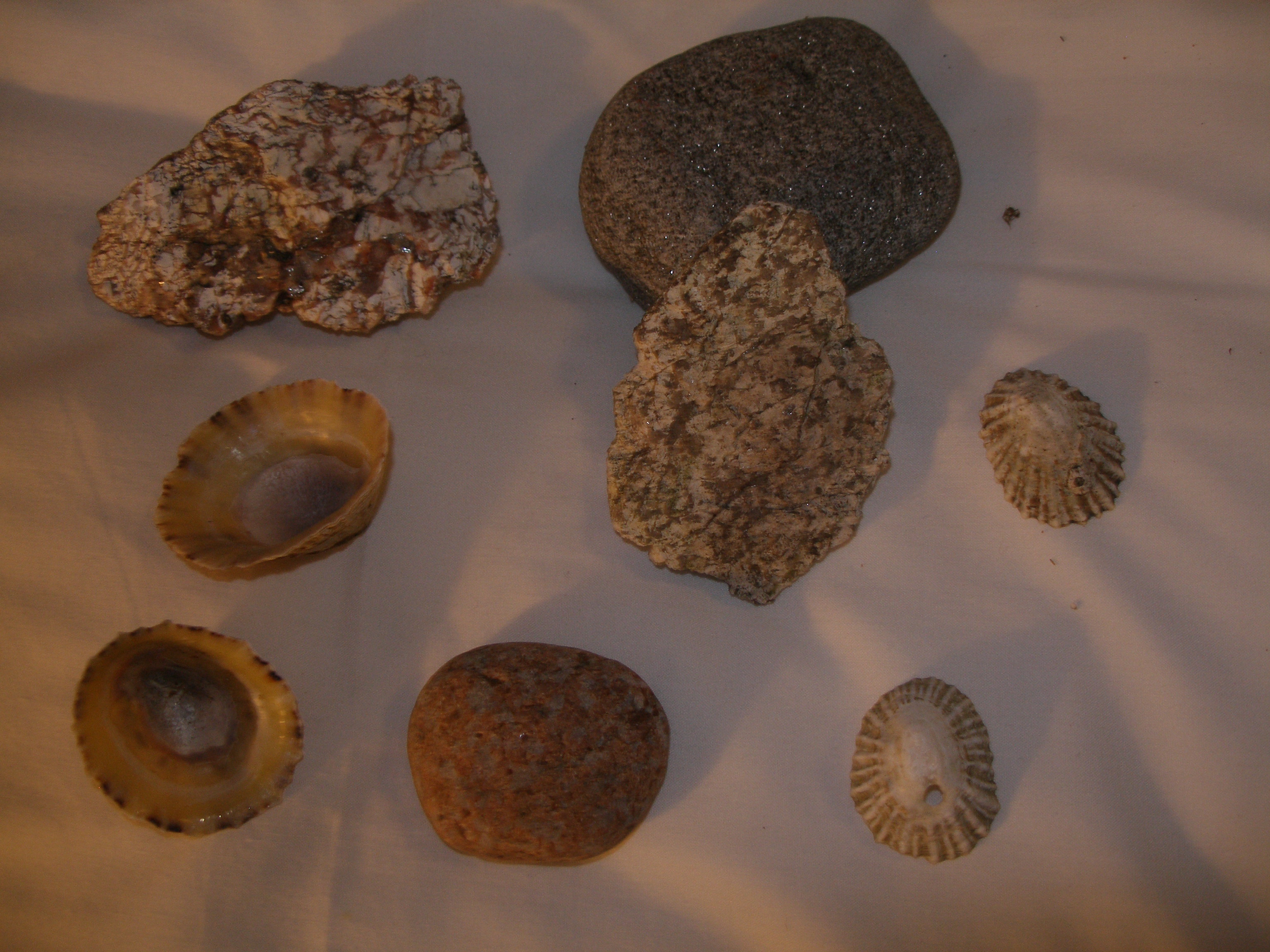
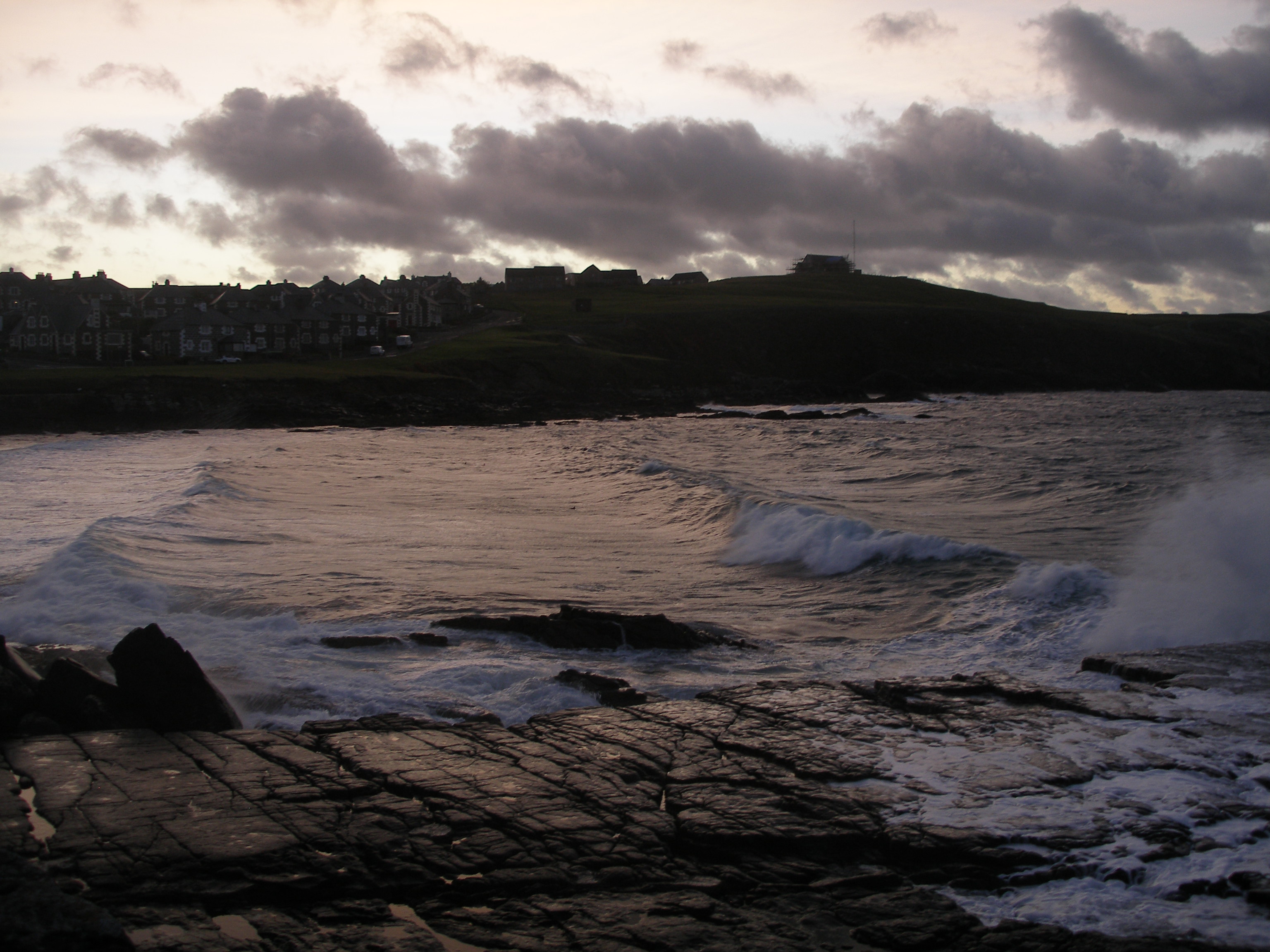
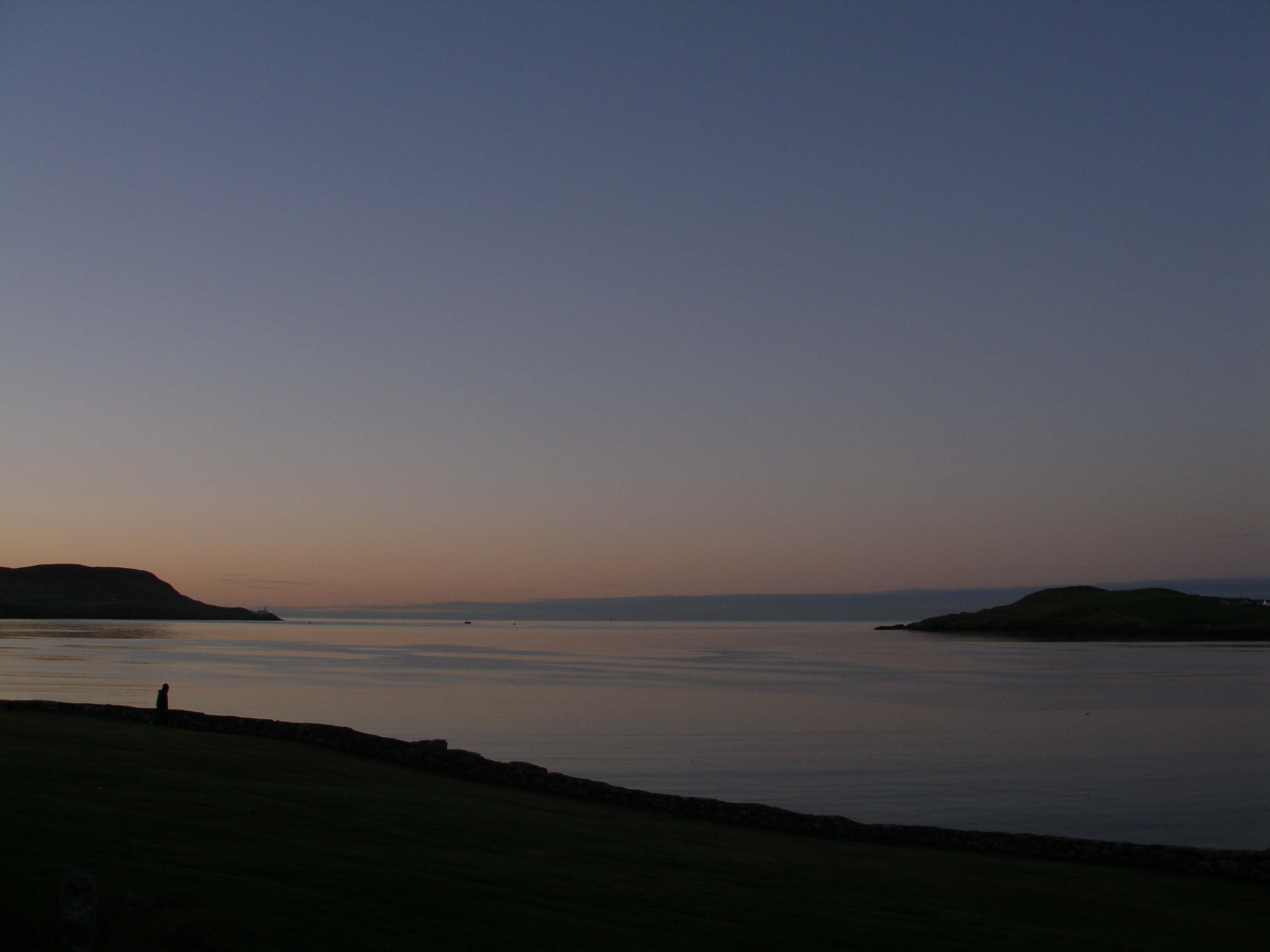
On the last full day in Lerwick, I woke early, determined to photograph my final Shetland sunrise over the Knab. I walked down at first light to the deserted Sletts and made a small cairn of all the geological specimens I had collected on our hikes in the past week, which were too heavy to return with me to the mainland. The swells broke over the Sletts, salt water sprays rising meters into the air as I made my offering.

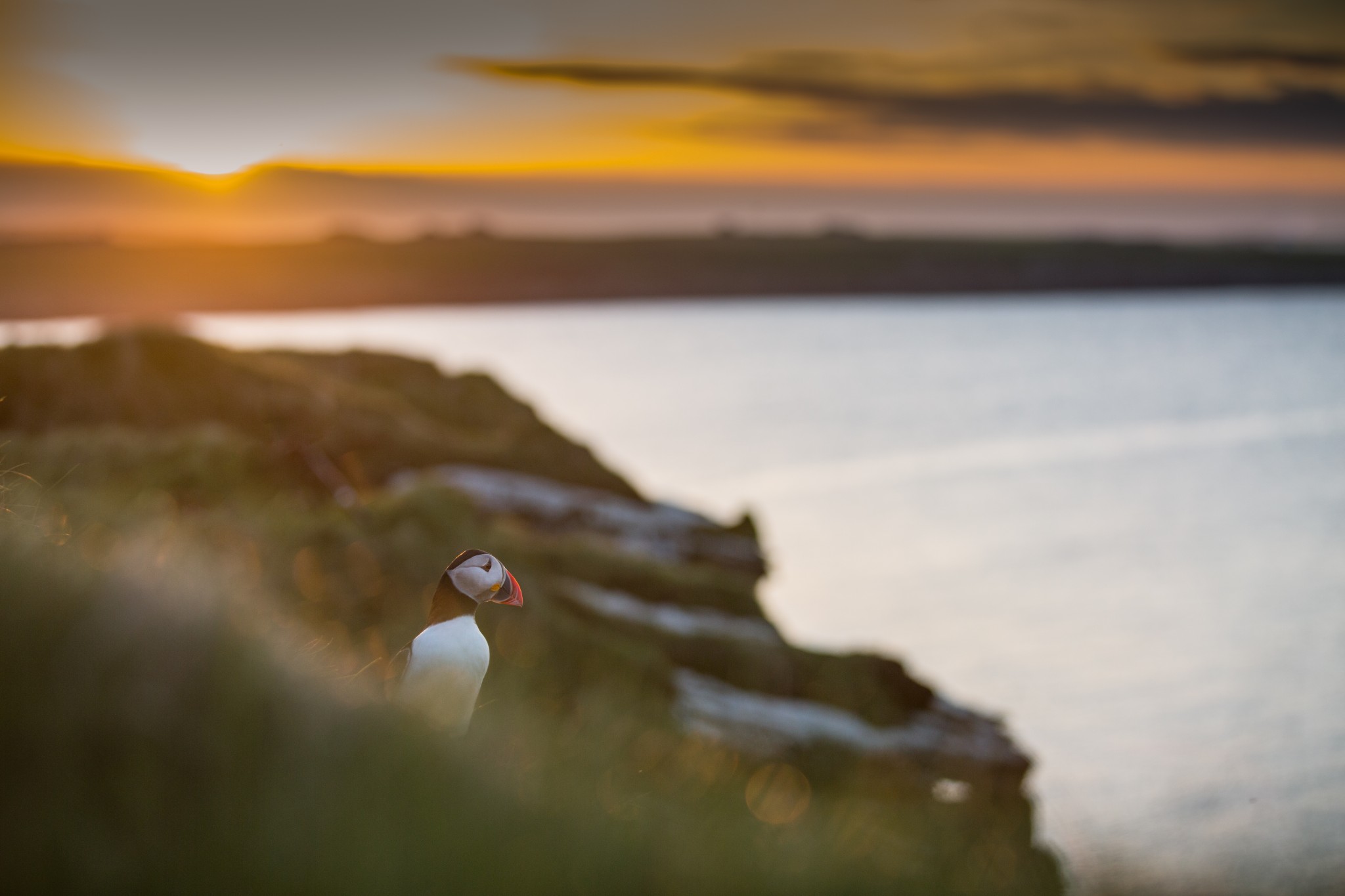
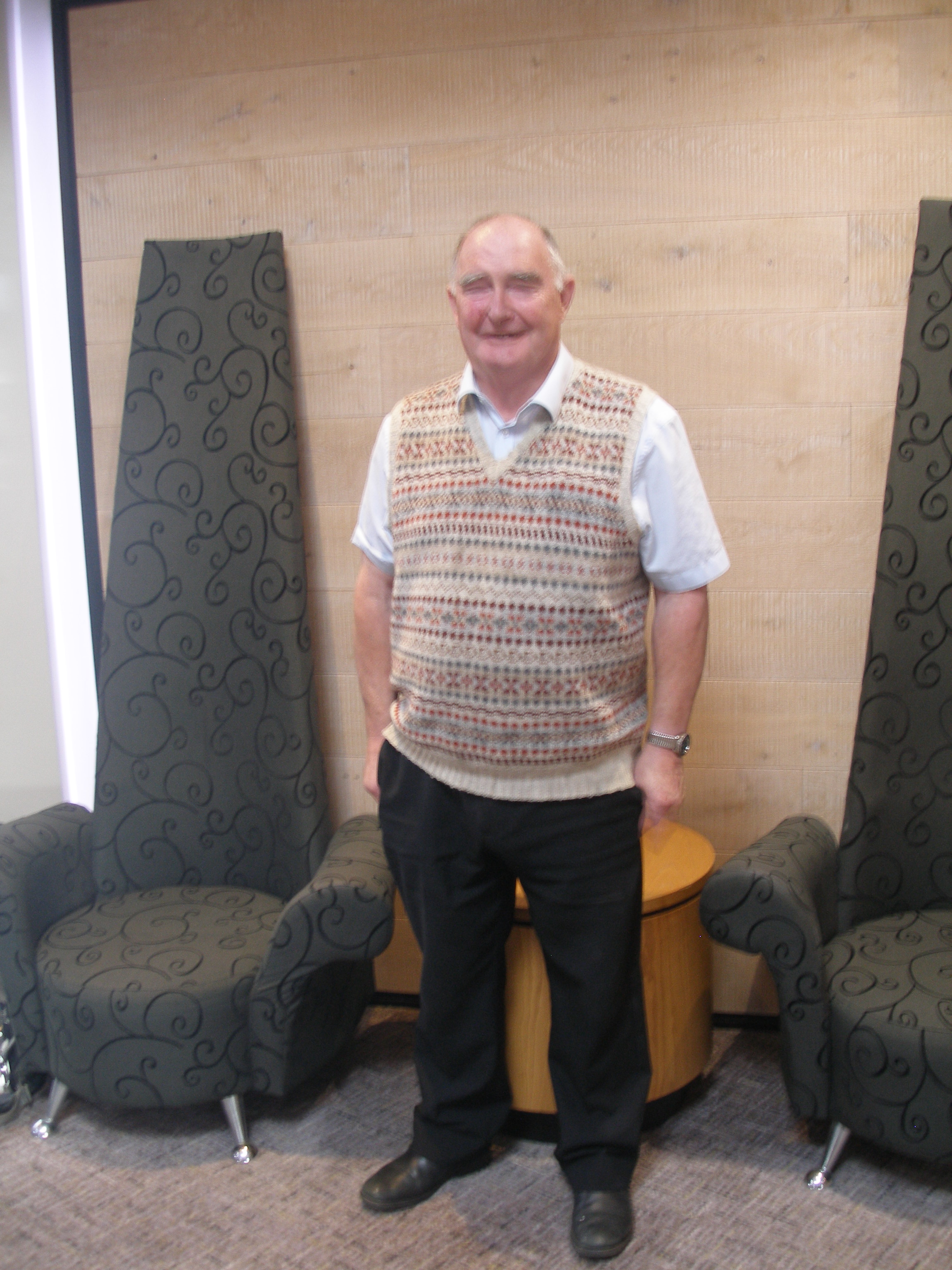
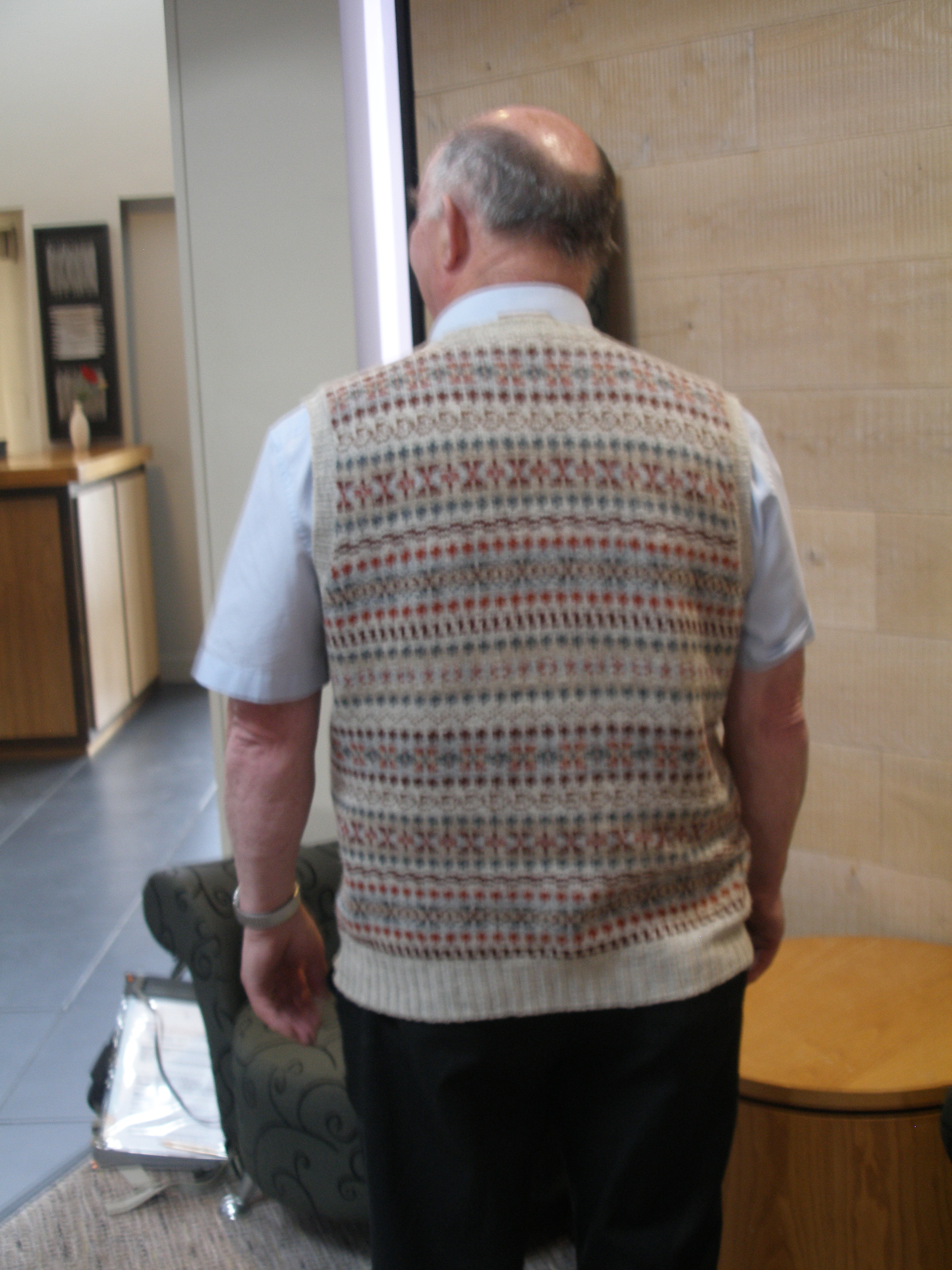
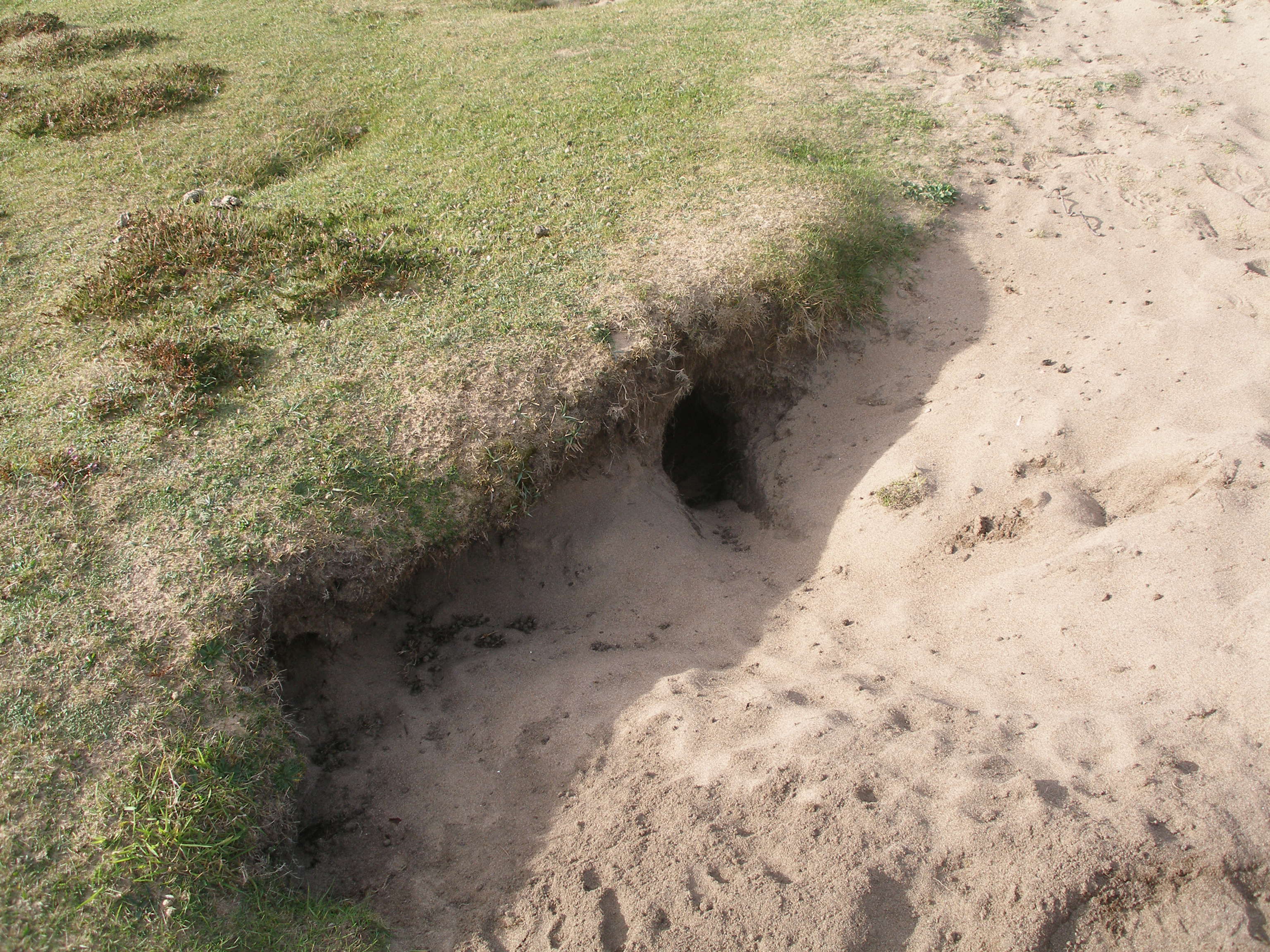
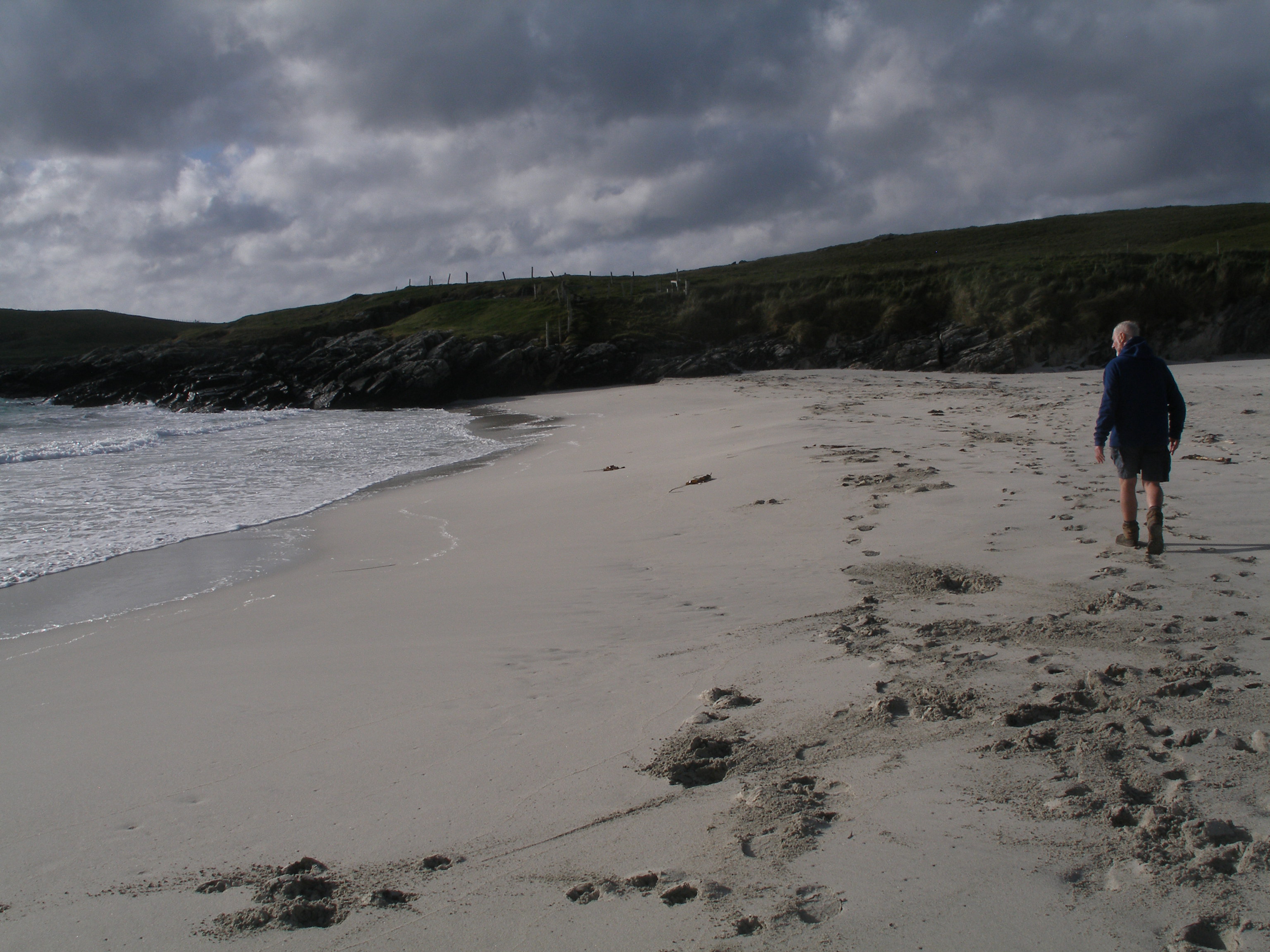
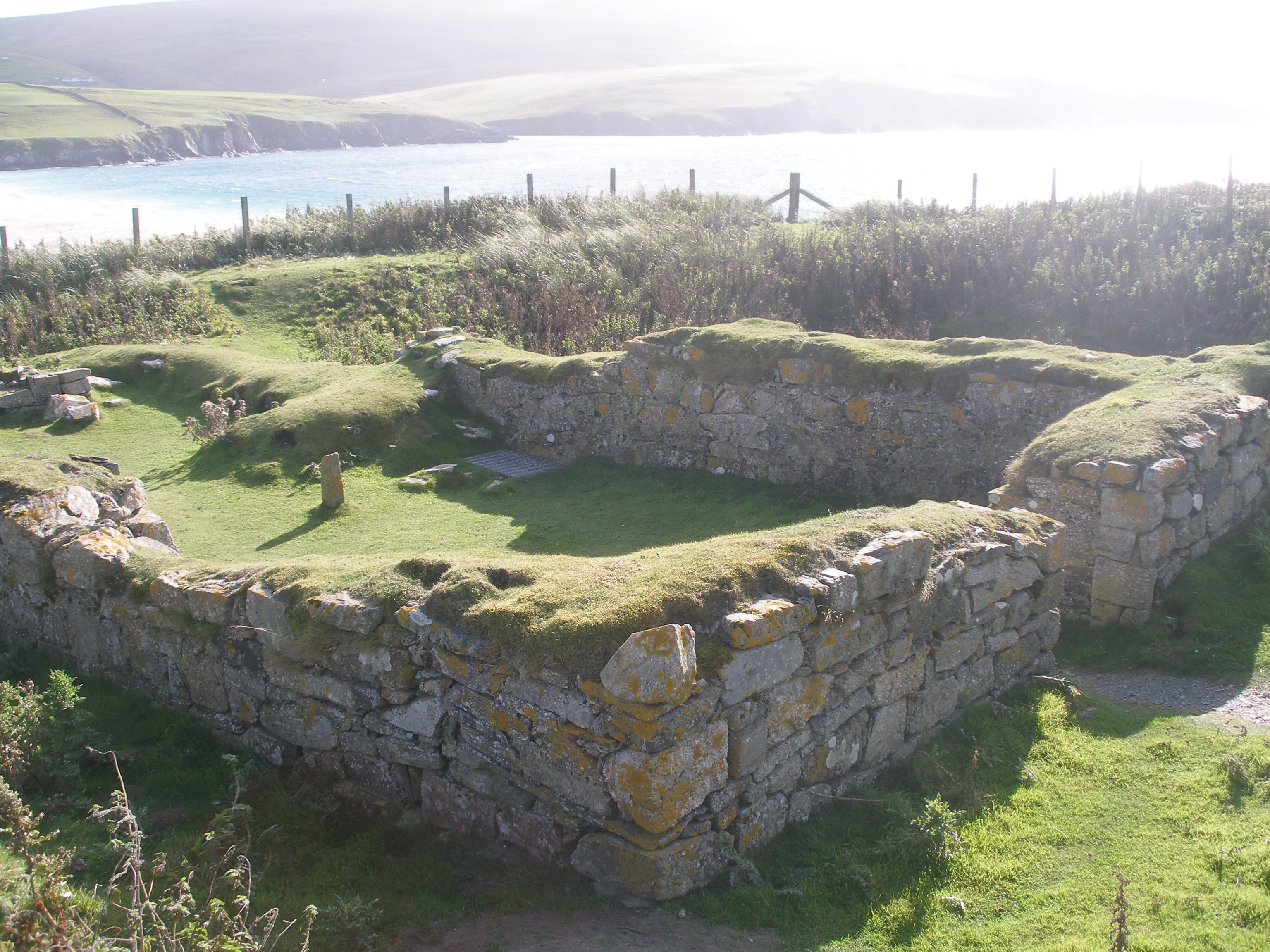
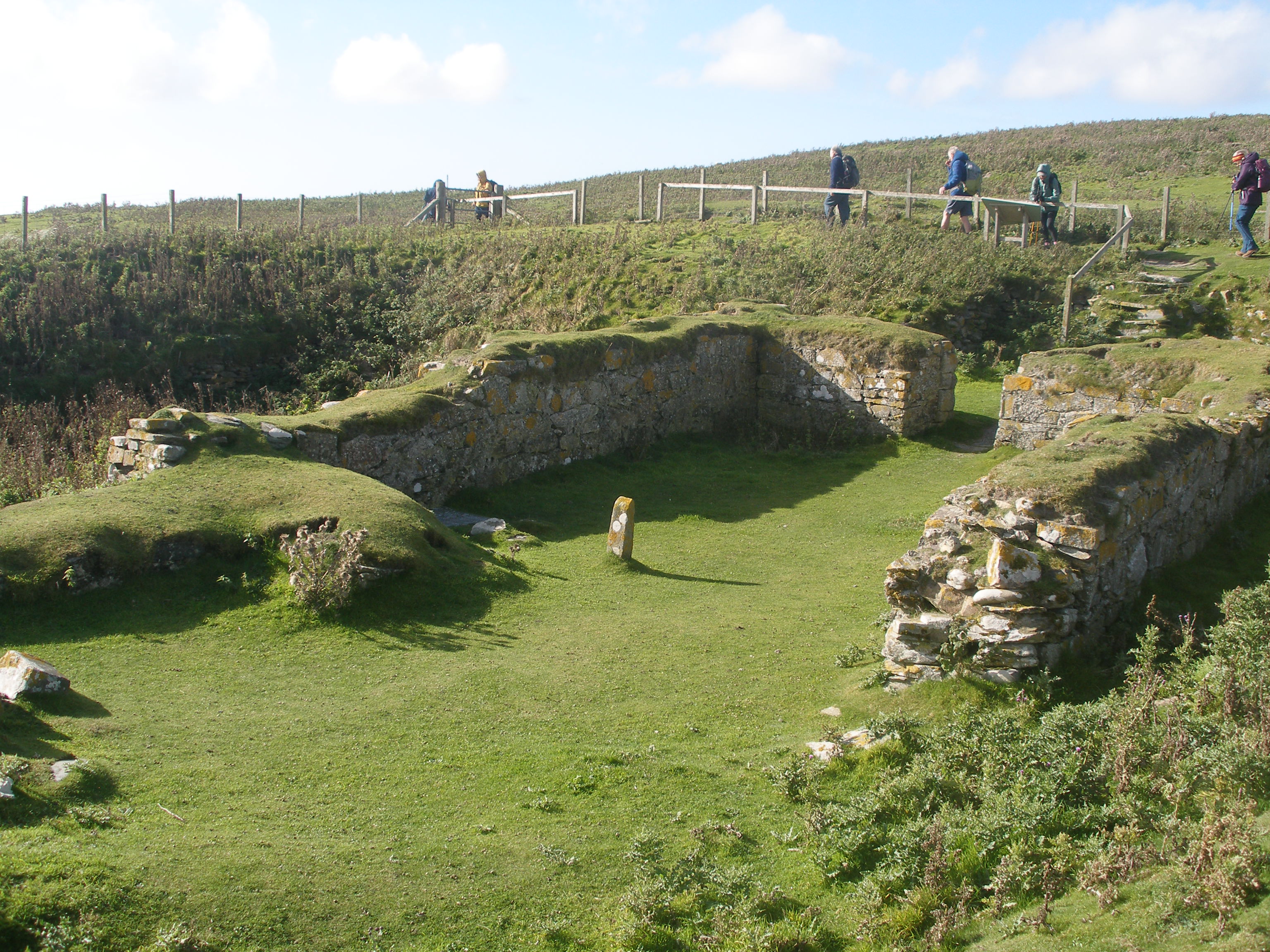
In brilliant sunshine John (yet again in another Fair Isle buttoned vest to be admired and photographed) drove us to St Ninian’s isthmus where we hiked in amazement across beautiful pale sands onto the little island with its ruined chapel where a wooden box of a horde of silver had been discovered by a local boy. Sculptured puffin holes dotted the sand banks: their occupants already out to sea a full month since.

Having walked the circumference of the island, we re-joined John and the minibus to drive into Scalloway, once capital of Shetland. Here we ambled past the ruins of a striking castle in mid repair before immersing ourselves in more history in the Scalloway Museum with its final chance for me to admire, absorb and photograph the textile history displays.

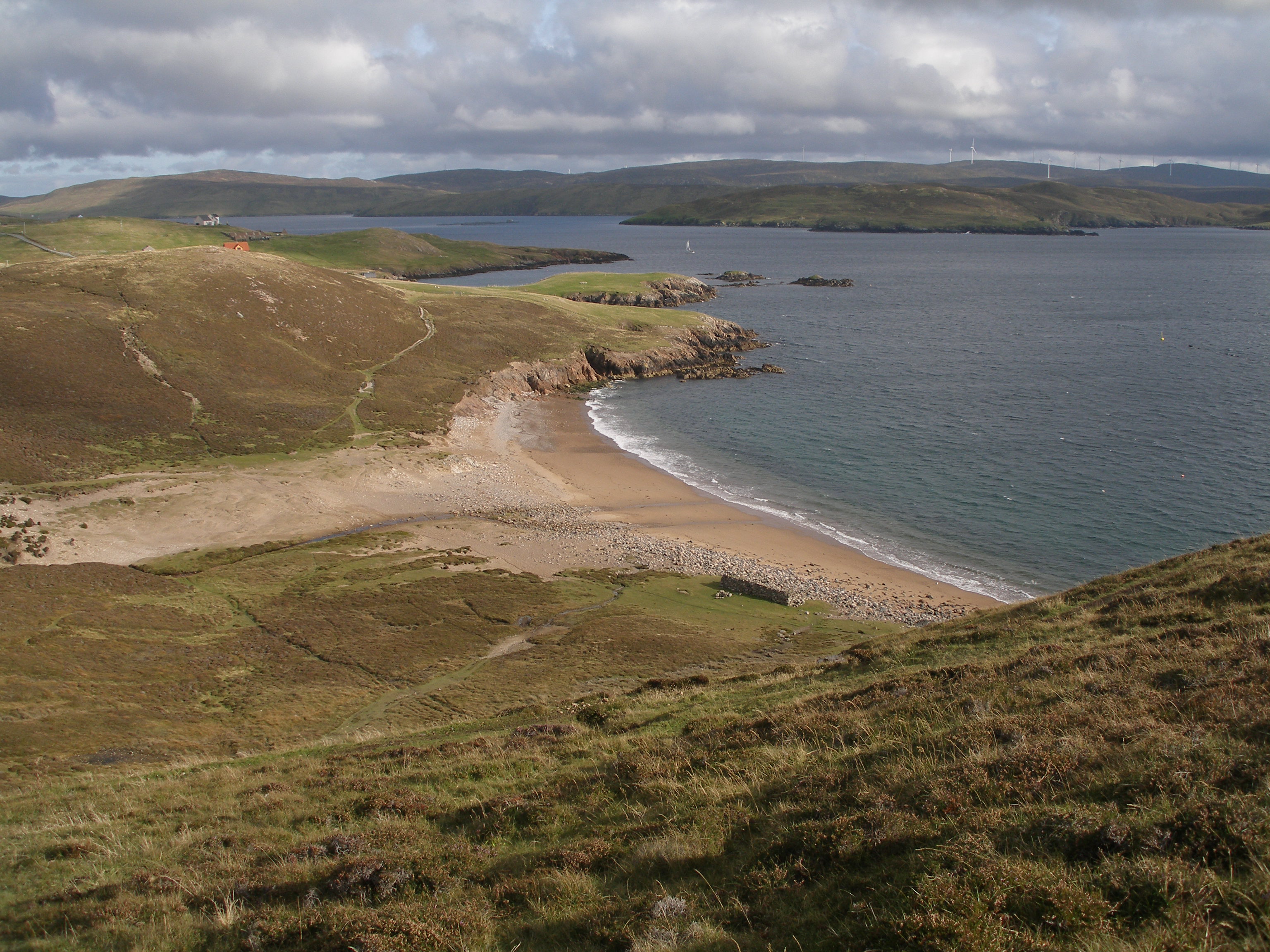
Our final afternoon’s hike took us from the south west end of the old capital across Meal Beach and along the headland, looping back to the harbor. Pointing the minibus in the direction of our hotel, John shared some of his early life growing up in Unst and how the oil riches, tourism, the wind farms – and the forthcoming space rocket launch-site – have brought a basic prosperity to the harsh lives of the Shetlanders. I reflected in the silence that followed, that to blossom in this bleak, remote, beautiful place a person would have to be both resilient and practical, possessing a pioneer’s strength of spirit.  Orkney with its softer landscape and richer agricultural land, located much nearer to the mainland of Scotland, seemed to me to offer a gentler prospective lifestyle than Shetland.  The shortness of daylight in the mid-winter months presents both a physical and mental challenge to all those living and working on both groups of islands.  Only the uniquely resilient who openly embraced being an active human cog in a community wheel, I decided, could hope to flourish.

Approaching the outskirts of Lerwick, several of us opted for the chance to be dropped off in the town centre for a final late afternoon exploration and souvenir shopping. Naturally, I dived back into Jamiesons.
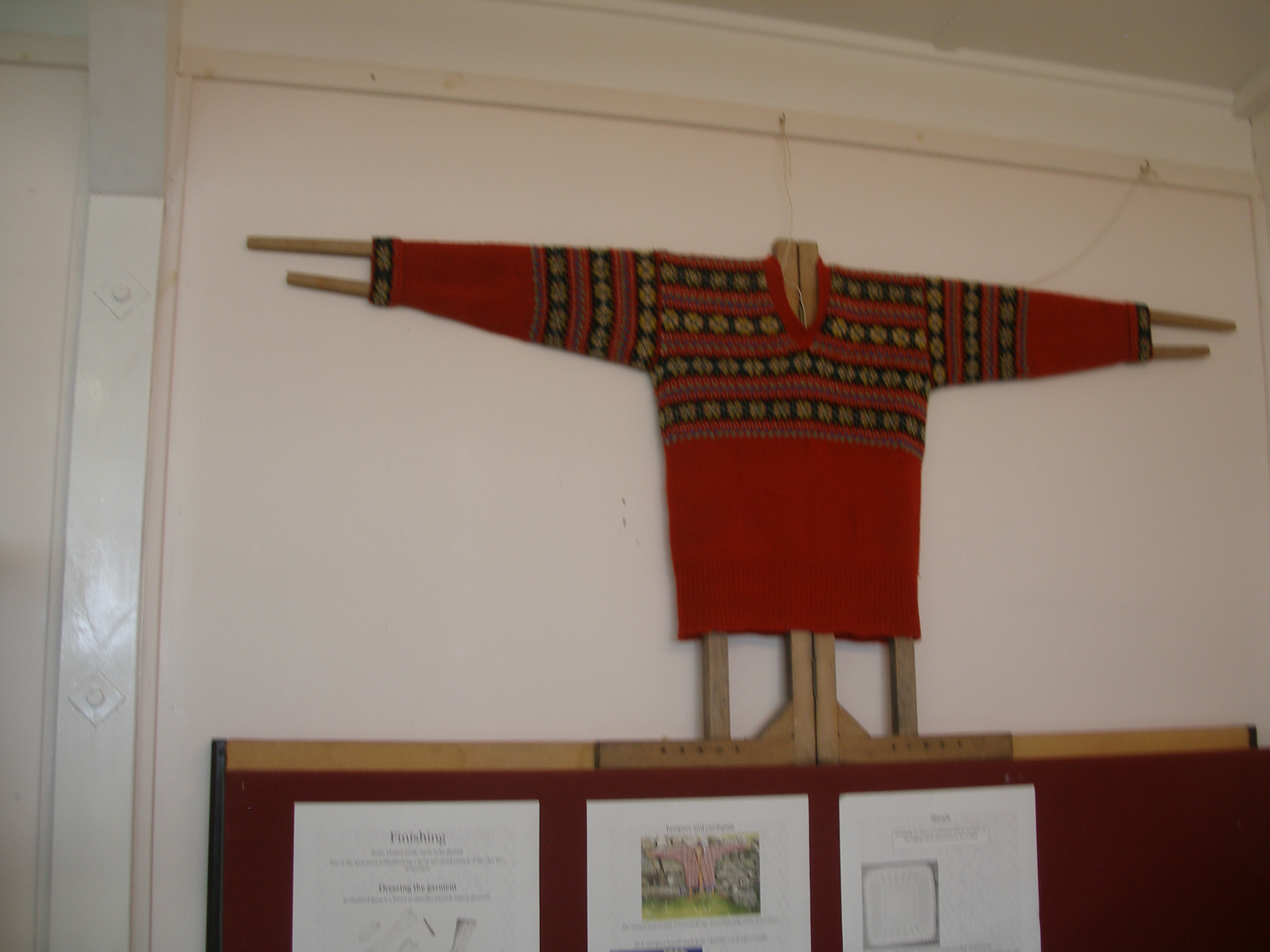
John’s wife – the creator of all those beautiful waistcoats – accompanied us on the mini bus journey next morning to the airport: they were picking up a group of twelve American ladies who had travelled to Shetland to take part in the annual Knitters’ Week.  I envied those visitors and fervently wished I too was staying on in Shetland and had enrolled to join the masterclasses, demonstrations and lectures. Perhaps a return visit would be called for … in summer time with the chance to catch a ferry from Lerwick to Fair Isle …
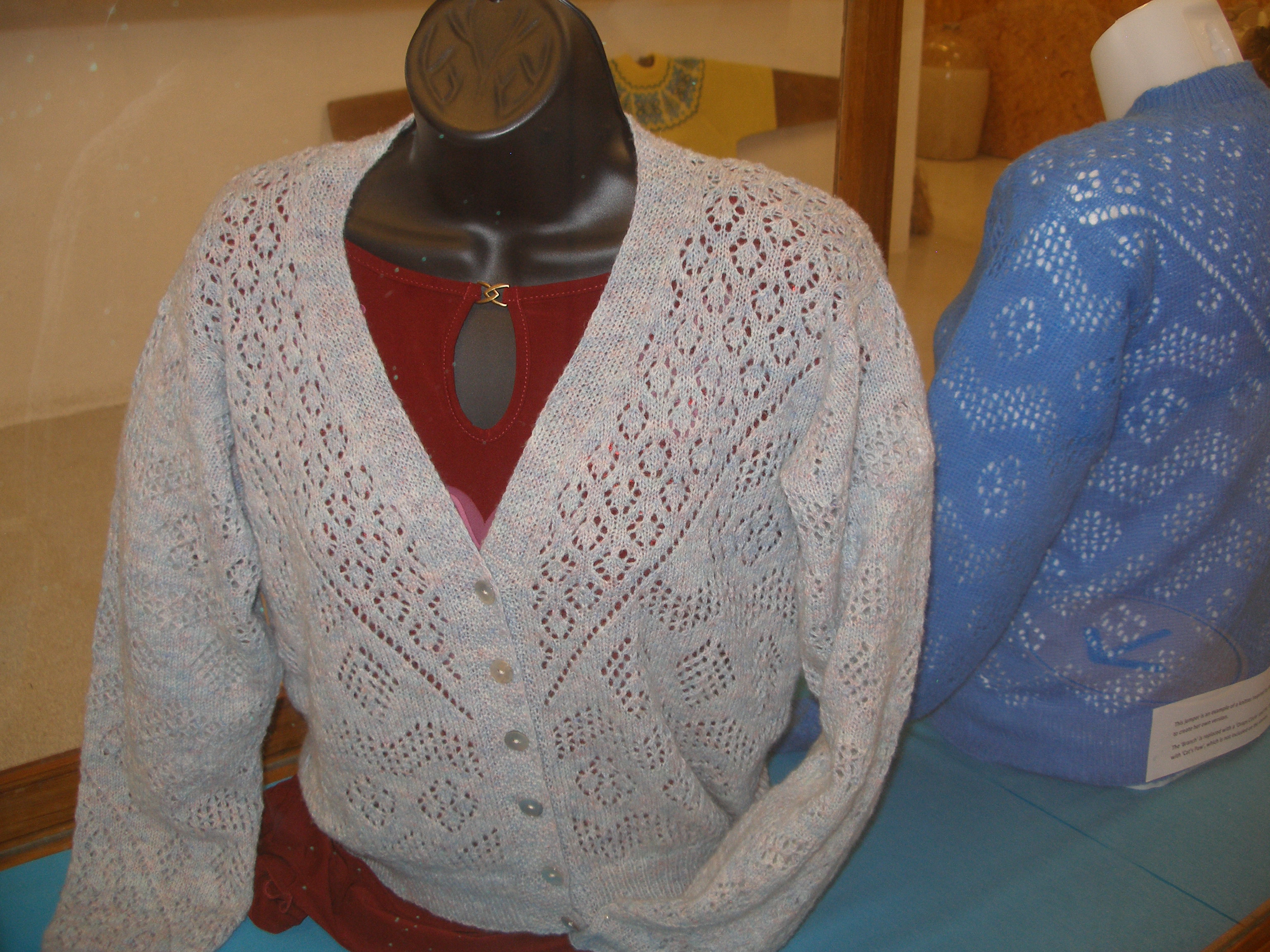
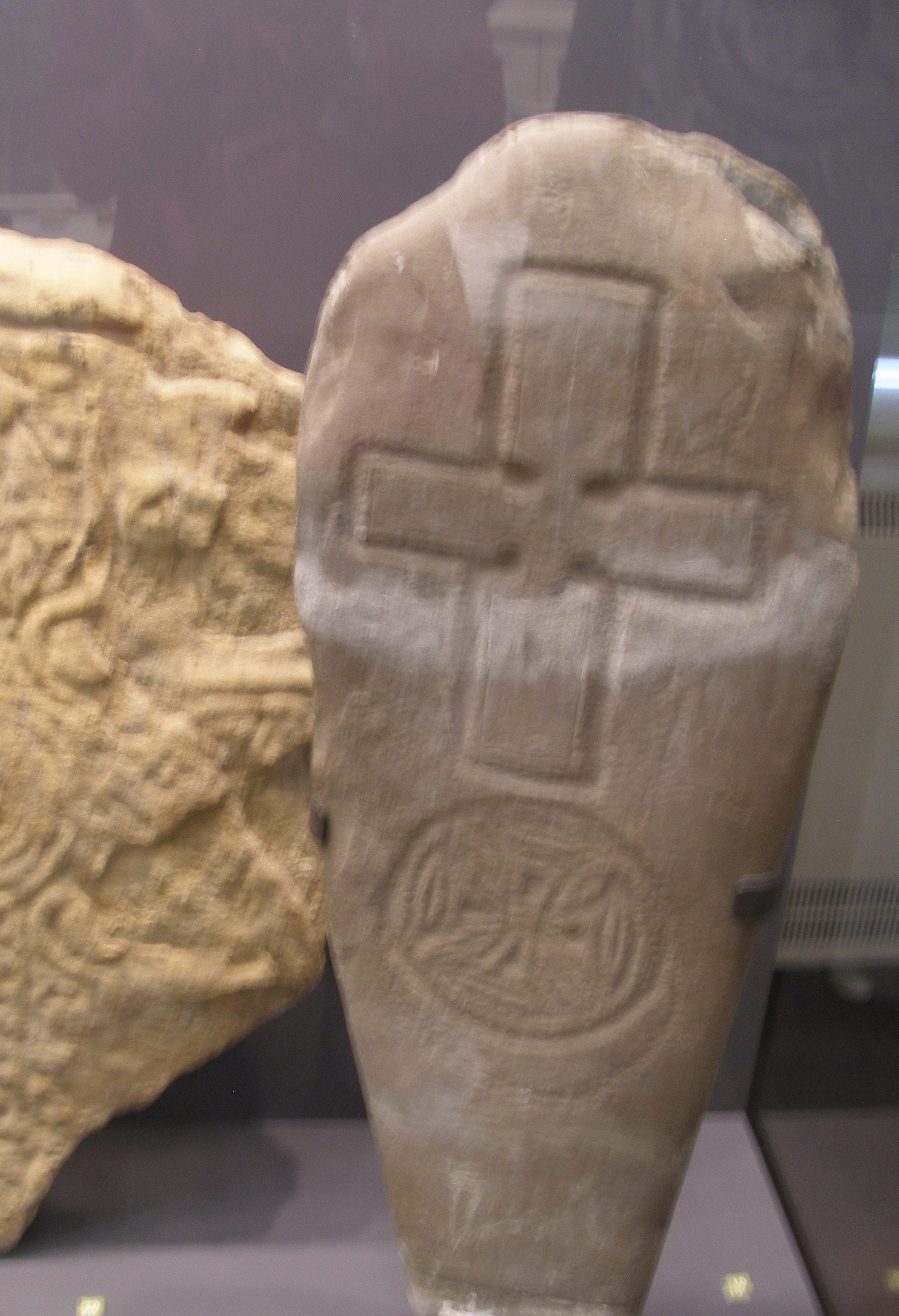
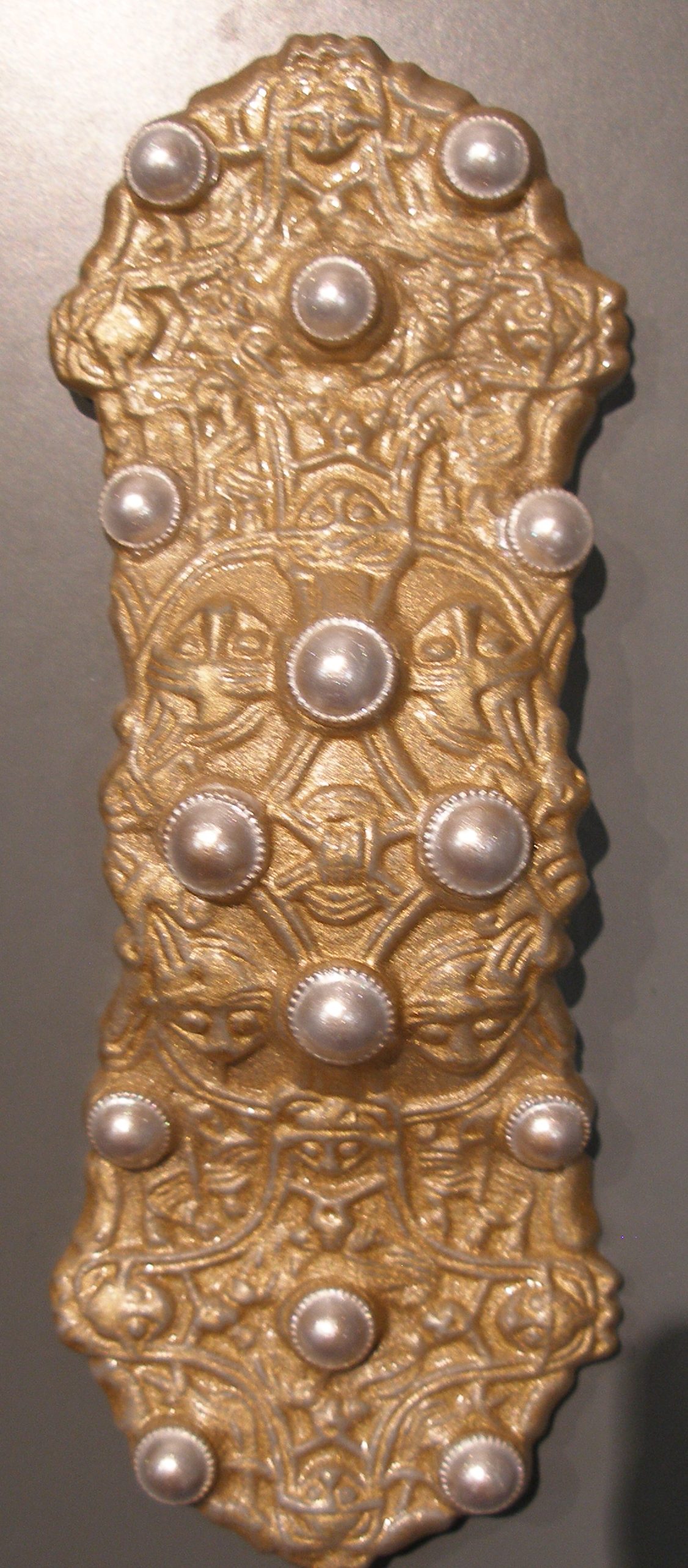
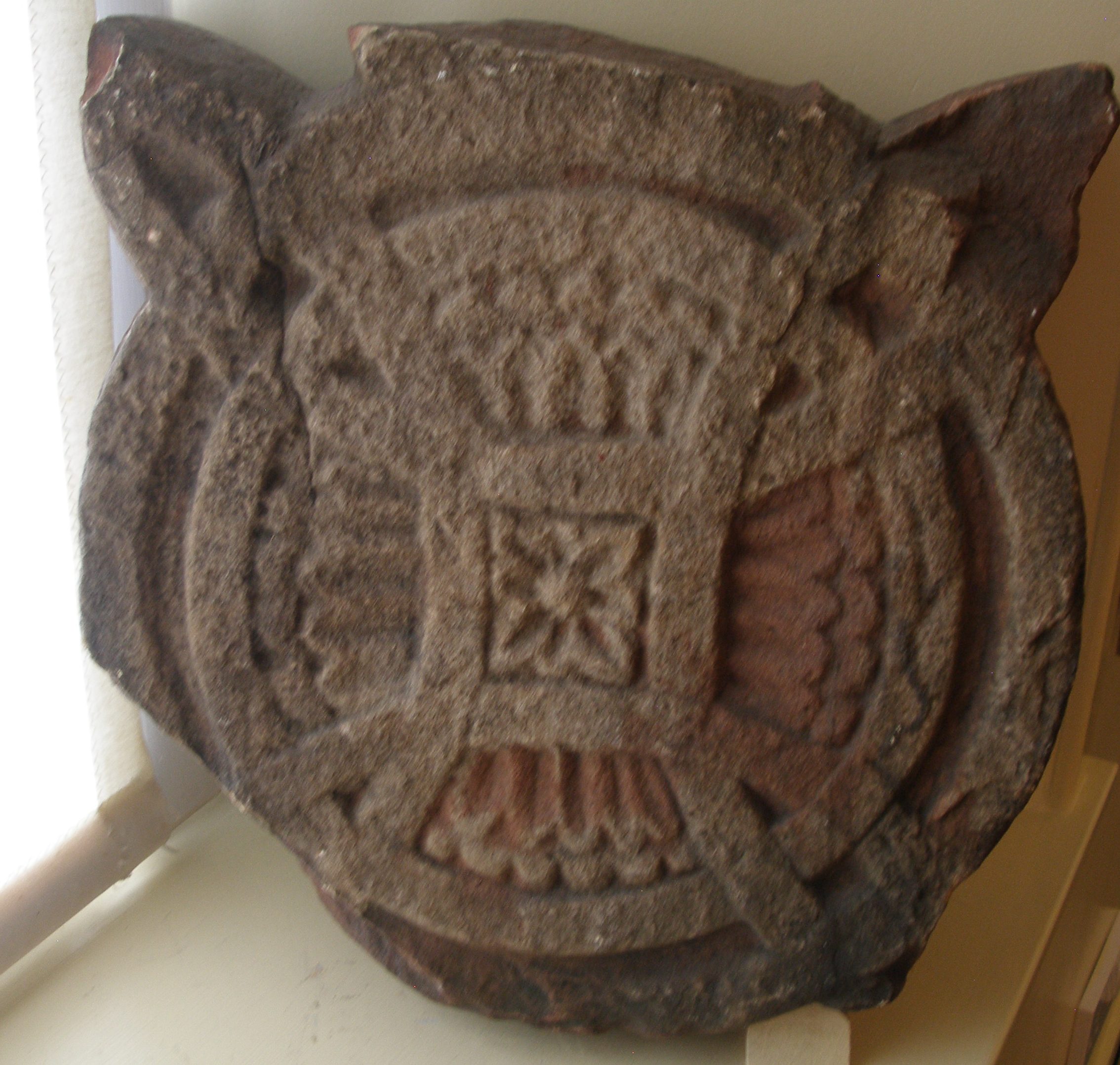
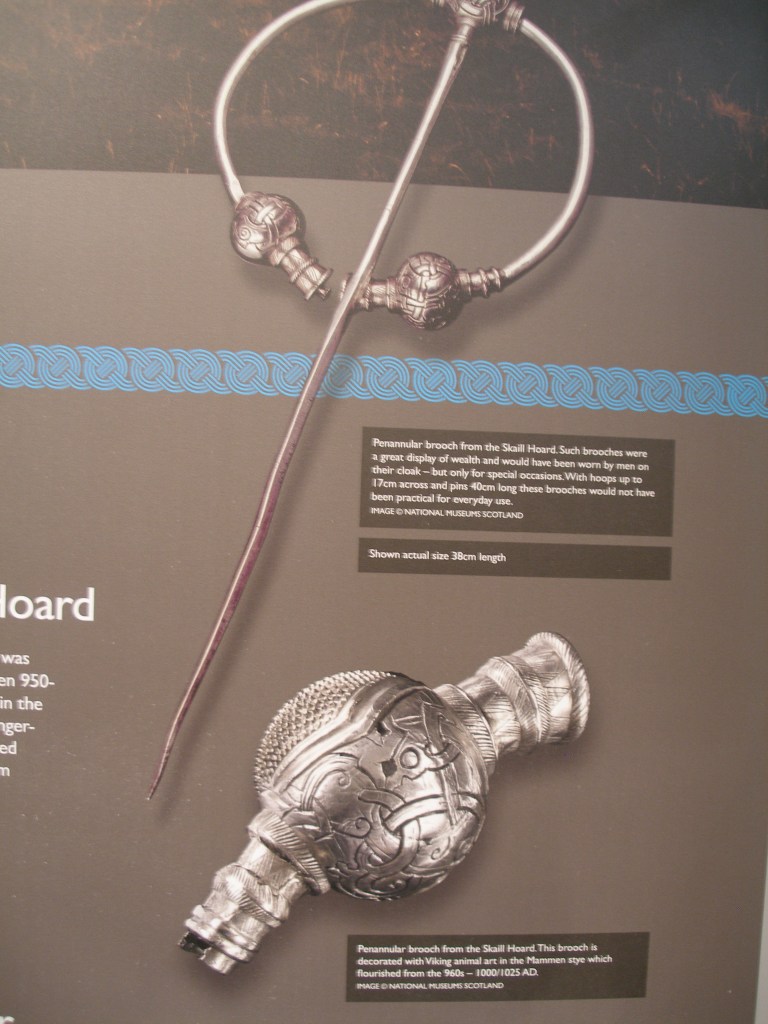
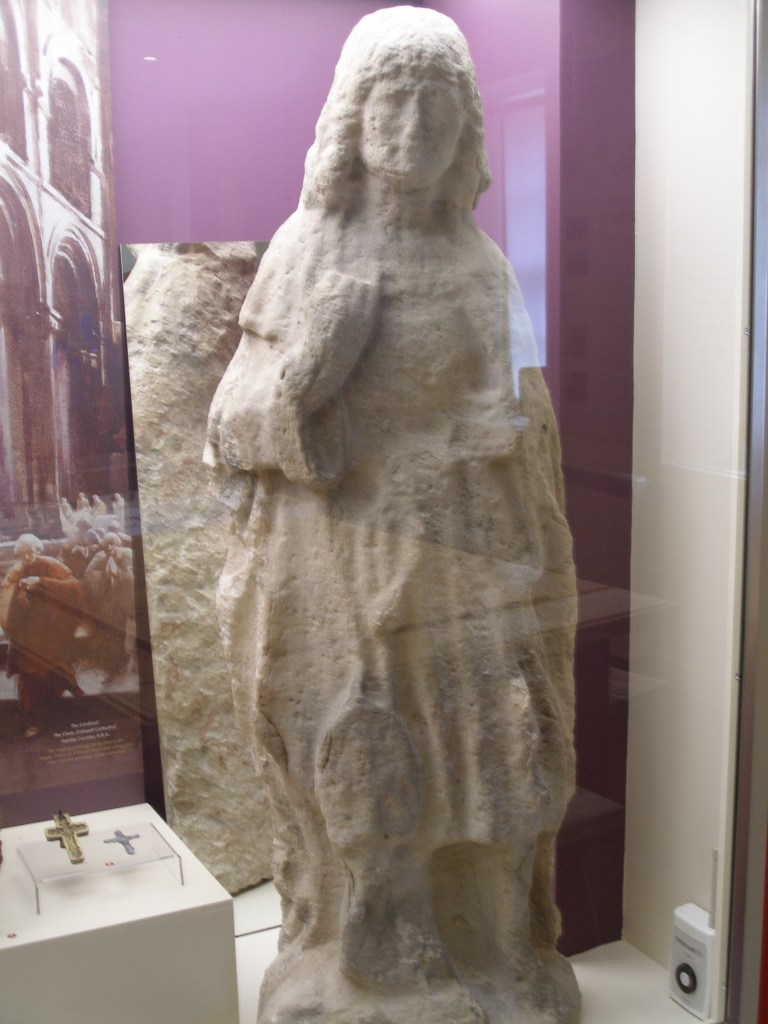
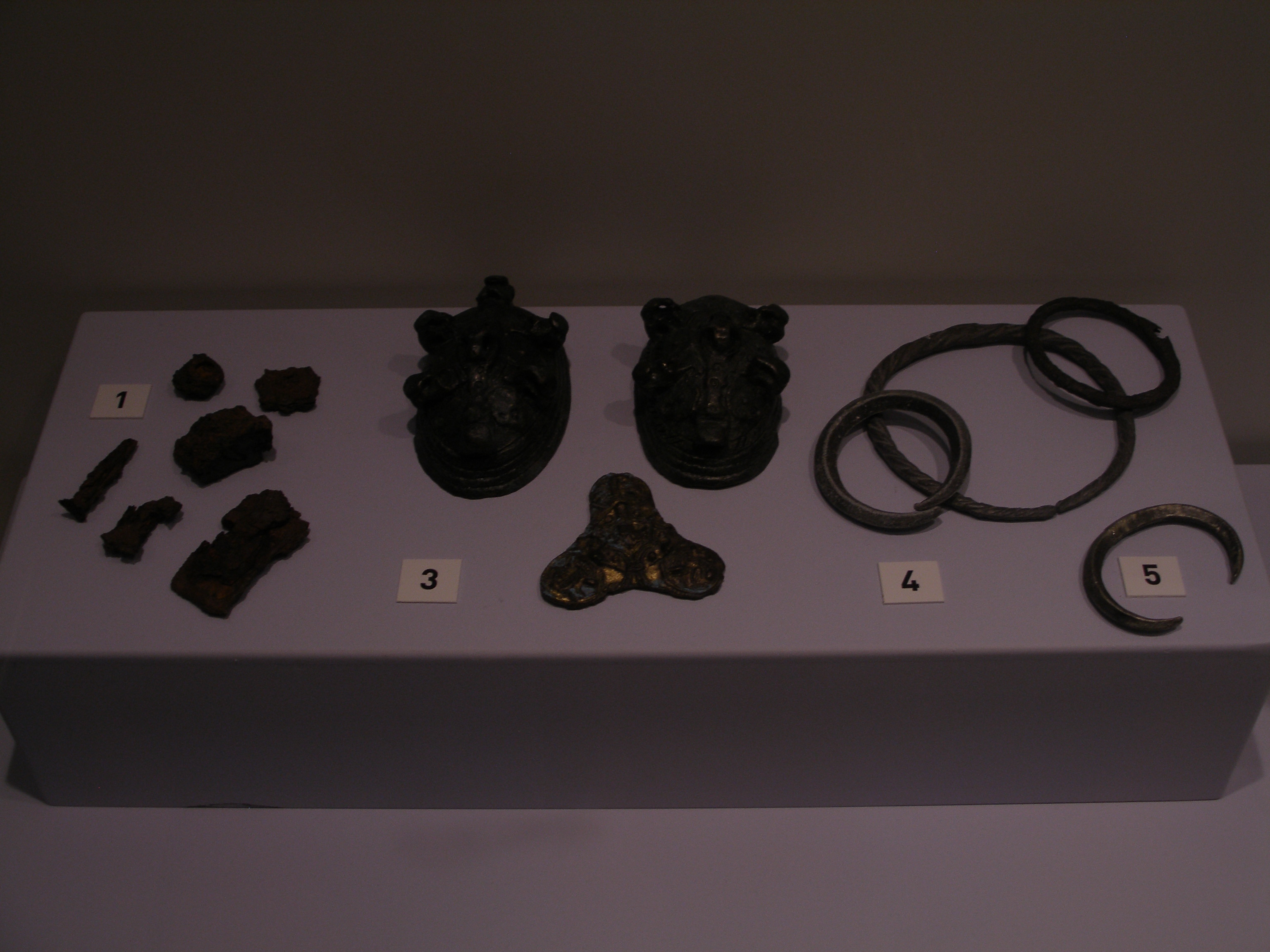
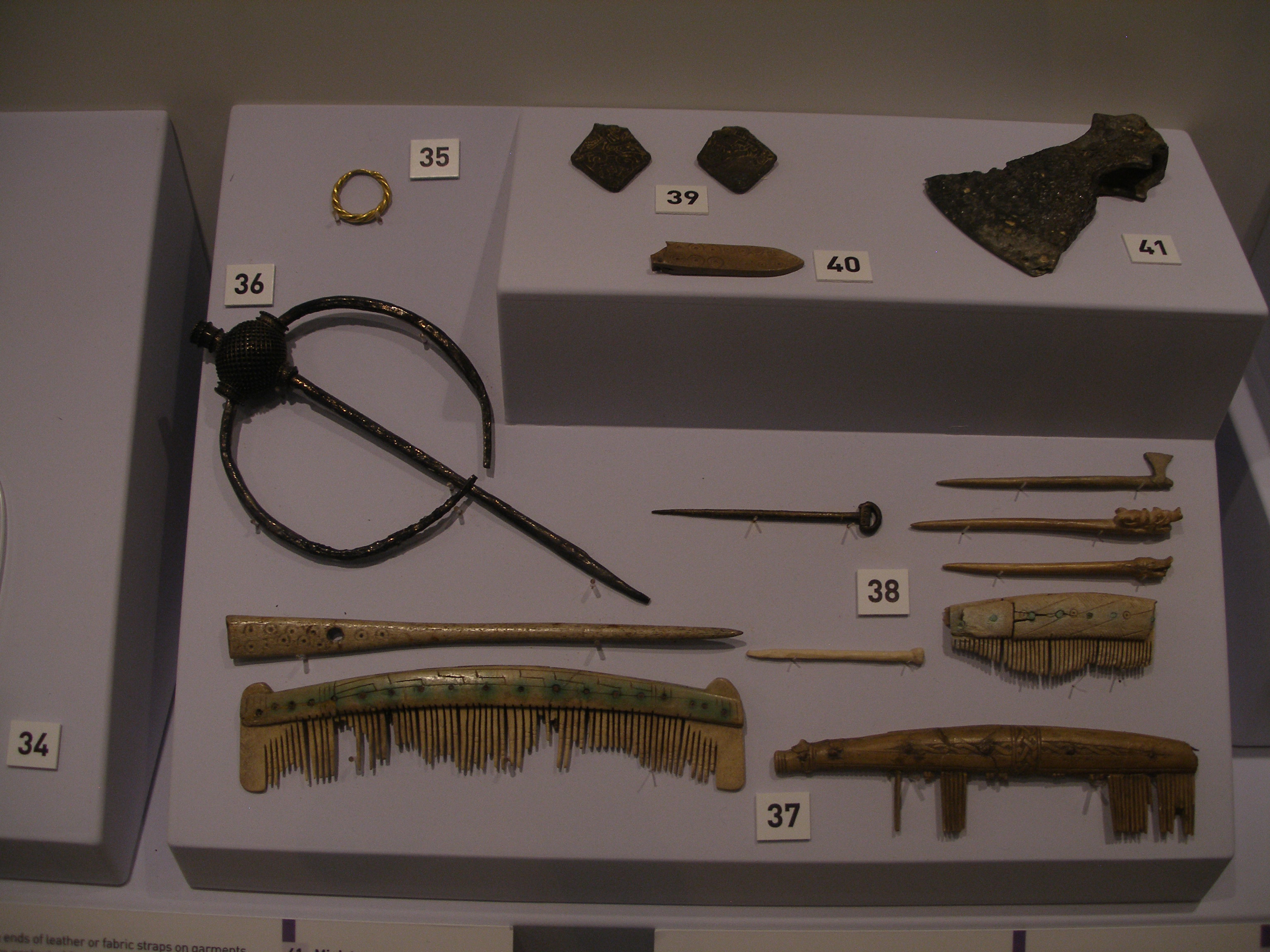
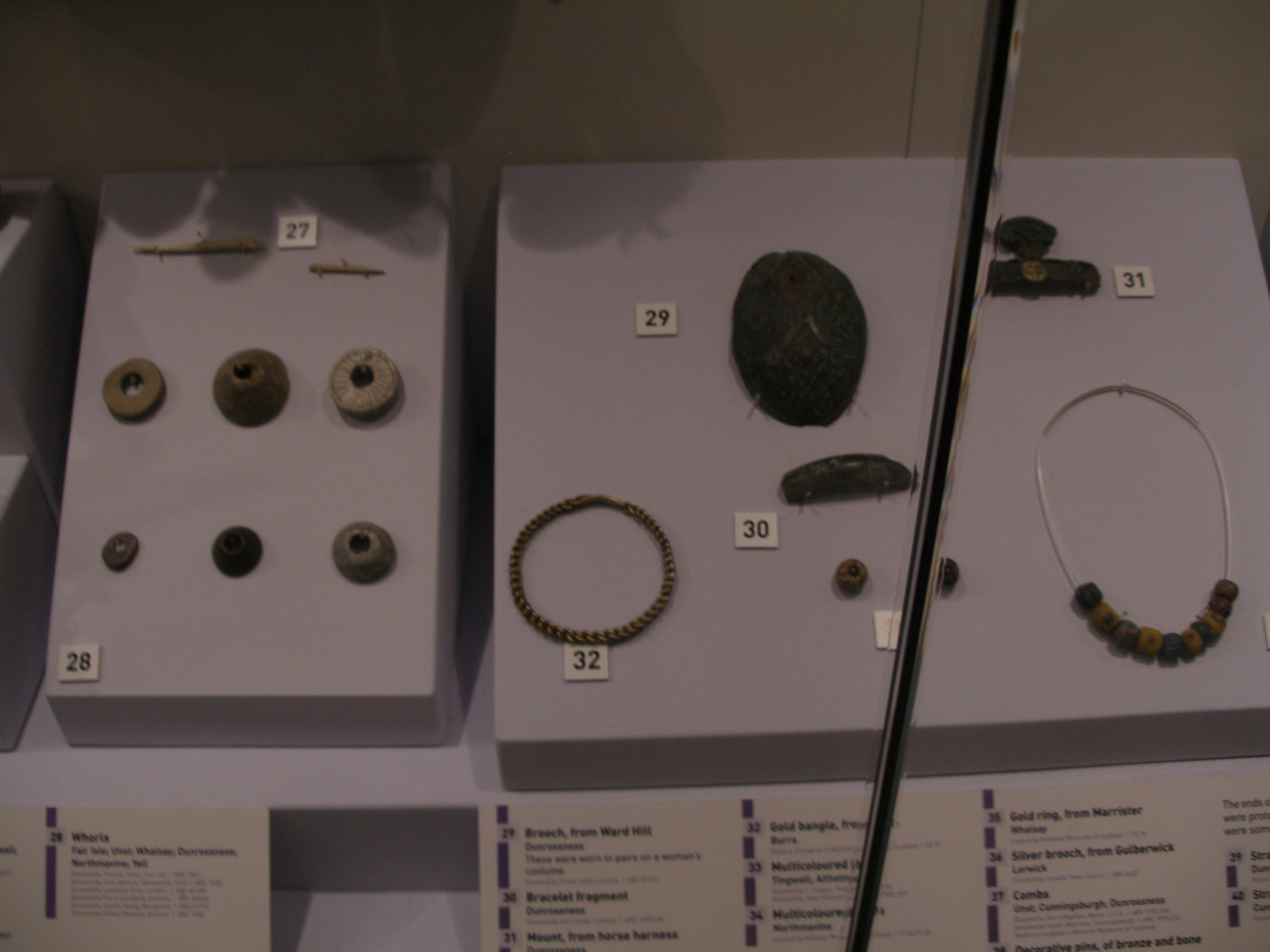
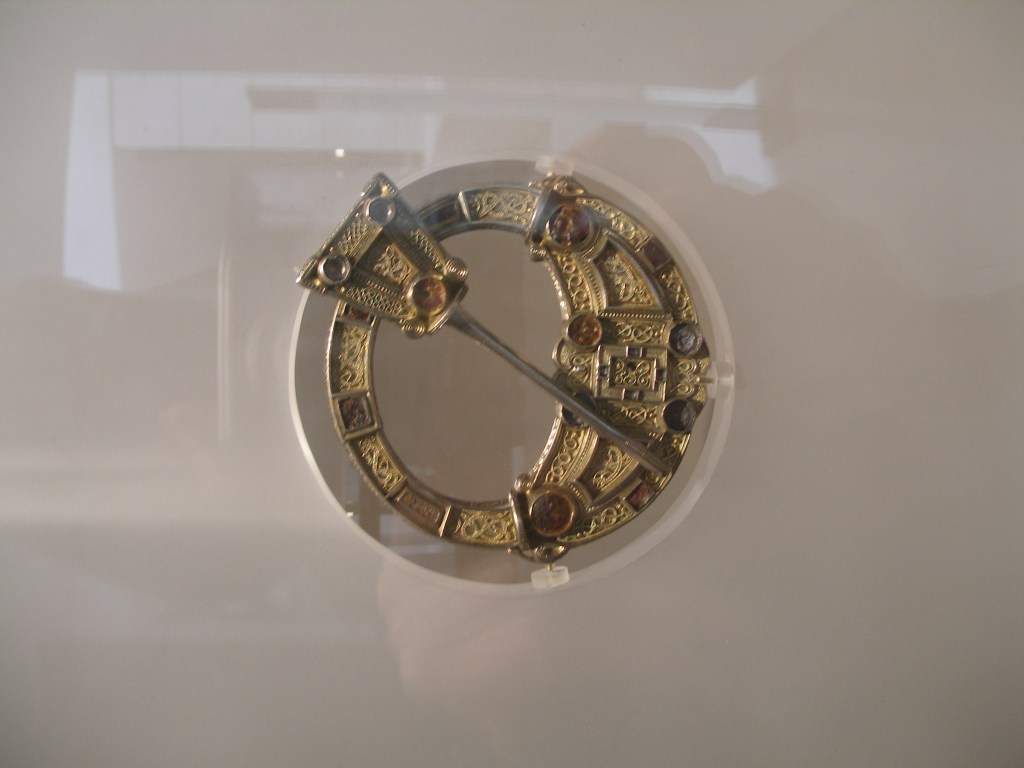
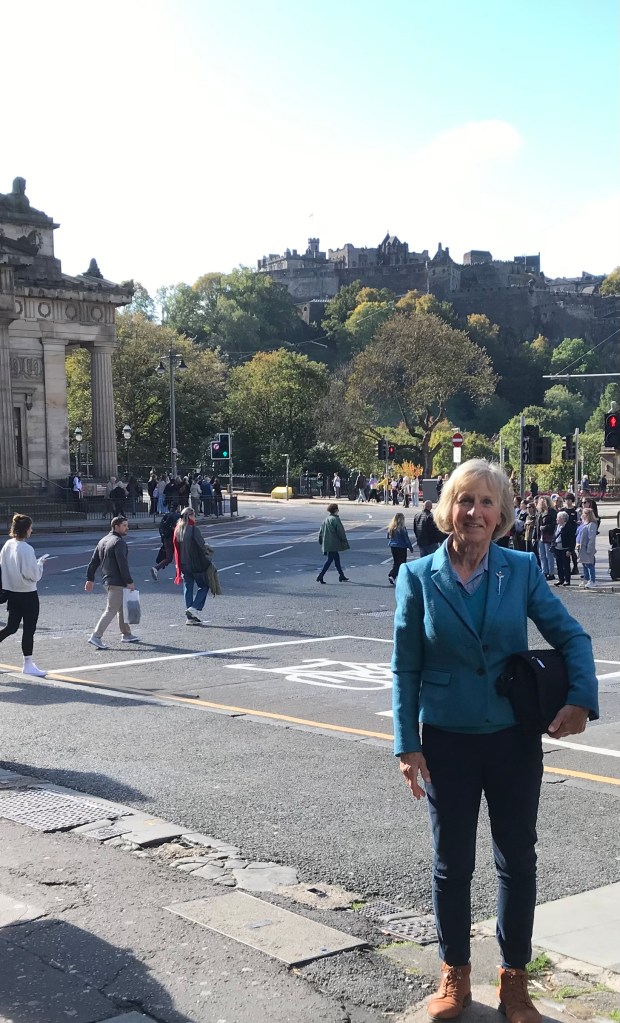
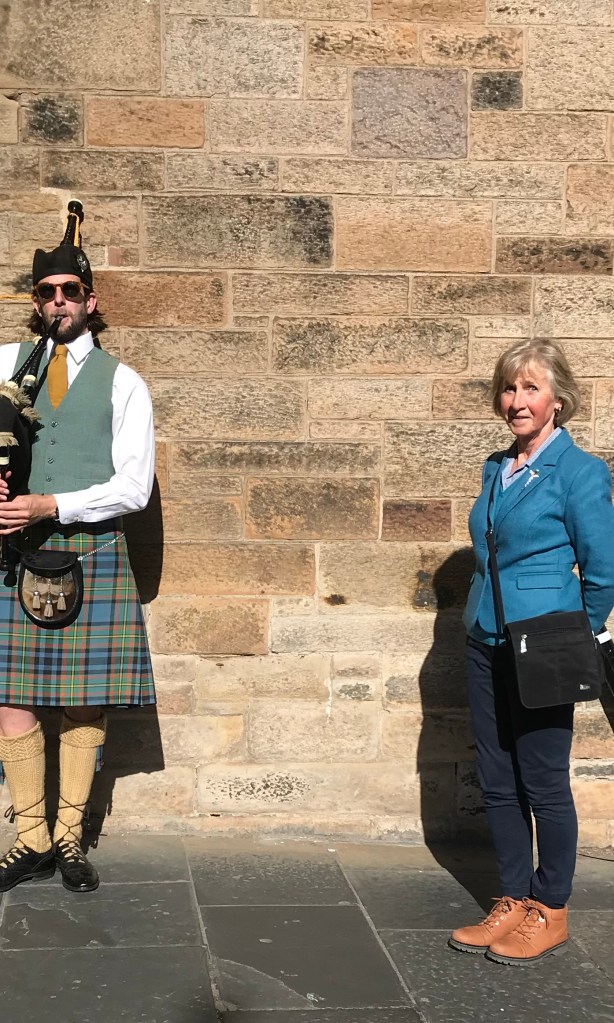
Once back in Edinburgh, I made my way into the basement displays in the National Museum of Scotland and – with the assistance of a patient curator – located many of the original artefacts that had been unearthed at the numerous sites I had been fortunate enough to visit during our ninety-odd miles of hiking over the past two weeks.

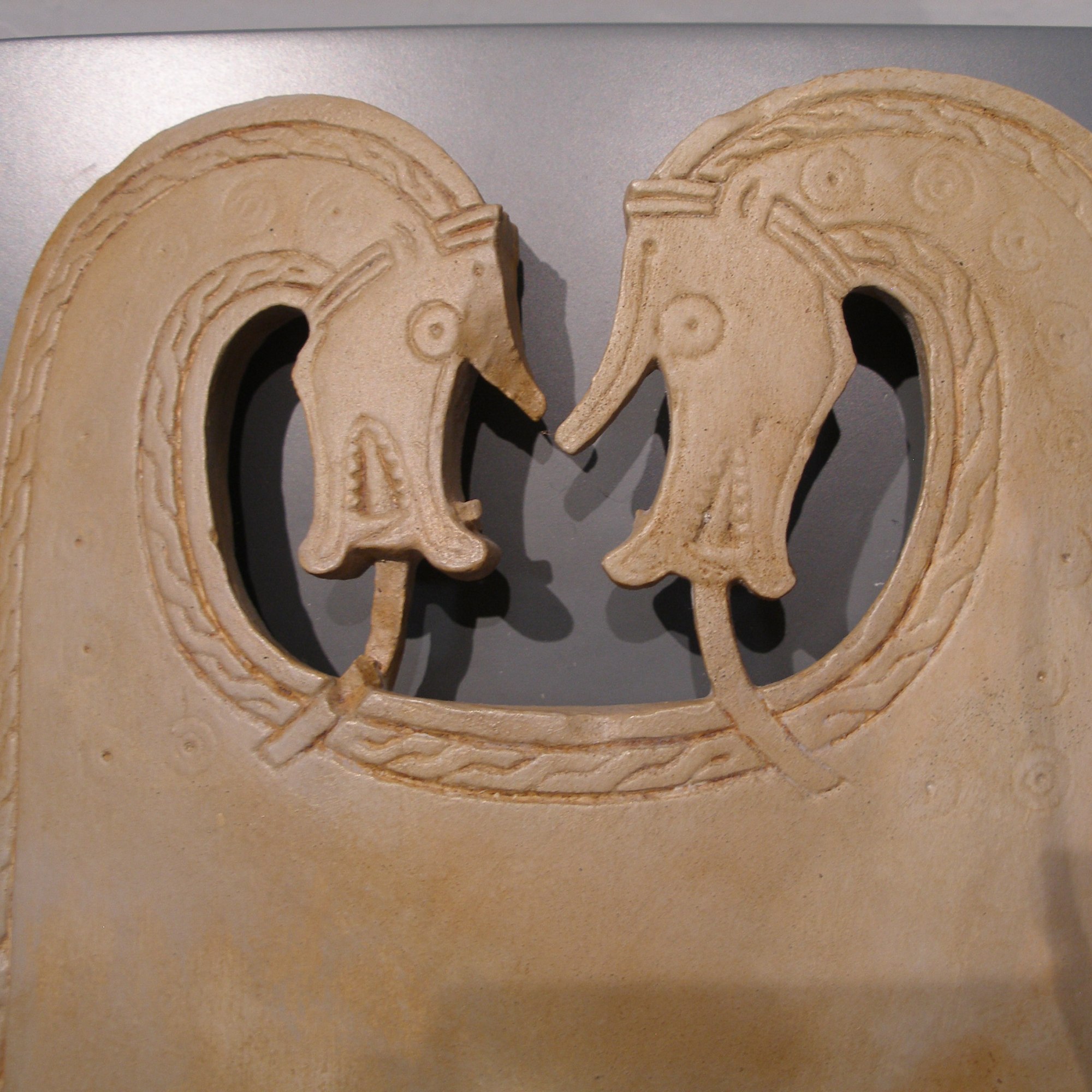
Gazing through thick glass casements at the familiar gold brooches, shards of pottery incised with runes, bone and ceramic bead necklaces, glistening serpentine axe heads, tiny amber bead bracelets, curiously carved stone roulades and carved drop spindle heads … it was as if I was being greeted by old friends.

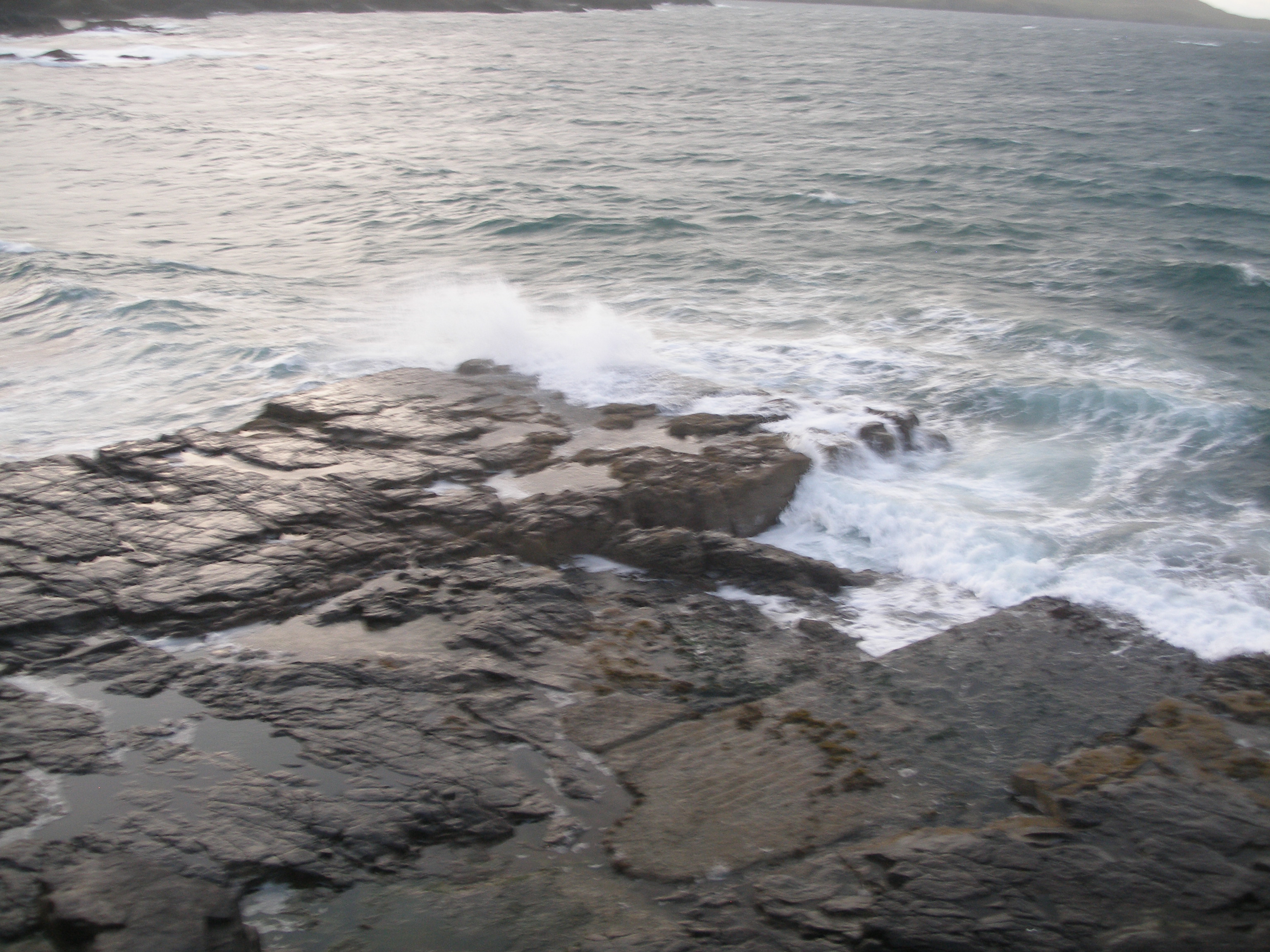
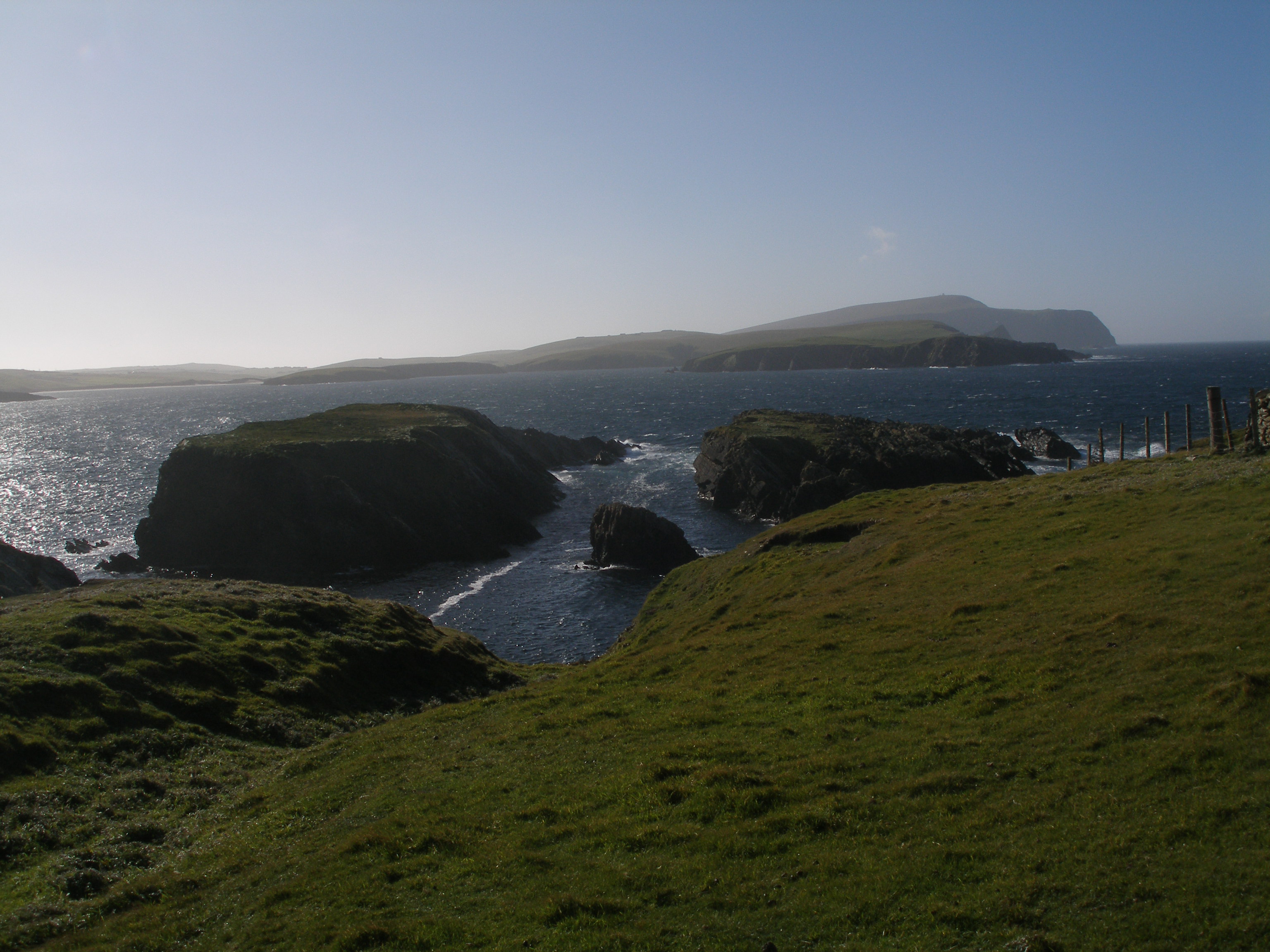
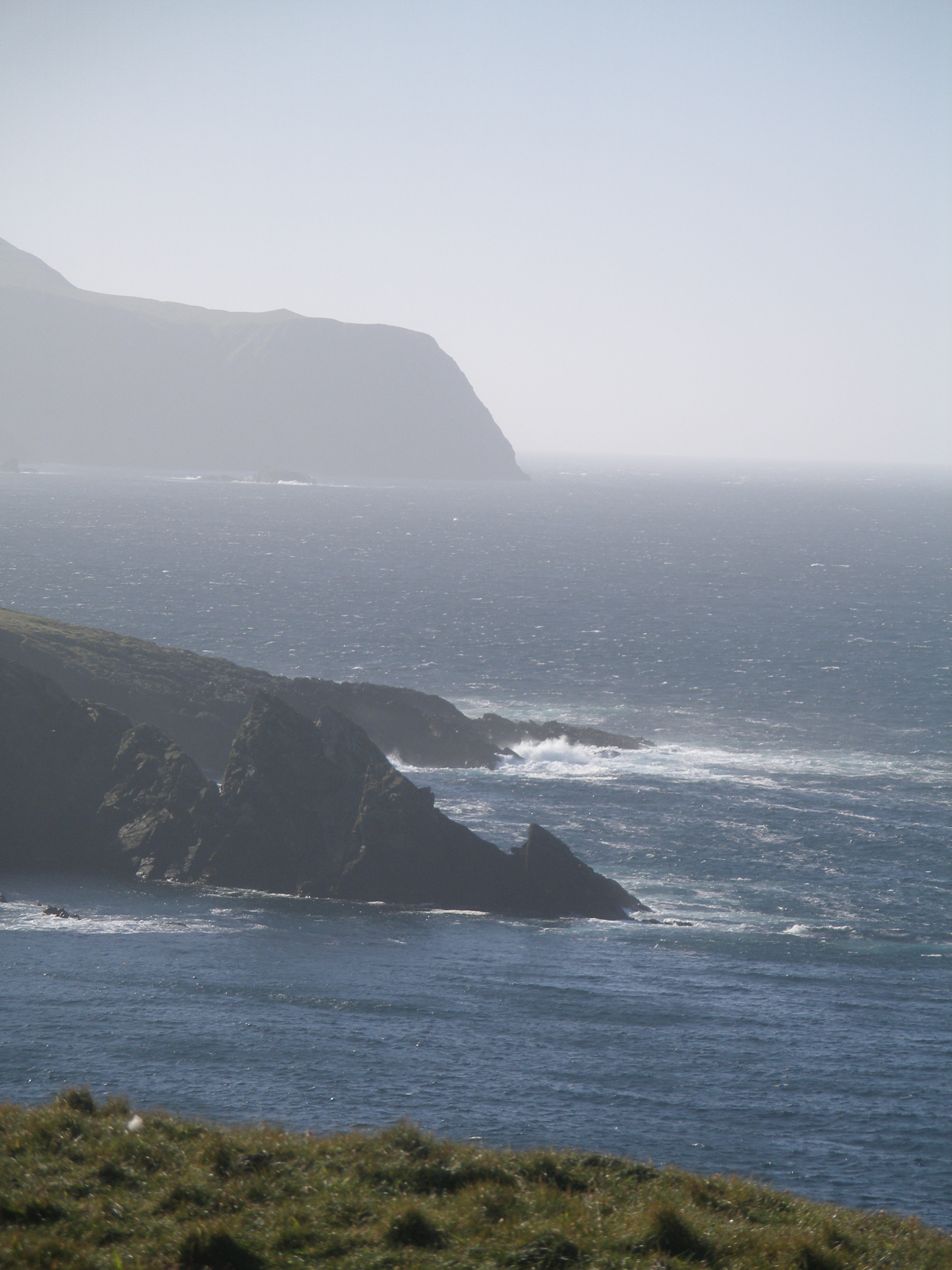
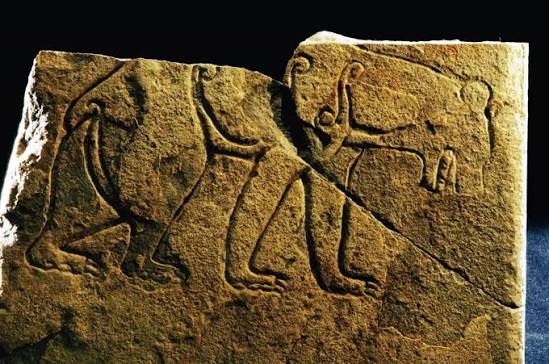
Photos six to end (c) cemwinstanley 2025

Featured

LEARNING TO LOVE THE LAUNCH! September 2024

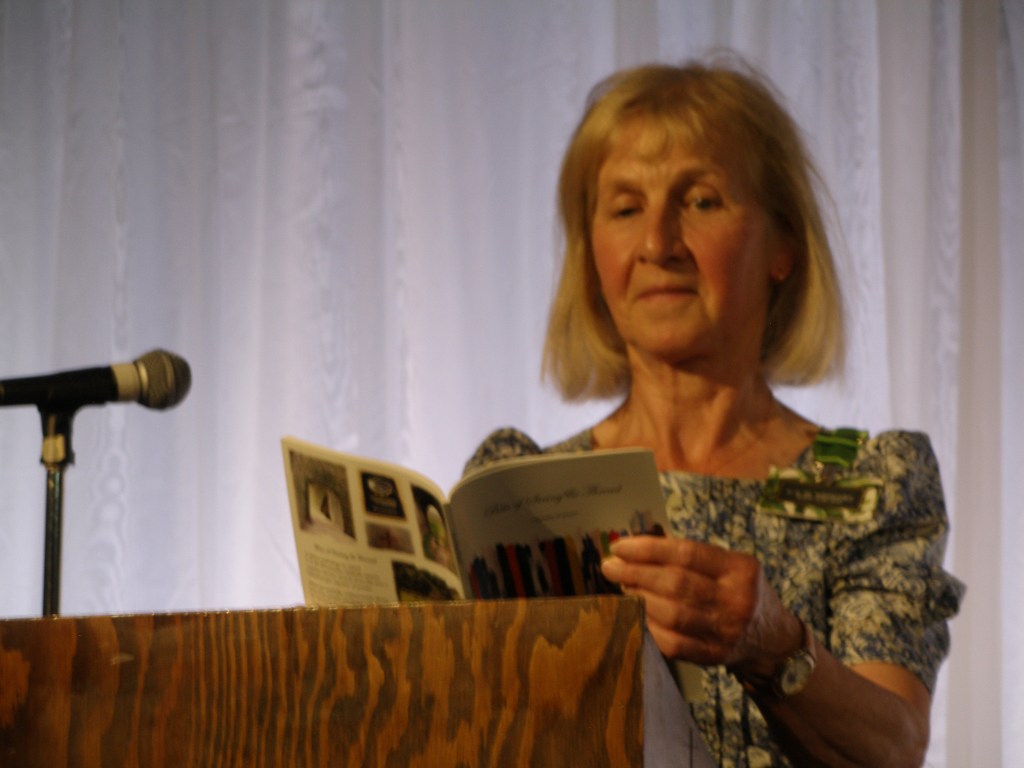
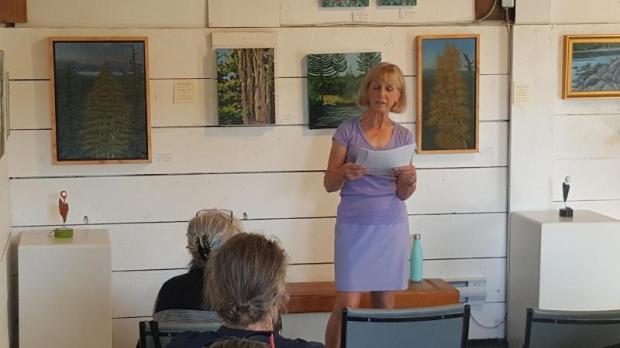
In two Sundays time, I shall be standing up in front of an unknown number of people to read from my brand new book of poems.

A daunting thought even though I have been lucky enough over the past four years to have participated in a number of formal readings at conferences and collaborative publication launches.  The solo launch has the potential to be a lonely place. However with the right amount of careful planning and forethought, I believe it can be steered towards certain success.

I have been asked how I prepare for such events and I thought it might be useful for other emerging writers facing this challenge for the first time, to learn more about how I go about it. In this blog, I shall focus on the planning the actual event rather than addressing the question of how to market the launch which is a separate whole game-plan of course.

The venue of the launch event is the most important consideration.  I have read in the open air without a mike and although I could successfully project to the audience, it was soul-destroying to have police car sirens going off in the most emotive part of a creative piece!  I now always ask what the venue will be and decide whether or not to participate accordingly.

The second most important factor to bear in mind is the length of the launch.  This will depend in turn on your market audience. There is nothing more off-putting than glancing up from the page, to see people shifting, restless in their seats.  I would suggest that at a free-admission, public event to which all are welcome, keep the total reading time shorter than if you have been invited to speak at a writers’ conference, a private club or to a writers’ group. The former would best run from thirty to forty minutes maximum; the latter forty five minutes to an hour.

It is important to decide if you want members of the audience to purchase books at the beginning of the launch or at the end.  I feel the end is a more natural place, and allow extra time for any requests there might be for personalised, signed copies.

How do I plan?

Having ascertained my maximum reading time, I choose a selection of poems to read, usually linked together by some sort of theme (eg. people or places). I make sure that the mood of the pieces will be varied and build variety into the programme in this way. I spend a minimum of half a day practicing reciting the pieces aloud to make sure I have the tonal and pacing variations of each one correct. This then gives me an accurate total read time. I then add a few minutes either side of each poem in the programme, for some sort of segue into the next piece. If it is a public event, I might well offer more pre-reading explanations than for a writers’ group.

At the actual launch, I allow an extra five minutes at the beginning for people to find their seats — or move seats at the last minute. The traditional acknowledgement from Truth and Reconciliation comes first, followed by my general welcome. This might include any key housekeeping information that need to be dealt with before reading can start and will include a broad outline of the programme. Now I start the set reading section already outlined above.

It is always a good idea to allow time (another thirty to forty minutes) for a question and answer session. This can either turn into a lively and stimulating debate – or complete silence. I always keep one or two lighthearted poems ready to fill the gap!

I reserve another five minutes at the end of my readings, for specific thanks to any key organisers of the launch or volunteers. Now you can relax and meet members of the audience, sign books and enjoy the remainder of the launch.

Sometimes the most informal of reading events can turn out to be the most memorable: one that stands out in my mind was an impromptu videotaped event recording done in the launderette in downtown Sooke!

Thank you for reading this blog. I hope that some of my suggestions may prove useful. Do contact me via the contact page if you have additional ideas that you would like to contribute.

Launch and reading events August 2021 to present day: Sooke Arts Council Gallery; the Reading Room at Union Club of British Columbia; Sooke Region Museum Pavilion; Sooke Fine Arts Show; Vancouver Island Regional Library, Sooke; Federation of BC Writers zoom launch for Roots to Branches Volume One.

All photos ( c) cem winstanley ; AMGray studios 2021 and Sean Pullen Media 2023

Featured

MIDSUMMER’S DAY NEWS 25th June 2024

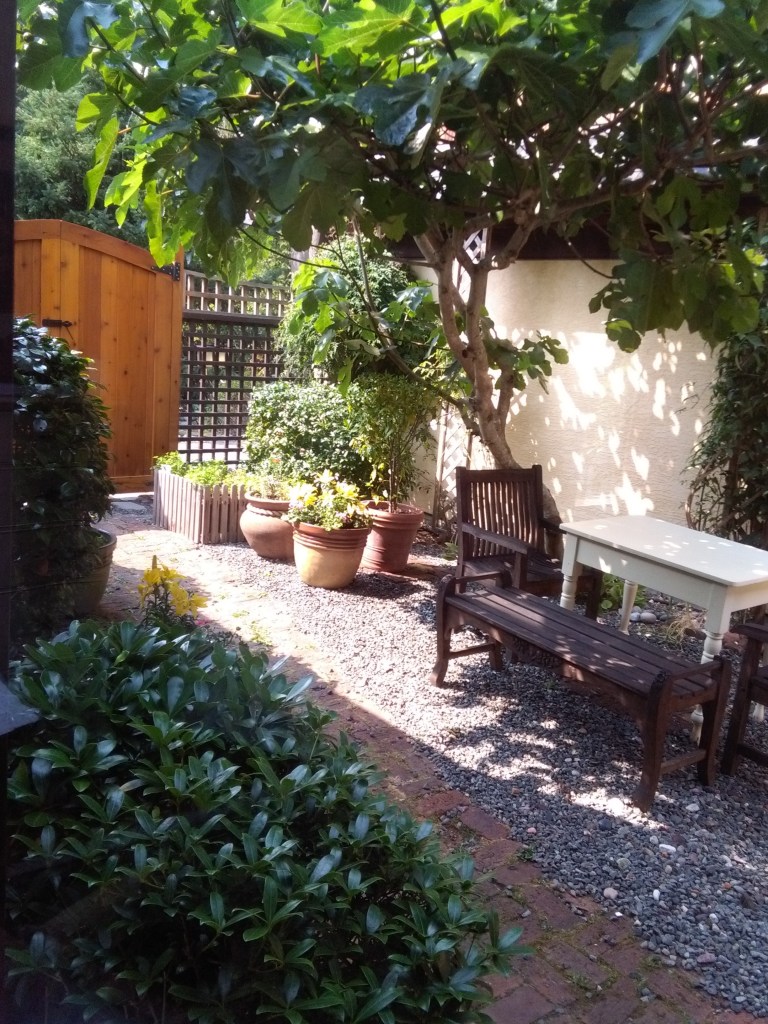
It has been a busy writing spring: cold and wet but summer has at last arrived in my courtyard pictured above.

Circle Route (the fourth Sooke Writer’s Collective collaborative chapbook) is successfully launched (April 2024) and on book shelves, as is Elevenses, the fifth SWC anthology (May 2024) in which I have been fortunate enough to have work published. I thoroughly enjoyed reading excerpts from my work at both launch celebrations.

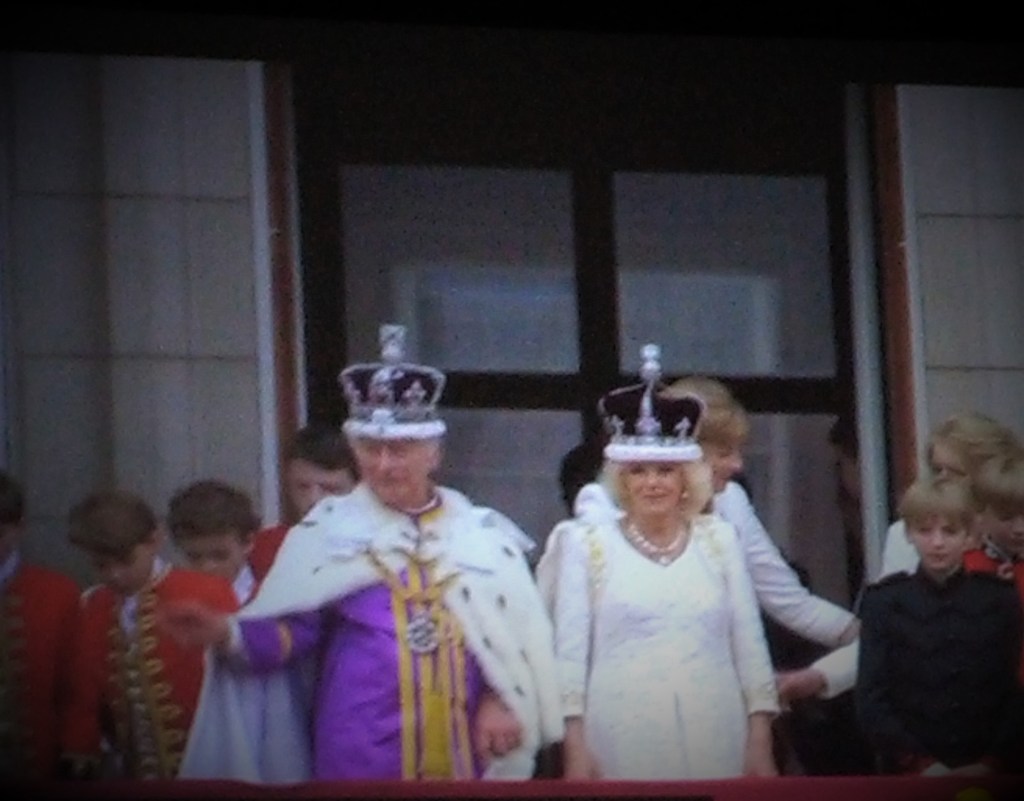
For Circle Route I submitted three pieces on the title theme. One of them, Royal Blue, was inspired by the coronation service and celebrations which took place during my visit to the UK in 2023. It alludes to the vulnerable human beneath the crown which seems apt in view of the health challenges King Charles has faced this year.

For Elevenses I chose to write a piece which celebrates the Shipping Forecast broadcast every morning on BBC Radio 4. Vivid childhood memories were evoked when I read that it celebrated its one hundredth birthday this August and these inspired me to write the poem Dogger Fisher Bight which takes the reader on a sea journey circumnavigating the British Isles. Both publications are available through the website sookewriters.com as well as local retail outlets in Sooke.

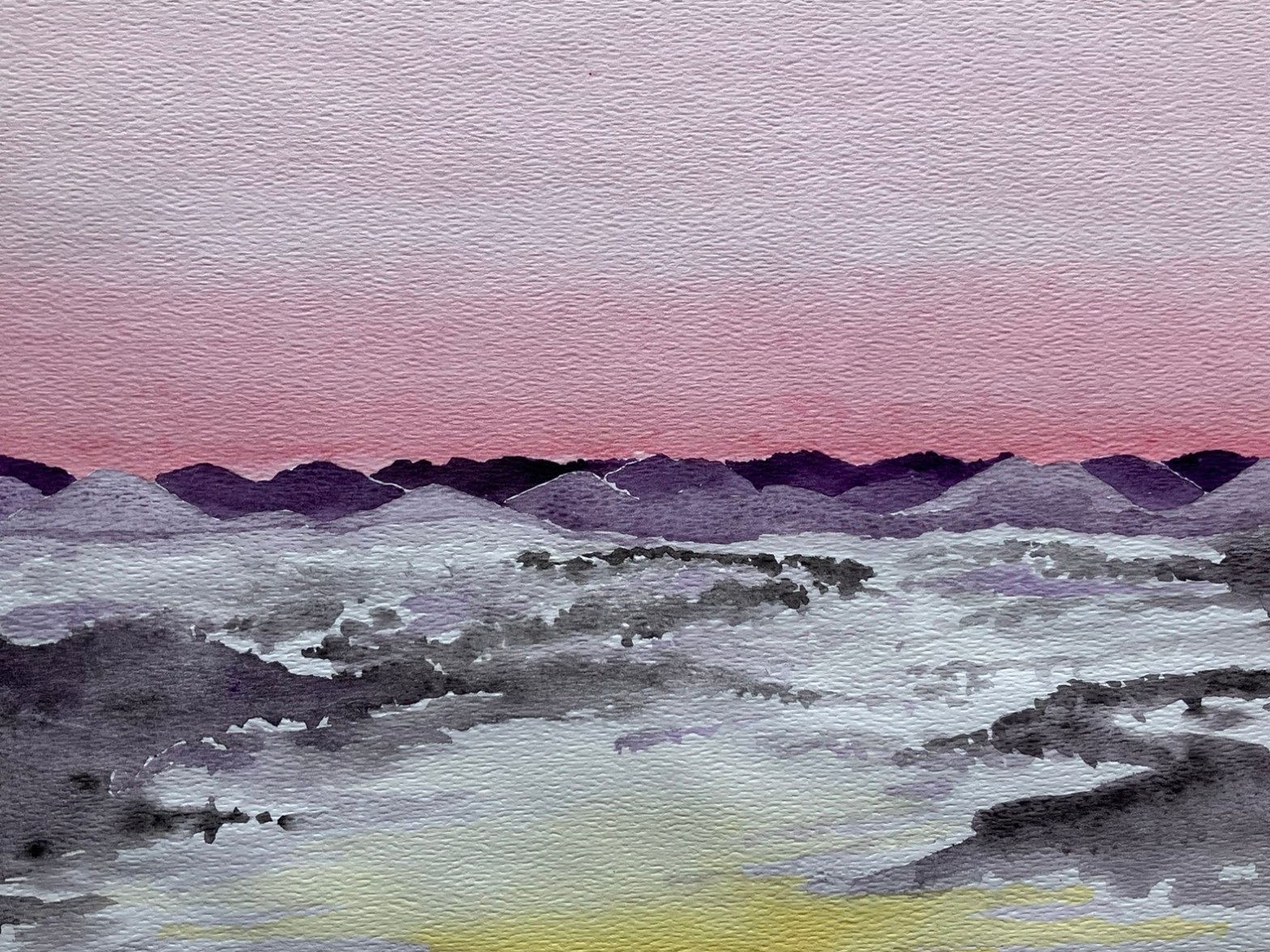
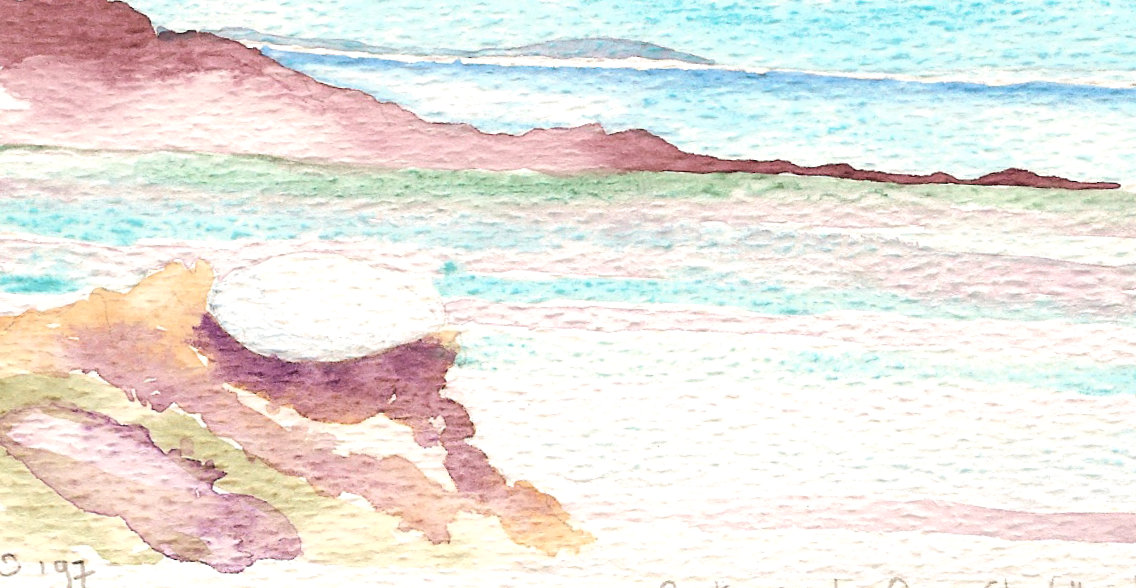
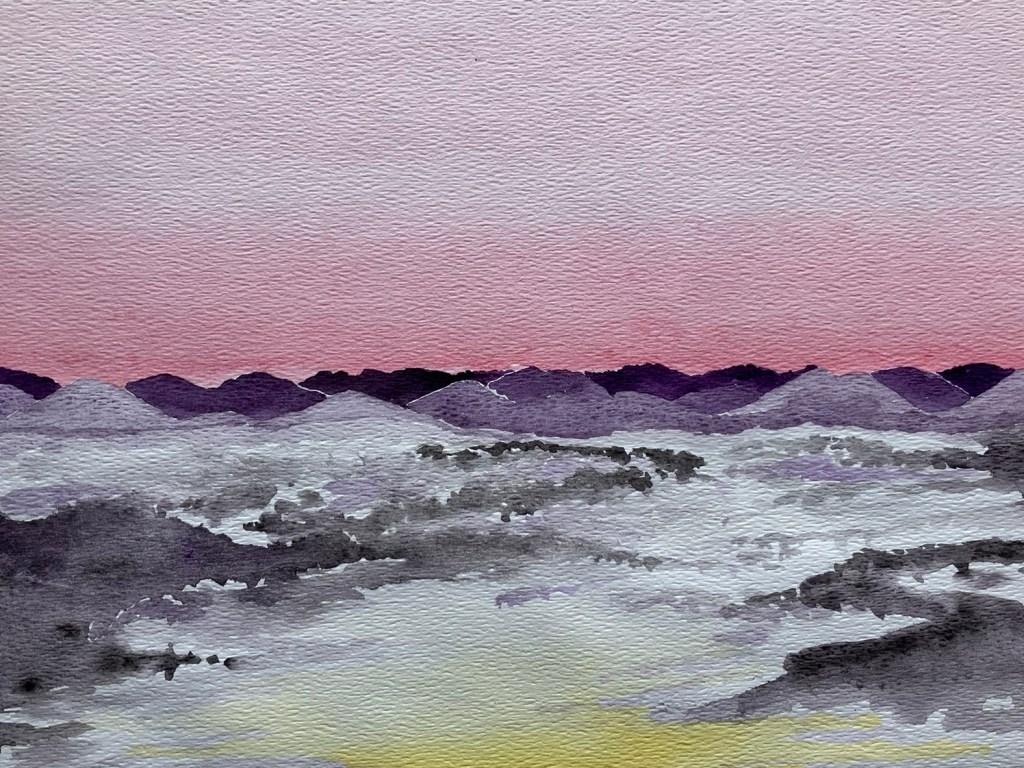
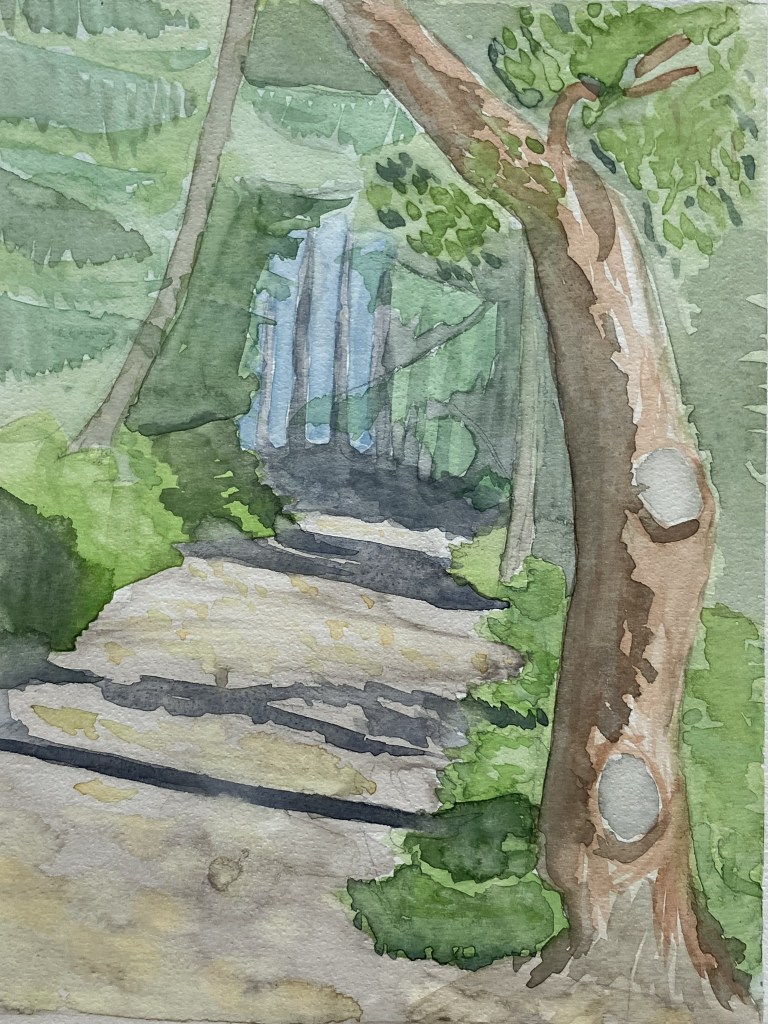
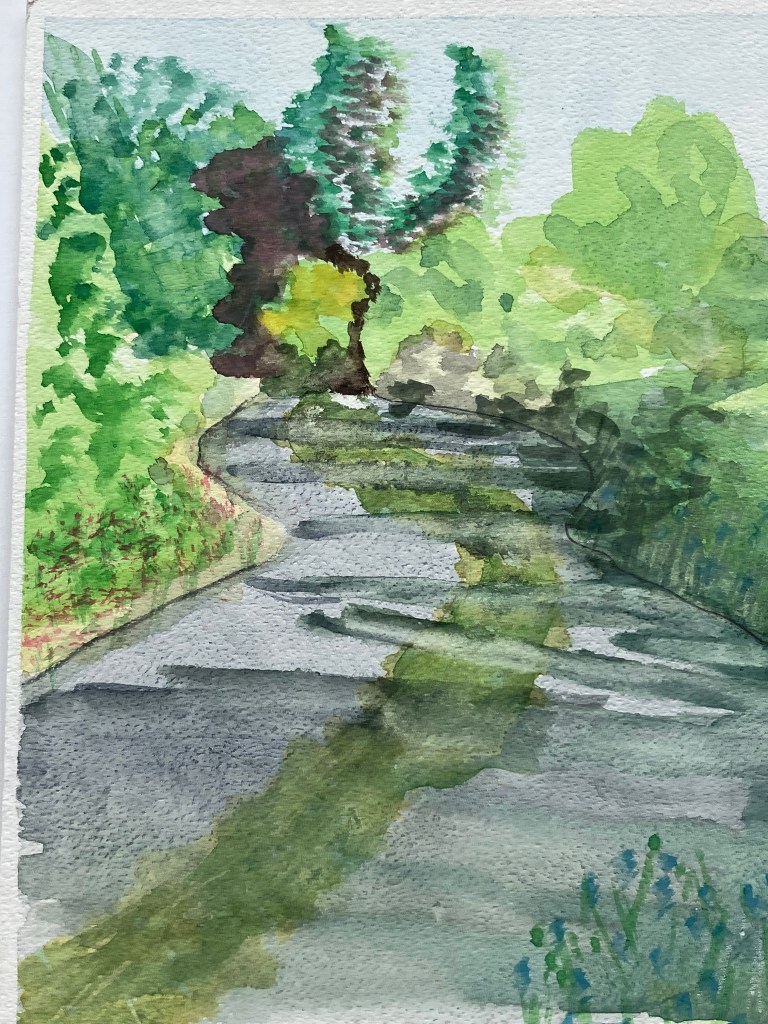
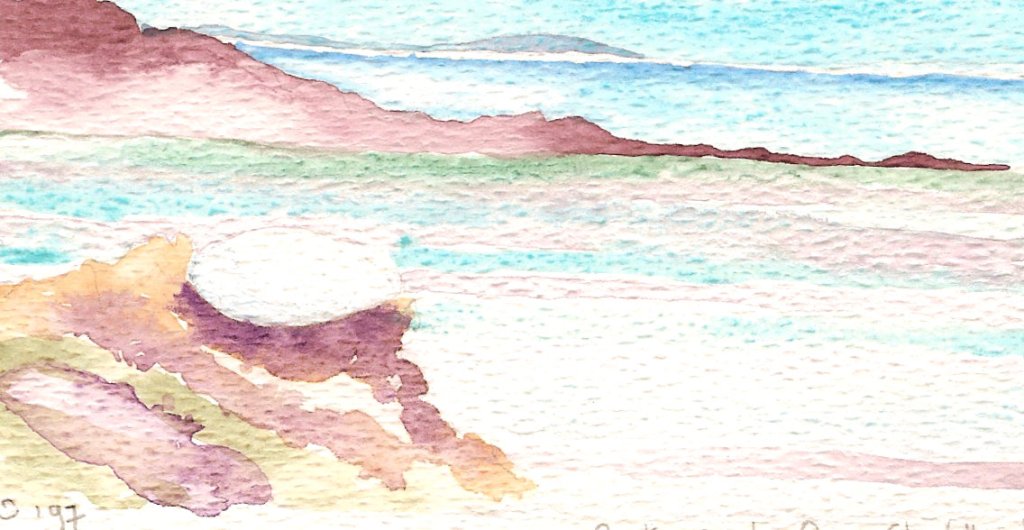
Over the past few months, I have been busy painting (watercolours) as well. Here is some finished artwork for the new poetry anthology (title not yet announced) which I plan to have ready on bookshelves in early autumn. More news to follow soon!

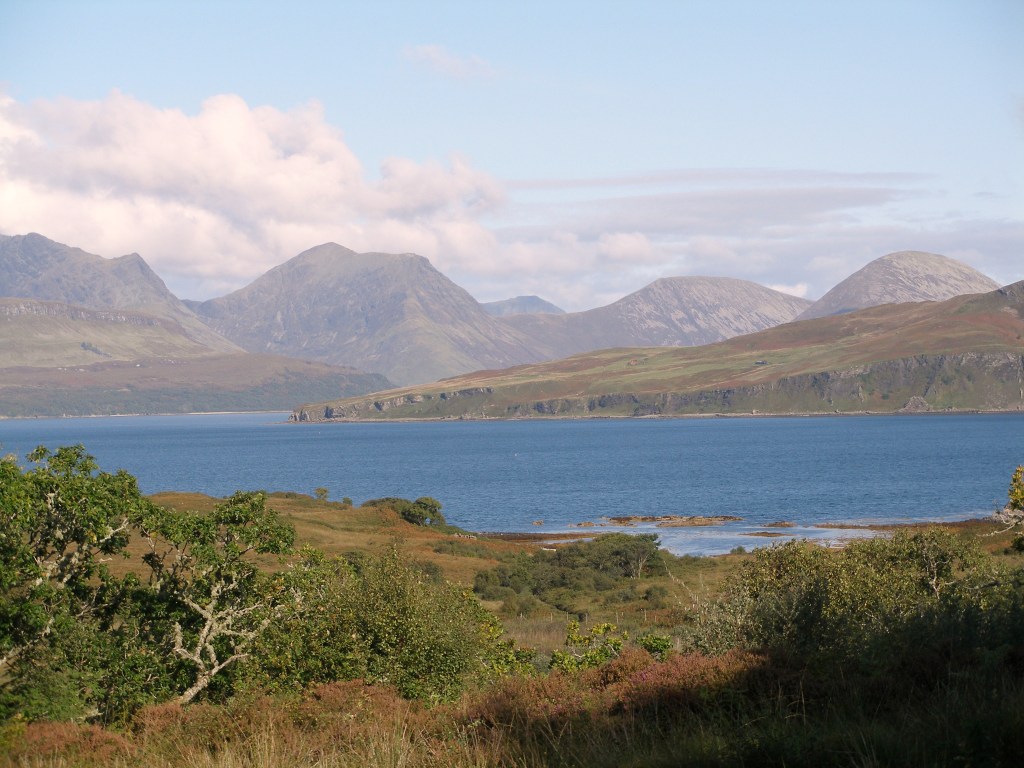
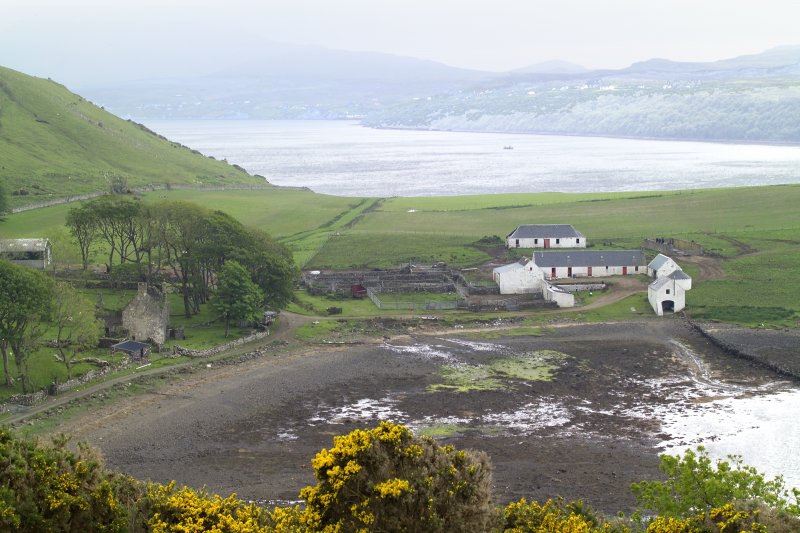
The Cuillin Mountains from Tarskavaig, Isle of Skye

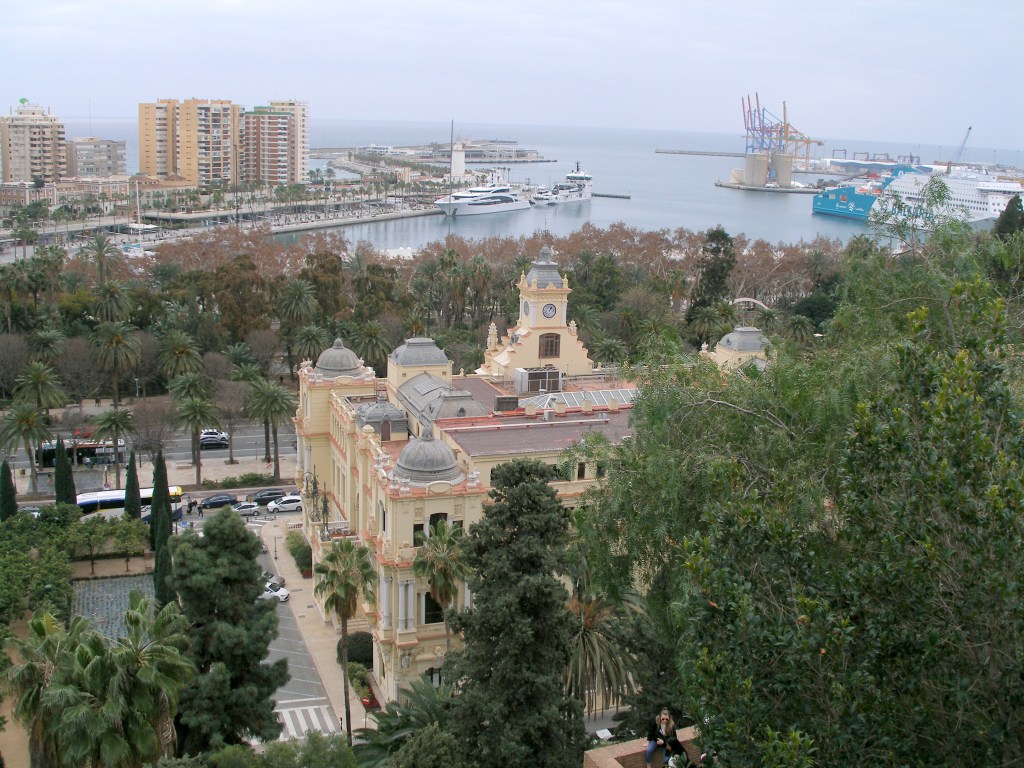
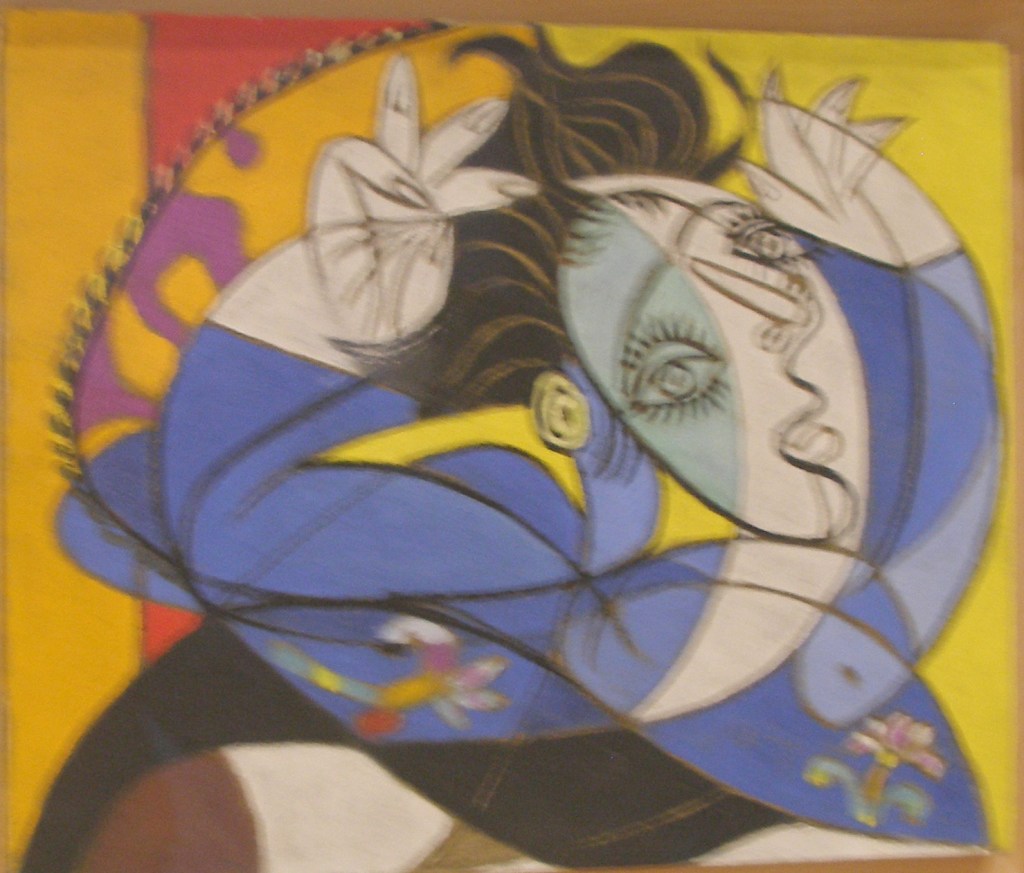
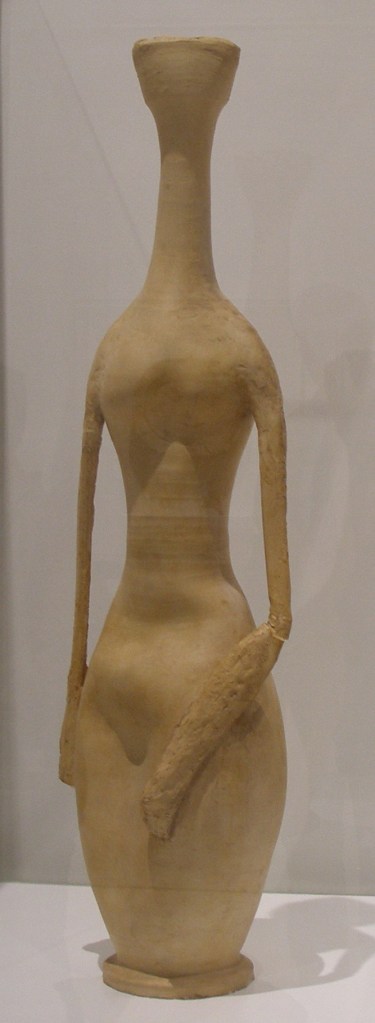
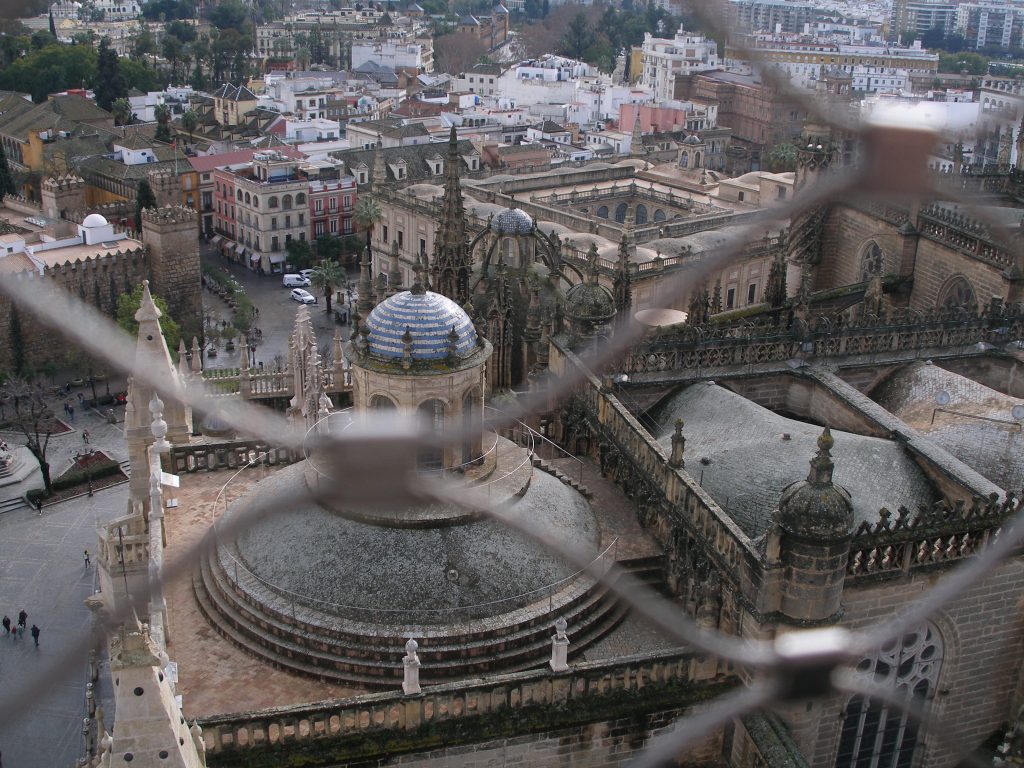
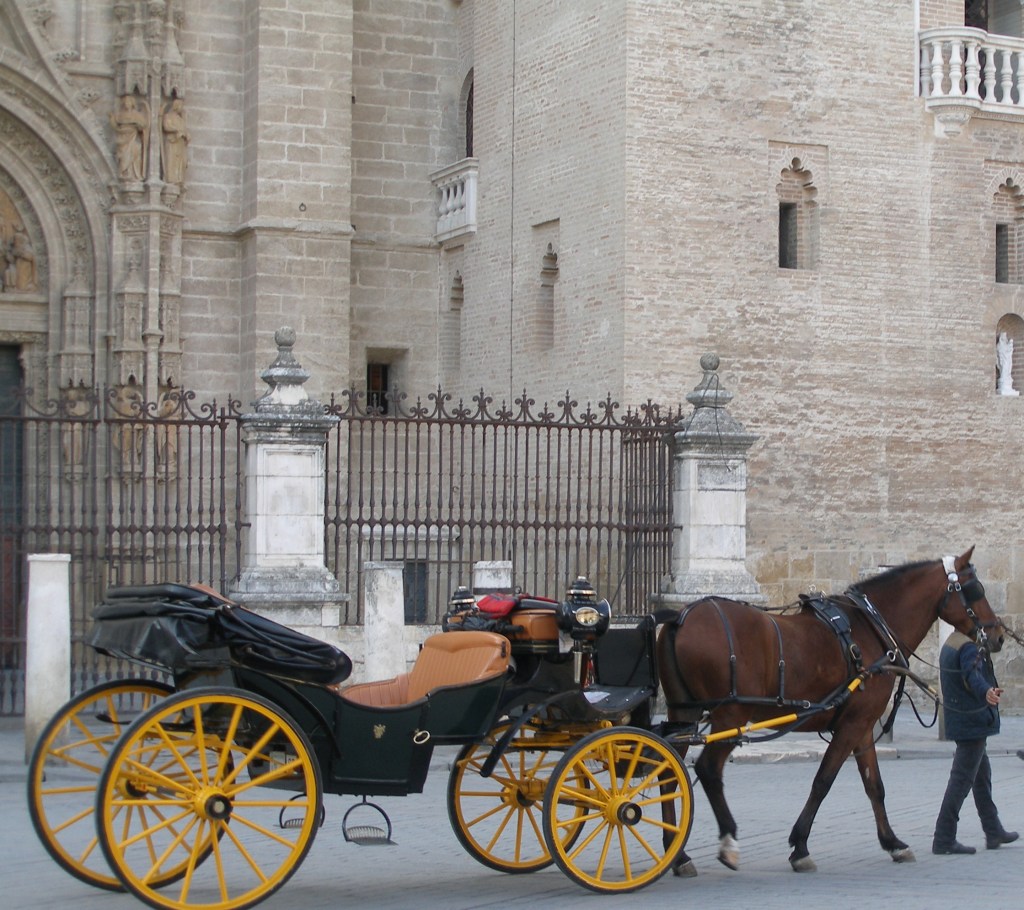
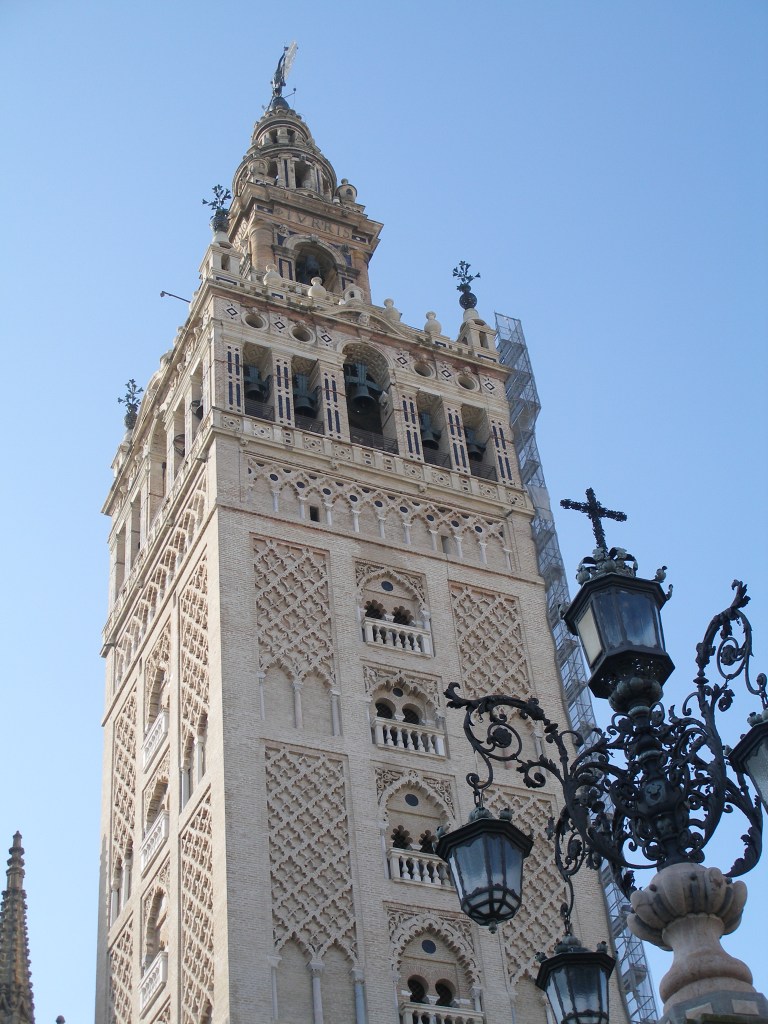
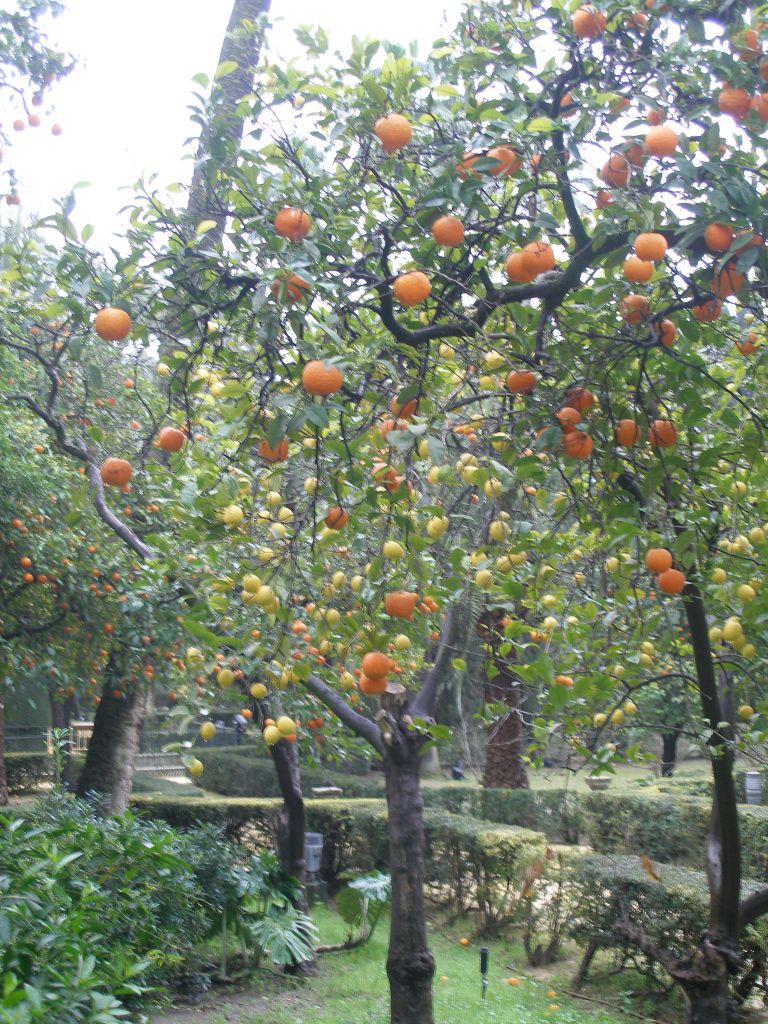
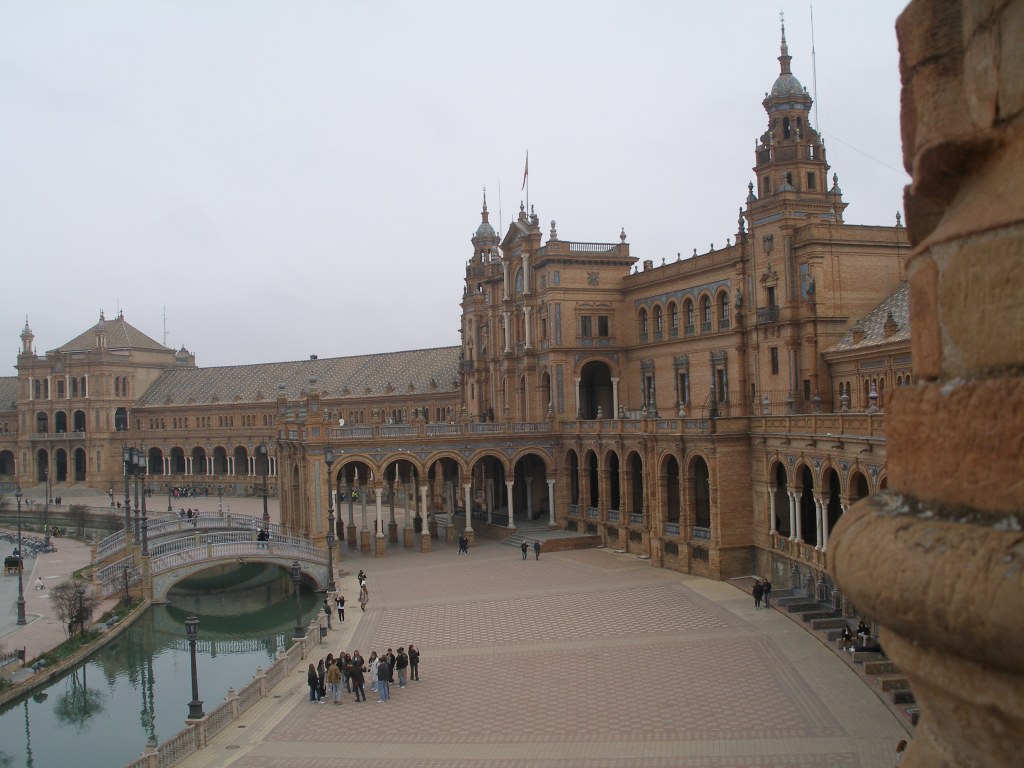
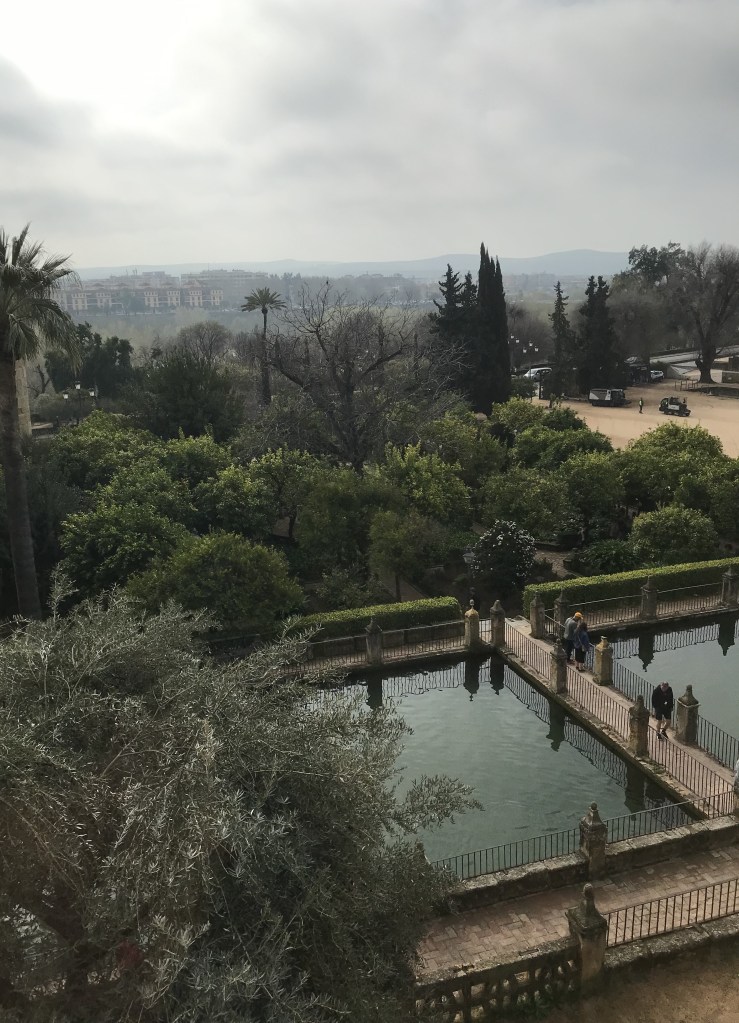
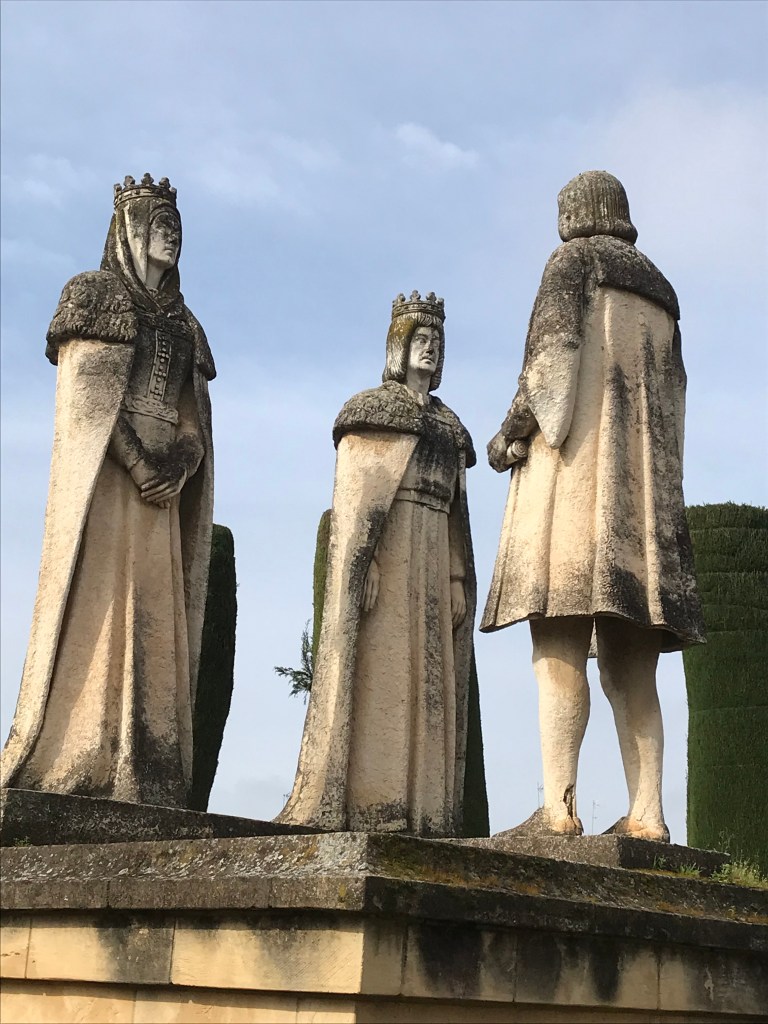
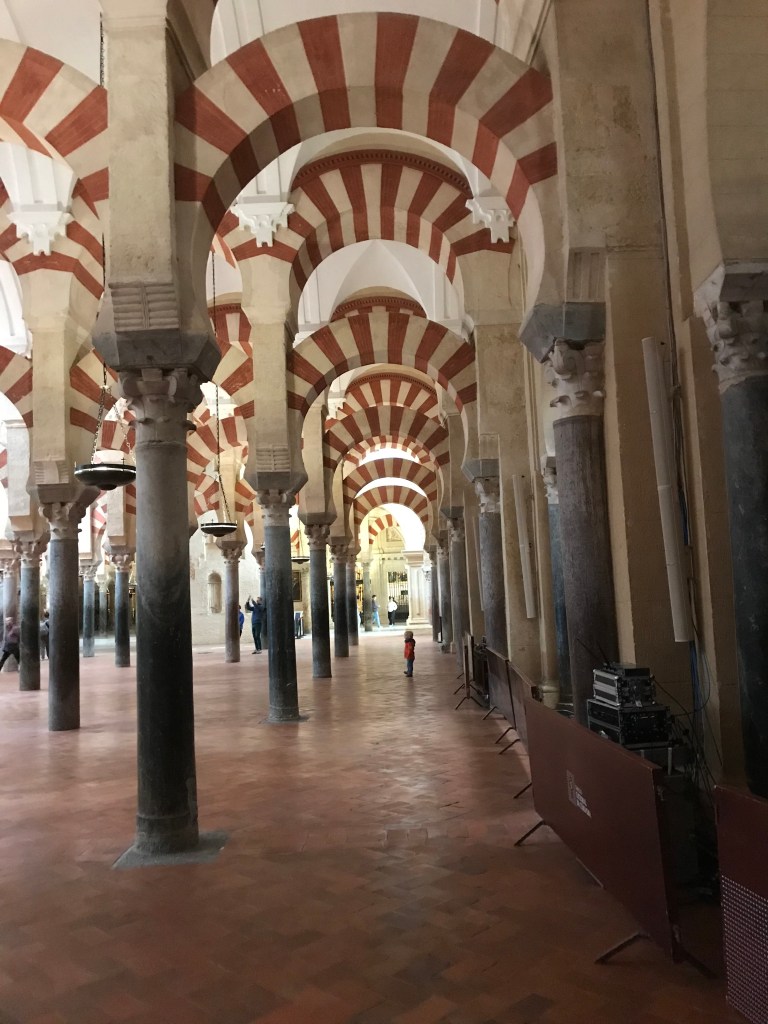
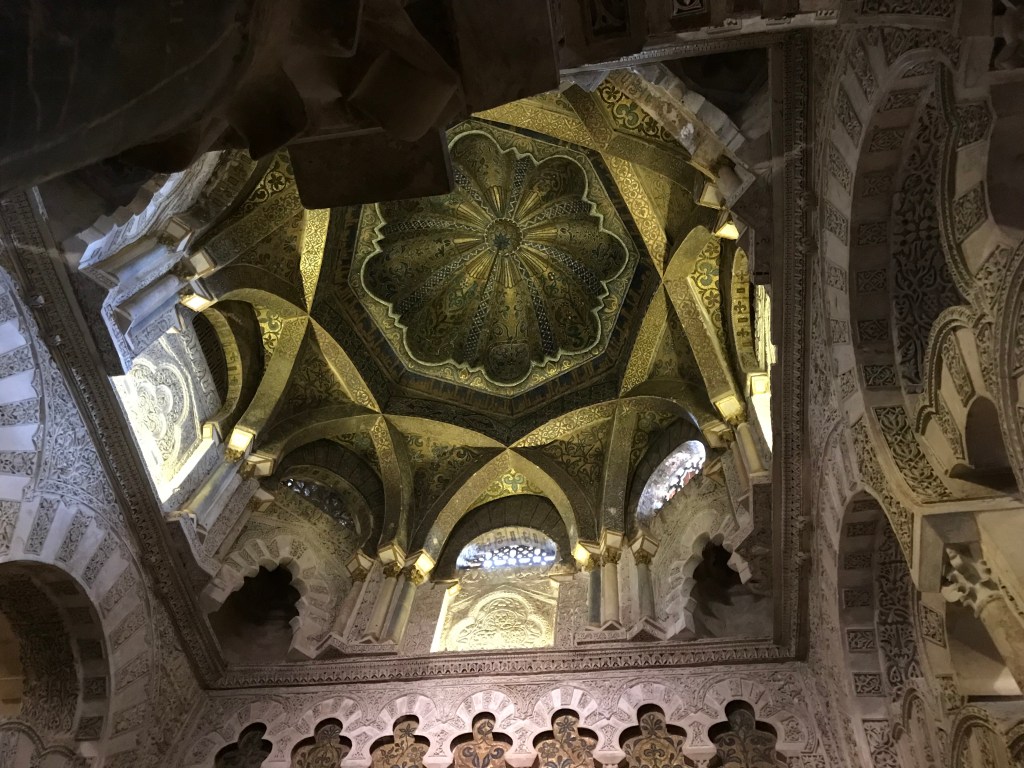
The Scottish novel first draft took me from mid-October 2023 until mid-March 2024 to complete. I disrupted my writing sprint in late January by travelling for the first time to Spain to explore four of its Andalusian cities: Malaga, Seville, Grenada and Cordoba. The weather was unseasonably cold and wet but the museums, monuments, the uncrowded streets, the extraordinary rich cultural history and the welcoming inhabitants more than made up for this disappointment.

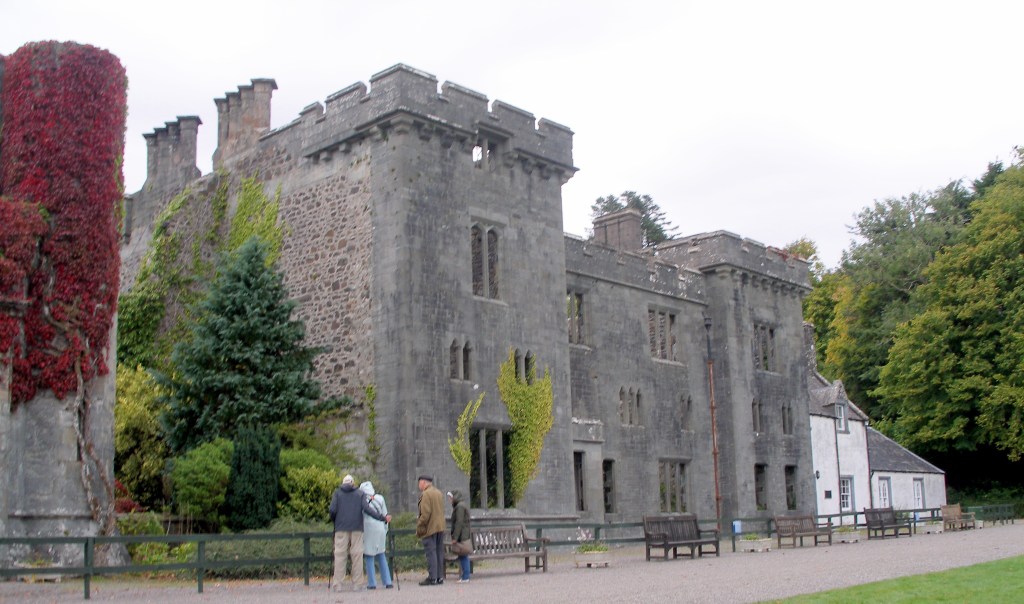
Clan MacDonald Centre, Armadale Castle, Skye

I have not yet completed any new poems inspired by these adventures but one of my main characters now takes a similar short break with her boyfriend to Spain and finds her dream trip is challenged by having to wear polythene bags over dry socks in soaking wet trainers as they explore the narrow city streets. Wonder where I got that idea from!

The second draft is now going part-by-part to two beta readers for their reactions which have so far been most positive and encouraging.

Meanwhile I am of course continuing to look for publication interest for my first completed contemporary novel for which I have to date received a total of three pleasant rejections. Far from being dispirited, I am more determined than ever!

I shall blog again as soon as I have more news to share! Thank you for taking the time to read this today.

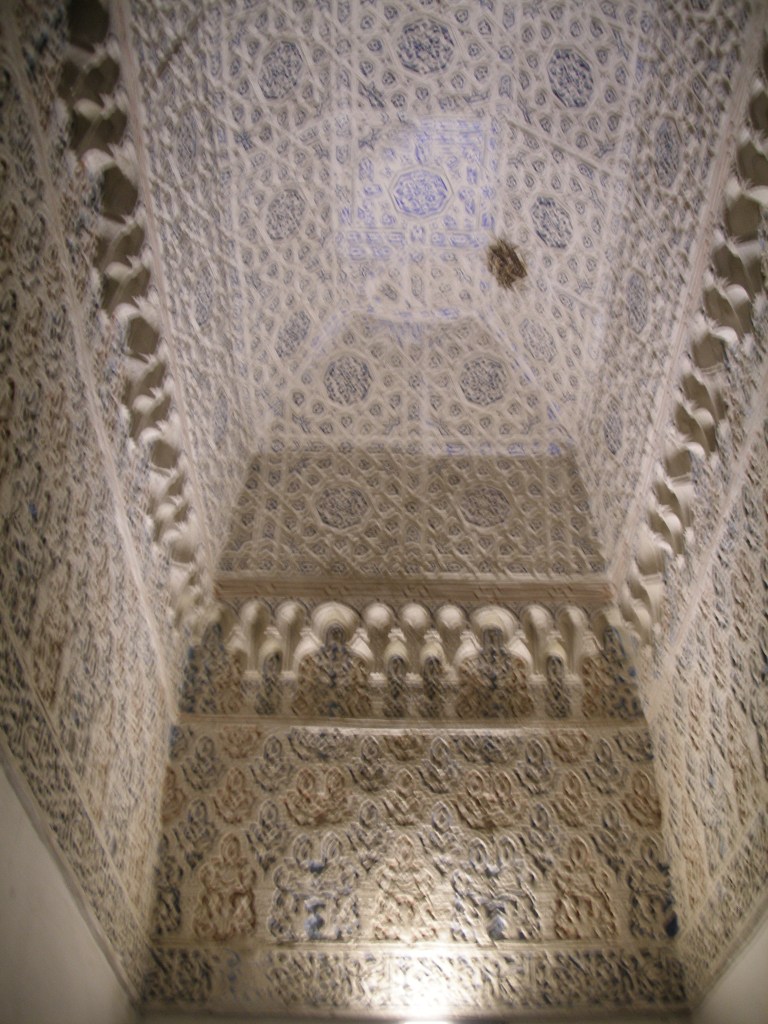
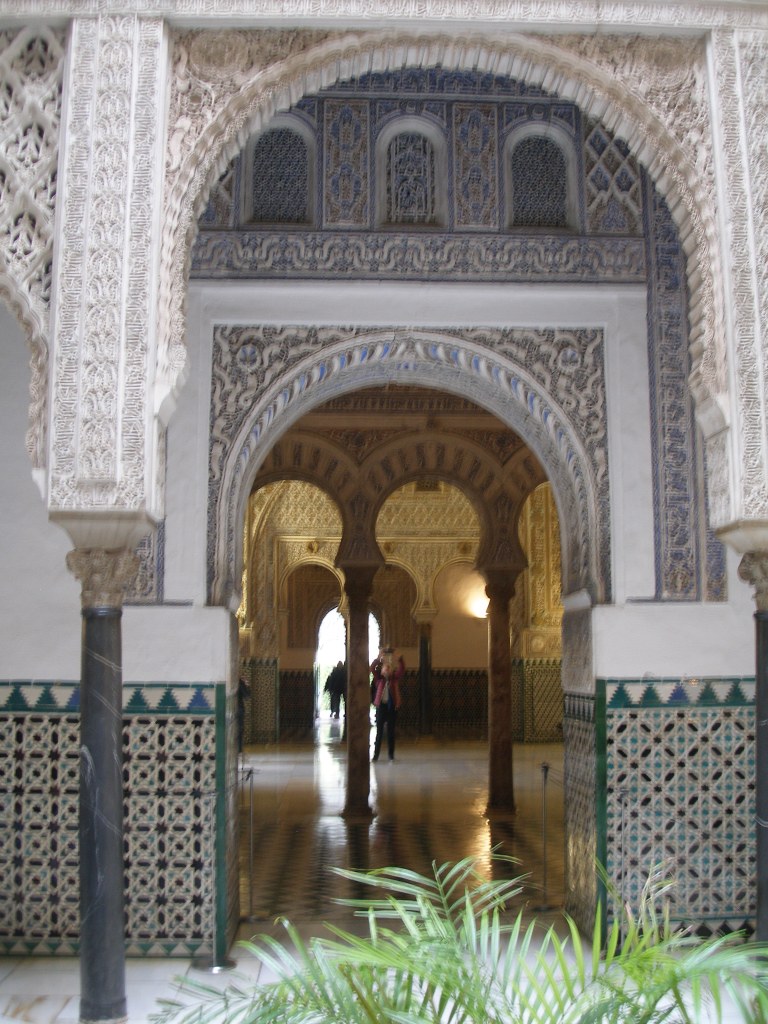
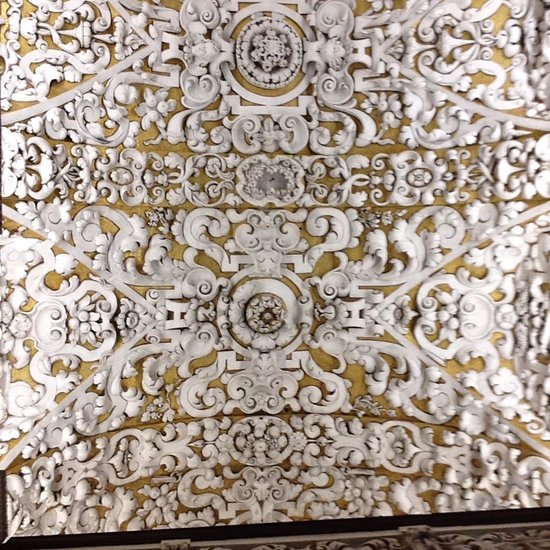
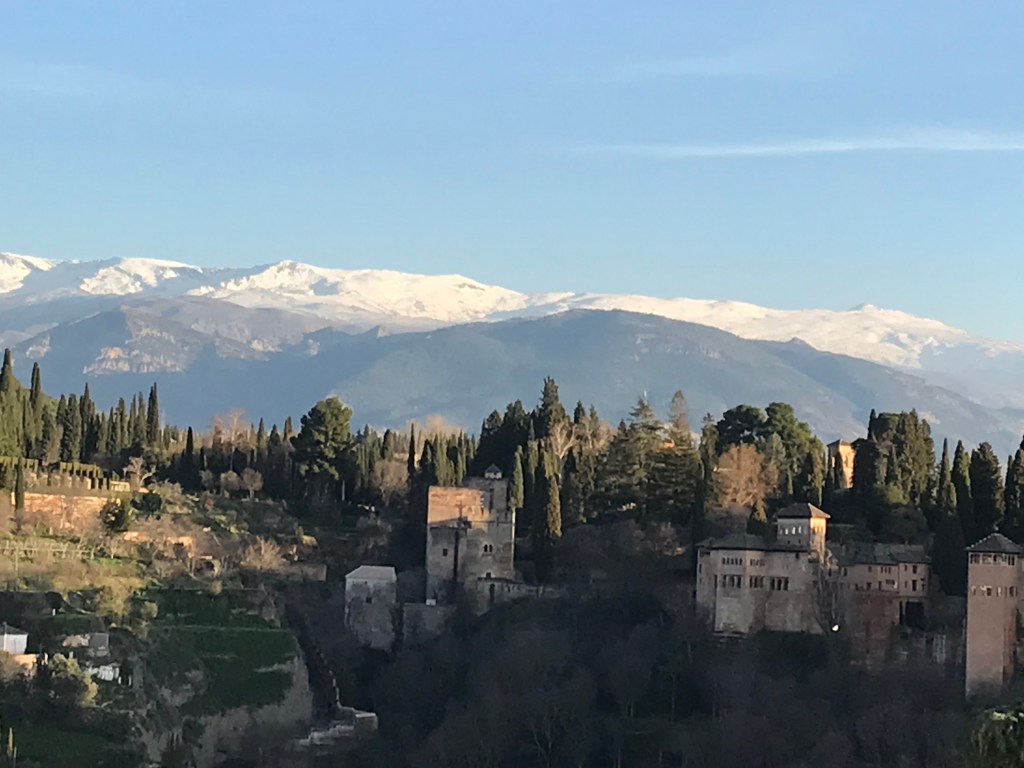
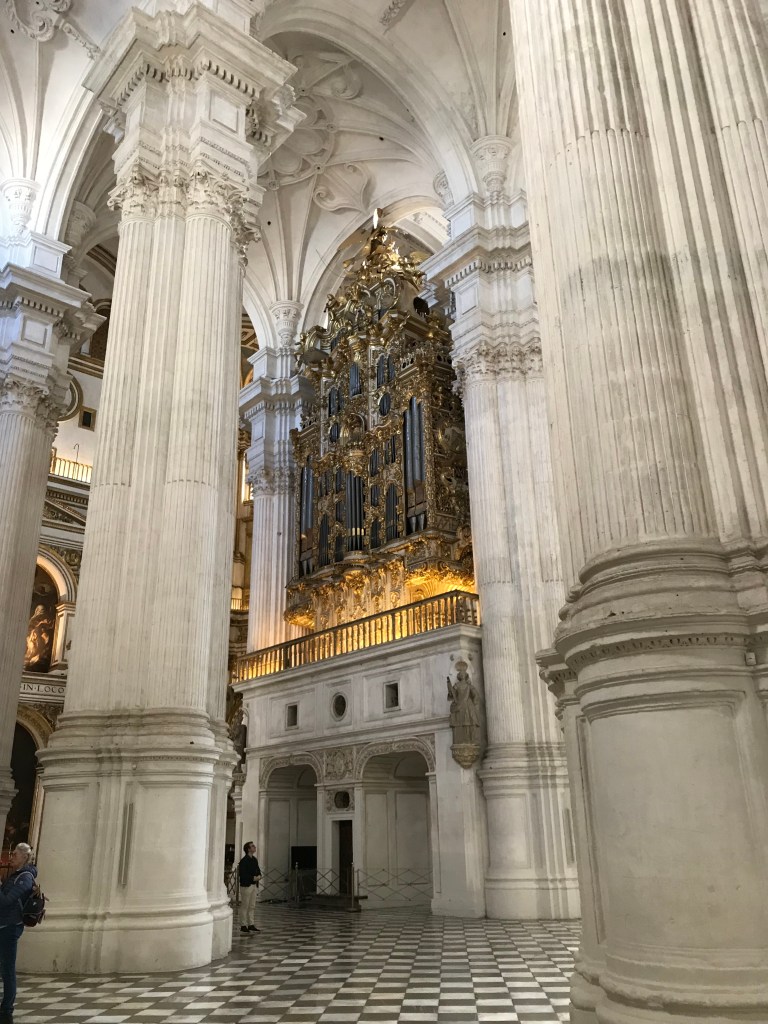
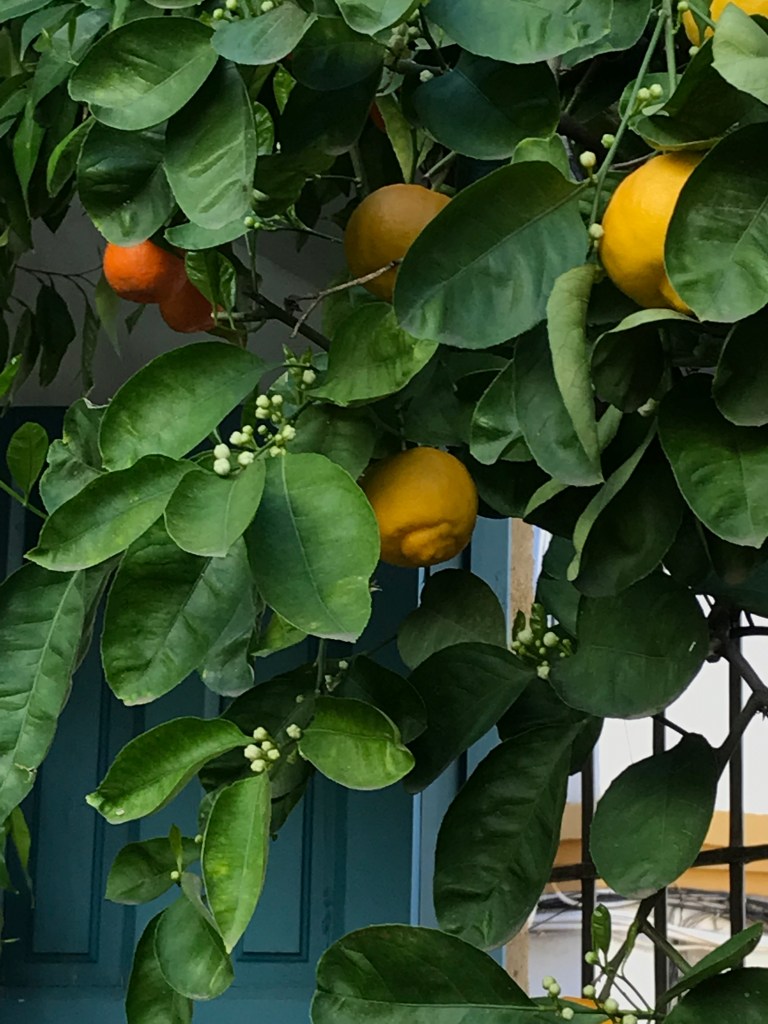
Here is a sample of Andalusian splendour for you to enjoy.

All photos and artwork (c) cemwinstanley 2024

Featured

On the Fifth Day of Christmas … 29th December, 2023

No, not five gold rings but five freshly printed copies of FROM ROOTS TO BRANCHES, Volume One, containing the winning entries from the Federation of BC Writers 2021 Literary Contests.  What a wonderful boost for any writer at the end of a busy year!

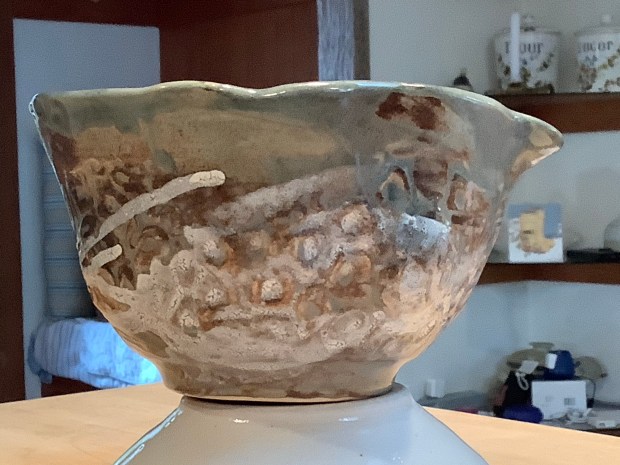
I have spent the months since my return from Scotland writing fairly intensively.  While taking a brief break before Christmas, visiting a local craft fair, I met the dynamic young ceramicist, Sydnie Johnson who is combining microscopy as an integral part of her pottery designs.  The piece I fell in love with and purchased, is a domestic-ware bowl for which Sydnie uses a magnified section of a rose stem to create the pattern for the celadon green glaze.  Sydnie shows respect for the environment through her collection and use of recycled stoneware clay and stoneware glazes.  We spent long happy minutes talking and on my returning home, pottery remained at the front of my mind.

microscopy inspired bowl by Sydney Johnson

By happy coincidence, one of the main characters in my Scottish novel is a skilled potter.  I have been drawing extensively on my own expertise in ceramics for technical accuracy and, on casually sharing this fact with a surprised writing colleague, I realized that this is now a relevant part of my background to share with you.

The arable fields around my childhood home were of Hertfordshire clay; as a young child I would collect it up after the autumn ploughing, and create small animals for my father to ‘bake’ in the anthracite boiler which heated our house.  These were the beginnings of my life-long love affair with clay.

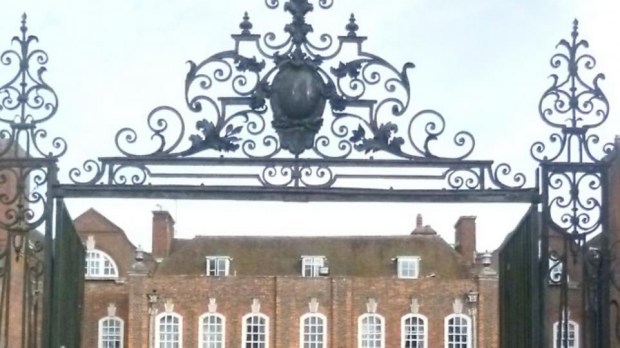
Once at university in Wales, I volunteered to resurrect and run the pottery club and subsequently won a travel scholarship to visit ceramic manufacturers in Paris, France and Quimper, Brittany. I continued to take evening classes while working in London and when I moved to farm life in Essex upon my marriage, I set up my own pottery in a disused pig shed!  There was a local wildlife park nearby, Mole Hall Wildlife Park, Widdington, and I made and sold animal-related and food items there (egg cups decorated with otters, chicks and peacocks; lidded pots containing local Essex wildflower honey).  At the same time I accepted commissions which were mostly large earthenware urns for garden patios.  In addition, I spent one day a week at the Hertfordshire College of Art and Design in St. Albans, in the ceramics studio.  This led to my being invited to set up and teach in, a sixth form ceramics course and ceramics studio at Princess Helena College, an independent co-educational school in nearby Hitchin, which sadly closed its doors in 2021. The end of the marriage meant my return to London to earn my living: this meant the closure after eight years of my Widdington studio and the end of my lovely time as a member of staff at Princess Helena.

After arriving in Canada, I immediately joined the Burnaby Potters’ Guild, but soon realized that I would not be able to teach ceramics without formal qualifications.  Family life became hectic; other priorities took over and pottery faded into the background.

Until now.  Reliving these happy times through the artistic talent of a fictional character has made me realize that no life experience is ever a waste of time.

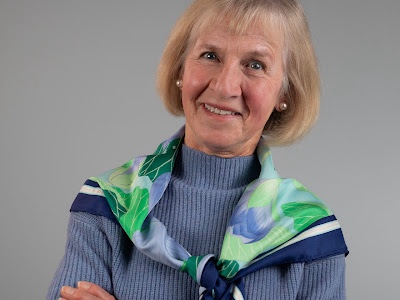
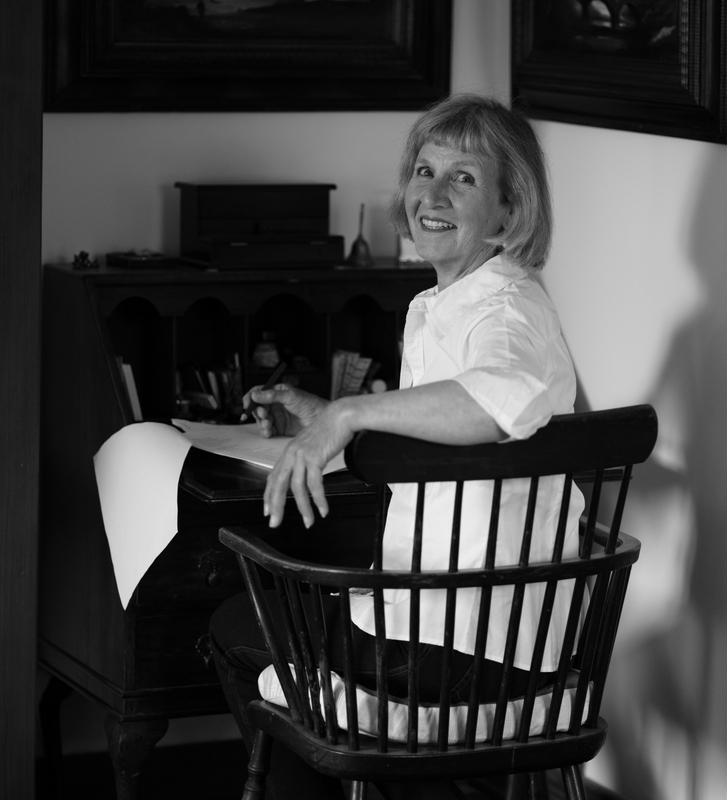
Author Photo (c) Sean Pullen, Photographer/Videographer, Vancouver Island, hair by danielle at Kat’s Hair Studio

May I take this opportunity to thank you for joining me and my blogs throughout 2023.  May I wish you a Happy New Year and send heartfelt best wishes for 2024.

Featured

The Bewitching Isle of Skye, Highlands of Scotland 7th November 2023

More Writing News!

Two days ago, I was poised at this very keyboard to start this new Blog, intent on sharing my adventures exploring the Isle of Skye, when the exciting news of the FBCW (Federation of British Columbia Writers) 2021 Literary Contest Anthology Launch was finally announced on social media!

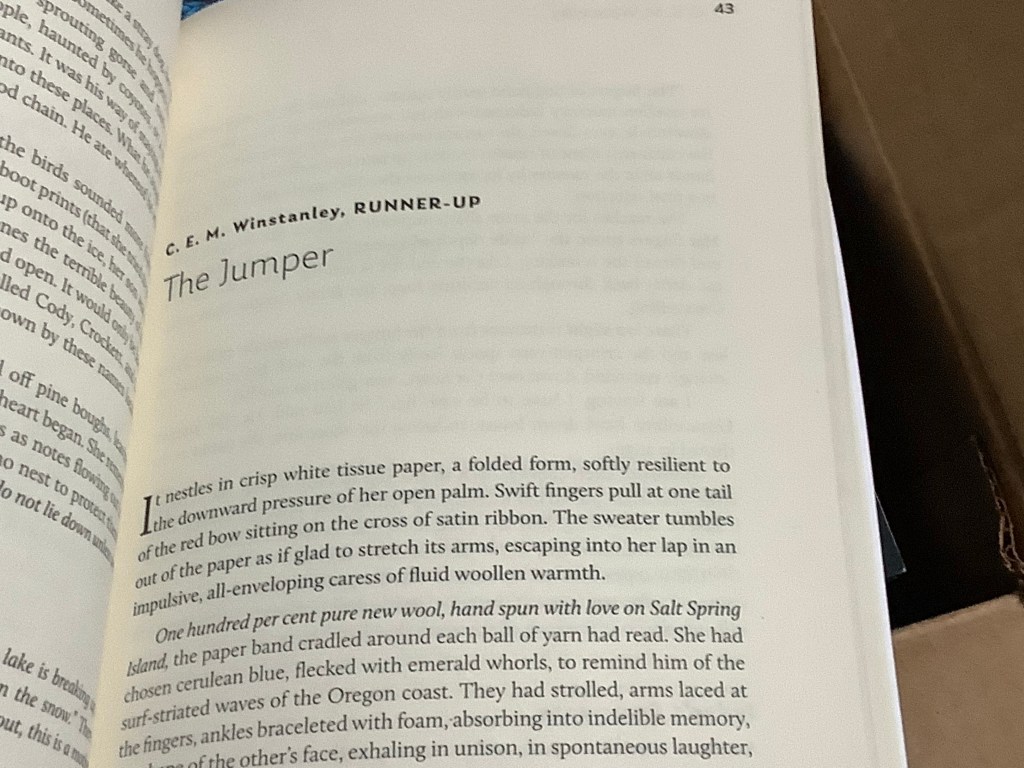
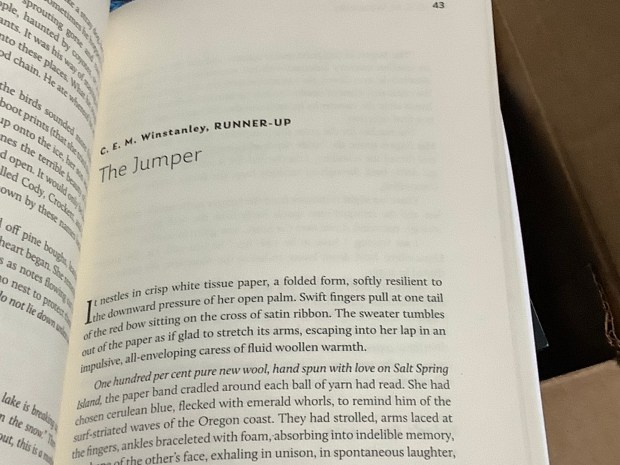
My flash fiction piece “The Jumper” was a winner in 2021 and not only is it now in print for the very first time in this beautiful new anthology Roots to Branches, Volume 1 but I have also been invited to read at the Zoom Publication Launch on Sunday, 19th November.  I am including the link here so that as many of you as possible can join me on that momentous day.

I am particularly thrilled to have a prose piece in the limelight, as it has been my poetry that has been getting most of the attention.  Having completed one novel (on its slow journey towards publication) and now starting a second, the timing could not have been more perfect. 

All that media excitement is under control and I can now return to this, my newest Blog.

THE BEWITCHING BEAUTY OF THE ISLE OF SKYE

I have just returned from a major travel event:  several weeks in the UK, the prime focus of which was two weeks on Skye to research historical background of nineteenth century Scotland as the backdrop to this new novel.

I met with such hospitality, kindness and helpfulness during my work-cation:  from the accommodating staff at The Marine Hotel, Mallaig;  Ruth at Morar Motors who helped organise my vehicle;  Den, my host at tranquil Knockview Apartments overlooking the waters of the Sound of Sleat;  Rob, the enthusiastic Manager of the historic Greshornish House Hotel, who permitted me to both explore the house and grounds and to take photos;  Julie and Stuart Whatley, the talented potters at famous Edinbane Pottery and last but by no means least, Anne and the other assistant archivists working in the Skye and Lochalsh Archive Centre, Portree; I spent a day with them and was saturated with crucial background information for my novel.

I am in fact, no stranger to Skye.  During my twenties, I was married to Douglas, a tirelessly-energetic border-Scot of the Johnstone clan, and over the next ten years, we spent more than three months of every year on Skye.  His parents had been close friends with Gavin Maxwell (“Ring of Bright Water”) and the family lived for many years one of the lighthouse cottages on Isleornsay , near Armadale, rowing back across to the Island by boat to pick up supplies from the nearby Eilean Iarmain Hotel owned at that time by Iain Noble.  Eventually all this rowing got too much for them and they built a grey-slate, white house in Tocavaig, with stunning views over the waters to the majesty of the Black and Red Hills – the Cuillin Mountains.

Visited there on many occasions by friends and family members, we energetically climbed most of the mountains: Glamaig, Blaven, Sgurr Alisdair, wandered the shores of Lake Coruisk (painted by Turner), drank whisky with the serious mountaineers hanging out in those days at the Sligachan Inn; went by small motor boat to look for Bonny Prince Charlie’s cave, hiked to the Fairy Pools, the Fairy Bridge at Glen Brittle, swam at Tarkscavaig Bay, then picked mussels for supper from the rocks, treasuring as precious jewels any of the tiny black pearls hidden within.

And during the rainy, dark evenings with a peat fire in the hearth and a bottle of Talisker to sip,  I read my way through the entire contents of the Johnstone family library:  absorbing the ancient myths and folklore of Skye, its history and its tragedies.

My poem “Glencoe” (published 2019) is a direct result of that reading, set as it is in on both the Scottish Mainland and on Skye at the time of the repression and disintegration of the clan system and of the Highland Clearances.

Returning now to Skye after so many years of absence, I travelled by train for the best part of a day, journeying up the length of Britain from the south coast to the Highland port of Mallaig, intending to take the little ferry across the water, rather than the ‘new’ bridge.   During this spectacular rail journey, I crossed several famously beautiful glens, including Glencoe, before reaching Harry Potter’s famous viaduct at Glenfinnan, wondering all the while whether the magic of Skye would have waned, diminished into just a romantic memory.

Crossing next morning in soft mist from Mallaig to Armadale, my locally-rental car on board the small ferry, I was taken aback by the force of emotions I experienced approaching the ‘Winged Isle’ by water.

Within twenty four hours the feel of the air, the spring of the heather and peat beneath my feet, the soft falling rain, the high call of the buzzards circling above the hills, and the extraordinary luminescent light of the sunset over the loch waters, were as familiar to me as they had ever been.  I felt as if I had returned home.

It bewitches still.

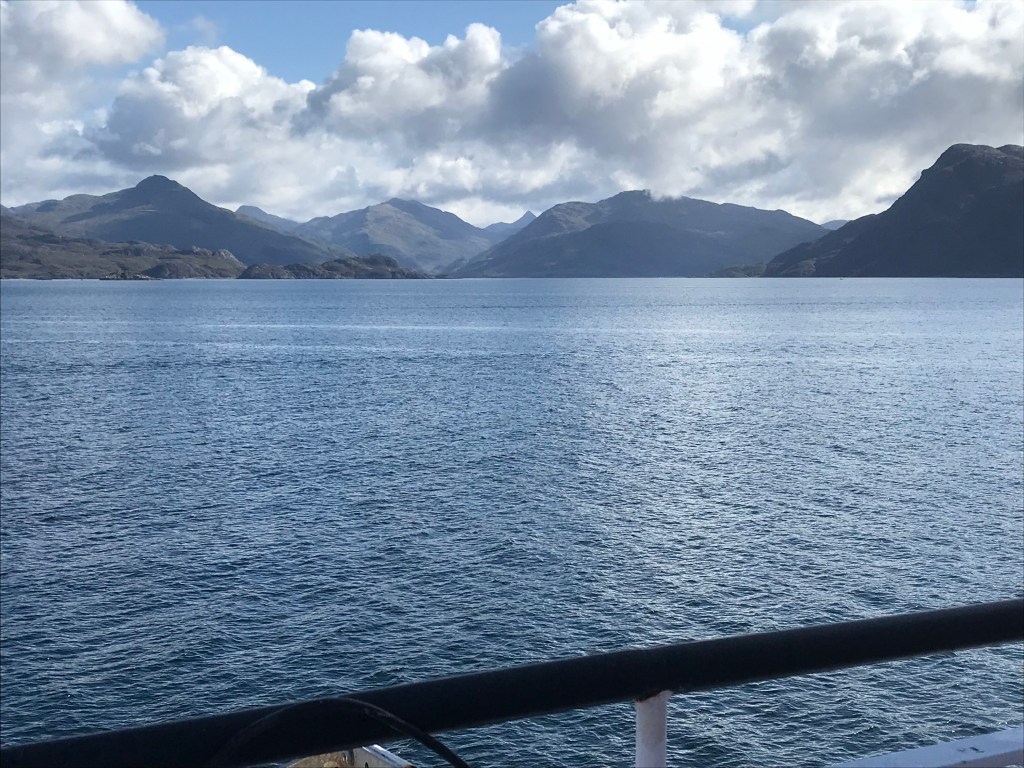
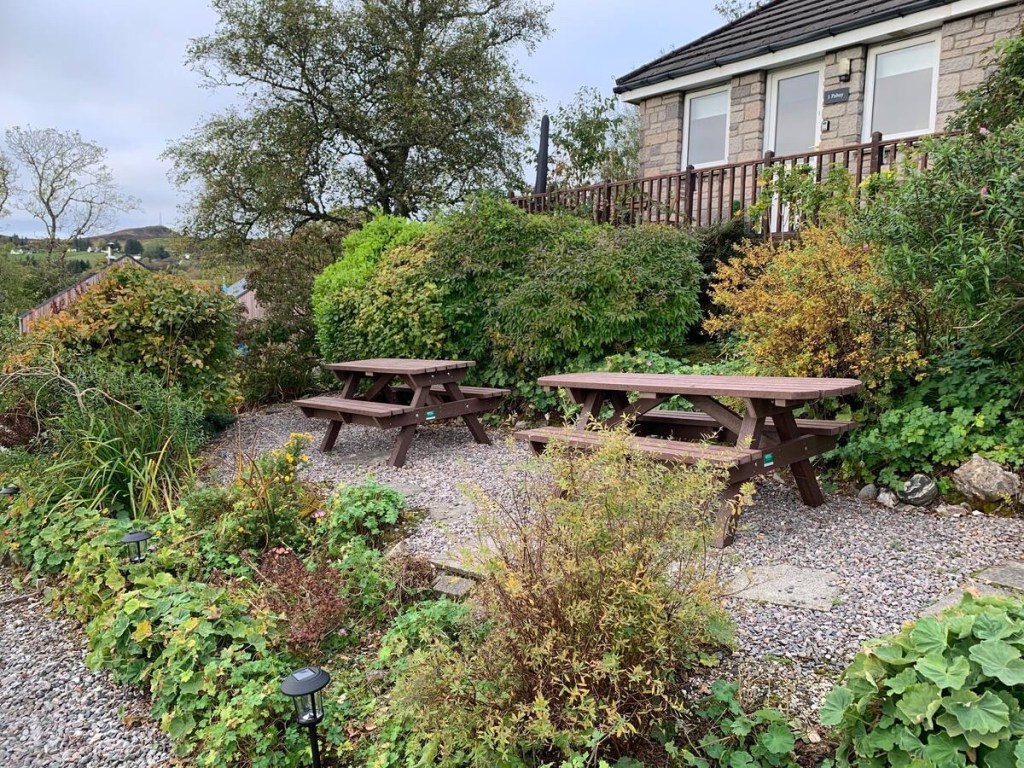
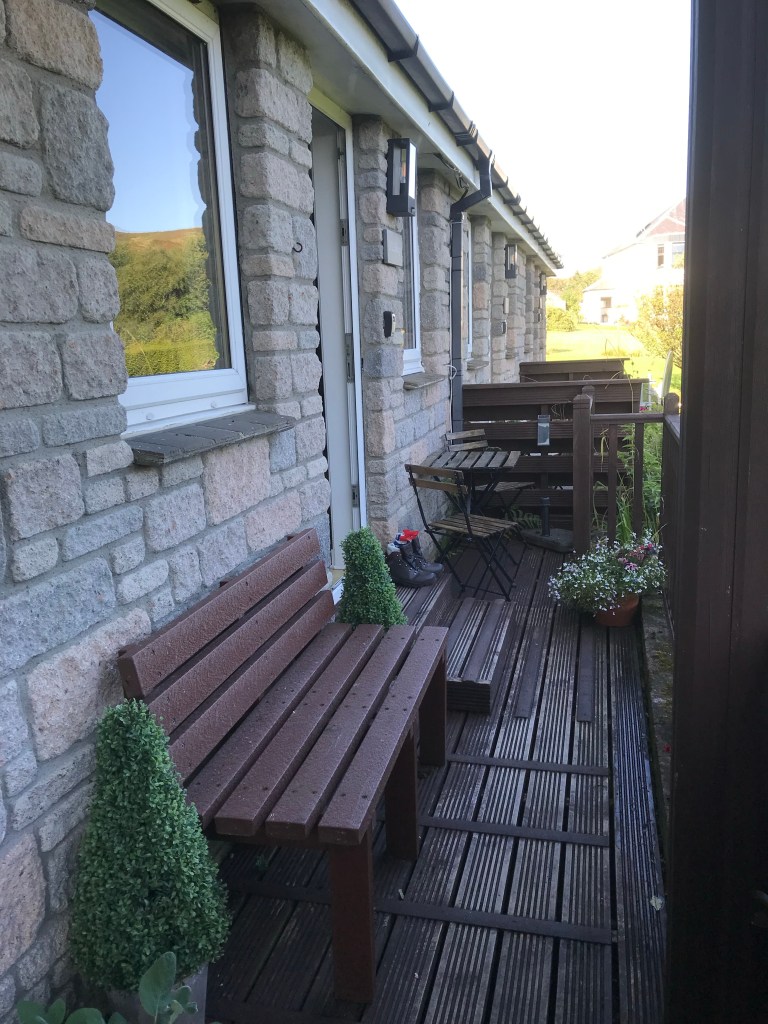
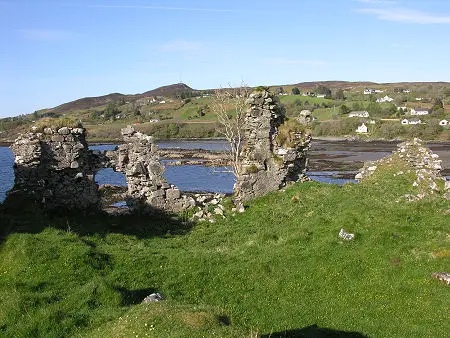
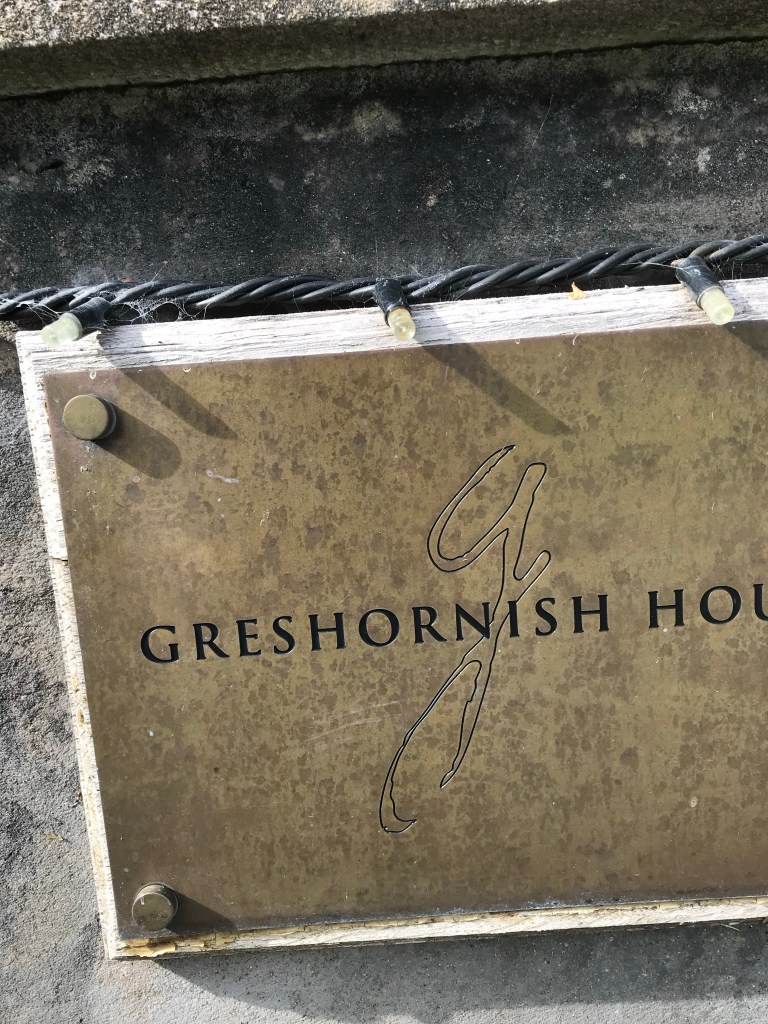
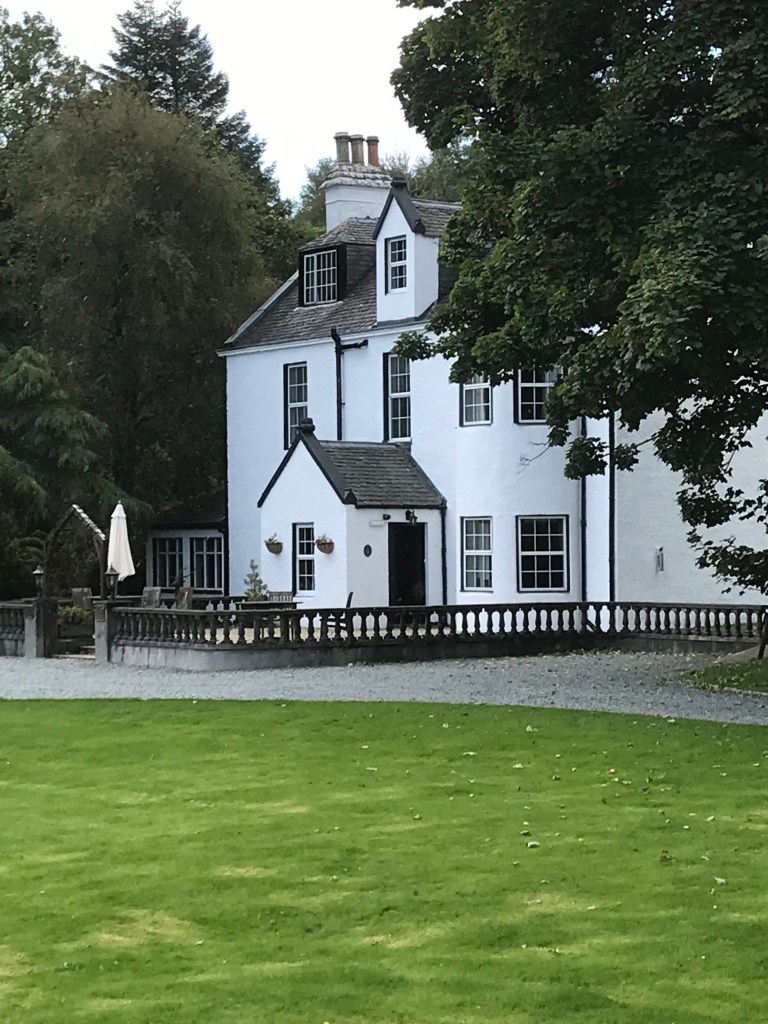
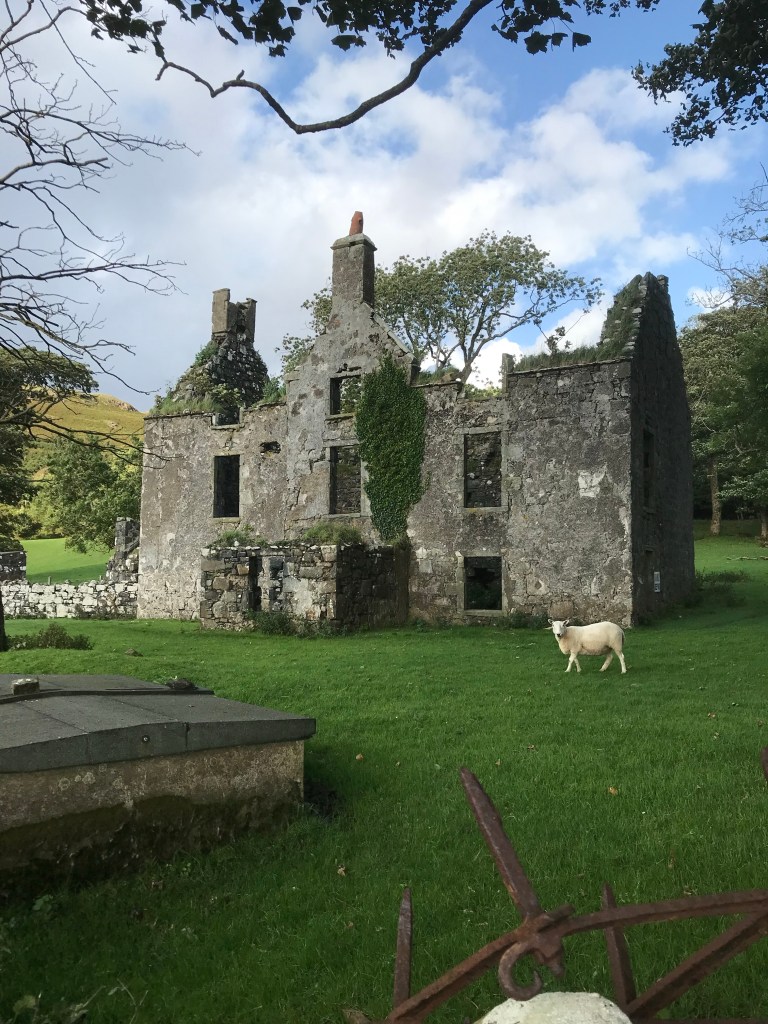
Skye and the Cuillins from the water; No. 3 Scalpay, my Knockview Appartment; ruins of Knock Castle; Greshornish House Hotel; ruins of Gesto House; view of Gesto Bay and farm

all photos (c) 2023 cemwinstanley

Featured

JUNE already, 2023

More busy writing months to share – and an adventure with puffins!

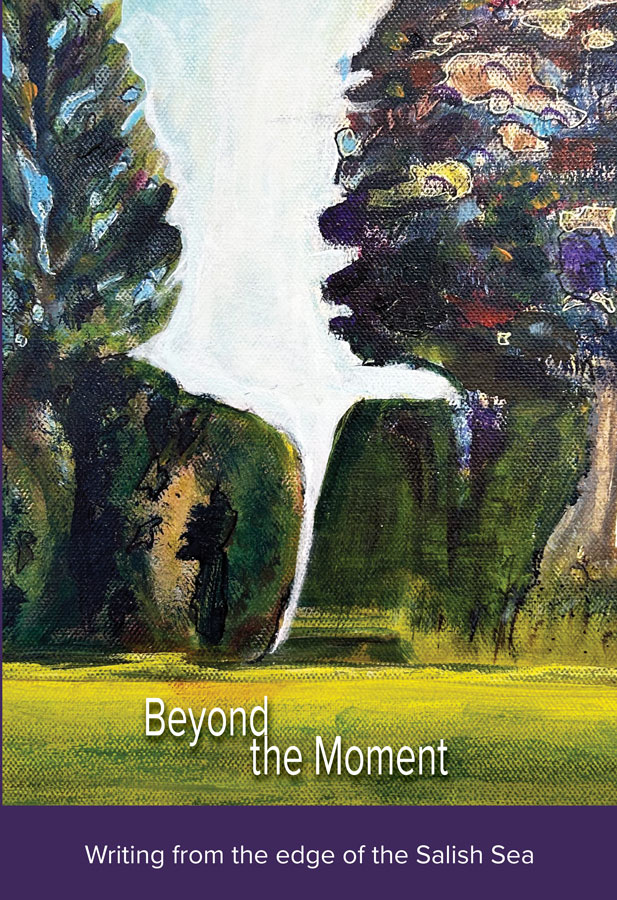
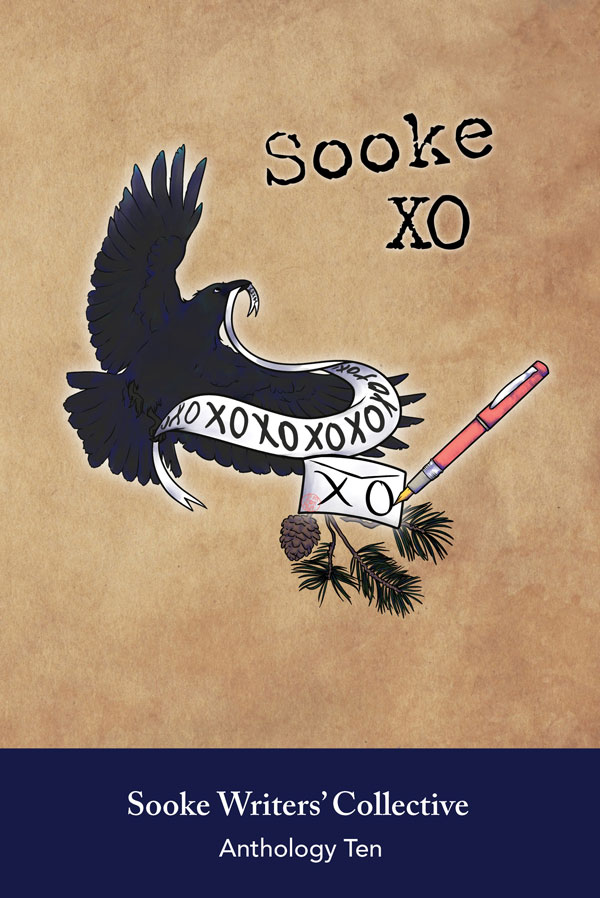
The first three months of 2023 were spent fine-tuning submissions for publication. First came Beyond the Moment – Writing from the Salish Sea, the third collaborative chapbook published in April in cooperation with Sooke Writers’ Collective. That was followed in May with Sooke X0 – a tenth anthology, marking the Collective’s ten year anniversary celebrations. What a honour to have had work included over the past five anthologies!

Beyond the Moment contains three brand new poems, all varied in their themes. The first, Hammond’s Hill, was inspired by the near-death recollections of the international motor racing star, Roger Hammond. The second, The Shard, drew on my memories of running my ceramics studio in Widdington, Essex. The third, yes no maybe, addresses a period during which I felt unable to write – as if my Muse had faded, deserted me. This is an experience to which I am sure many artists, songwriters and writers can relate.

For Sooke X0, I wrote a nostalgic piece, recalling the apprehension of attending the first feedback sessions with the Collective. A Tale of a Tail is also included, after being chosen for Vancouver Island Regional Library Sooke’s 2022 Poetry Walk.

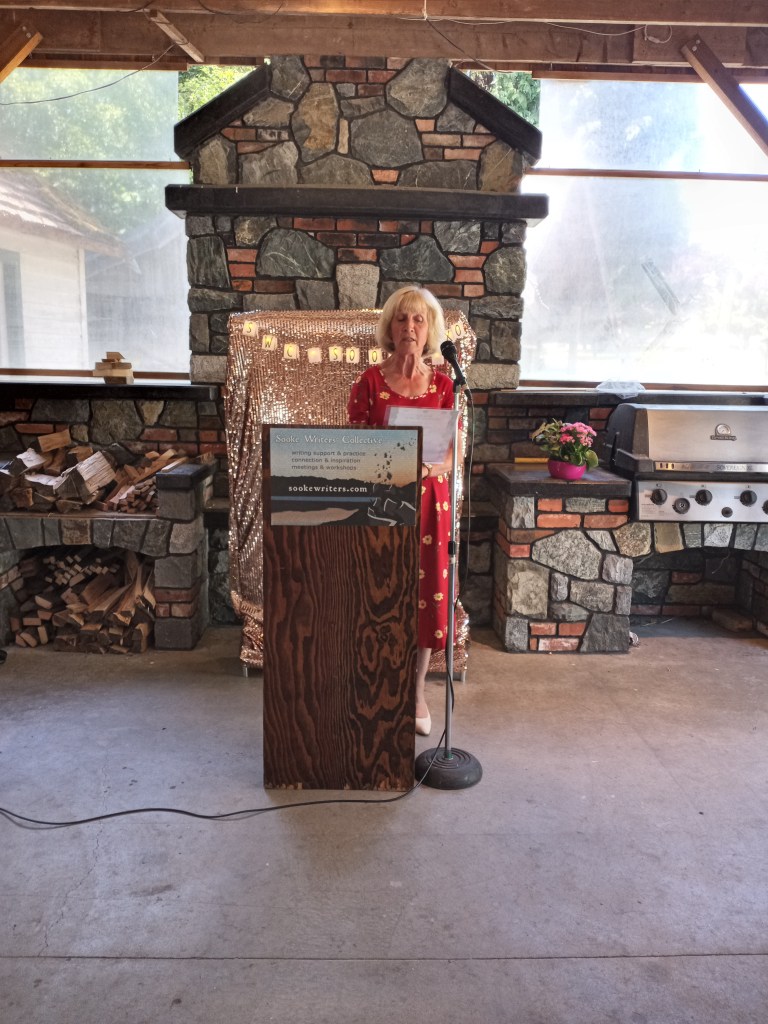
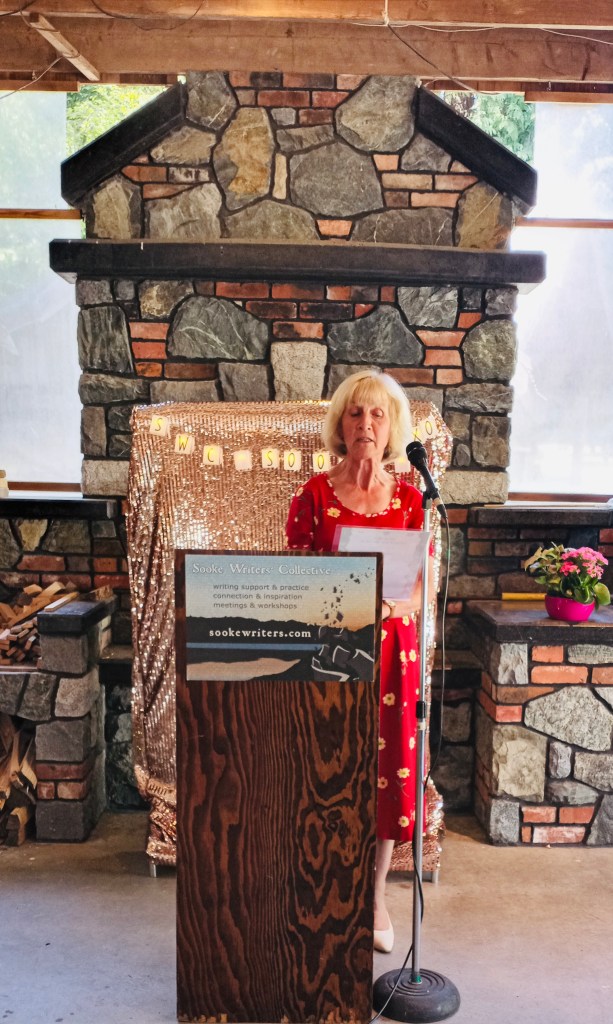
Here I am reading it at the tenth anthology launch on 27th May in the Pavilion at Sooke Region Museum, having just returned from the travels outlined below.

AND NOW FOR THOSE PUFFINS …

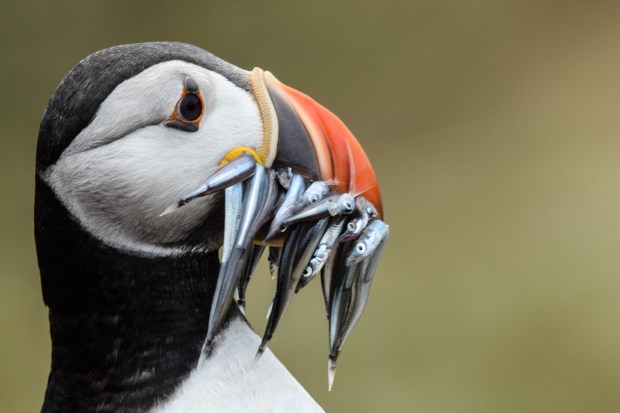
Having submitted all my final pieces by the end of March, I travelled first to Wales to stay once again in the charming tiny city of St David’s. I took a boat to Skomer Island in order to see (for me a first) puffins – and was rewarded with the sight of hundreds, gathering in the turbulent waters around the Island. I was lucky enough to be aboard one of Thousand Islands charters and spent a fantastic day afloat, learning amongst other marine facts that the puffins would not come ashore to nest and lay until July. I resolved to return one day and make landfall.

The following day was booked for a visit to Ramsay Island, the back-drop to a passage in my poem The Shell Seeker in Bits of String & Thread (2021) with the intention to land and explore the farmhouse and ruins of the chapel on foot. Sadly, high winds and record swells prevented this. Instead we circumnavigated the shoreline of the Island, spotting petrels, gannets and shearwaters.

Huge thanks to Captain Padrig of Blue Shark Charters Ltd for two unforgettable sea adventures. I shall be back for more!

CORONATION CELEBRATIONS!

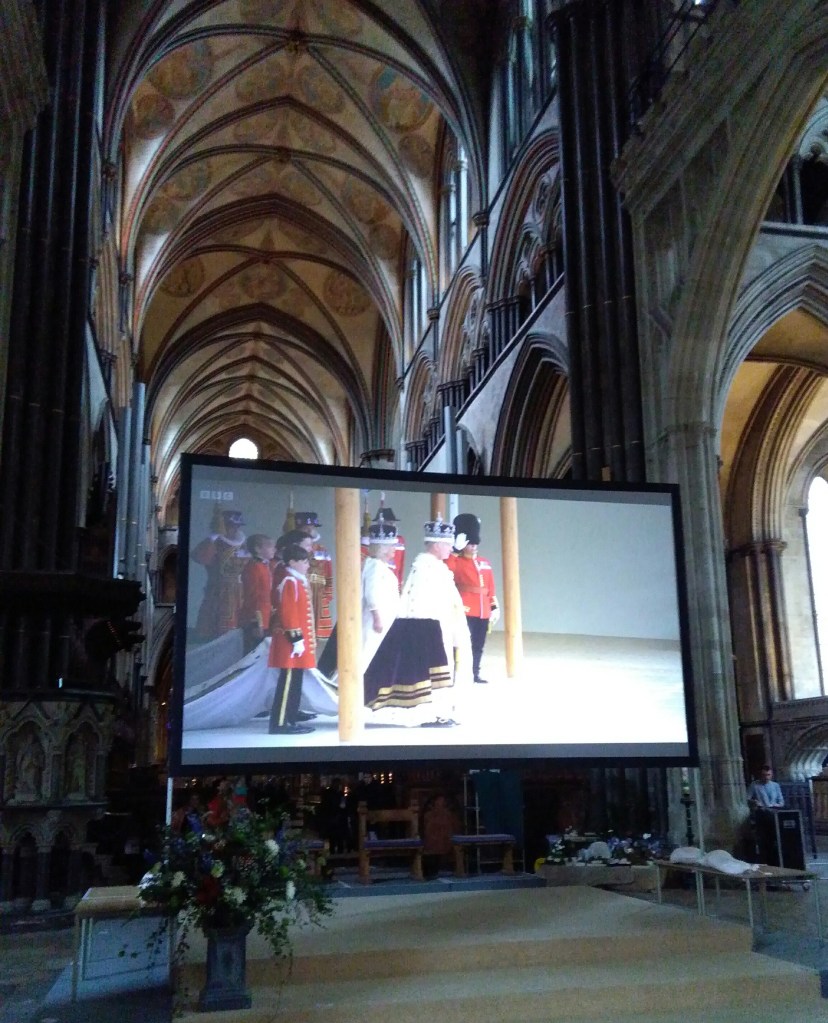
On 6th May, 2023, I joined a congregation of over 200 people in Salisbury Cathedral to watch the coronation ceremony broadcast live. As the arched ceiling of Westminister Abbey filled the screen, it was framed around me by the massive arches of Salisbury Cathedral’s equally impressive Nave.

I shall look forward to sharing new pieces of writing in the coming months as these adventures inspire and inform my work.

Photo credit Puffins, Skomer Bird Reserve (c) Charles Lambert All other photos (c) cemwinstanley 2023

Featured

NOVEMBER 2022 POETIC POSTCARDS

FROM THE MEDITERRANEAN ISLANDS OF CORSICA AND SARDINIA

Arriving in darkness yesterday evening, I was woken by a discordant cacophony of church bells at seven o’clock as it grew light …

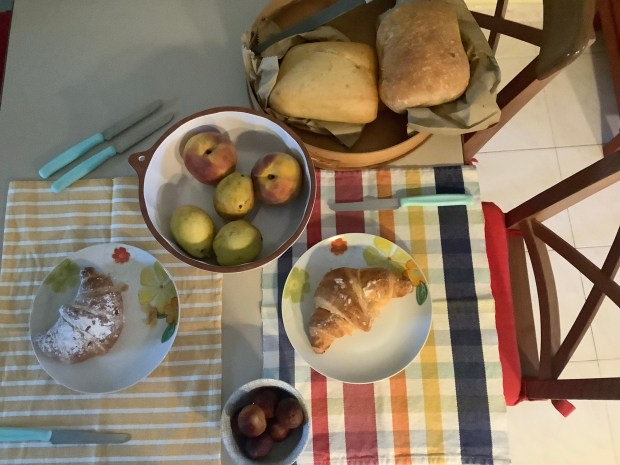
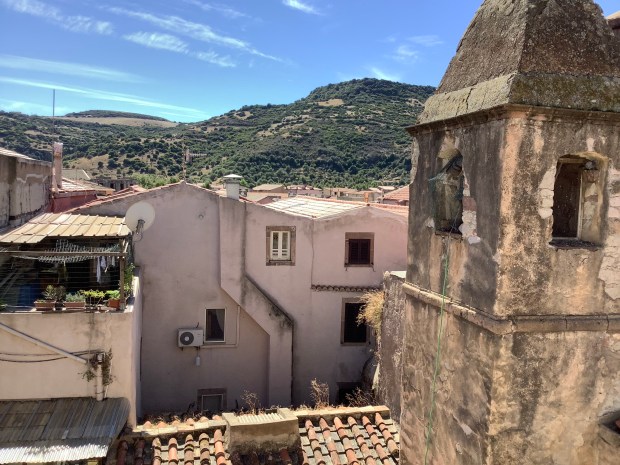
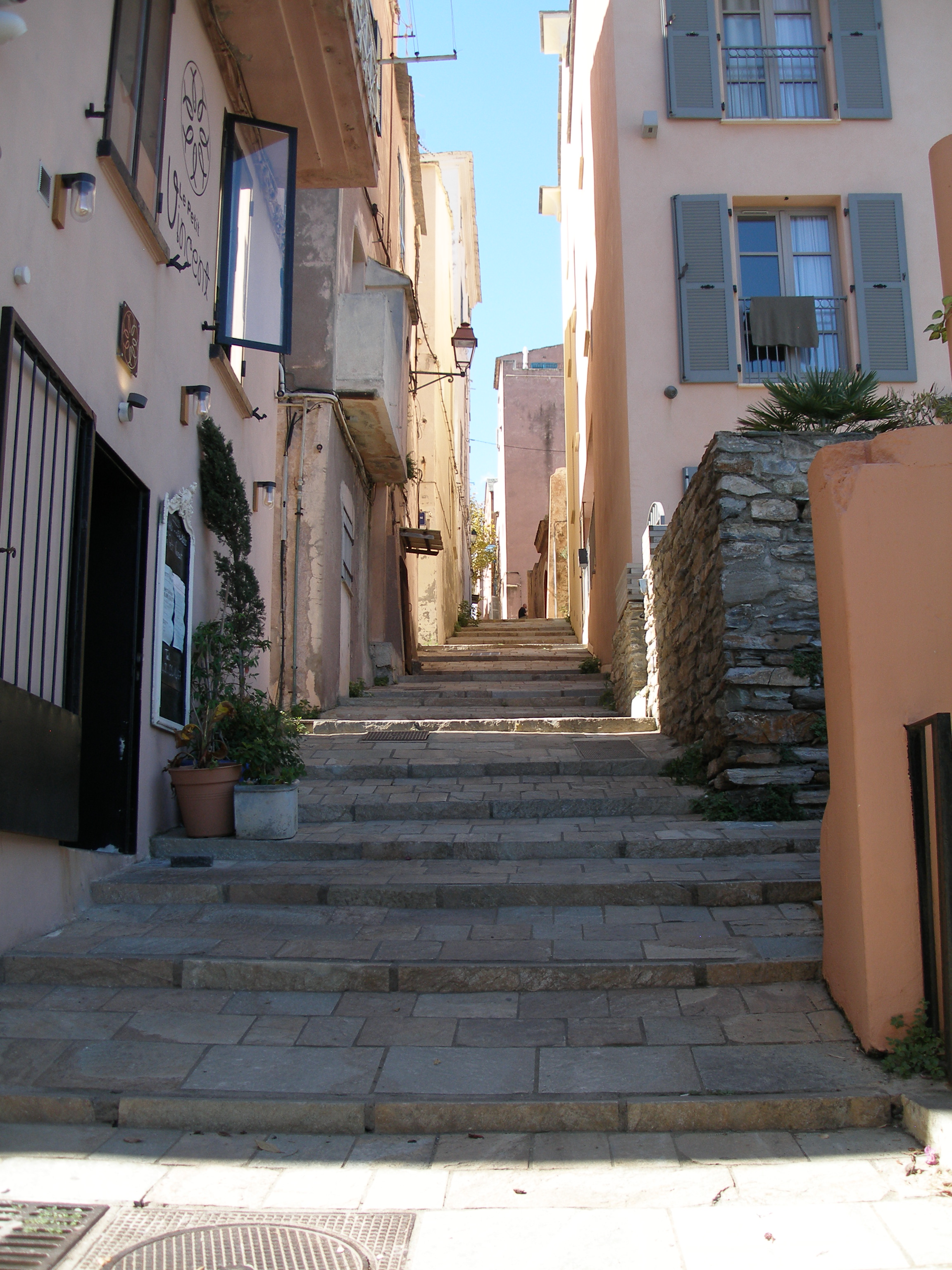
Breakfast happens after an early morning walk to the local bakery, five cobbled-street minutes away to collect freshly baked bread. I have mastered the phrase ‘farina integrale, per favore’ to add some whole grains to an otherwise diet of croissants and foccacio …

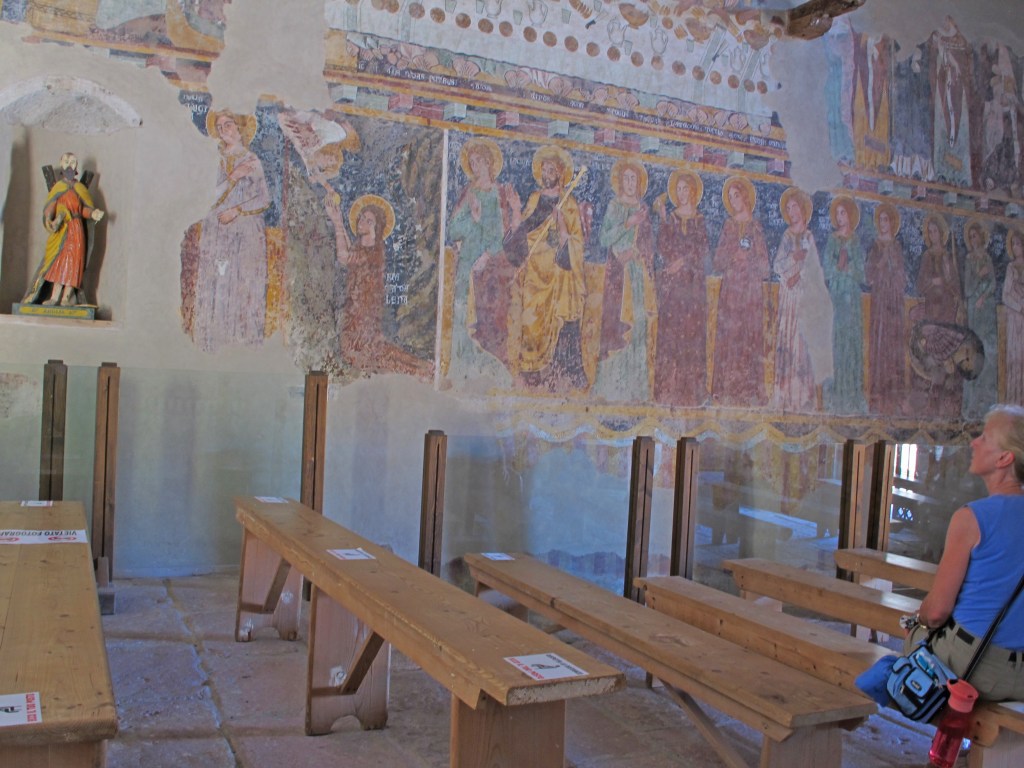
It has rained, thundered and lightninged all week. I have slipped and stumbled over wet cobblestones in humid rainfall to visit chiesa (churches) and cattedrale (cathedrals) straining my eyes in the gloom to gaze upon exquisite eleventh century frescoes of angels, Madonnas, saints with hauntingly beautiful faces and long fingers and toes. I was taken by the hand by one local woman, standing praying in a side chapel, and shown with great pride – and a stream of Italian of which I caught one word in five – La Madonna of Bonario whose serene face guards the local seas surrounding Sardinia and who hold a model ship in one hand and cradles the Christ child in the other. I have been presented at my front door with a container of fresh green figs by a gallant Sardinian neighbour whom I have often passed at the tiny local cafe. I feel caught up in a Tuscan-like dream of ochres and pinks and terracotta.

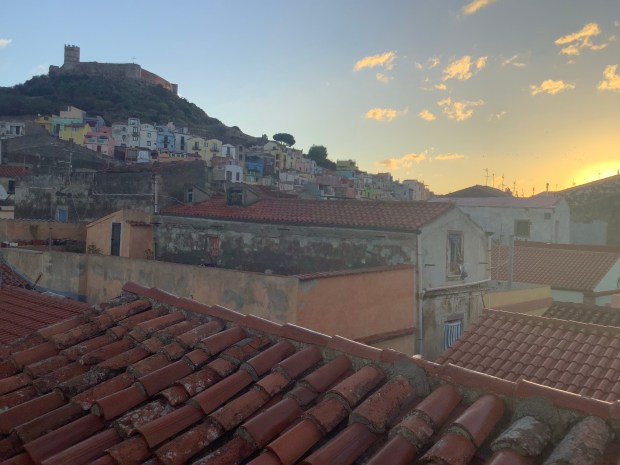
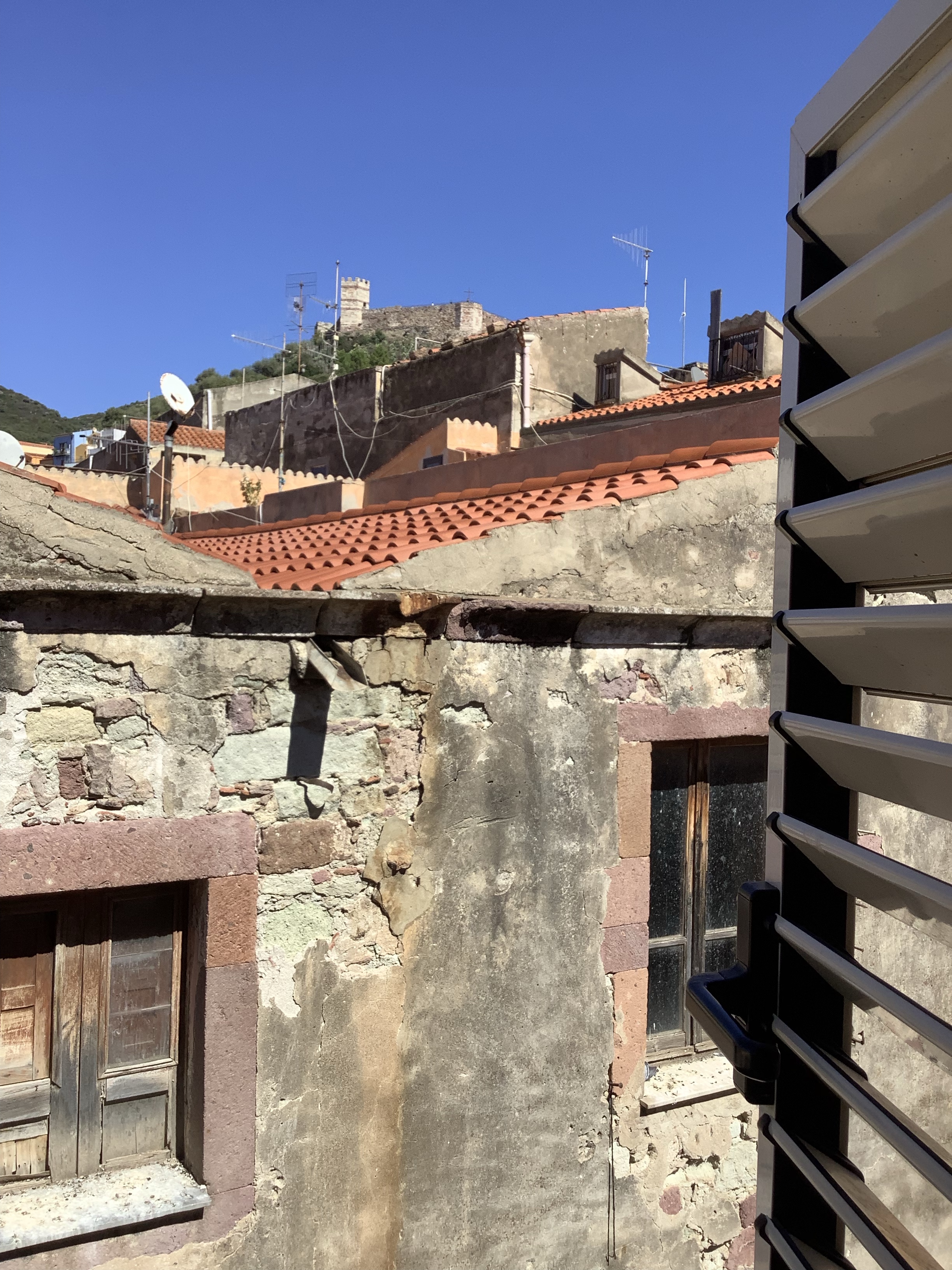
But today I woke to clear skies and photographed the Castella ( castle) Malespina high up on the mountain behind my house to send you.

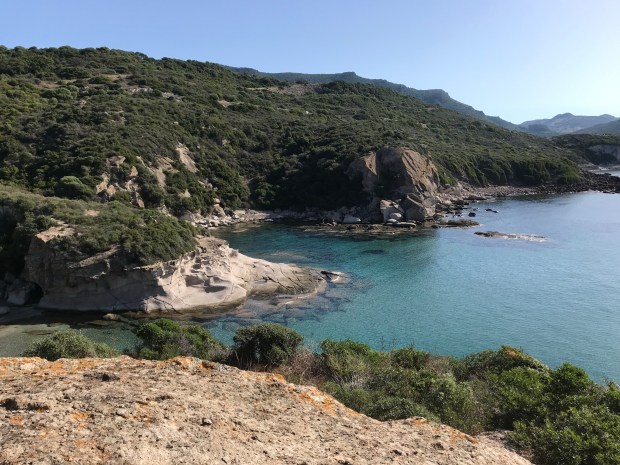
I am off to the beach: steep steps carved out of the sandstone lead down to a crescent, yellow sand beach with aquamarine water: my first swim in the Mediterranean for many years. The beach is called Cumpoltitu which means reconciliation in Sardinian.

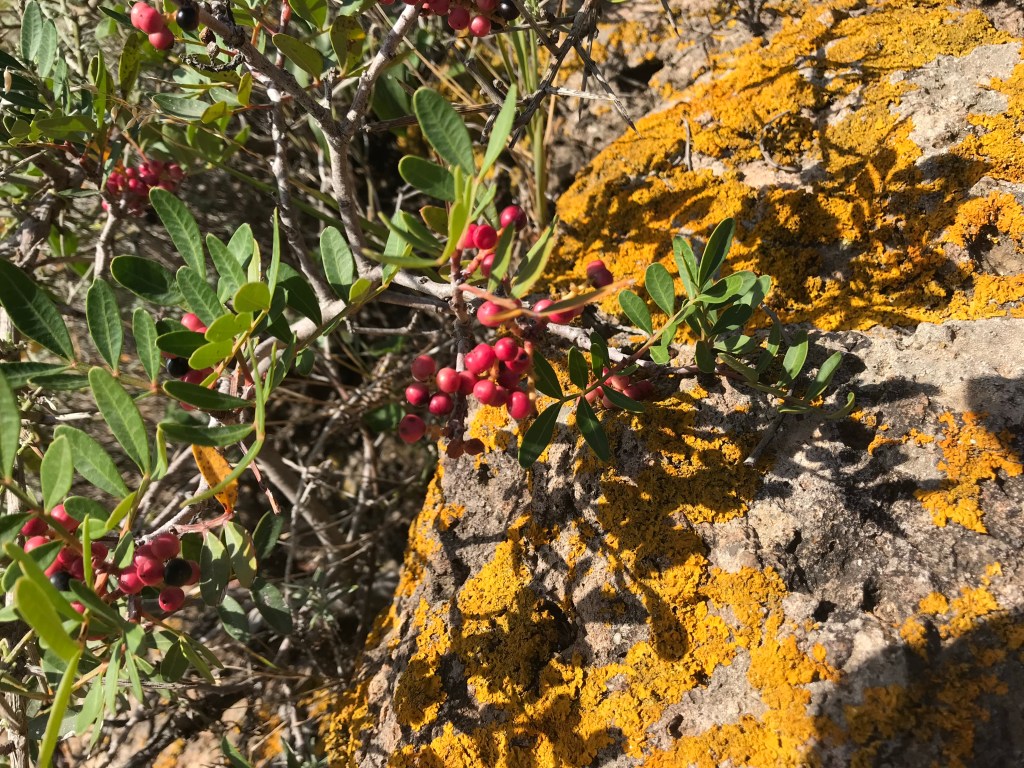
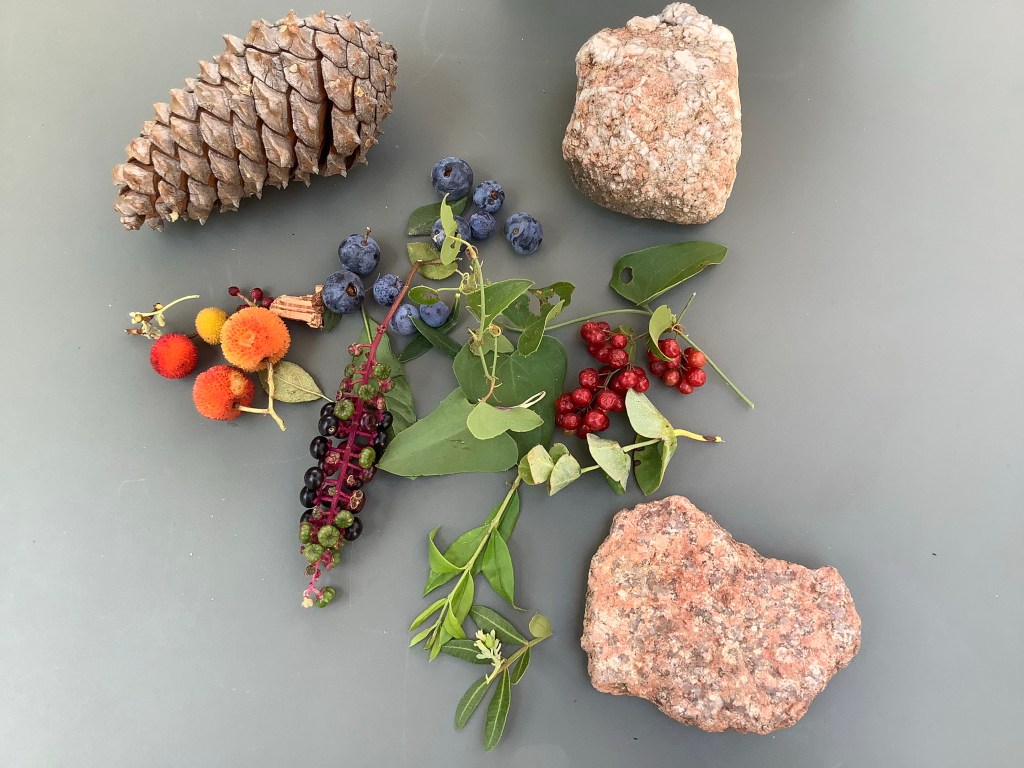
On either side of the rough tracks, wild rosemary, fennel and white thyme scent the air beneath purple-berried myrtle bushes, young wild olive trees and the sweet crimson and orange fruits of the strawberry trees

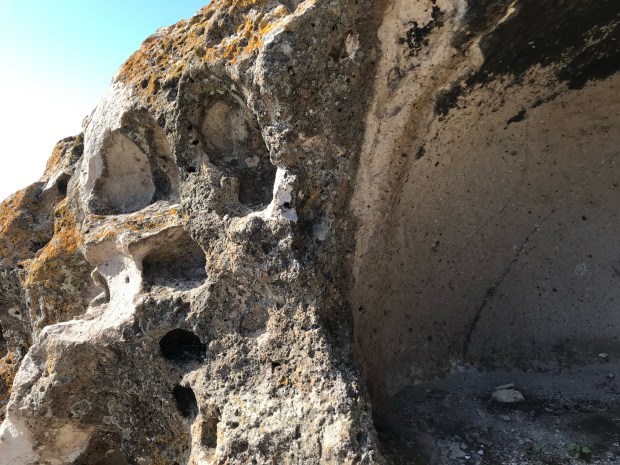
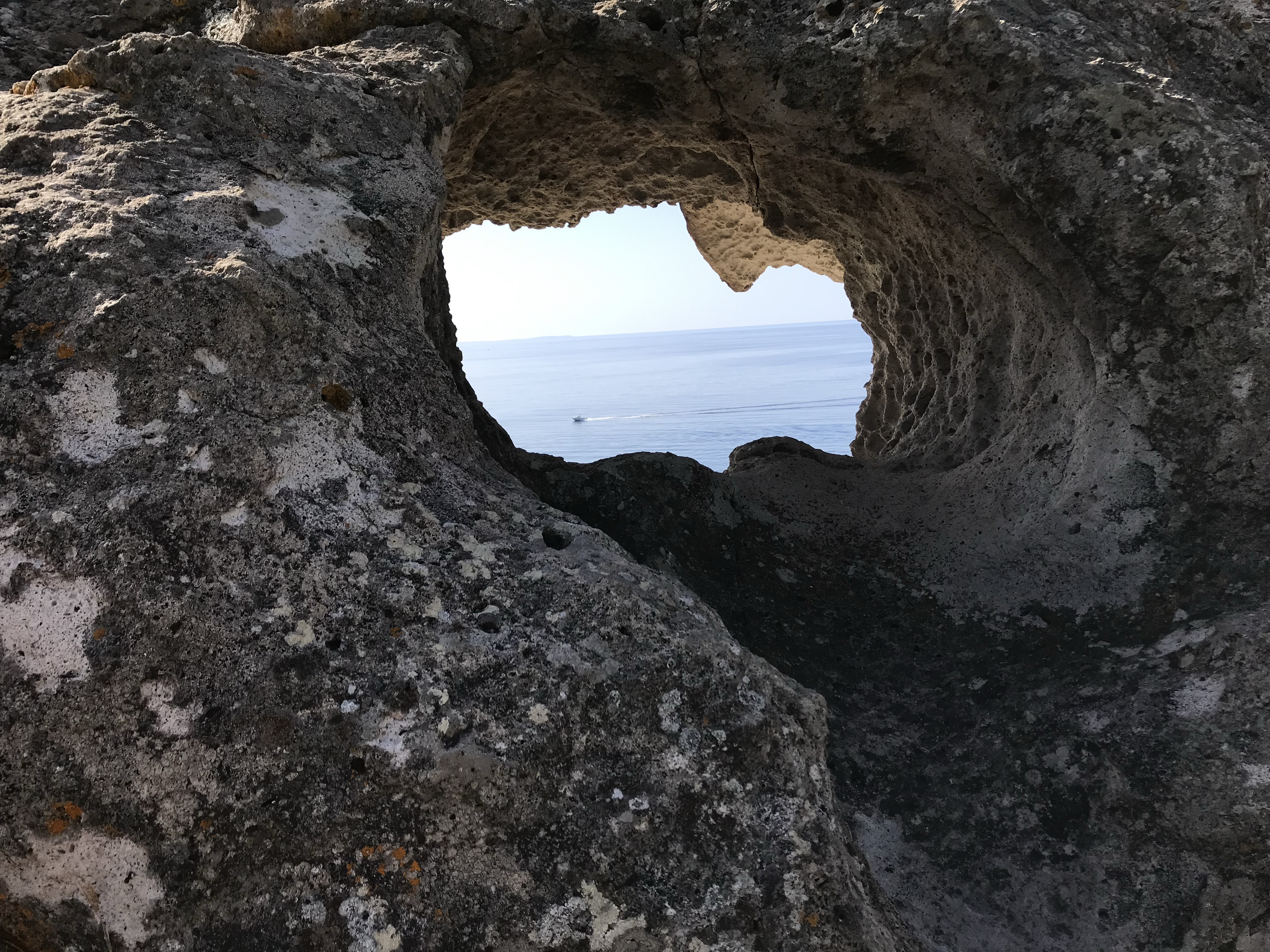
Above us, on the mountain slopes, strange wave-like granite sculptures sweep and curve, as if frozen in mid-crest to eternal stillness …

September and October were spent exploring these fascinating two islands in the Tyrrhenian Sea, off the coast of Italy, gathering inspiration for further writing.

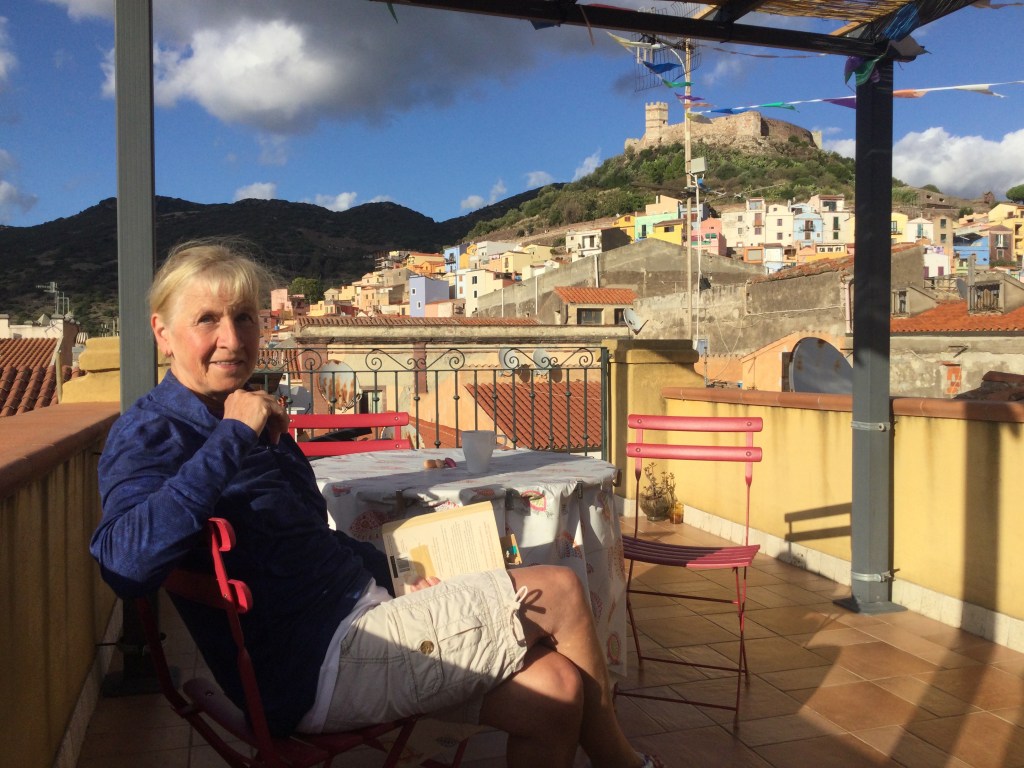
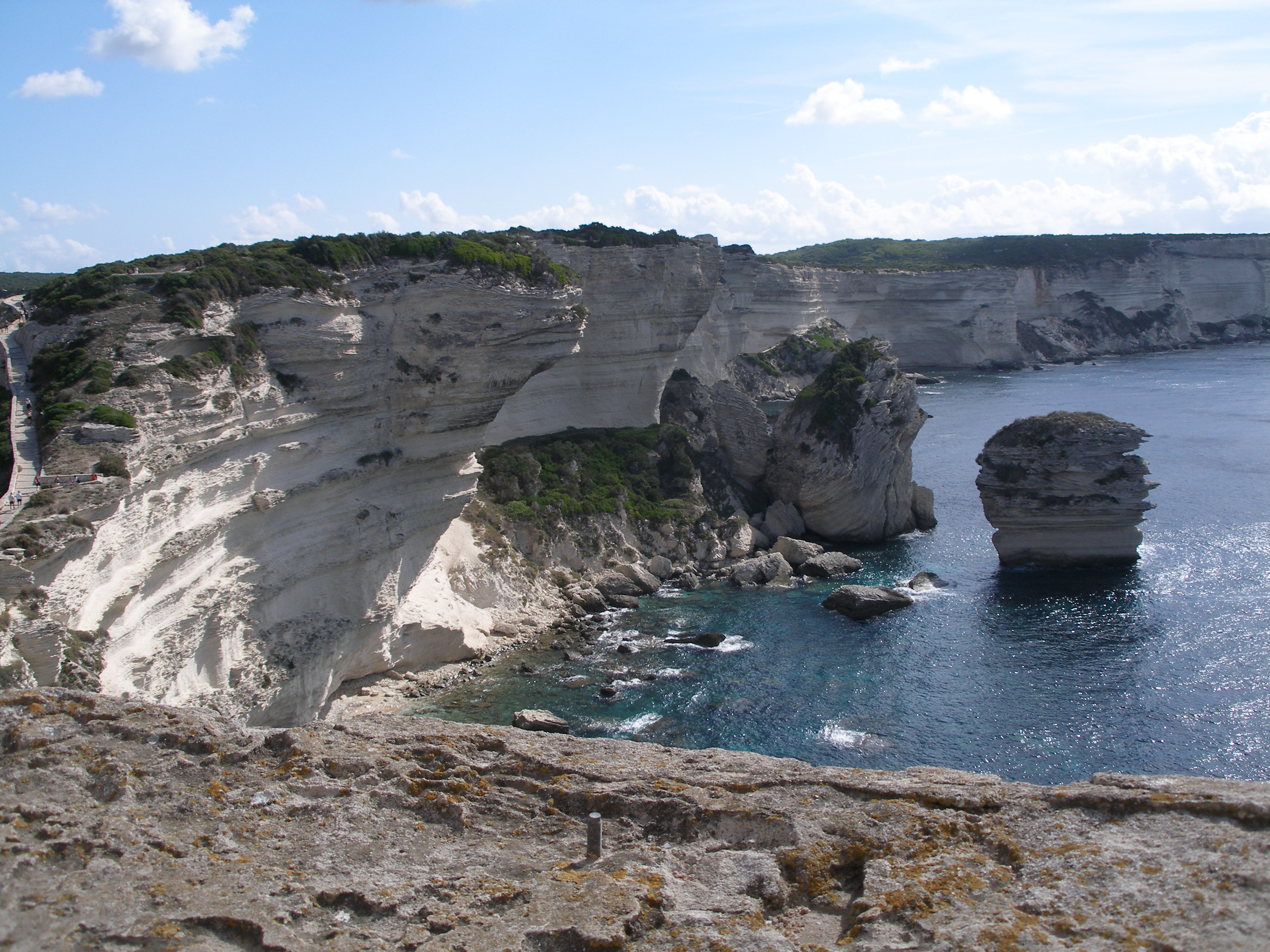
Starting in the fortified ancient port city of Bastia, northeast Corsica, I then explored the southern island, staying in a rural gîte near the end of the famous Grande Randonnée Vingt trail (known internationally as the GR20) which runs down the middle spine of these famous hiking mountains. Crossing then by ferry to Sardinia, I spent two weeks on the west coast in the riverside medieval town of Bosa. These weeks’ adventures were topped off by my joining a group of hikers from the UK for a week, to climb the mountains of the Costa Esmeralda coast and island at the northeast tip of Sardinia.

I was both amazed and delighted by the warmth and friendliness of the local inhabitants on both islands. My confidence in my French meant I was better able to communicate in Corsica and strike up conversations with locals, than in Sardinia, where my poor Italian meant great reliance on Rick Steves’ excellent Italian phrasebook.

My favourite memory? Being presented at my front door in Bosa, with a gift basket of fresh green local figs by a neighbour …

My leather hiking boots are now polished and packed away and as the first snows forecasted for next week, blanket Vancouver Island, I shall open up my travel journal, recall the scents and sounds of these Mediterranean islands — and make a start on this special new piece of writing.

All photographs (c) CEM WINSTANLEY 2022

Featured

BALLERINAS

Sheena McCorquodale, Cathouse Gallery, Qualicum Beach, Vancouver Island, BC
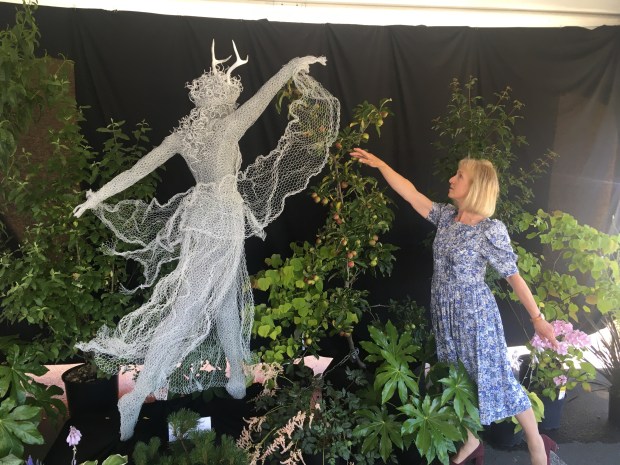
Isadora Arabesque by Sheena McCorquodale

It all began with that arabesque

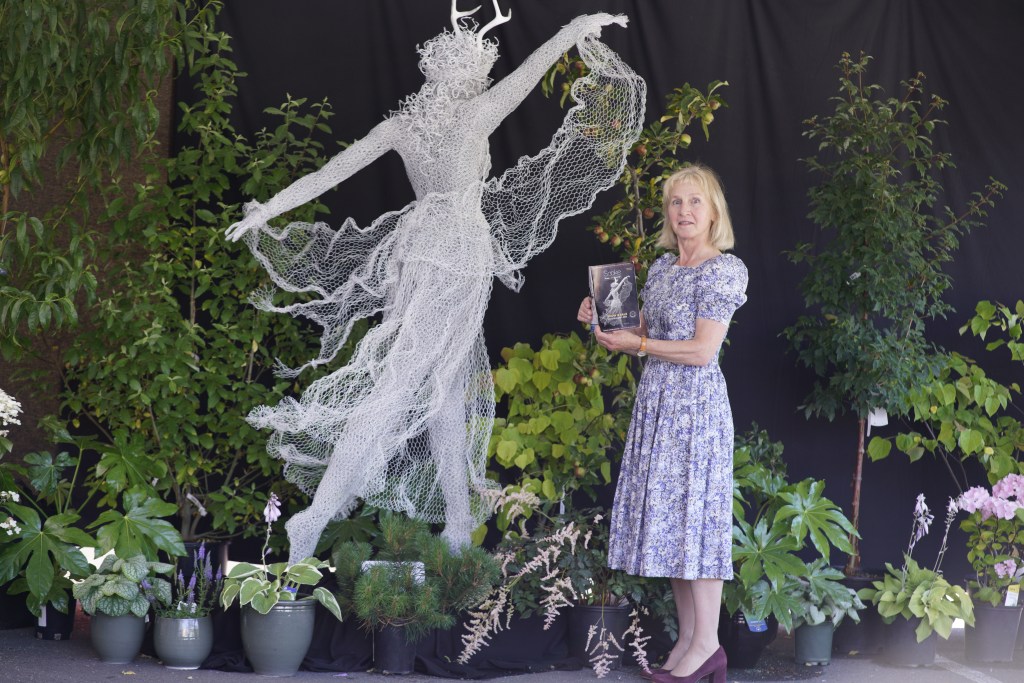
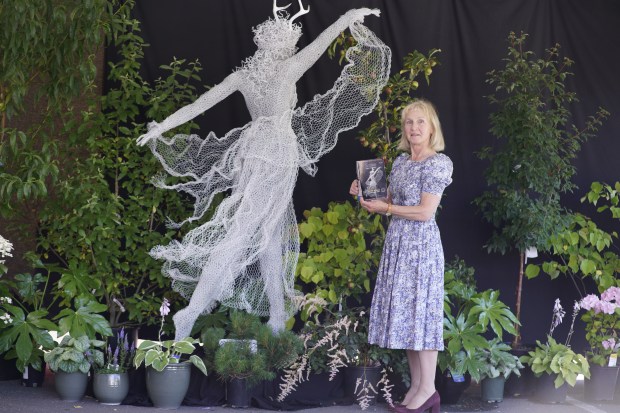
I have been somewhat overwhelmed by the wonderful response to the photos I posted – on my author page on Facebook and here on my author website – of myself dancing with Sheena McCorquodale’s stunning wire sculpture, Isadora.

I had not included in my author biography anything about my dance background, but now seems an appropriate time to do so!

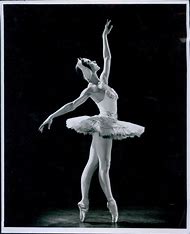
Svetalana Beriosova dances the lead role of Odette/Odile in “Swan Lake” with the Royal Ballet Company at Convent Garden, London, UK.

It all began with an arabesque

I took my first balletical bunnyhops aged three, at a local dance school in Kingston-on-Thames, UK. It was love at first hop.

When I was about eight, I was taken to see a performance of “Giselle” at Covent Garden. Afterwards, my aunt had arranged for us to go backstage and meet the prima ballerina, Svetlana Beriosova, in her dressing room. Lithuanian-born, she had begun dancing with the Royal Ballet at the age of nineteen. I was entranced, in awe of her petite, elegant beauty. She and her great bear of a husband, Oleg, were, in return, sweetly encouraging to a star-struck young balletomane.

Motivated by these kind words, and with an autographed photo of her pinned up on the wall in my bedroom, I continued with ballet classes at school and later at a private dance studio, studying variously Cecchetti, London Imperial and Royal Academy curricula of dance, taking exams as I went up the grades. Although I knew I did not have the talent to dance professionally, I could not (cannot) imagine life without dancing and dance music.

Svetlana Beriosova and Rudolph Neureyev, Swan Lake, Royal Opera House Convent Garden, London UK
Svetlana Beriosova, prima ballerina, with members of the corps de ballet , in “Giselle” at the Royal Opera House Convent Garden, London, UK

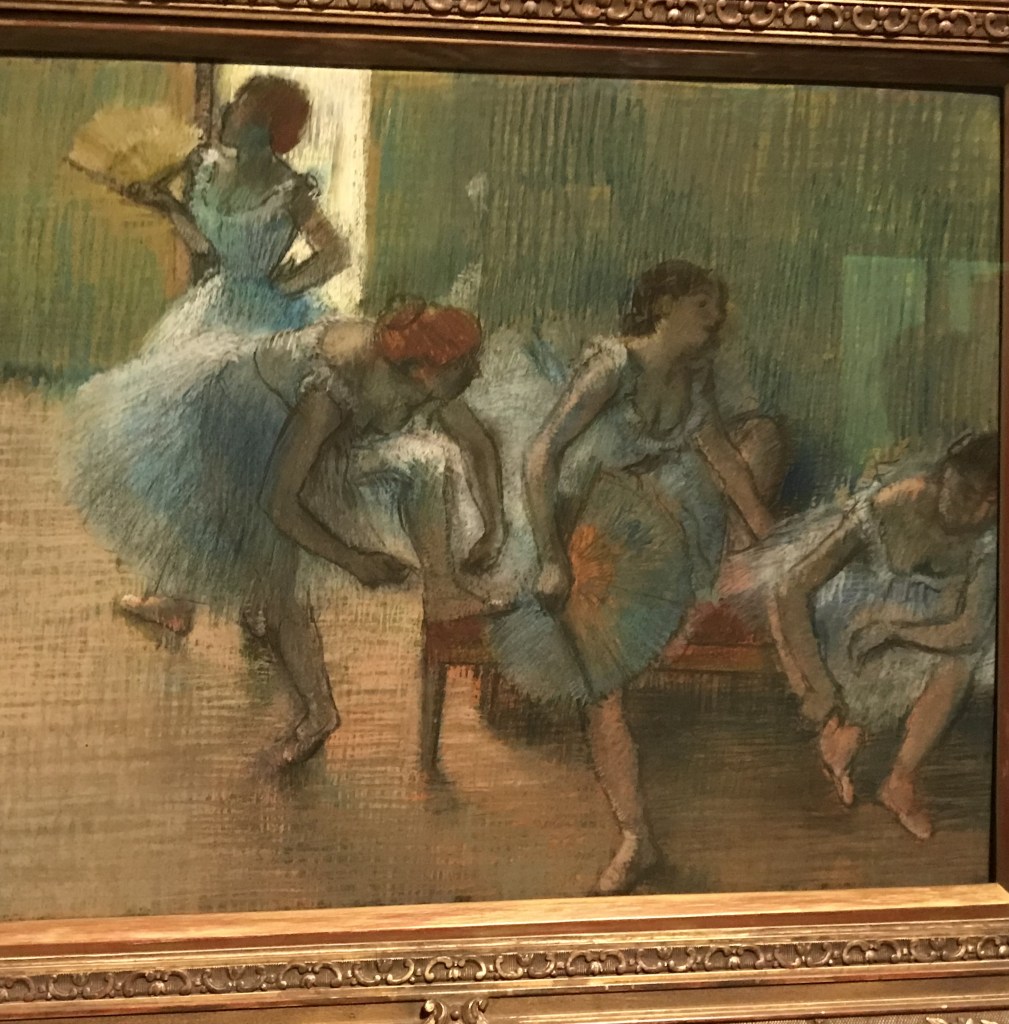
Both remained an important part of my life. I refused to throw away my point shoes; voted Edgar Degas’ little bronze “Dancer Aged Fourteen” in the Tate Gallery my all time favourite sculpture and attended performances by London Contemporary Dance whenever I could afford the price of the ticket! I danced at Pineapple Studios in London in my early twenties, and at a local studio in Saffron Walden in Essex, after leaving the city. On arriving a new immigrant in British Columbia, I took classes at a ballet studio in New Westminster and at City Ballet in Vancouver. Modern dance, tap, Red Hot Swing, and ballroom dancing widened my scope. I even continued to take adult classes locally at Ballet Victoria, here in Victoria, until the start of the pandemic when all classes were shut down. Nothing daunted, I found “Silver Swans”, classes run online by the Royal Ballet from White Lodge in Richmond Park, UK, and plied away, keeping fit and limber through those tough months that we all remember so clearly.

All these thoughts and memories have coalesced into words. I have spent this last week on a new series of poems with a working title of “Ballerinas”.

Thank you to each and every one of you for your ongoing encouragement and support!

Little Dancer Aged Fourteen 1880-1, cast c.1922 Edgar Degas 1834-1917 Purchased with assistance from the Art Fund 1952 http://www.tate.org.uk/art/work/N06076
Featured

Vancouver Island Summertime! 1st August 2022

Fabulous artwork, busy night markets and glorious sunshine!

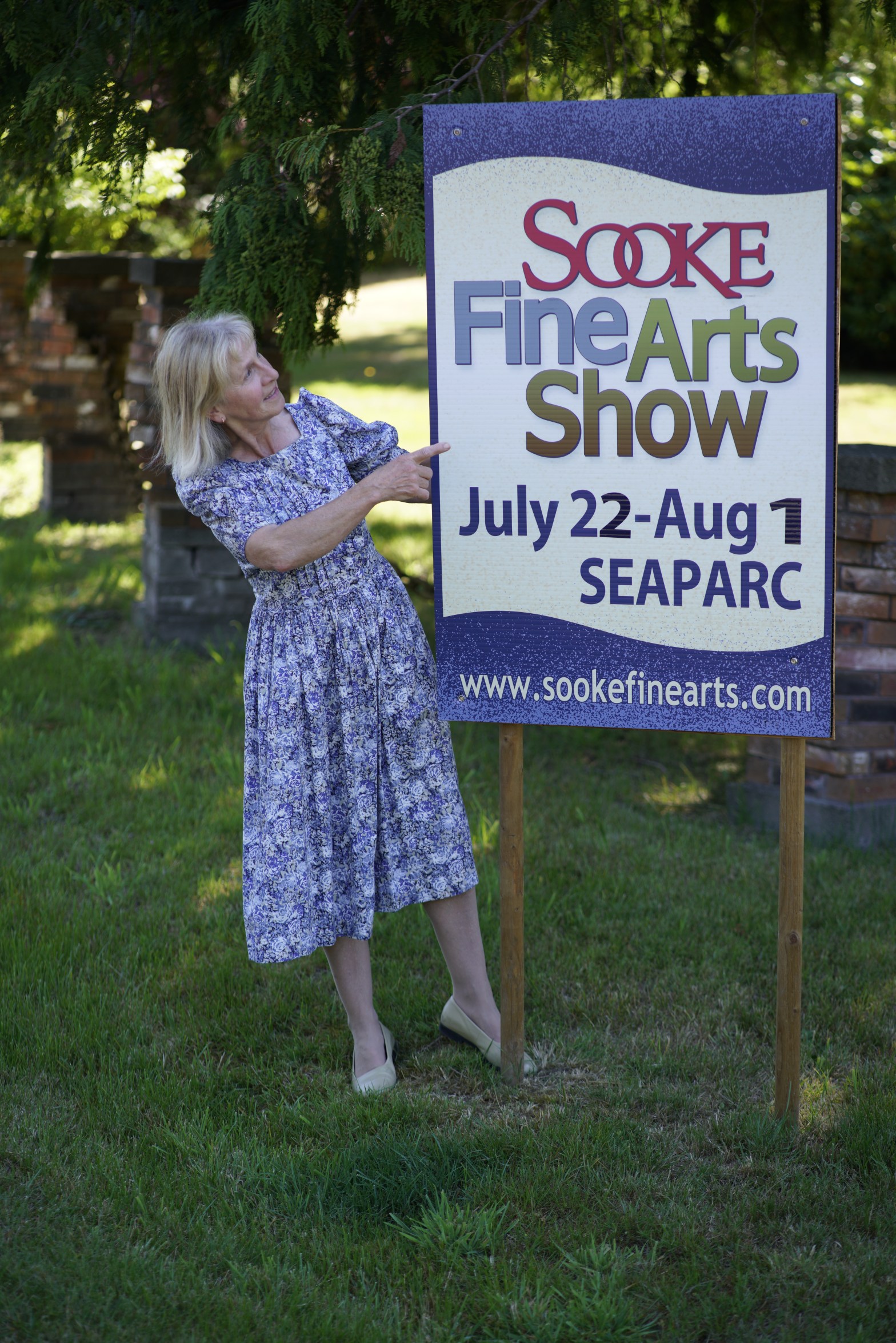
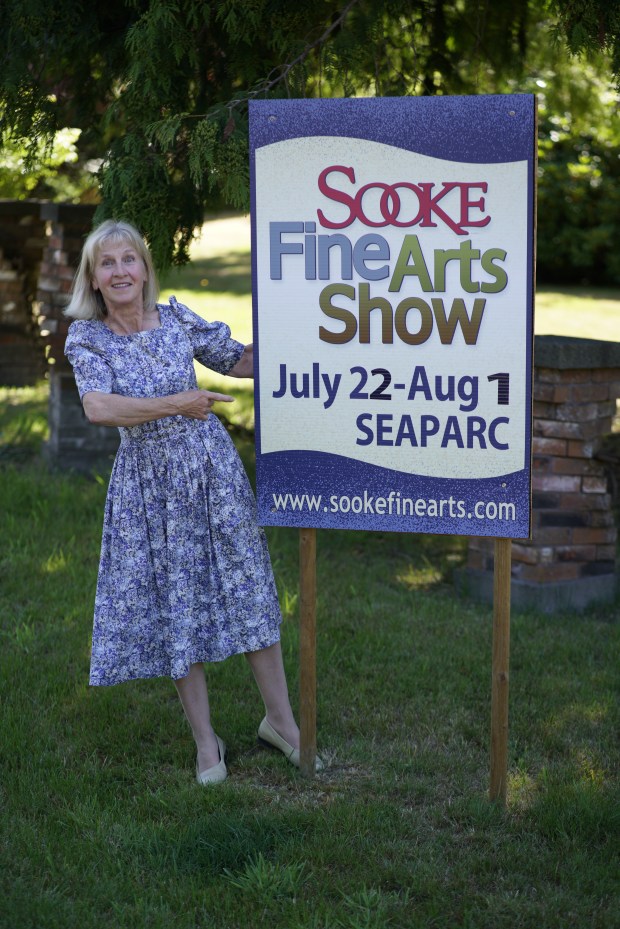
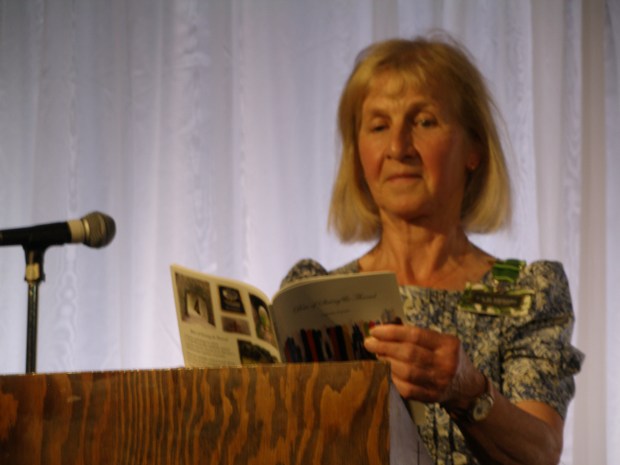
I am thrilled to have been one the seven local poets from Sooke Writers’ Collective who took part in a live spoken-word performance as one of the featured acts on the opening day of this well-known art show and sale. We were so honoured to be participants in the live return of this Show after two years of pandemic closure.

all photos (c) 2022 AMGray studios

Here I am in best ballet pose, dancing beside Isadora Arabesque by Sheena McCorquodale, a graceful installation in the entrance marquee to the Show, surrounded by a delightful display of flowers and plants from Sooke’s Artisan Garden.

I was lucky enough to have been given a ticket to the prestigious private view and sale which took place on the evening of Thursday, 21st July. After a hectic but successful turn at the Sooke Collective stall in the Sooke Region Museum’s Summer Night Market, selling copies of “Bits of String & Thread” as well as copies of the just-published Collective anthology number nine, “Sooke Roots” ( in which I have a brand new short story called “On the Way Home”) I popped on some glamorous high heels and made my way to the Show. I spent over two hours, absorbed in the wide range, diversity and quality of the works on display. There were fabulous juried examples of artwork, photography, glass work, ceramics, wood work and cabinetry, textiles and jewellery with precious metals and stones.

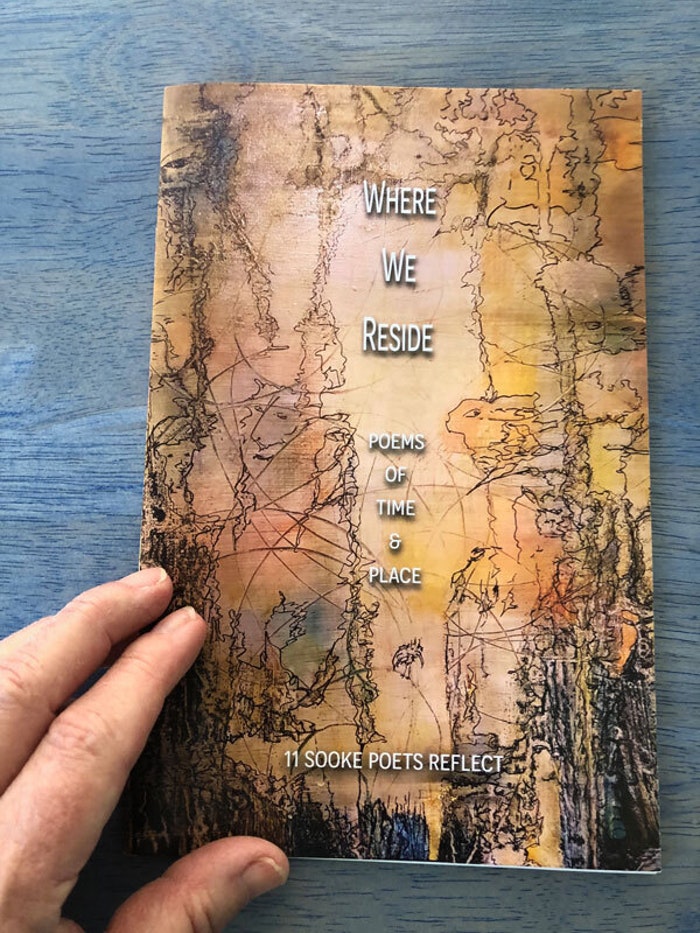
On Friday, before reading “The Wave Watcher”, one of three original poems appearing for the first time in “Where We Reside”, I shared with the audience that the two watercolours by artist Dan Zak, “Cox Bay” and “Cox Beach” achieve spectacularly in paint, what I attempt to do in that particular poem with my words: namely to transport the reader to the peace and tranquility of Ella Beach and its mountain ranges, using the names of water colour pigments and of the different weights and textures of watercolour papers.

Both “Where We Reside” and “All the Elements” were on sale in the Sooke Fine Arts Show Gift Shop and by the last day (Monday 1st August) had almost sold out!

photo: Jim Bottomley

Both “Where We Reside” and “Sooke Roots” are available for purchase from the Sooke Writers’ Collective as well as from Artisan’s Garden and Sooke Region Museum Gift Shop.

Hair by Danielle at Kat’s Hair Studio, dress Tana Liberty Lawn, Liberty London, UK

Featured

A Month in the (very English) Country

5th JUNE 2022

FORDINGBRIDGE, HAMPSHIRE

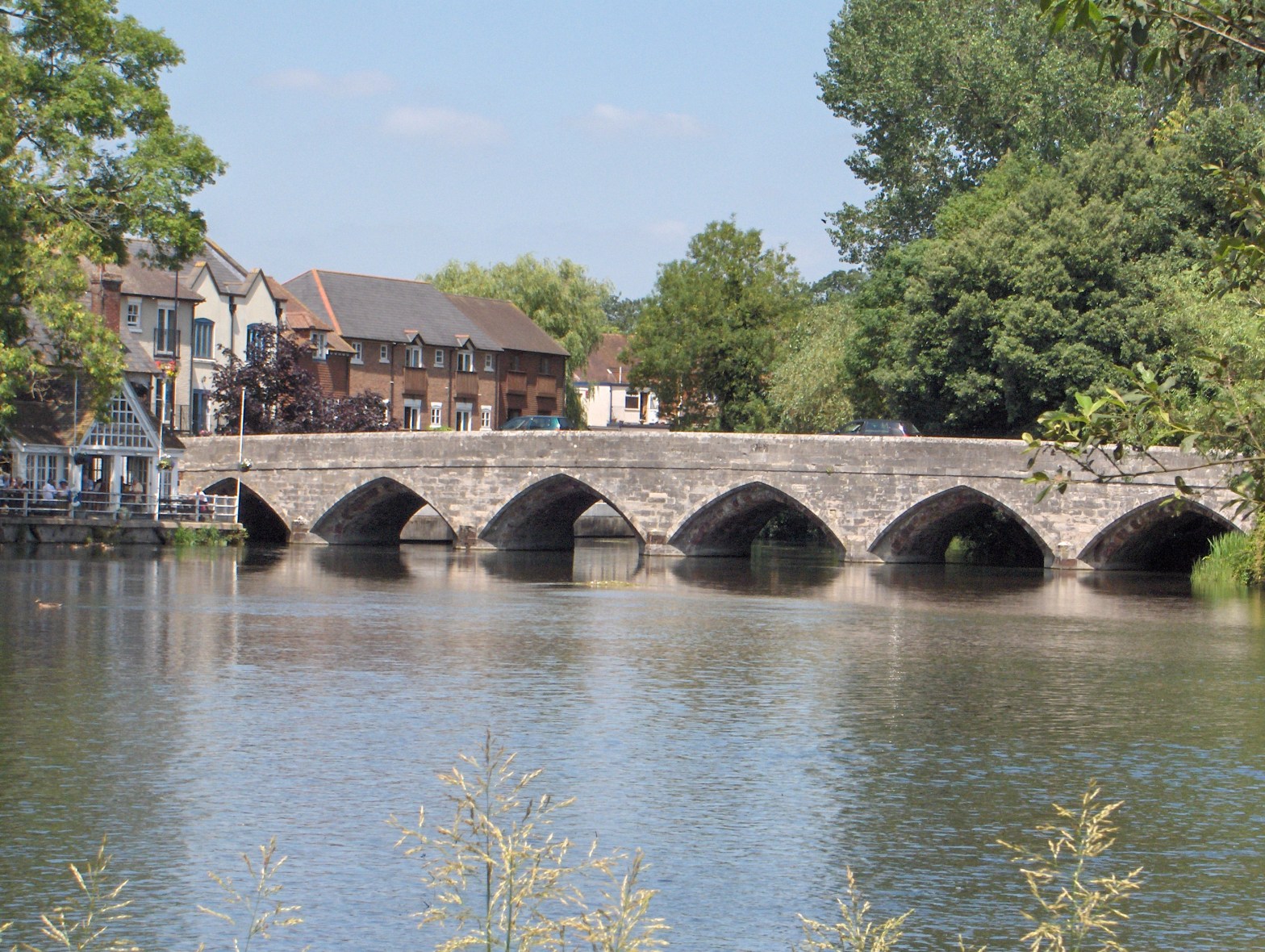
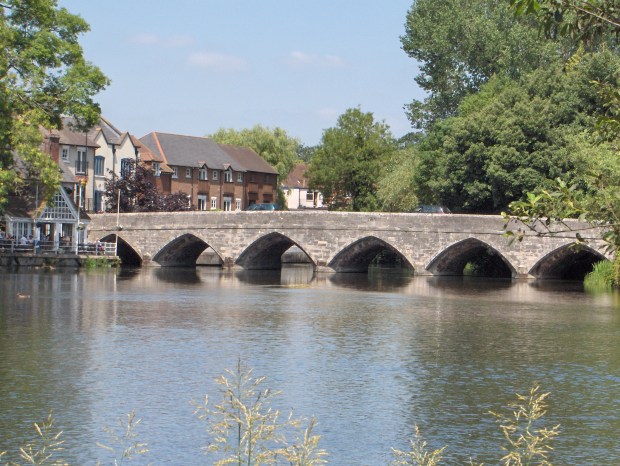
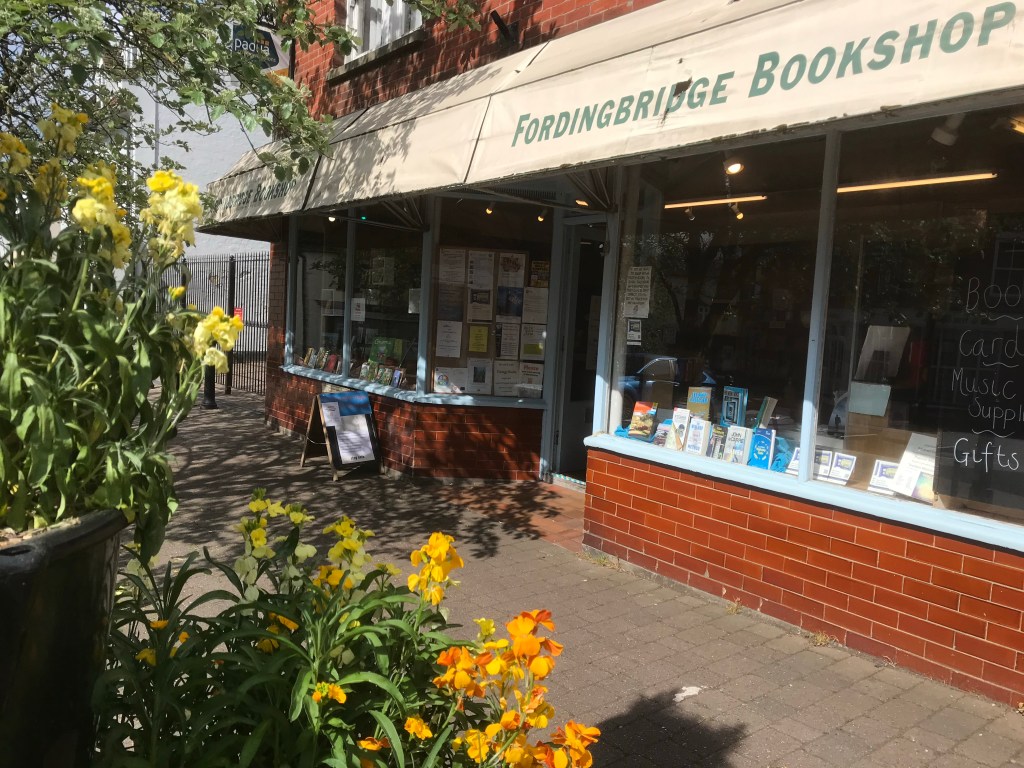
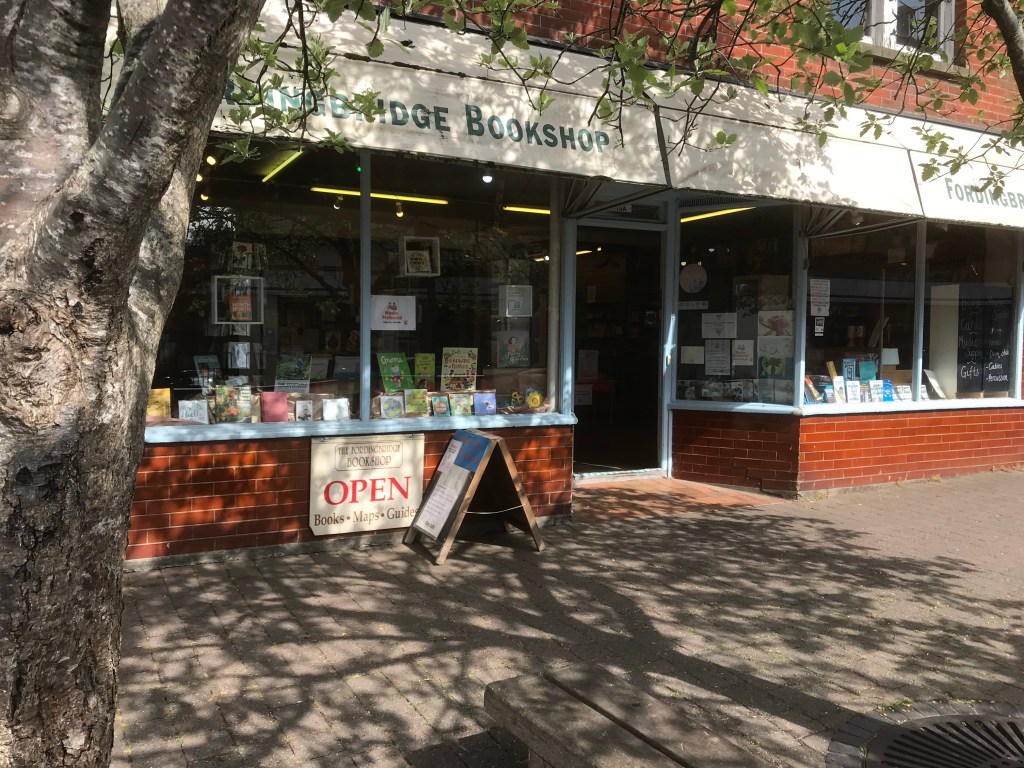
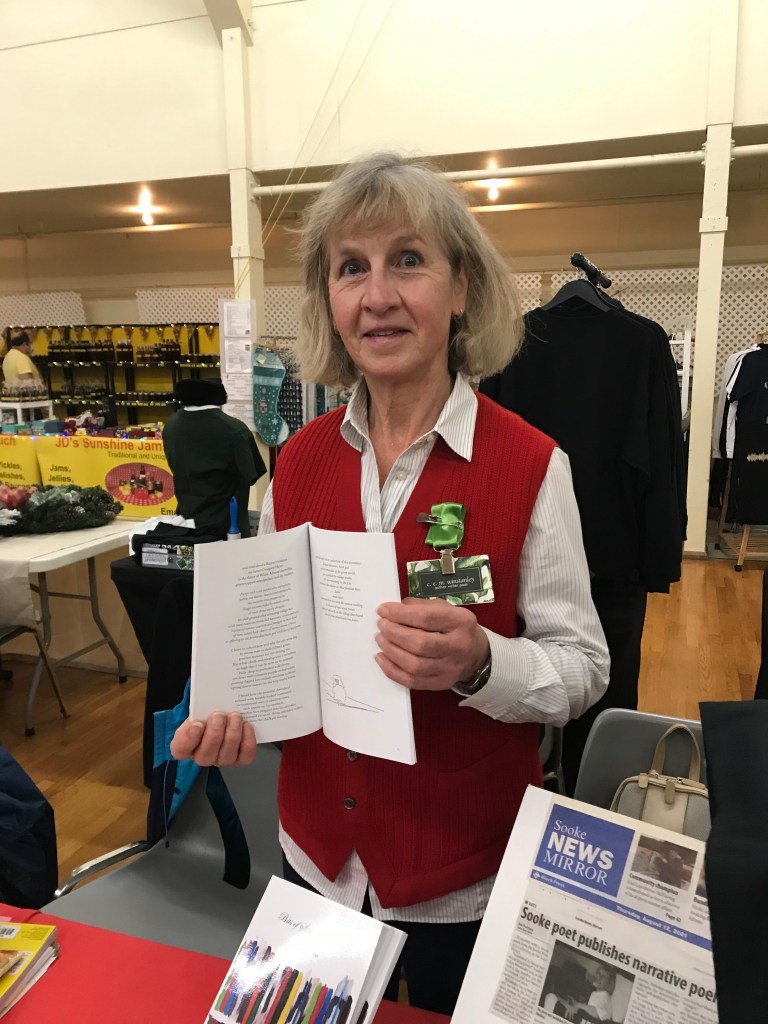
I have just returned from spending the month of May based in this picturesque English town, on the banks of Shakespeare’s Avon as it makes its way to the sea. I am thrilled to be able to announce that in Fordingbridge Book Shop – thanks to its owner, David, and manager, Rosemary – copies of BITS OF STRING & THREAD can now be purchased or ordered!

+44 1425 653725

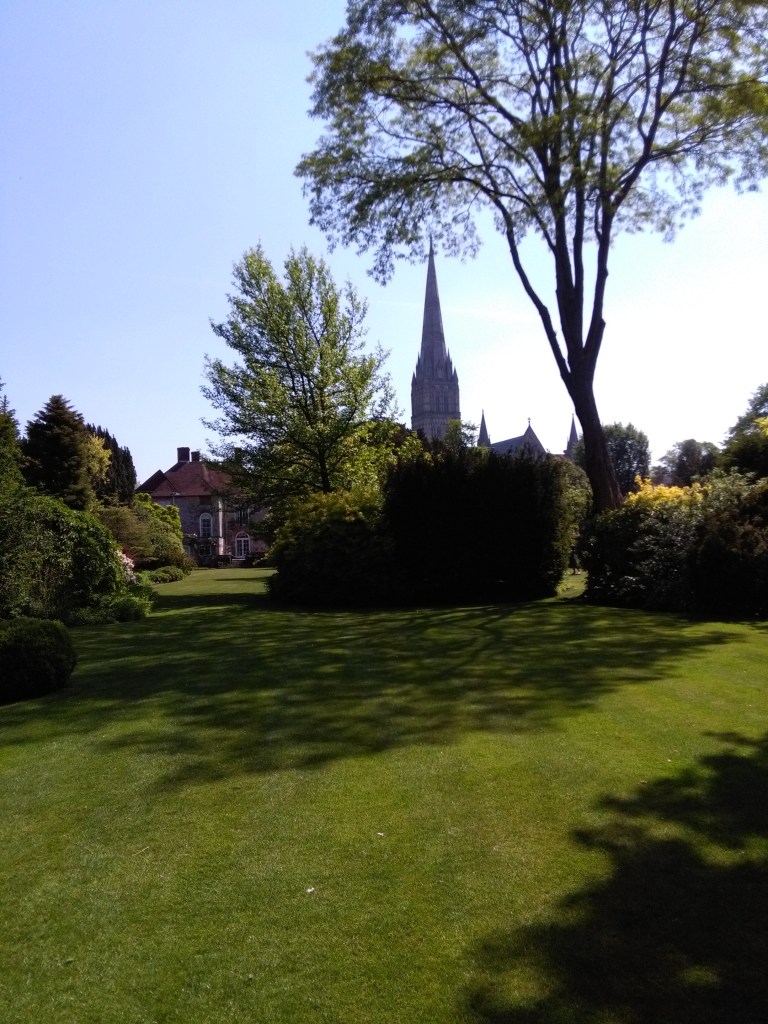
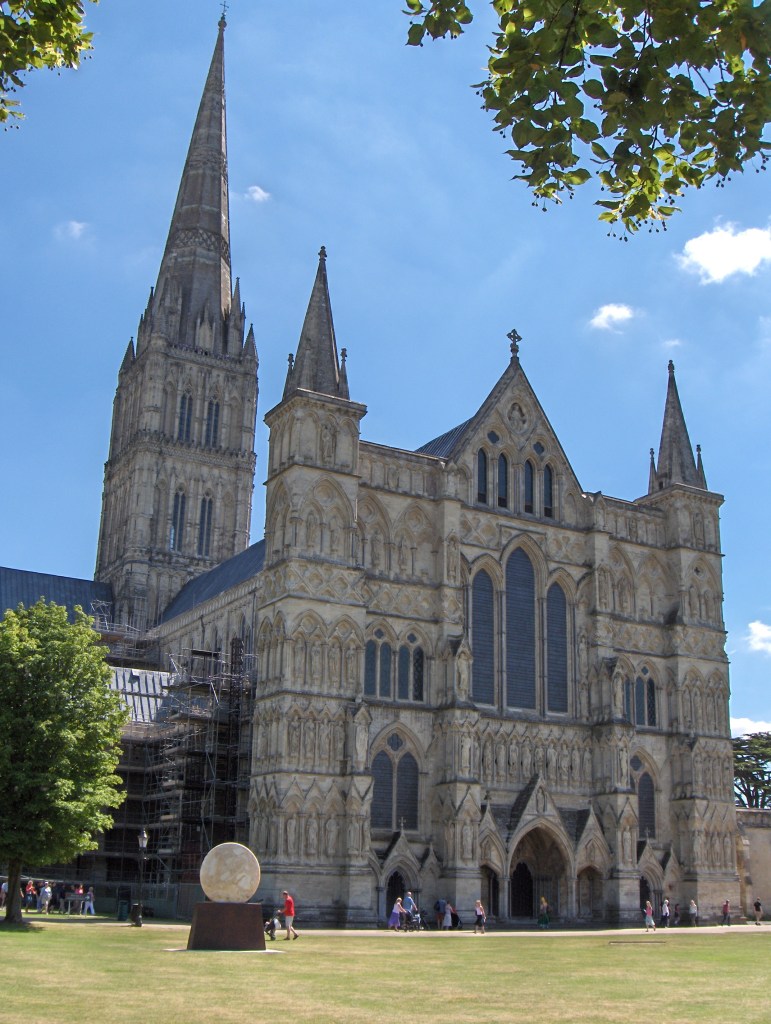
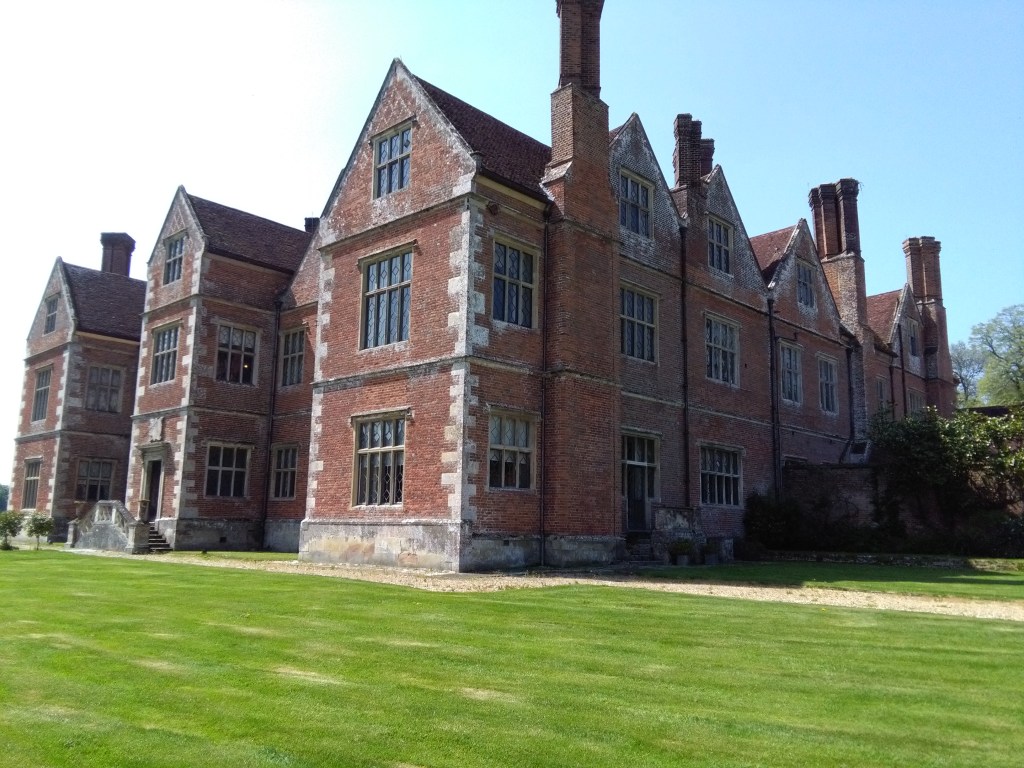
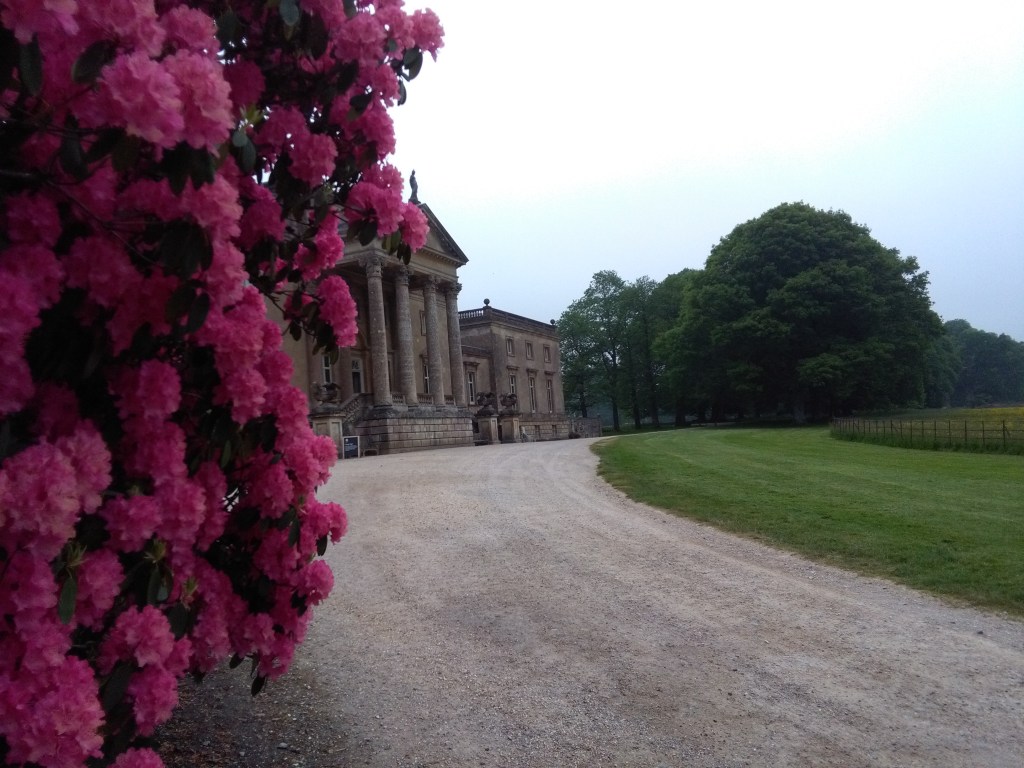
Many of the English-themed narrative poems in the anthology refer to the iconic landscapes and landmarks surrounding Fordingbridge, and so I have captioned the photographs I took, to give you some images to go with your reading of my poems.

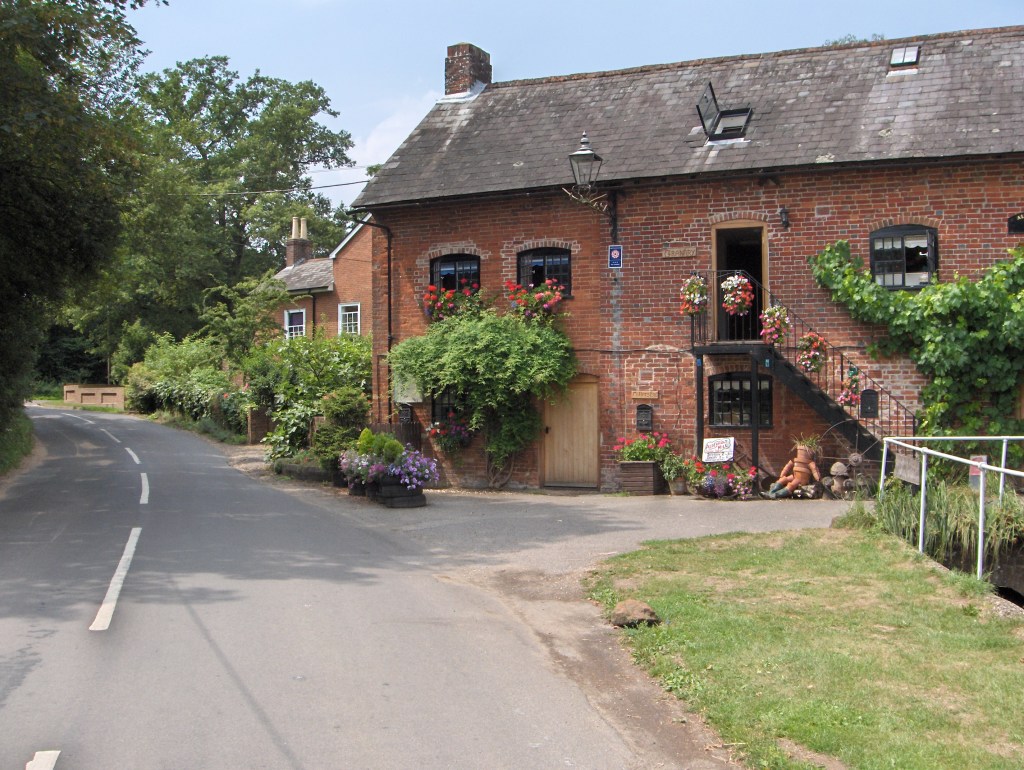
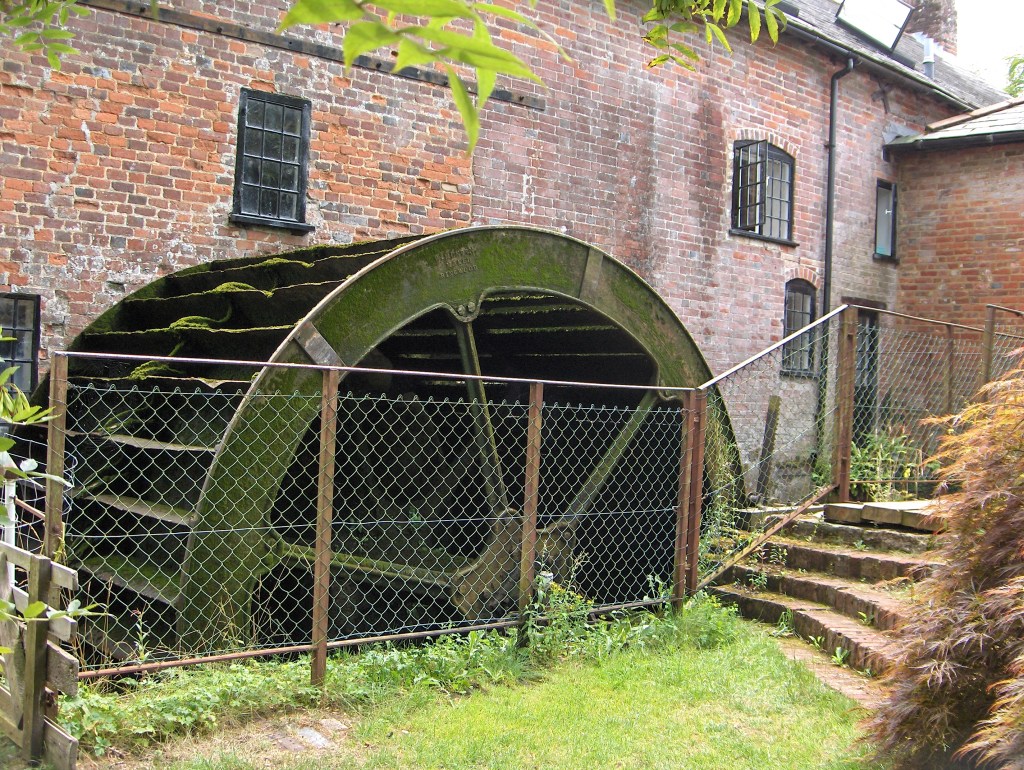
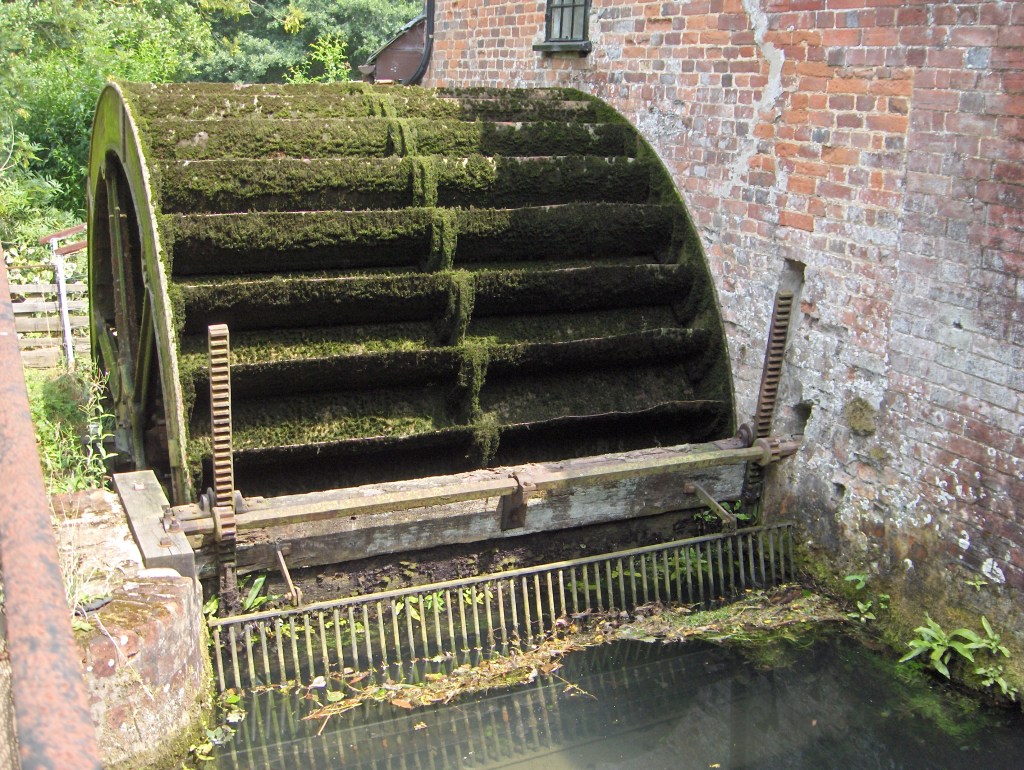
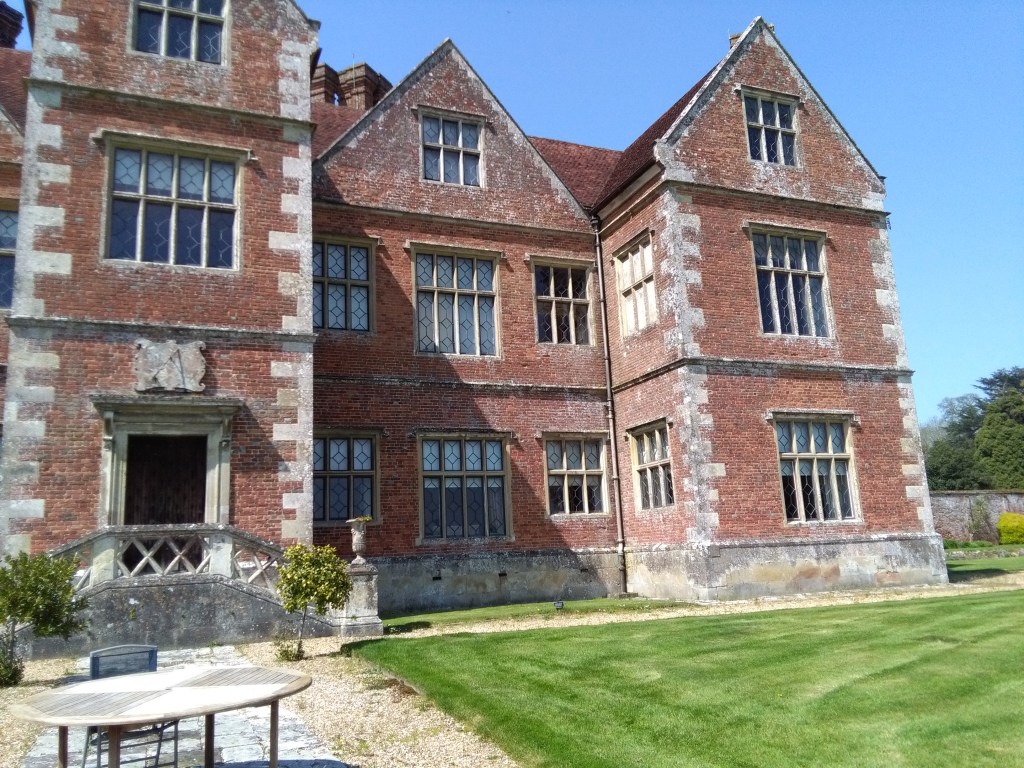
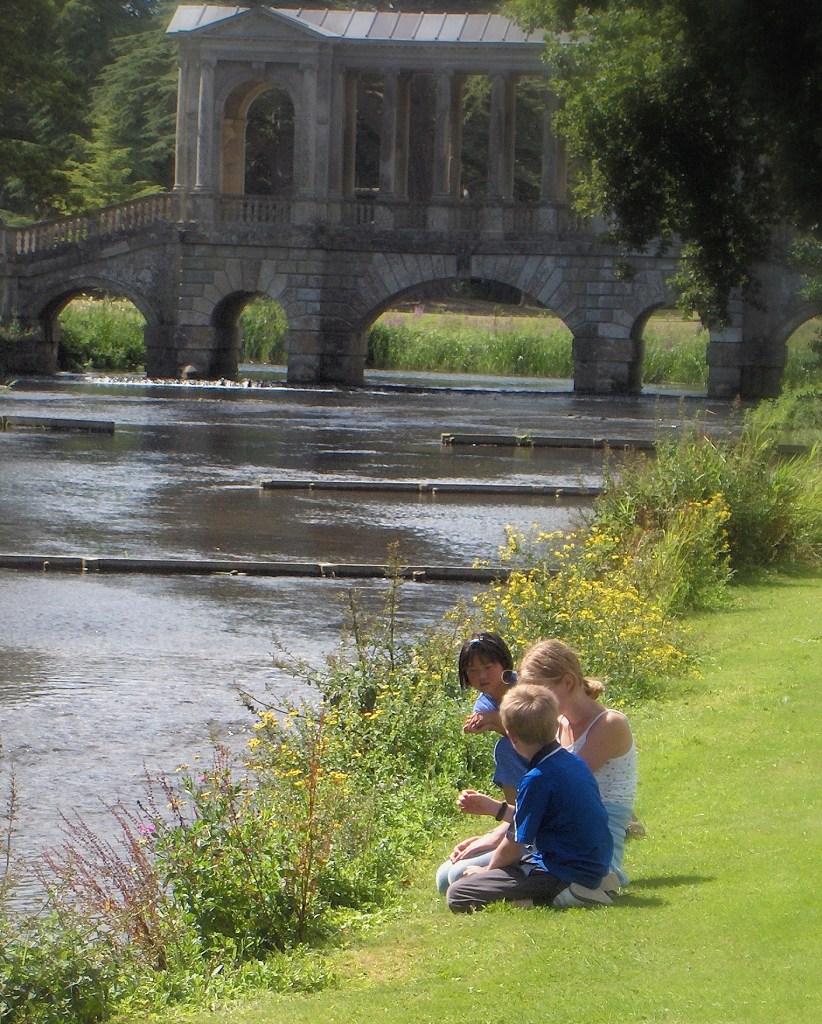
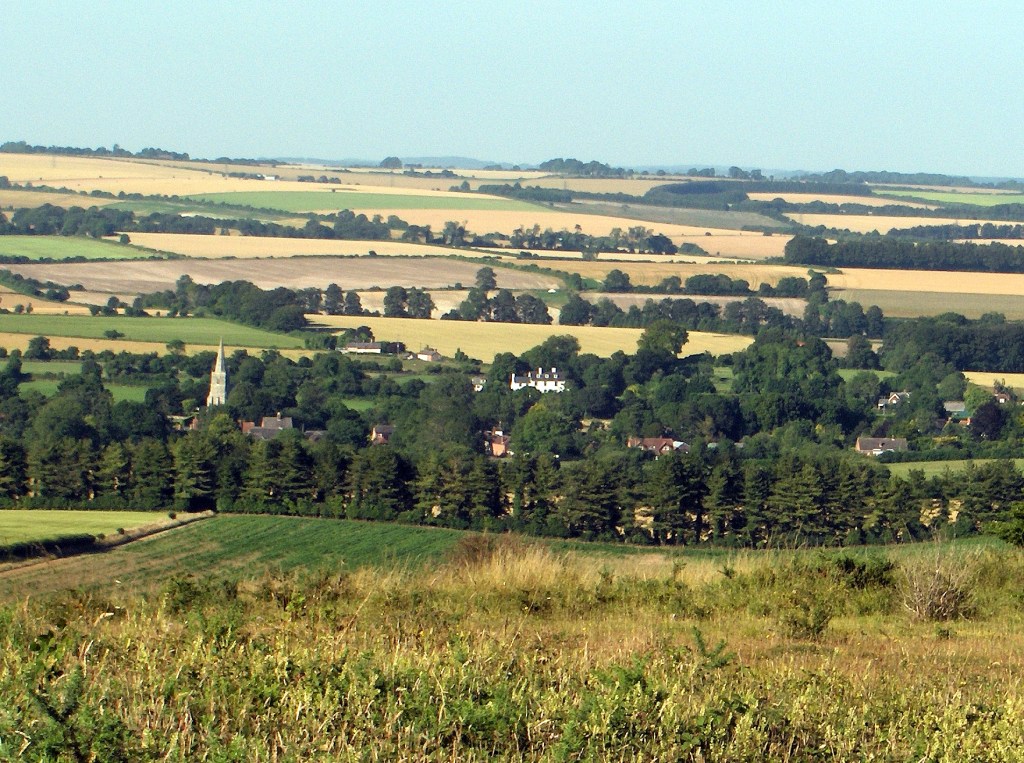
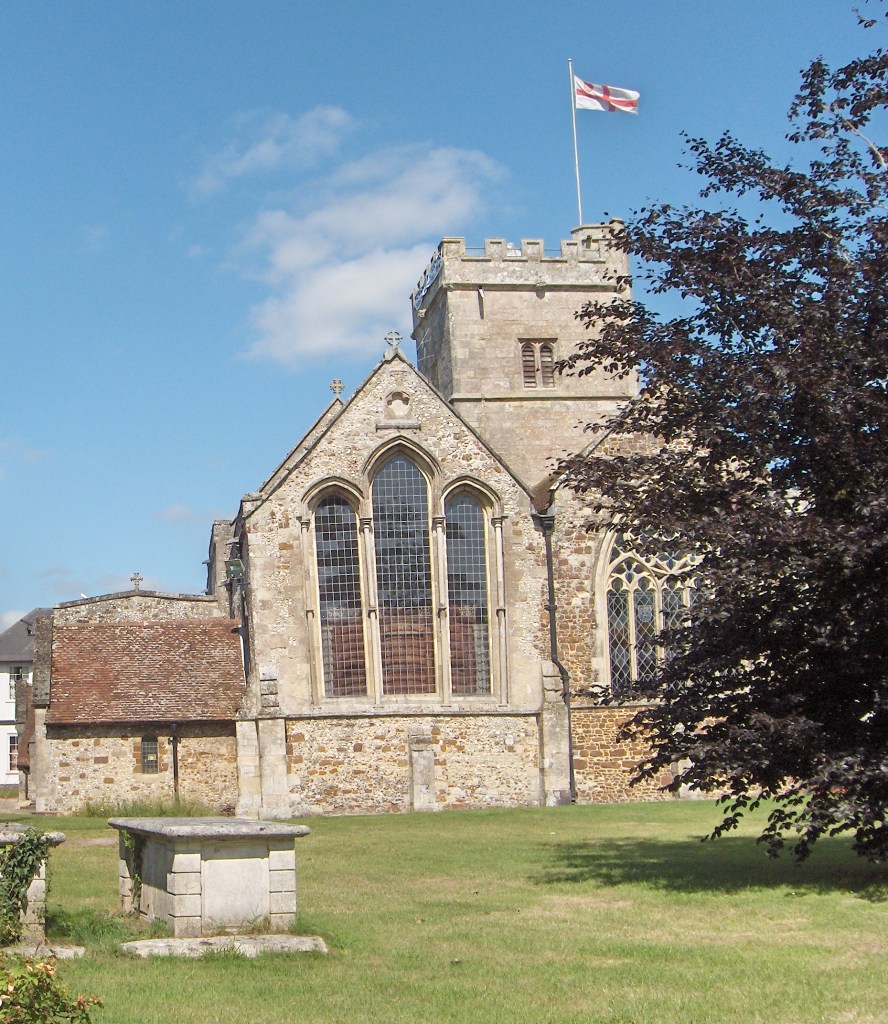
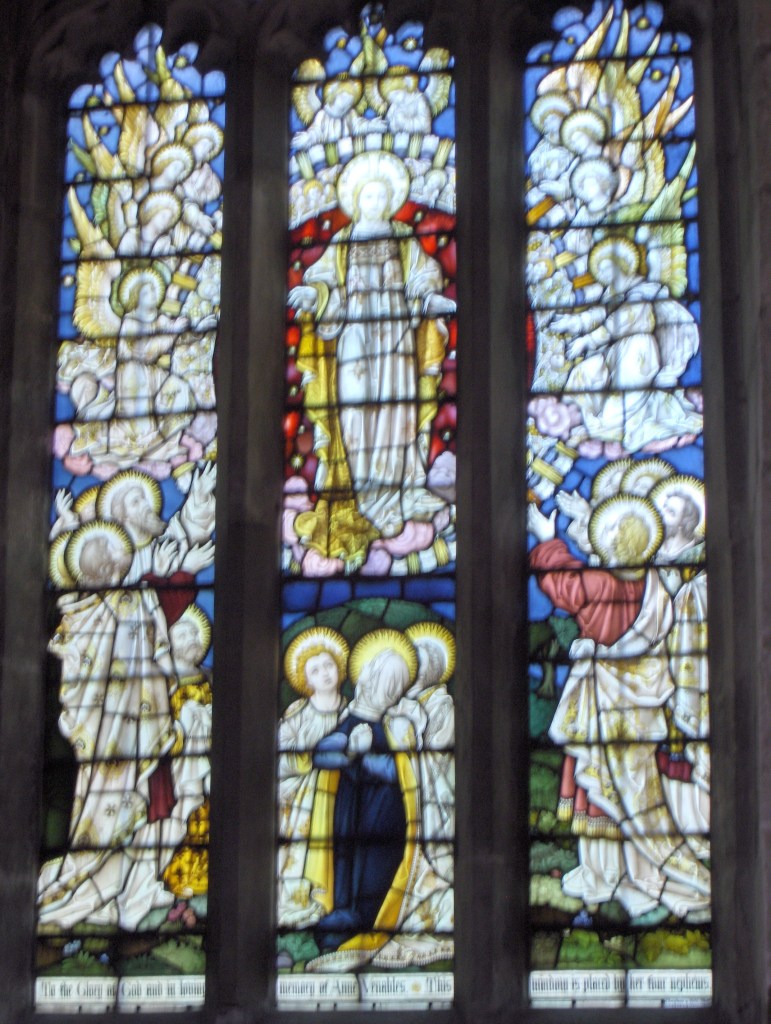
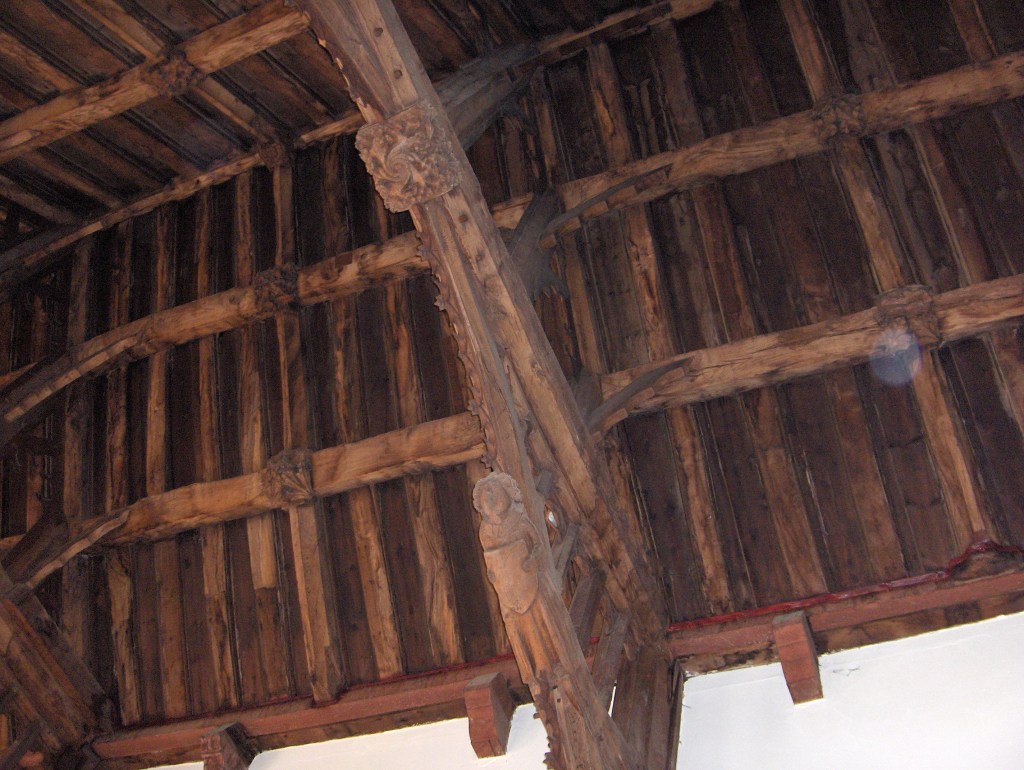
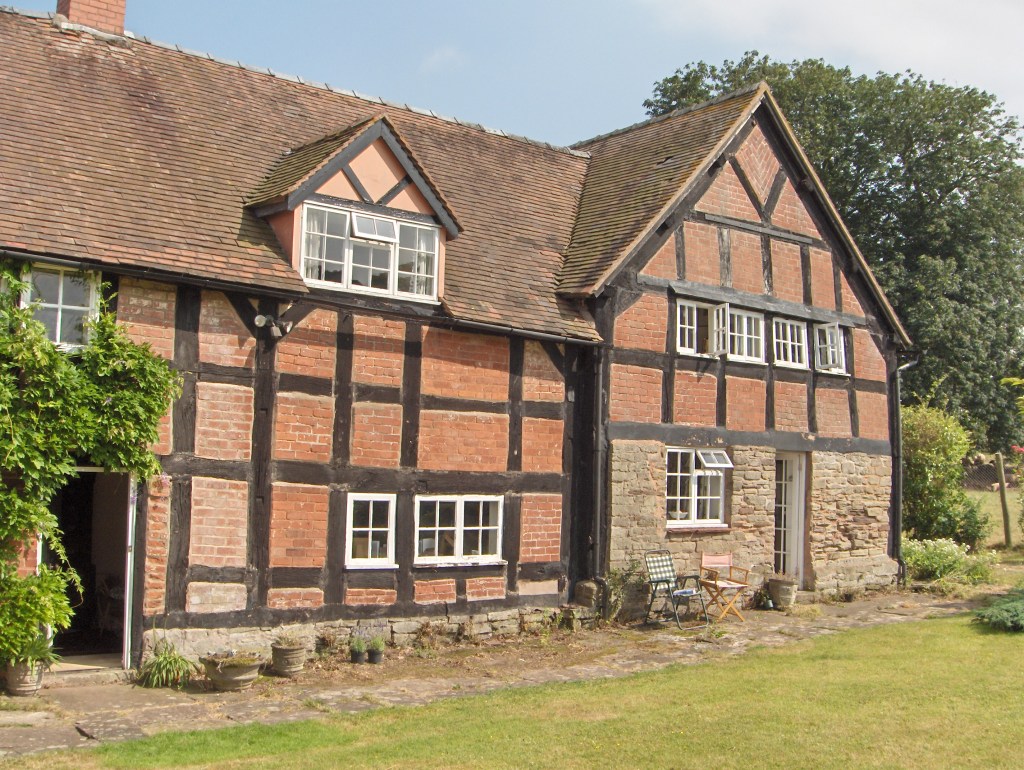
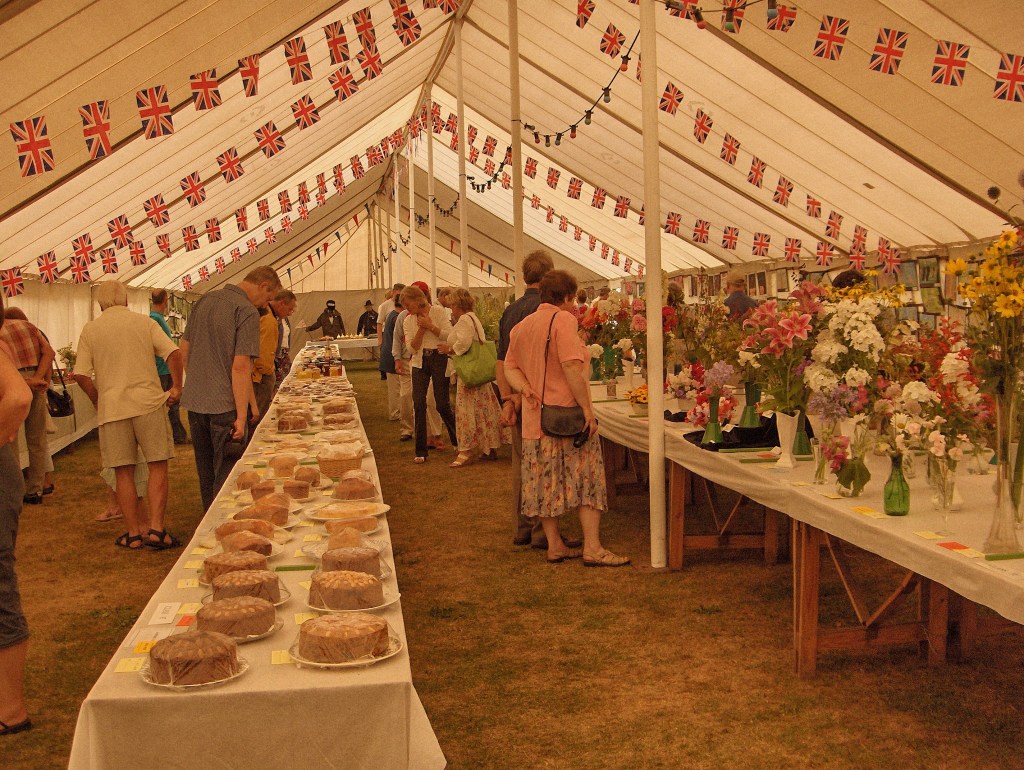
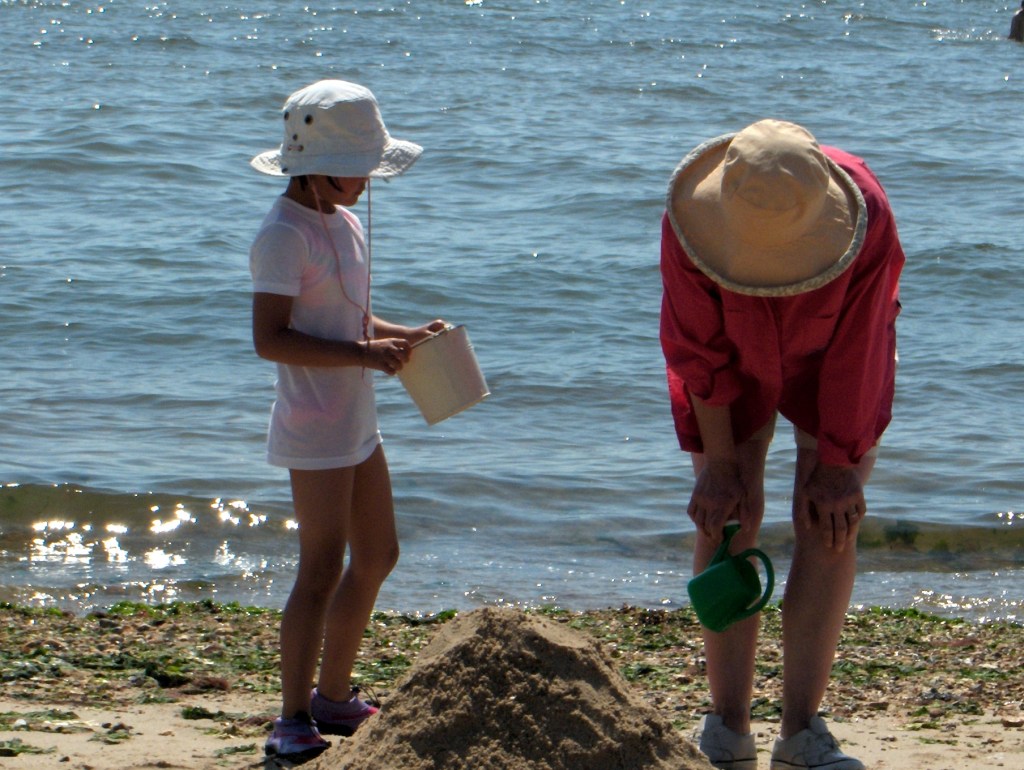
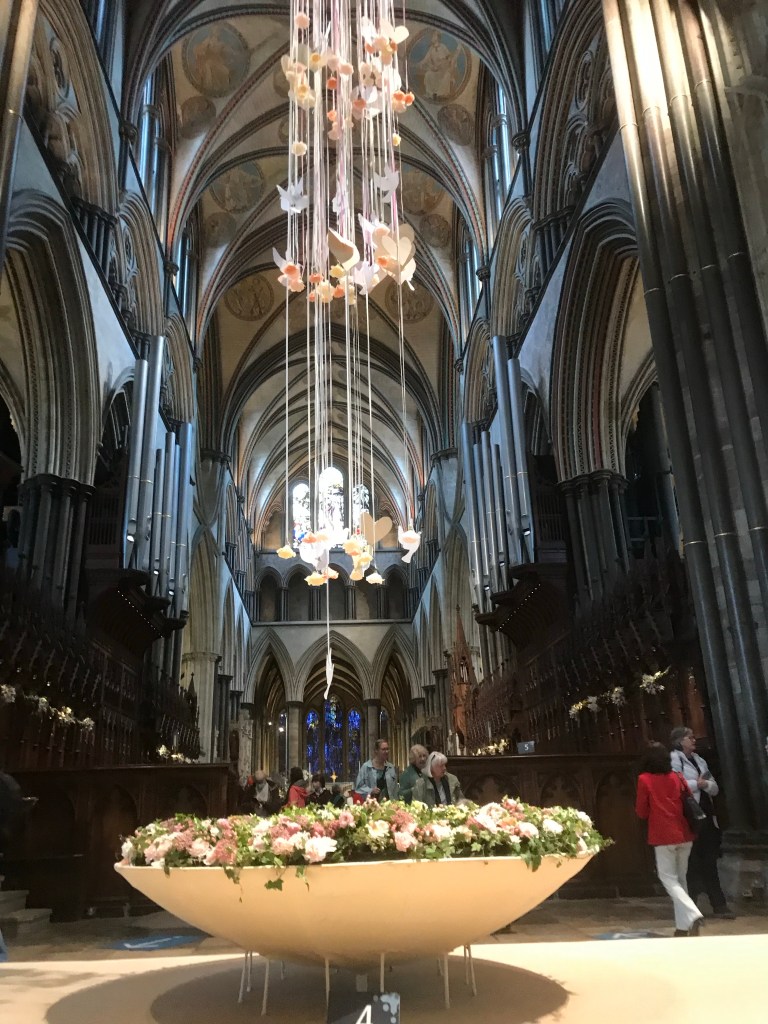
Salisbury Cathedral, Breamore House, my aunt’s house at Donhead St Andrew, the Chalke Valley, Alderholt Mill and working water wheel, the gardens of Wilton House, the New Forest, Kingston Lacey House, the chalk downland villages of Martin and Damerham, St George’s church and interior, marquee at a village fete and families building sandcastles by the seaside at Christchurch (all photos by cemwinstanley)

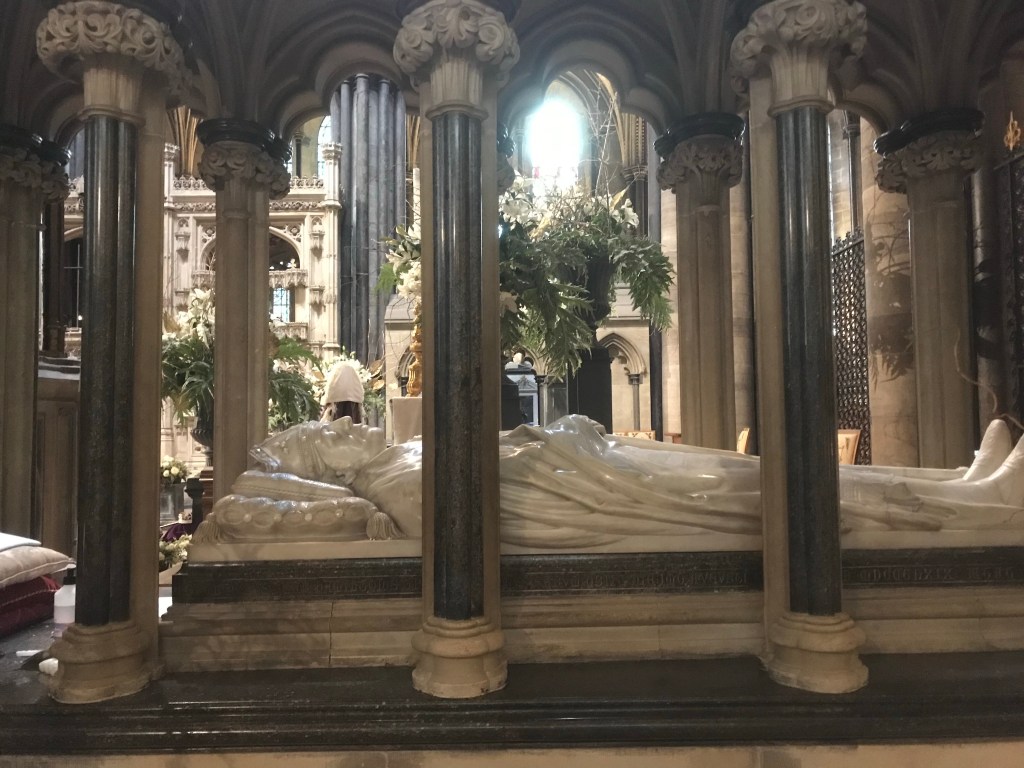
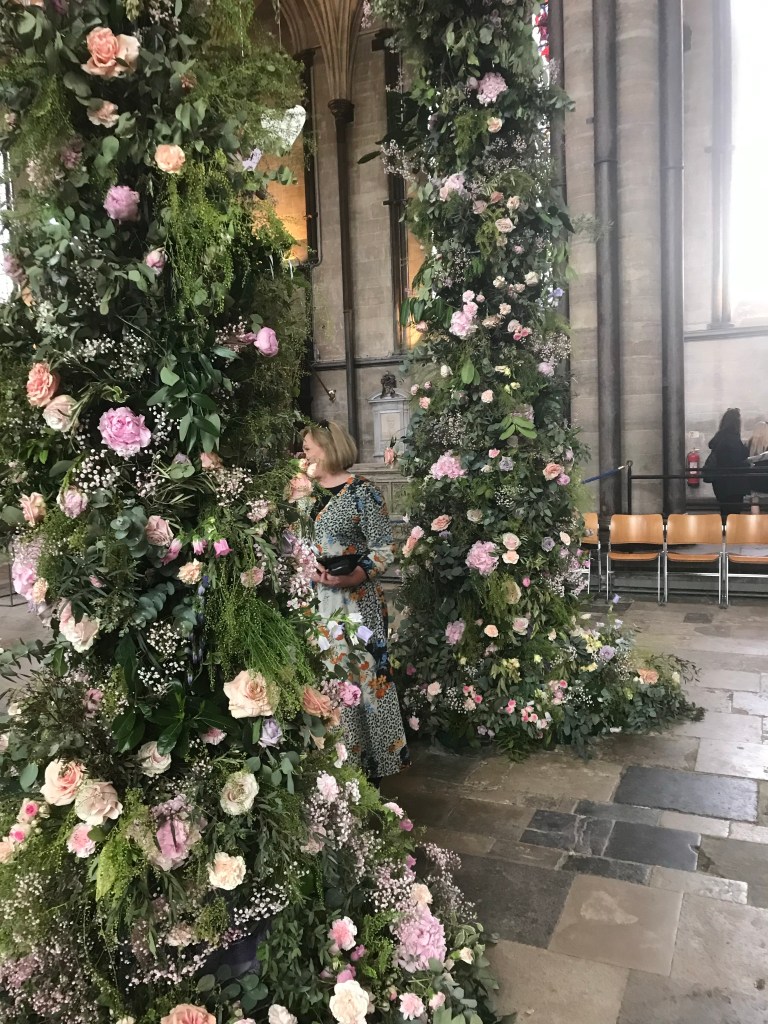
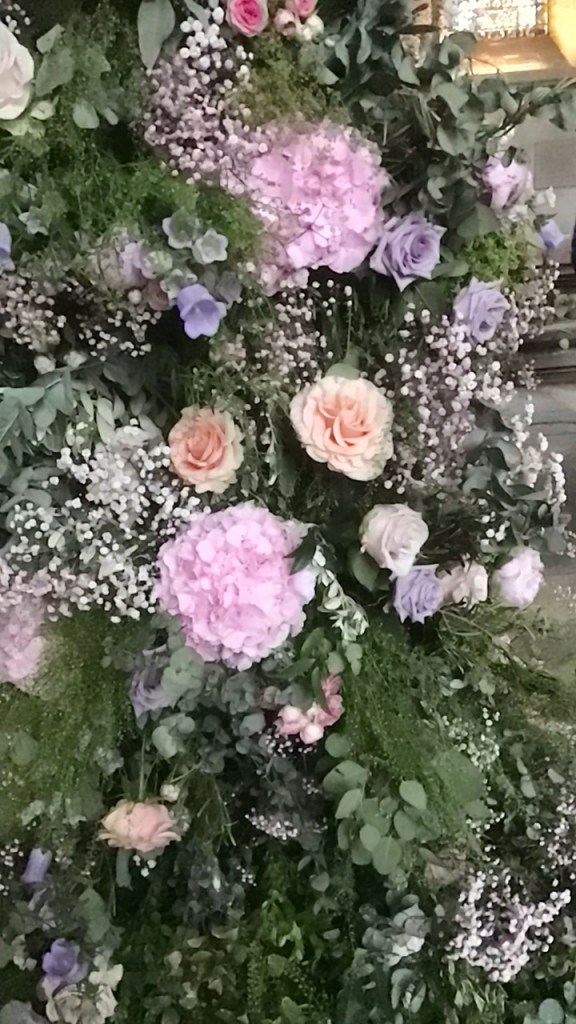
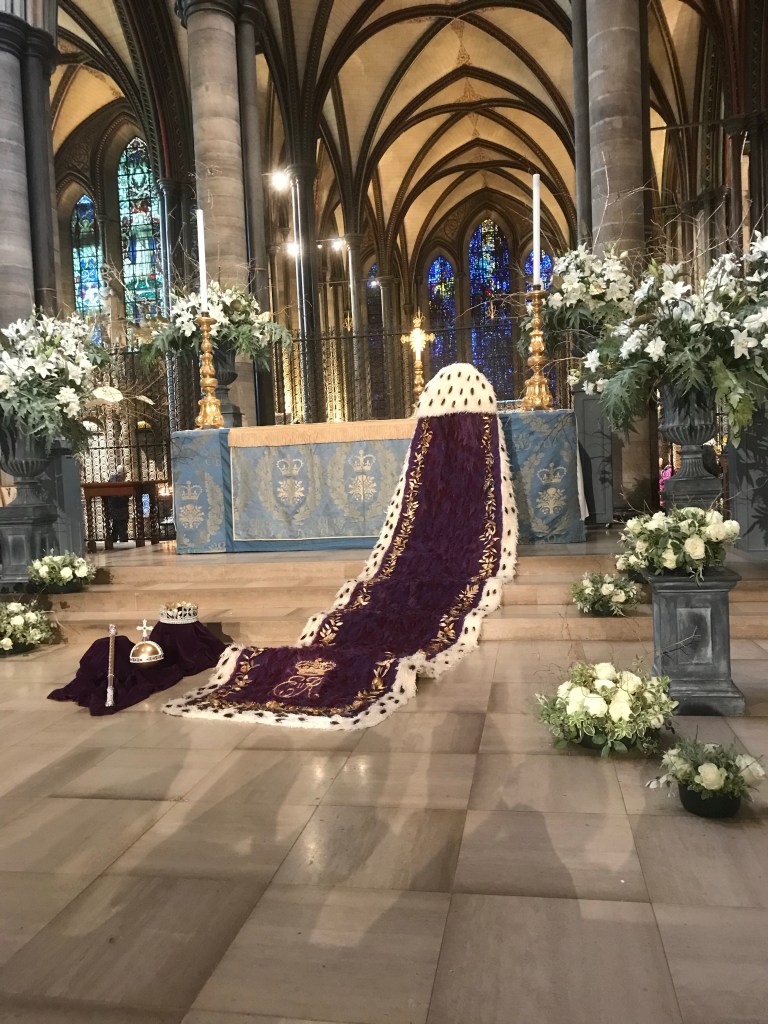
I was in England as preparations for Queen Elizabeth’s Platinum Jubilee celebrations were getting underway. In one such extravaganza I was lucky enough to attend, the cavernous interior of Salisbury Cathedral was filled with towering flower decorations and installations including one featuring the ermine-trimmed purple robe worn by the Queen at her Coronation – but made entirely of flowers!

My head is still filled with the sensations of my days there – inspiration for many pieces of writing yet to come.

It was also beyond wonderful to see family and friends whom like many people I had been prevented from being with for two and a half years due to Covid travel restrictions.

Featured

Easter Weekend, April 2022

GLAMPING” ON SALT SPRING ISLAND

largest glorious Gulf Island in the Salish Sea

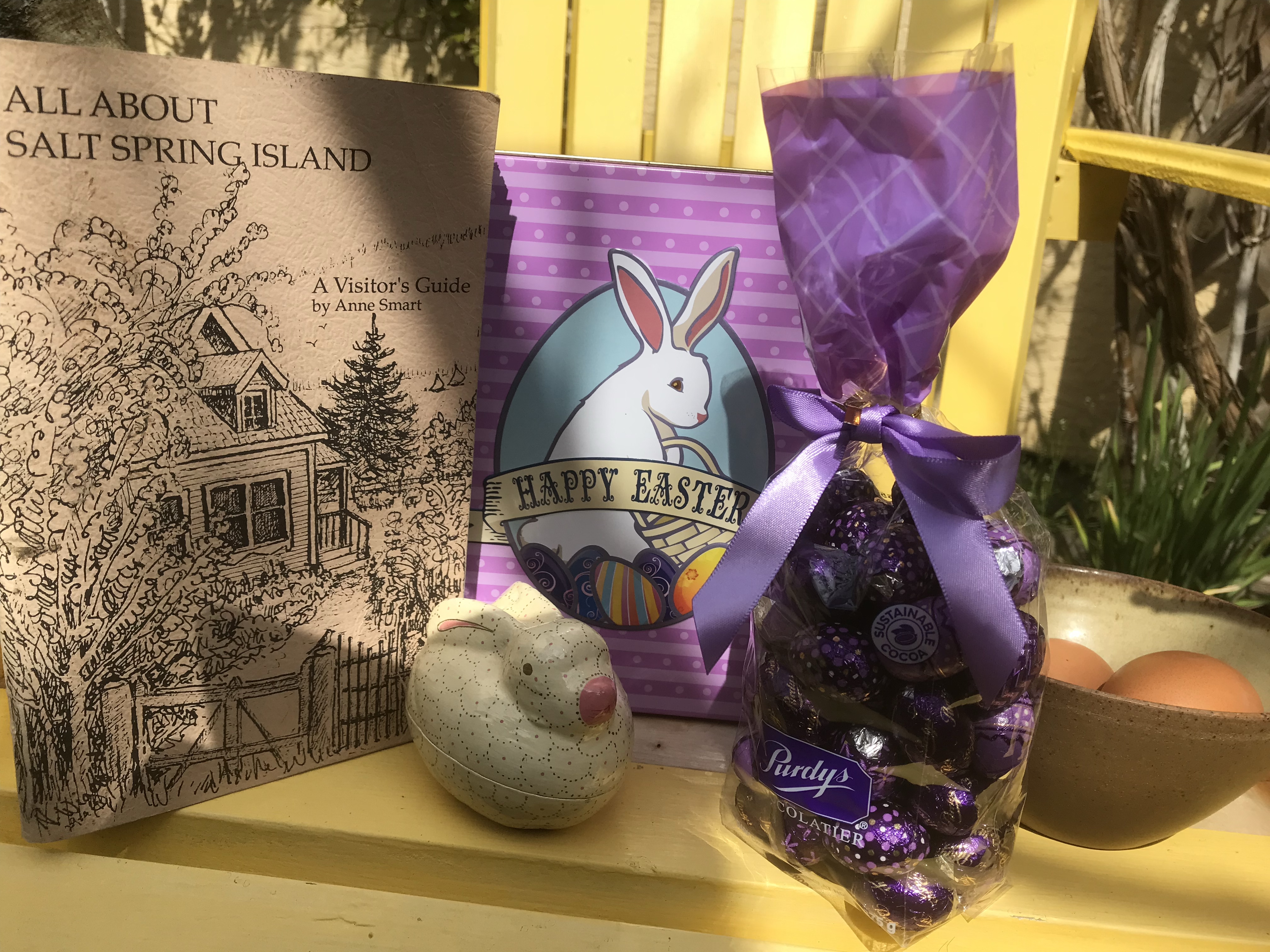
Salt Spring Island has always had a special place in my heart and I am lucky enough to be spending this Easter long weekend on the north east side, overlooking Trincomali Channel from high above the distinctive dog’s leg of Walker’s Hook.

For many years, my family and I “glamped” during long school holidays in a secluded cabin, surrounded by yellow and red cedar, Douglas fir, Garry oak and majestic Arbutus.

Over those decades, I kept a journal, illustrated in watercolour, of our adventures on Salt Spring Island. I have returned here this weekend to recapture the spirit of this Island and weave its magic into the fabric of a new series of poems that I am now working on.

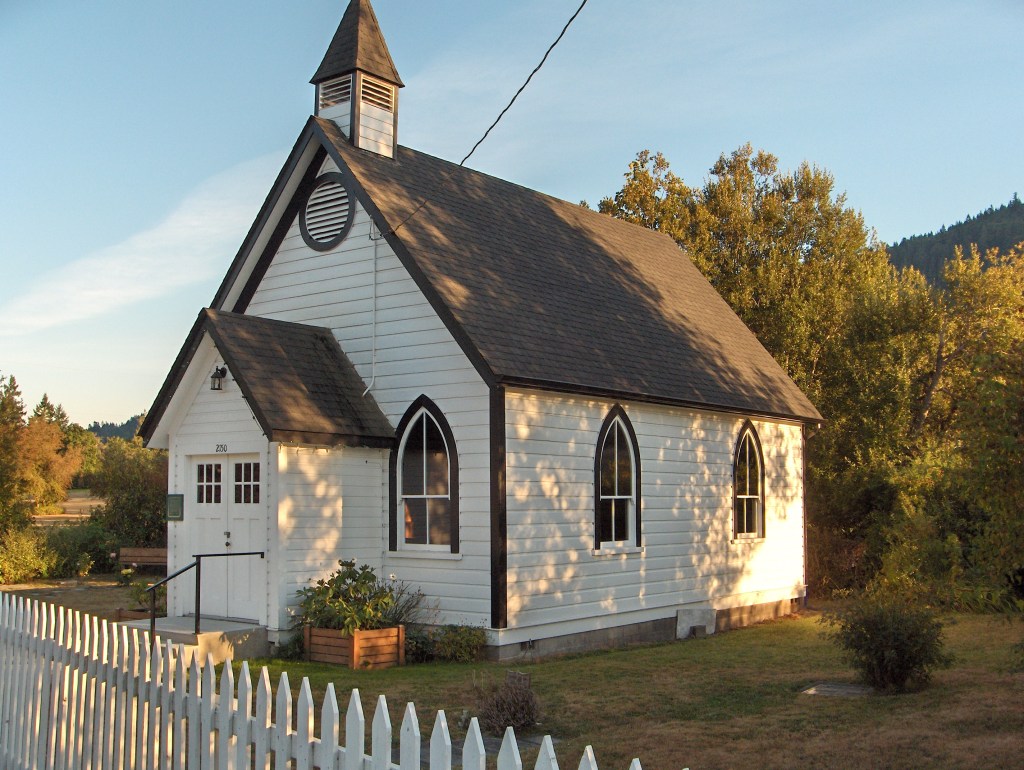
I was married in this tiny church in Burgoyne Bay

Salt Spring Island is part of the traditional territory of the Saanich, Cowichan and Chemainus First Nations, whose people have treasured the rich natural abundance of this unique Island for over 5,000 years.

all photos (c) cemwinstanley

Featured

25th March 2022 THE TALE OF A TAIL

Successful submission of poem for April Poetry Walk, celebrating National Poetry Month in Canada

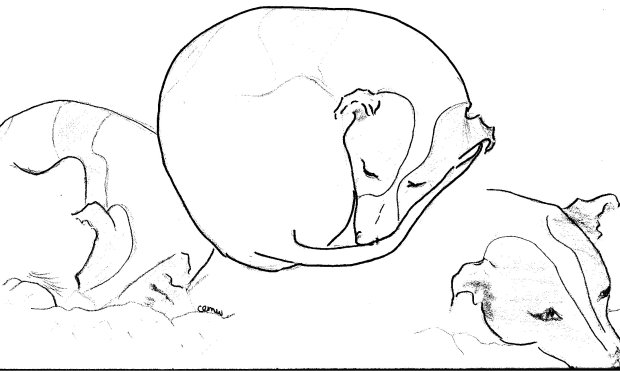
PERDIDA line drawing by cemwinstanley

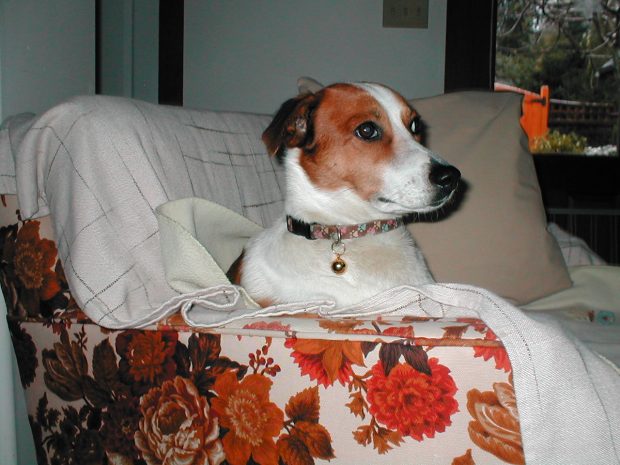
I have heard this week that a brand new poem I wrote in February, inspired by the life story of my rescue-housedog, Perdida, has been chosen as one of eighteen to be featured in a local Poetry Walk from 18th – 30th April, in celebration of Canadian National Poetry Month. I am like a dog with the proverbial two tails!

In the end pages of my anthology, BITS OF STRING & THREAD, compiled as the world faced pandemic lockdowns, I described my mongrel lurcher as my ‘constant, Covid companion’ because of the way in which she had helped both my mental and physical health,

“since you arrived, a mangy stray

rescued

from the dangers of a wilderness night”

lines from “The Tale of a Tail” by cemwinstanley
Perdida’s armchair

Featured

SPRING IS ON ITS WAY! 28th February 2022

Here, at the base of this month’s Blog Page, is a brand new recording of A SONG FOR SALMON to celebrate the return of Spring along the west coast of Vancouver Island.

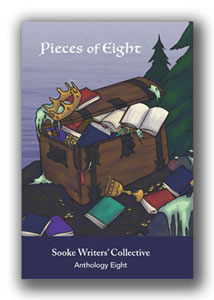
This narrative poem was published last year in PIECES OF EIGHT, the eighth anthology from Sooke Writers’ Collective. The piece was inspired by a story-telling performance by the poet and author Joke L. Mayers.

Photo by Eva Elijas on Pexels.com
A SONG FOR SALMON
Photo by Doni Haris on Pexels.com

Yoruba, spoken in the West African countries of Nigeria, Benin Republic as well as parts of Togo and Sierra Leone, is one of the largest single languages in sub-Saharan Africa. Many thanks to Joke for her assistance with my phonetic transcription of the lullaby.

Featured

2022 IS OFF TO AN EXCITING START!

SATURDAY 22ND JANUARY

I am over the moon to be able to announce that I learned yesterday evening that one of my prose pieces called “The Jumper” was runner up in the Federation of British Columbia Writers’ annual literary contest within the category of flash fiction. Over the course of the past week, I have had the thrill of seeing my name on the long and then shortlist before being notified yesterday afternoon that I was on the runners up and winners list announced yesterday. “The Jumper” will be published in the spring in the first contest winners’ anthology to be produced by the FBCW which is yet more fantastic news!

Having dedicated the last few months of 2021 to finishing the final edit of my contemporary novel, a boost of confidence for my prose – as opposed to my poetry – could not have come at a better time. The novel is completed and I am now tasked with defining its route to publication; an exciting journey that will be the subject of future blogs.

For full details of all the winning entries, please visit the Federation of BC Writers website:

https://www.bcwriters.ca/contest-winners-2021

THE JUMPER by Clare Winstanley

What the judge wrote about my flash fiction prose entry:

The Runner Up: The Jumper by Clare Winstanley

A woman appraises a piece of her knitting and tells a story in colour and stitch and pattern—each deliberately chosen to record specific memories in wool. She’s an artist, no doubt. Every word and detail work together to set a mood, to set us up for a wicked twist of an ending. I’m always a fan of the love story and I love being surprised. I thought “The Jumper” was very well done.

— Judge Ursula Vaira

Featured

December … and loving being local!

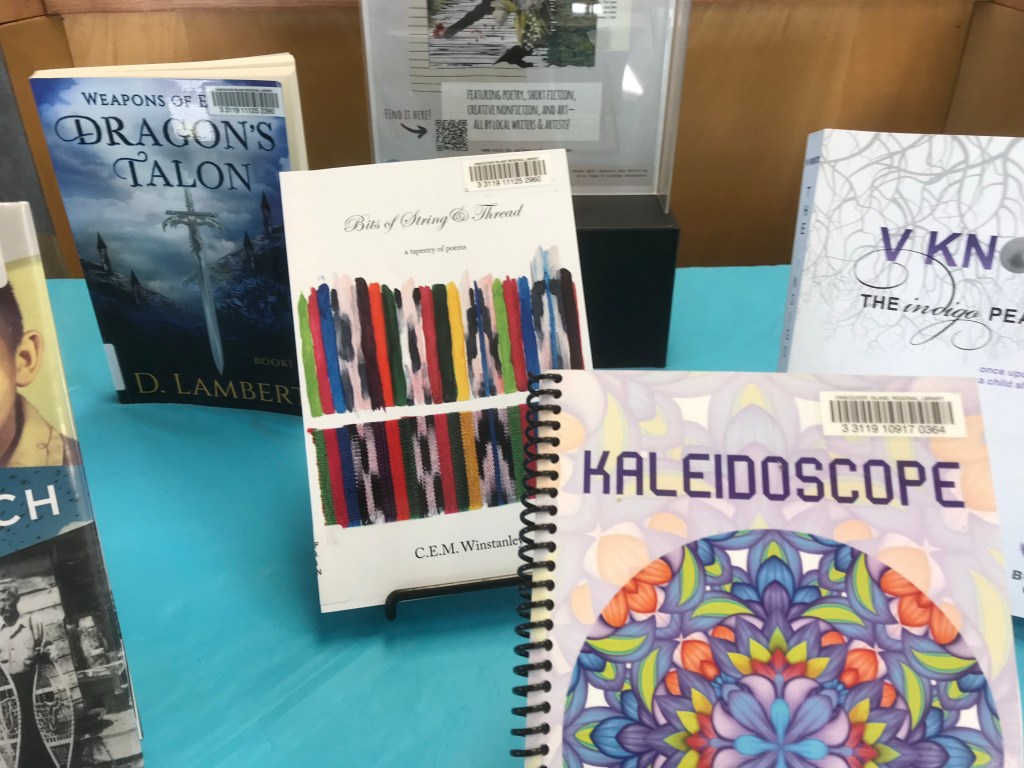
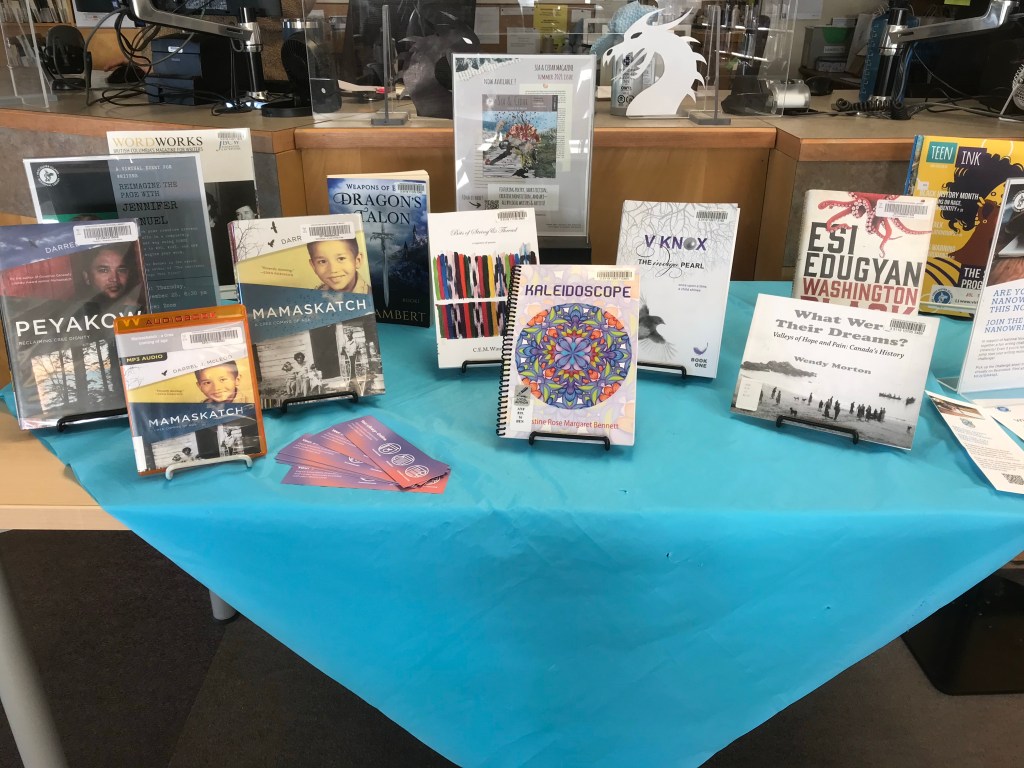
Thrilled to find my book centre stage on a display at Vancouver Island Regional Library, Sooke Branch, showcasing and celebrating the achievements of local authors and poets!

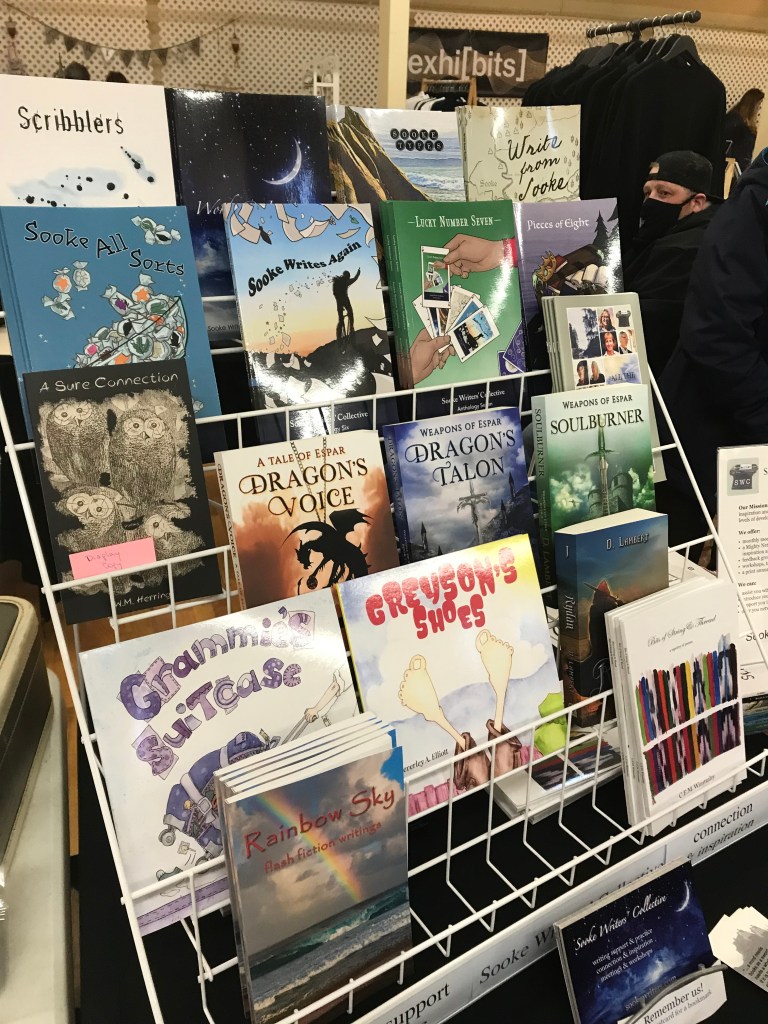
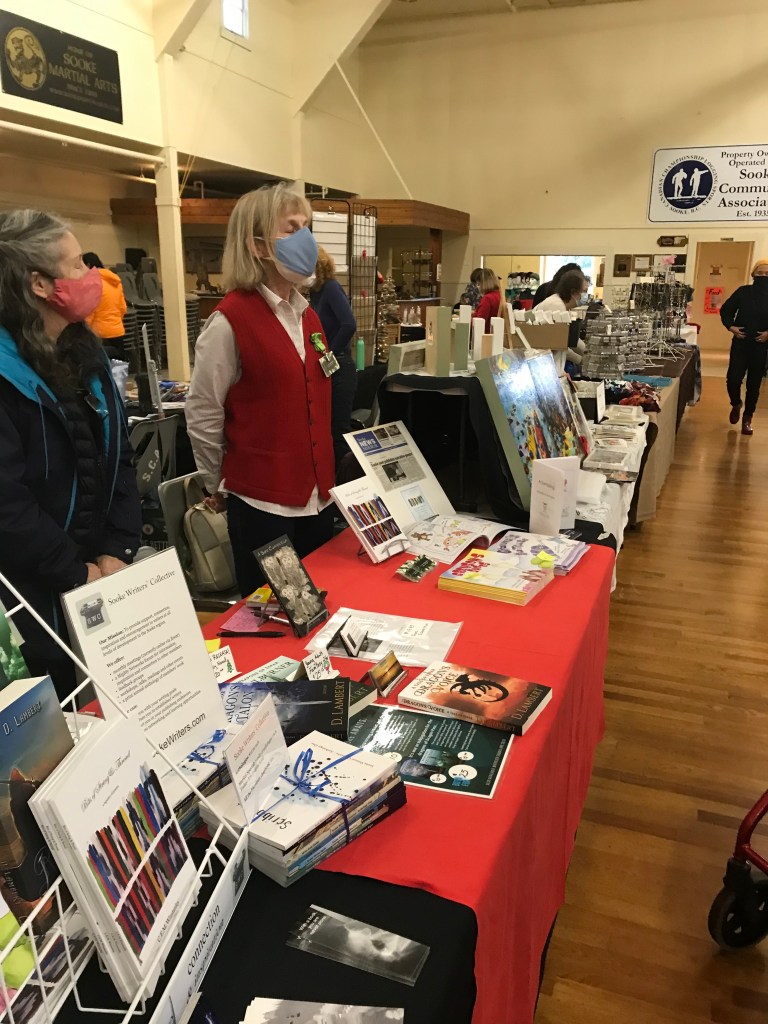
Christmas Spirit was much in evidence at the iconic Sooke Community Hall this past weekend. I most happily took my place for the day at the Sooke Writers’ Collective stall in the Christmas Market where book sales were excellent. It was such a treat to be able to hold the market again this winter!

We helped match many a name on a Christmas list with a suitable book as well as meeting several members of the community keen to join the Collective!

Thank you to fellow authors and poets Deb Clay (dlclay) Deborah Lambert (D.Lambert) Richard Ashton and Wendy Herring (W.M.Herring) for such an enjoyable and rewarding day at the Fair.

Featured

November brought yet more exciting news!

The Reading Room and Library (doors at end on right) at the Union Club of British Columbia, Victoria

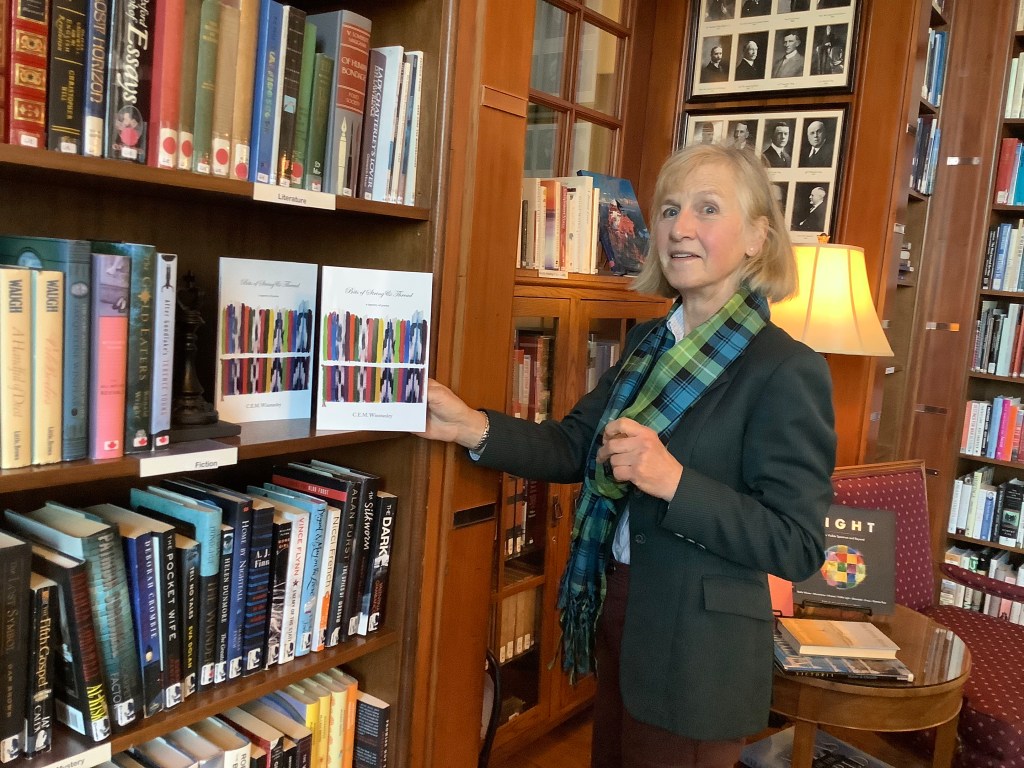
Such an honour to have had copies of BITS OF STRING & THREAD purchased by the UC Library as part of its private collection.

Featured

LIVE POETRY READING A HUGE SUCCESS!

THE UNION CLUB OF BRITISH COLUMBIA , 11th September, 2021

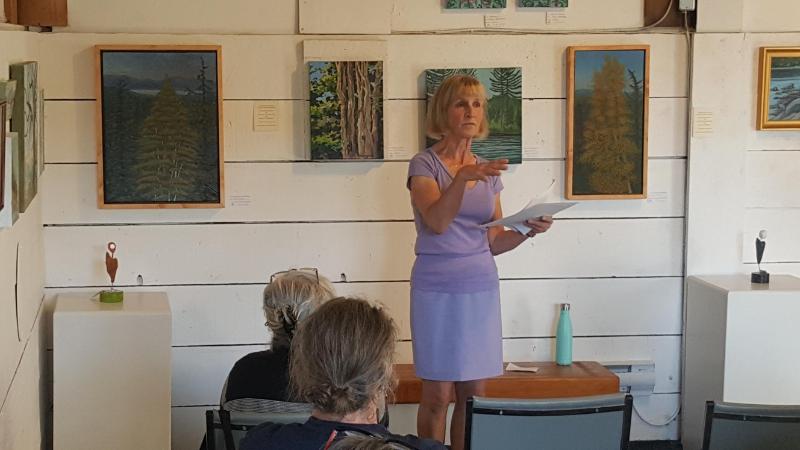
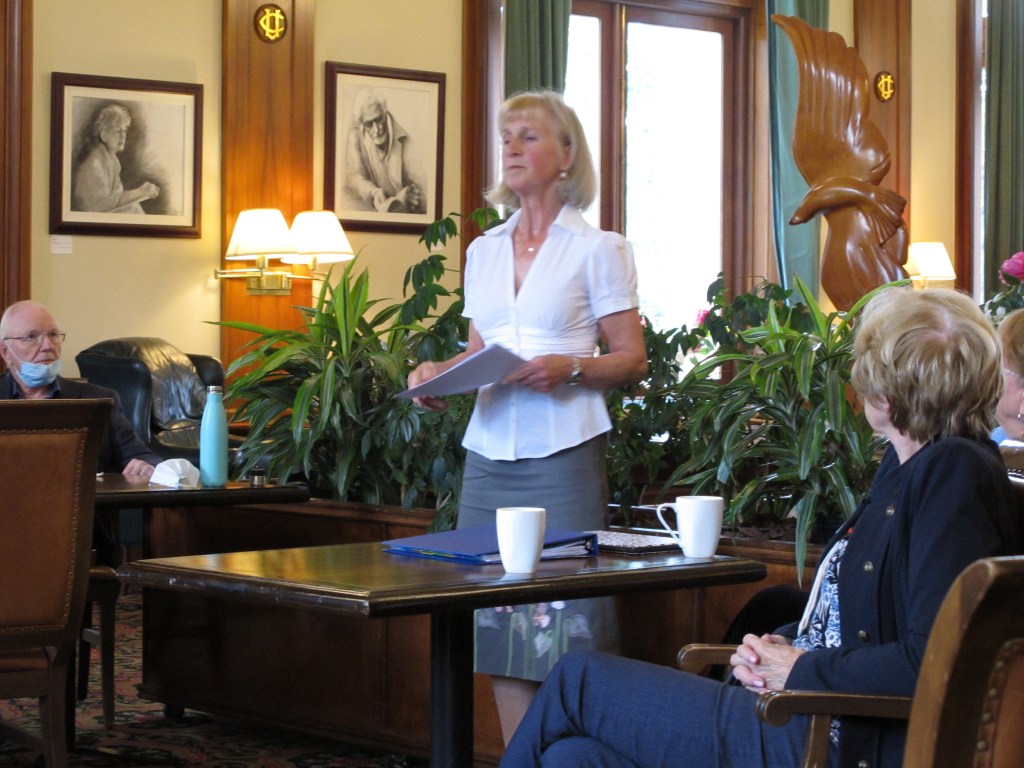
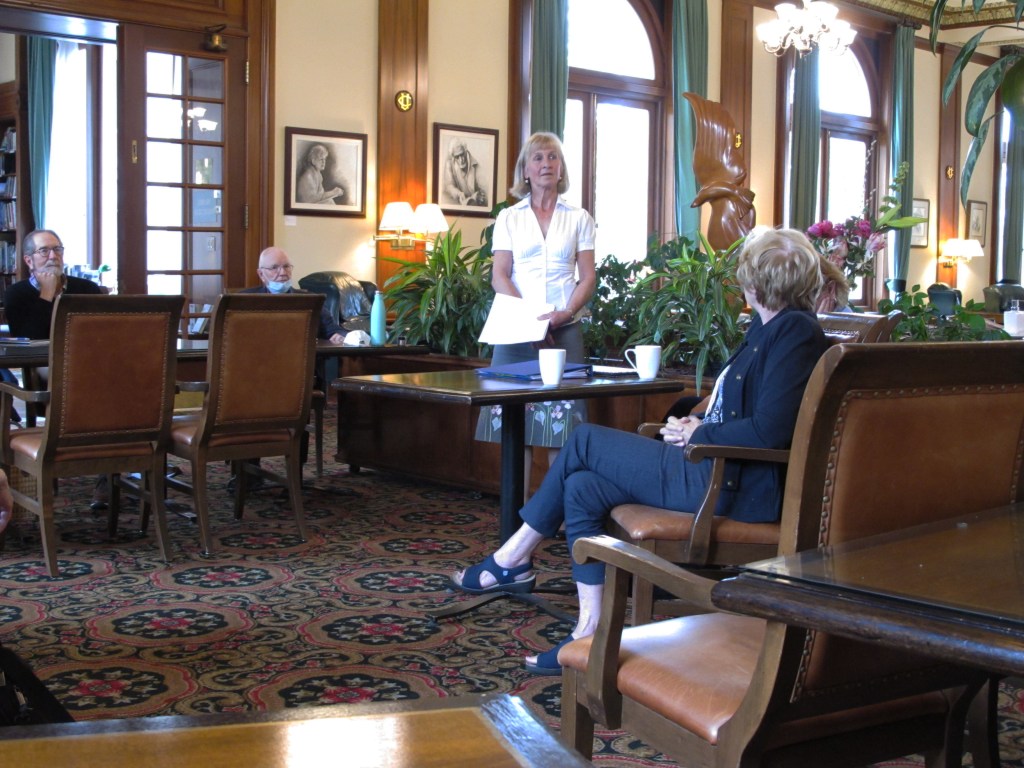
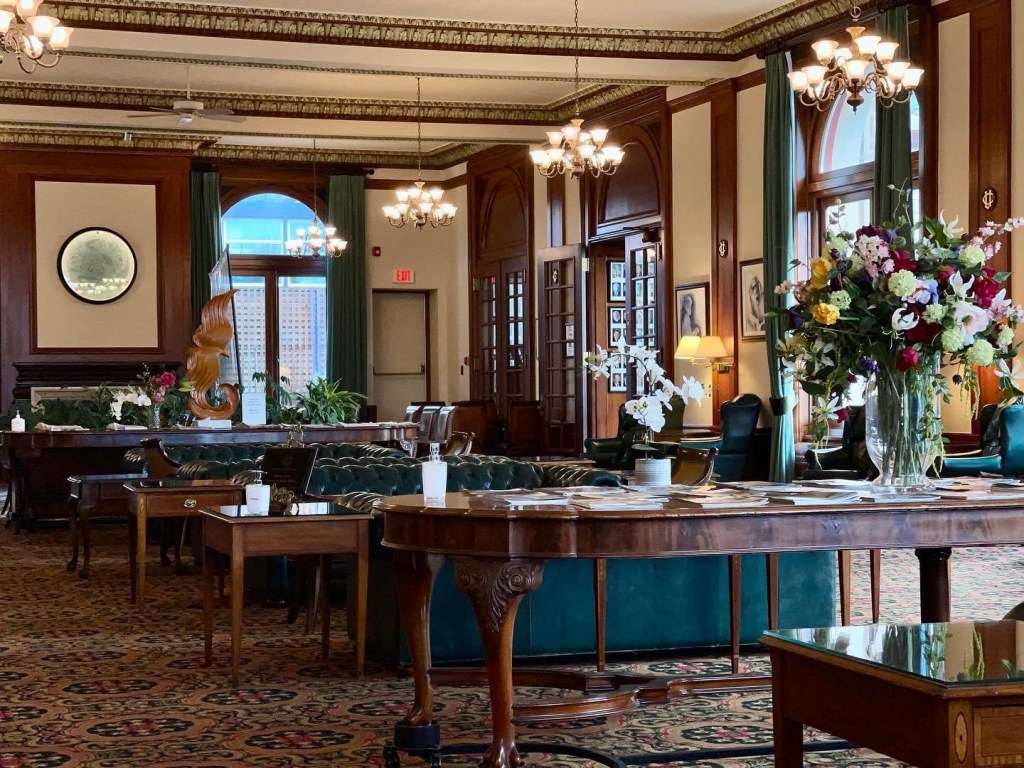
Here I am in the sumptuous décor of the Reading Room at the Union Club, in front of an audience of over twenty people on Saturday afternoon, 11th September, 2021. The event started with my reading five of my most recently published poems during a thirty minute performance. This was then followed by an informal interactive question and answer session which lasted for over forty five minutes!

Thank you to each and every one of the general membership and book club members who attended and asked me such fascinating and stimulating questions! Your positive feedback and encouragement was much appreciated.

Huge thank you to Kristin Backlund, Union Club Librarian and Book Clubs Coordinator for hosting this inaugural UC authors’ event and to Danielle Scott, Sales and Engagement Manager, the Union Club of BC for your assistance with planning and organisation.

#unionclubofbc #myclubmakeityours #sookewriterscollective #spokenwordpoetry

Featured

MY NEXT LIVE POETRY READING IS AT THE UNION CLUB OF BRITISH COLUMBIA, VICTORIA, BC

I can confirm today that I have been invited to give a live performance of a selection of poems from BITS OF STRING & THREAD on Saturday, 11th September, 2021, to members of this luxurious private club in the heart of downtown Victoria.

THE UNION CLUB OF BRITISH COLUMBIA

I love the decorative front facade of this hundred-year-old classic building, located on Gordon Street. Many of its sumptuously refurbished reception and dining areas overlook Victoria Harbour, the waters of the Strait of Juan de Fuca and the breathtaking Olympic Mountain range beyond.

A huge thank you to Kristin Backlund, Union Club Librarian and Book Clubs Coordinator and to Danielle Scott, Sales & Engagement Manager, The Union Club of British Columbia for this exciting invitation.

Featured

FRIDAY EVENING’S LIVE READING AT THE GALLERY

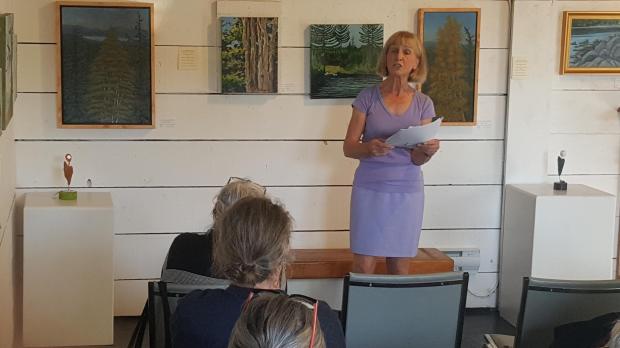
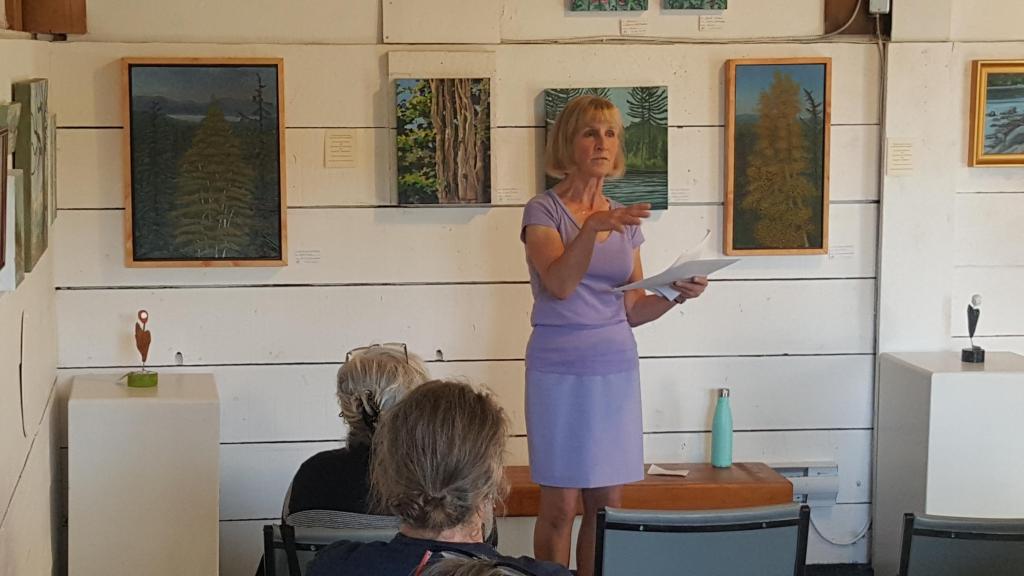
was such a fun event! It was so special to be in front of a live audience once again and to be able to share five original pieces – four from BITS OF STRING & THREAD and one from ALL THE ELEMENTS. What a luxury to be able to mingle afterwards, admiring the artwork, photography, jewelry, sculptures and textiles on display in the Gallery around us. Such a unique and perfect setting for a live reading.

Thank you to staff and volunteers at the Gallery by Sooke Arts Council for all your assistance in making the event such a success.

Photos (c) Richard Ashton 2021

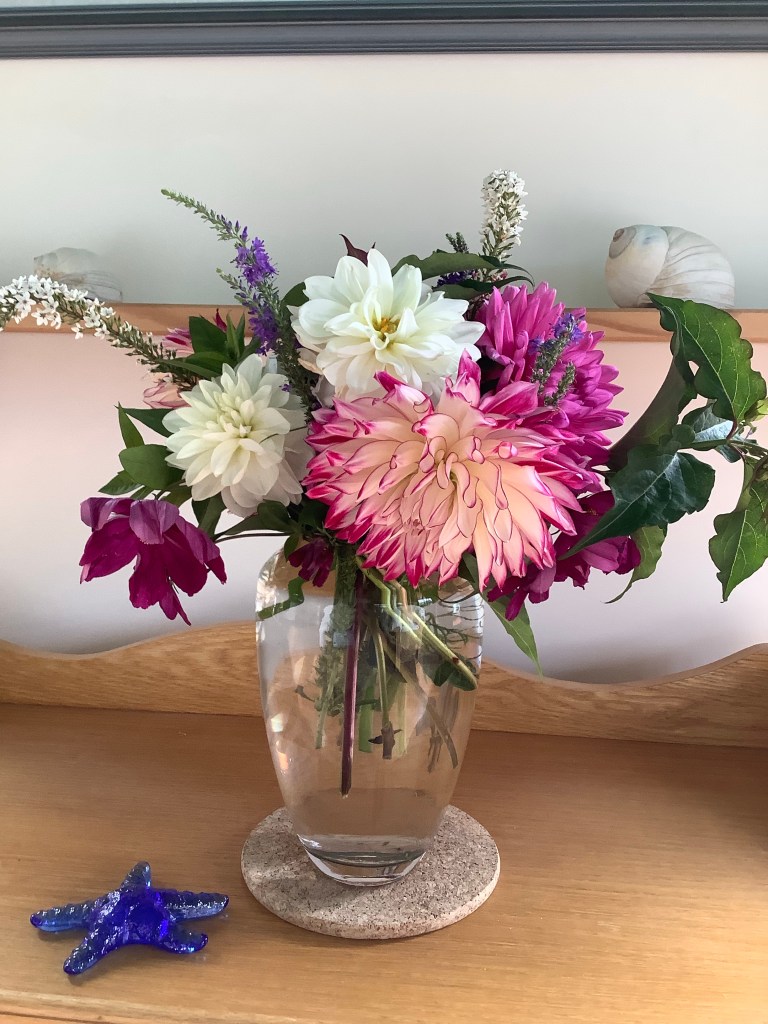
I received this stunning bouquet at the end of my performance.

Featured

Live Poetry Reading by Author Friday 27th August 2021

LIVE POETRY READING BY LOCAL SOOKE AUTHOR CLARE WINSTANLEY

Where? Art Gallery by Sooke Arts Council, 6596 Sooke Road, Sooke, BC

When? 6 – 8pm Friday, 27th August, 2021

What? Professional performance of poems from newly published anthology

Gallery capacity maximum 25 seated guests (BC Covid regulations)

Cost? Free event

Featured

Time … to relax and reflect in Salish seafog 20th August, 2021
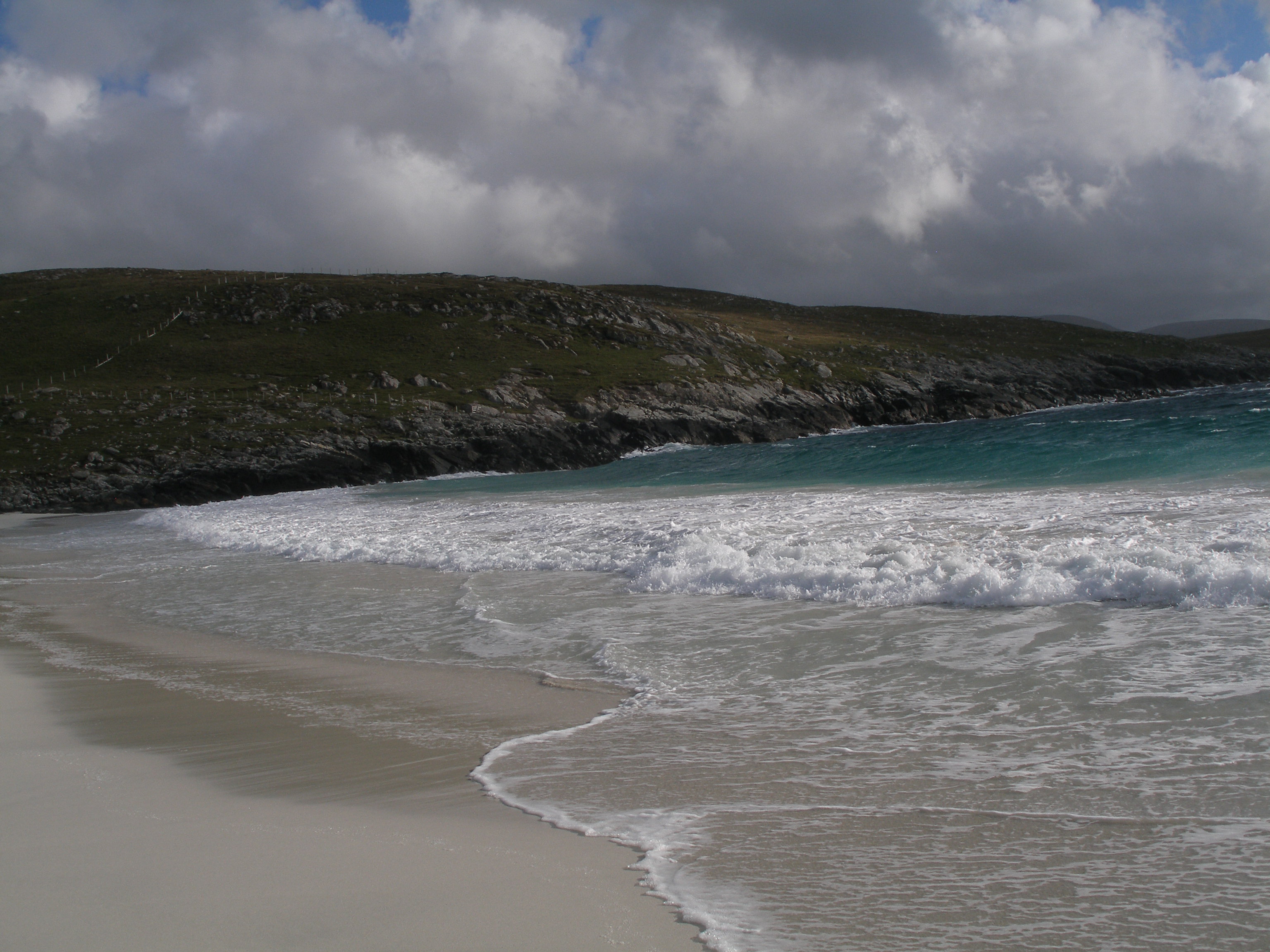
This is where Dida and I will spend the day this weekend, drinking in the peace and quiet.

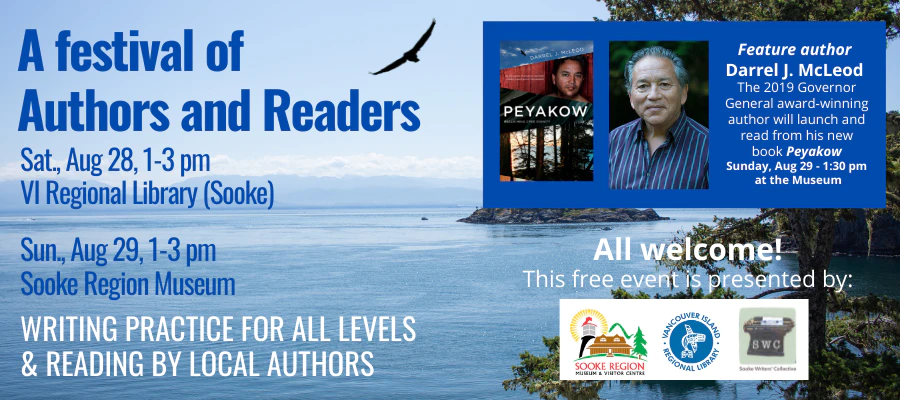
With my upcoming solo live poetry reading from BITS OF STRING & THREAD at the Sooke Arts Council Gallery on Friday 27th August, followed by another as a participant at Sooke’s inaugural Festival of Authors and Readers on Saturday and Sunday 28th/ 29th August, I will use the solitude and serenity of the Salish shoreline to restore my energy after such a wonderfully hectic time at Sooke Region Museum Night Market meeting crowds of enthusiastic marketgoers.

Photo (c) 2021 AMGray Studios

Featured

Sooke Region Museum Night Market Stall Sales Success! 15th July and 19th August 2021

Photos by David Reichheld

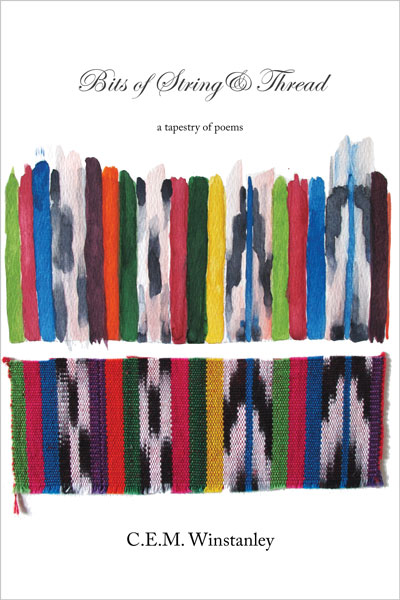
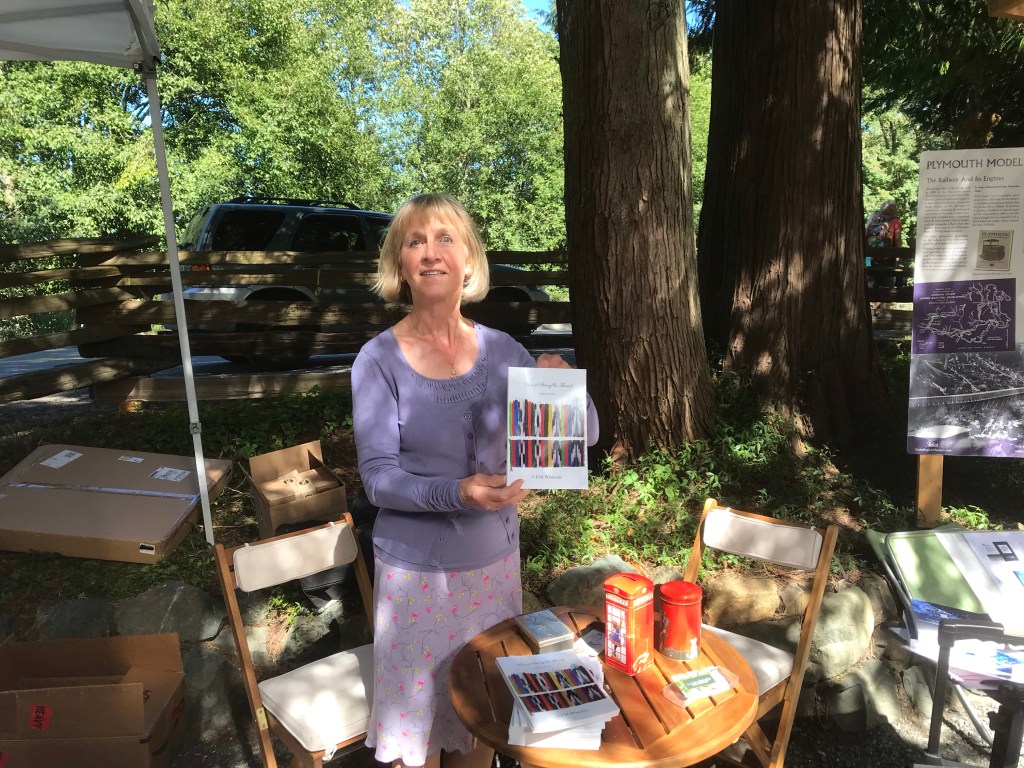
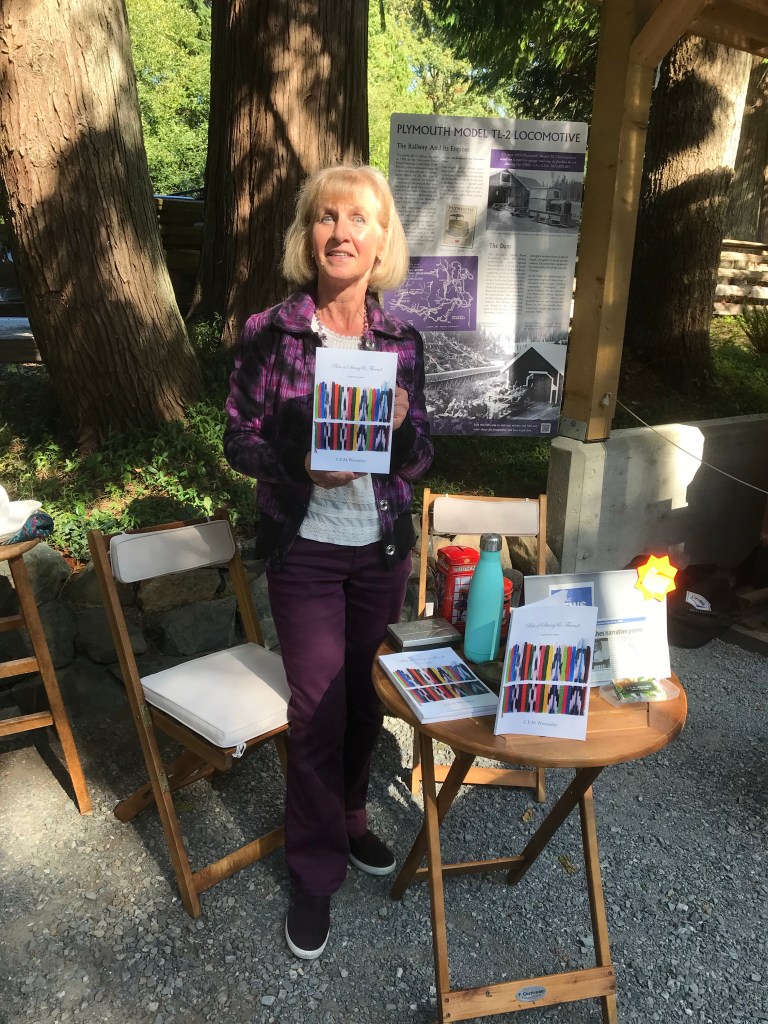
Sales of “ BITS OF STRING & THREAD – a tapestry of poems” were brisk during my two enjoyable summer evenings as a stall holder at Sooke Region Museum’s Night Market in their grounds under the shadow of the lighthouse.

Huge thanks to fellow member authors from Sooke Writers’ Collective for their assistance in making these stall events such a resounding success.

Featured

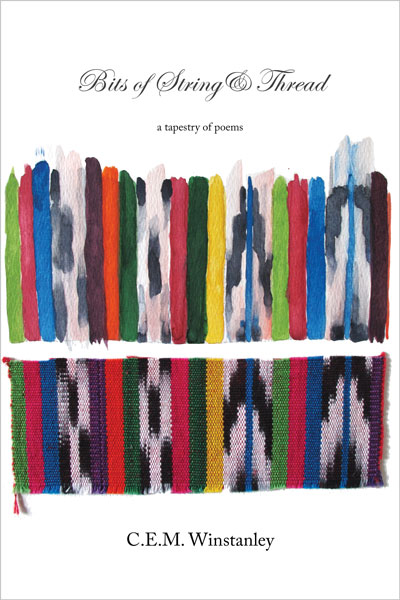
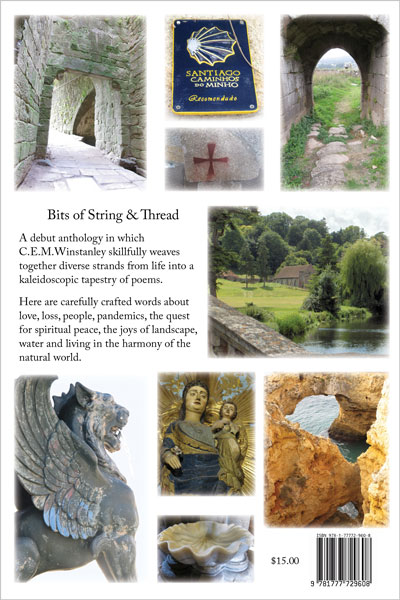
BITS OF STRING & THREAD

TODAY – WEDNESDAY 7TH JULY, 2021 – IS A MILESTONE!

PUBLICATION DAY FOR MY FIRST ANTHOLOGY!

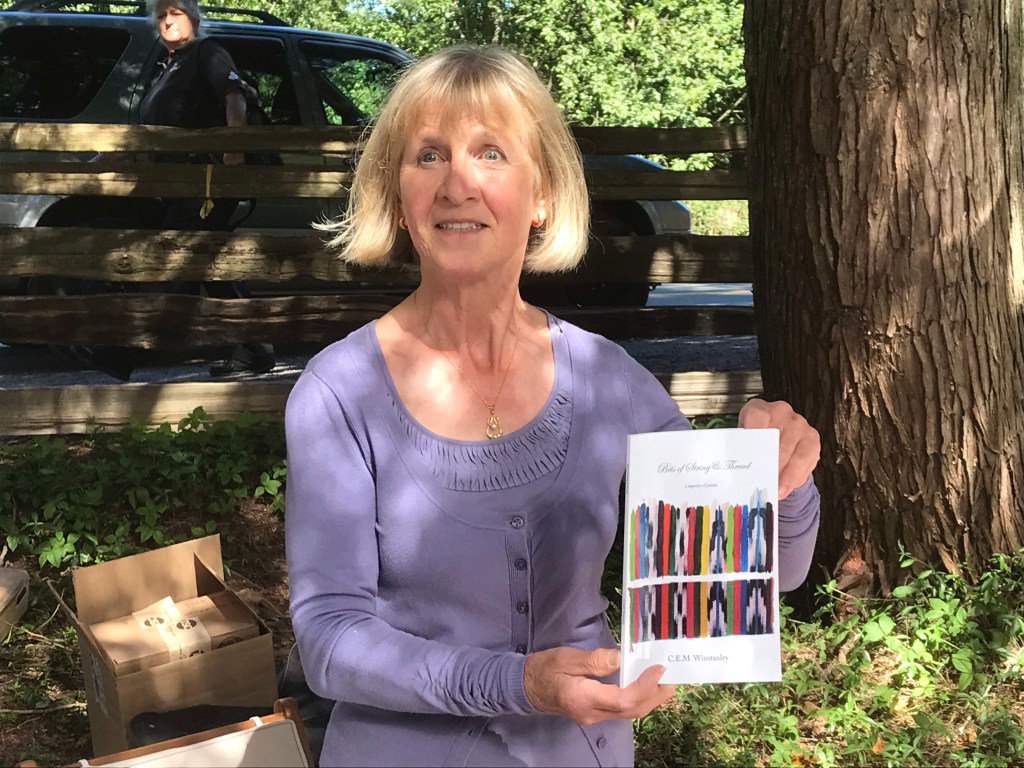
Here, for first time published in print, you can find my poem “Last Stand at Fairy Creek” which you will have heard me performing for the “Stories-Less-Spoken” Podcast series.

“That poem has so much weight to it!” Cole Kelly, Director and Co-Host, The Little Stories Series: The Spoken Word.

“I was very moved by it.” Christine Lowther, Poet Laureate, Tofino, British Columbia

Of the remaining poems, all but one (“Beside the Seaside – a cycle of sea poems”) were written over the past two years and appear together for the first time in this anthology. Many of them will take you on journeys: physical or spiritual. All use common words to express uncommon thoughts, feelings and ideas.

To purchase your own copy in person, visit The Gallery (Sooke Arts Council) (open Wednesday to Sundays). Alternatively, order one directly from me, here on my contact page or visit http://www.sookewriters.com and place an order.

Author Photo (c) AMGray Studios 2021

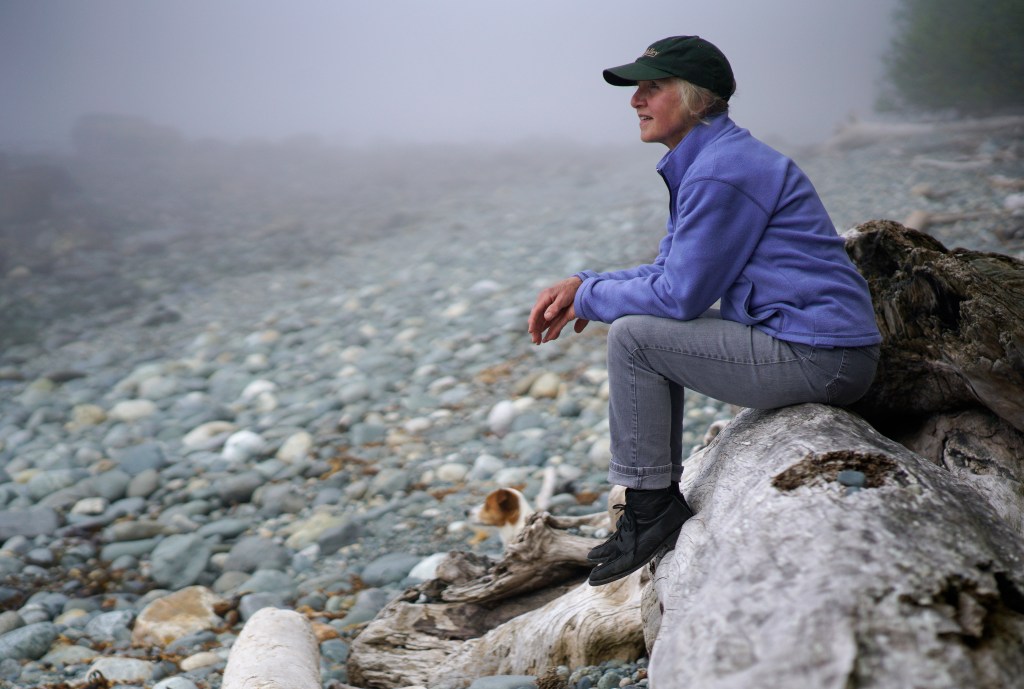
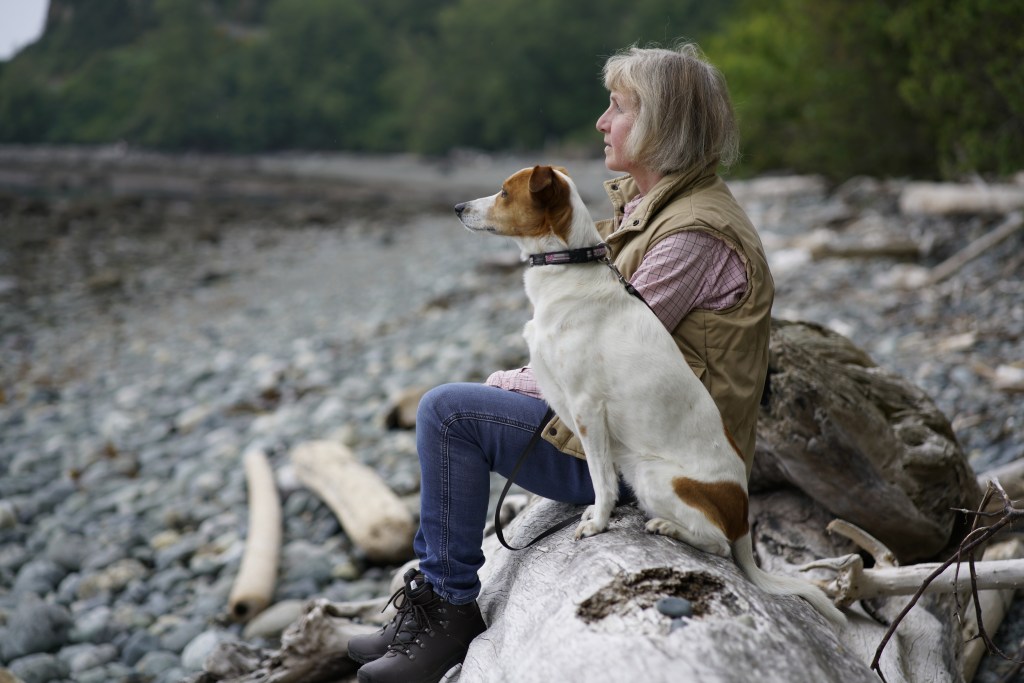
Here I am in the tranquility of Ella Beach on the shoreline of the Salish Sea, Sooke (featured in my poem “The White Night”) in the cool of an early summer’s morning, with my companion lurcher, Perdida.

Featured

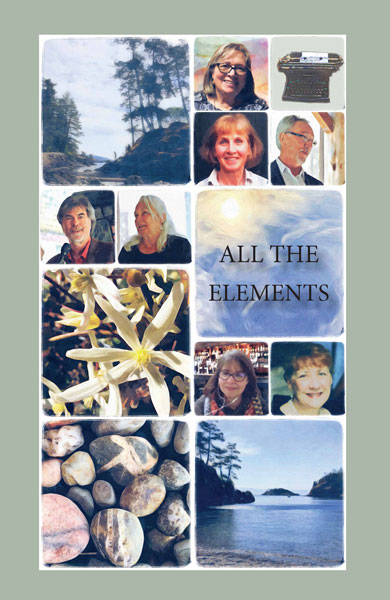
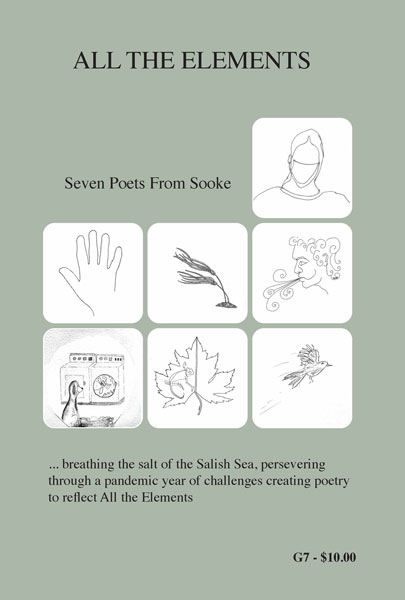
10th May 2021 Today is publication day for ALL THE ELEMENTS!

I am excited to announce that the collaborative chapbook anthology is now published and already for sale at The Gallery (Sooke Arts Council) and copies can be obtained either here through the contact page on my website, or by email gallery@sookearts.com

a chapbook anthology of poems

nature weather love resilience pets plague people

To celebrate this exciting day, here is a brand new recording of one of my poems from this new publication:

The Walnut Bureau