
Hiking back in time five thousand years …
My fixation with islands as sources of inspiration for writing continues unabated. I have just returned from an unforgettable adventure exploring Scotland’s most northerly groups of islands, Orkney and Shetland, bordered by the Atlantic Ocean and the North Sea, and situated respectively over fifty miles (eighty five kilometers) and a hundred miles (160 kilometers) north east of the Scottish mainland. After a week’s hiking on each group, I spent a further week walking the stone wynds (narrow paved alleyways) of historic Edinburgh.
My knowledge of the topography of the islands being limited – as indeed was time – I chose to sign on for a group holiday with Ramble Worldwide, a hiking company with whom I have previously travelled in Europe, depending upon its excellent reputation to provide comfortable, convenient accommodation, locally-driven land transport and a skilled group leader to coordinate a crammed but stimulating, itinerary. I was not to be disappointed.
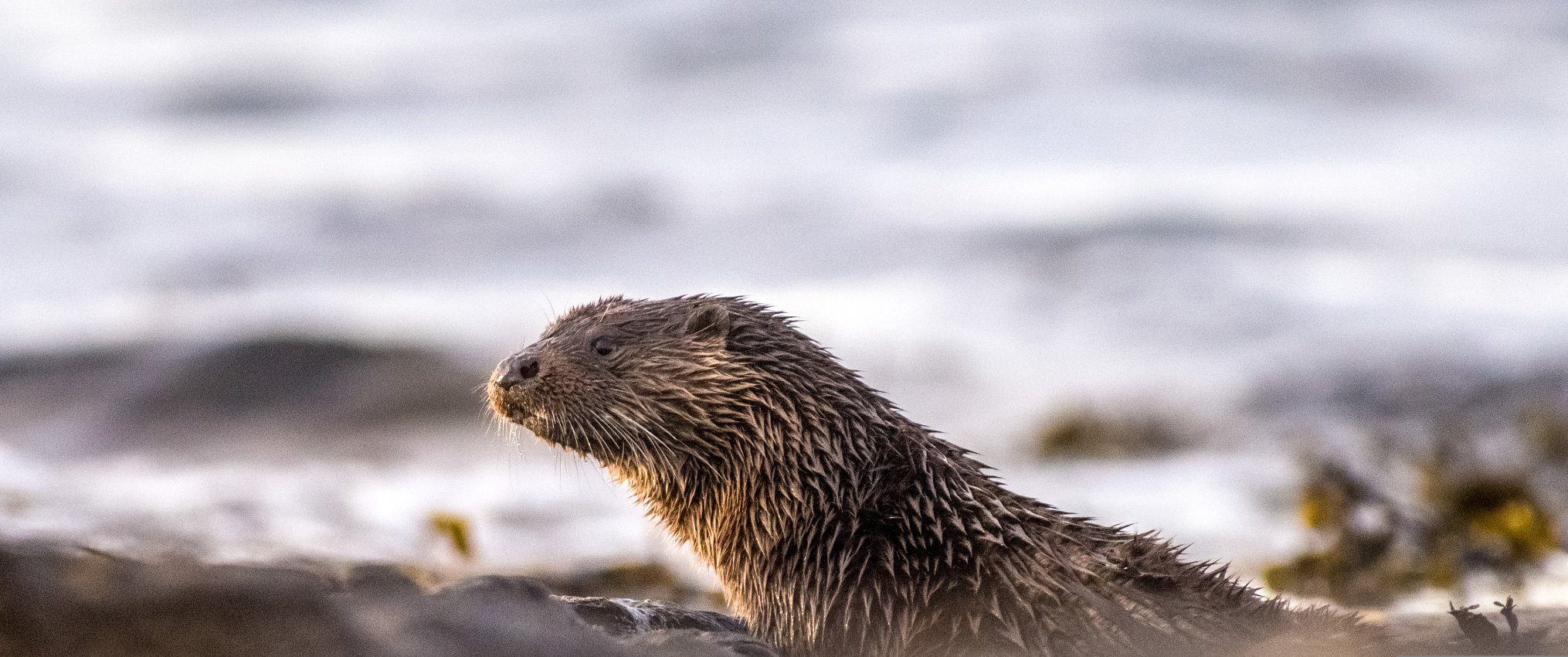
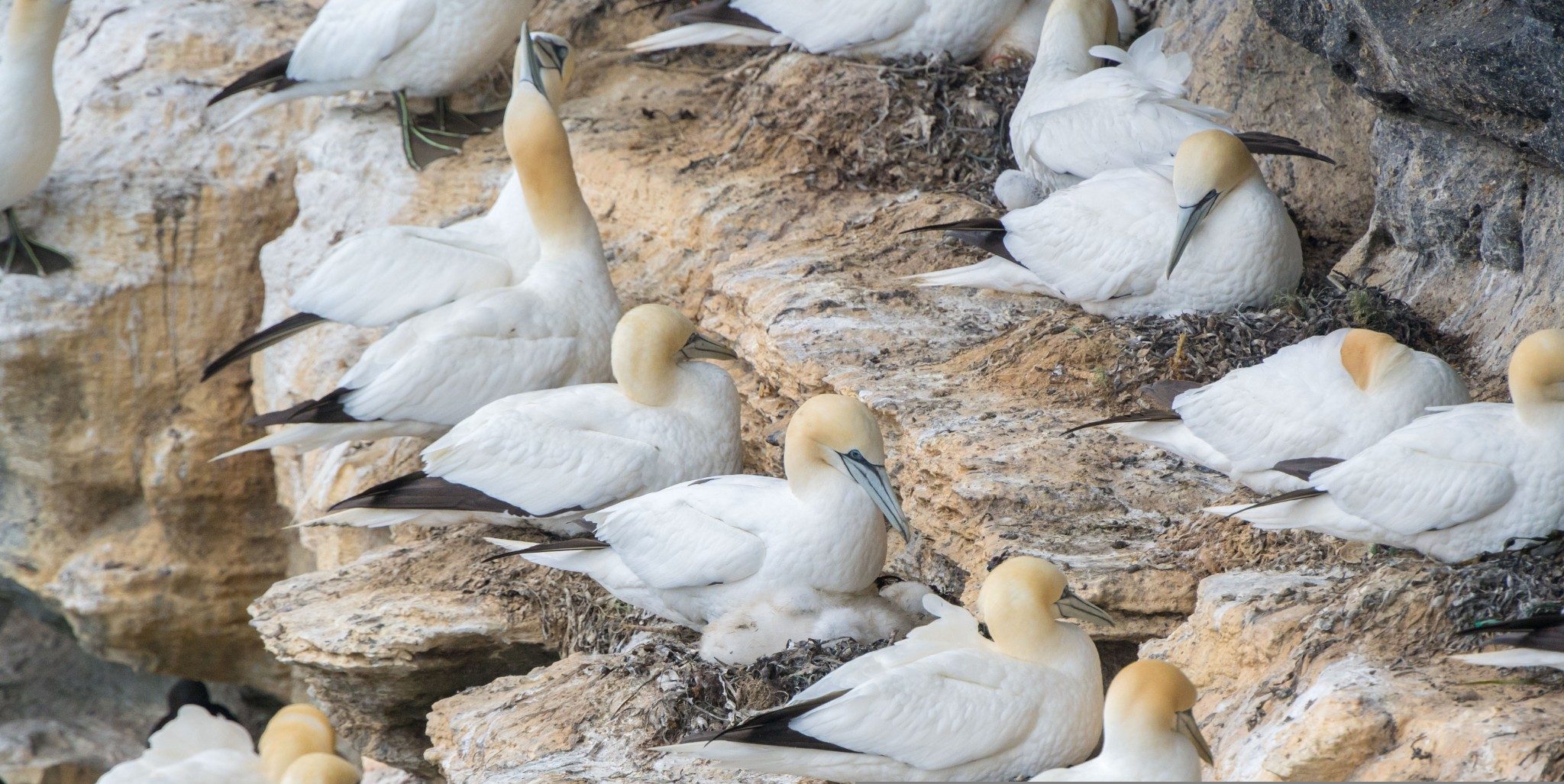
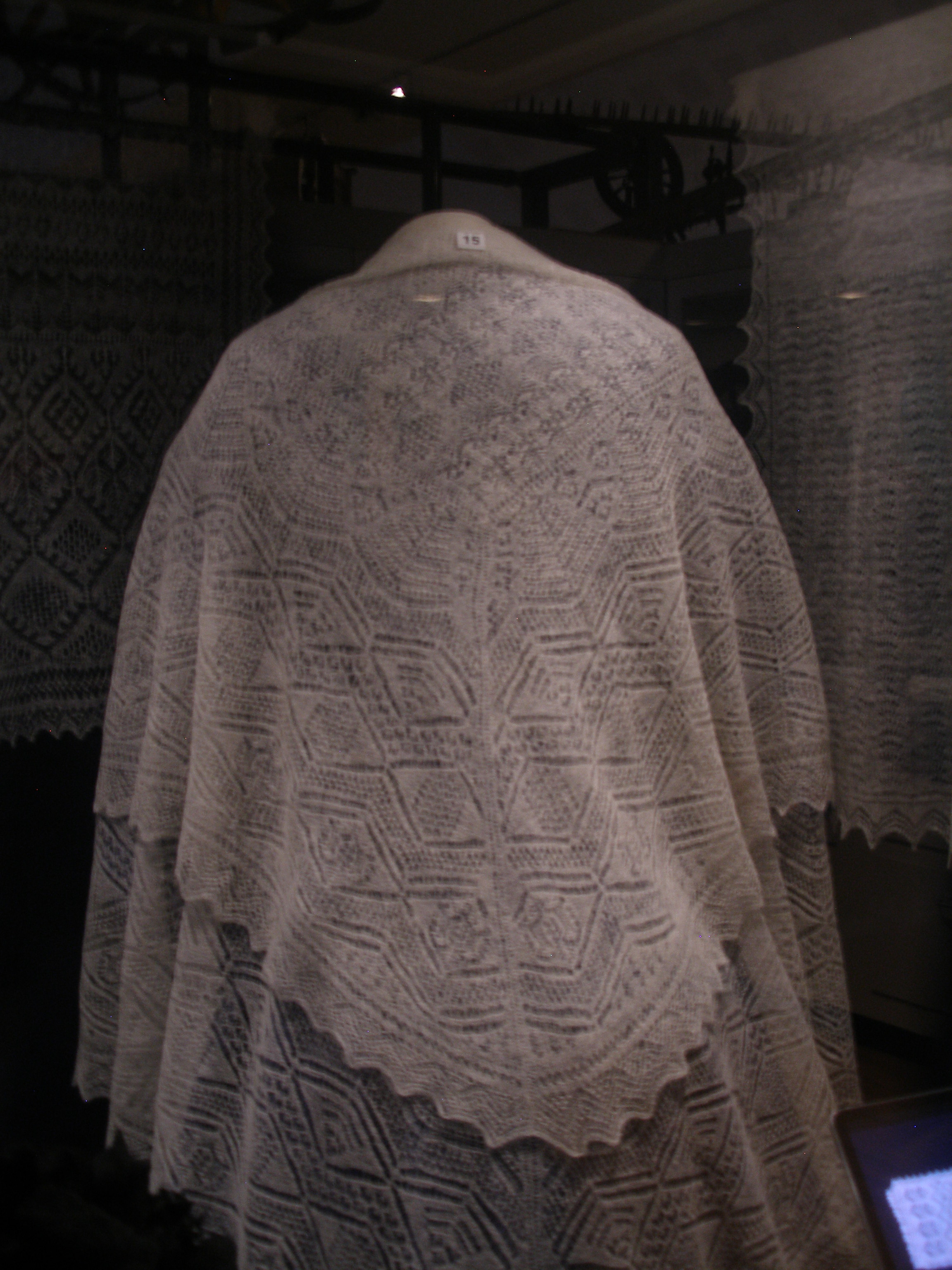
The lure of these isolated islands? They offered a unique combination: a pilgrims’ path for an Orcadian patron saint; rugged coast lines filled with wildlife (gannets, fulmars, otters, seals and whales); more than five thousand years of ancient history (from Neolithic villages to Vikings) plus an opportunity to delve into the timeless traditions of local textiles. Having read that the cobweb-fine wool from the neck of the indigenous Shetland flocks could be knitted into a shawl so fine it could be drawn through a wedding ring, and learning that this signature lace-work was said to have been influenced by marooned survivors of the Spanish Armada and lace mantillas, I was keen to study their designs in depth, as well as the signature multi-coloured patterns of the nearby Fair Isle islands, situated between Orkney and Shetland. Prior to my departure, I had intentionally not read Anne Cleeve’s detective novels set on Shetland, nor watched any of the BBC tv series of the same name, as I wanted to form my own impressions of that remote group of islands and not allow another’s vision of its landscape and people to shade my view or colour my words.
THE ORKNEY ISLANDS

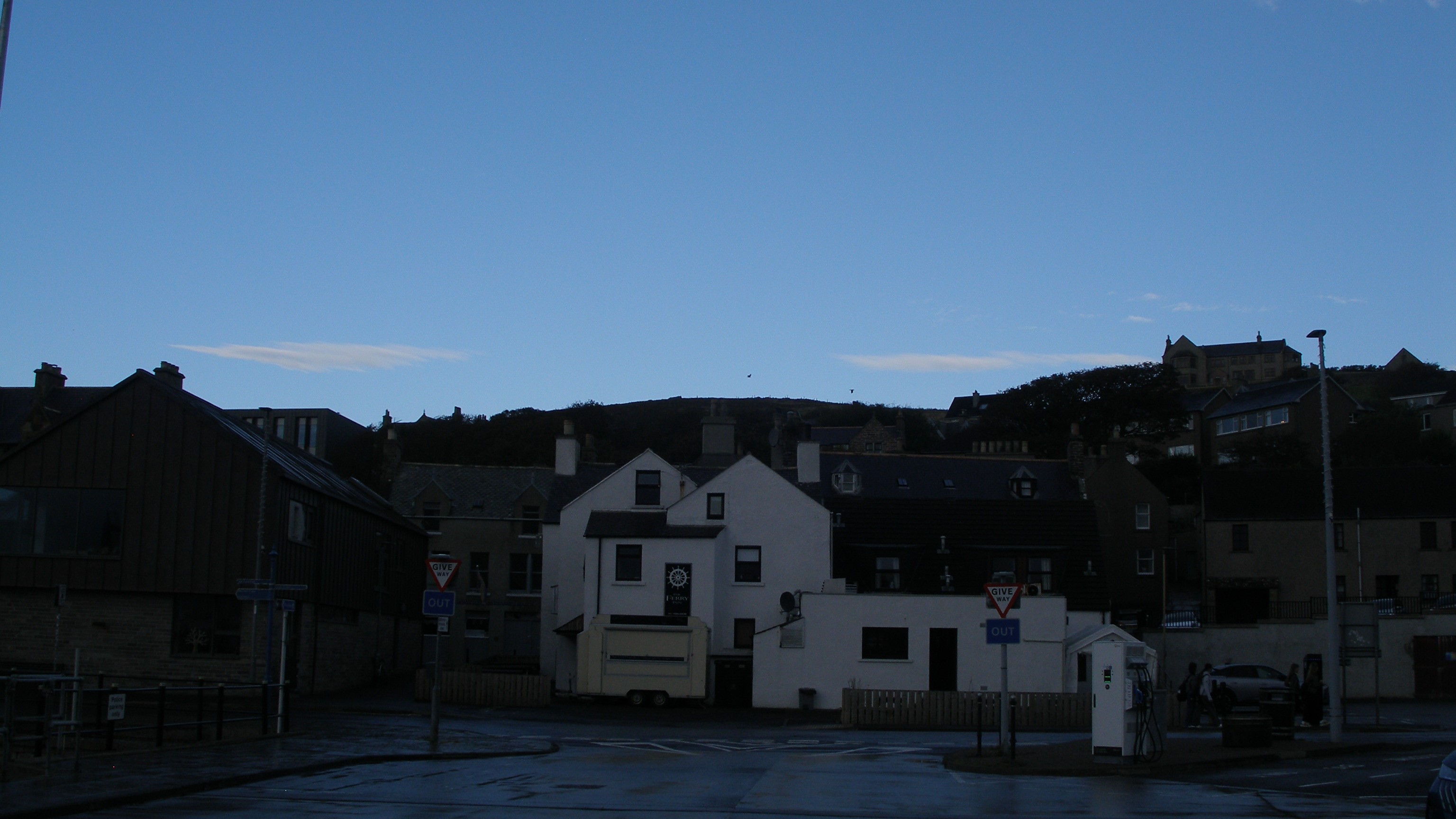
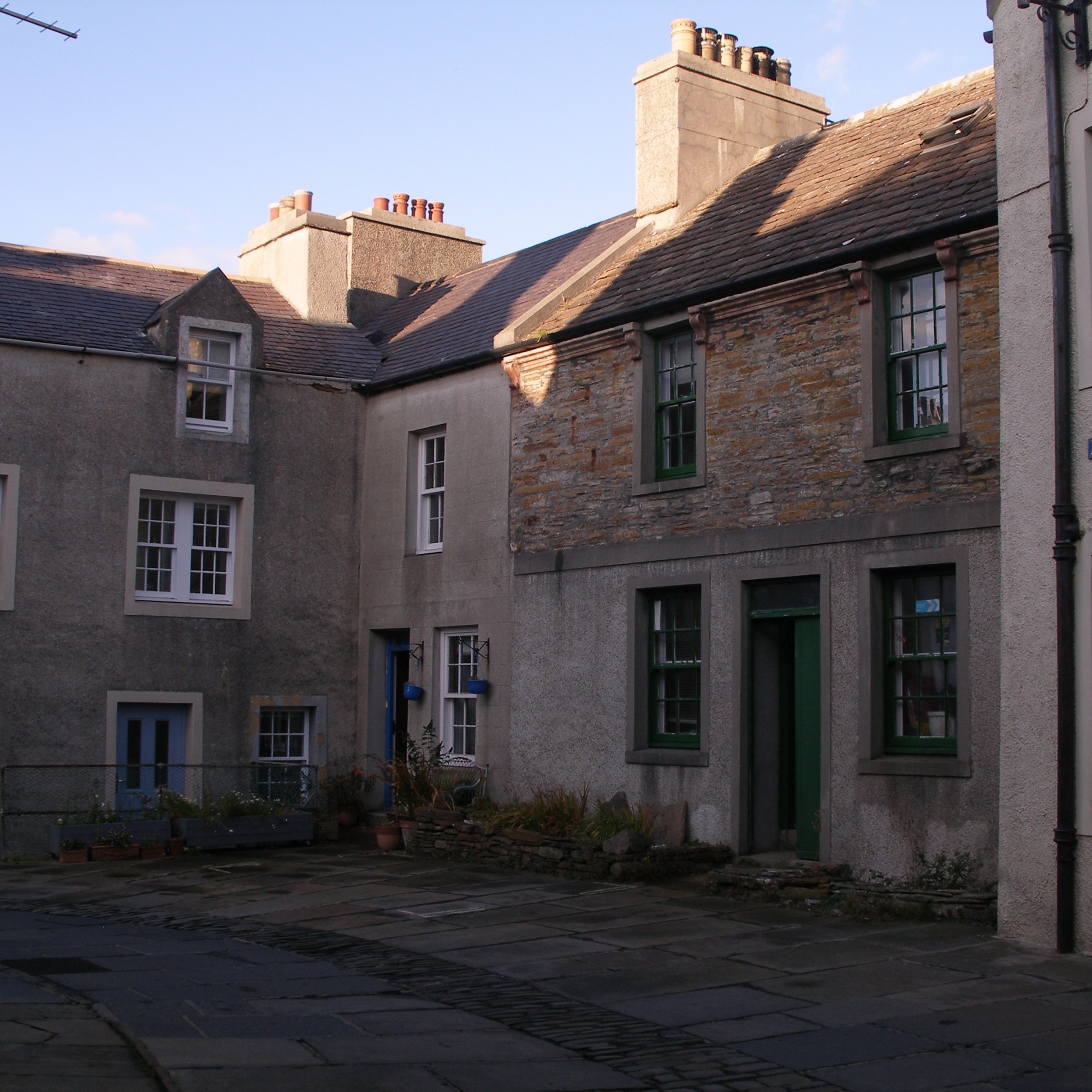
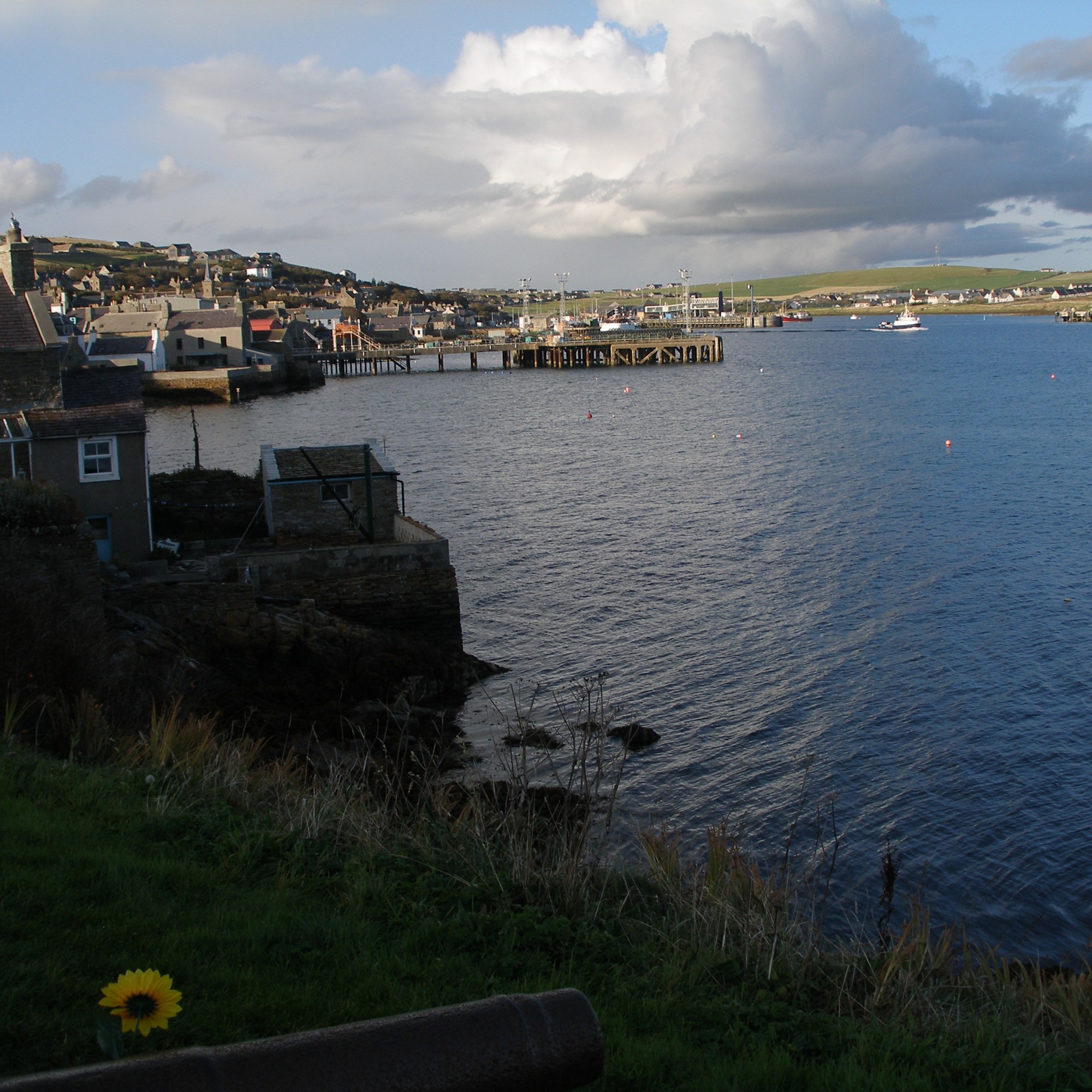
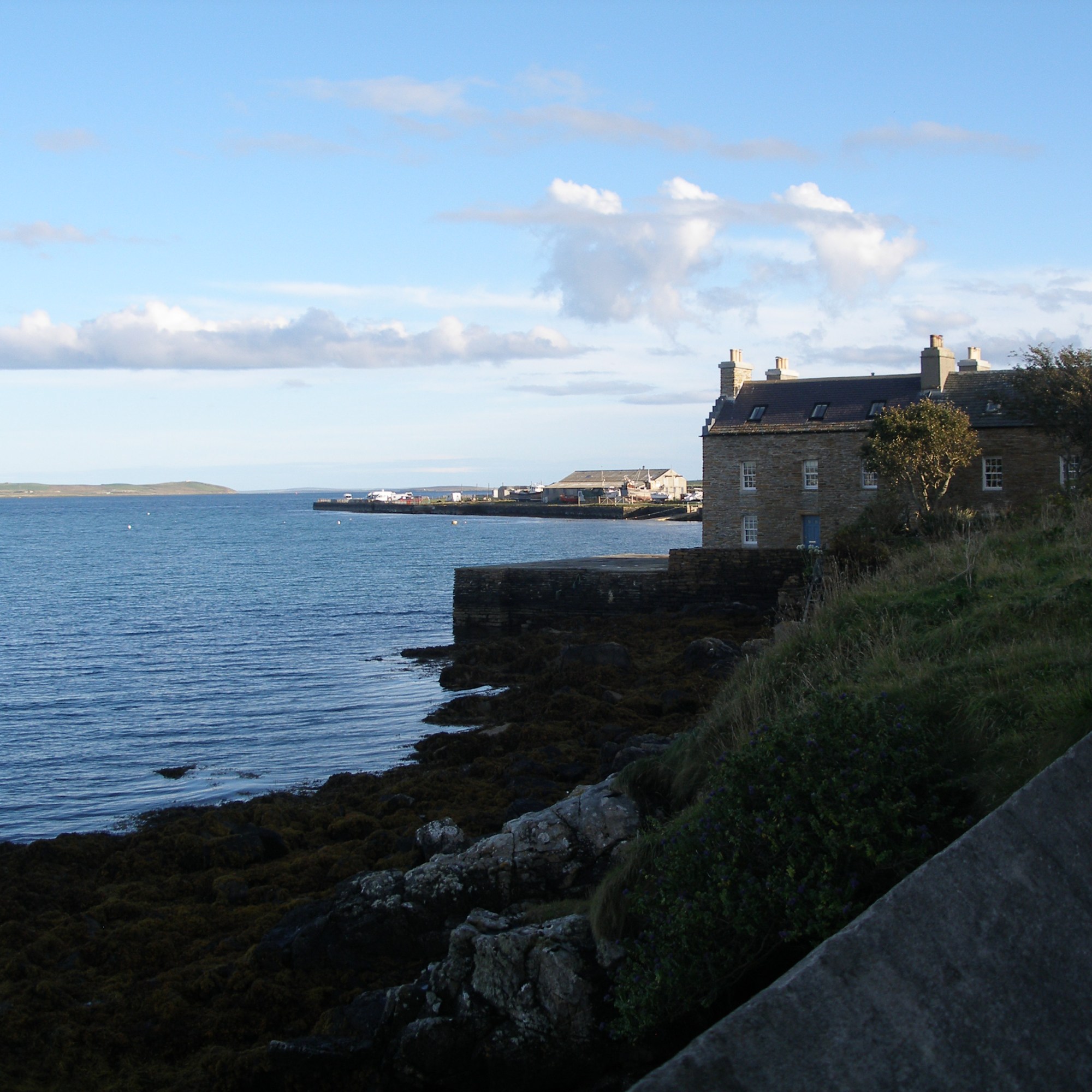
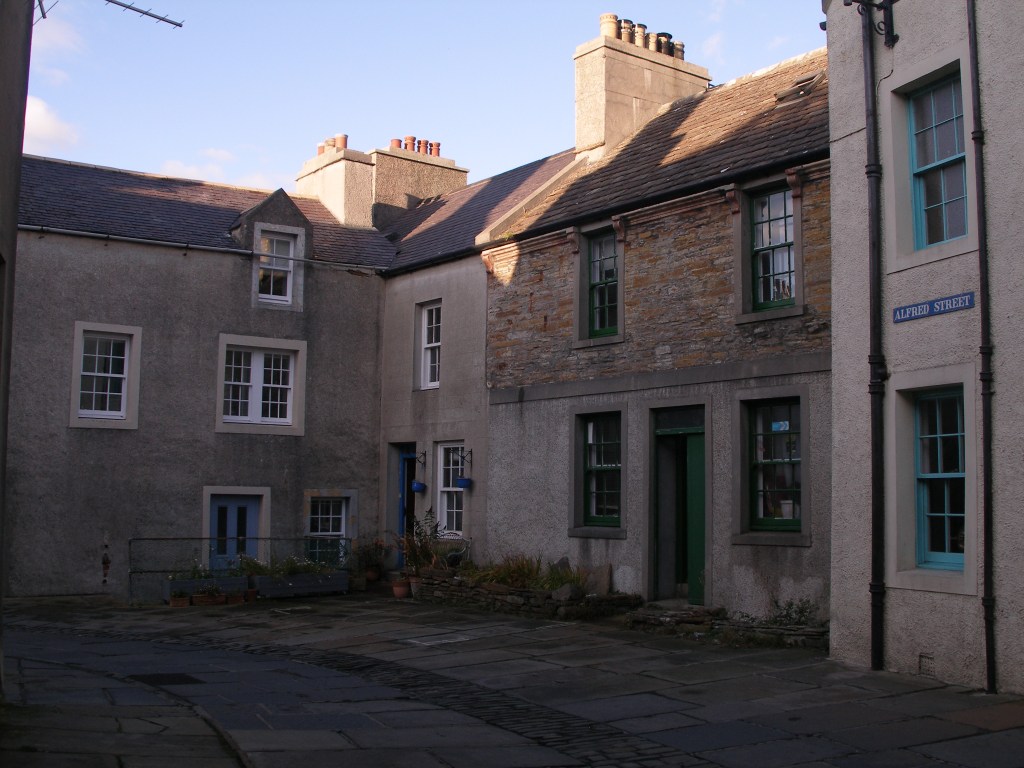
Flying in early afternoon from Edinburgh to the airport situated to the south of its capital, Kirkwall, to meet up with our first leader and the hikers on my flight, my expectations were high. By late afternoon, well-settled into my charming room in the historic Ferry Inn in ancient Stromness, west of the capital, I set off to explore the old town, walking past the busy ferry terminal towards Stromness Point. In golden evening sunlight, the narrow granite streets of slab-fronted old houses were enchanting. Looking out from the Point towards the distinctive humpback ridge of the isle of Hoy, I pledged to not waste a single moment of the precious next two weeks.
Sustained by the first of outstanding breakfasts from the Ferry Inn’s restaurant, Sunday was out first full day of walking. Orcadian poet George MacKay Brown’s Brinkie’s Brae (a hill) was climbed and after a picnic lunch of oatcakes and fruit, a second hike from Stromness was completed to Warebeth Beach and cemetery with a visit to Stromness Museum enroute back to the inn. After the Ferry Inn Restaurant’s three-course superb dinner, there was traditional Orkney music to enjoy in the crowded lounge bar of the nearby Royal Hotel, the band consisting of fiddles, guitars, a flute and a piano. Sipping a wee dram of local Scapa malt, I watched incomers and locals alike immerse themselves in the pleasure of the energetic melodies.
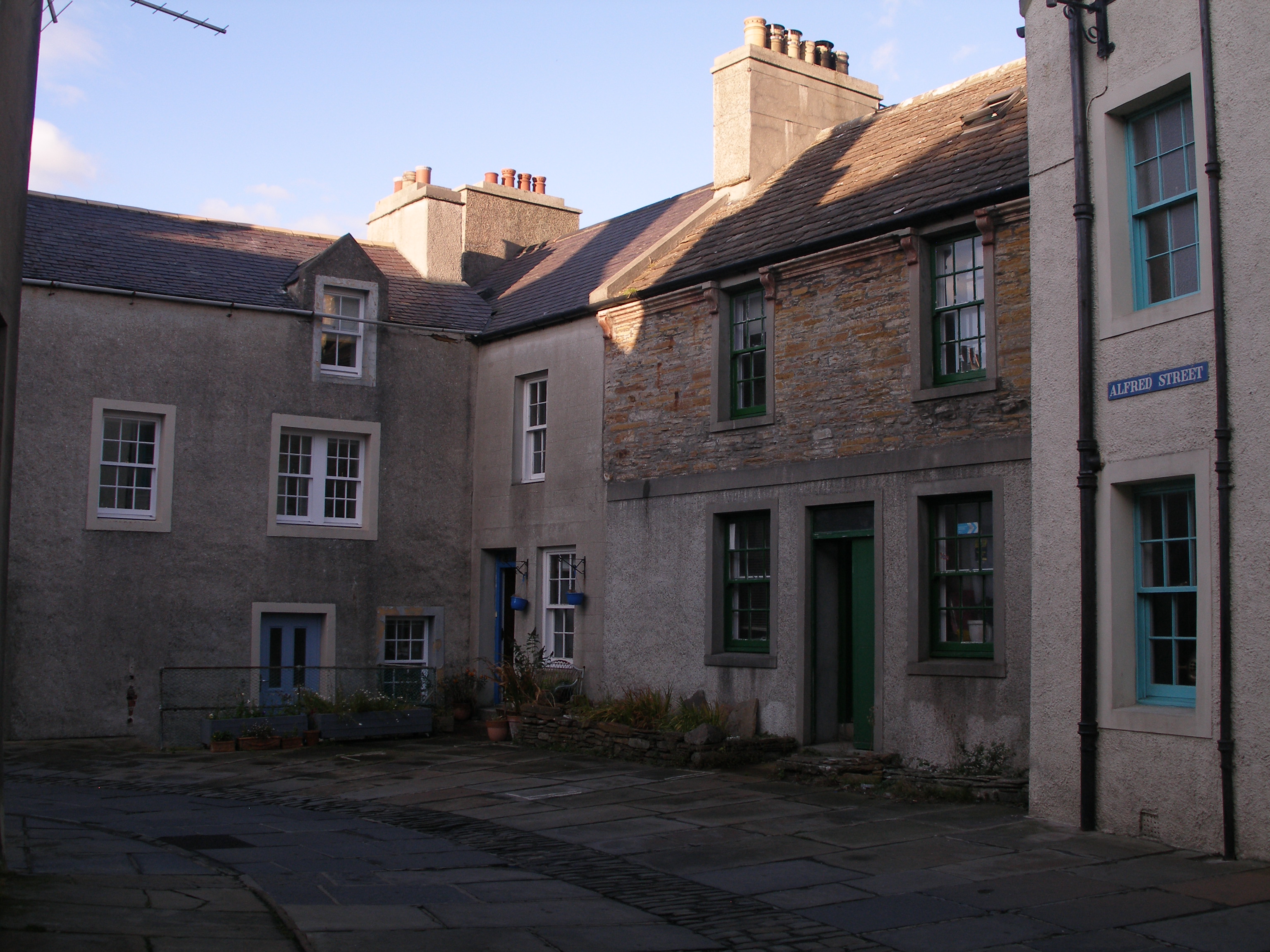
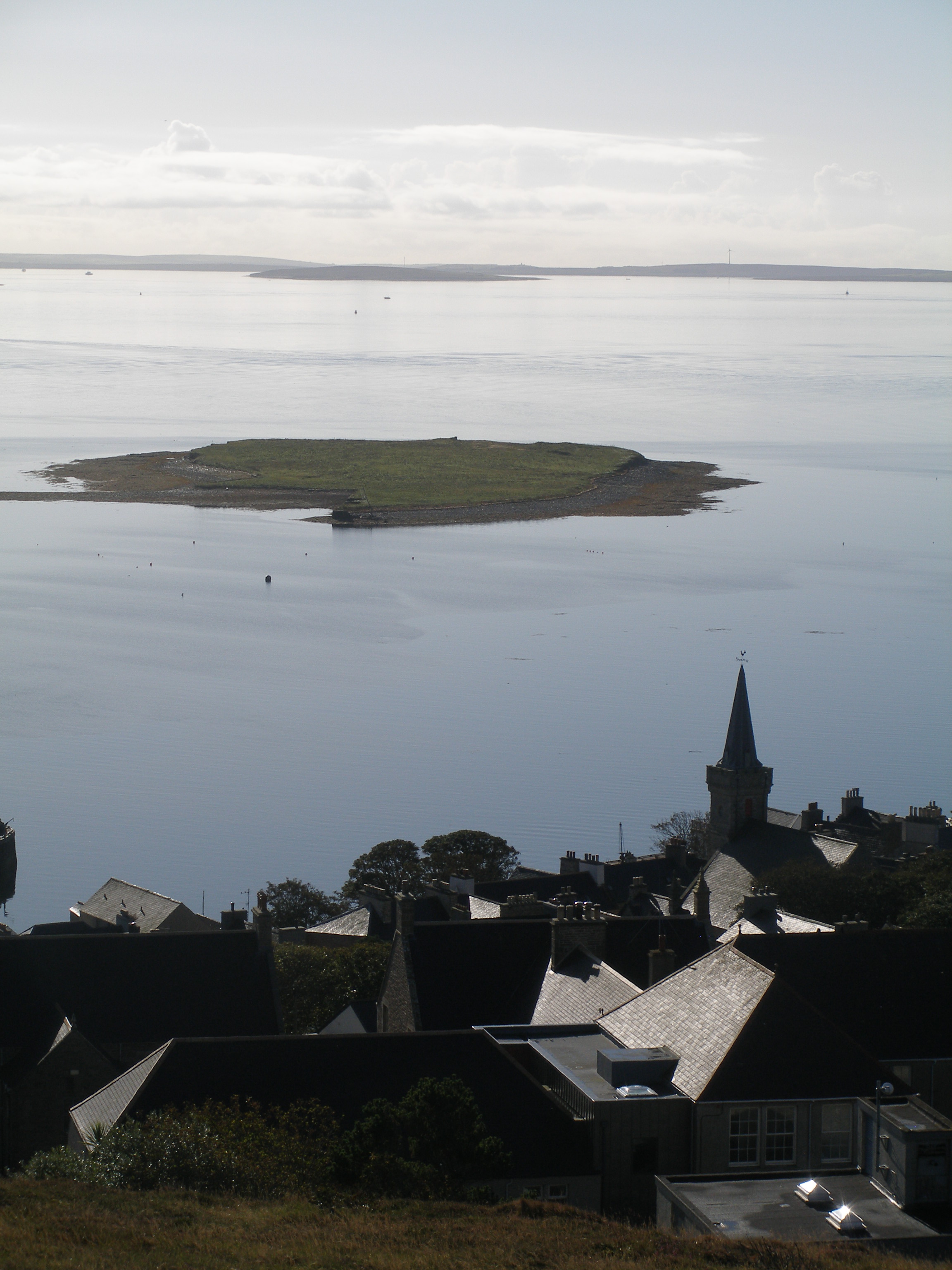
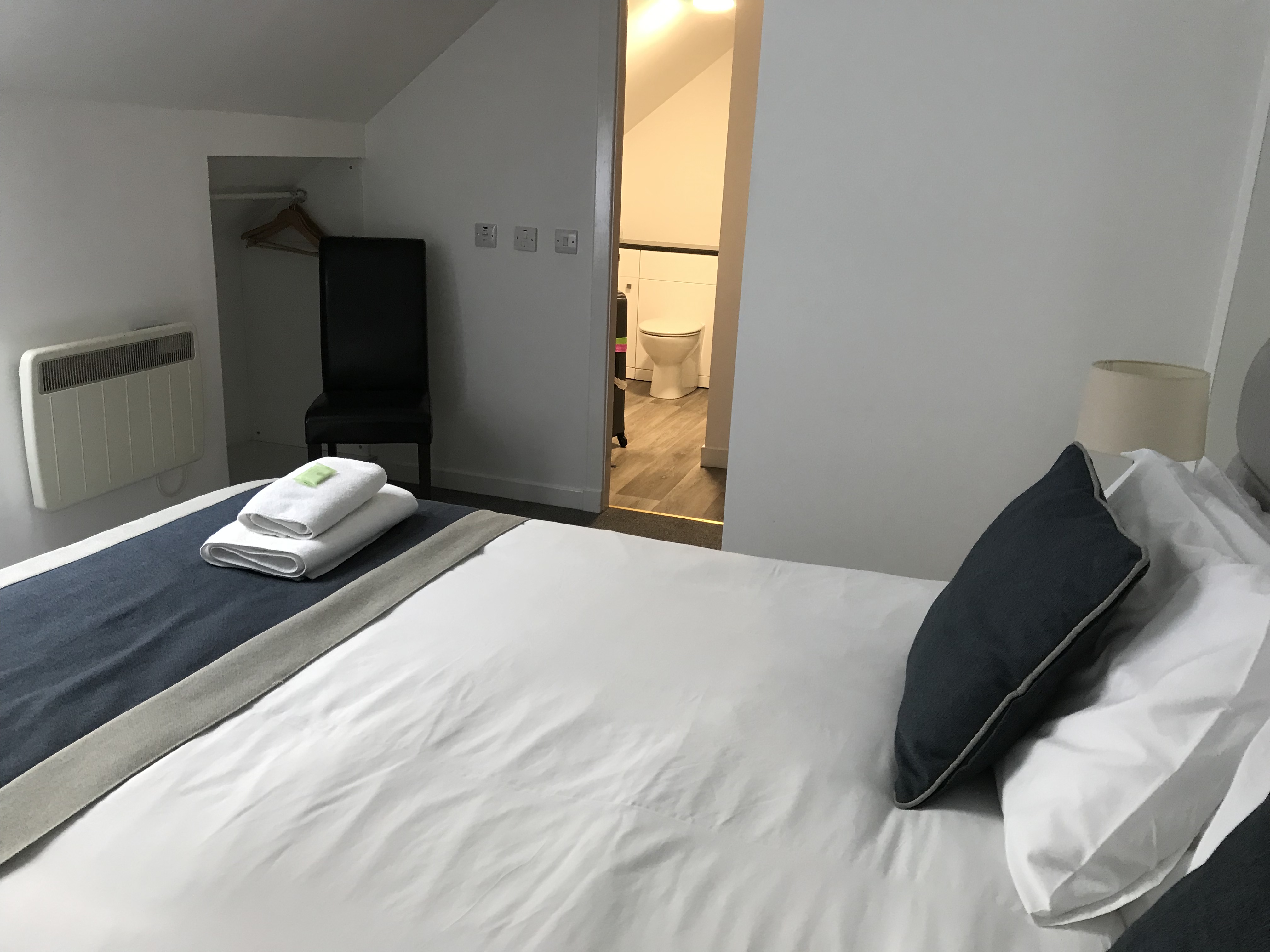
The weather did not cooperate over the next few days, making hiking but not photography possible as we explored in steady rain, the Bishop’s and Earl’s palaces at Berstane and nearby St Magnus’ Chapel, part of the pilgrim’s way from the island of Egilsay (where the patron saint was murdered) and ending at St Magnus’ Cathedral in Kirkwall.
Pelting rain failed to diminish the awe of the Neolithic village site at Skara Brae, nor the graciousness of our welcome from staff at the charming Jacobean manor house, Skaill House, home to the Earls of Orkney.
Damp ferry journeys were undertaken to the islands of Wyre to explore the oldest defence tower in Scotland, Viking Earl’s Cubbie Roos, and of Rousay, to climb down into the claustrophobic confines of the Taversoe Tuick underground cairn, followed by hiking the ridge of Knichen Hill, pausing only to help a local lad round up some errant sheep as we descended.
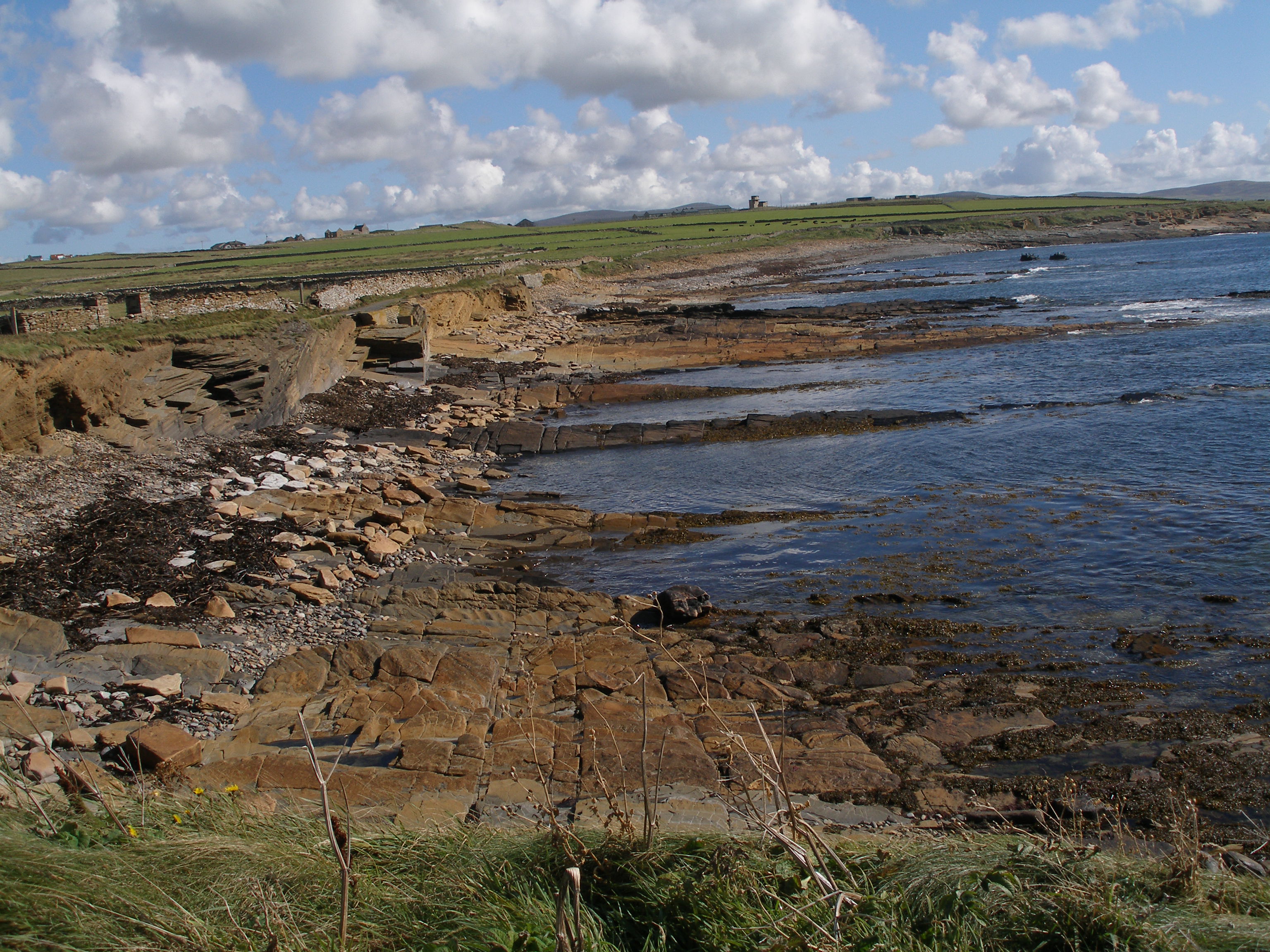
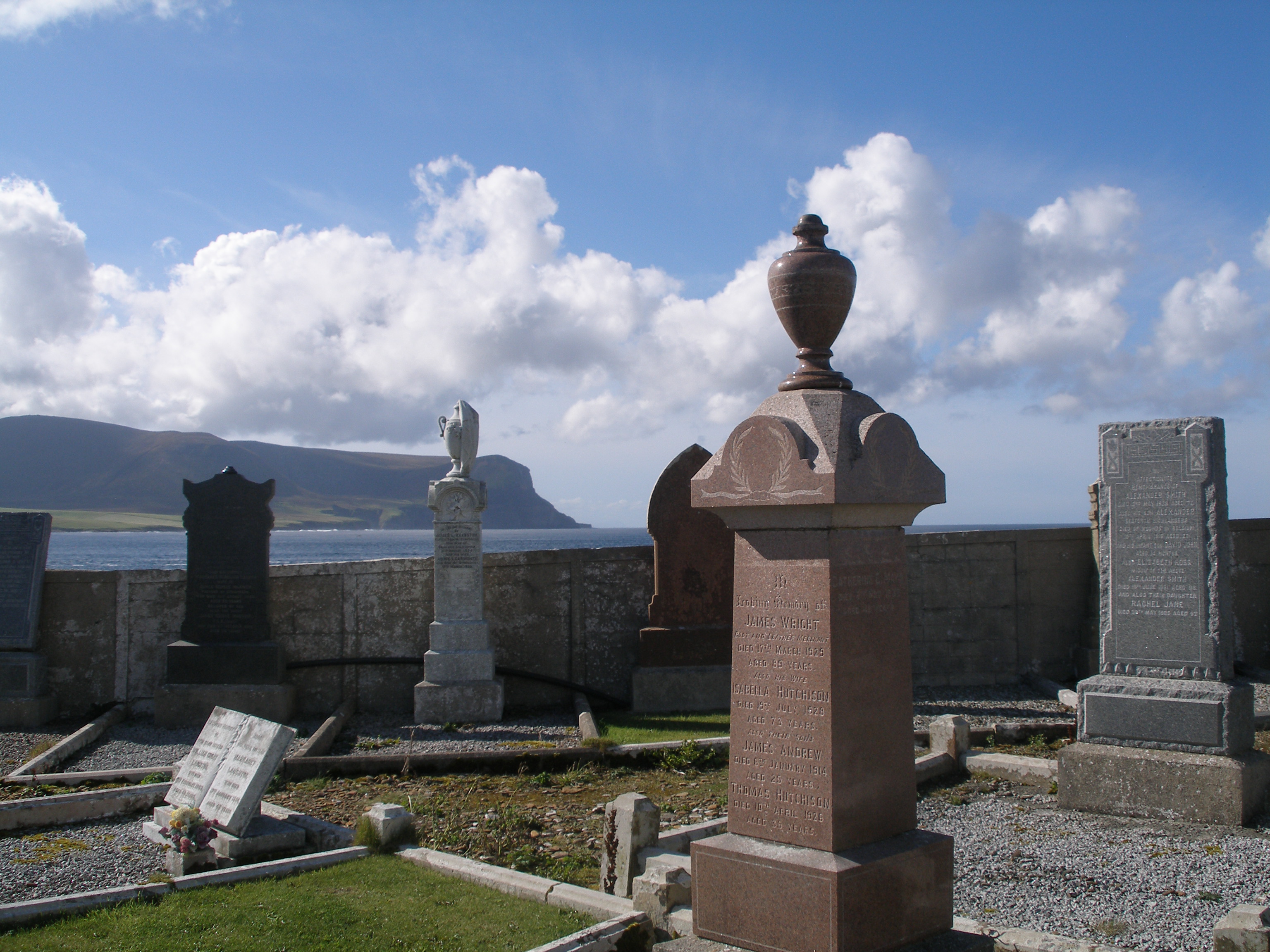
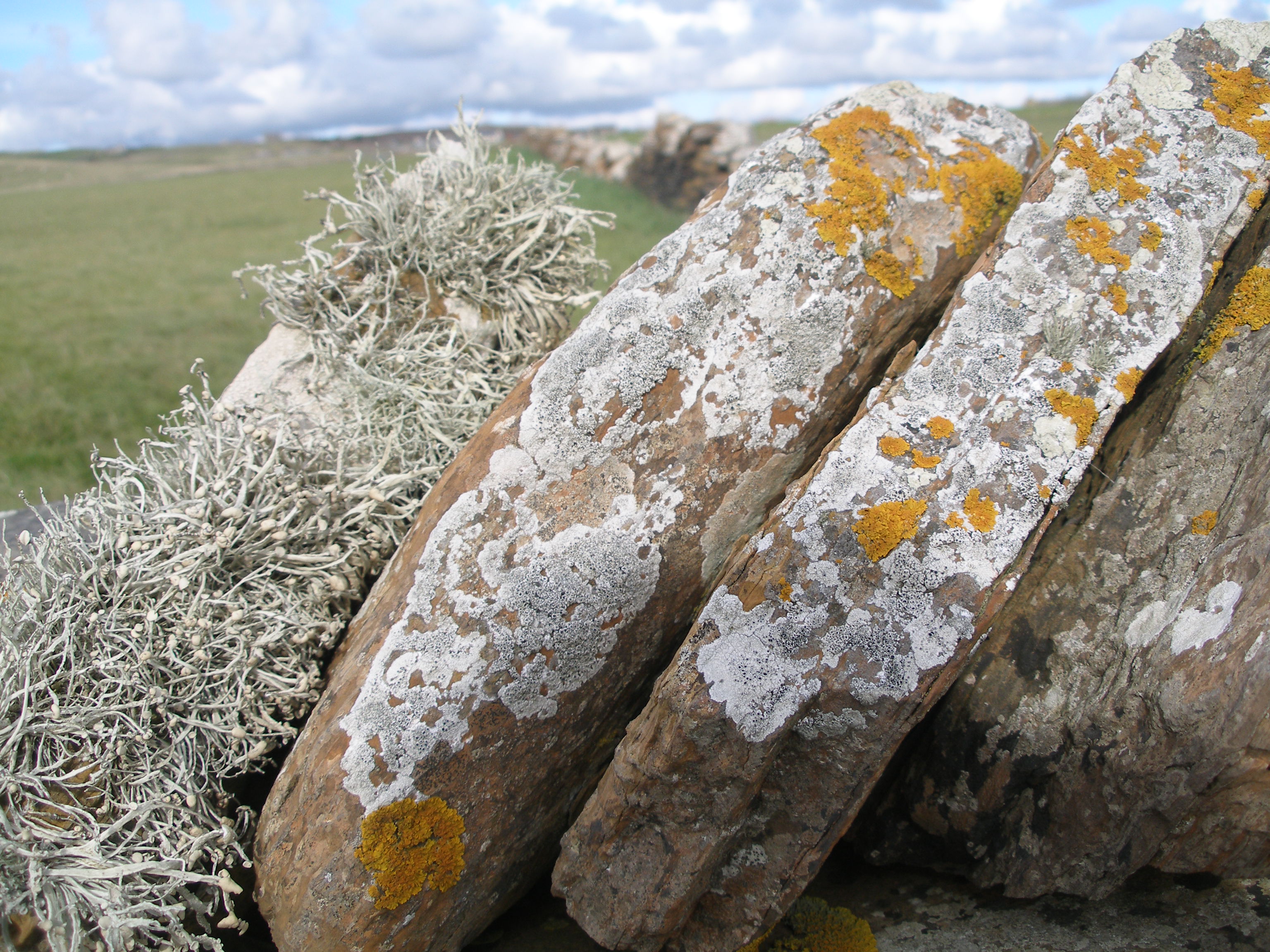
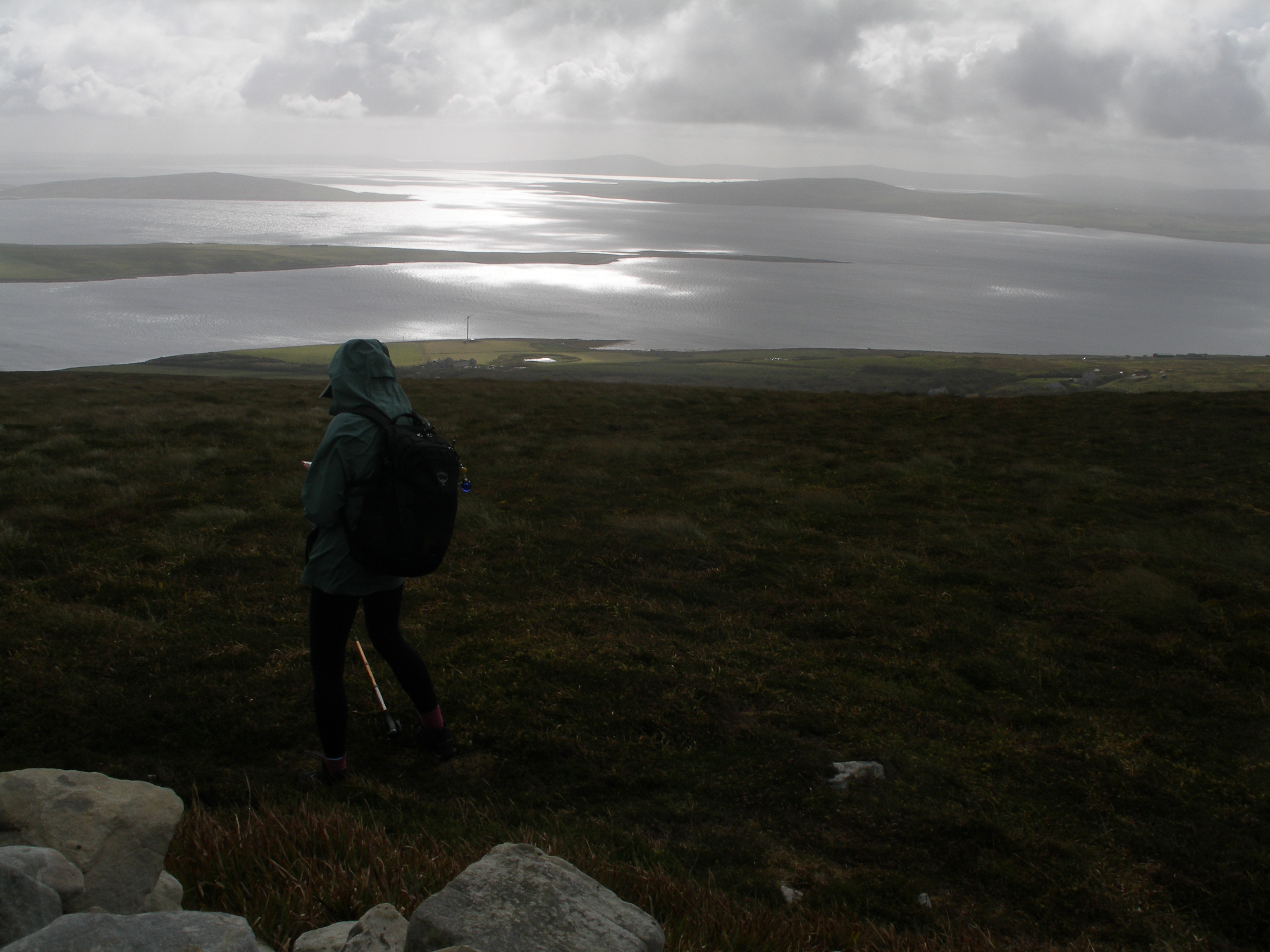
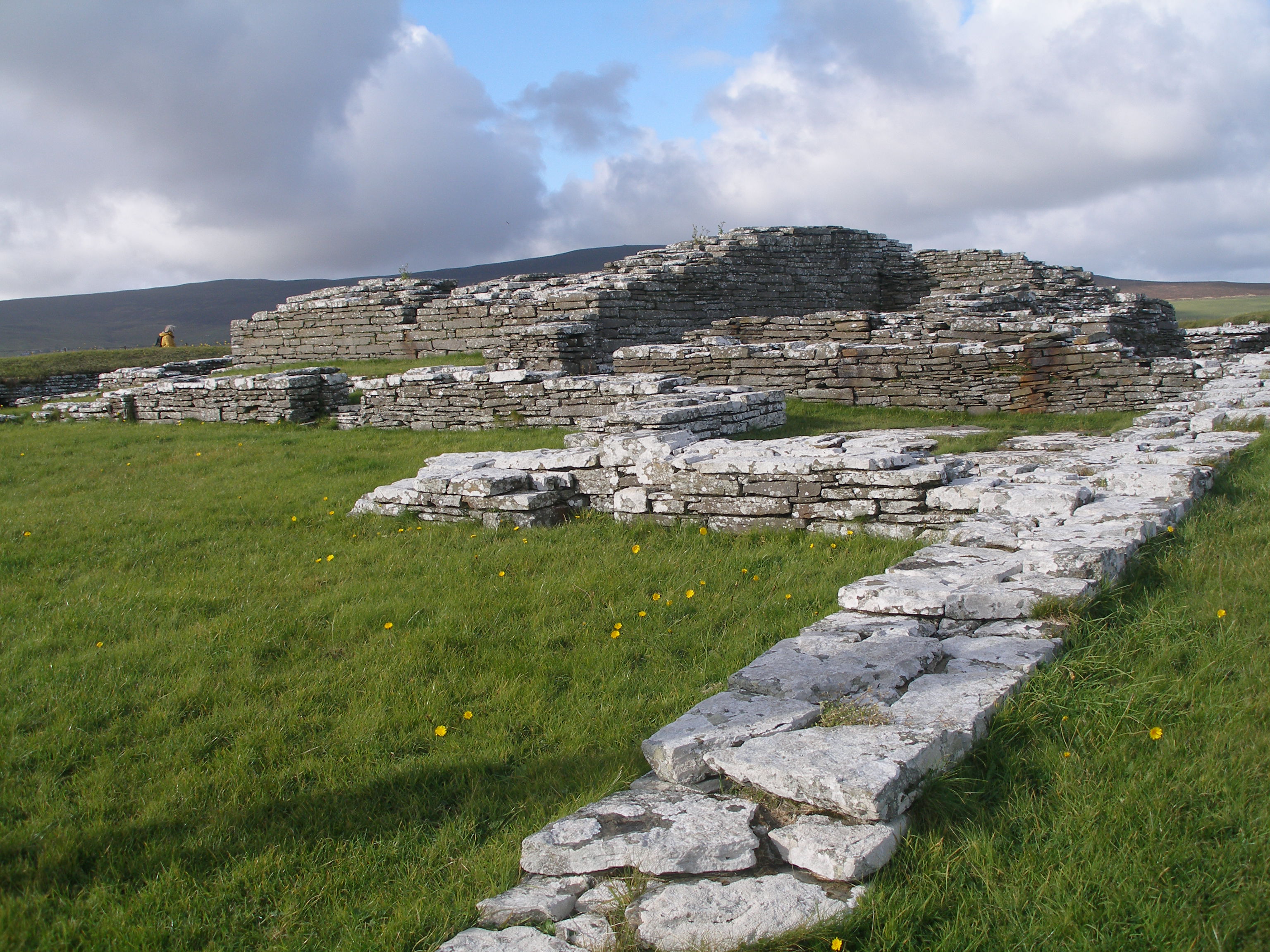
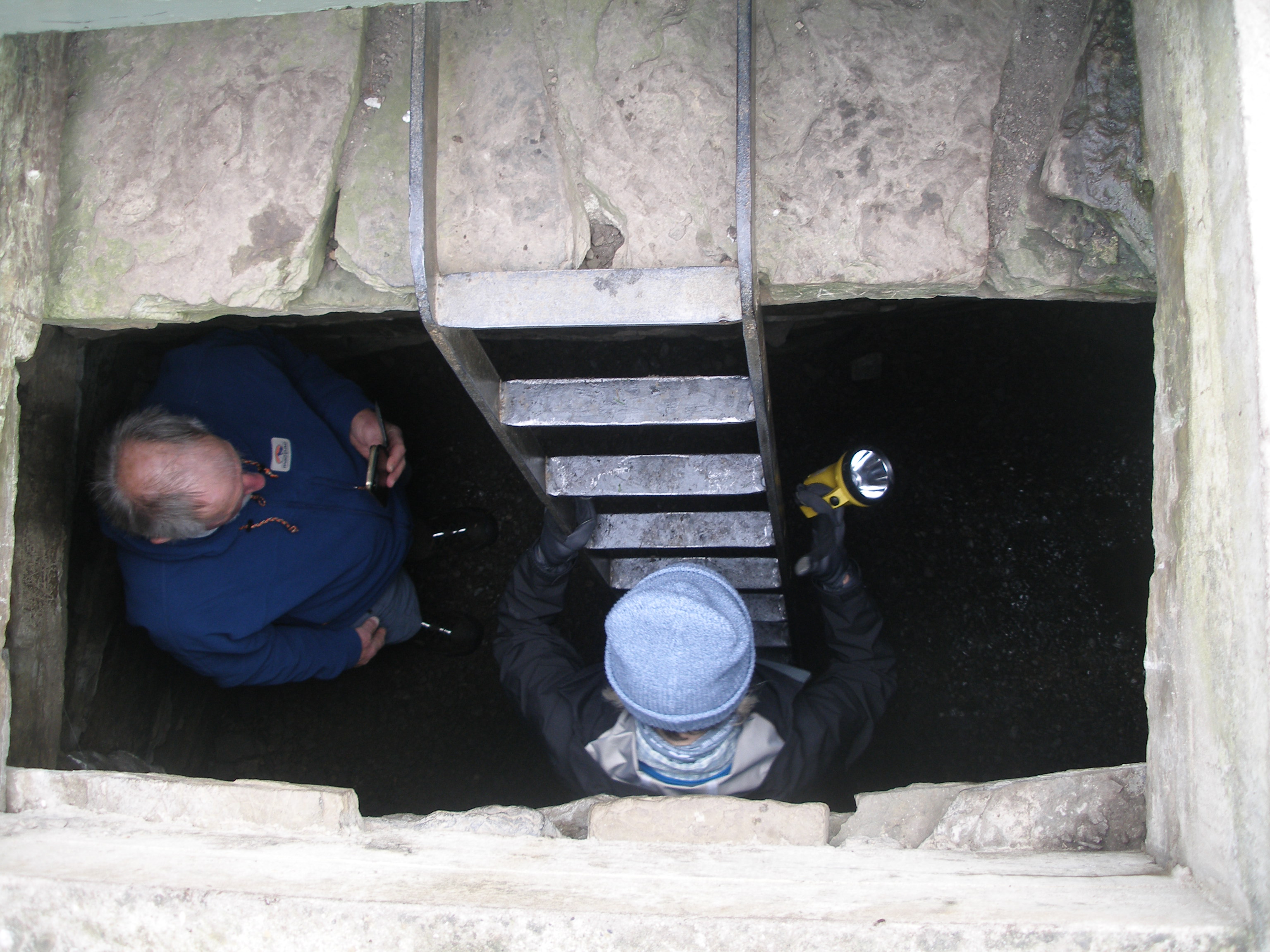
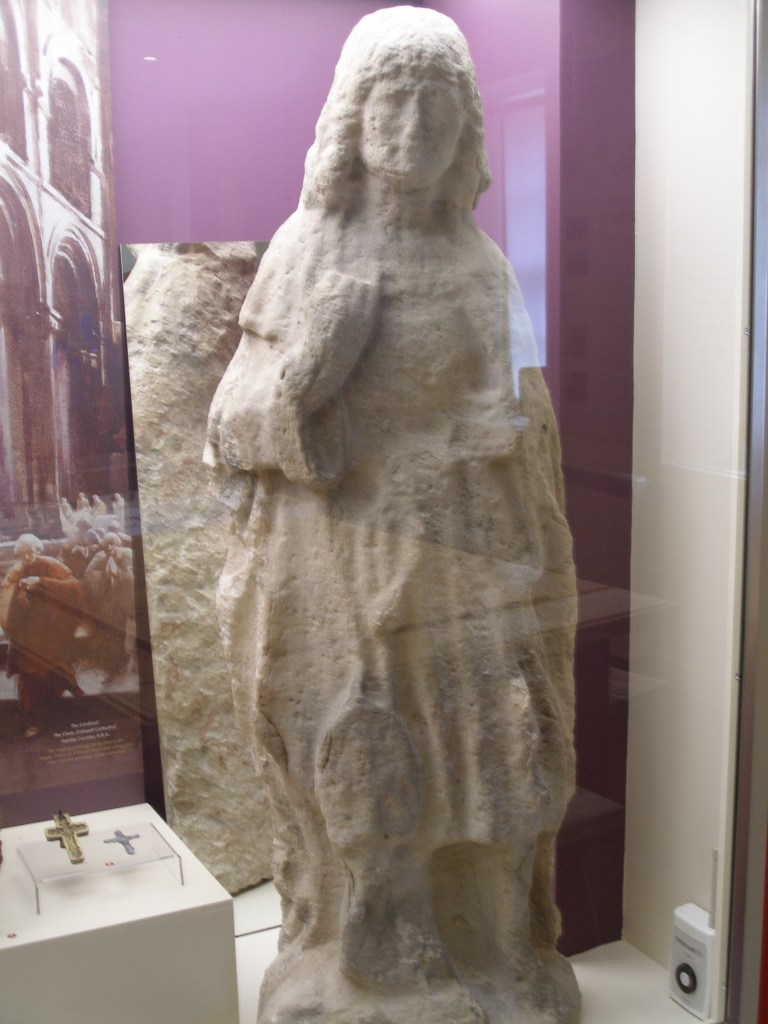
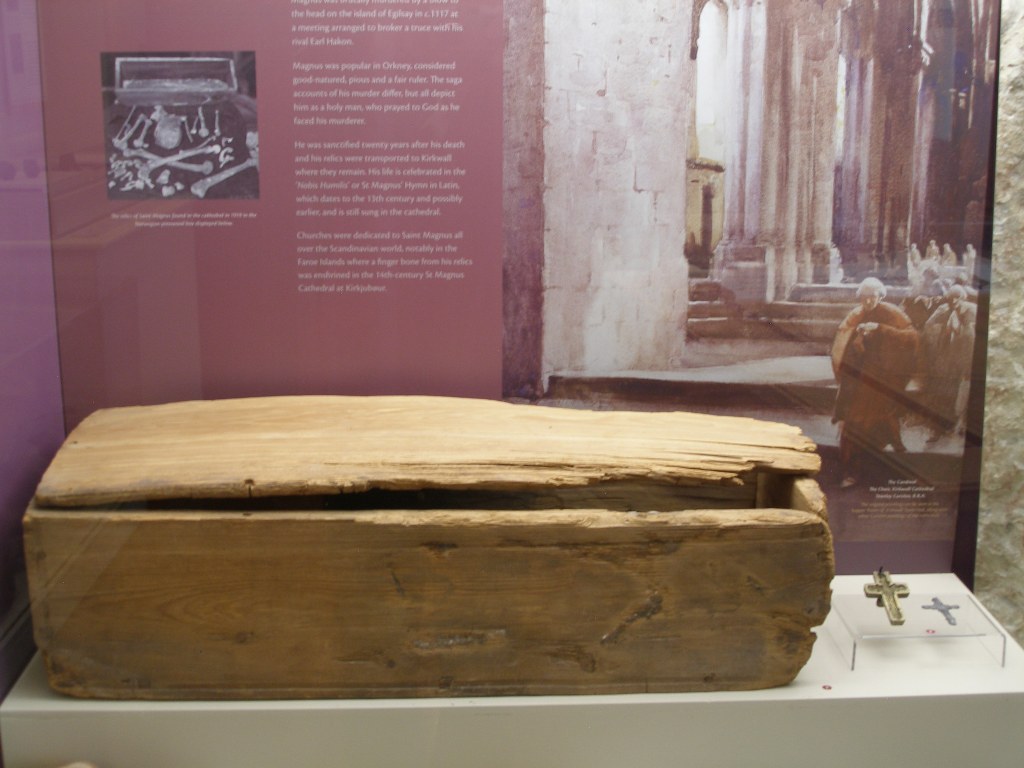
Next day the minibus dropped us off to hike through showers to Wideford Hill Chambered Cairn with its Neolithic scratchings carved into the rock face, and to then descend into the town of Kirkwall itself to explore the absorbing displays of the Orkney Museum set in Tankerness House and gardens. The St Magnus’ Visitor Centre’s informative video installation filled in all the gaps in the story of St Magnus’ life and I was thrilled to finally locate the remains of the saint himself interred in a pillar in a modest spot in the tranquil Cathedral.
Wind gusts had joined the rain by the time we climbed aboard the ferry to the Isle of Hoy the next day. Huge swells built as we hiked from Longhope to Rackwick to see the Dwarfie Stone Chambered Cairn. Halfway along the headland path towards the solitary stack of the Old Man of Hoy, our group leader aborted the hike due to the ultra-high, inshore winds buffeting our every step. We about-turned and headed back into Rackwick, visiting the Cra’Nest Heritage Museum and Hoy Old Parish Church as we returned to the jetty at Longhope.
The ancient gods must have learned of our disappointment: the next day we woke to clear skies for our tours of the iconic stone circle Ring of Brodgar where thirty six of sixty original standing stones are still erect, and the Standing Stones of Stenness where six of the original twelve remain. Their majesty somewhat over-shadowed the impact of the visit to the Neolithic Barnhouse Settlement where a group of eight multi-roomed houses have been excavated, together with the Unstan Chambered Tomb and its unique Unstan ware pottery.
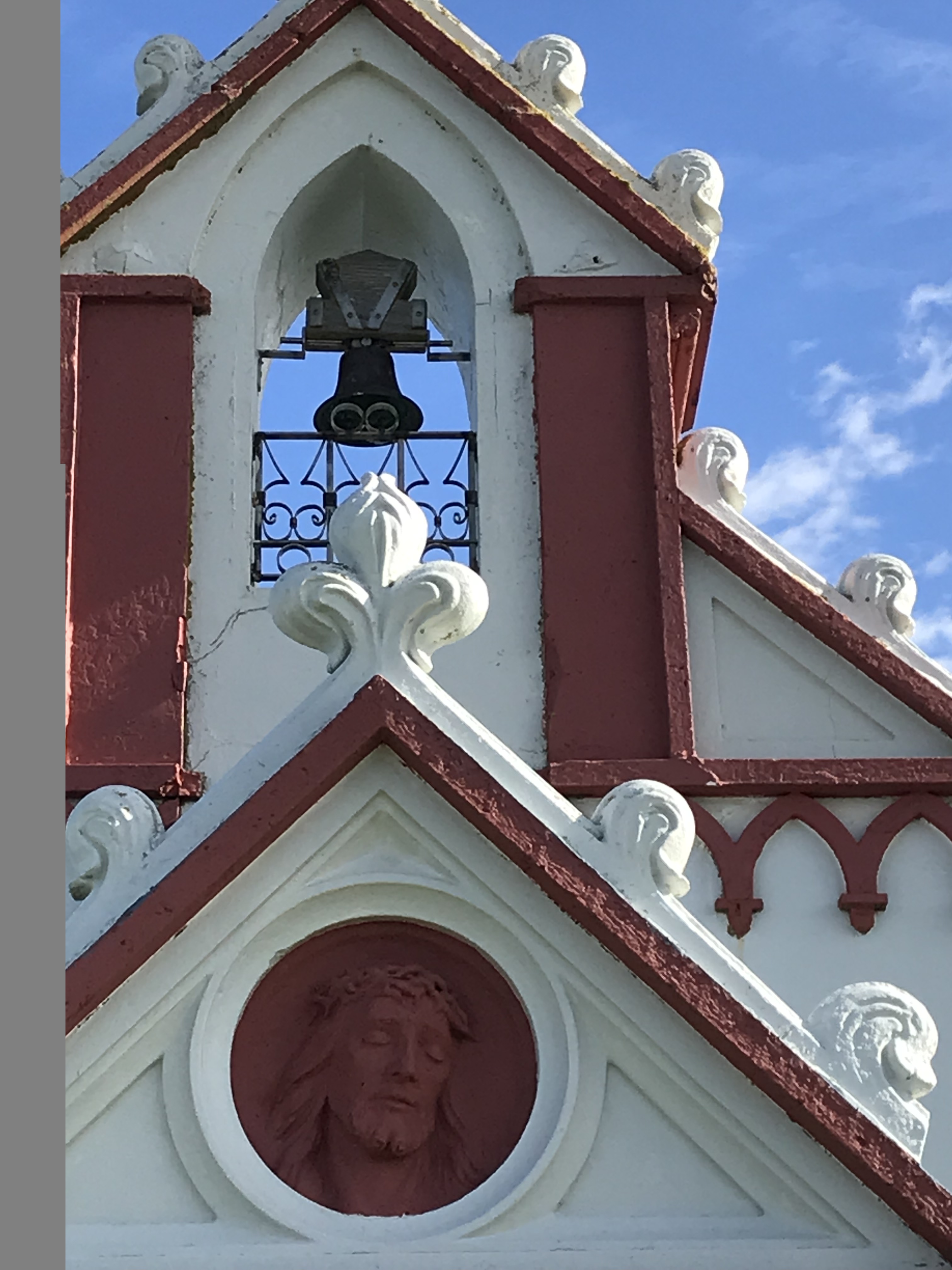
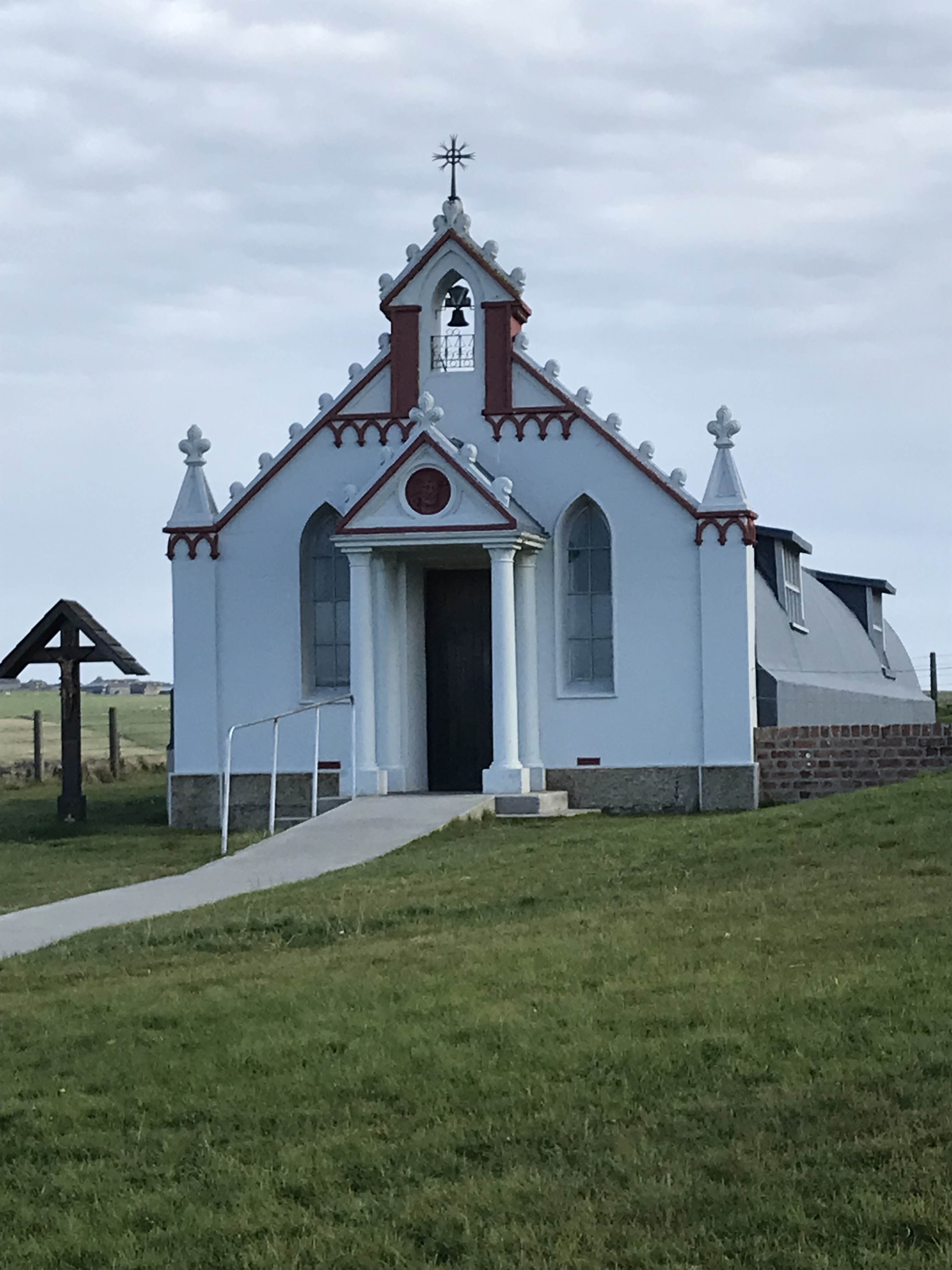
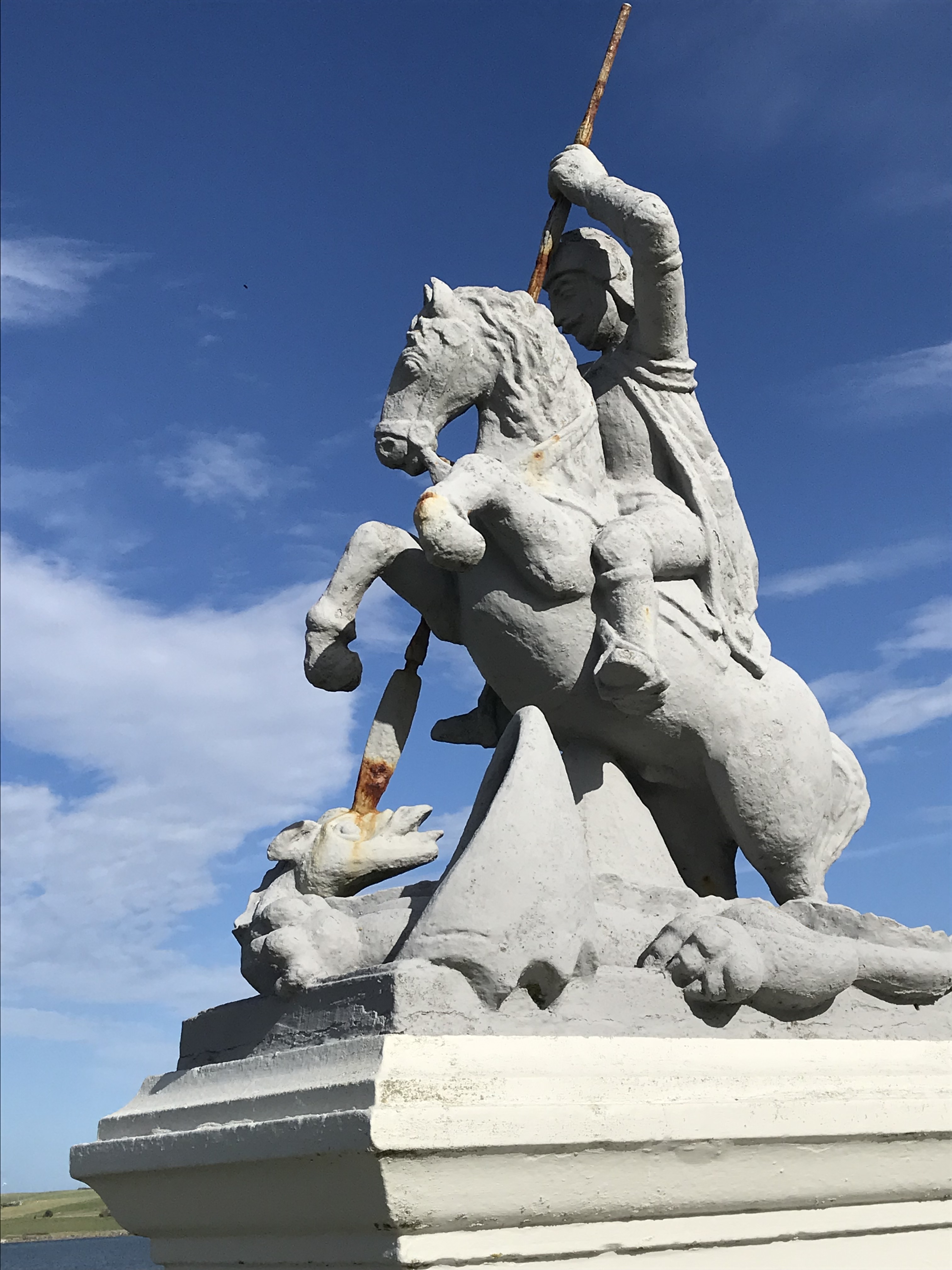
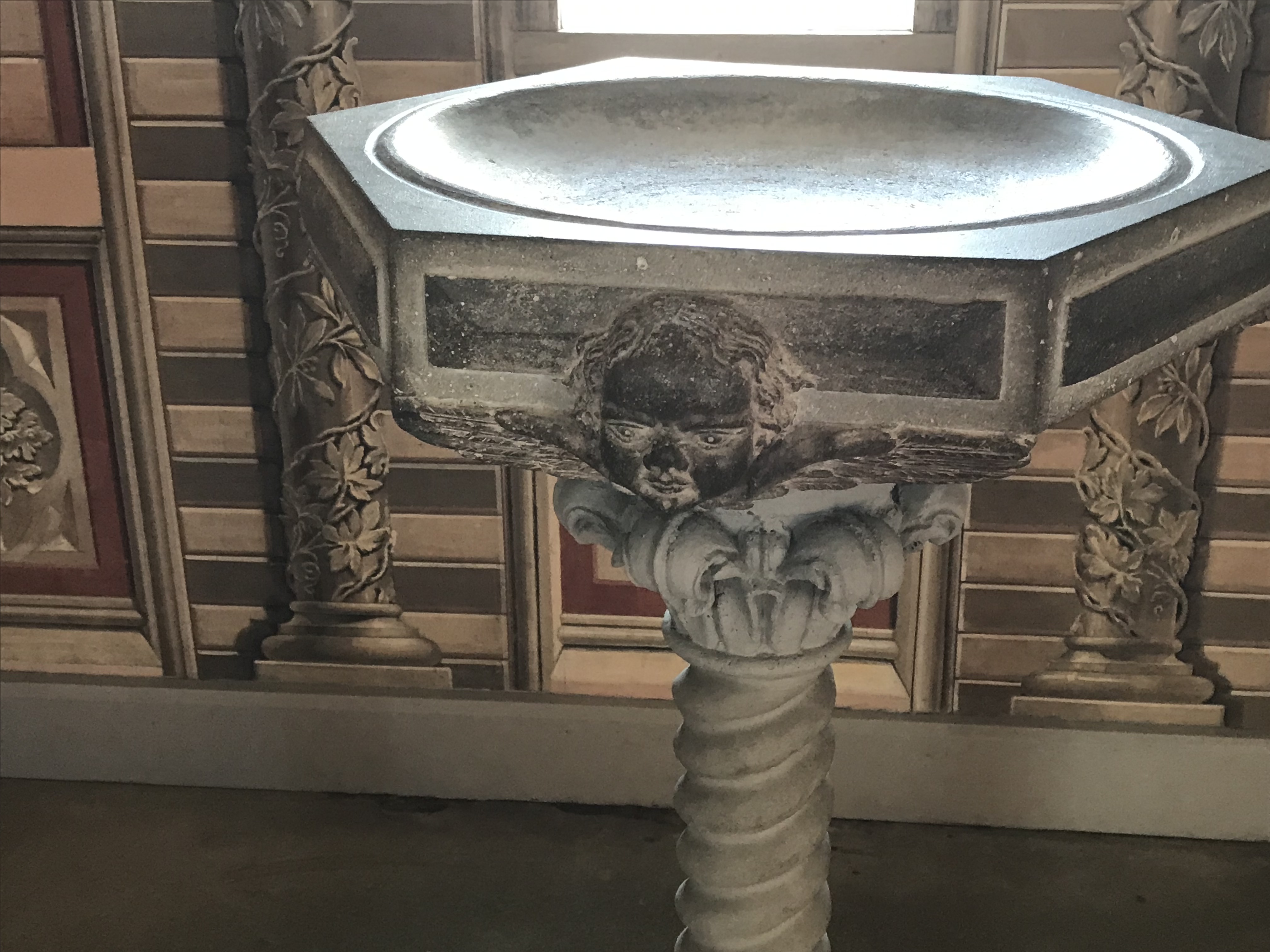
Back into the mini bus to visit the Italian Chapel created from two Second World War Andersen shelters by Italian prisoners of war who ingeniously decorated the entirety with trompe d’œil into an ornate Roman Catholic place of worship.
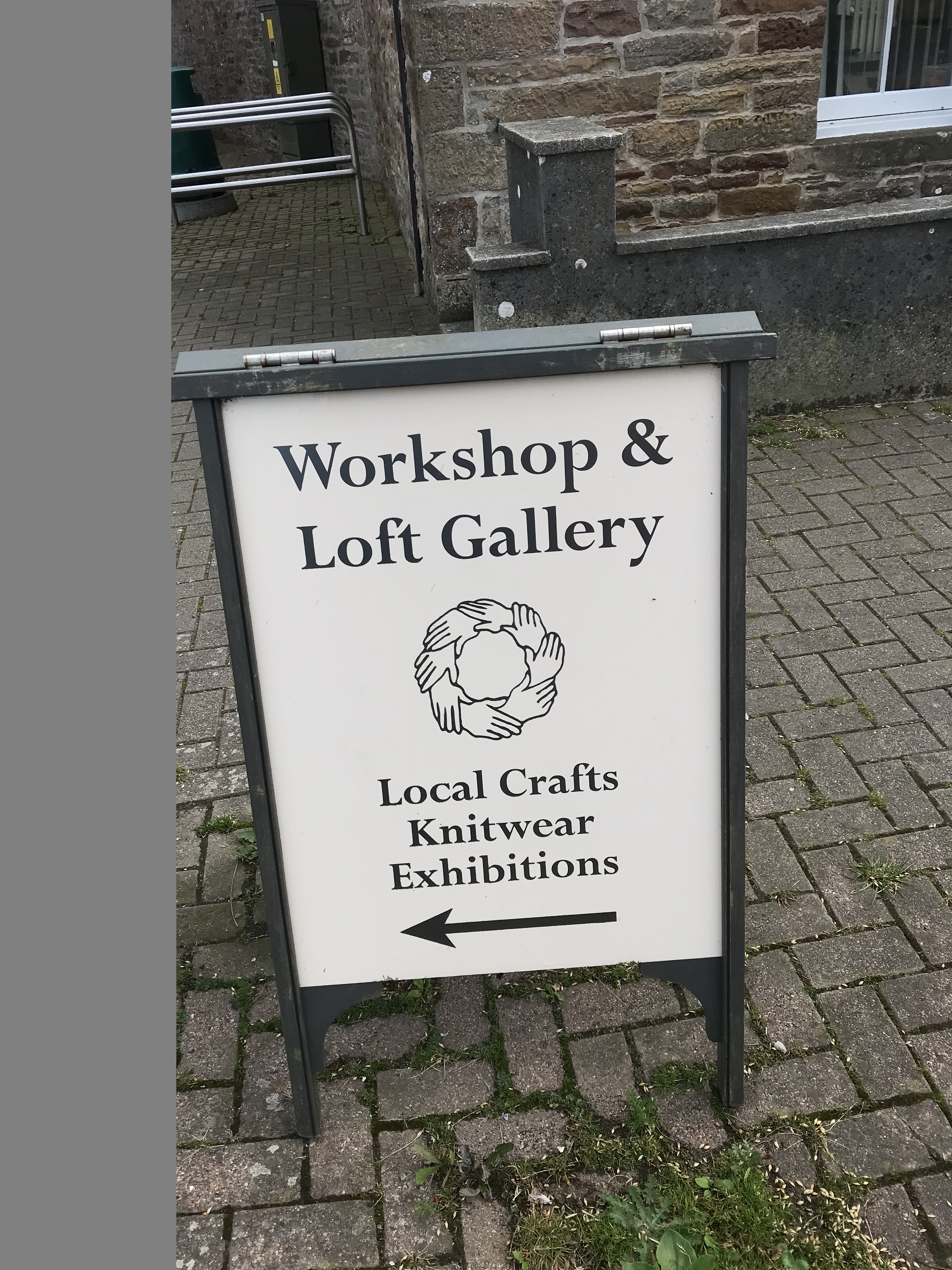
In addition to the obvious pleasure of the better weather, my day was made when during free time for lunch, I happened upon the Workshop and Loft Gallery, located near the picturesque harbor front of the town of St Margaret’s Hope. Inside were baskets of local Orcadian wool vegetable dyed in subtle blues, greens, rose and ochres. I purchased five large skeins of hand-spun wool from a flock on the Isle of Auskerry, farmed, shepherded, sheered and spun by a single mother raising five sons: an Orcadian resilient.
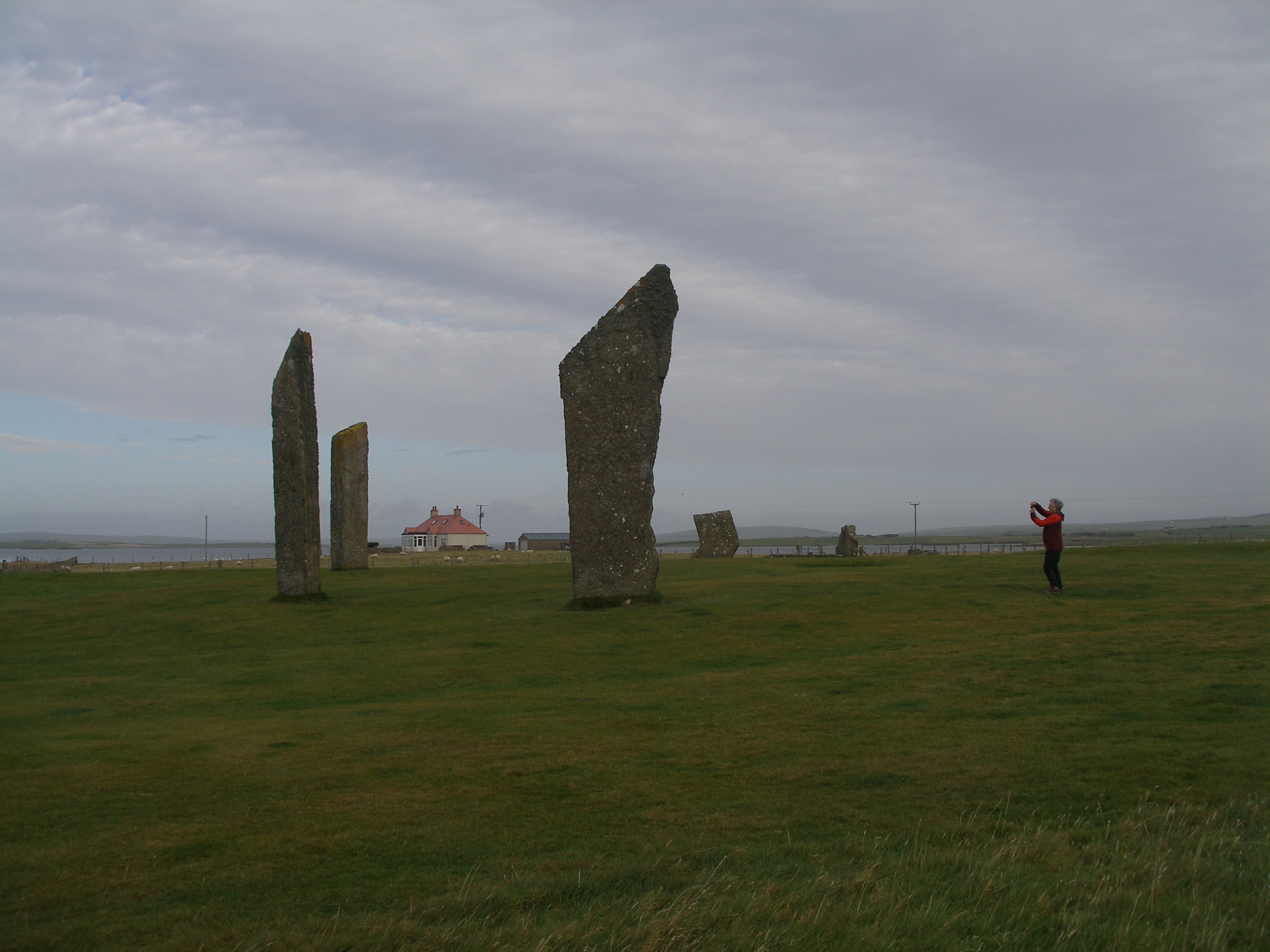
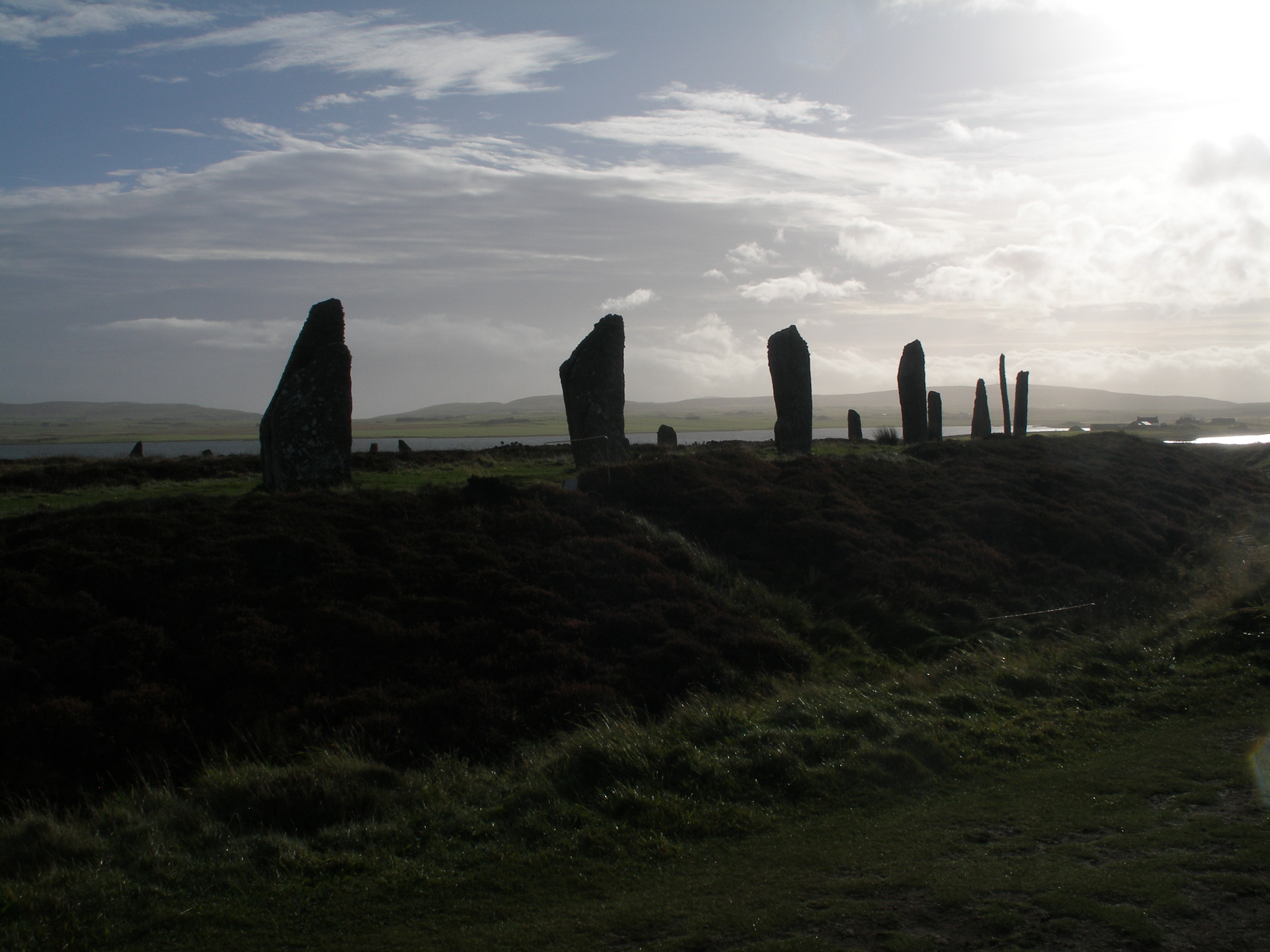
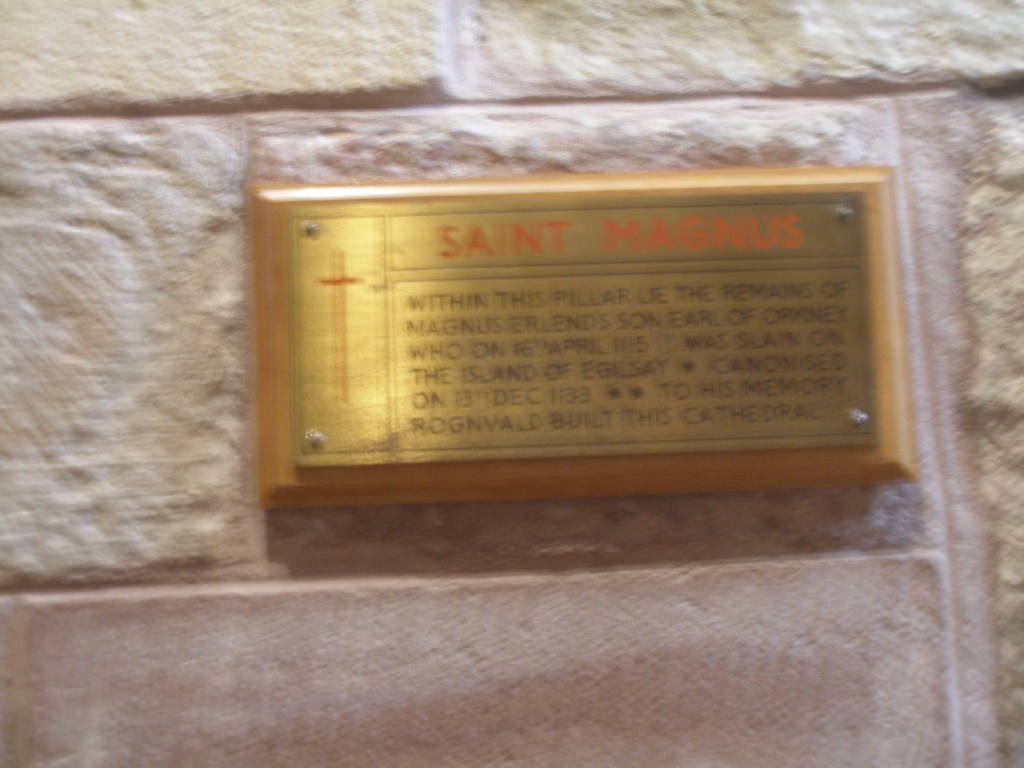
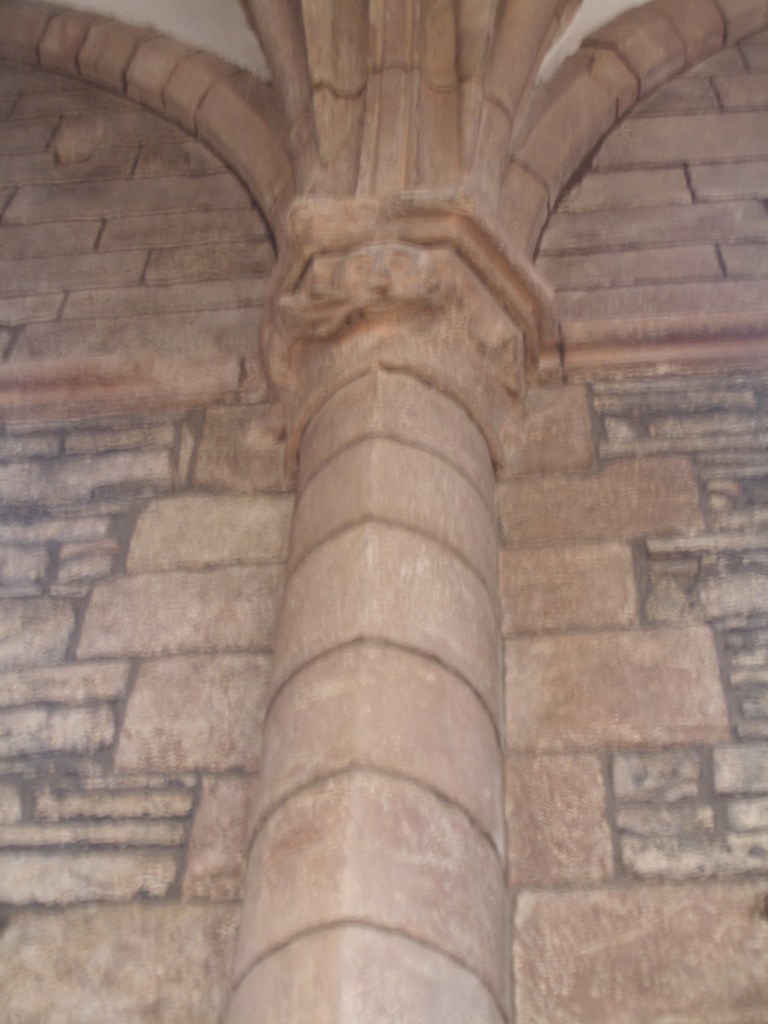

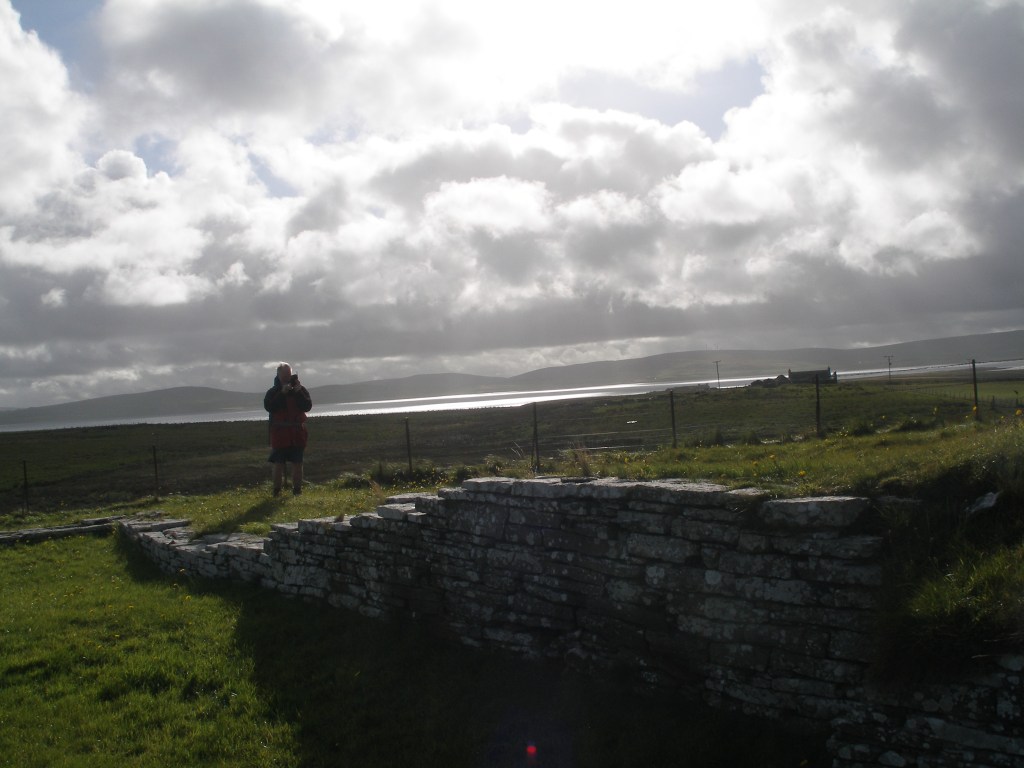
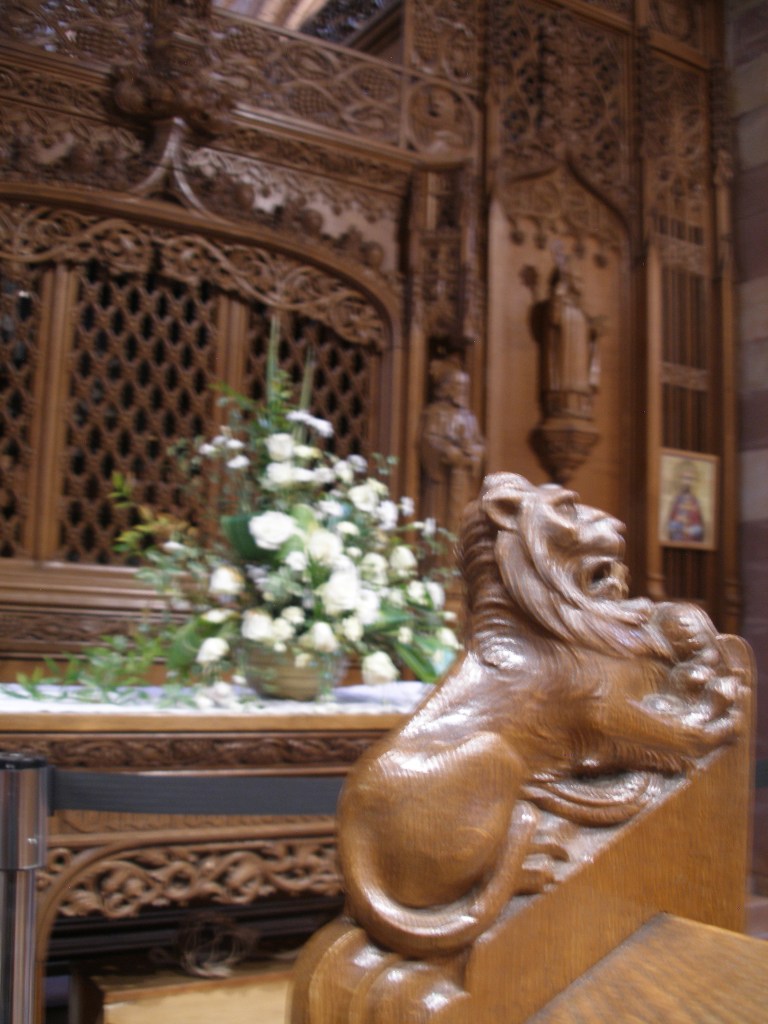
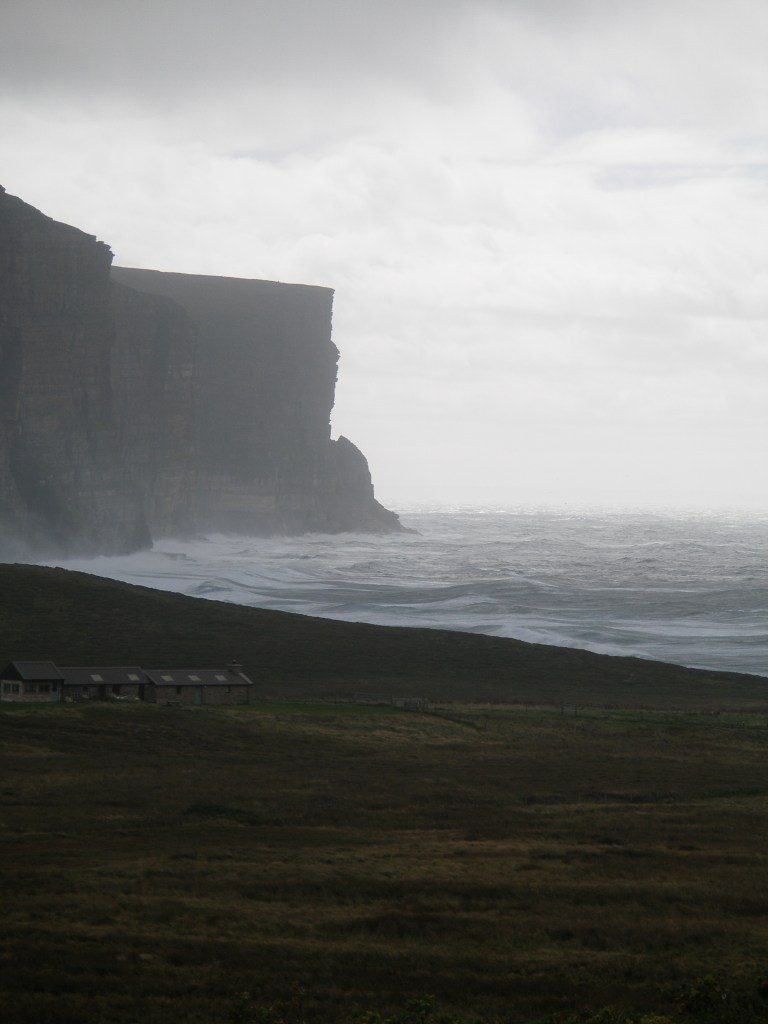
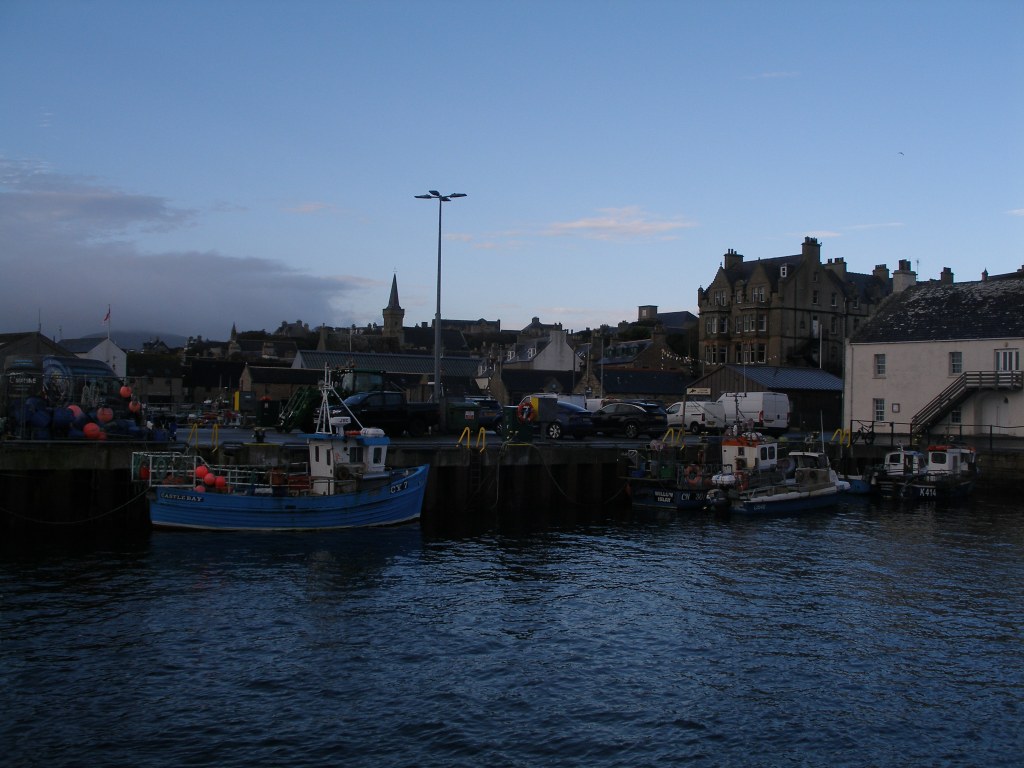
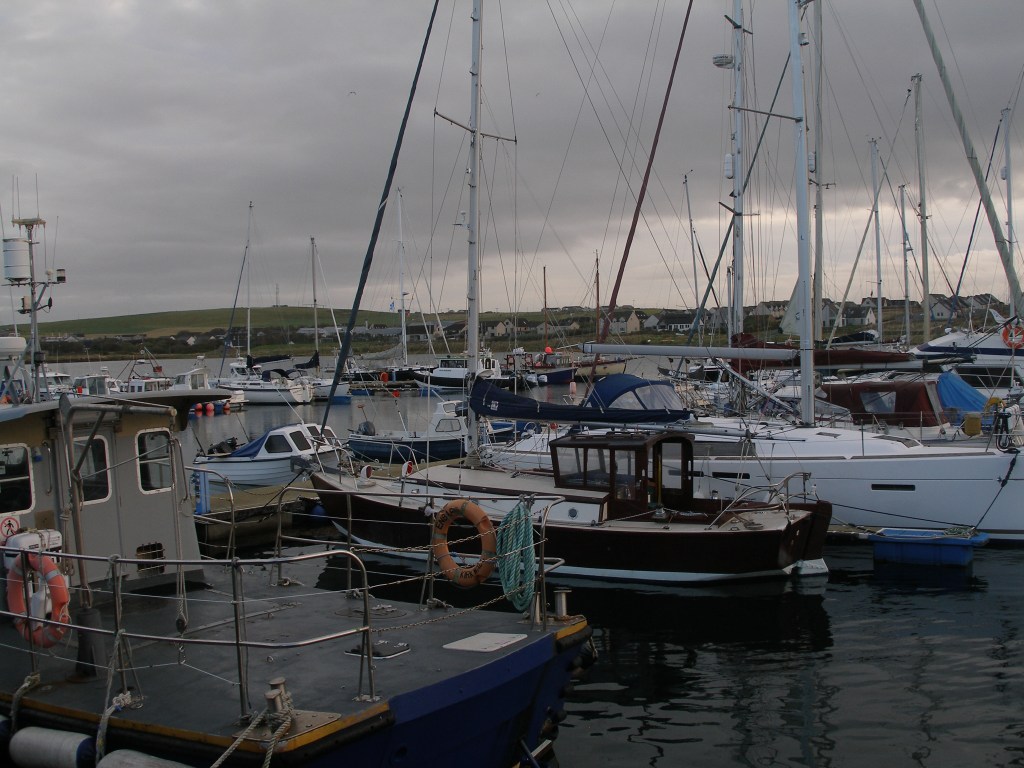
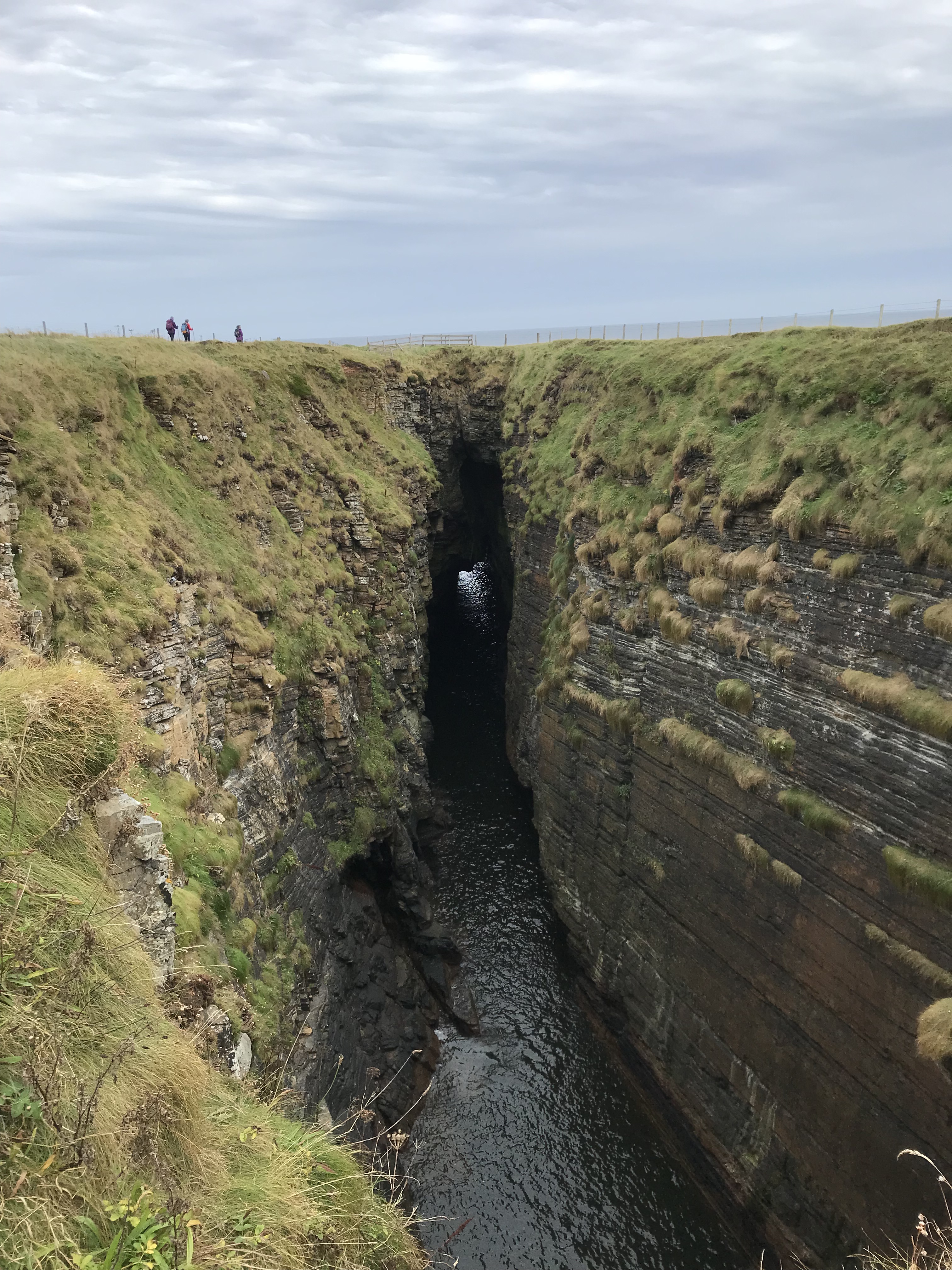
Sunshine continued for our last day’s final short hike along Mull Head through the nature reserve to photograph the Gloup (a naturally-formed sea spout and blow hole) and the climb up onto the Brough of Deerness with its steps cut into the rock at its summit. Several sightings of mountain hares made a last afternoon’s hike perfect!
After an outstandingly delicious farewell dinner and a group thank-you to our fabulous hosts at the Ferry Inn, Karen and Garth Crichton, we dispersed to pack: the majority was like me flying at first light to the Shetland Islands: others were catching return flights to Edinburgh and Glasgow airports.
Packed, I slipped out of the hotel and walked the quiet streets of the old town of Stromness for a last time. Reaching the Point, I sat for some moments on an old bench silently thanking the islands for their unforgettable welcome.
Loudly whistling Peter Maxwell Davies’ poignant melody, “Farewell to Stromness” I made my way back to the hotel in the last of the evening’s sunlight. I was ready for the next phase of this adventure relishing the prospect of a full seven, packed days of significantly more rugged shoreline hiking yet to enjoy!

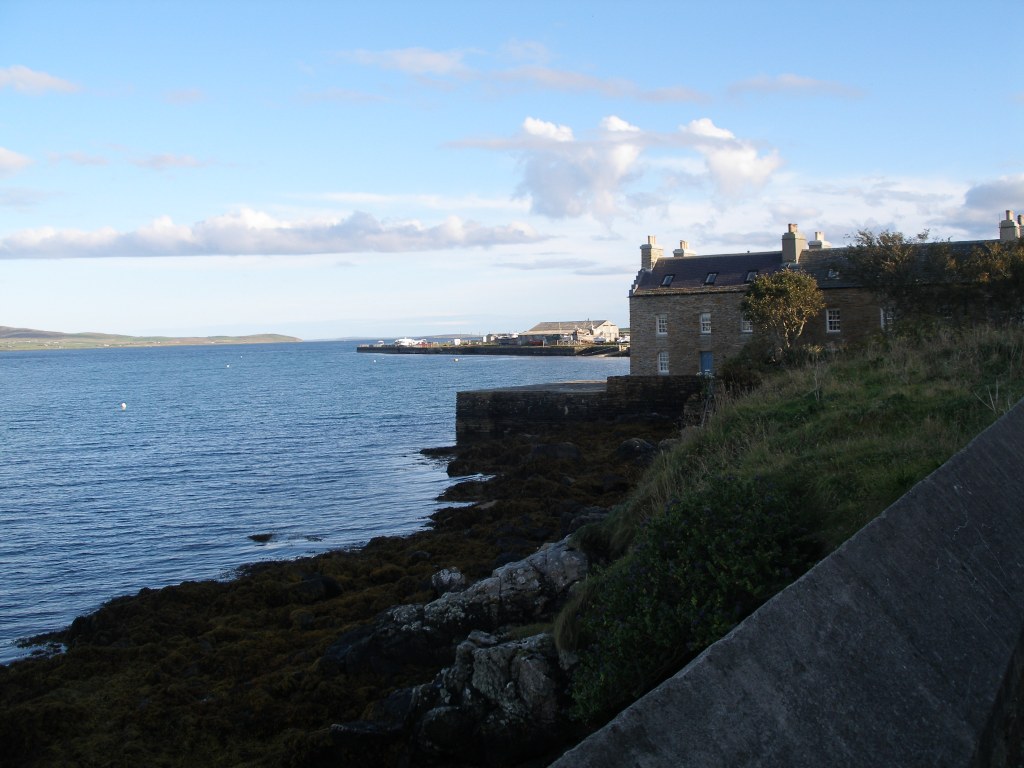
THE SHETLAND ISLES
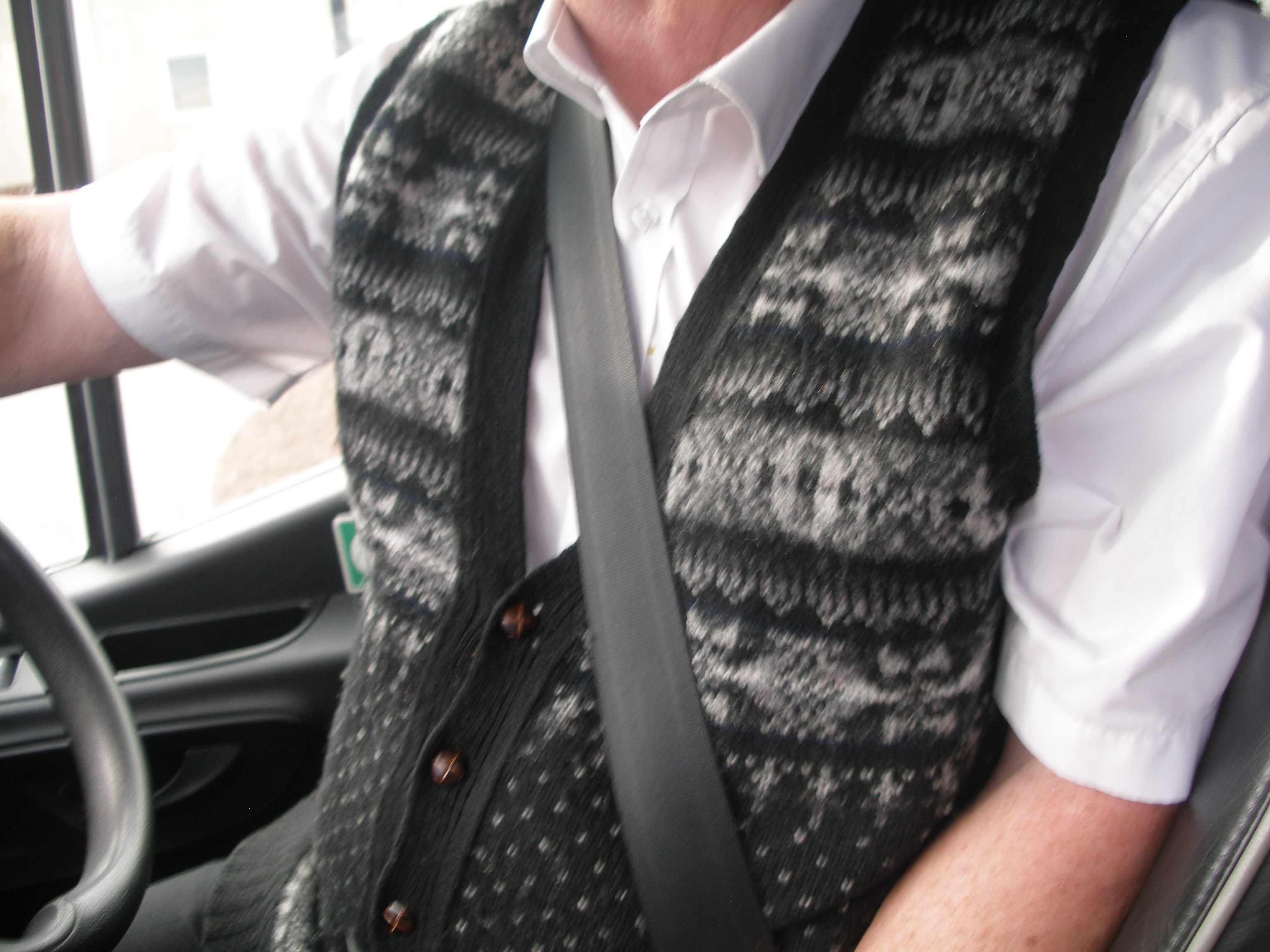
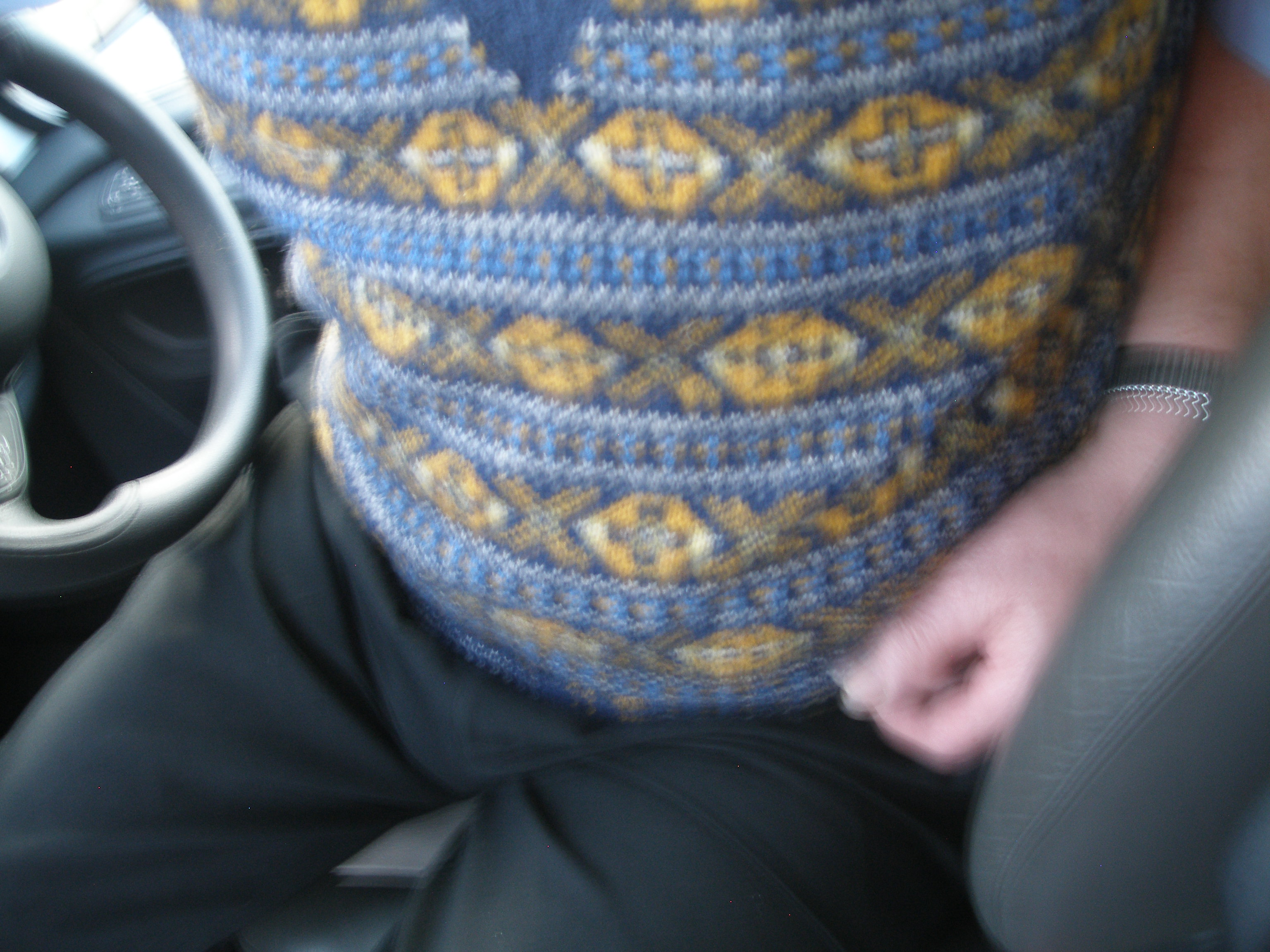
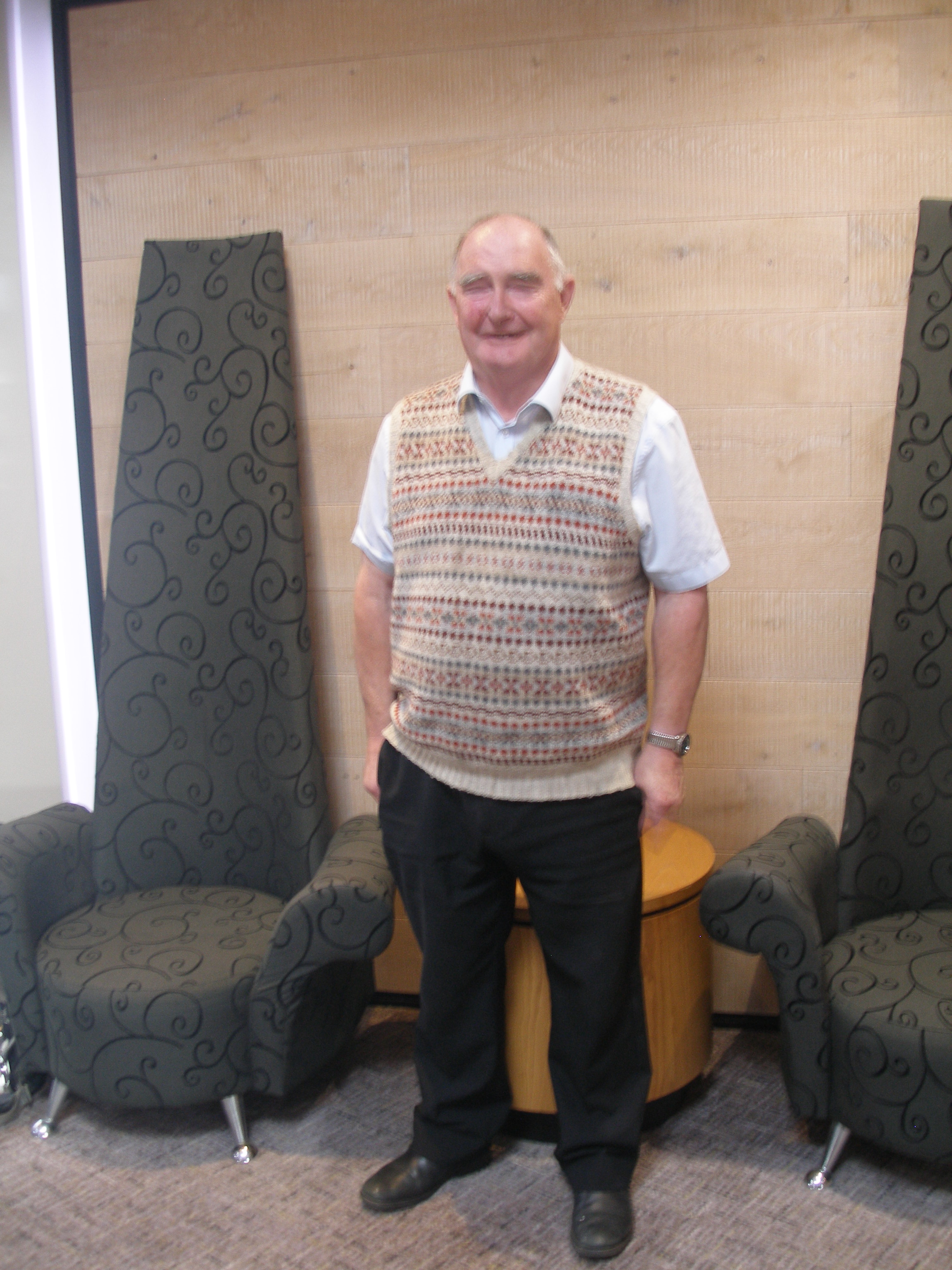
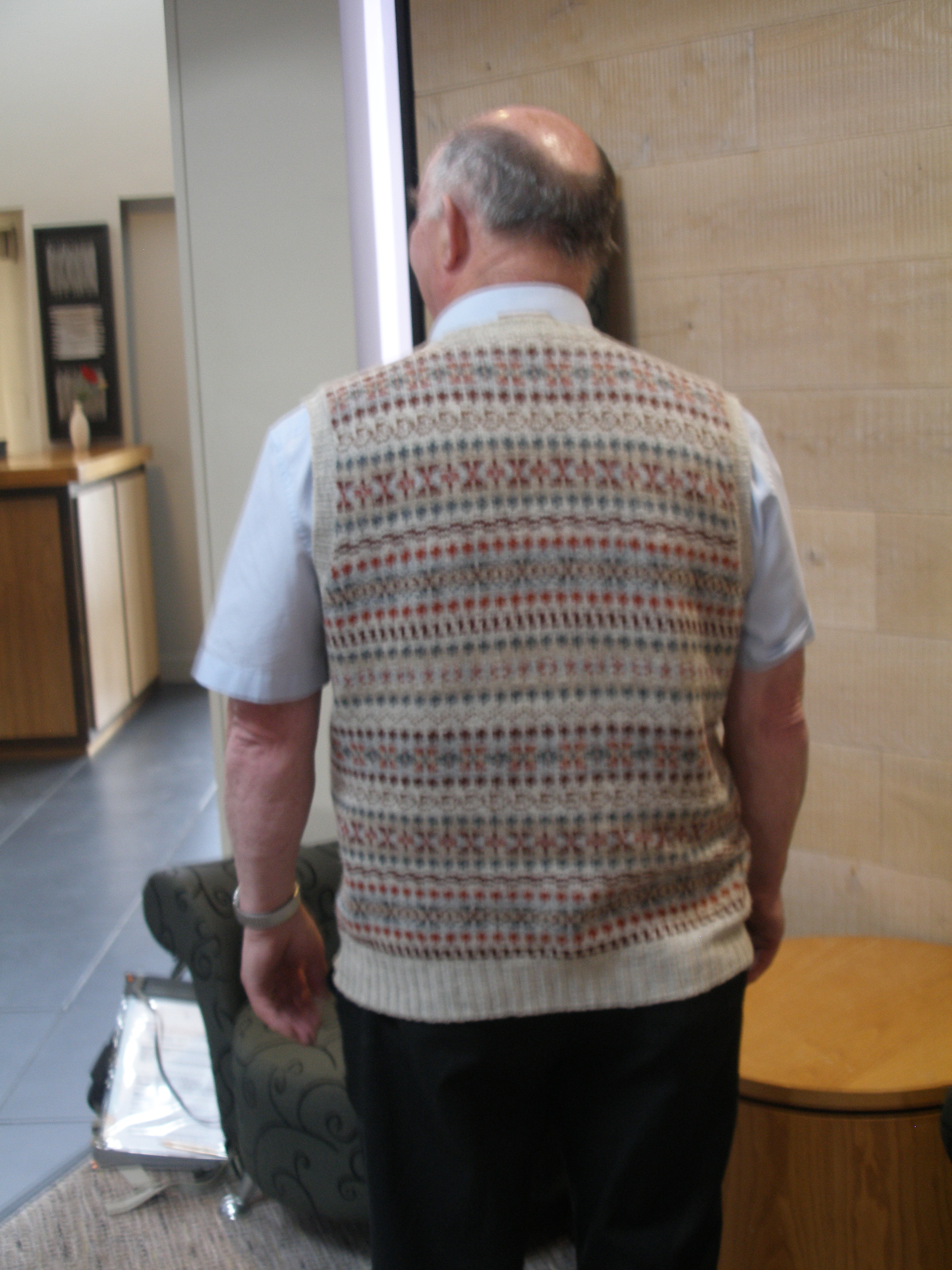
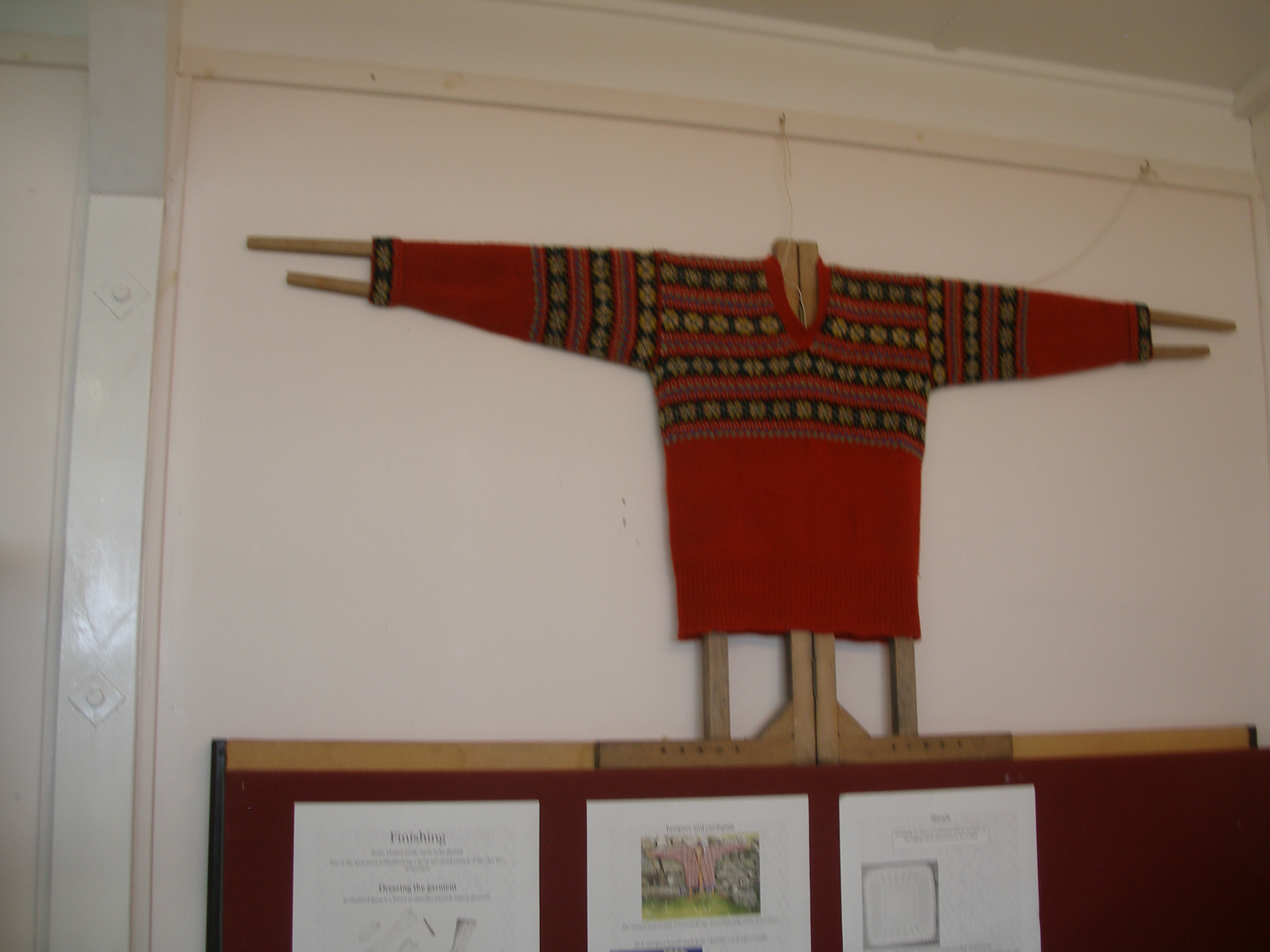
Week two began with the spectacular flight in from over surging seas swells onto the narrow tarmac airstrip at Sumburgh Head, the most southerly point of the Shetland mainland. In arrivals waited our new group leader and John, an expert local driver from Unst whose daily running commentaries on local history were to become one of the highlights of our time exploring the islands. I noticed immediately the handsome, red hand-knitted Fair Isle waistcoat that he wore …
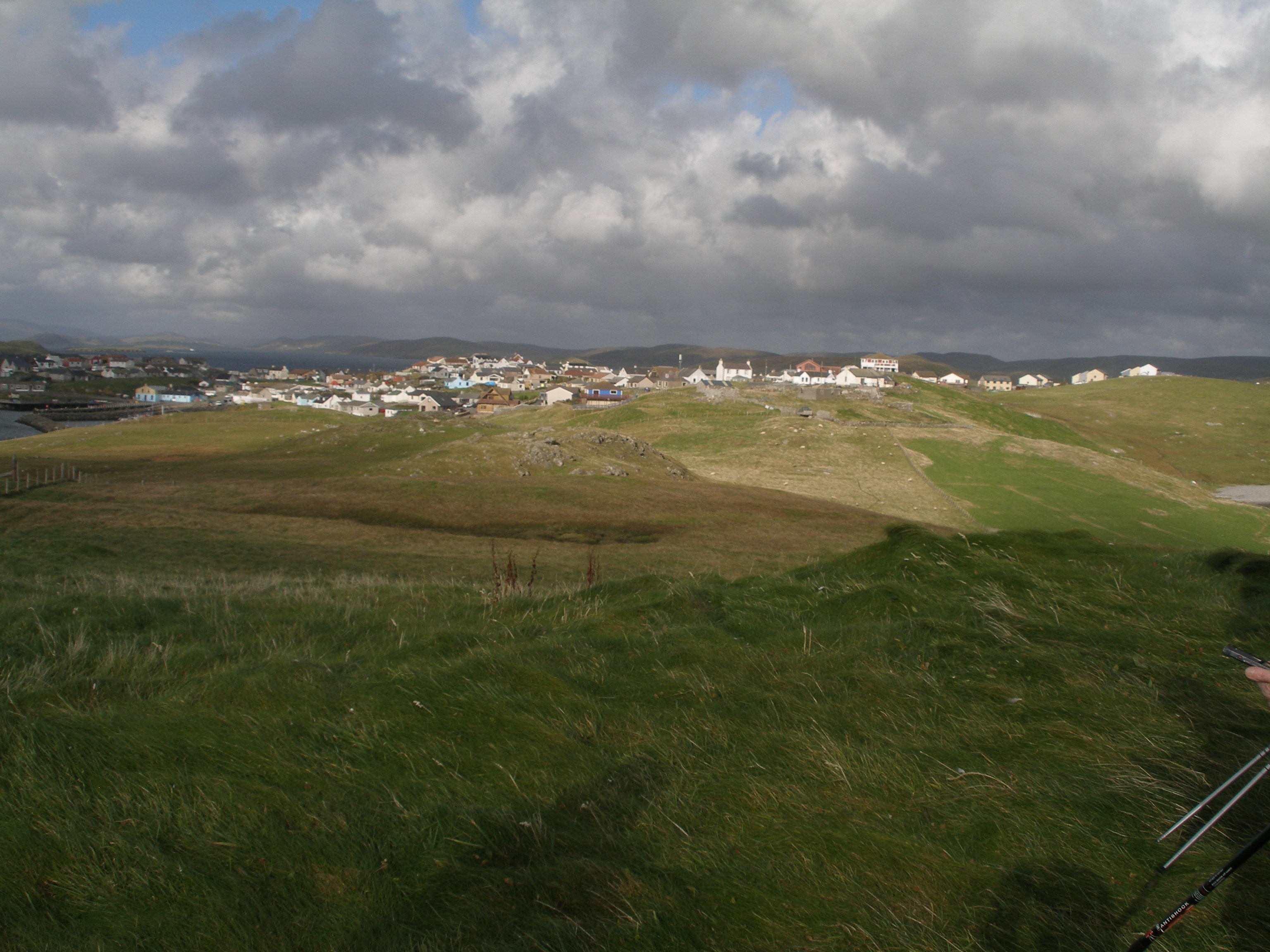
John drove us on a brief orientation tour of the streets of the capital Lerwick (pronounced ‘Lerrik’) before dropping us of at our new accommodation, the sprawling Lerwick Hotel. Having left our suitcases in the hotel storage room, we now had three free hours to explore the town while our leader and John headed south again to meet the Glasgow flight. At three o’clock, the entire group (twelve again) was to rendezvous in the hotel lobby ready for a short afternoon local hike.
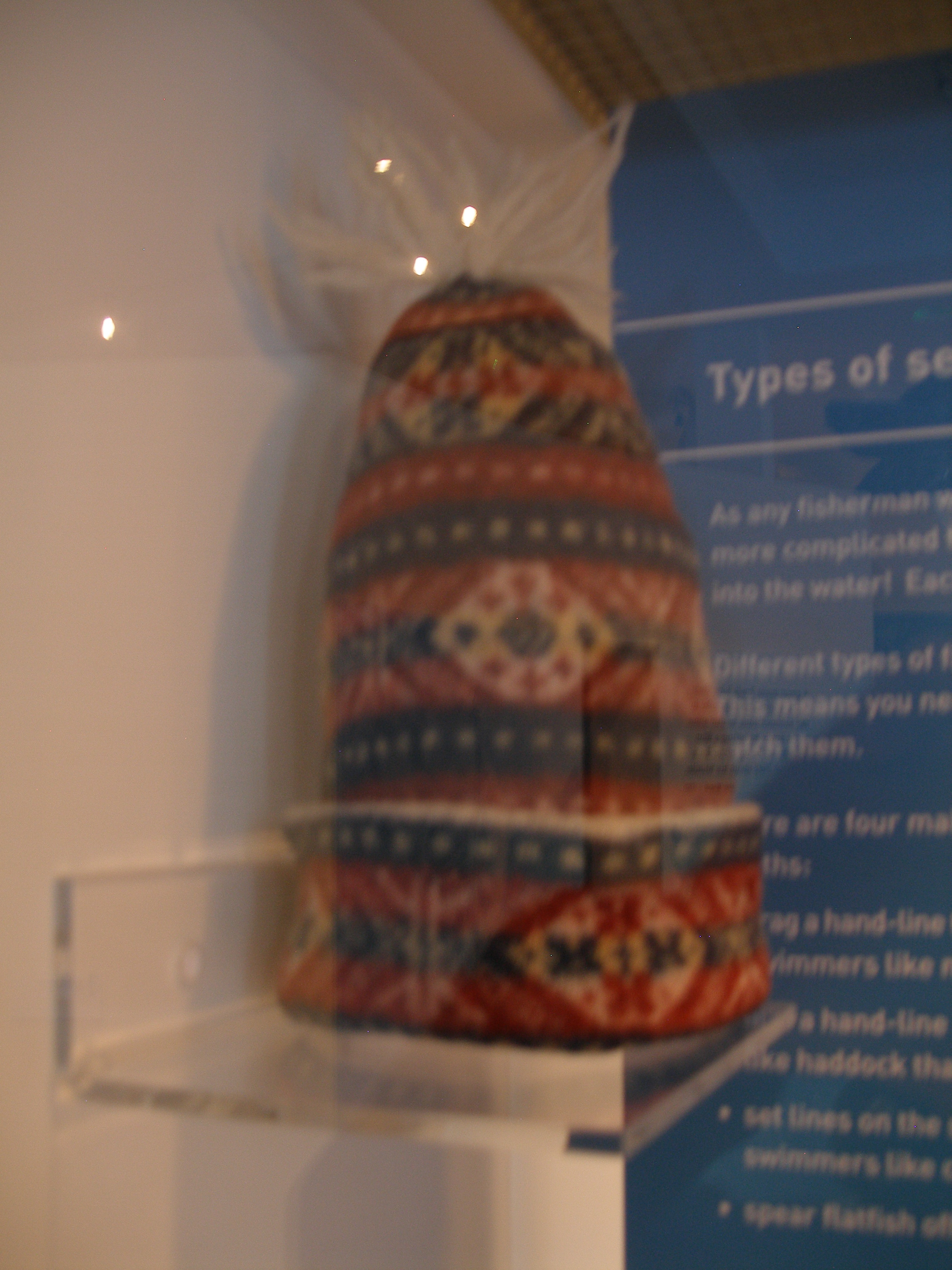
Teaming up with an artist from last week’s tour, I hurried down the nearest wynd into the central bustling harbourside of the town and immediately located Jamiesons wool shop – and the much anticipated wool. Aided by her expert eye for colour, I bought lace-weight wool (suitable for open worked cardigans and scarves) in shades of heathery mauves and tweedy-green hues, plus some double knitting weight (for sweaters and Fair Isle patterns) in shades of blue to compliment those I had chosen on Orkney. Finally, I purchased several balls of the cobweb weight plain cream colour wool for shawls, stoles and scarves.
Arriving back at the hotel after a quick lunch, I was thrilled to discover that my designated ground floor room over looked the Sletts (massive flat granite rocky outcrops) and across the bay towards a point called the Knab and then south towards the island of Bressay.
That afternoon’s short orientation walk to the nearby Neolithic Clickimin Broch preceded a daily evening meeting with a brief review of the next day’s itinerary which made planning what to put in the back pack each morning an easy task. Sipping a wee dram of Shetland Reel malt after dinner, I realised that the coming week was to be as full on as last week, but in more benign weather.
The Knab of my room’s view was our destination for our longer hike on Sunday morning, doubling back into Lerwick in the afternoon to wander past Jimmy Perez’ famous (tv) house, and along the harbourside past massive car ferries heading to Aberdeen and Fair Isle, to the Shetland Museum and Archive. Not only were there superb installations explaining the unique geology of the islands, but also casement after casement showing the history of the textile industry.
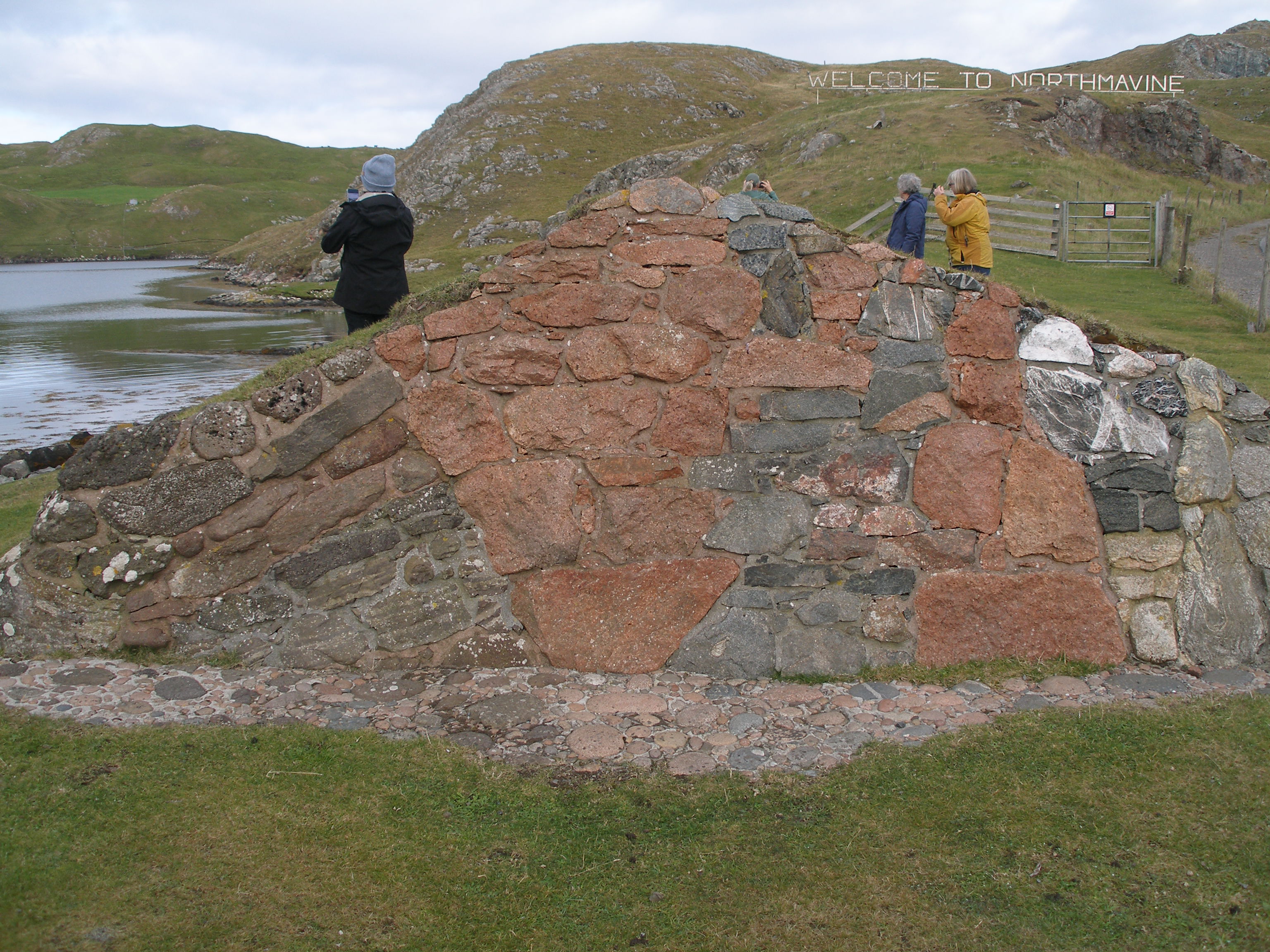
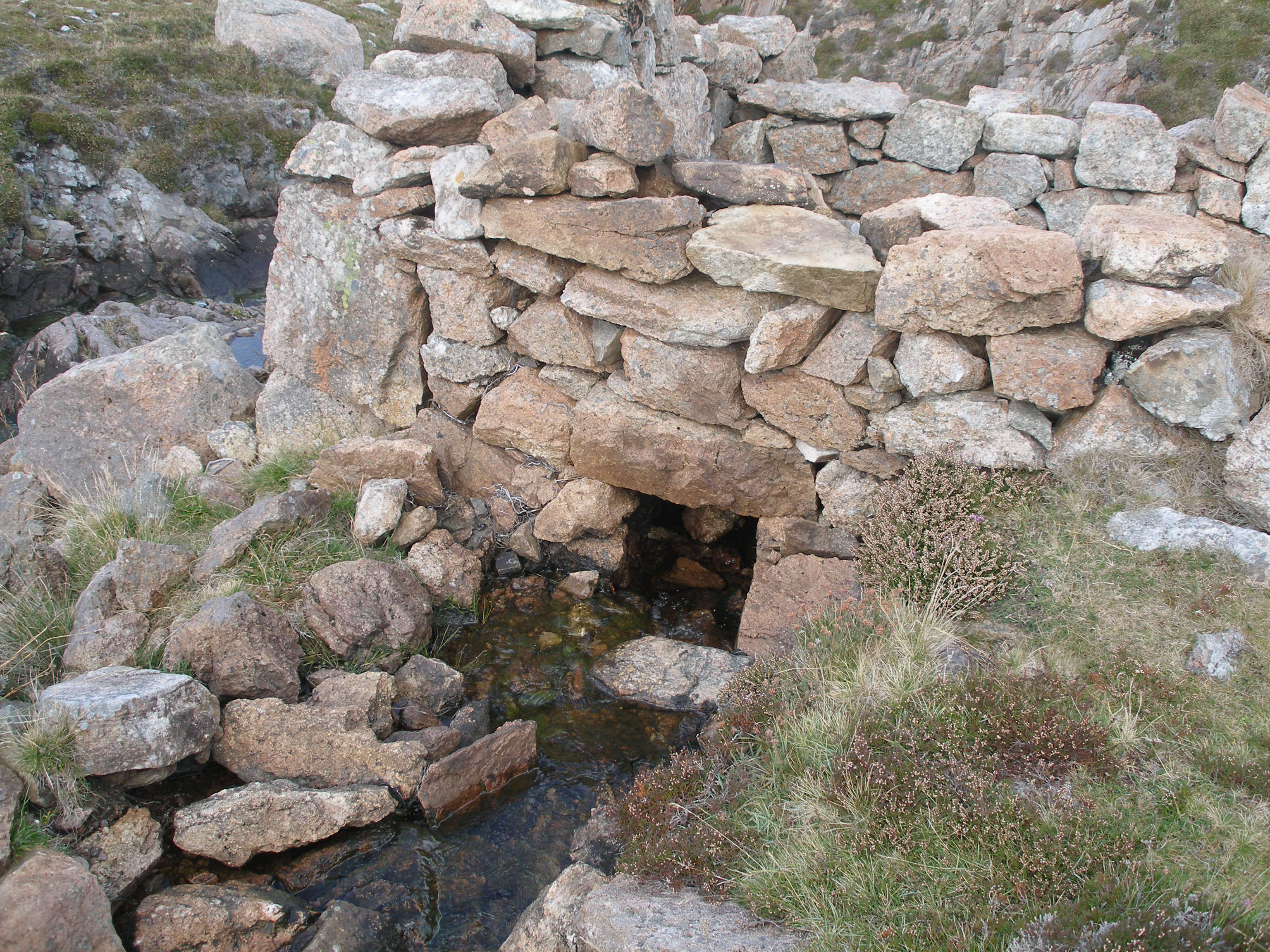
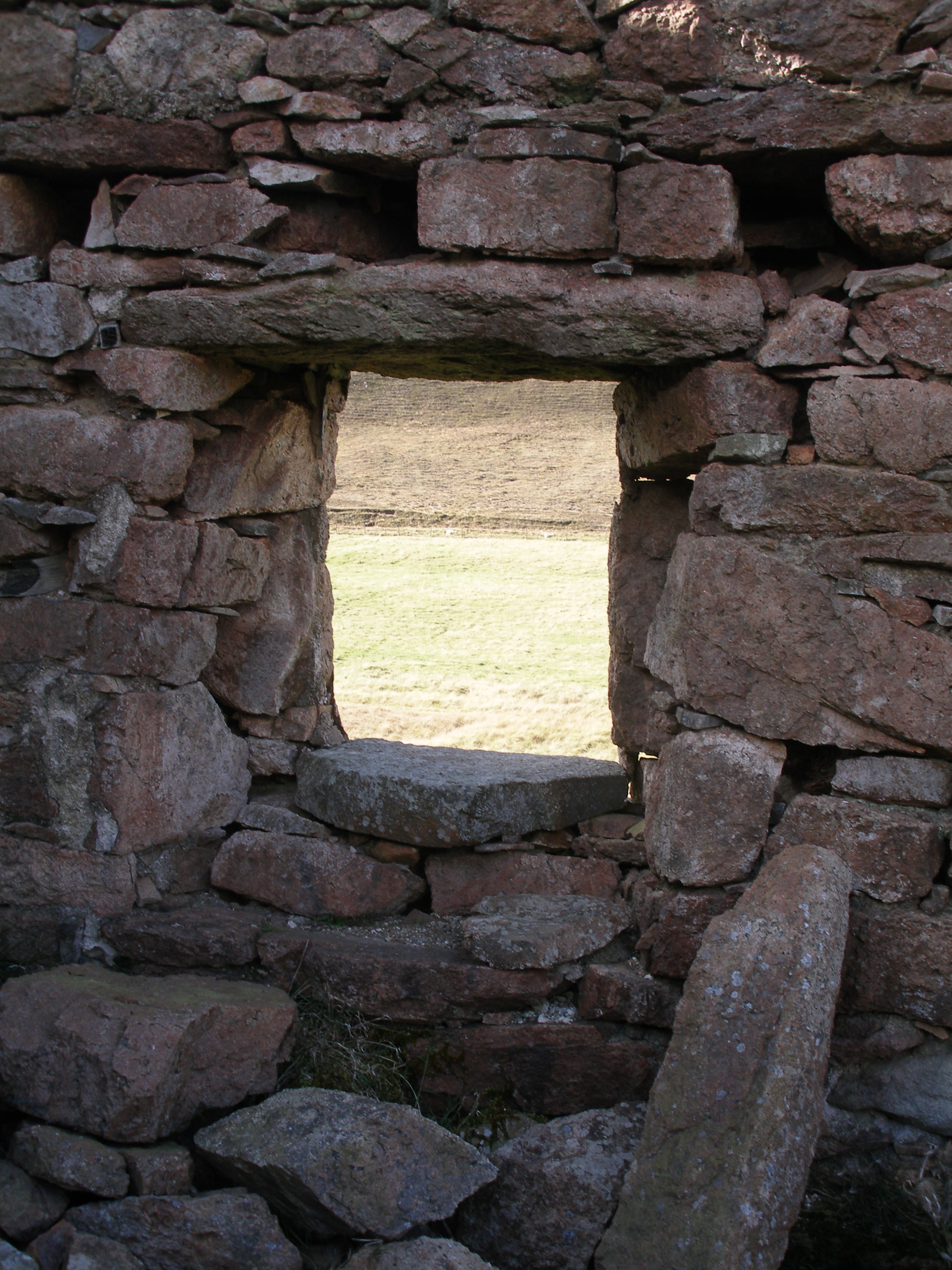
On Monday, John – resplendent in another Fair Isle waistcoat – drove us south towards Sumburgh, and dropping us off, left us to explore the extensive Jarlshof Prehistoric and Norse Settlement dating from about 2,700 BC, consisting of Bronze Age houses and smithy; an Iron Age village, broch and an aisled roundhouse; a ninth century Viking longhouse and finally the derelict ruins of a sixteenth century laird’s manor house. Our head’s reeling with time charts, we met up with John and were driven to the Sumburgh Visitor Centre and Nature Reserve, lucky enough to spot a diving Minke whale from the observatory, as well as diving gannets, fulmars (like miniature stiff-winged albatrosses) and dunlins. No otters. The cultivated meadows of this southern, more hospitable region, contained several herds of Shetland ponies to admire, grazing among the ruins of croft cottages.
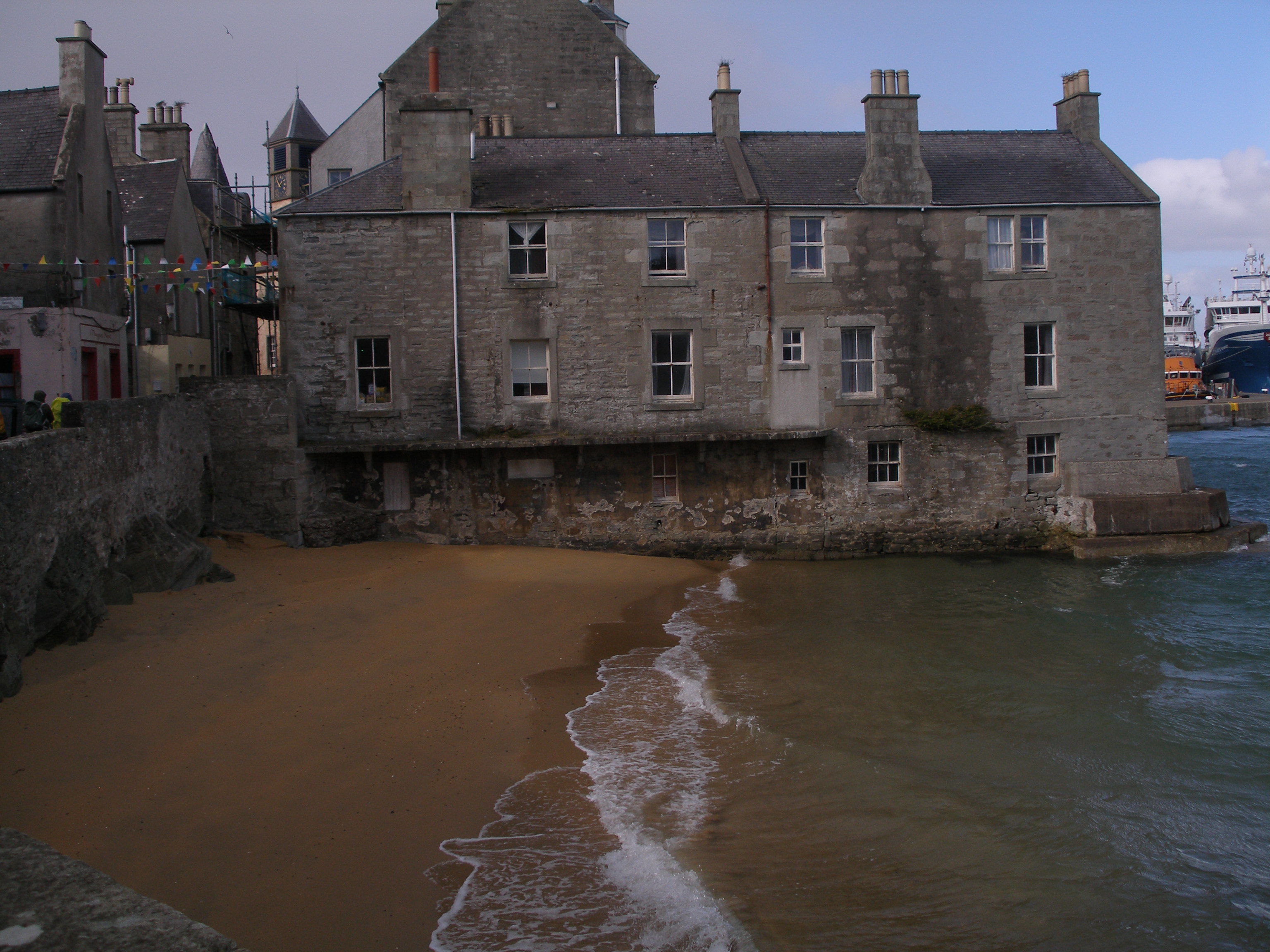
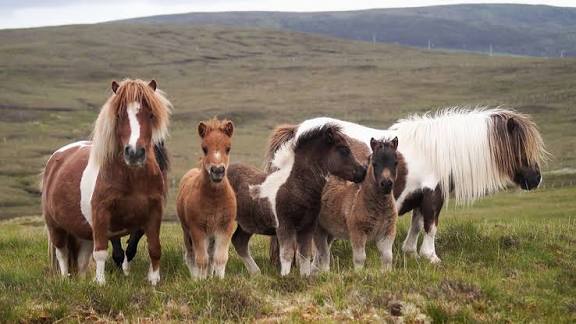
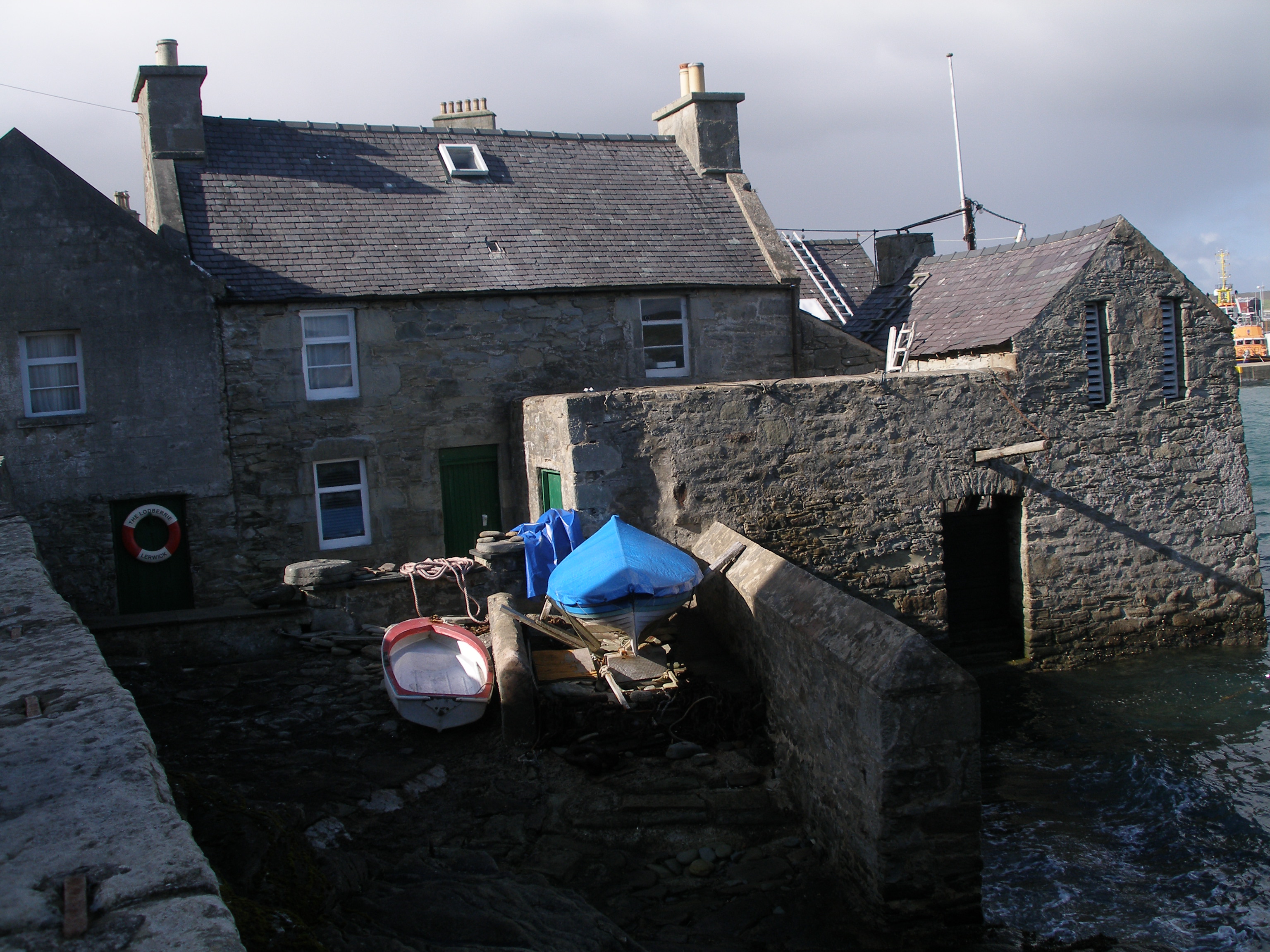
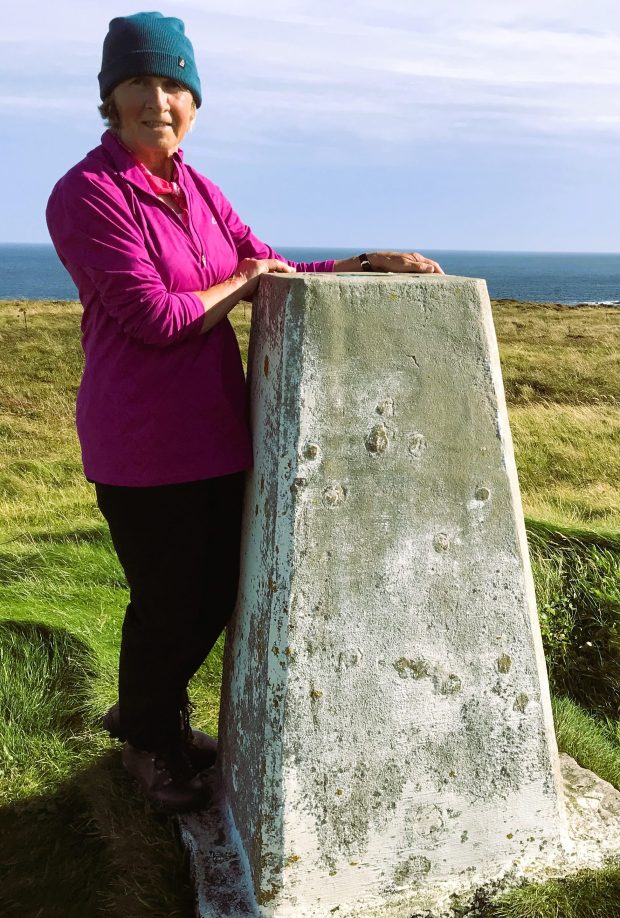
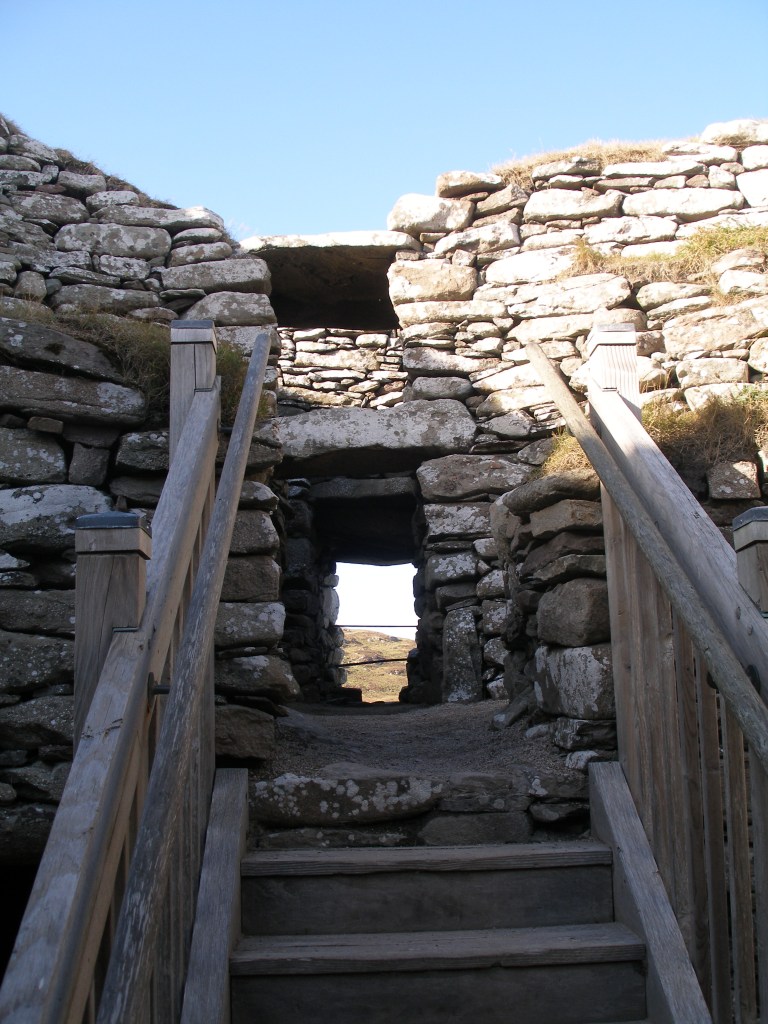

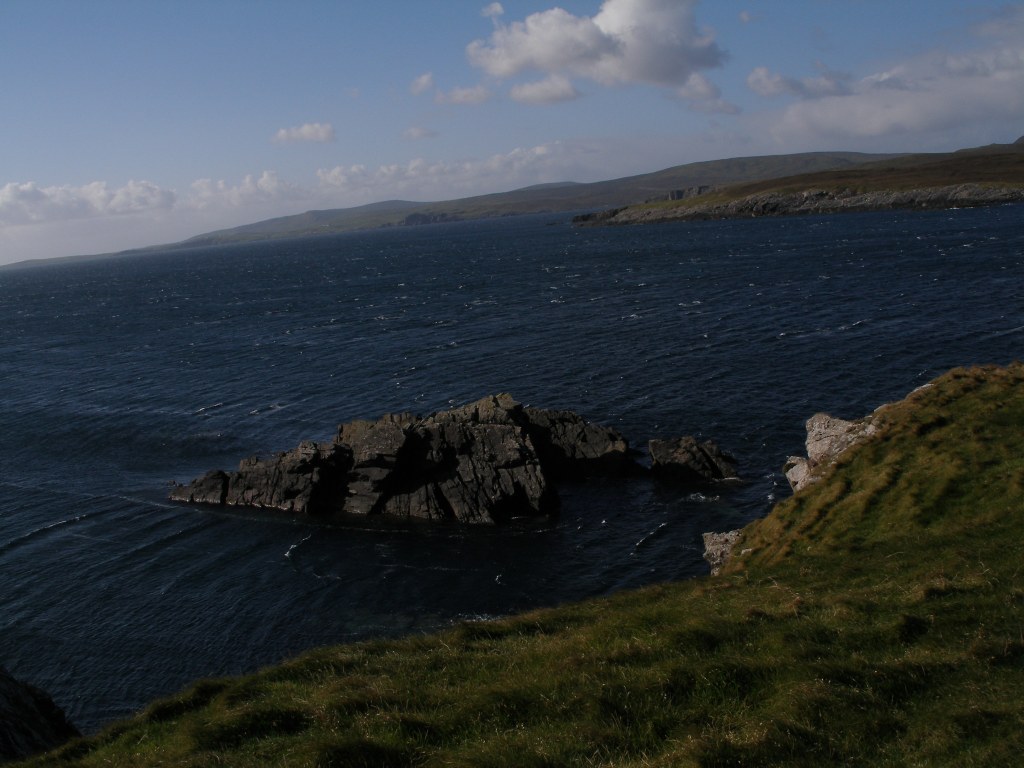
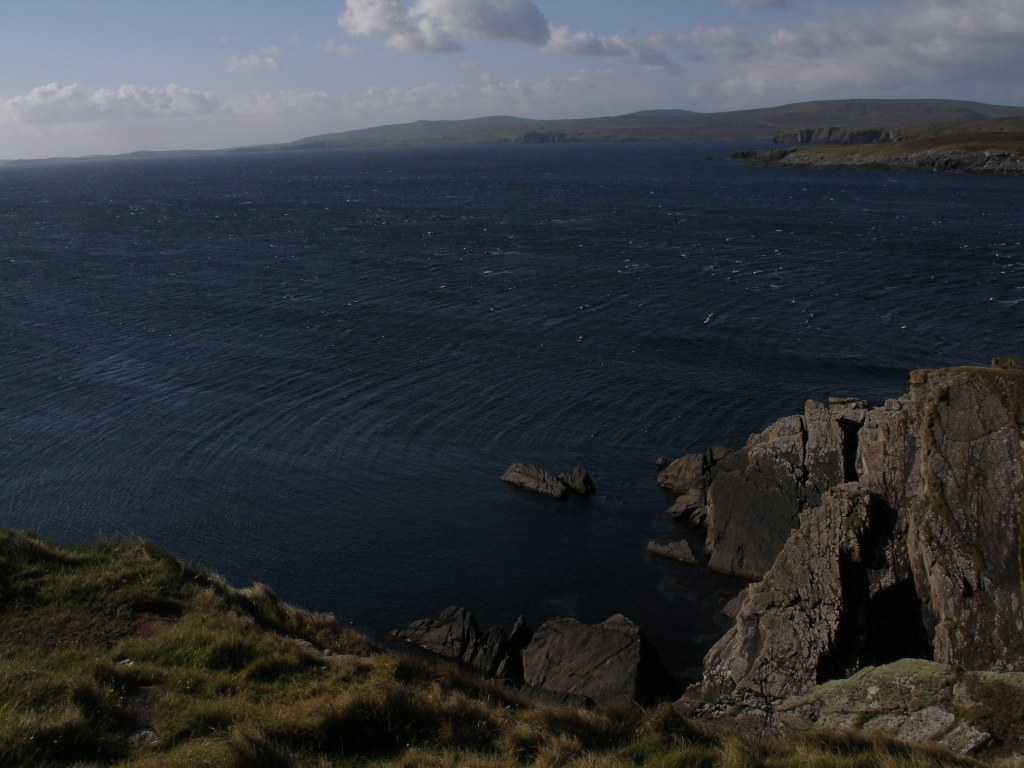
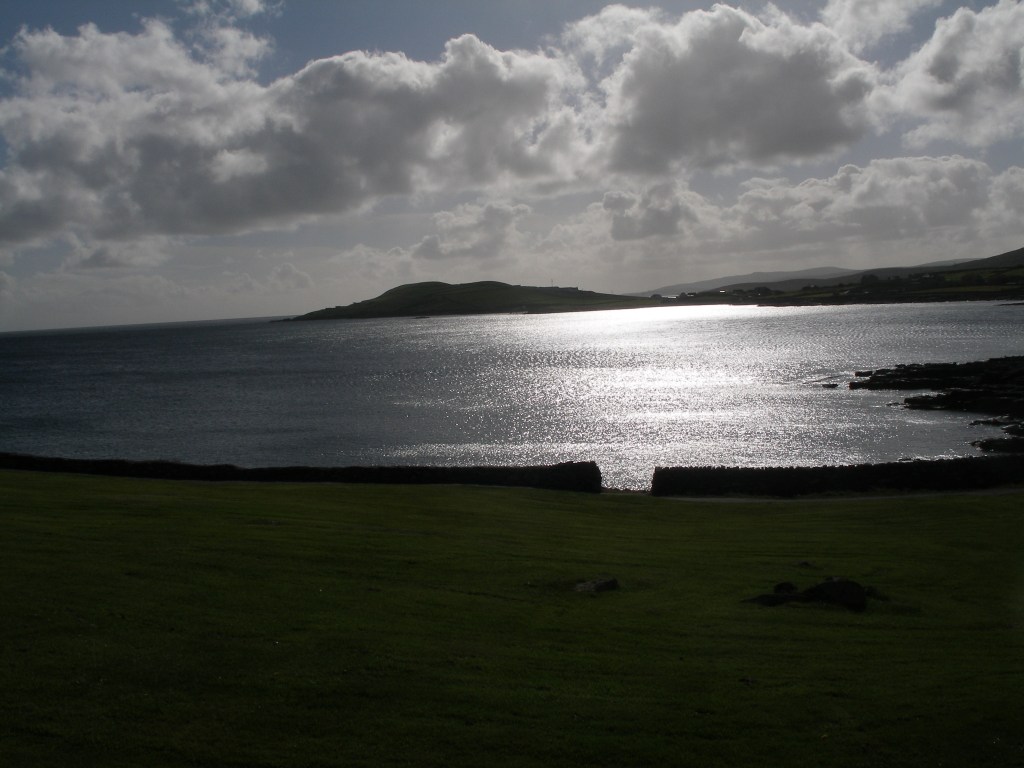
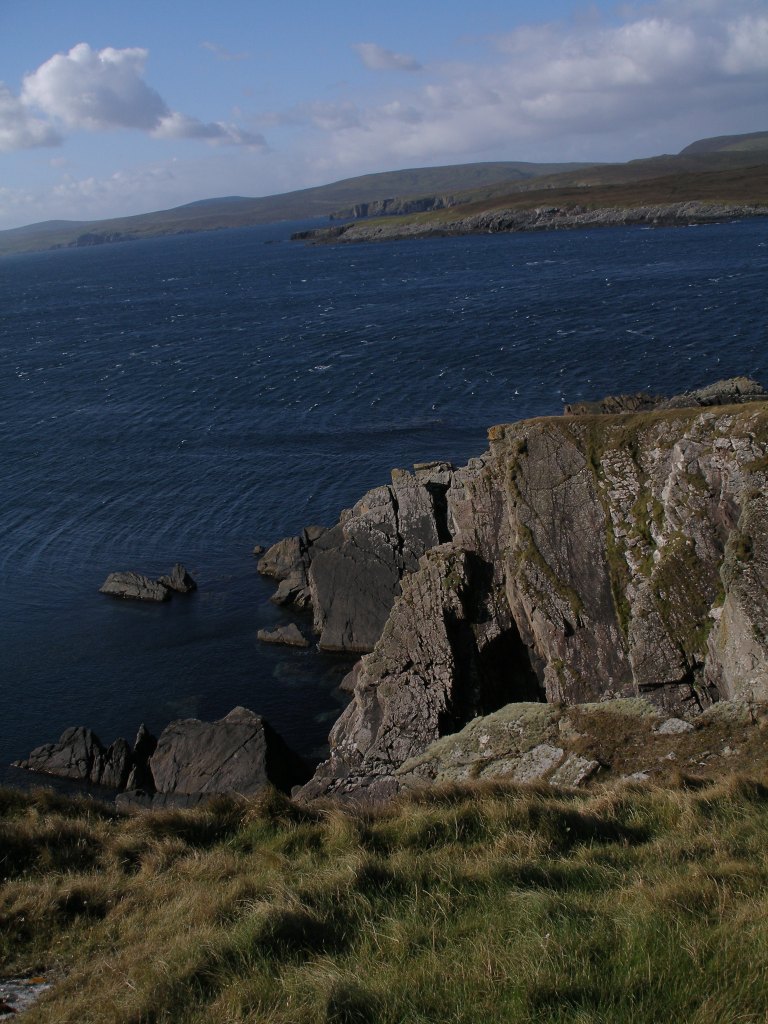
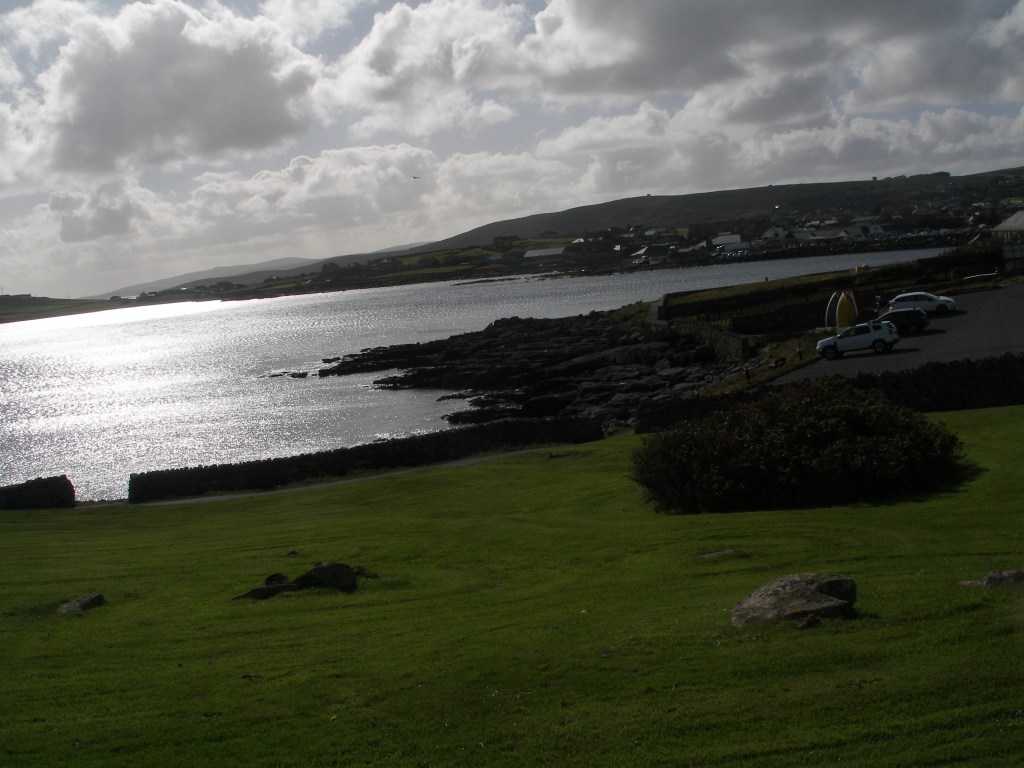
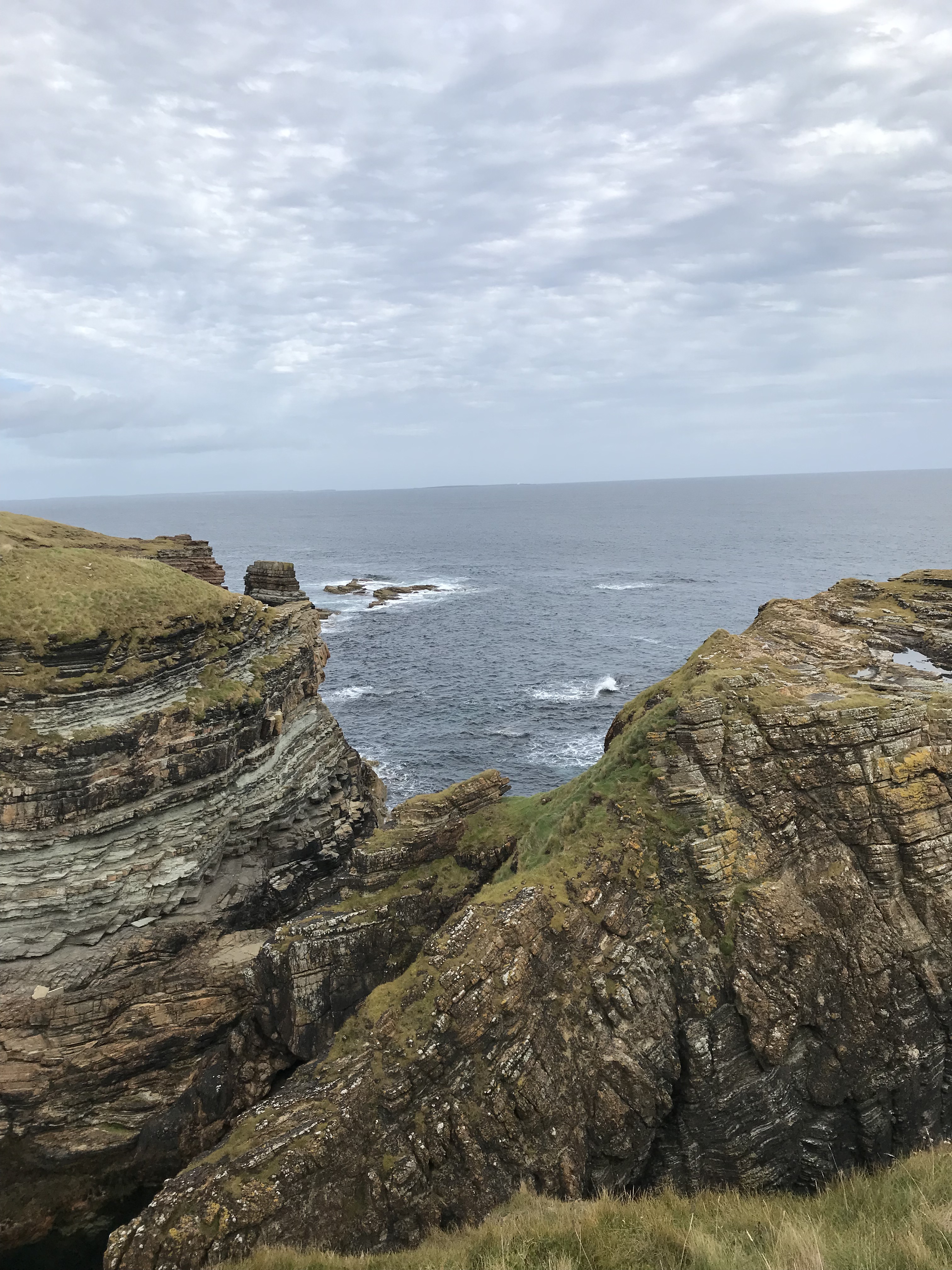
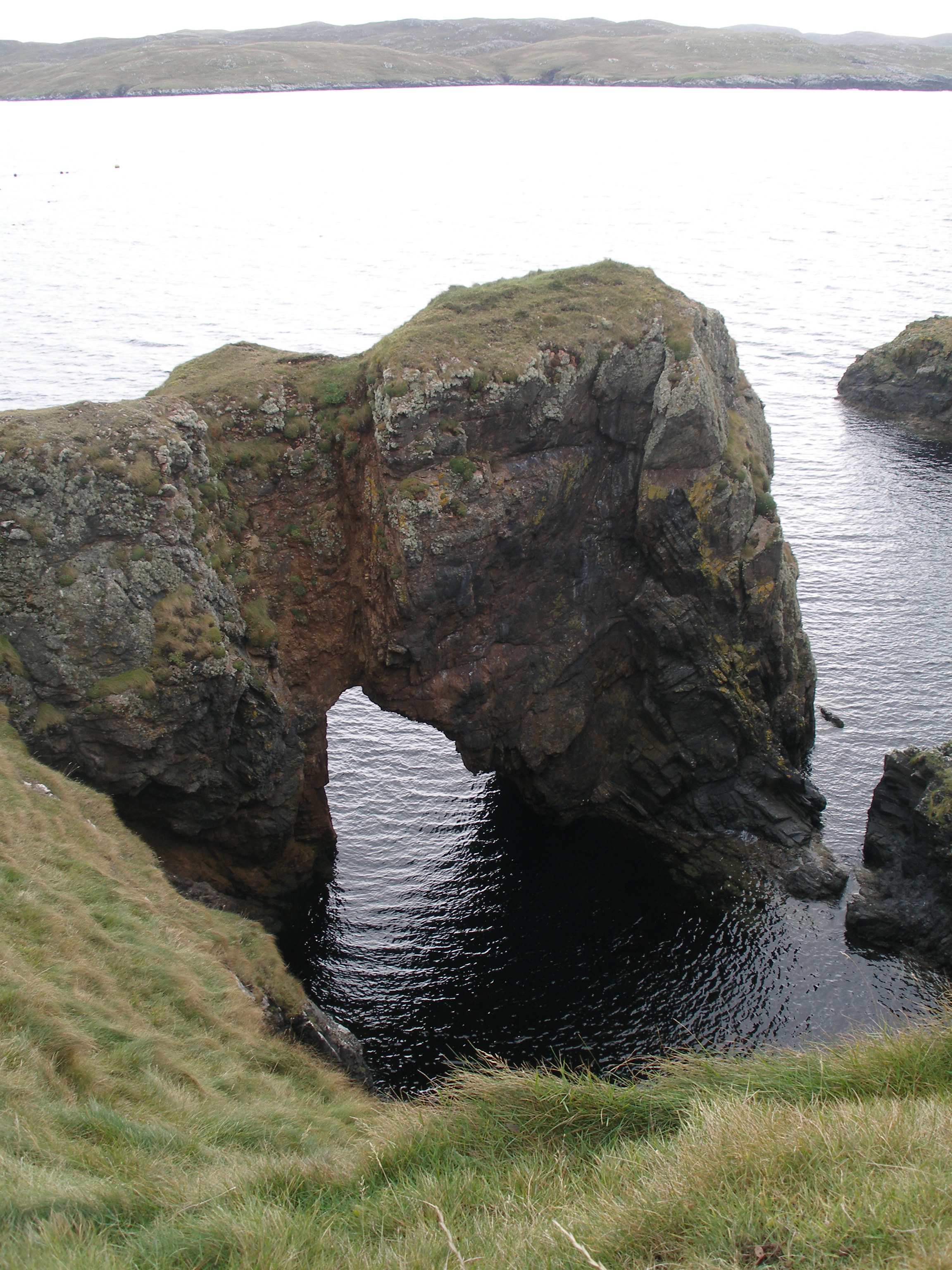
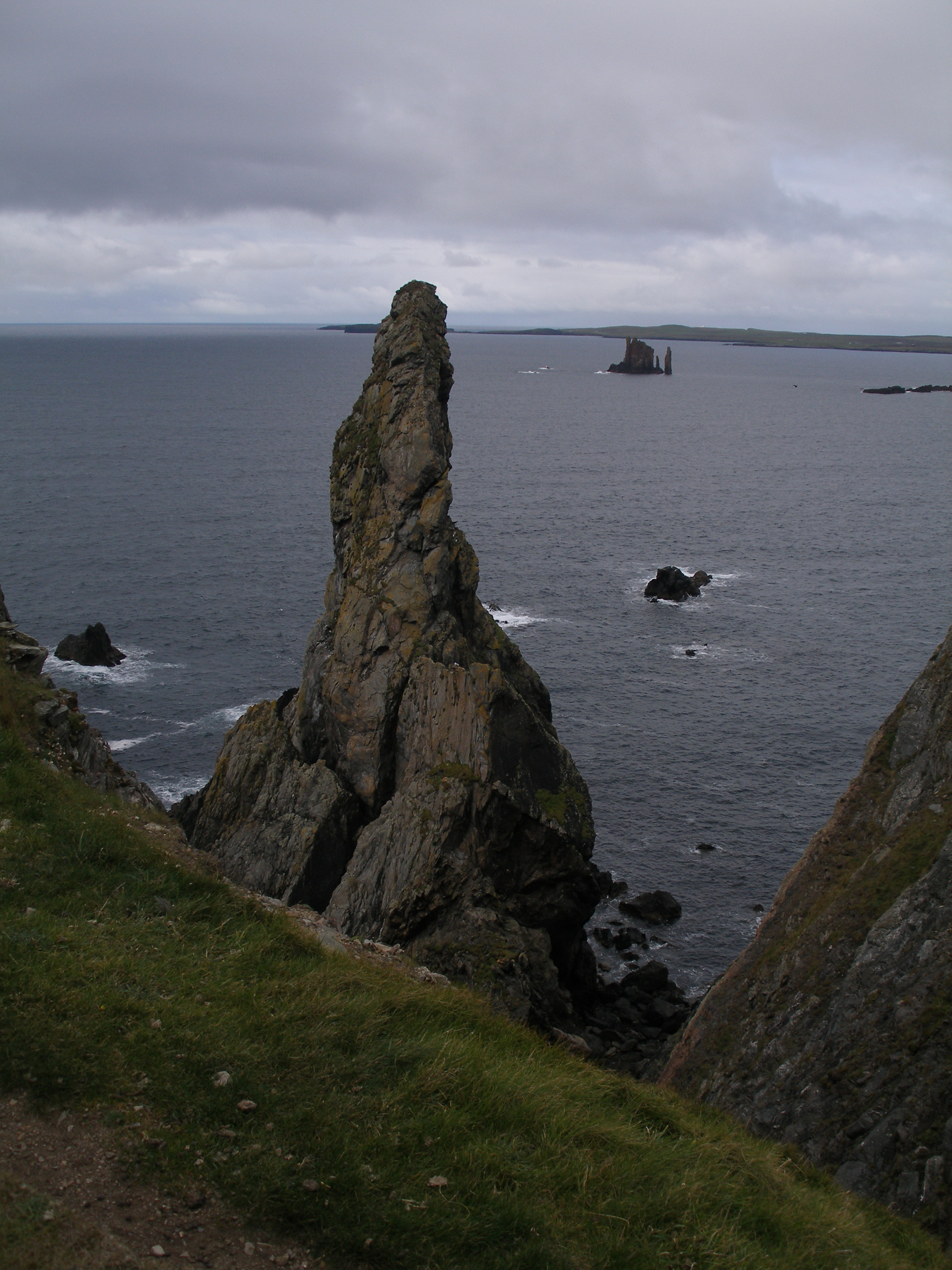
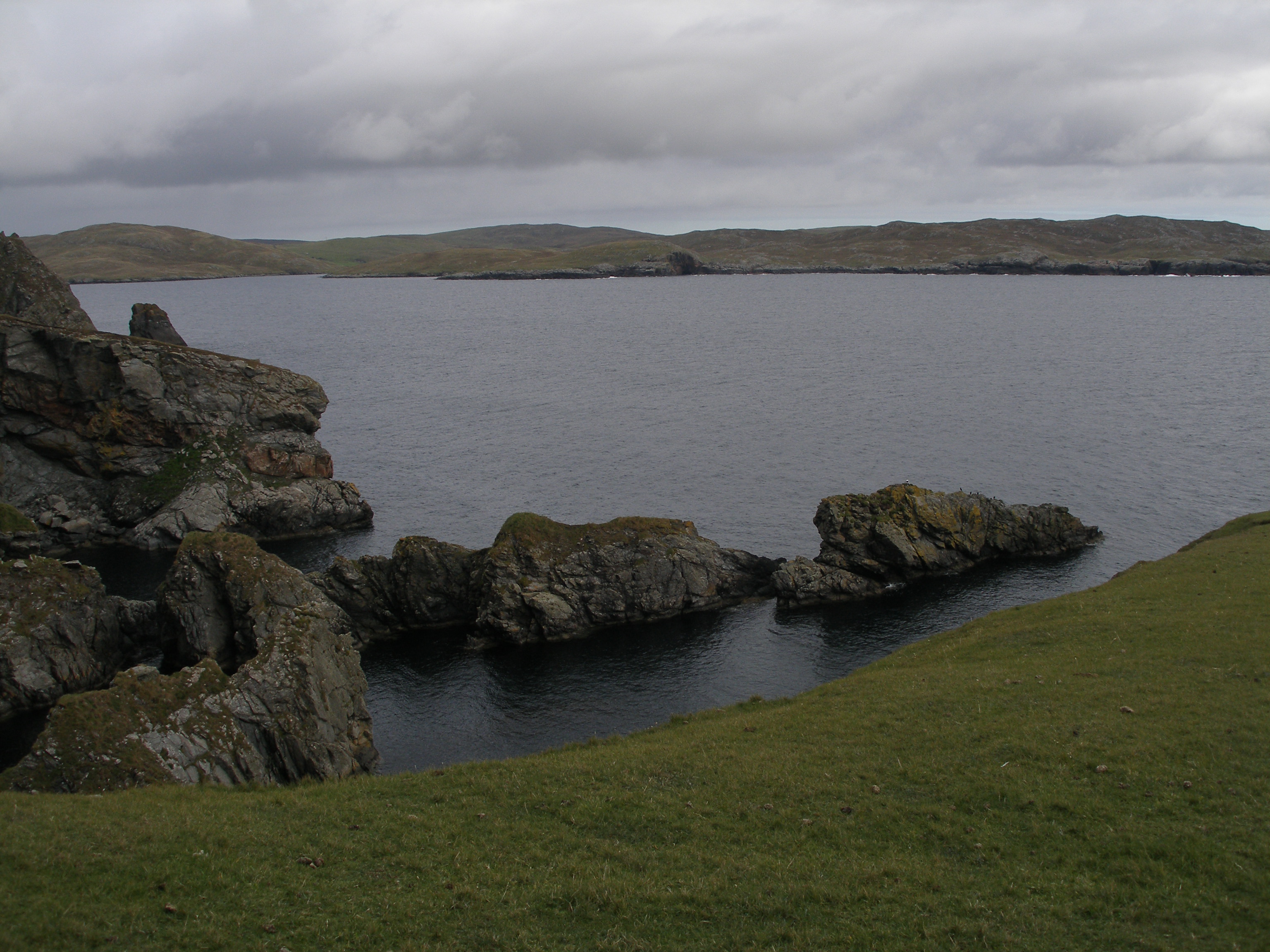
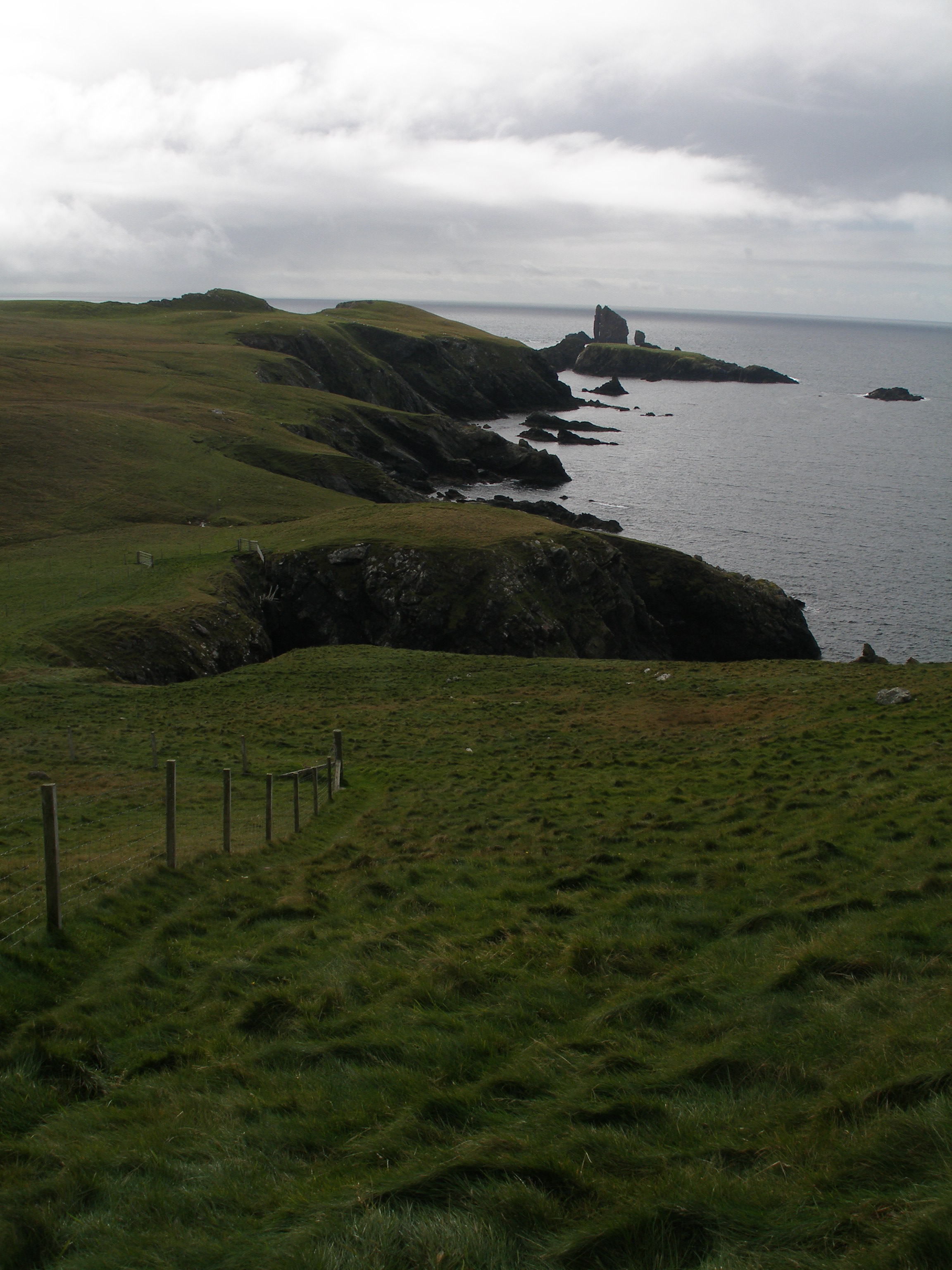
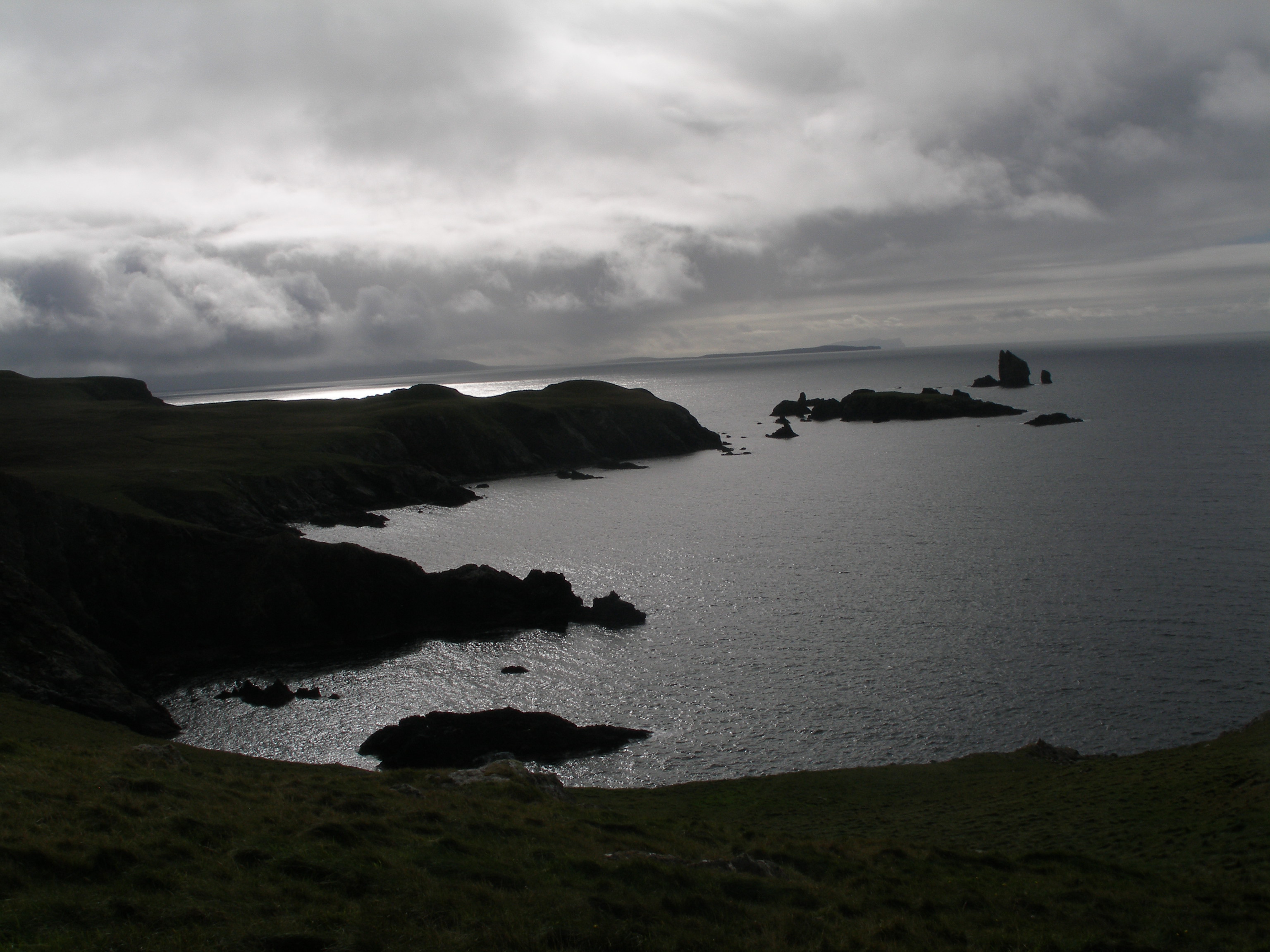
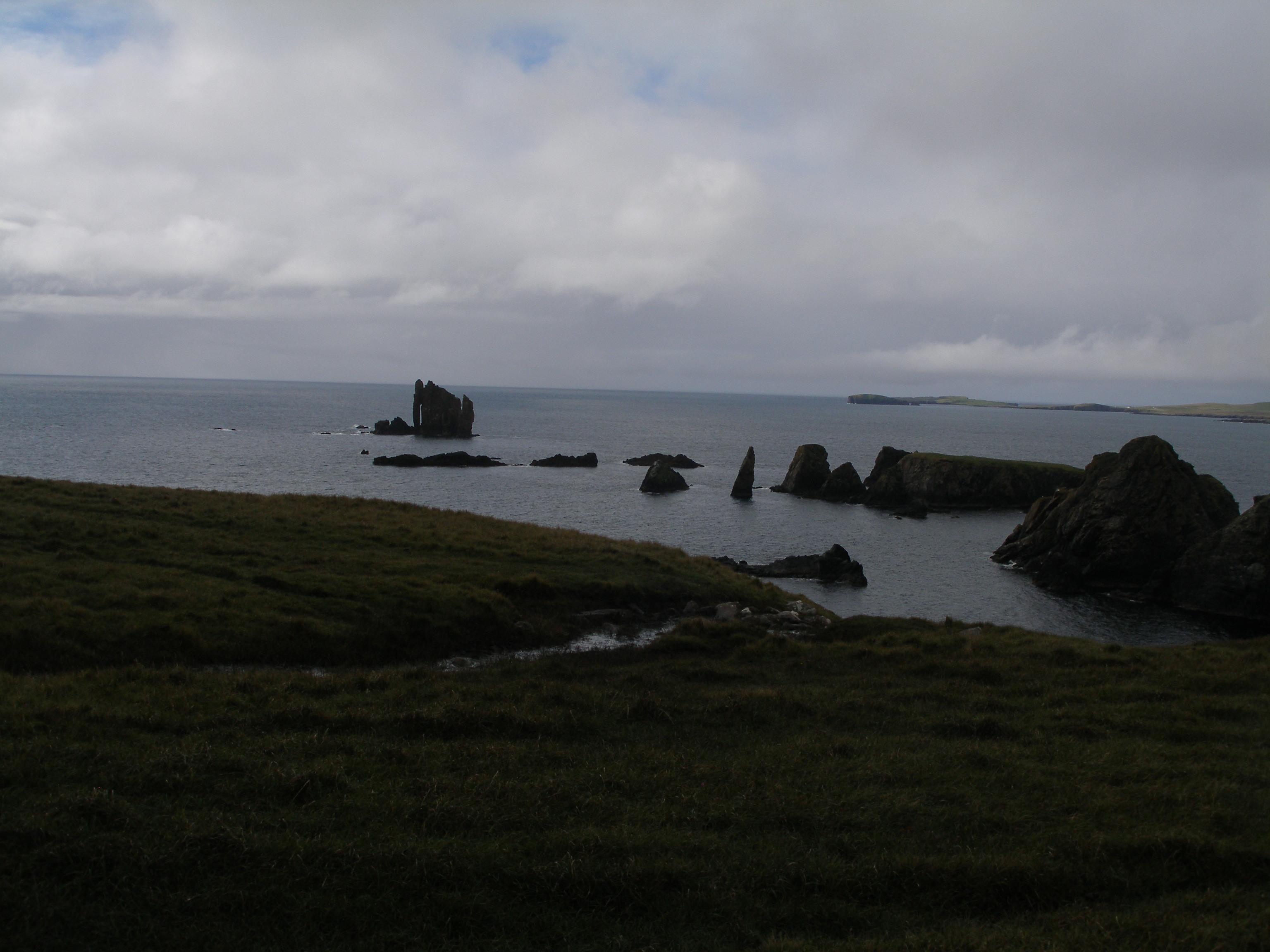
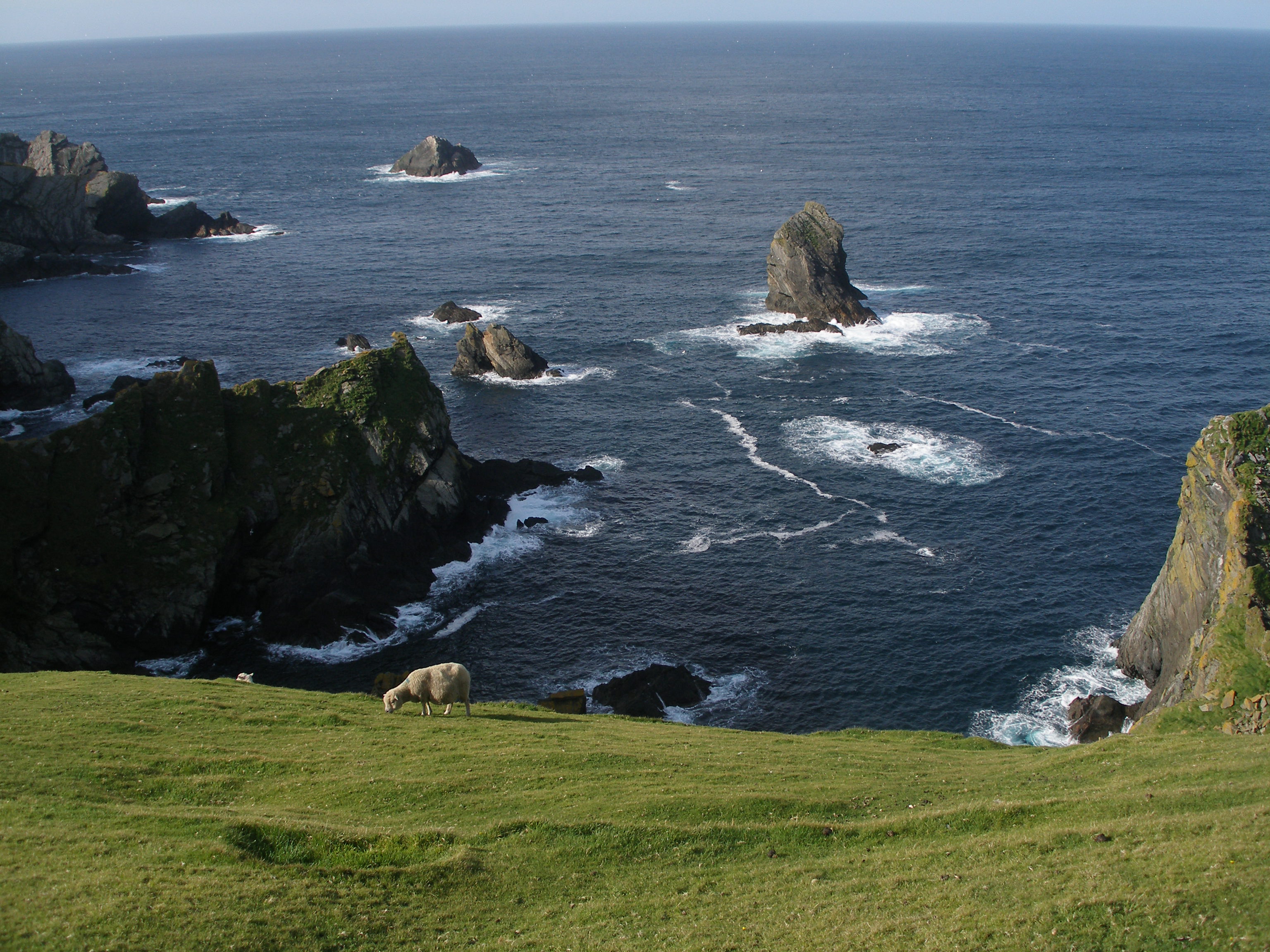
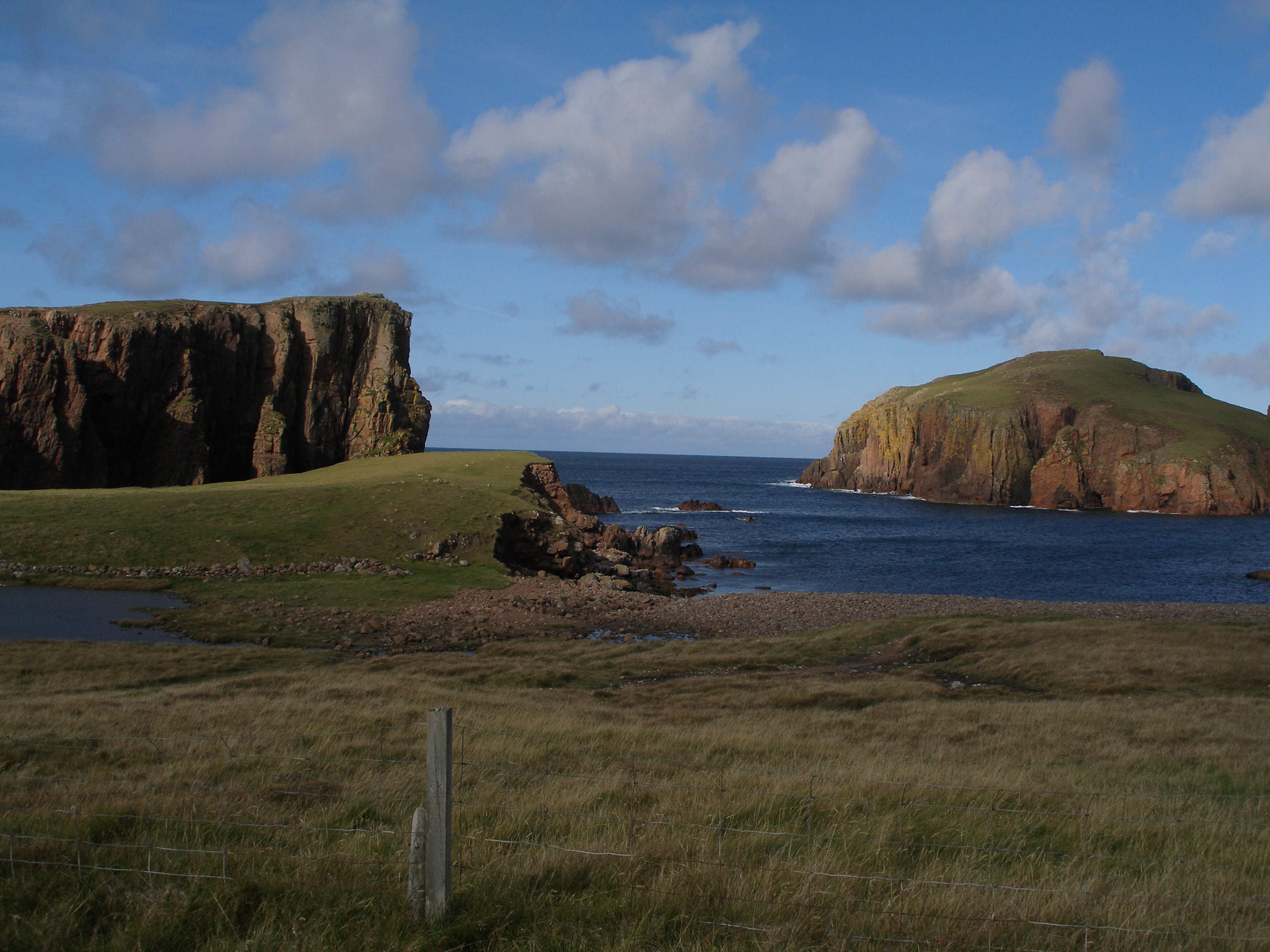
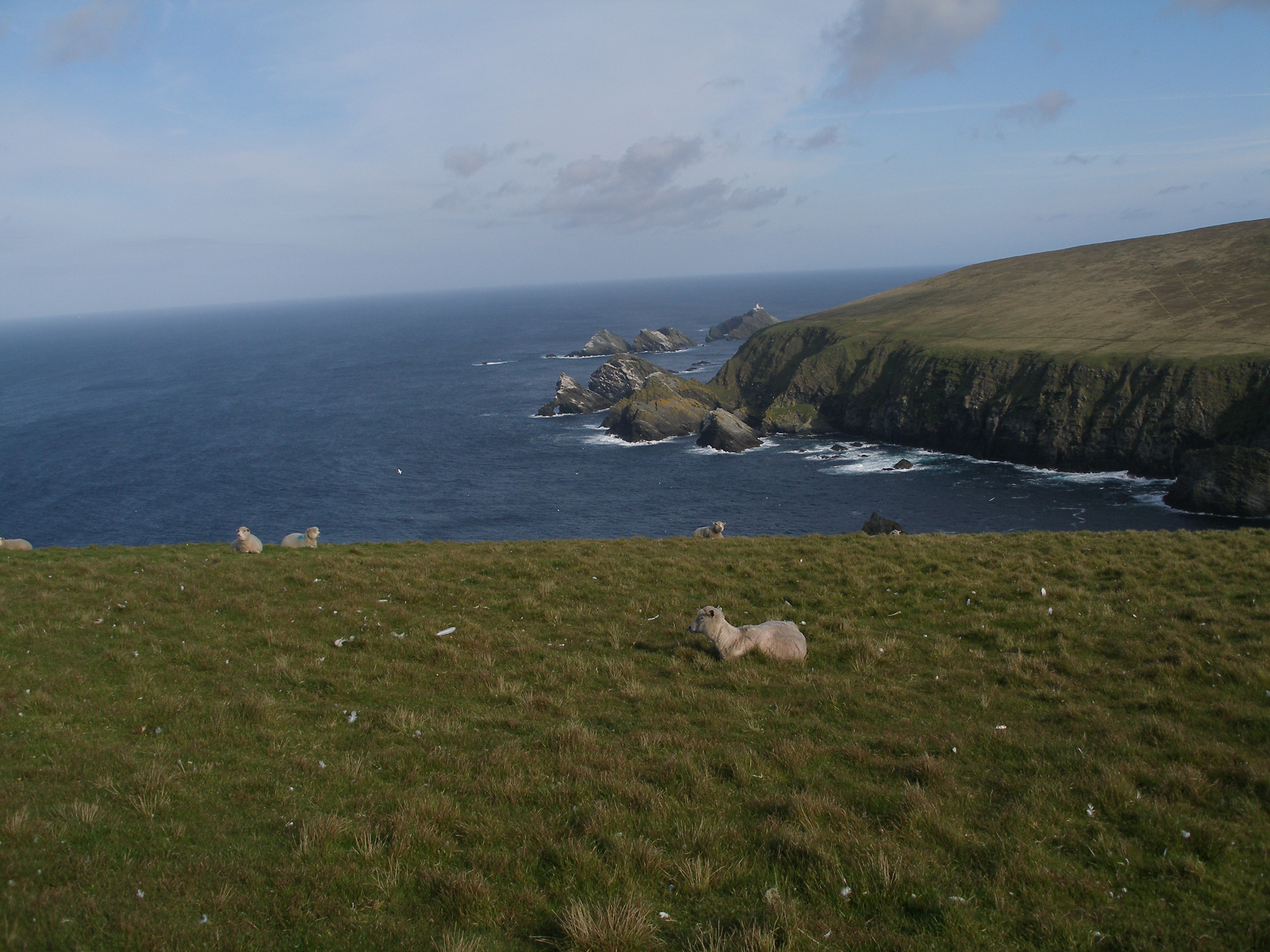
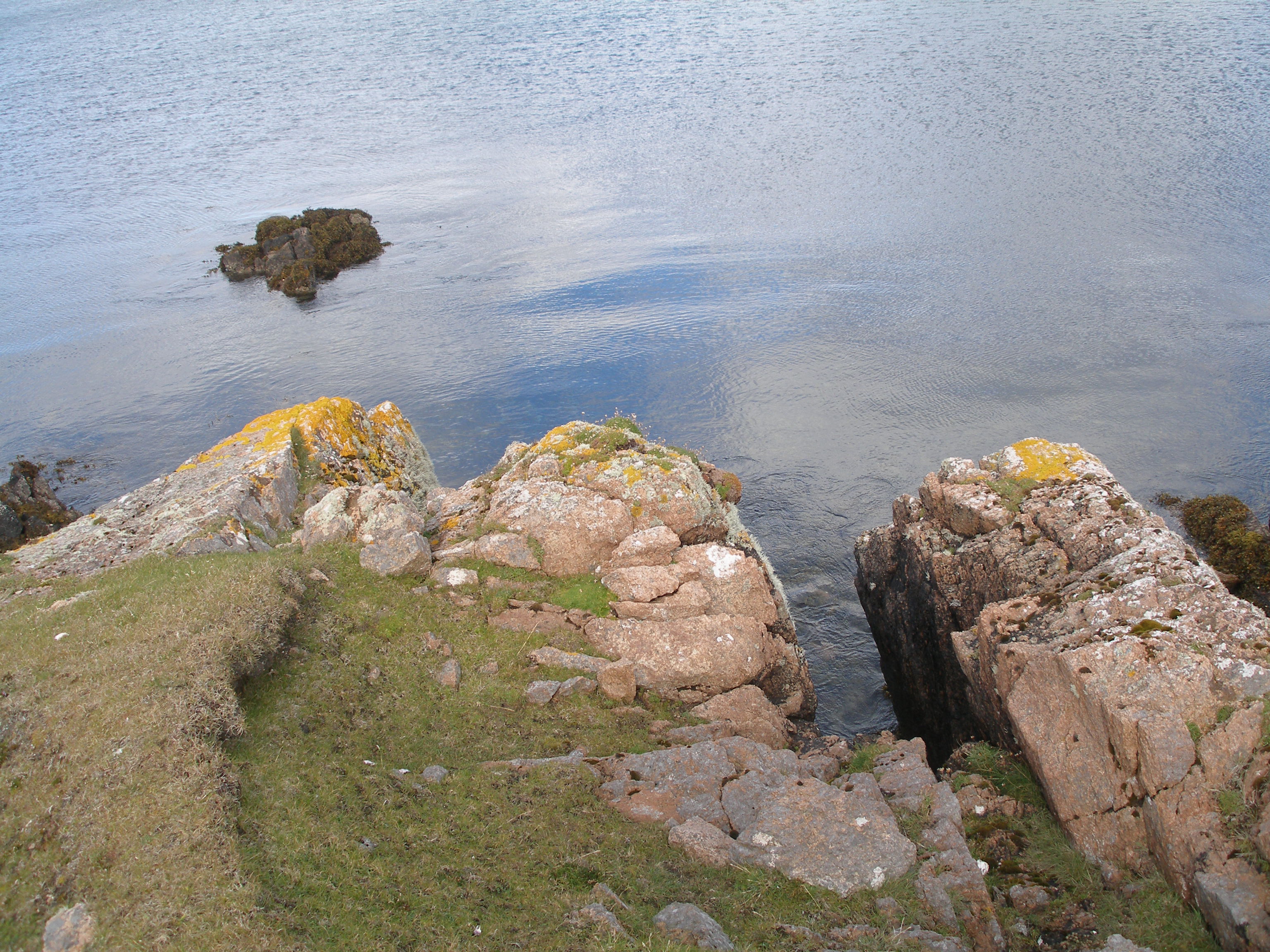
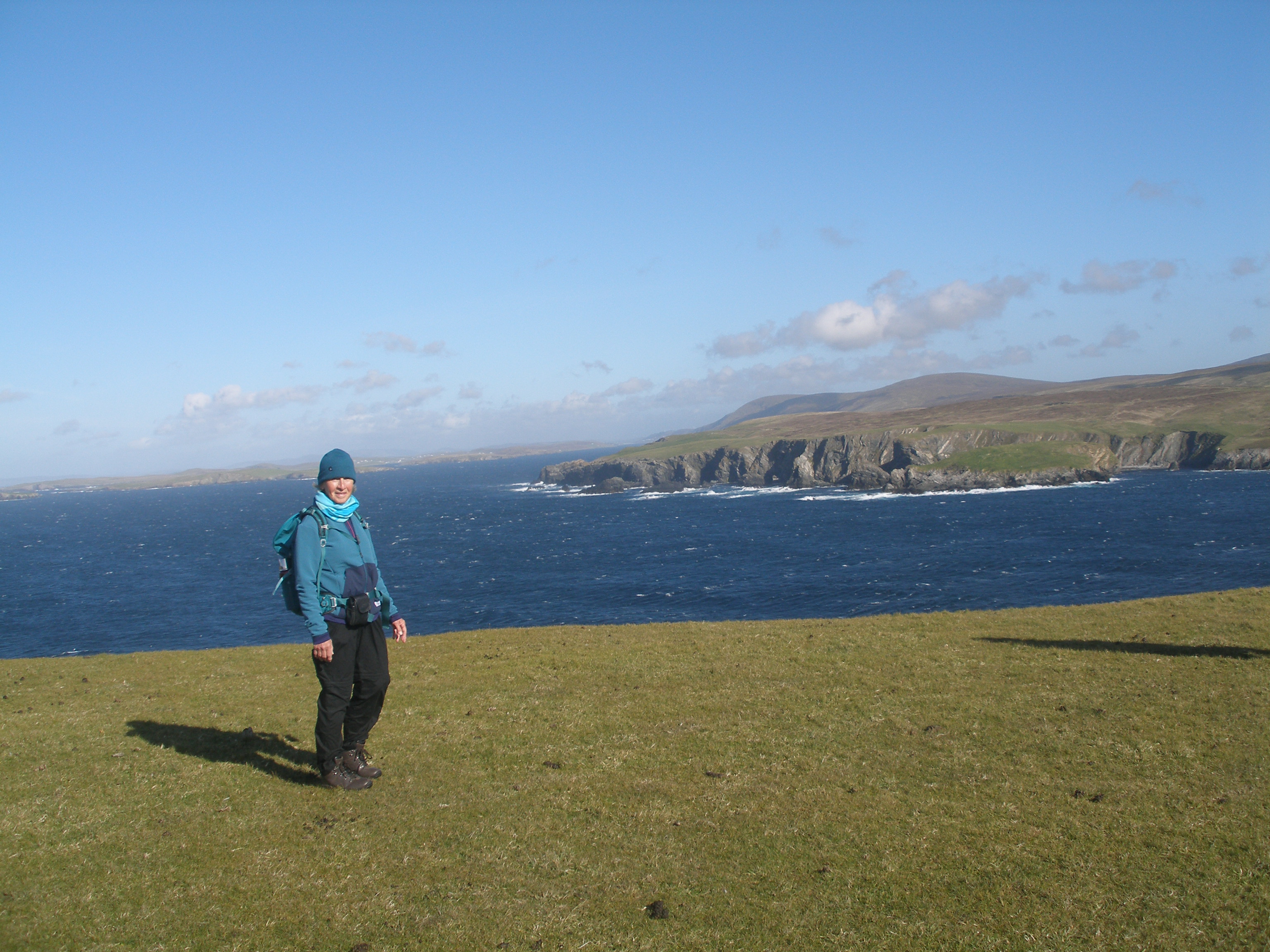
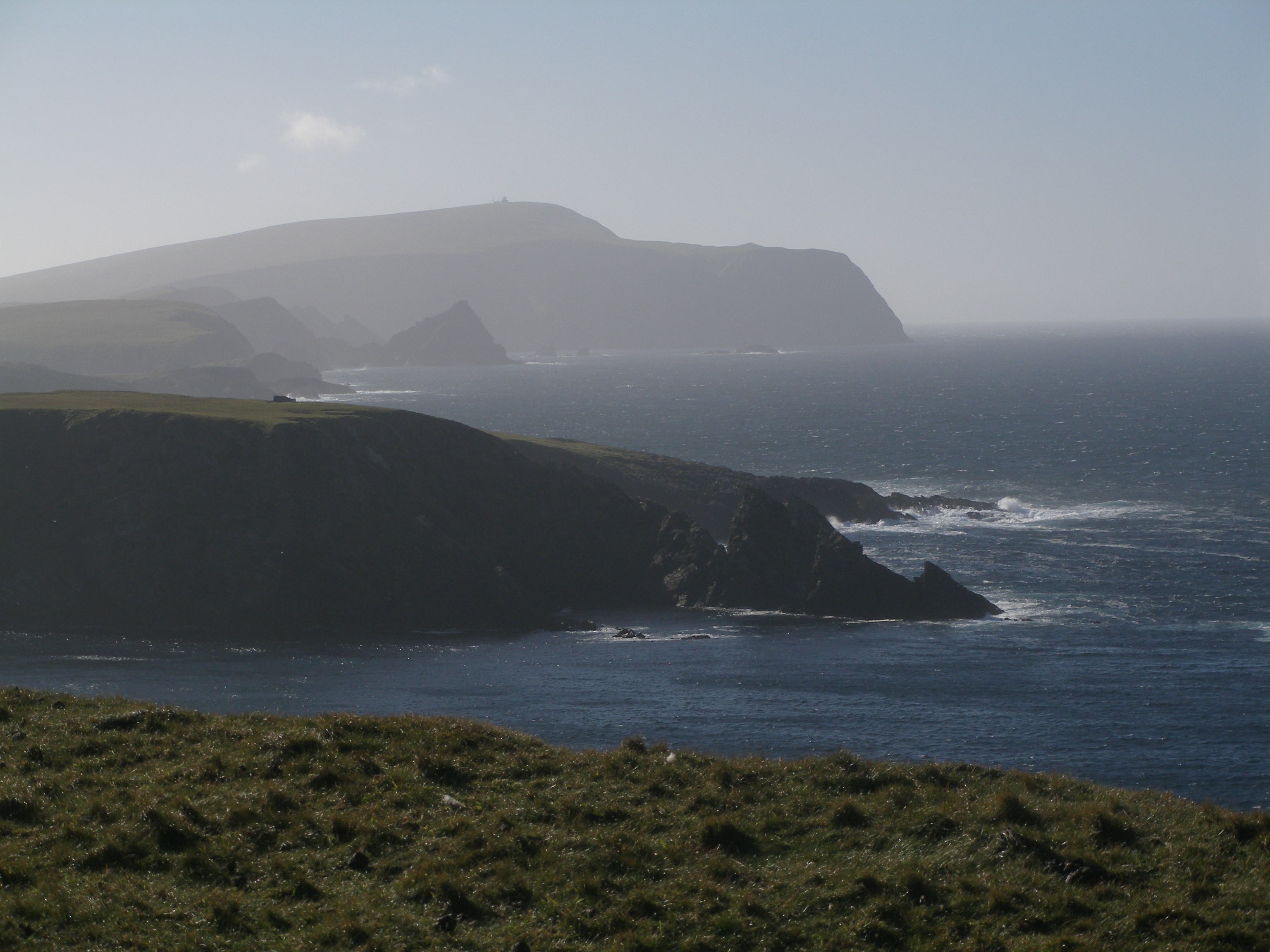
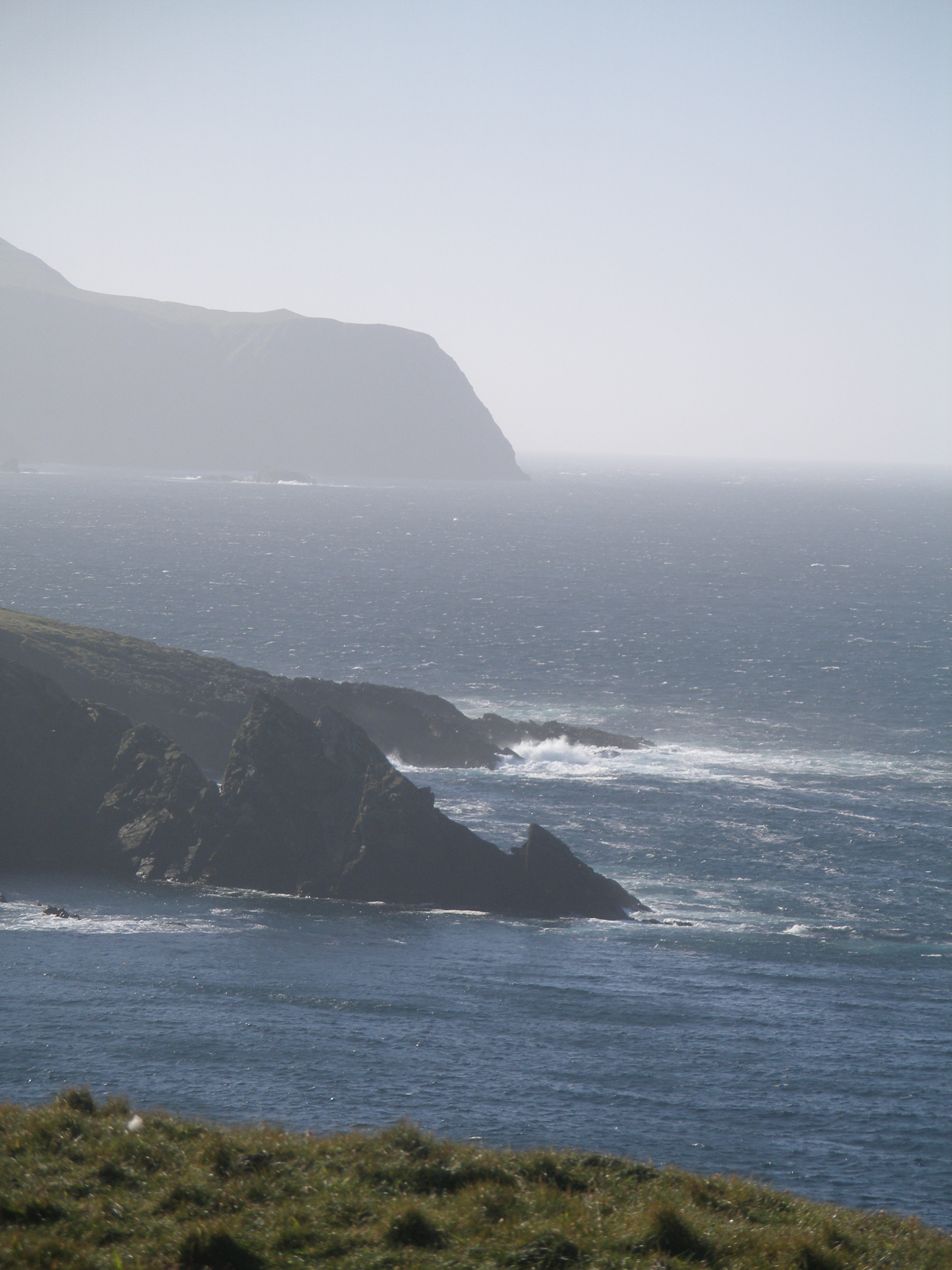
A clear bright dawn next morning offered the opportunity to photograph the quintessential Shetland sunrise. John drove us to the north west wing of the main island stopping for us to remark at Mavis Grind with the Atlantic to our left and – a mere stone’s throw away – to the right, the North Sea. Reputed to be a good spot to see otters crossing from one to the other, we were again out of luck. Reaching Hillswick, we hiked for about five miles along the Esha Ness Cliffs to the lighthouse at Baa Taig. Phenomenal geological stacks and strata to admire marked out this hike: cathedral-like island stacks such as the Drongs, the tiny isle of Westerhouse and views north west to the Runk from the Ness cliff tops. The circular hike brought us back to the ornate St Magnus Bay Hotel. We sat in the pristine formal lounge in our hiking boots drinking cups of tea …
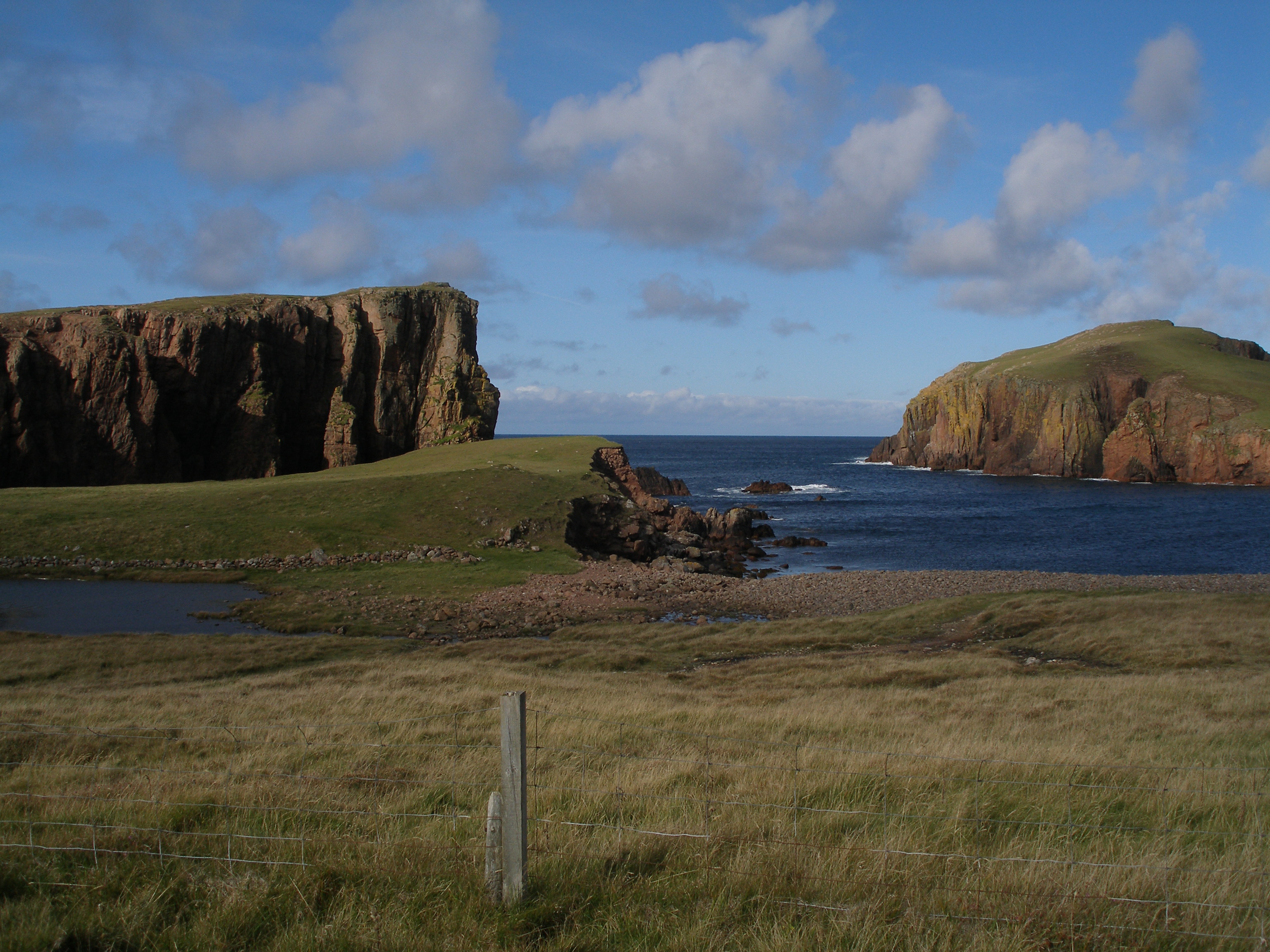
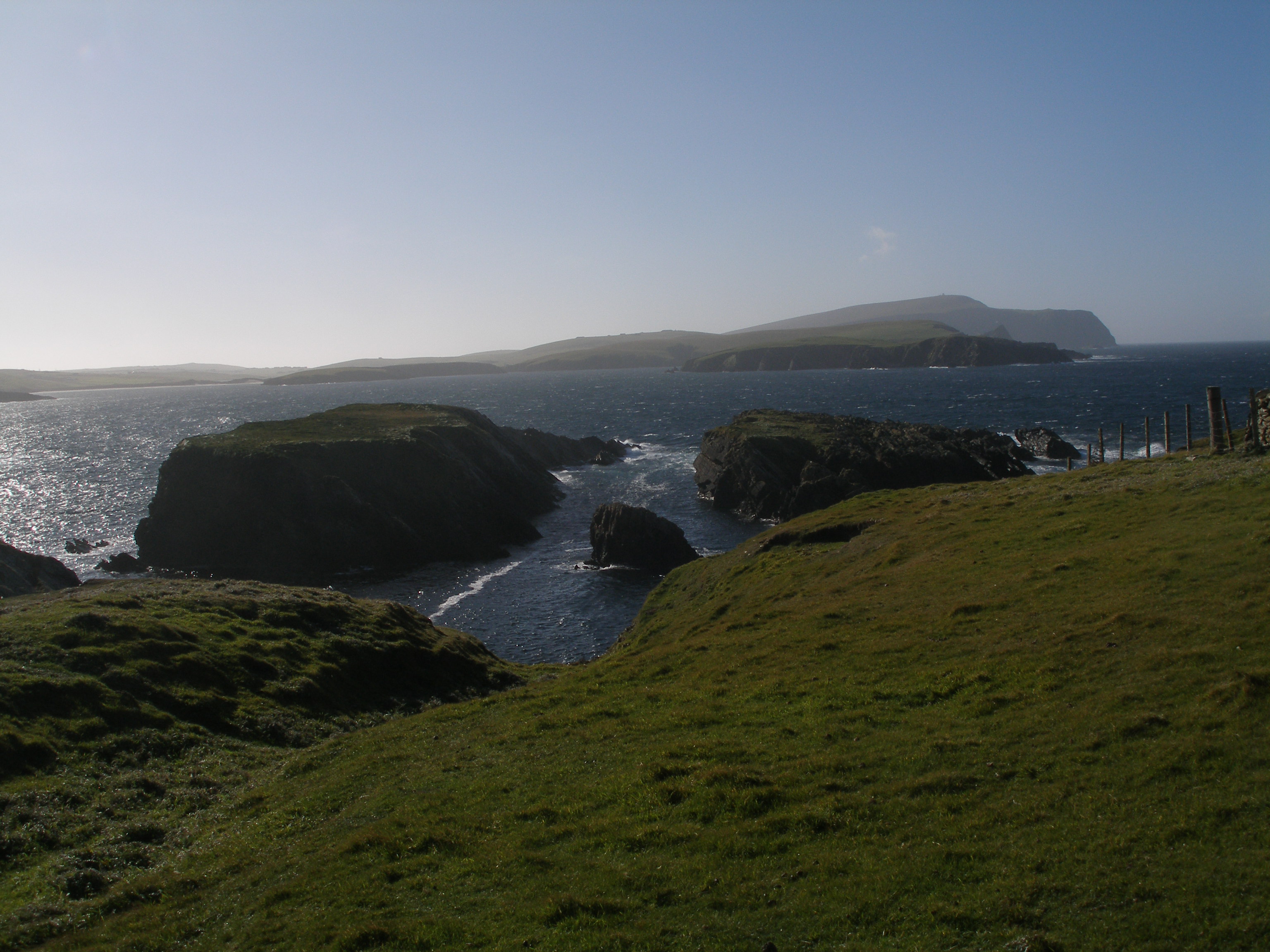
The following day’s destination is often described as the prettiest place on Shetland: Muckle Roe, an island connected to Busta and the main island by a narrow stone bridge. Hiking up to Riding Stack Lighthouse we were glutted with sightings of red rock stacks as we explored ruins of the old Mill, North Ham and South Ham Beaches and then walked to Little Ness and Swabi Stack.
There was no time to relax after dinner that evening: live traditional Shetland music was available at the Lounge in Lerwick (again made famous by Anne Cleeve’s detective novels and the tv series). The piano, accordion, acoustic guitar and vocalists were later joined by a fiddler and a drummer: a perfect background for sipping another relaxing wee dram of Shetland Reel.
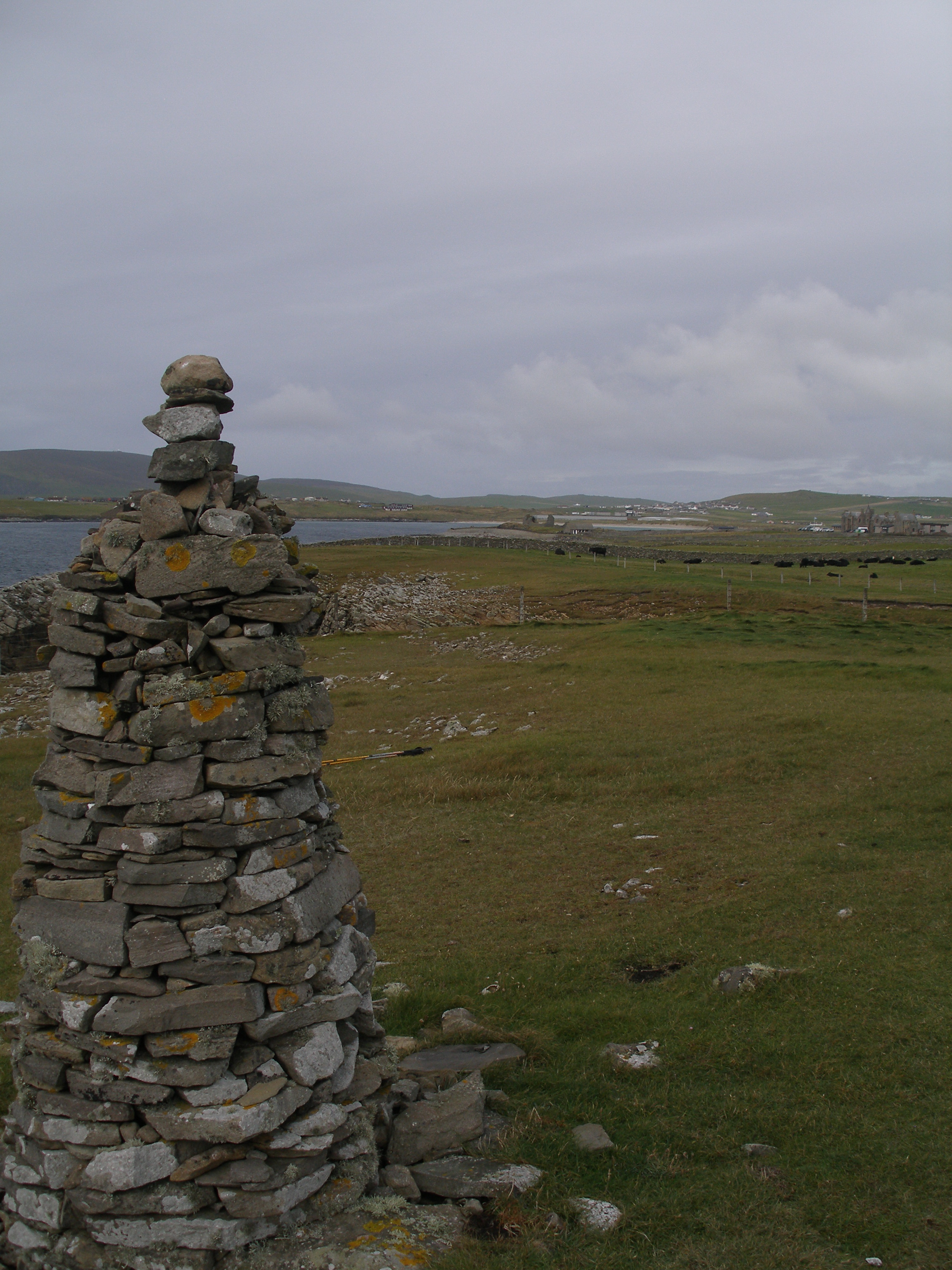
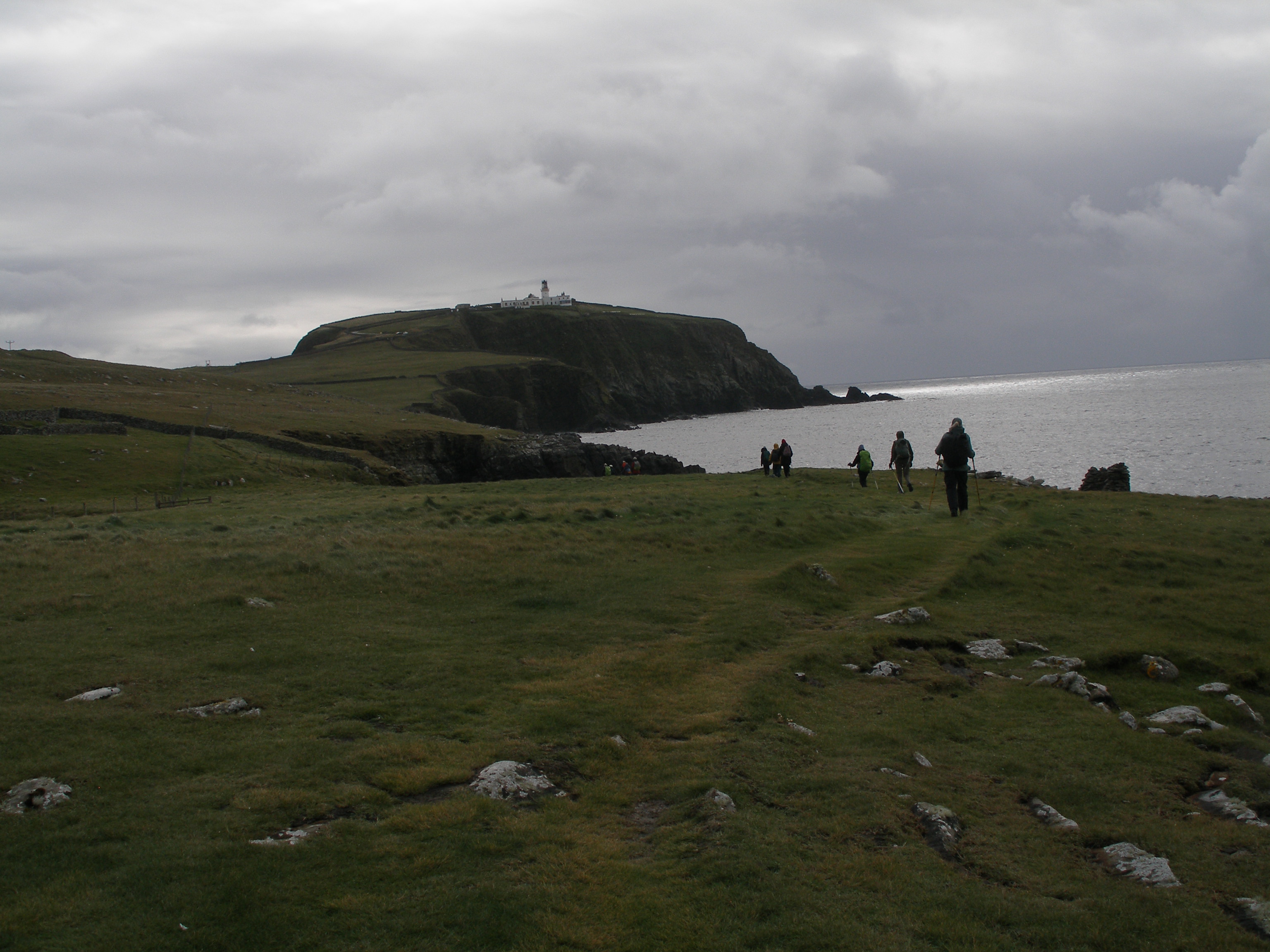
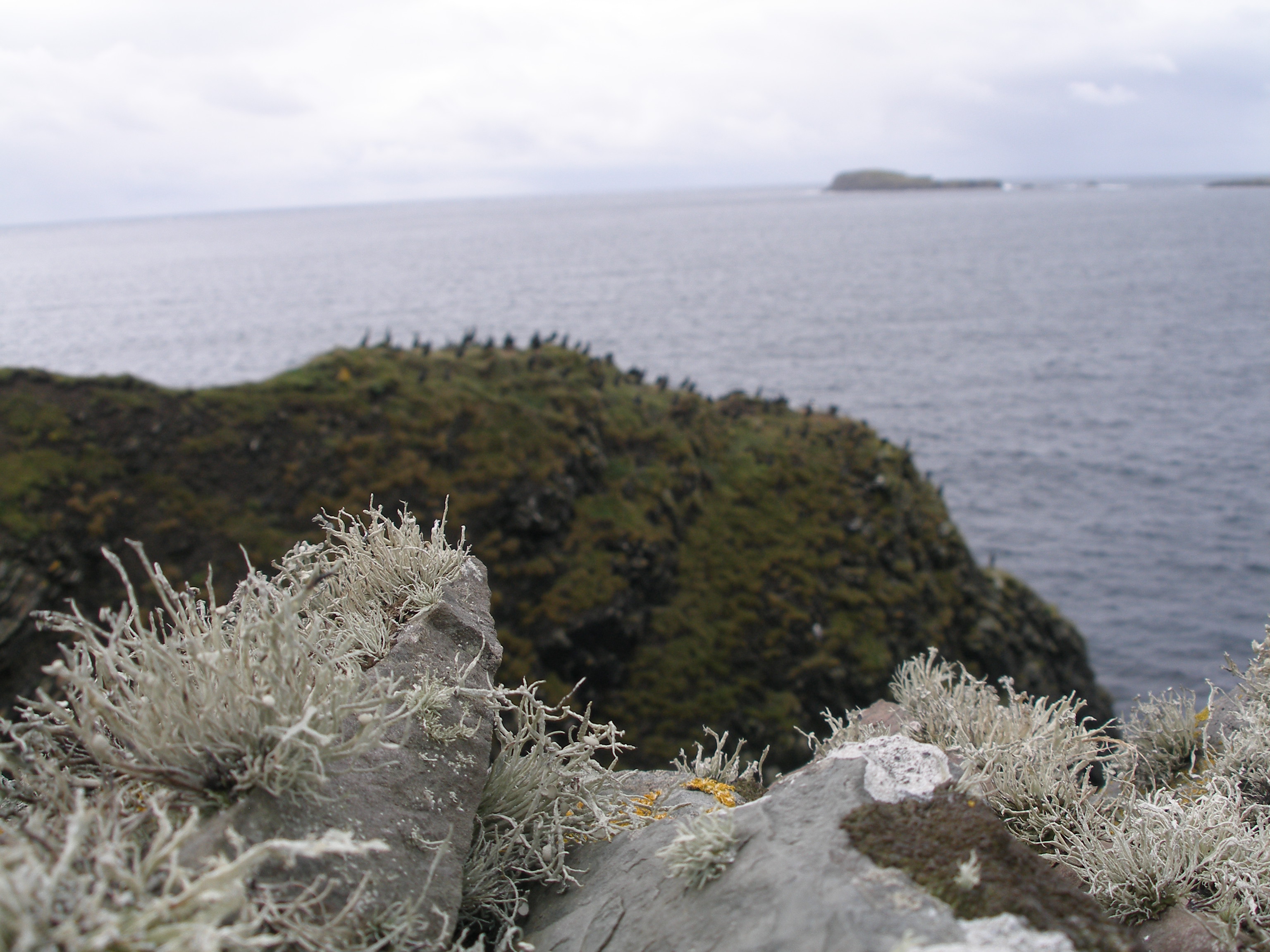
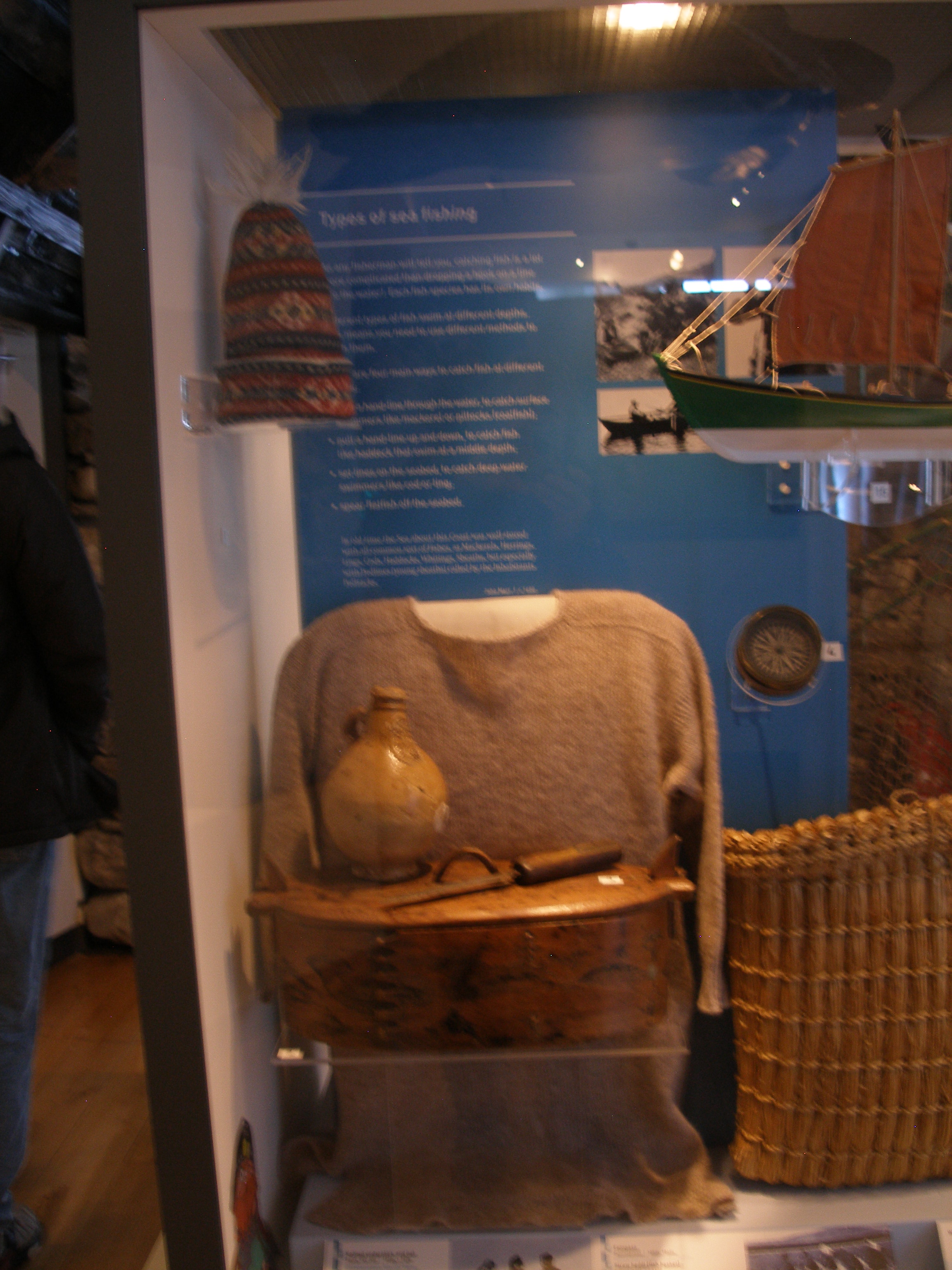
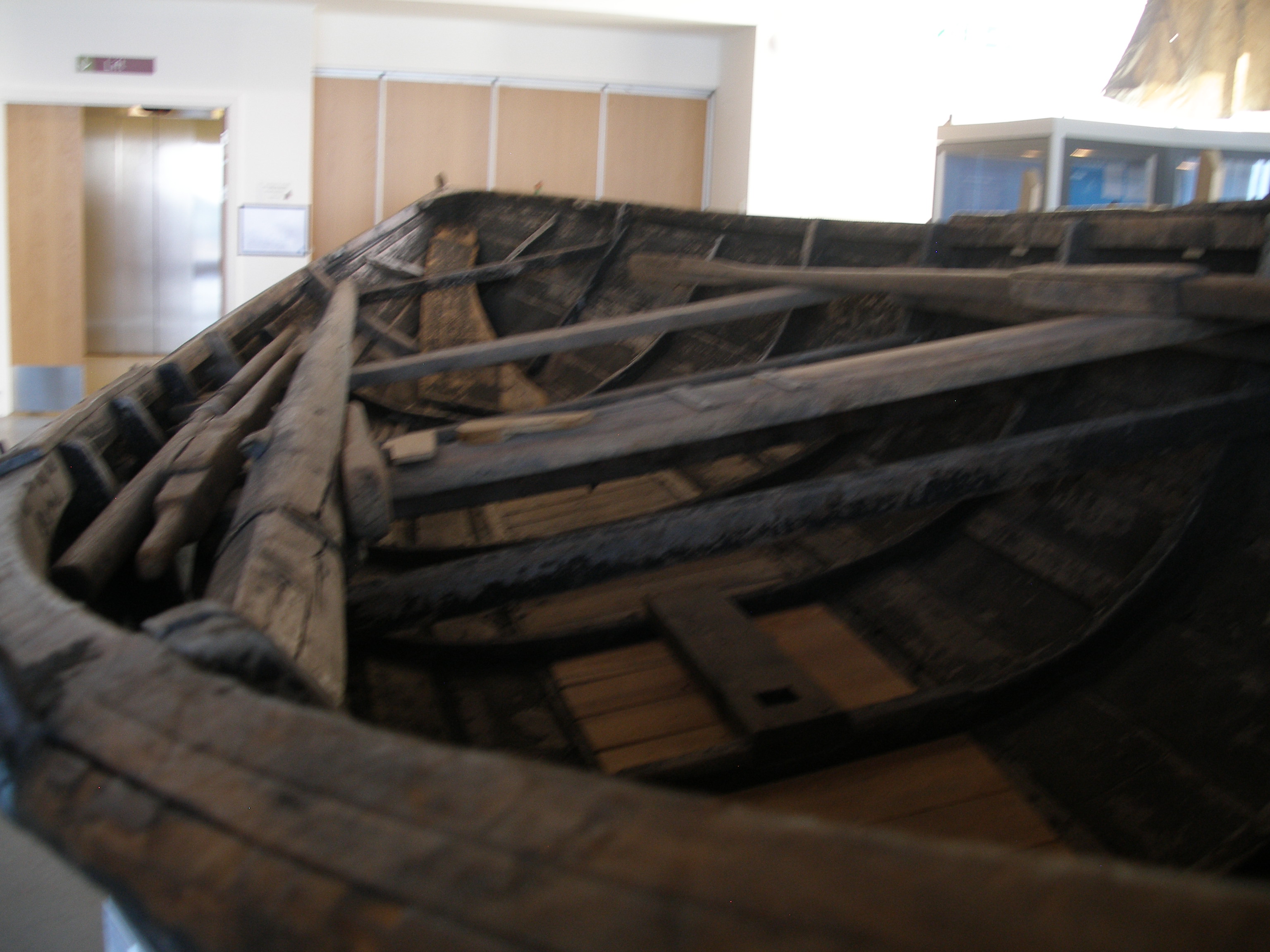
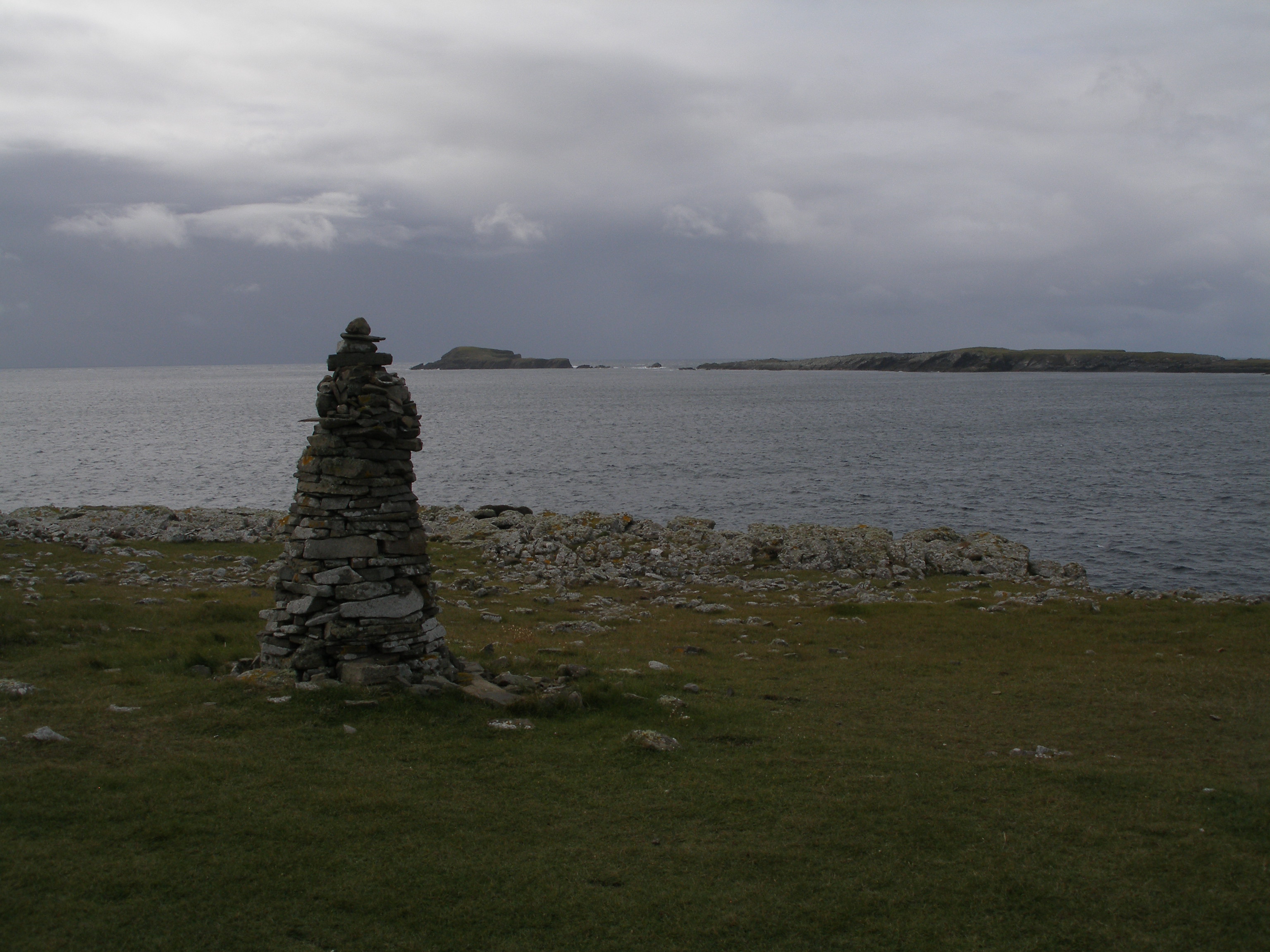
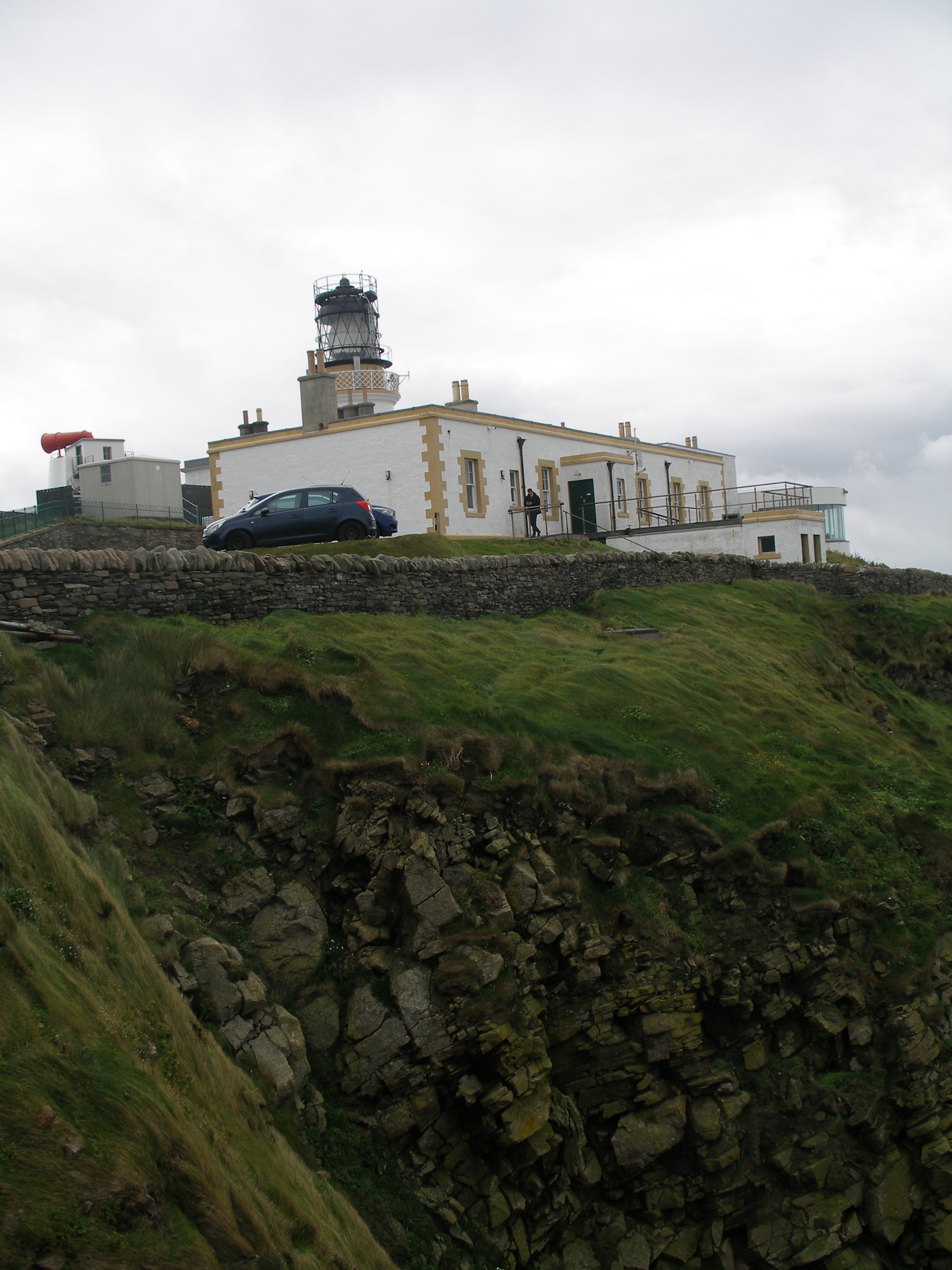
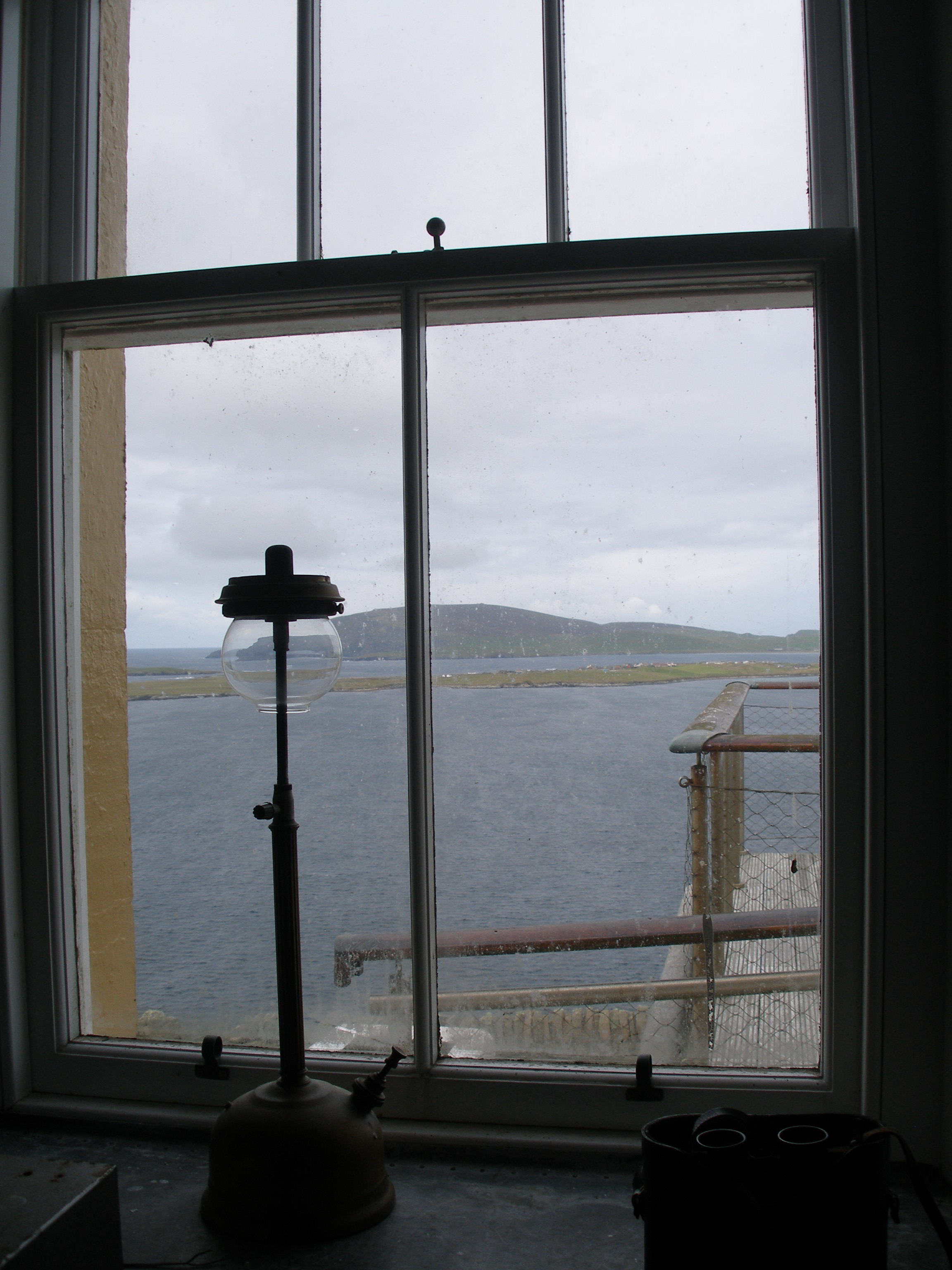
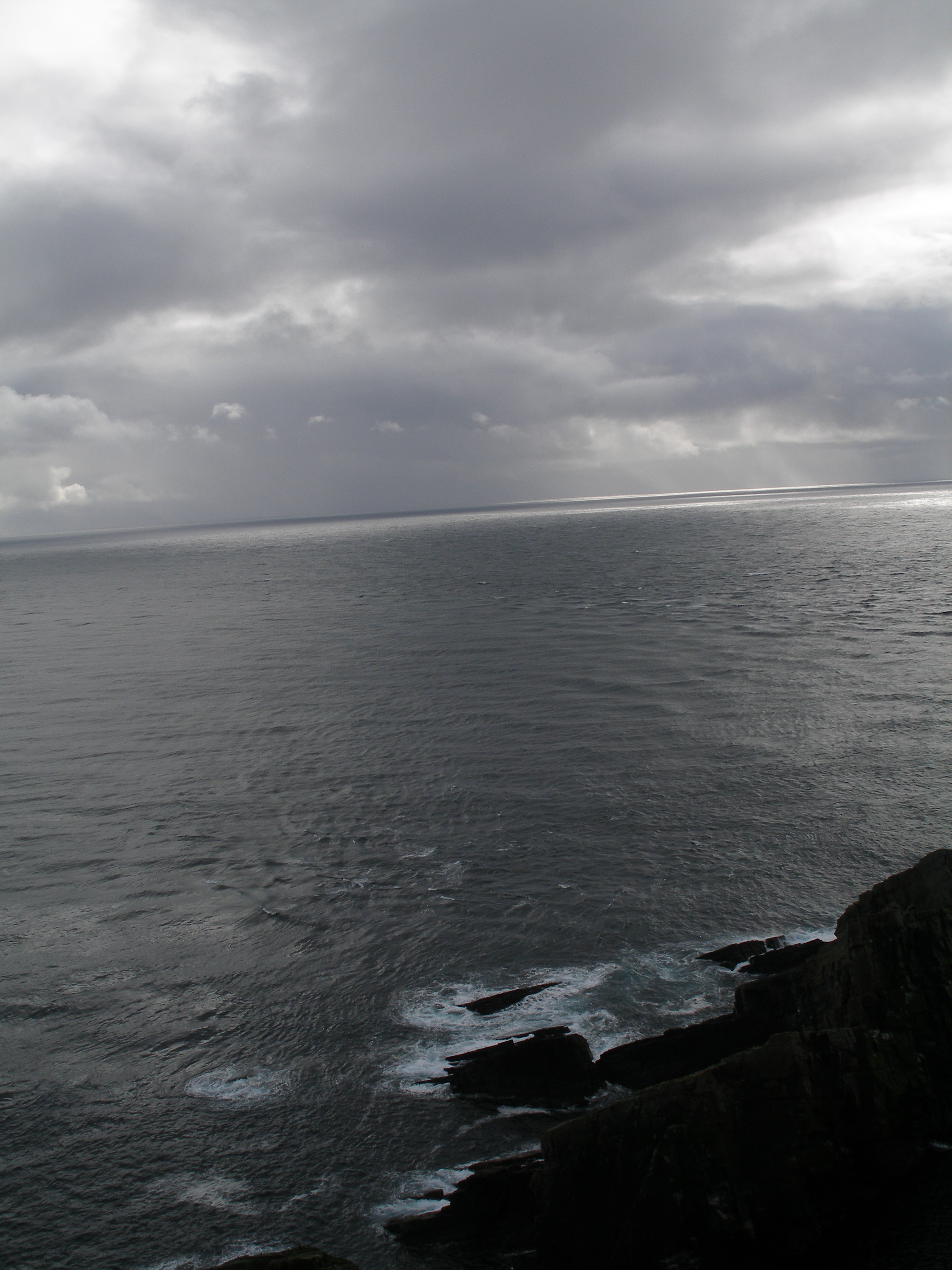
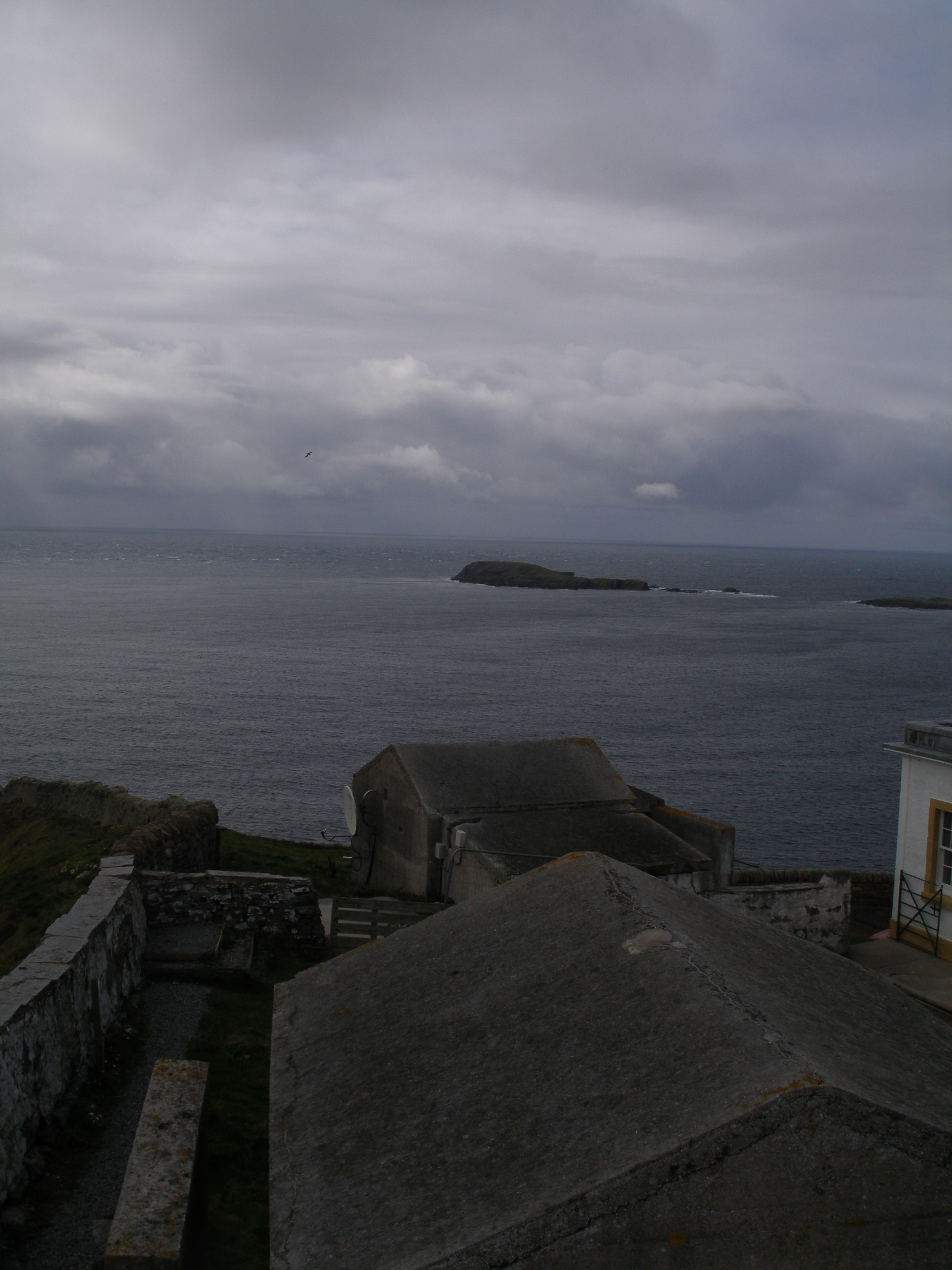
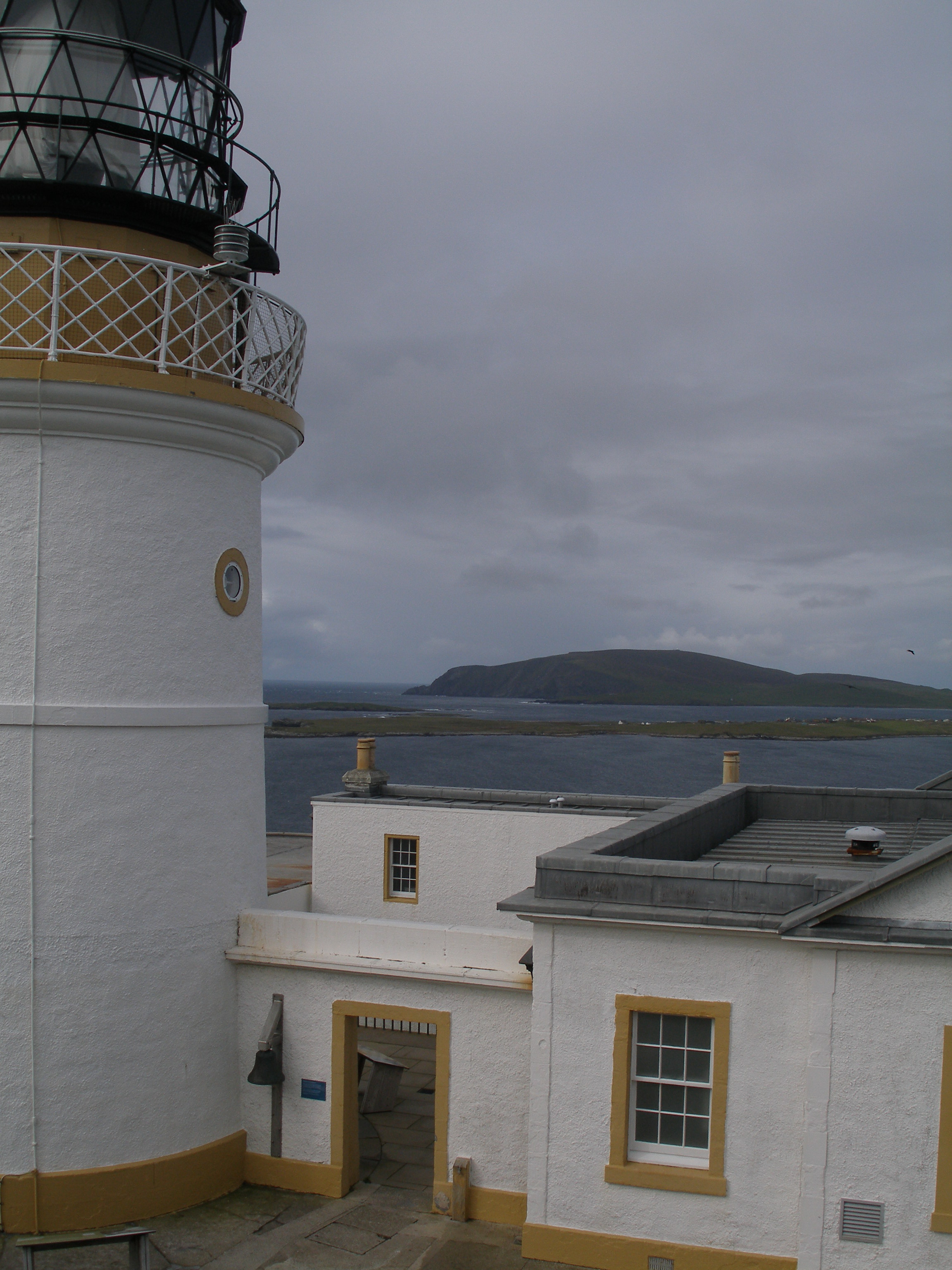
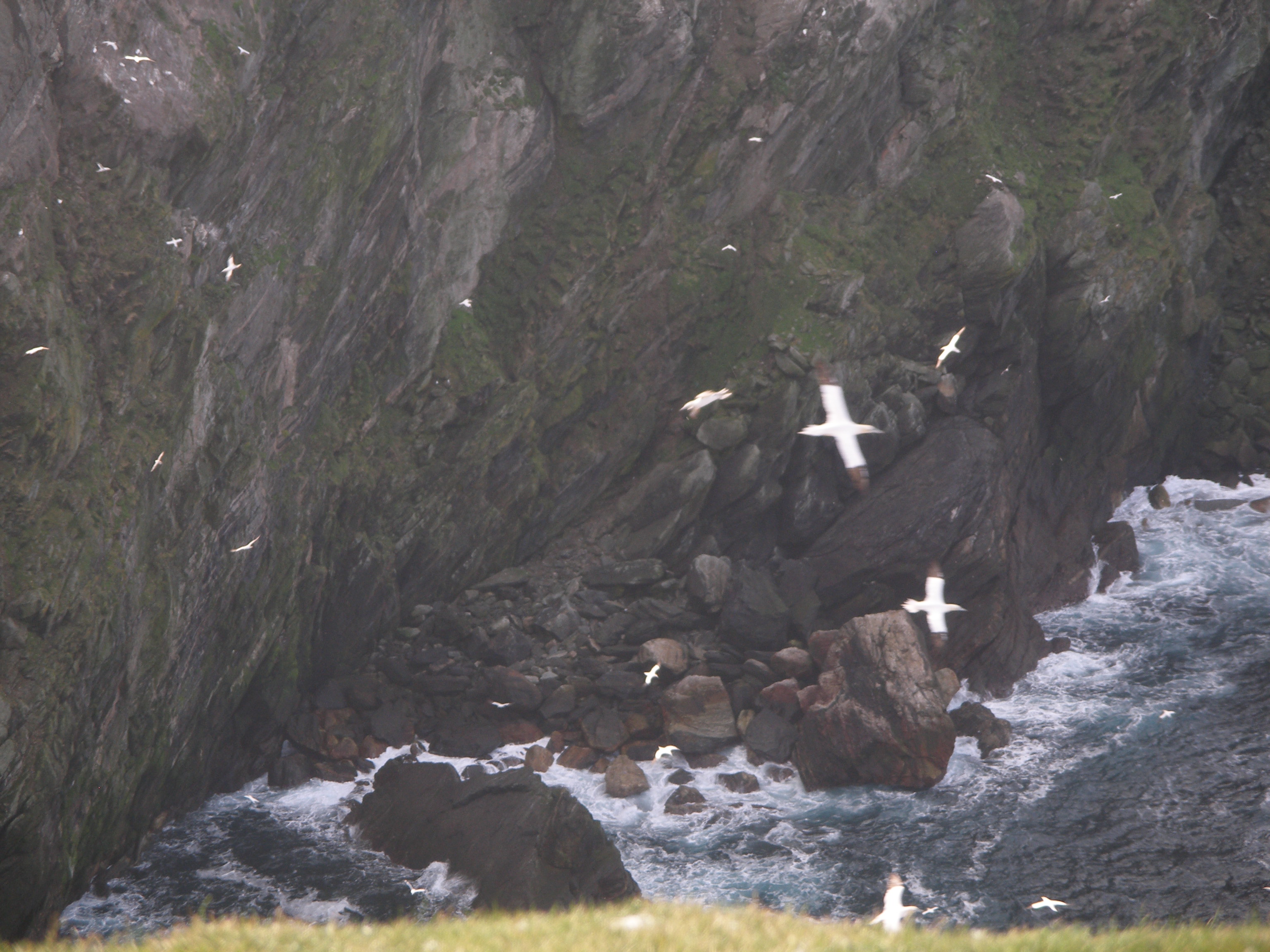
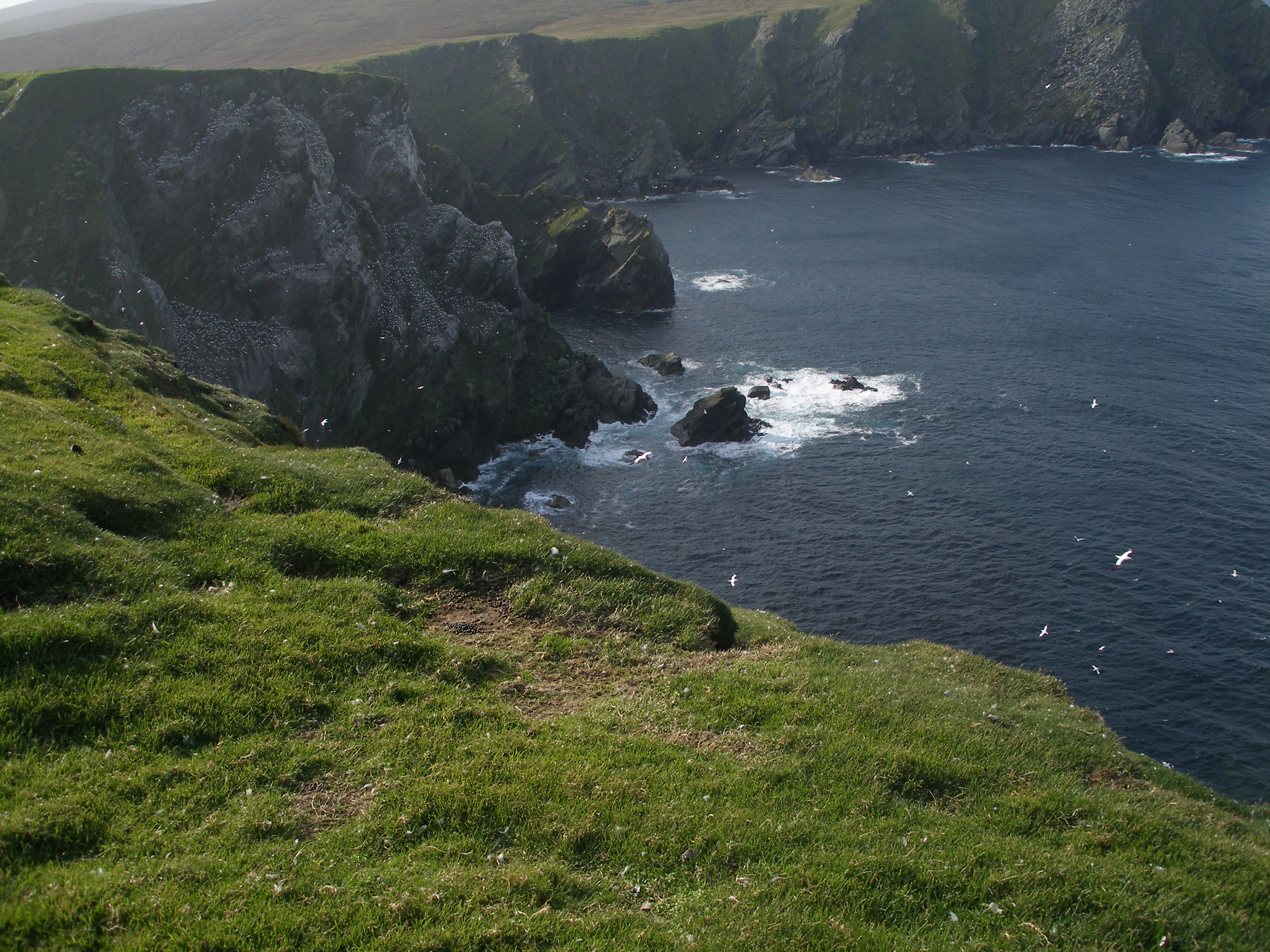
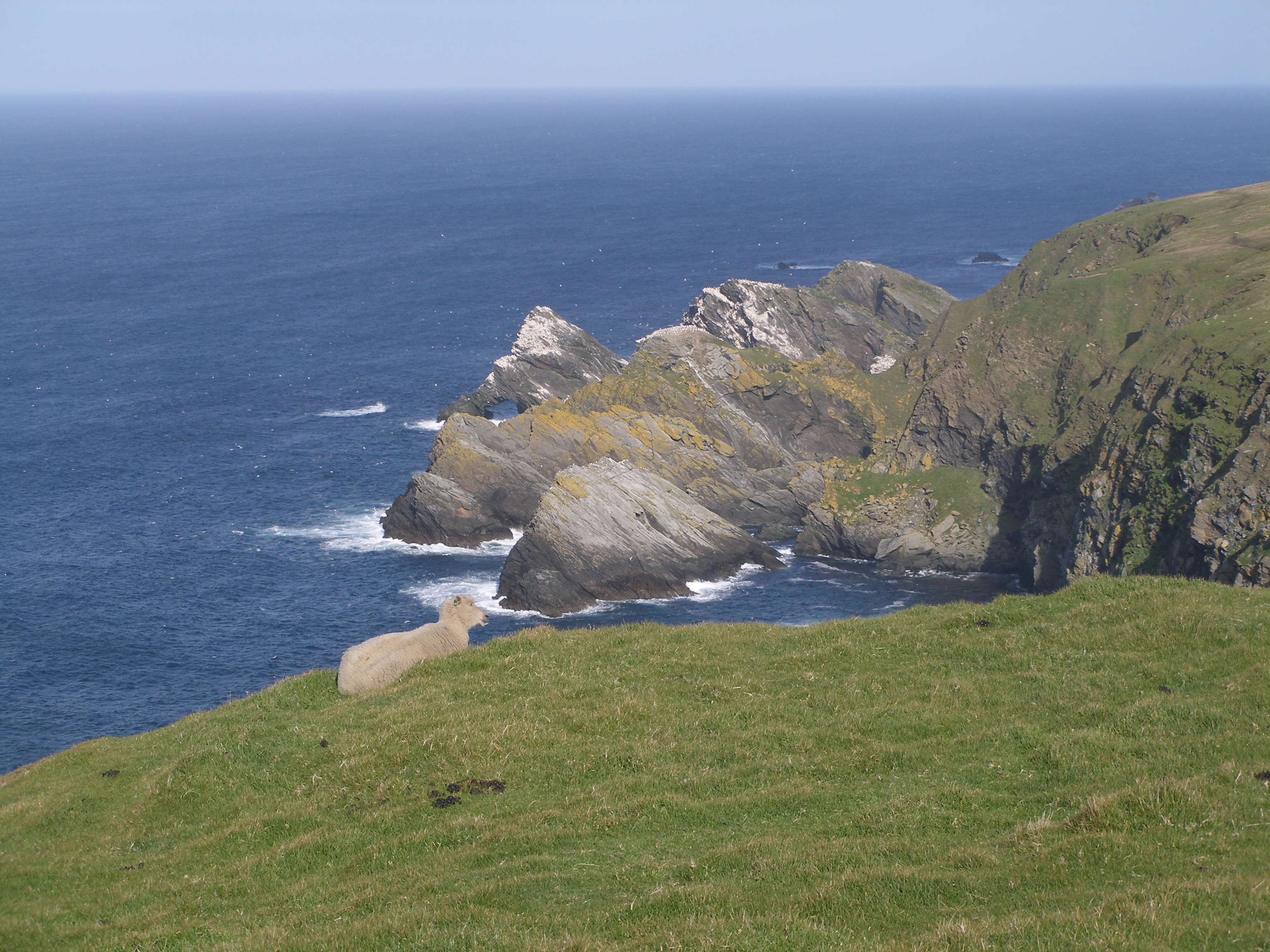
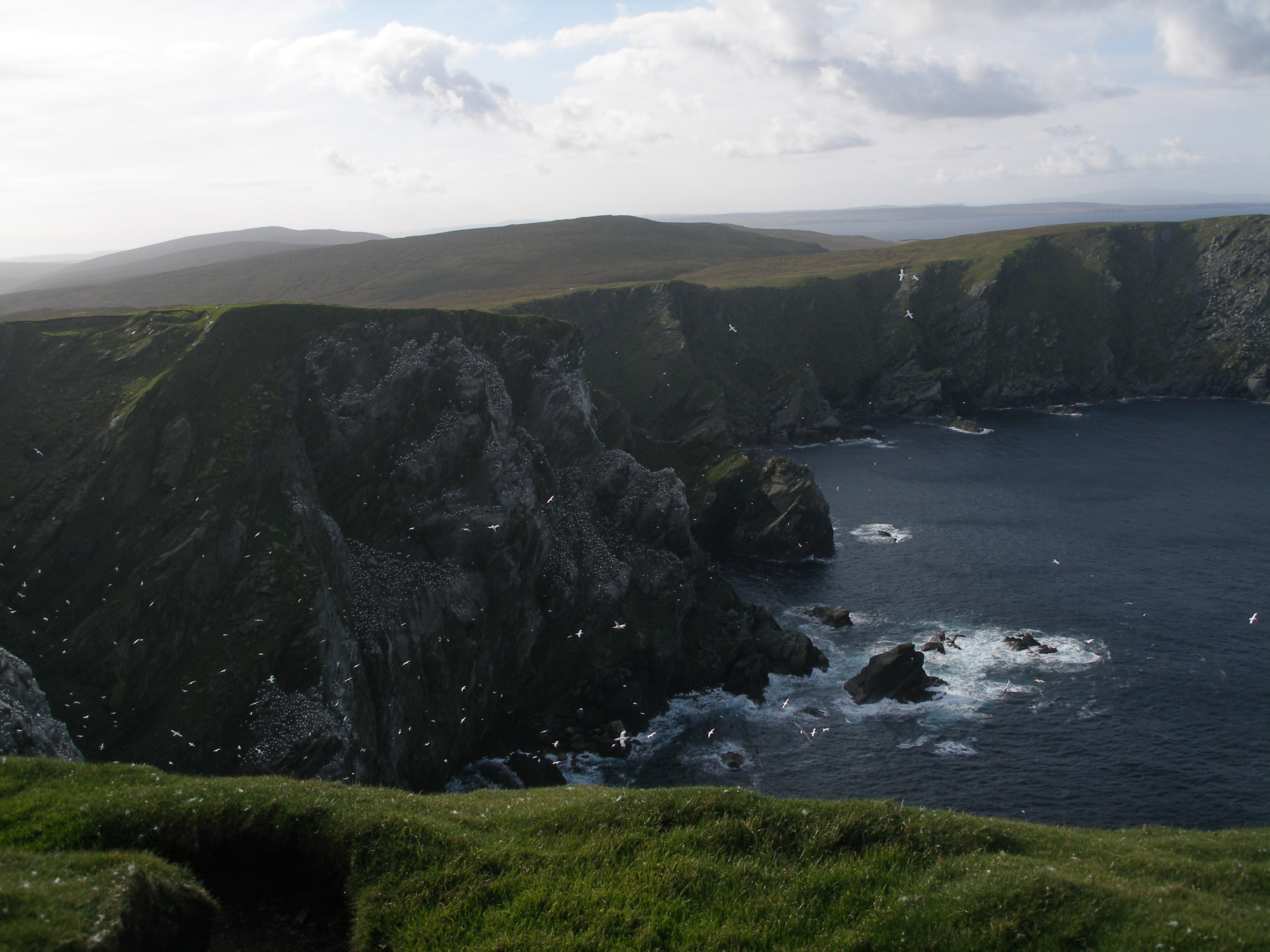
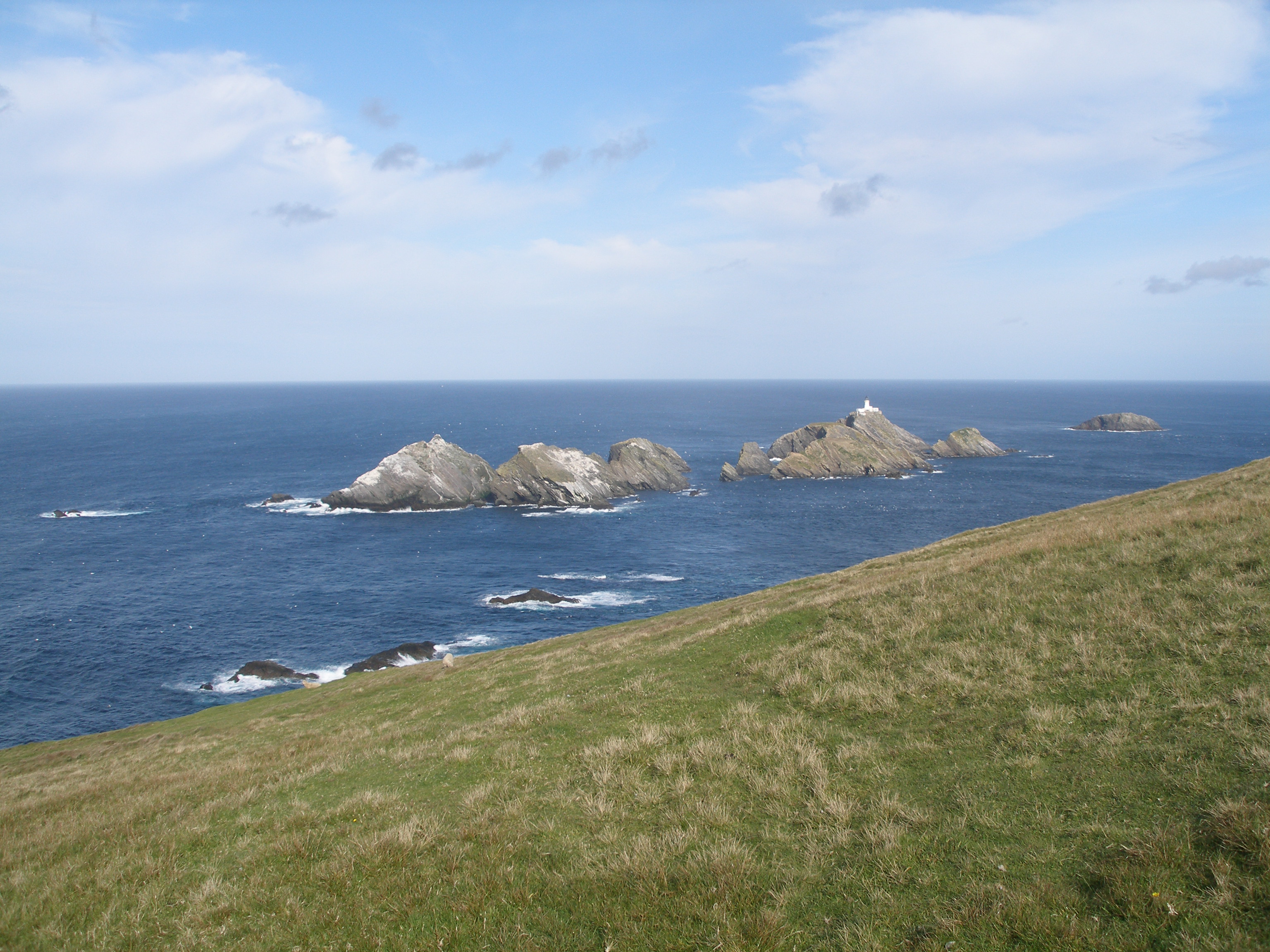
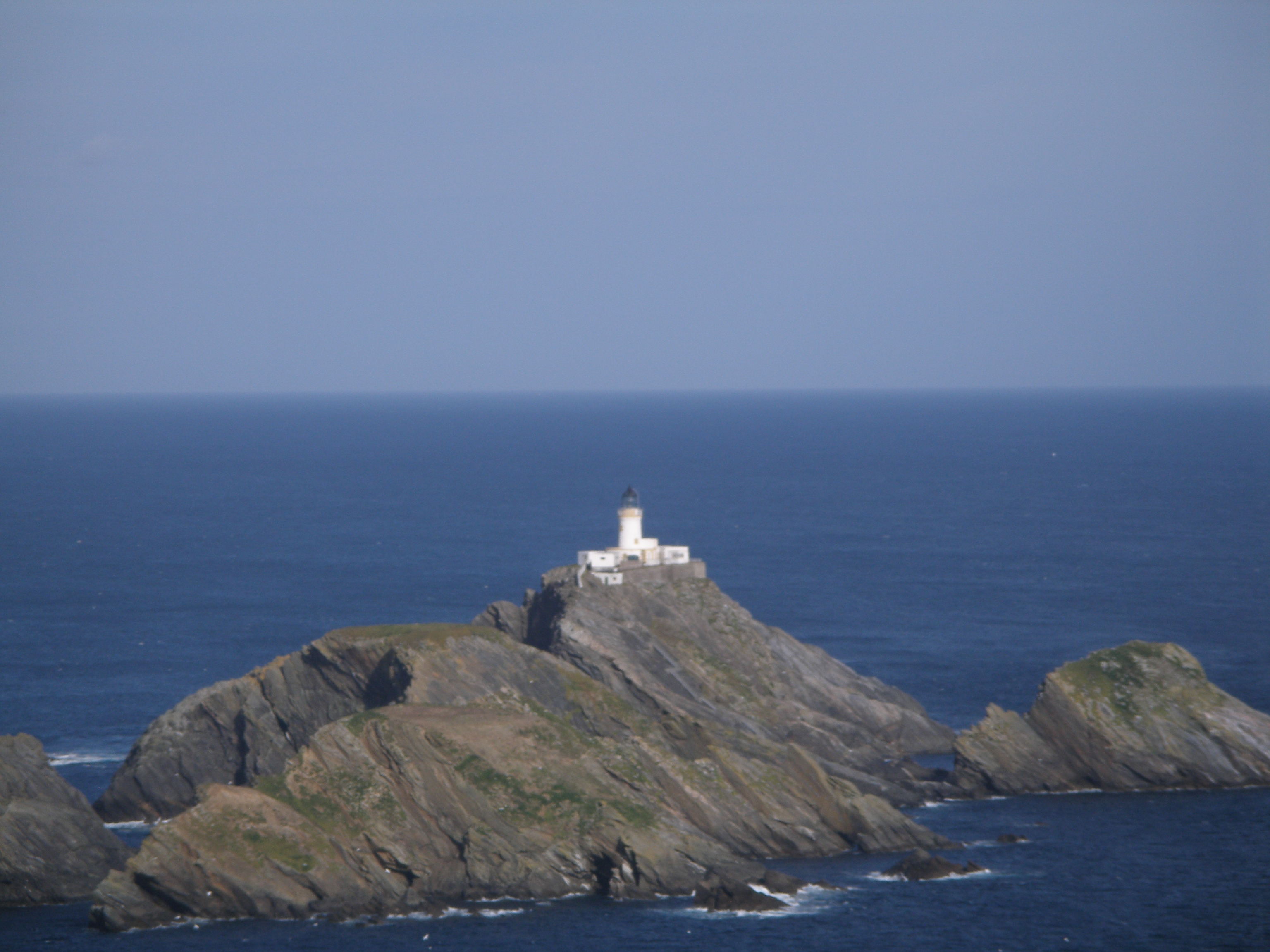
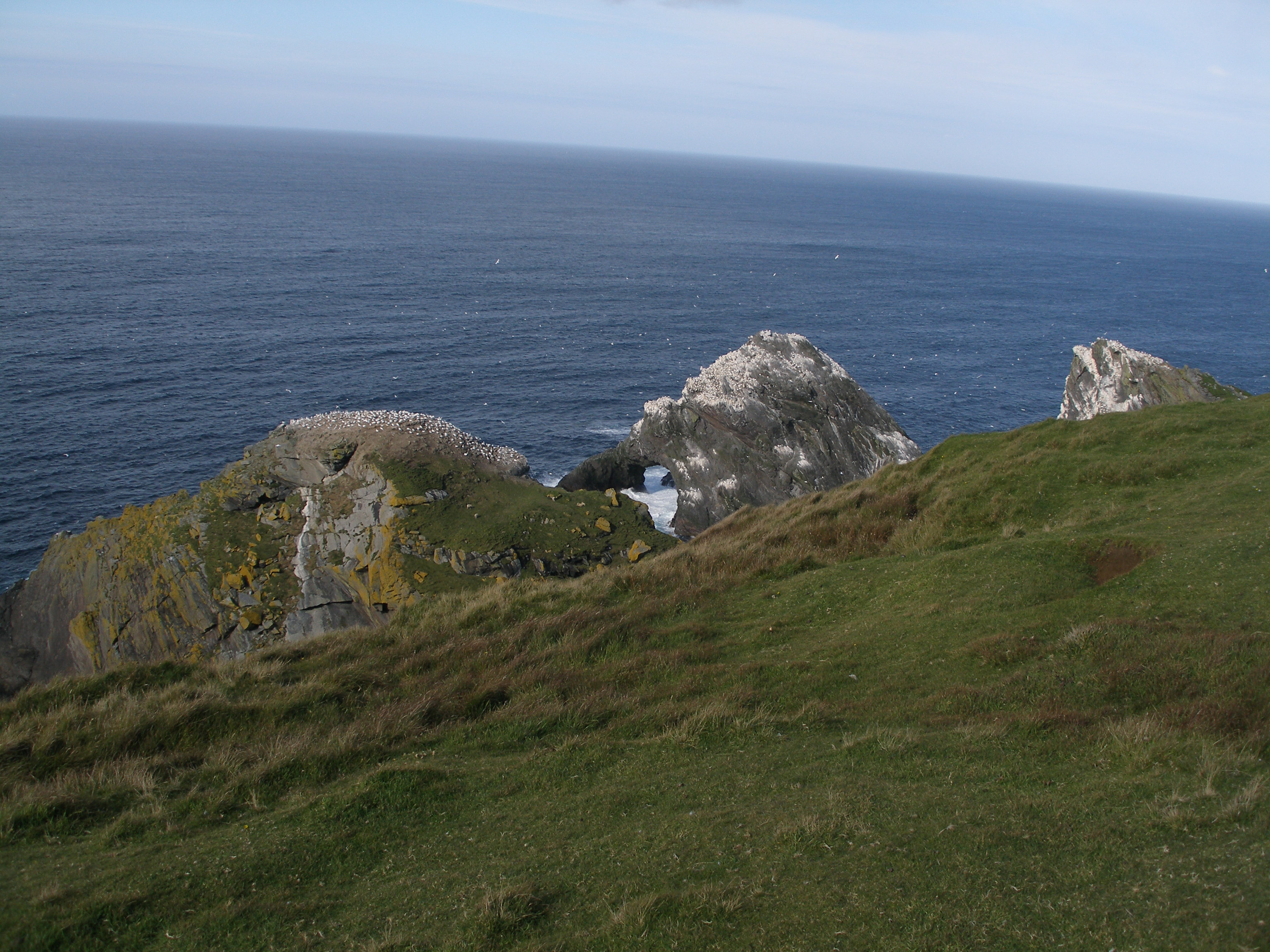
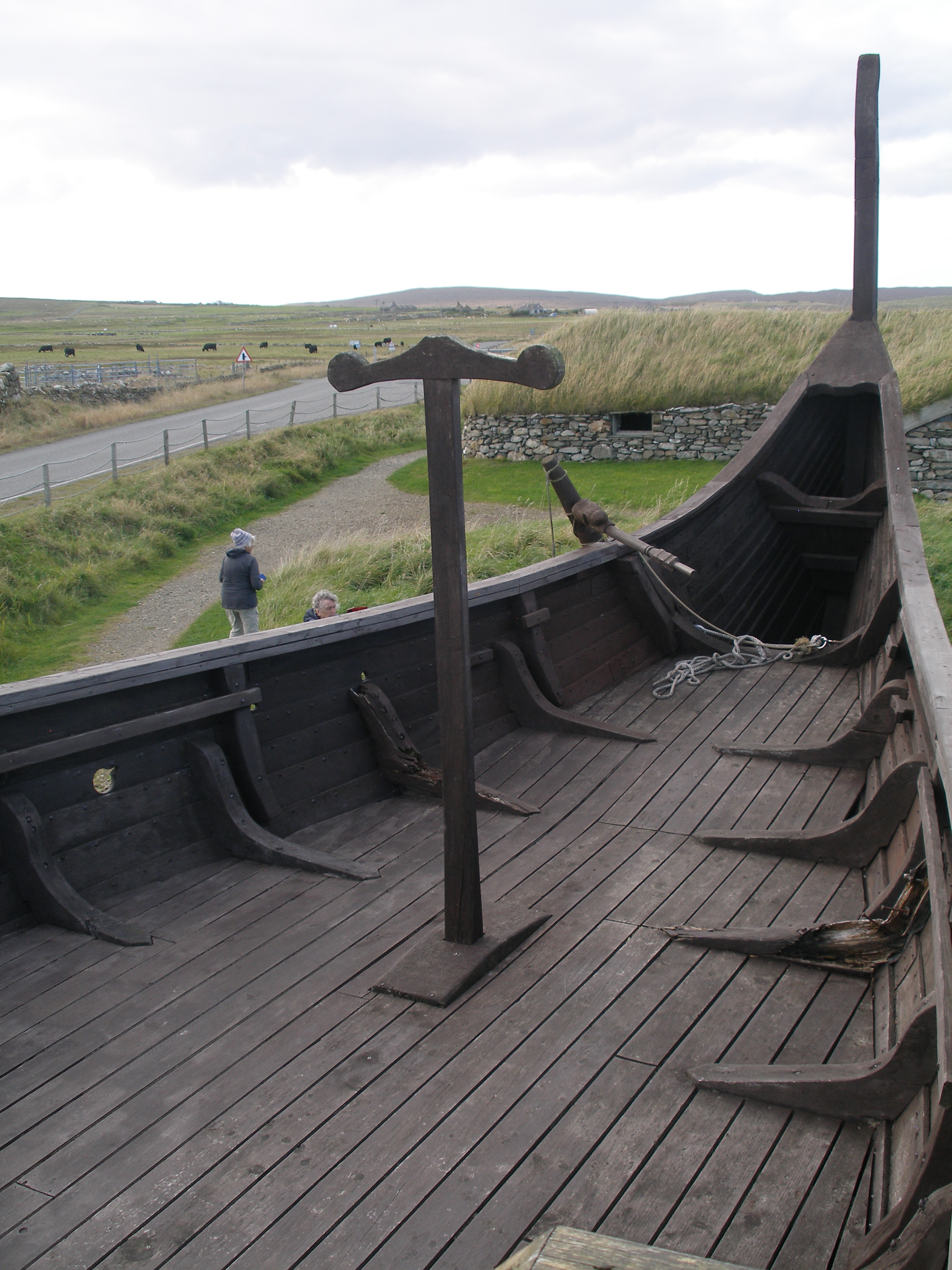
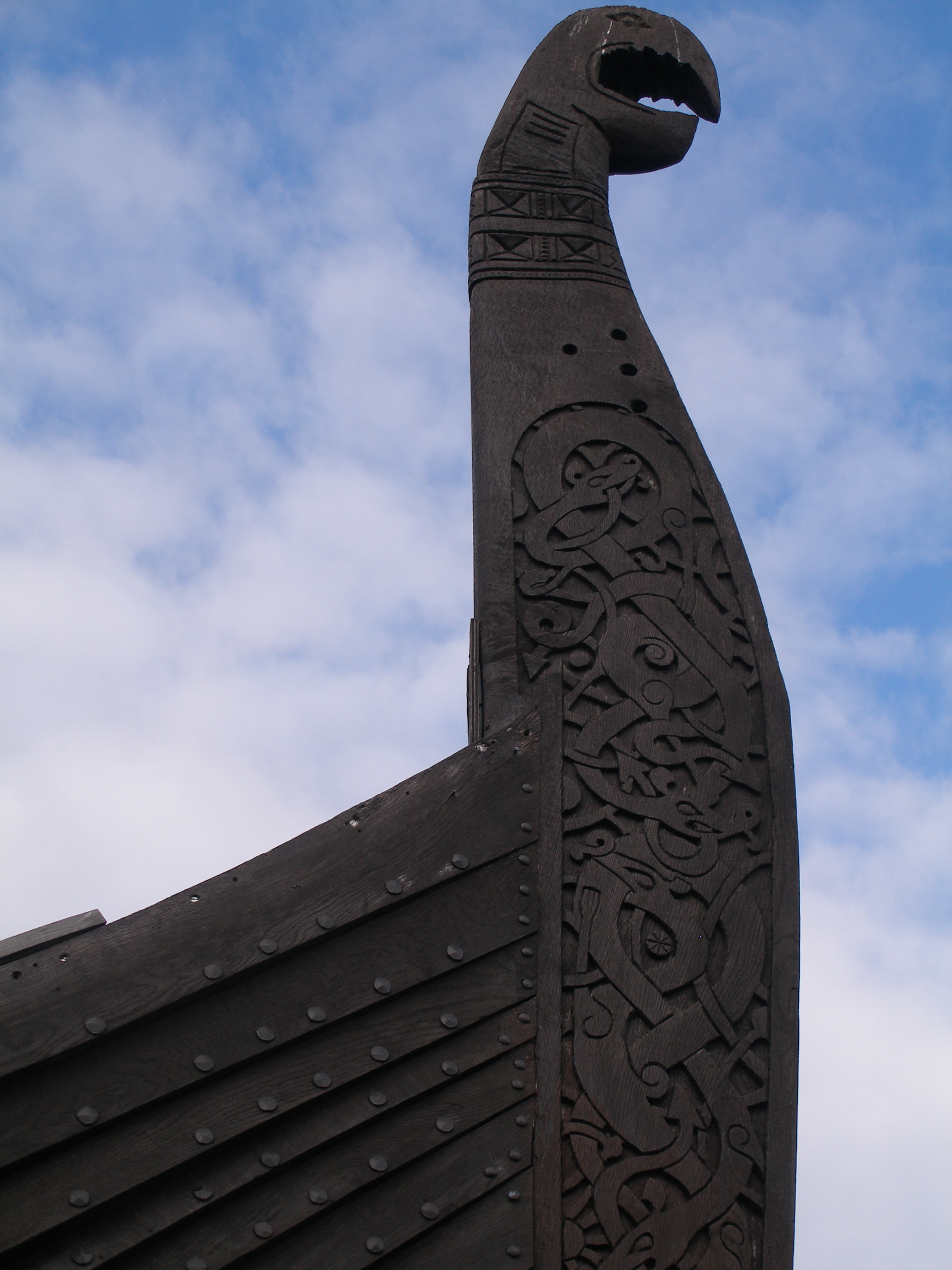
Our penultimate day – scheduled to be a long one of driving north and catching inter-island ferries – was blessed with sunshine. Our goal was to reach the most northerly point of Shetland (and the UK) on the island of Unst. From Toft on the main island we caught an early ferry to the island of Yell, drove north across it to the jetty at Gutcher and then caught another ferry to Unst, where we continued driving north to Hermaness Nature Reserve. Here we were to marvel at the teeming gannet colonies turning the grey rock faces white, drowning out the sound of the breaking swells with their cries. We hiked the cliff paths to view craggy Muckle Flugga Outstack and its solitary lighthouse before walking back into Unst to tour the excellent Heritage Centre (more superb textile displays!) and climb up into the replica Viking longboat beached nearby.
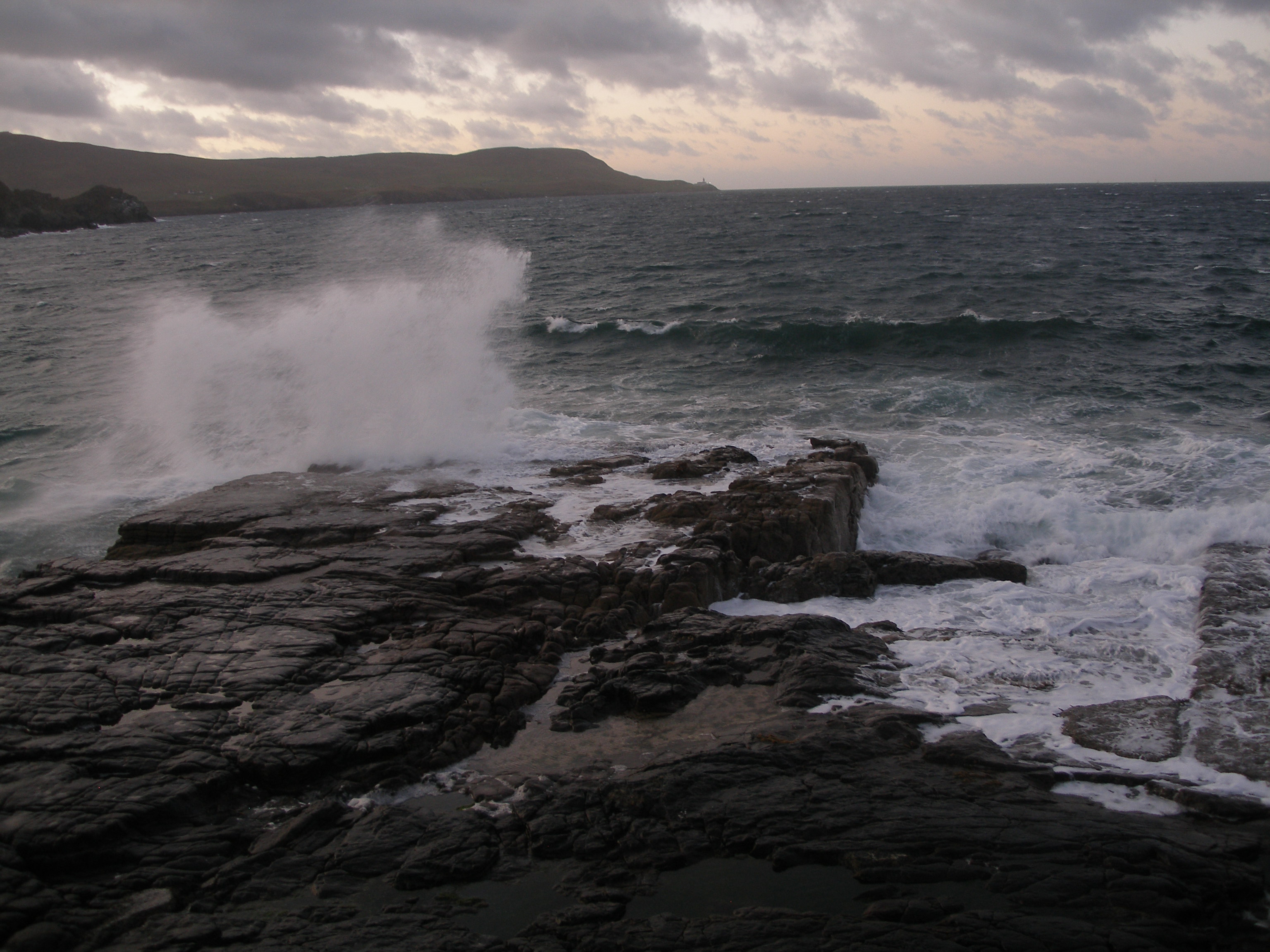
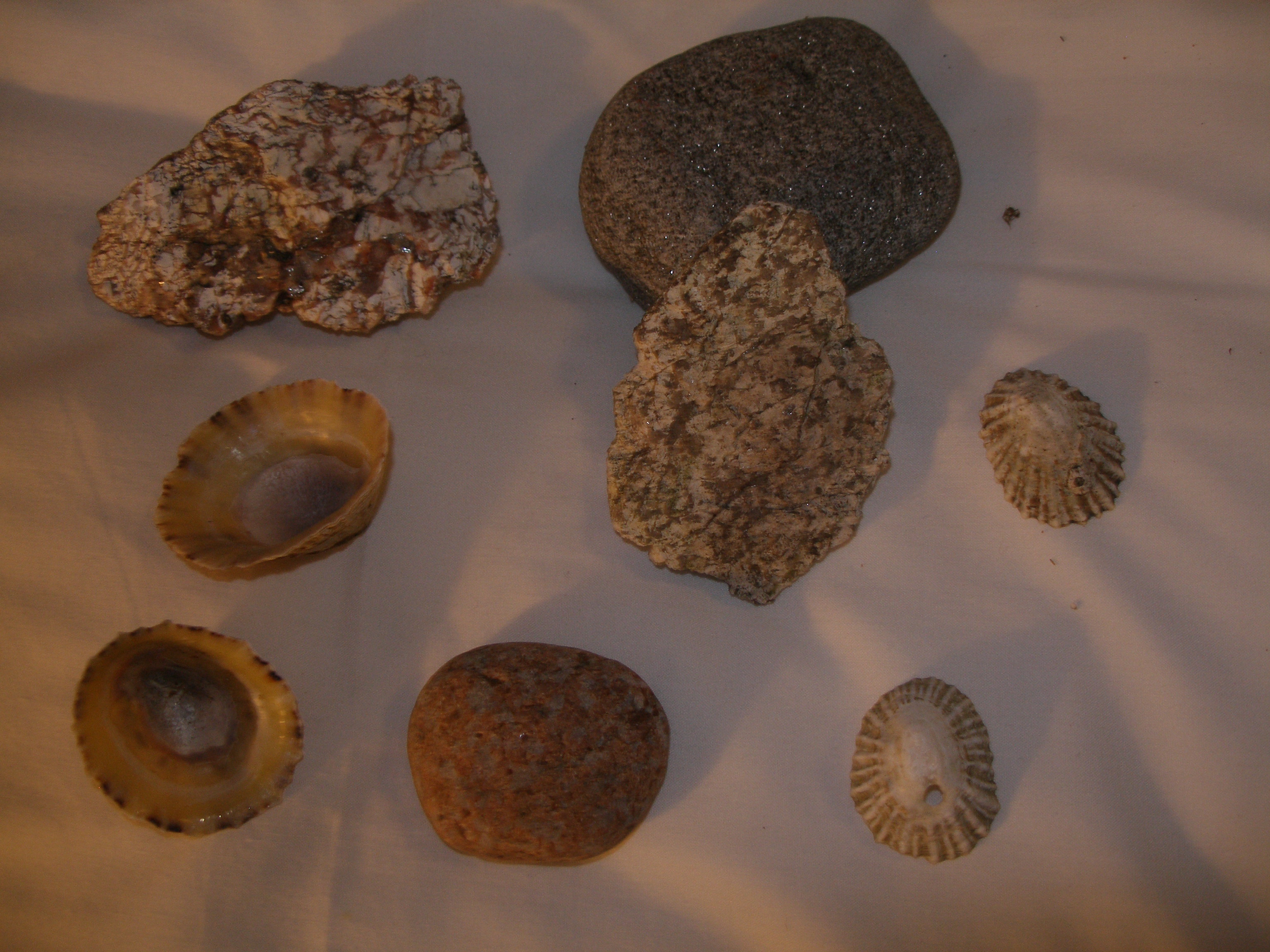
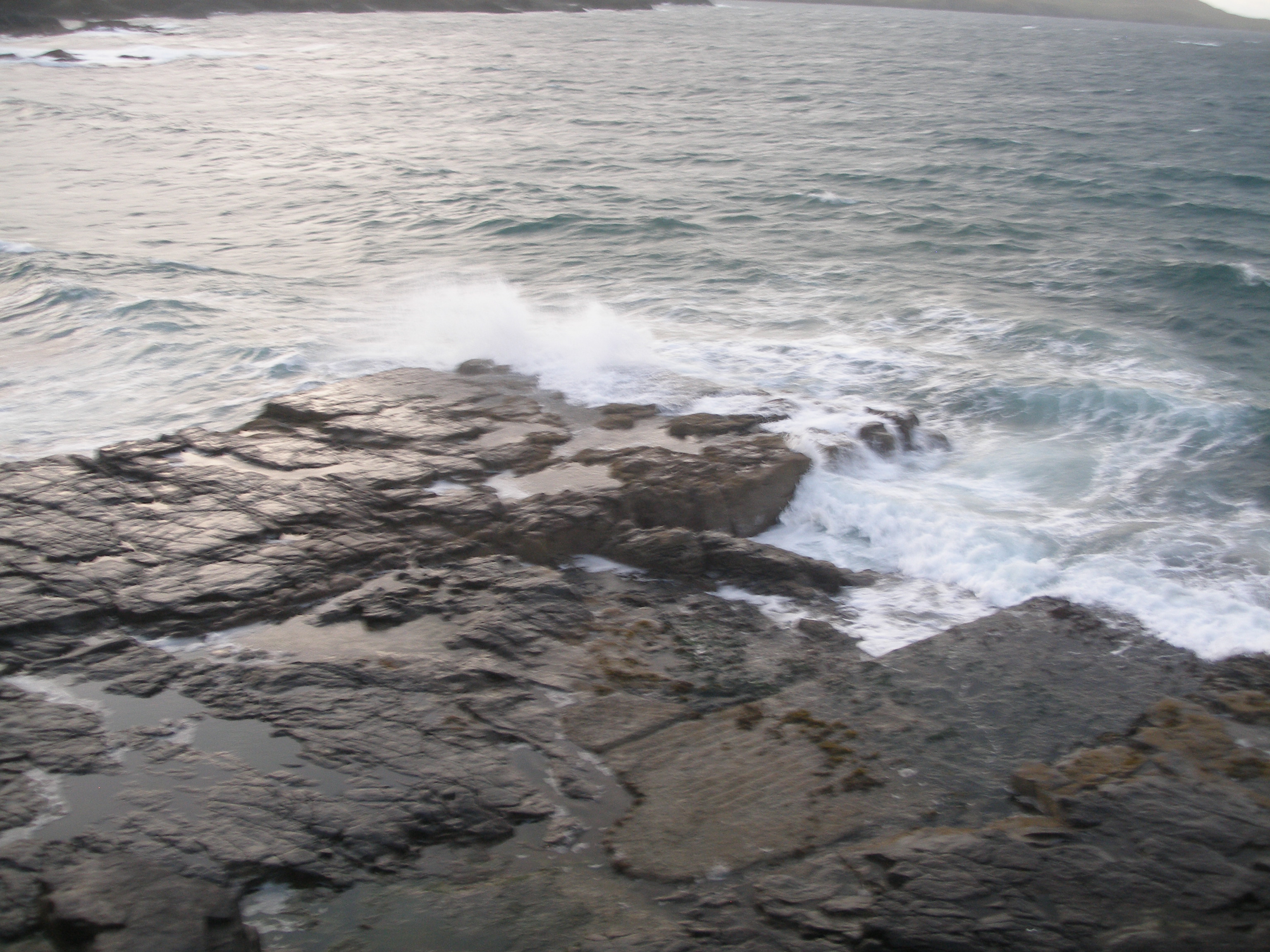
On the last full day in Lerwick, I woke early, determined to photograph my final Shetland sunrise over the Knab. I walked down at first light to the deserted Sletts and made a small cairn of all the geological specimens I had collected on our hikes in the past week, which were too heavy to return with me to the mainland. The swells broke over the Sletts, salt water sprays rising meters into the air as I made my offering.
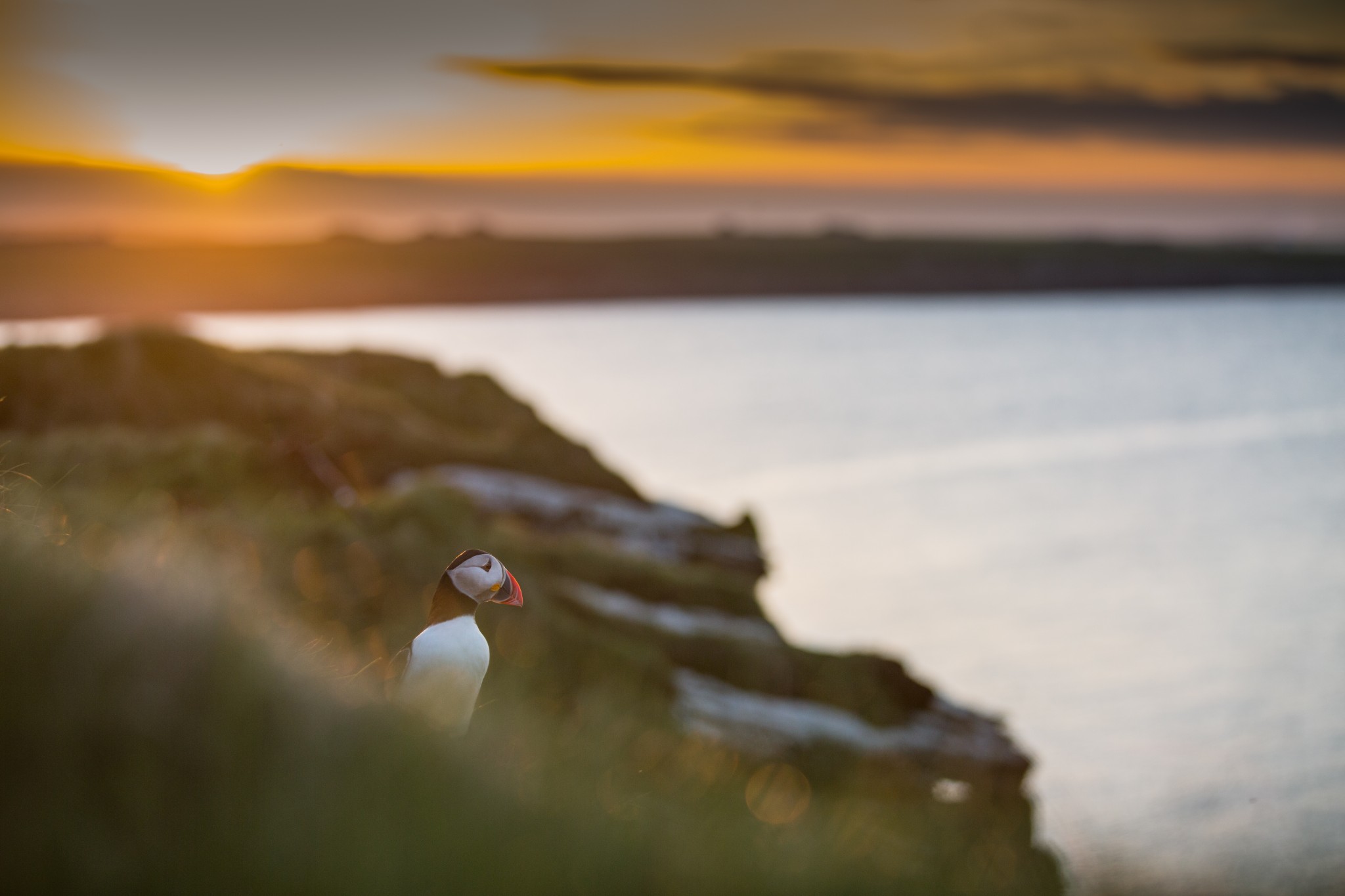
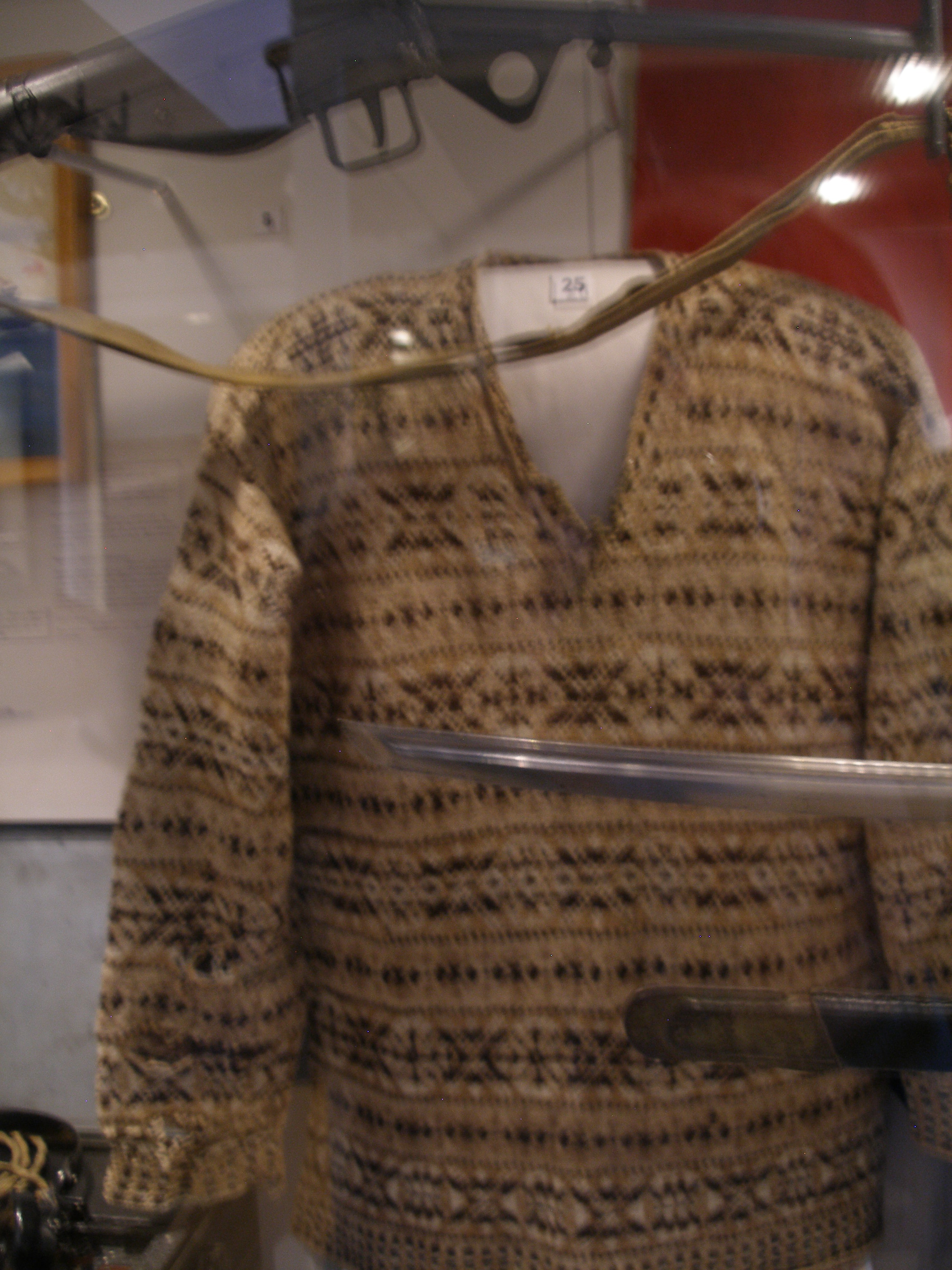
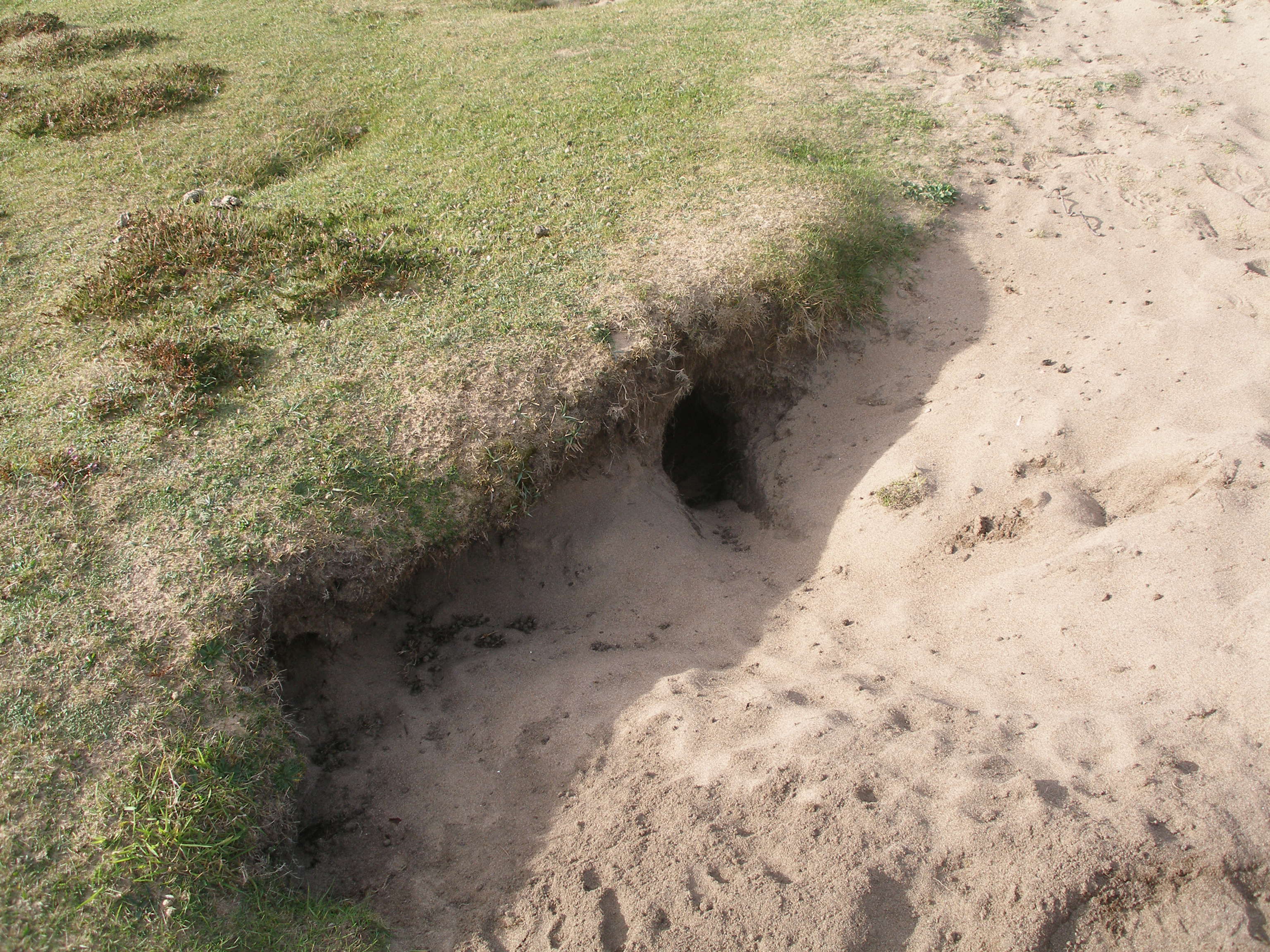
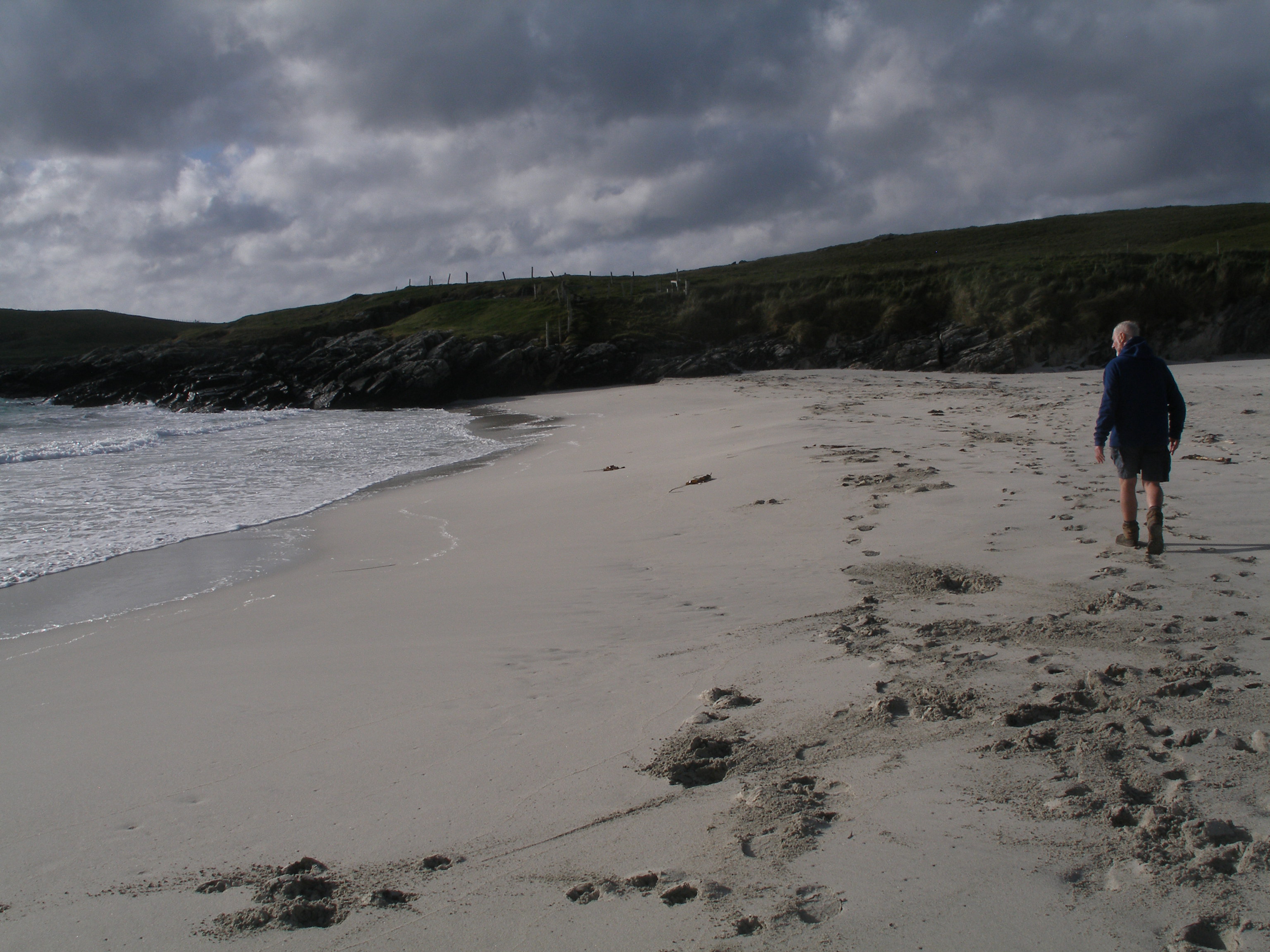
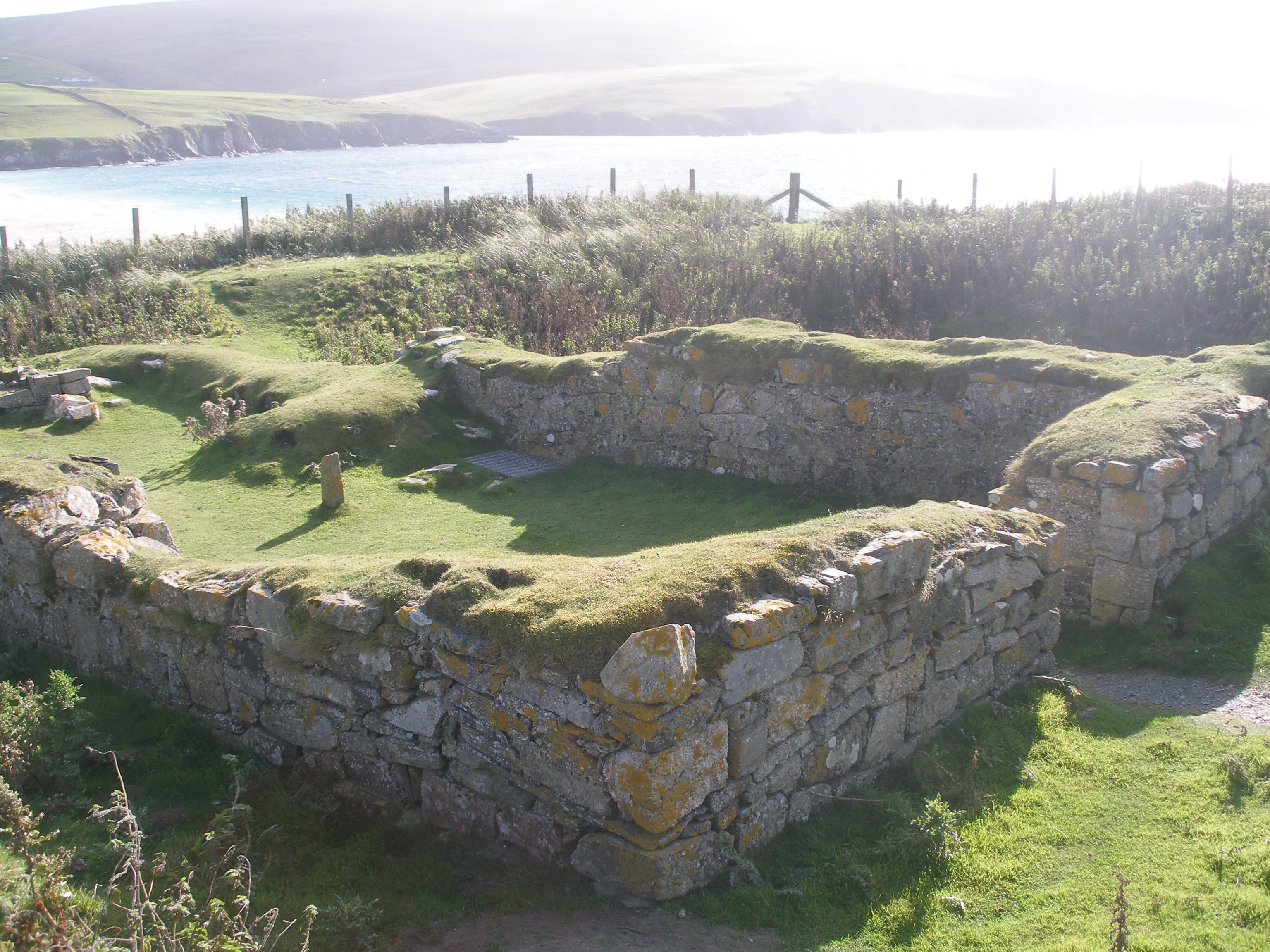
In brilliant sunshine John (yet again in another Fair Isle buttoned vest to be admired and photographed) drove us to St Ninian’s isthmus where we hiked in amazement across beautiful pale sands onto the little island with its ruined chapel where a wooden box of a horde of silver had been discovered by a local boy. Sculptured puffin holes dotted the sand banks: their occupants already out to sea a full month since.
Having walked the circumference of the island, we re-joined John and the minibus to drive into Scalloway, once capital of Shetland. Here we ambled past the ruins of a striking castle in mid repair before immersing ourselves in more history in the Scalloway Museum with its final chance for me to admire, absorb and photograph the textile history displays.
Our final afternoon’s hike took us from the south west end of the old capital across Meal Beach and along the headland, looping back to the harbor. Pointing the minibus in the direction of our hotel, John shared some of his early life growing up in Unst and how the oil riches, tourism, the wind farms – and the forthcoming space rocket launch-site – have brought a basic prosperity to the harsh lives of the Shetlanders. I reflected in the silence that followed, that to blossom in this bleak, remote, beautiful place a person would have to be both resilient and practical, possessing a pioneer’s strength of spirit. Orkney with its softer landscape and richer agricultural land, located much nearer to the mainland of Scotland, seemed to me to offer a gentler prospective lifestyle than Shetland. The shortness of daylight in the mid-winter months presents both a physical and mental challenge to all those living and working on both groups of islands. Only the uniquely resilient who openly embraced being an active human cog in a community wheel, I decided, could hope to flourish.
Approaching the outskirts of Lerwick, several of us opted for the chance to be dropped off in the town centre for a final late afternoon exploration and souvenir shopping. Naturally, I dived back into Jamiesons.
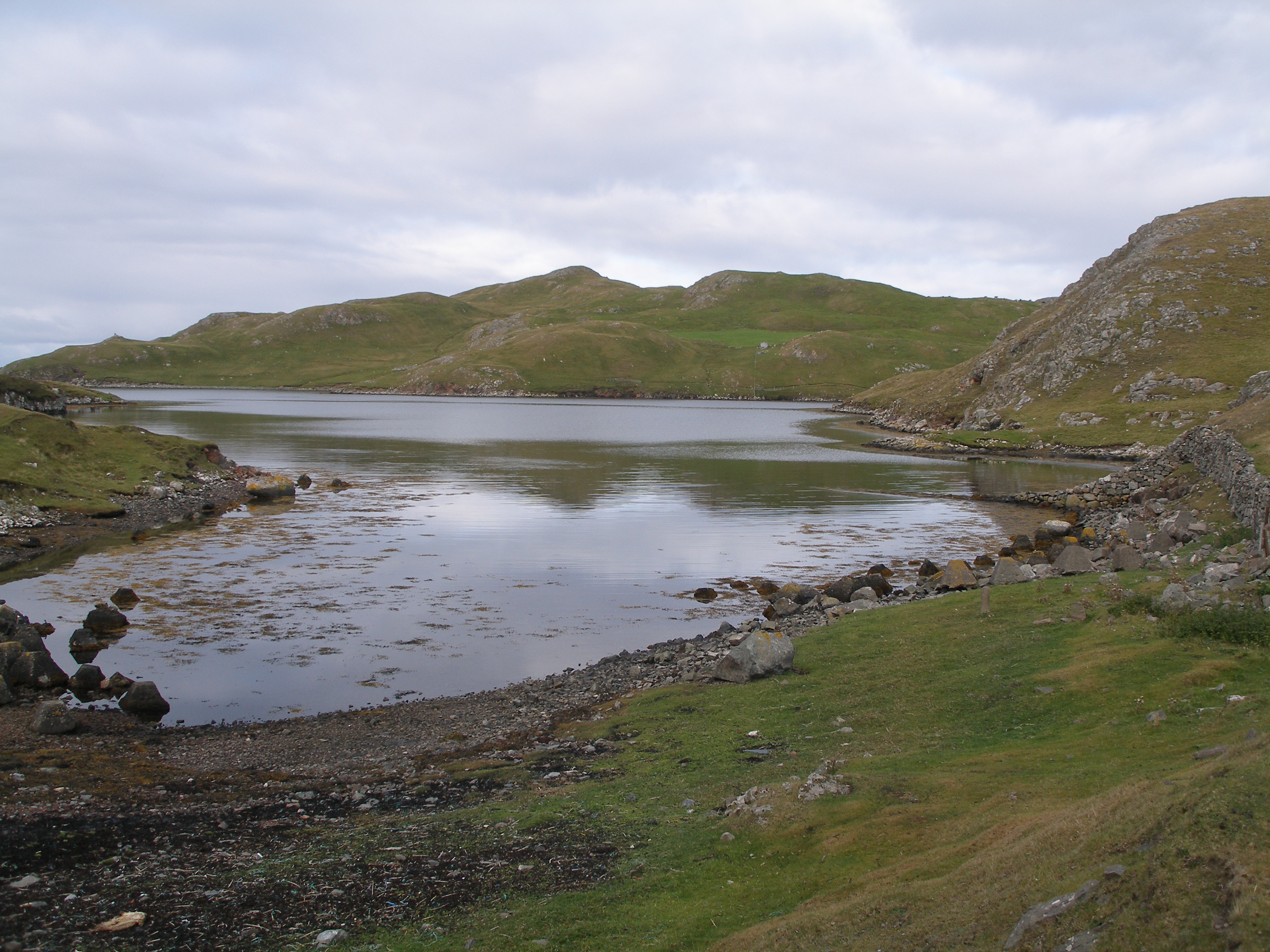
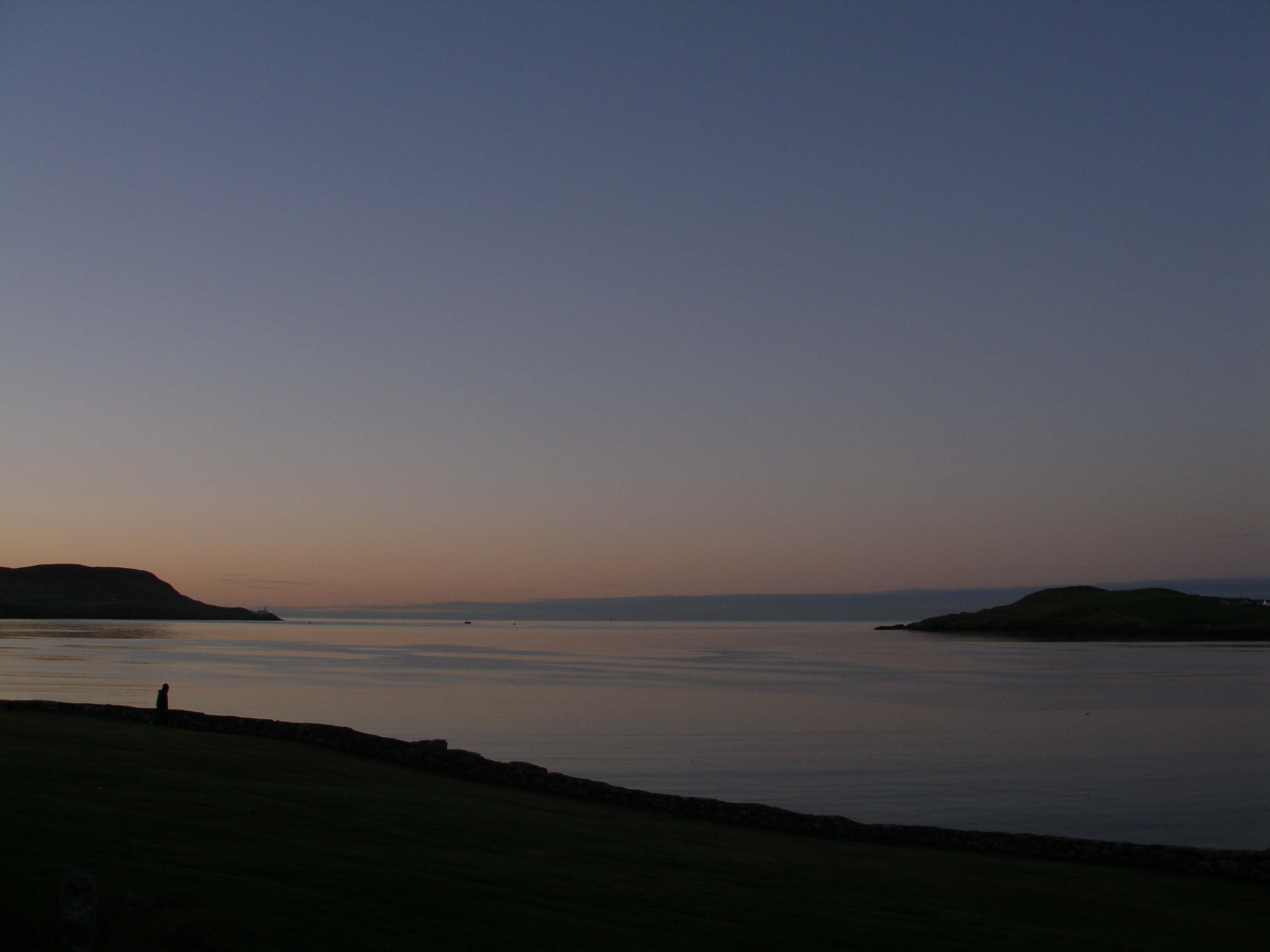
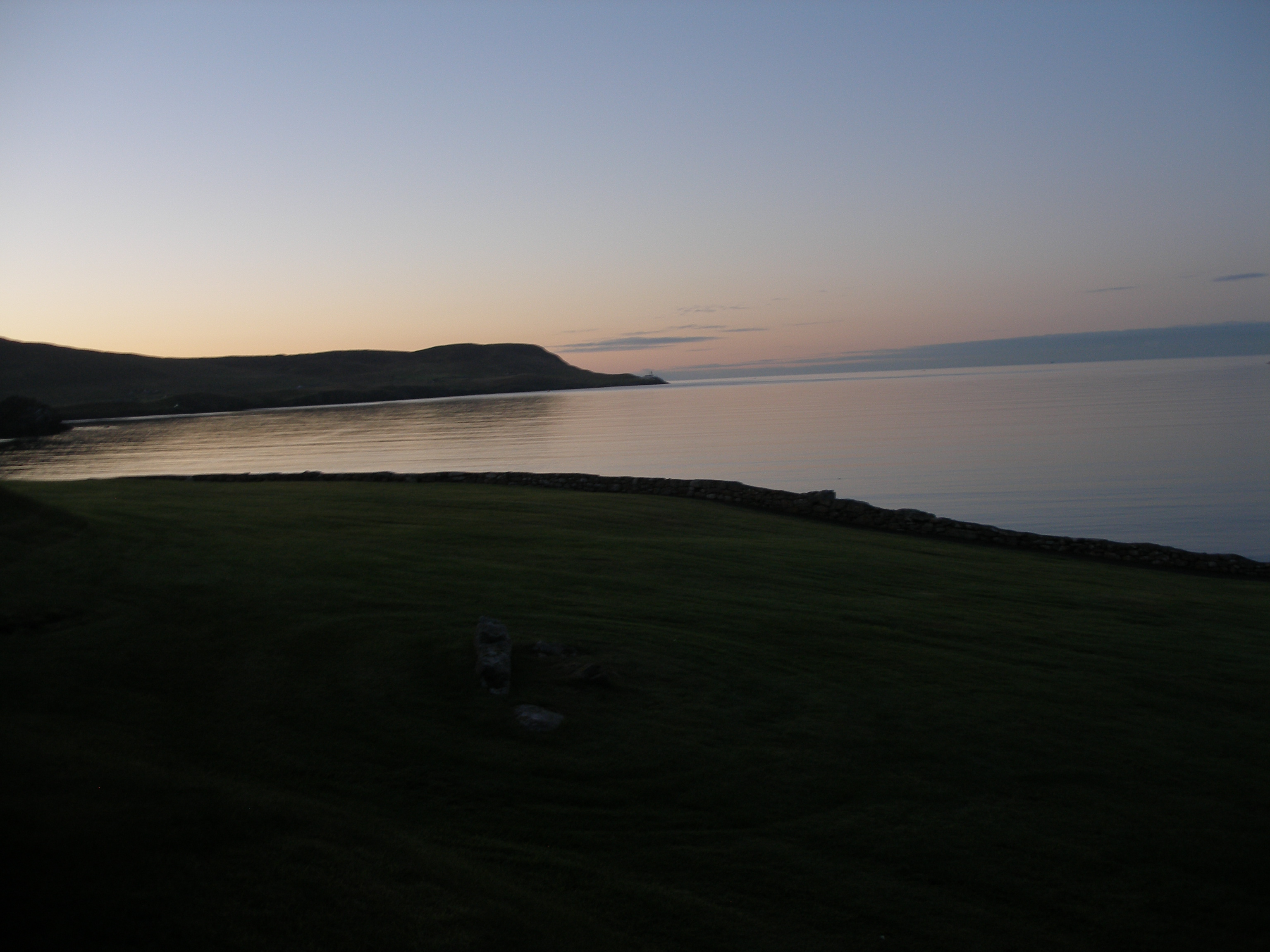
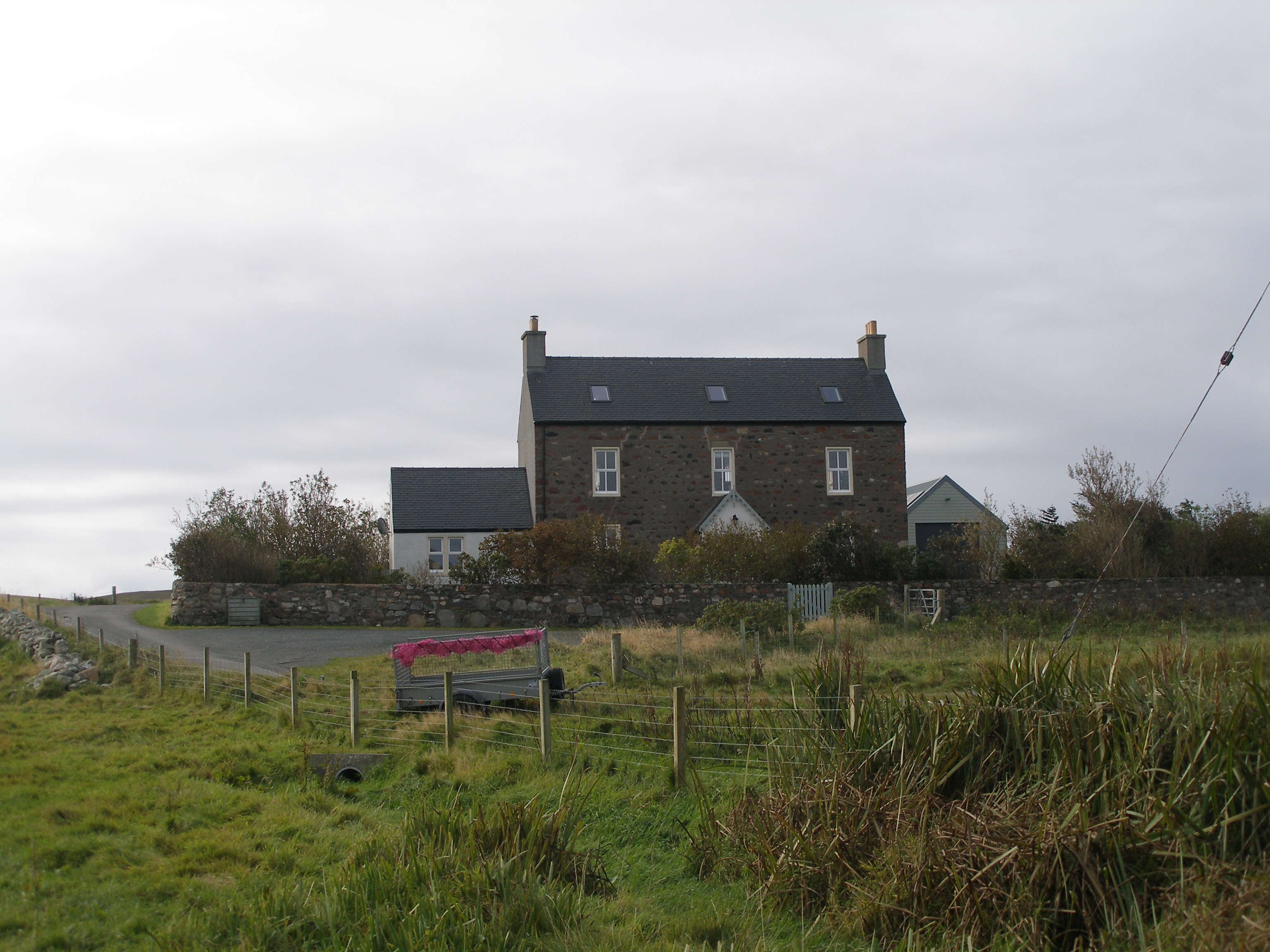
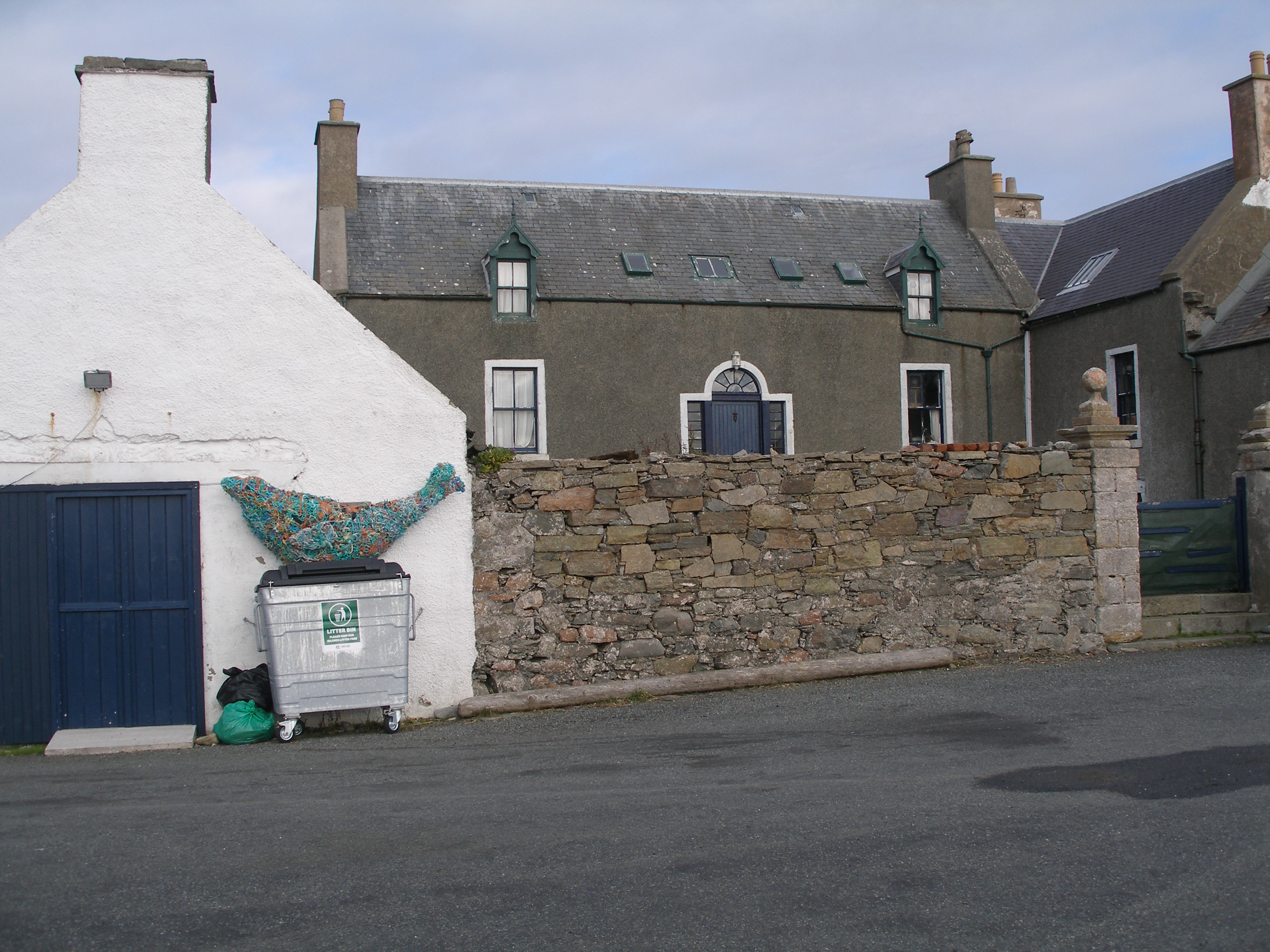
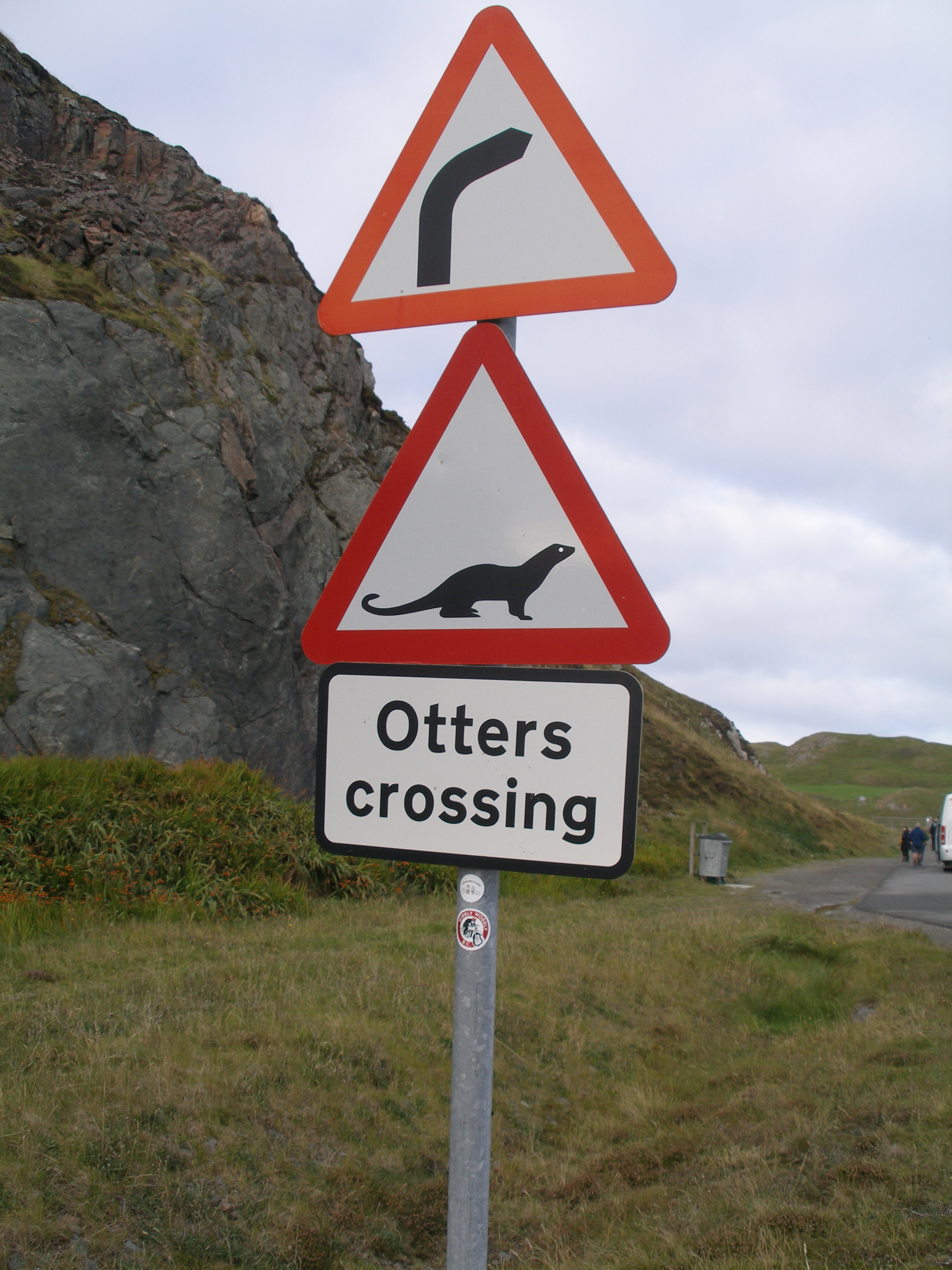
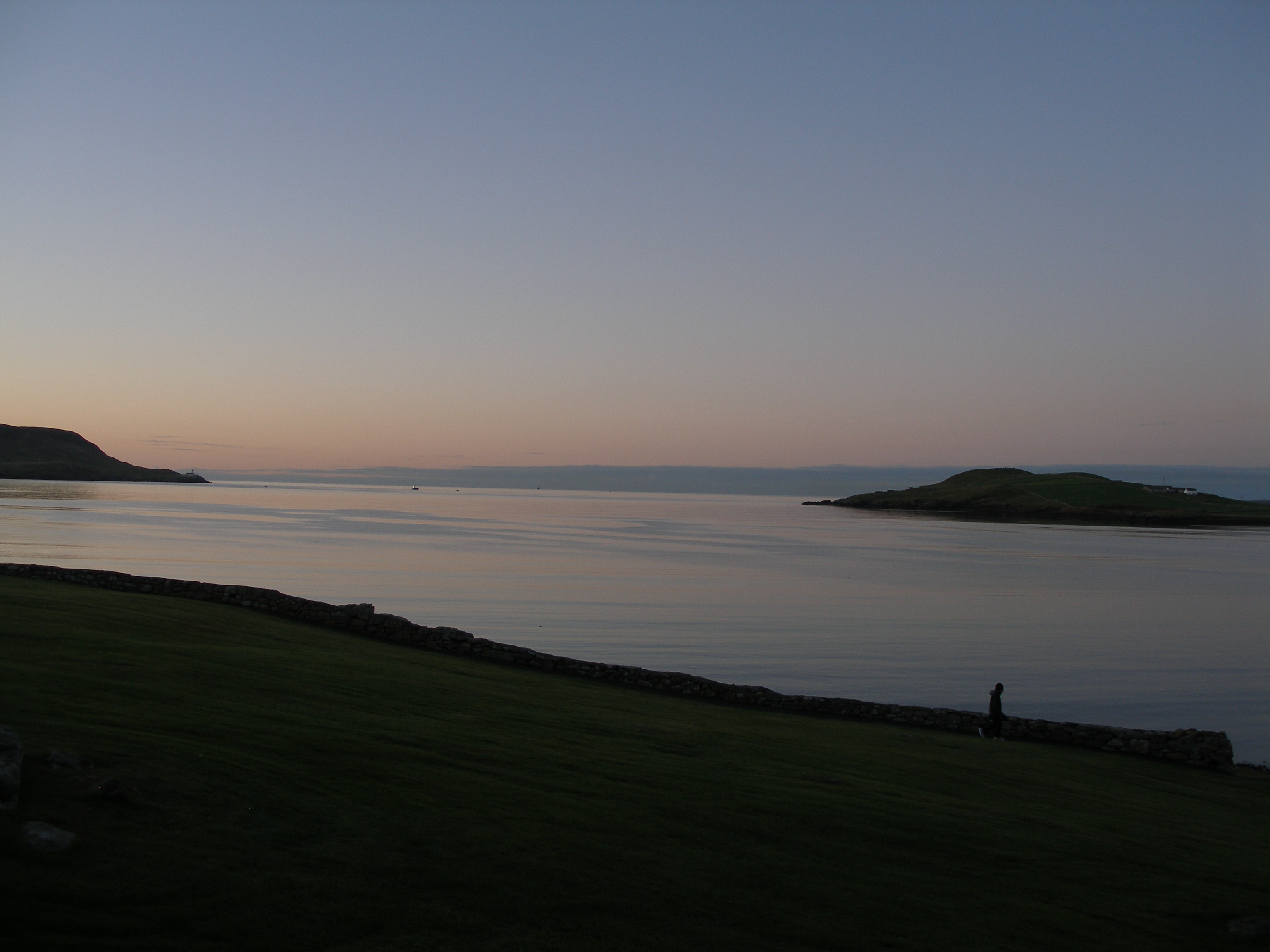
John’s wife – the creator of all those beautiful waistcoats – accompanied us on the mini bus journey next morning to the airport: they were picking up a group of twelve American ladies who had travelled to Shetland to take part in the annual Knitters’ Week. I envied those visitors and fervently wished I too was staying on in Shetland and had enrolled to join the masterclasses, demonstrations and lectures. Perhaps a return visit would be called for … in summer time with the chance to catch a ferry from Lerwick to Fair Isle …
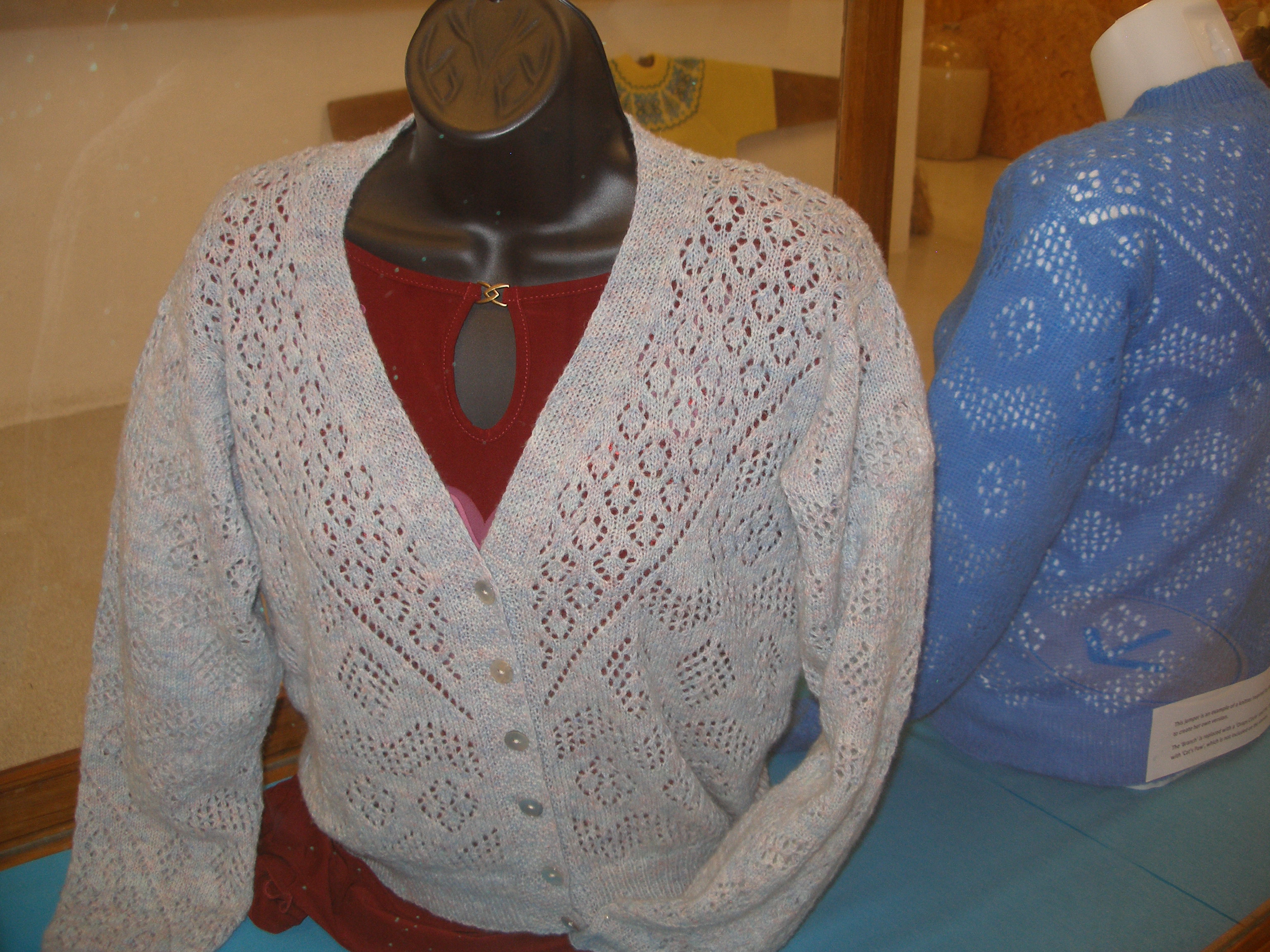
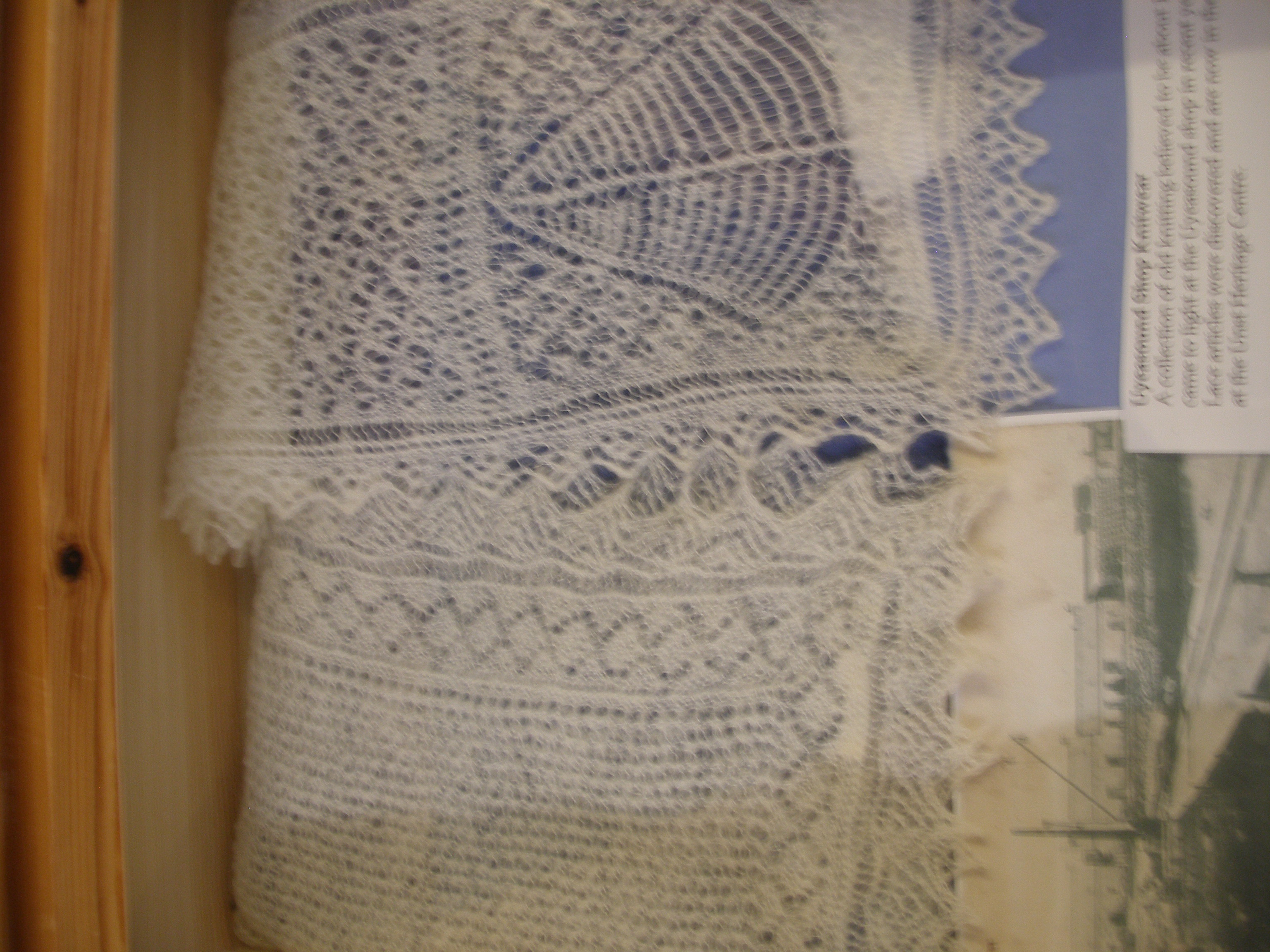
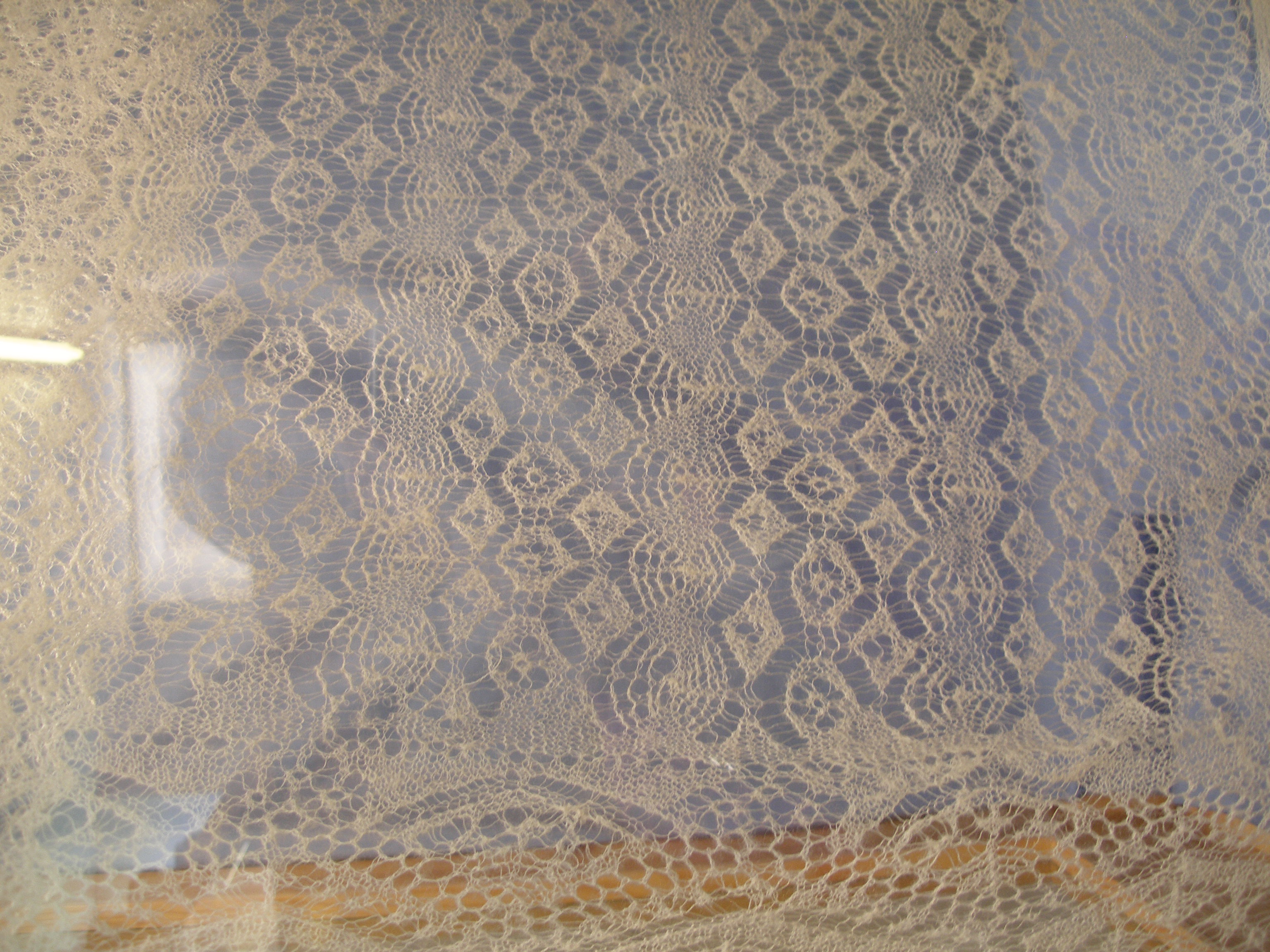
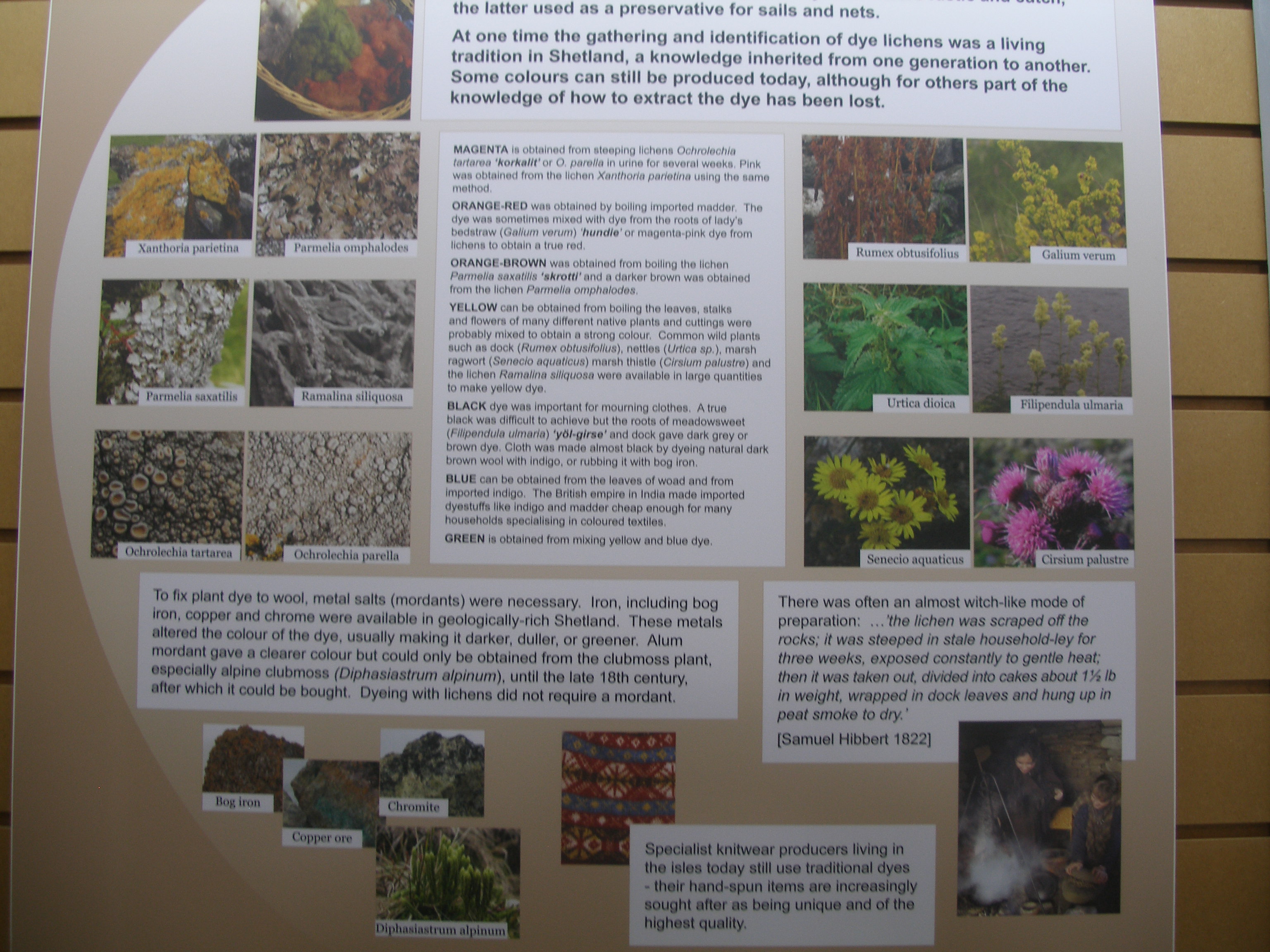
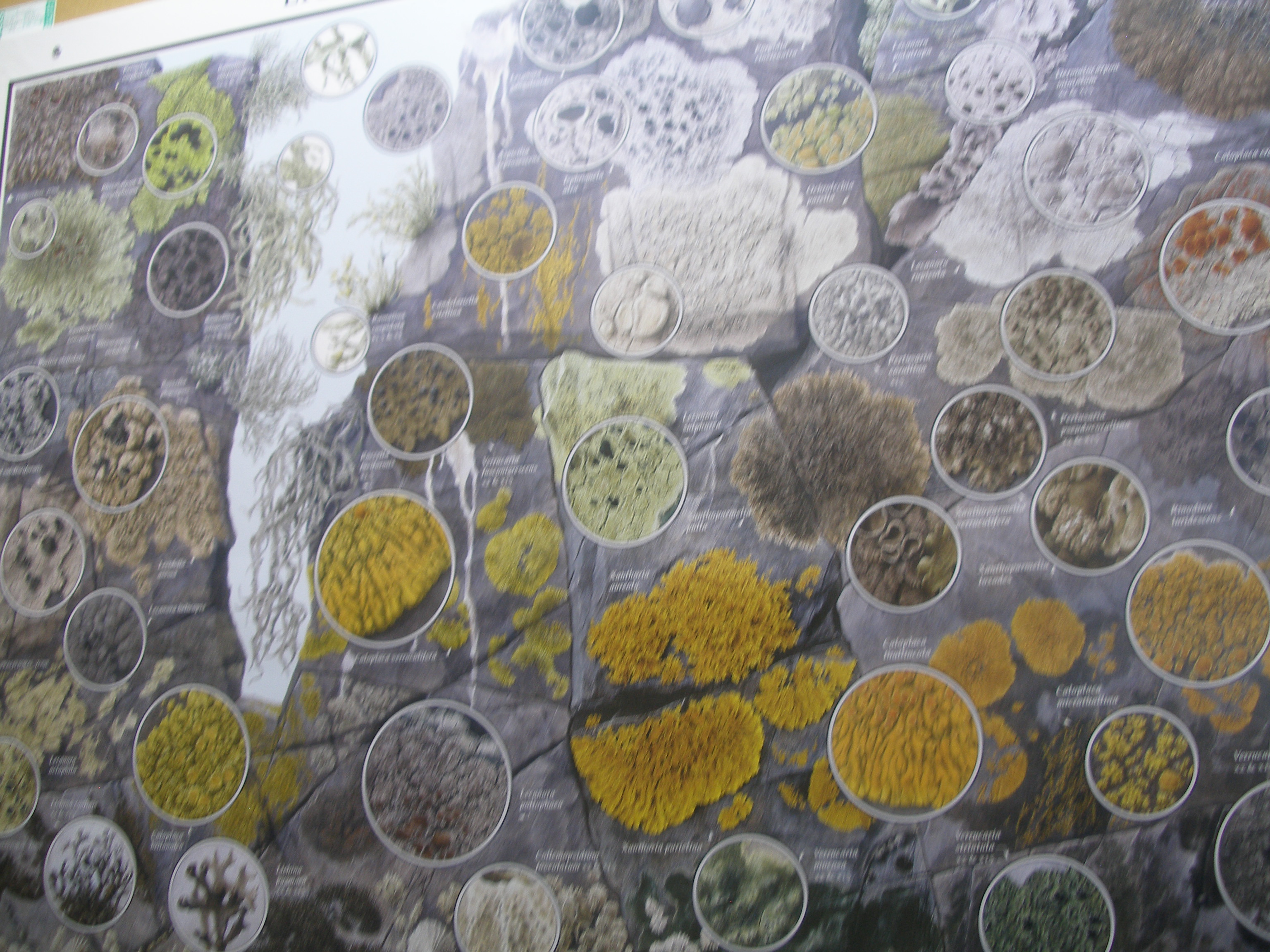
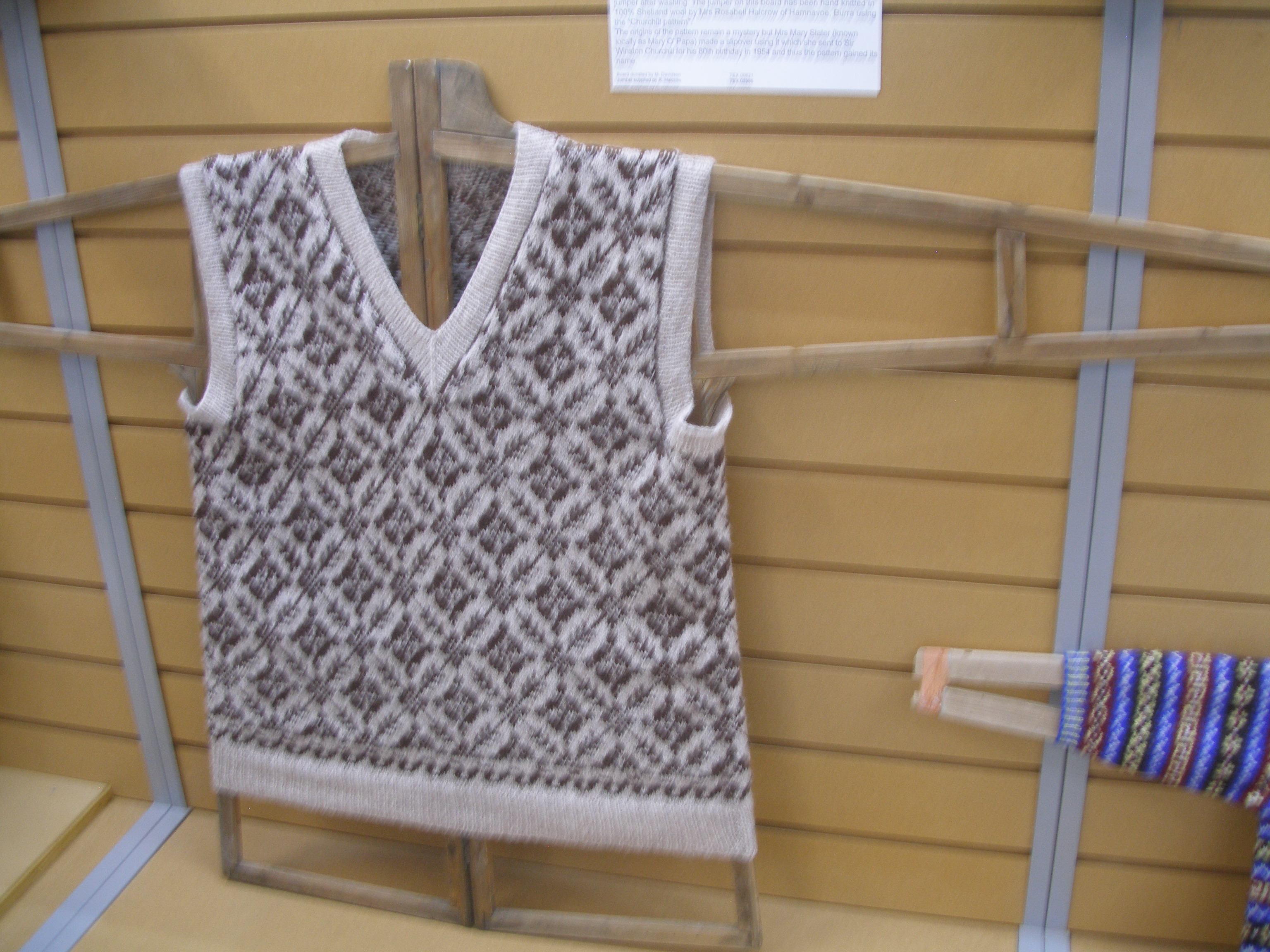
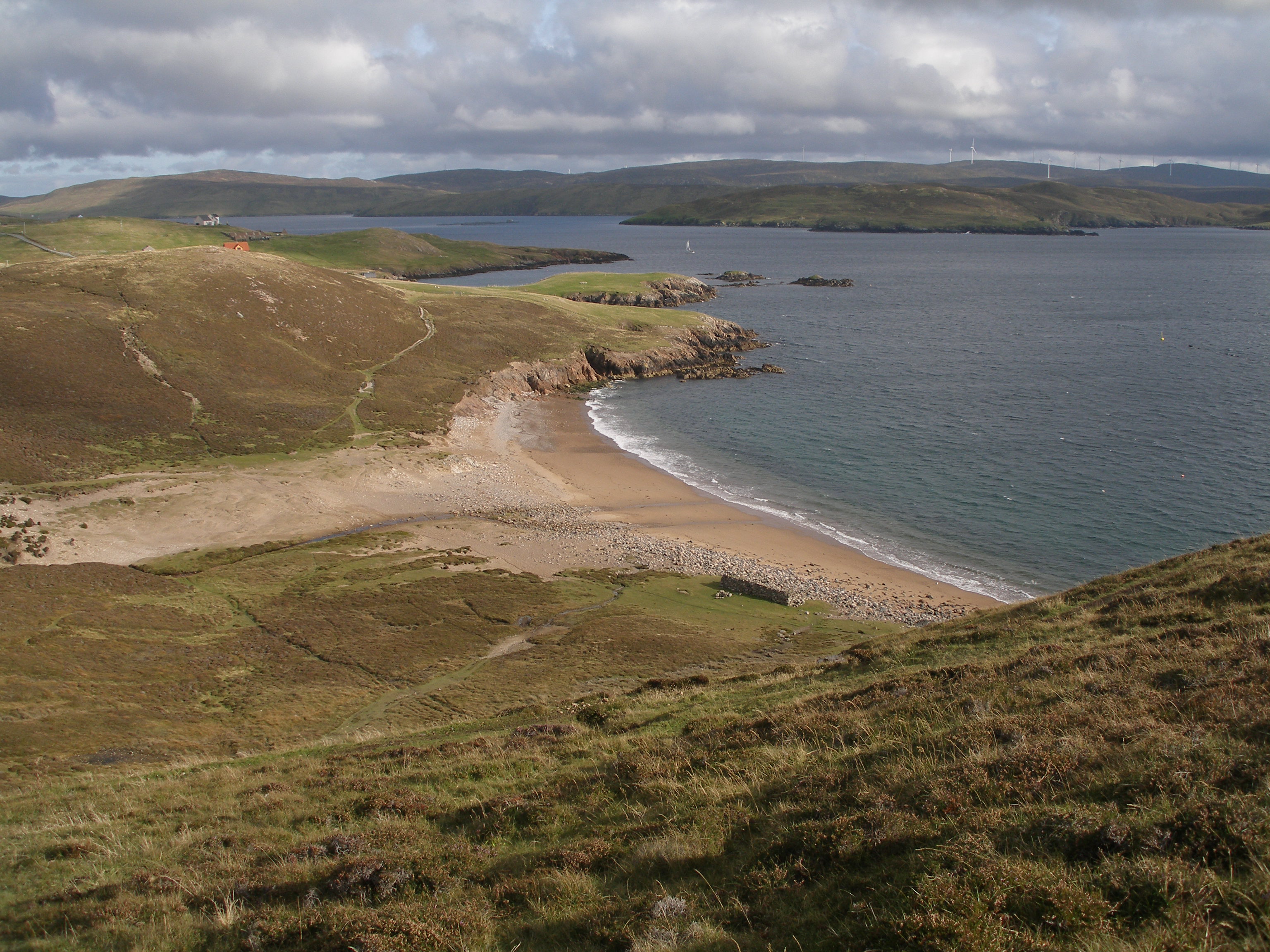
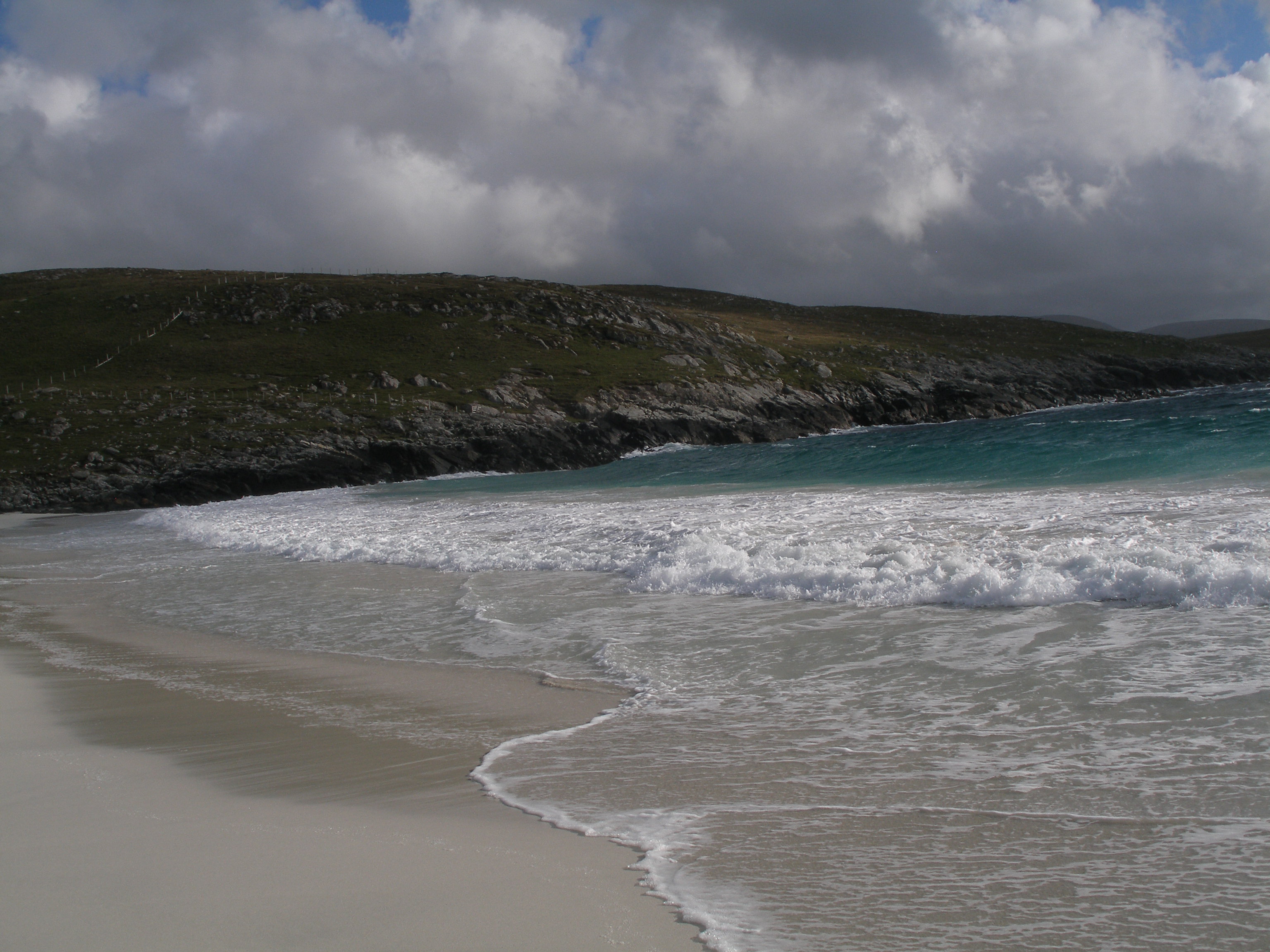
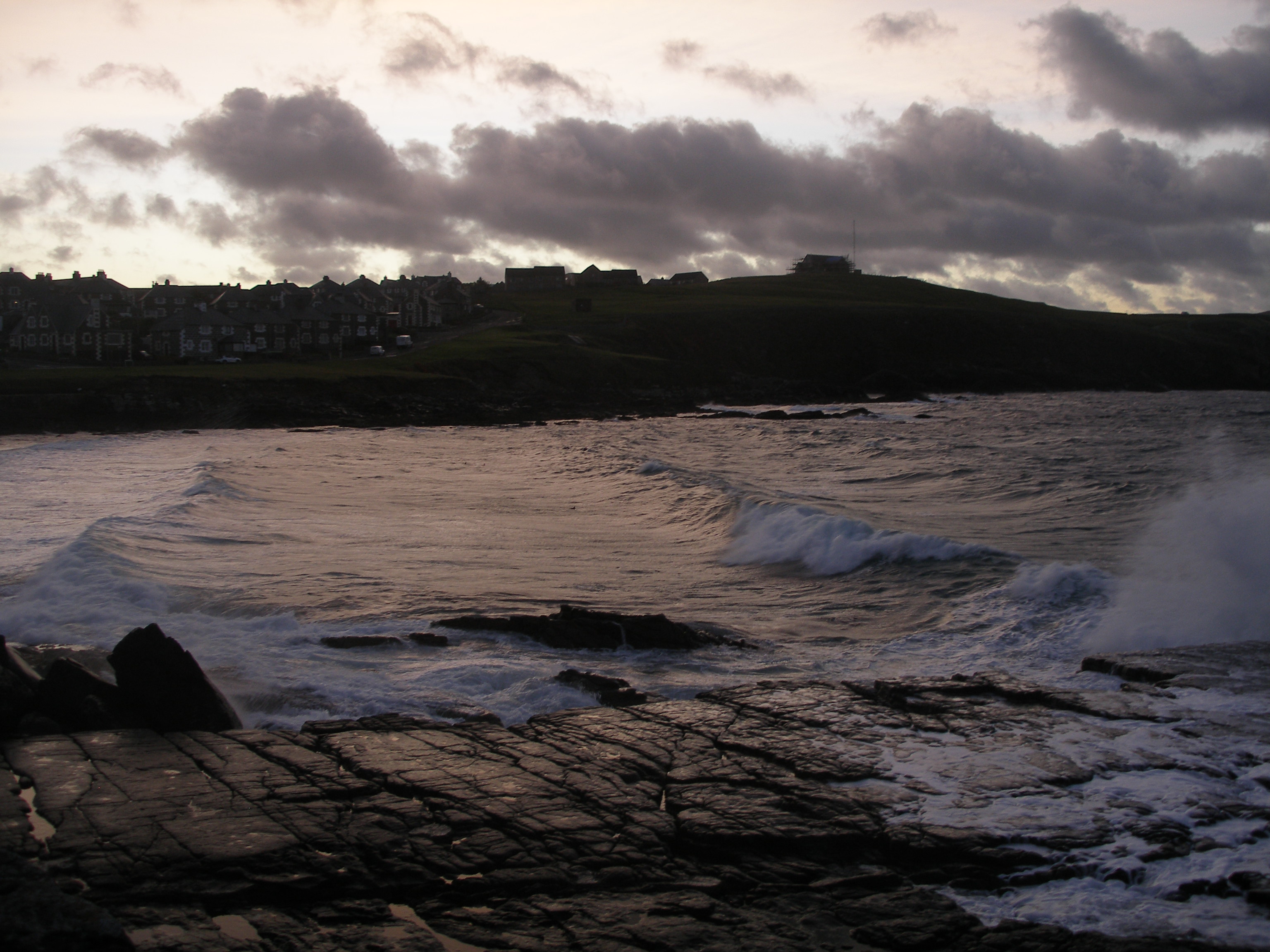
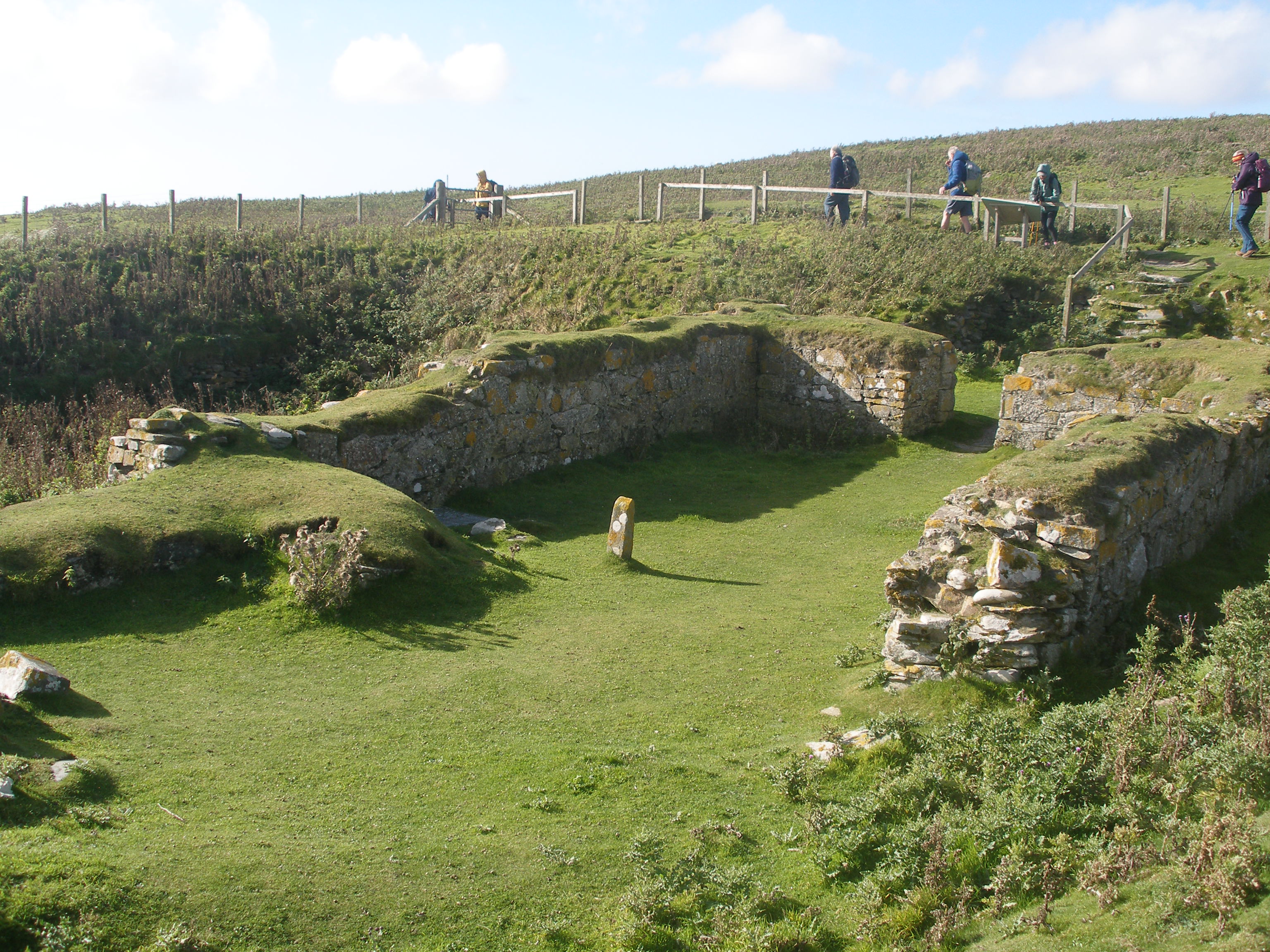
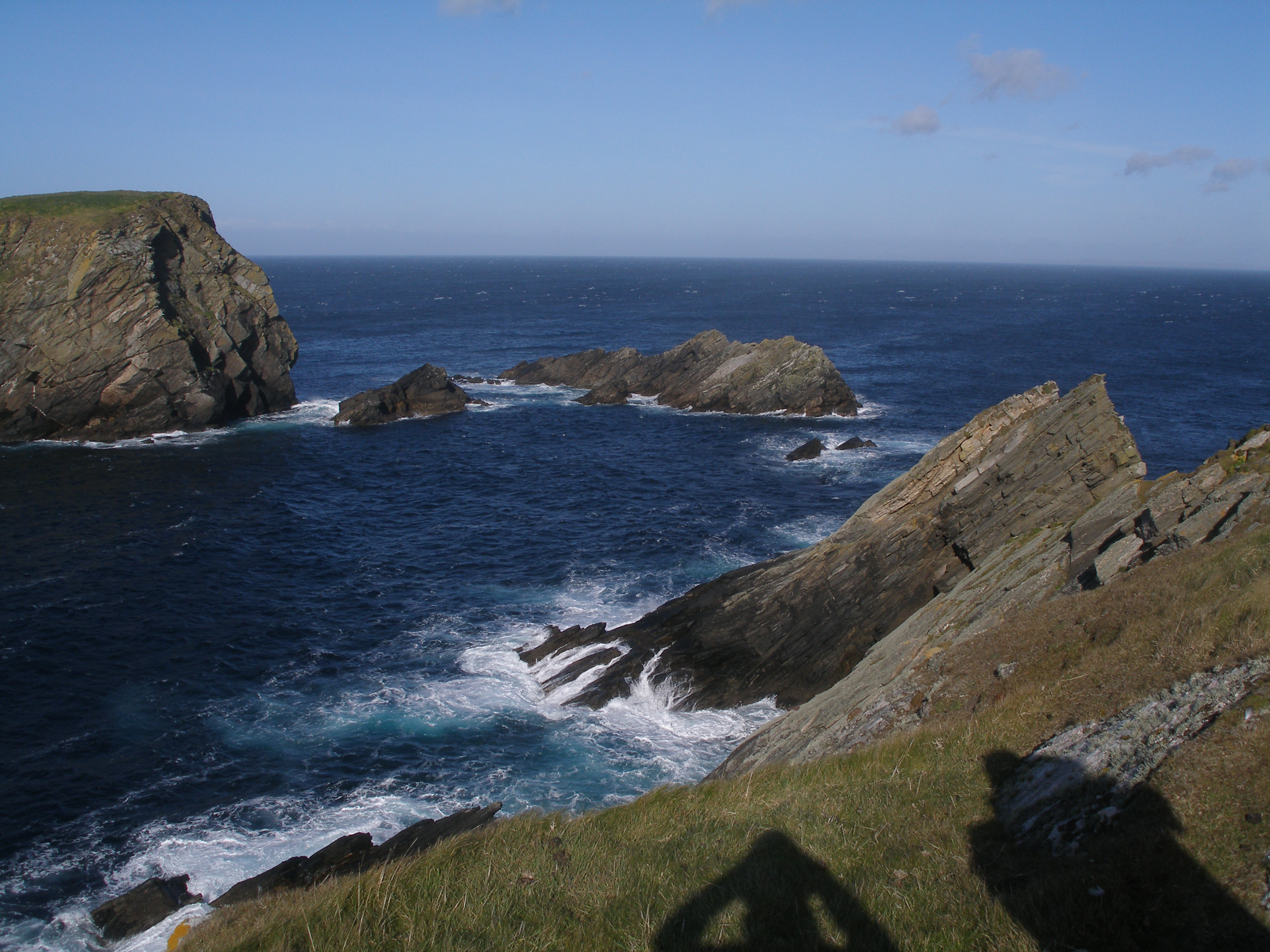
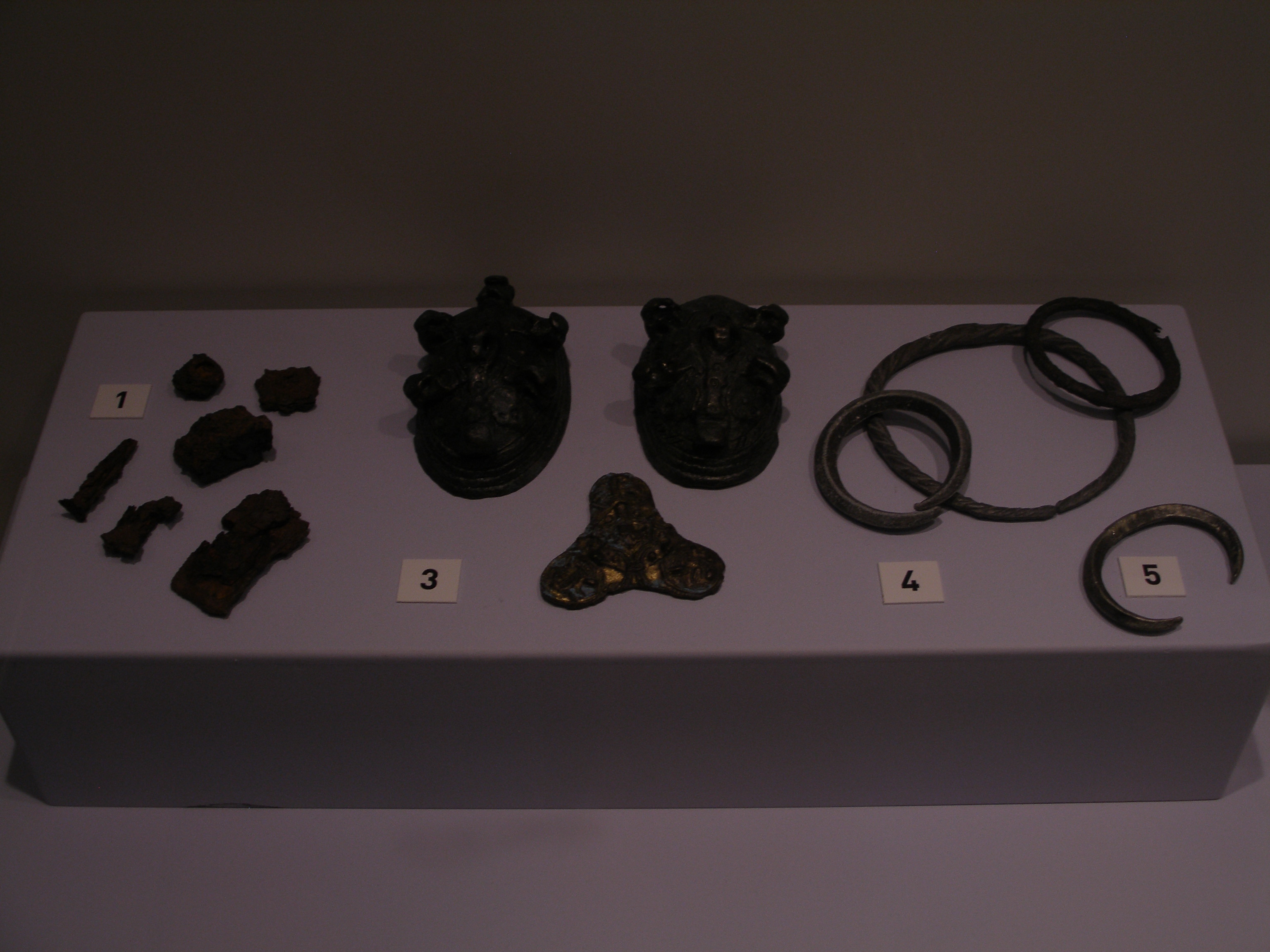
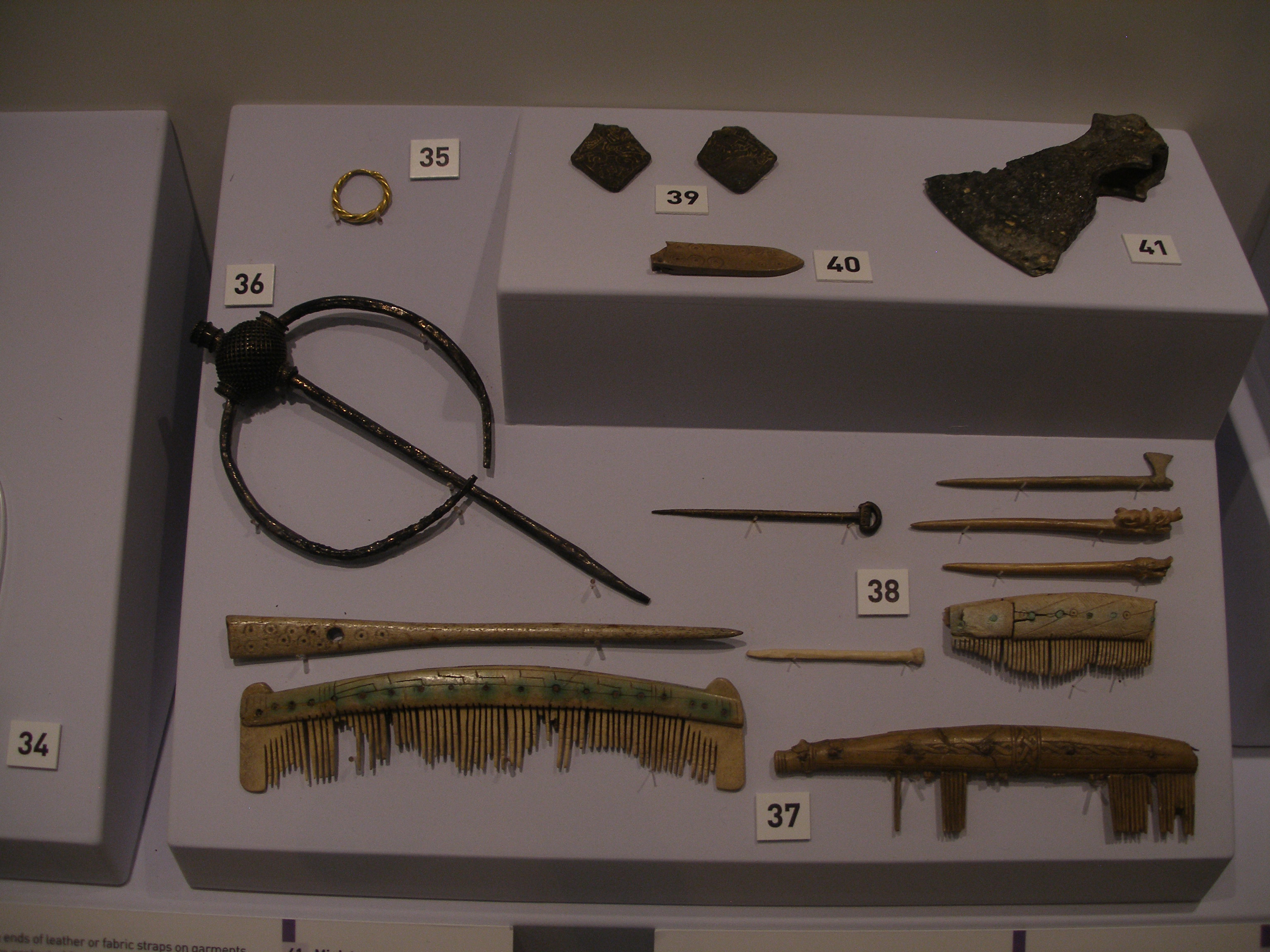
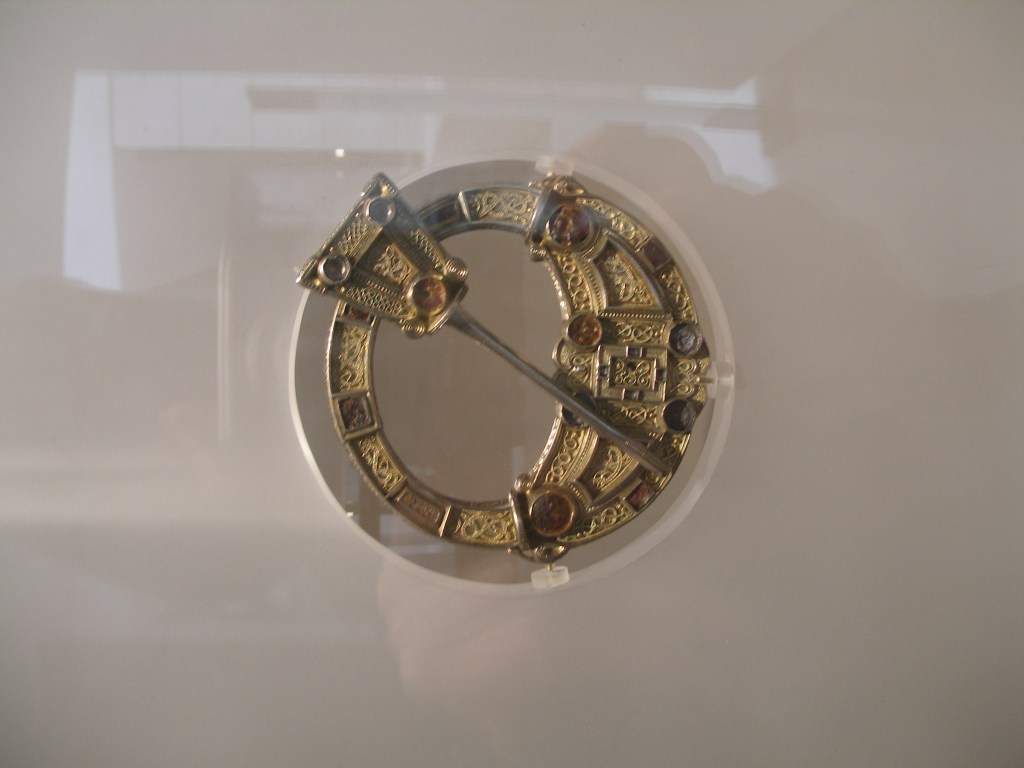
Once back in Edinburgh, I made my way into the basement displays in the National Museum of Scotland and – with the assistance of a patient curator – located many of the original artefacts that had been unearthed at the numerous sites I had been fortunate enough to visit during our ninety-odd miles of hiking over the past two weeks.
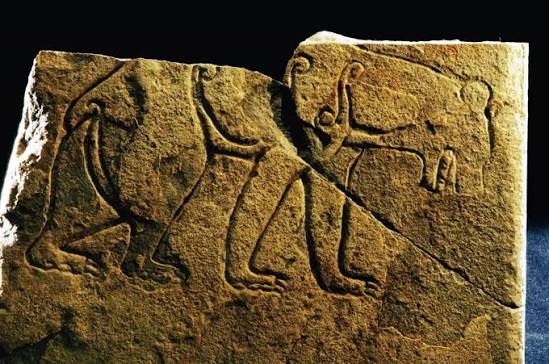

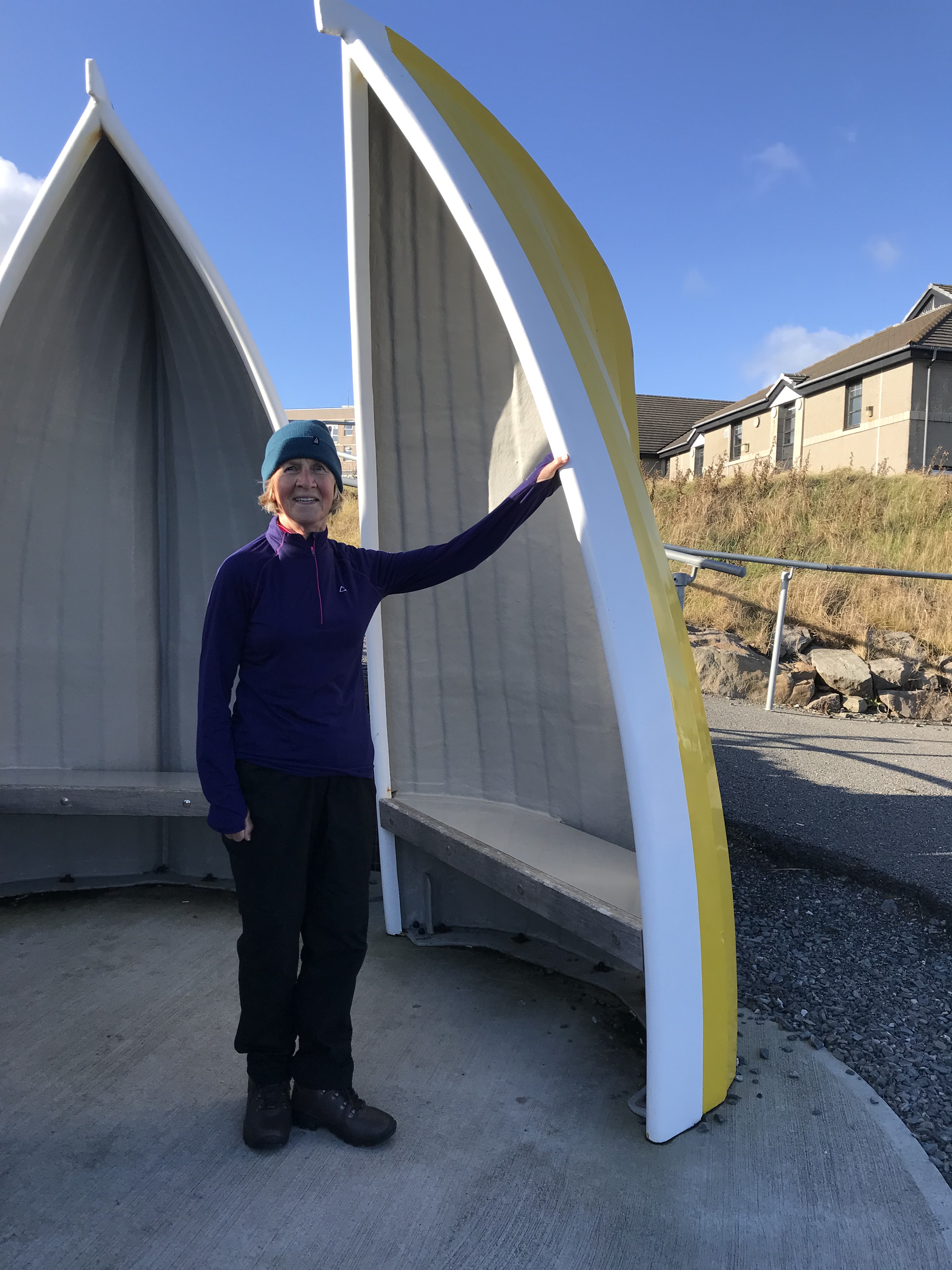
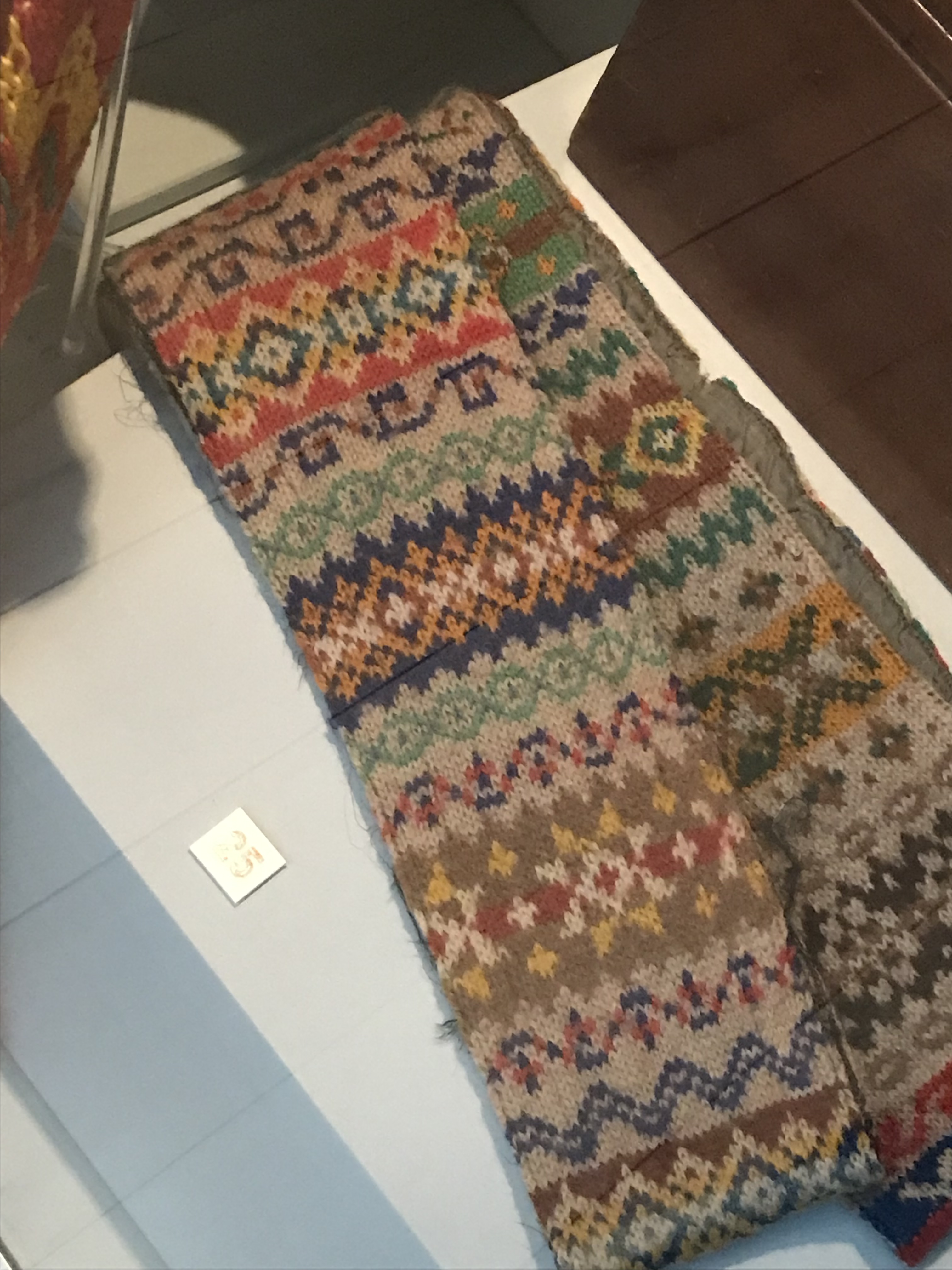
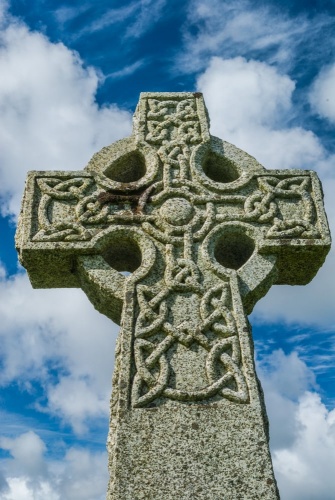
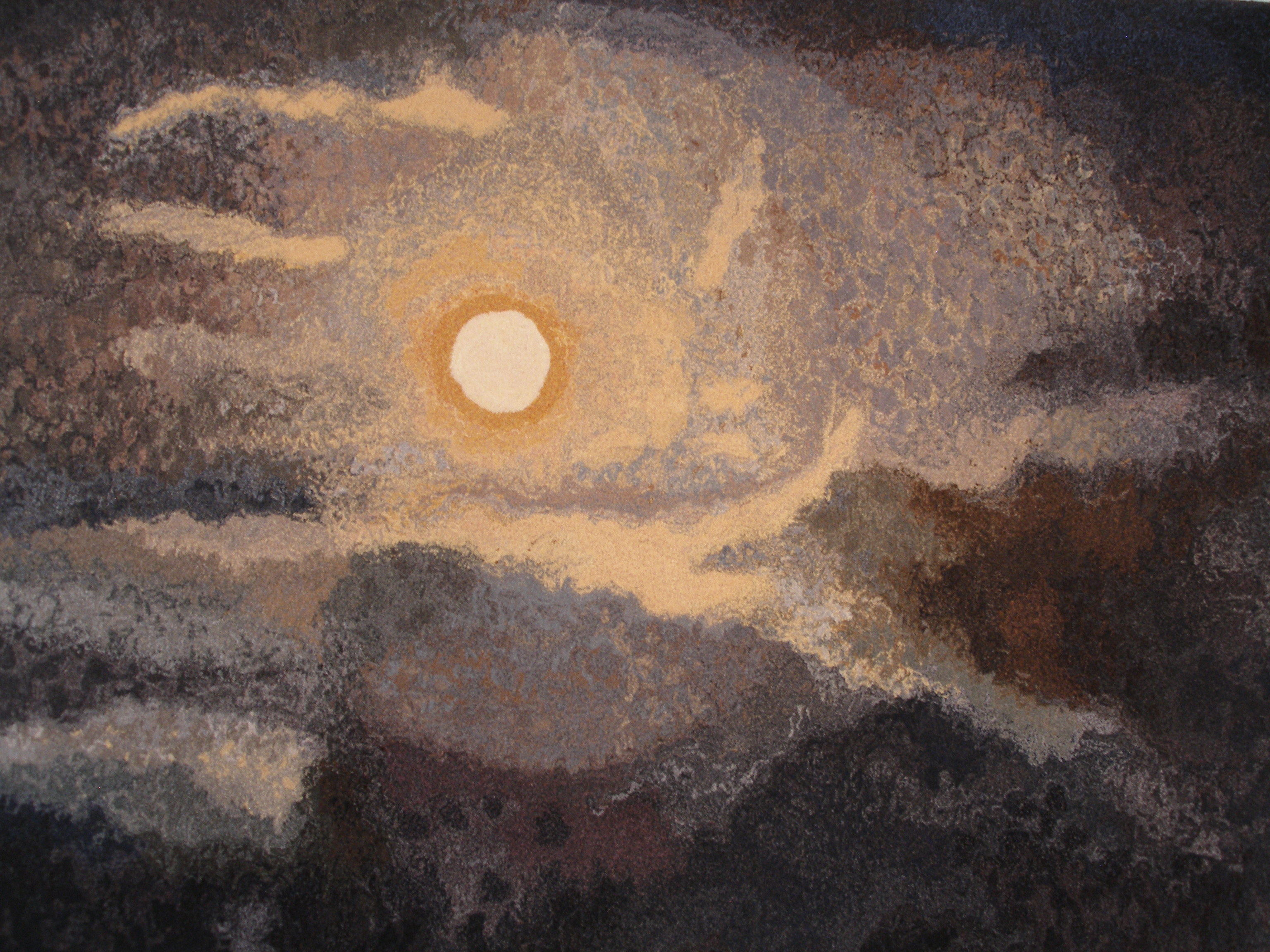
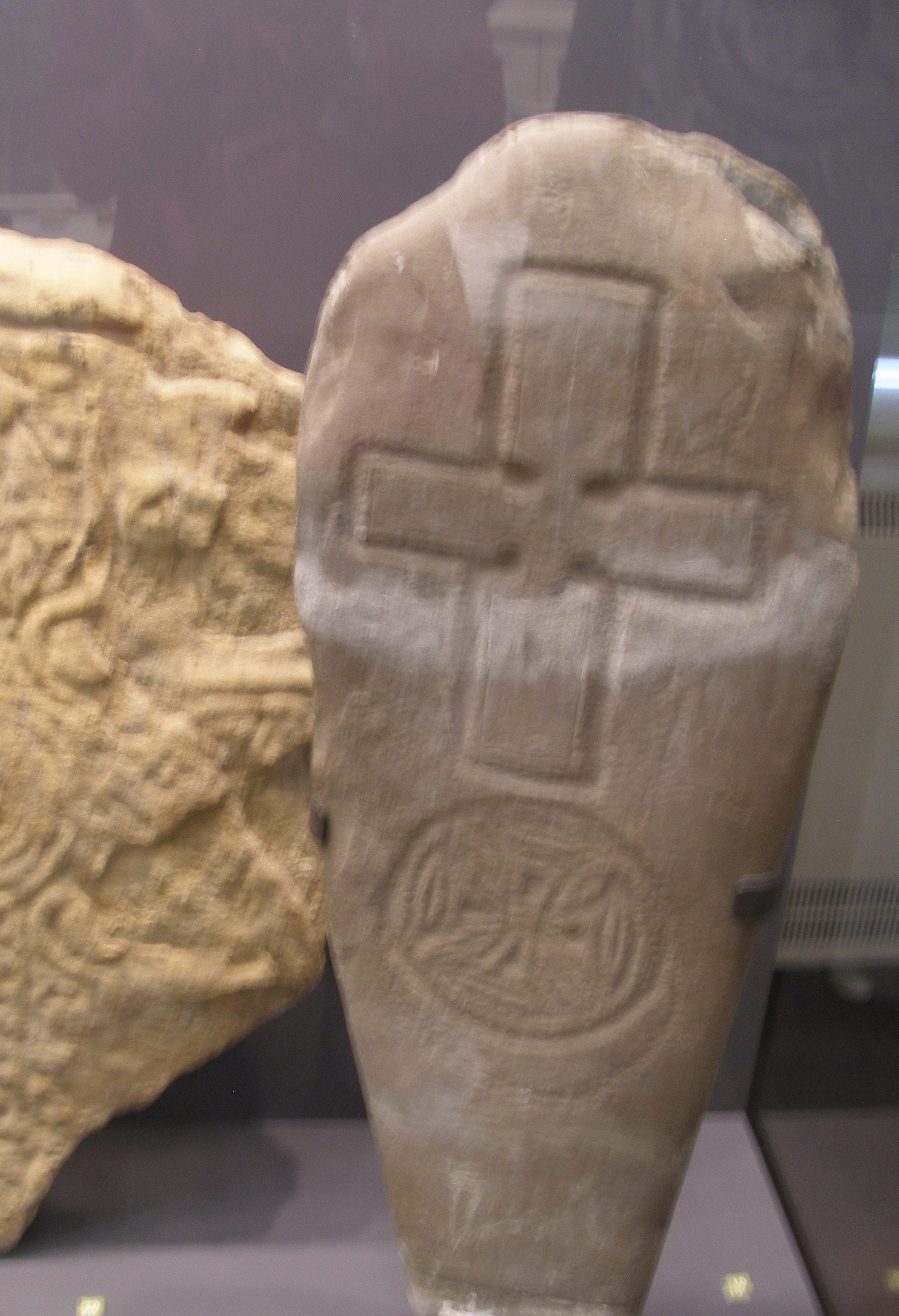
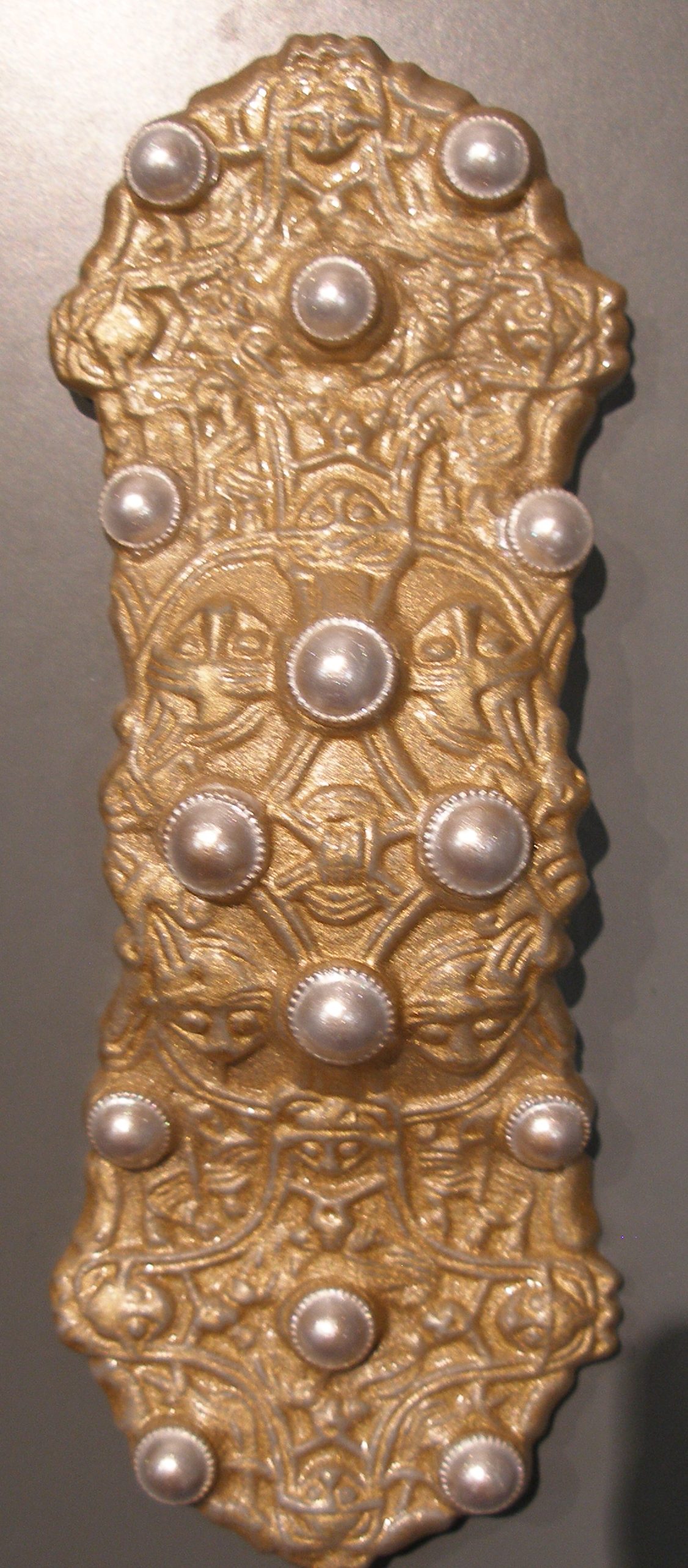
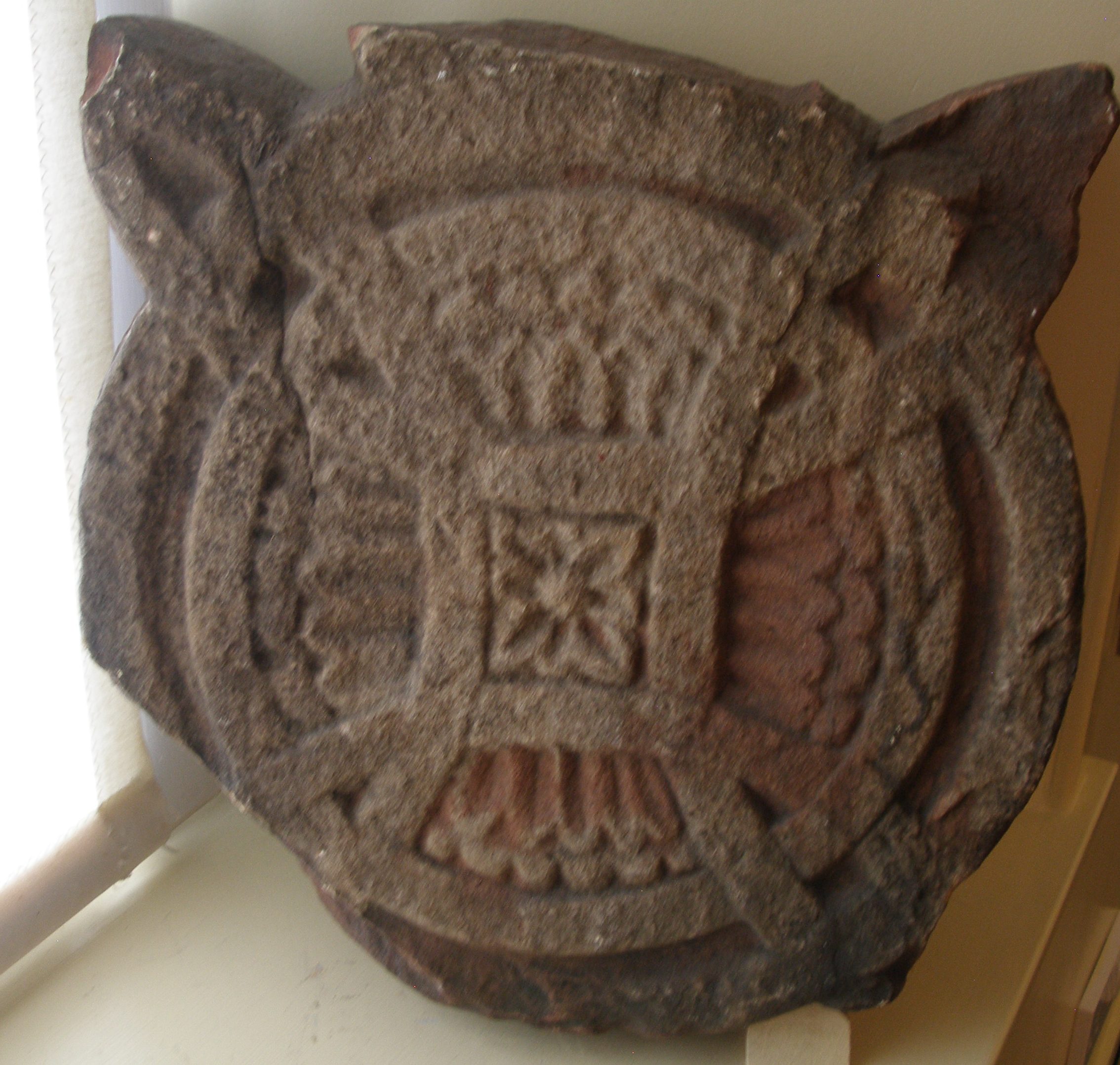
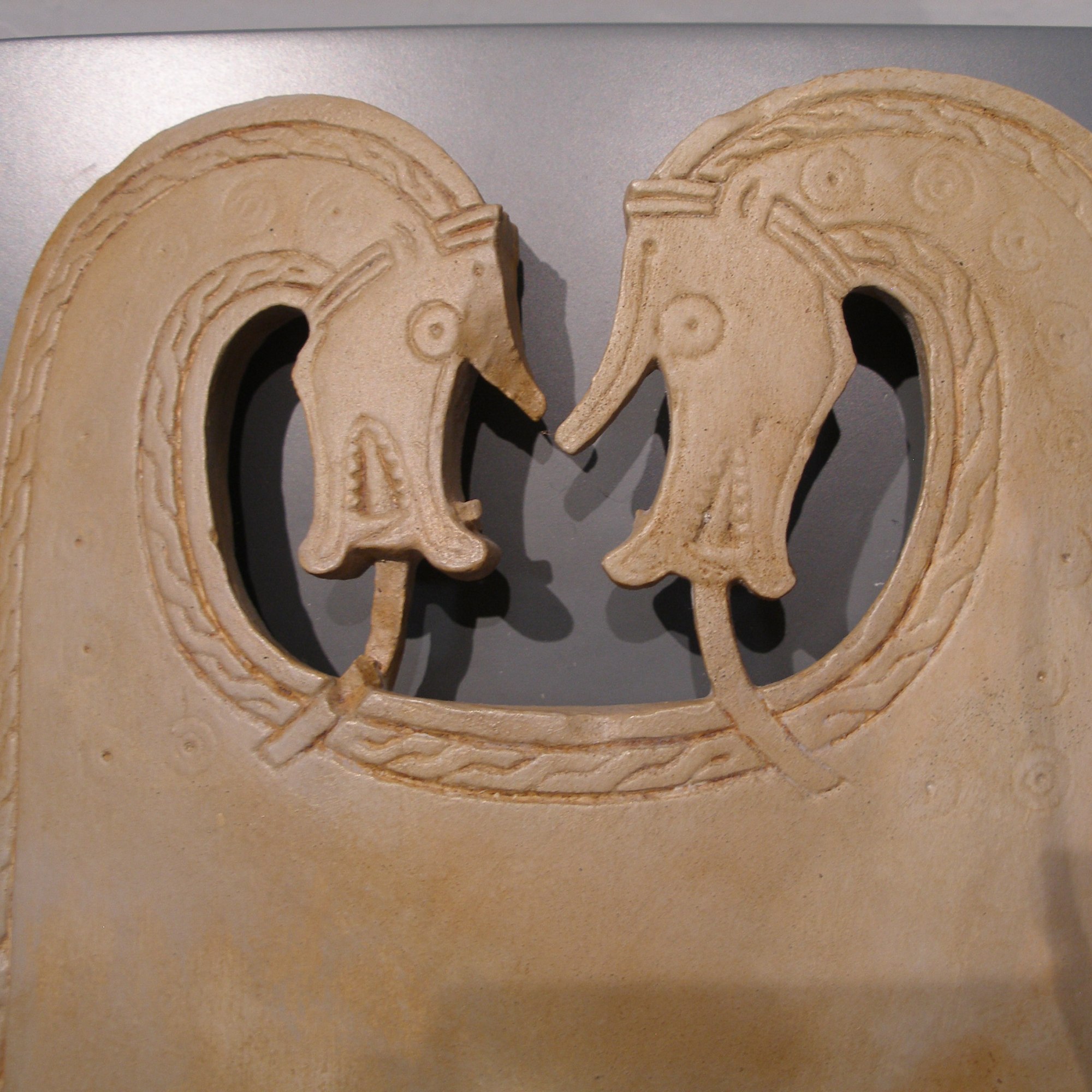
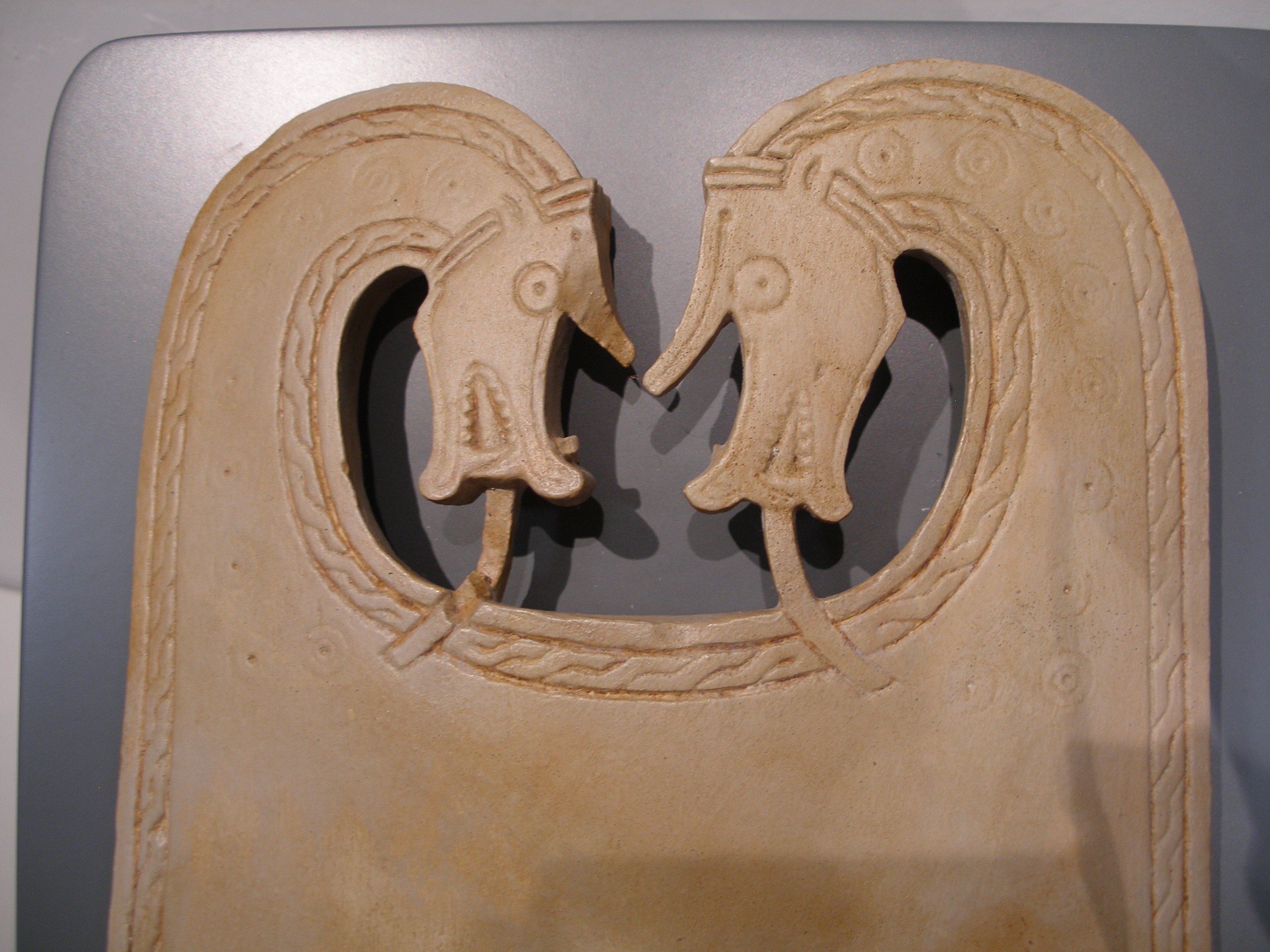
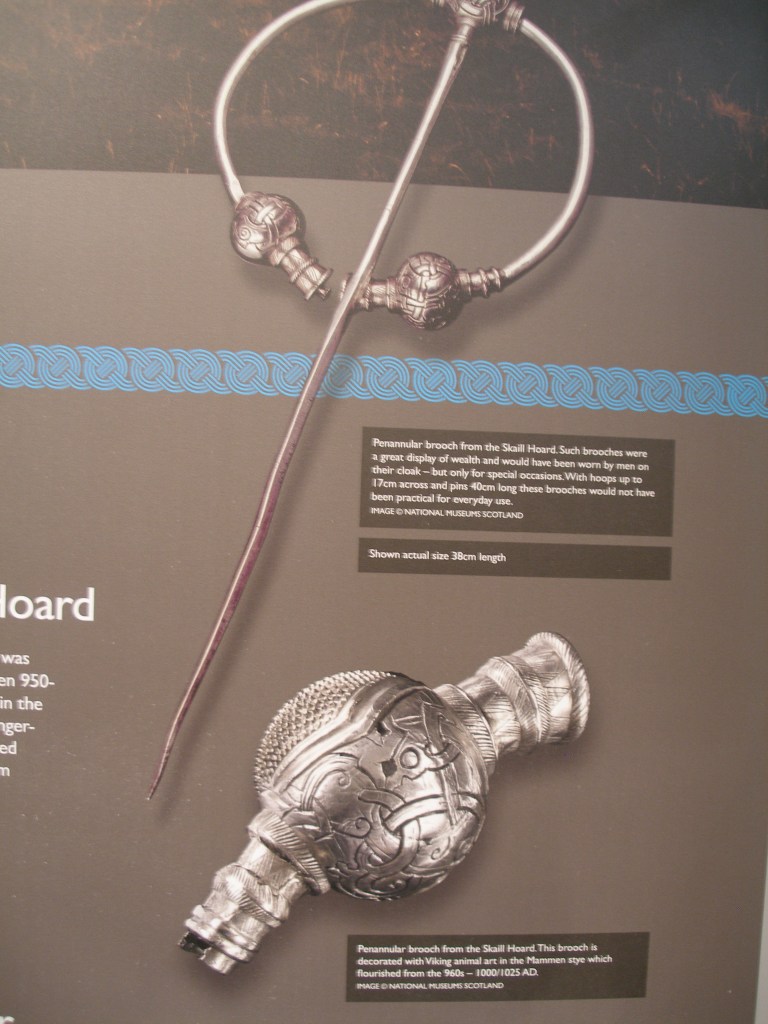
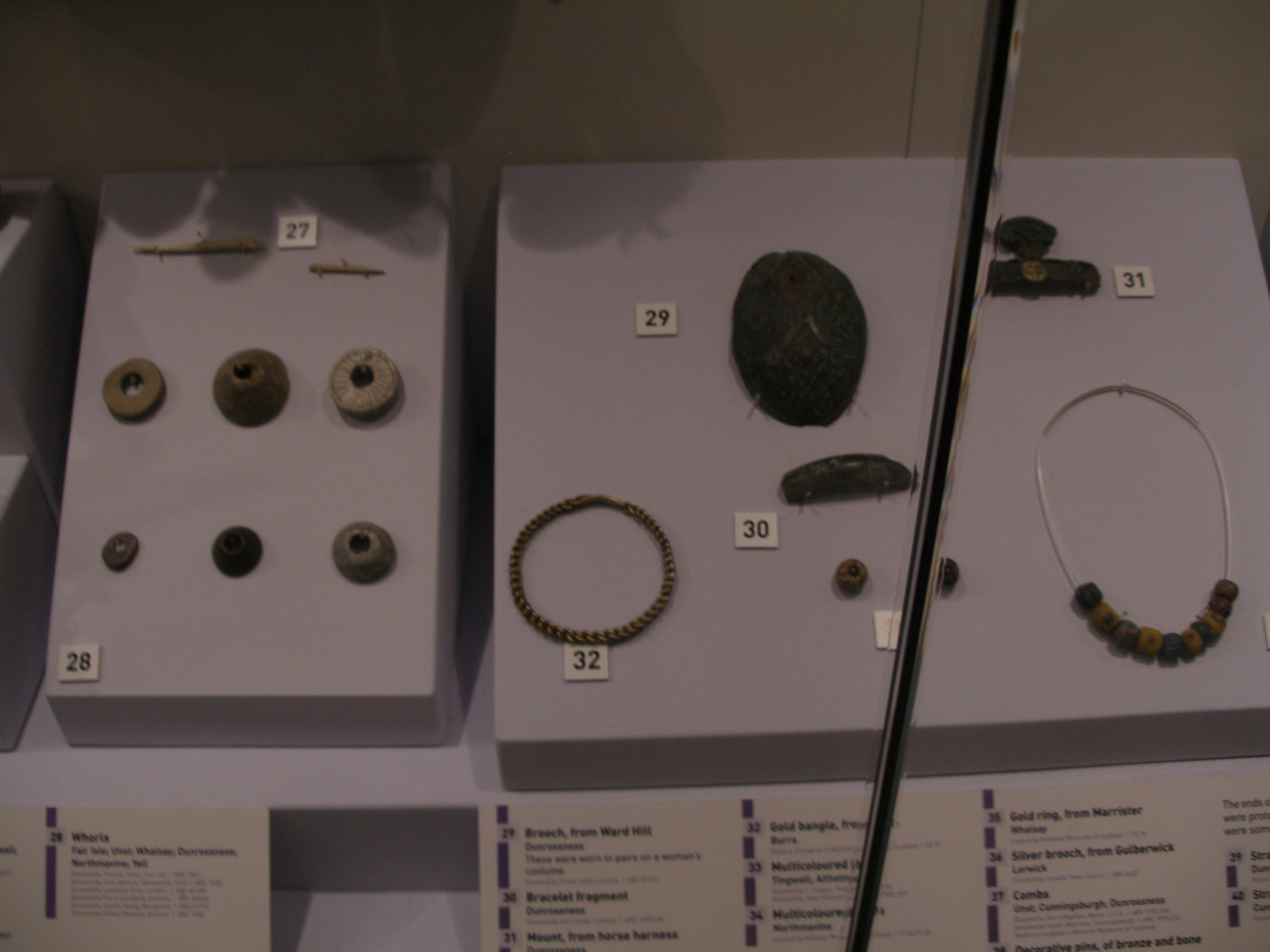
Gazing through thick glass casements at the familiar gold brooches, shards of pottery incised with runes, bone and ceramic bead necklaces, glistening serpentine axe heads, tiny amber bead bracelets, curiously carved stone roulades and carved drop spindle heads … it was as if I was being greeted by old friends.
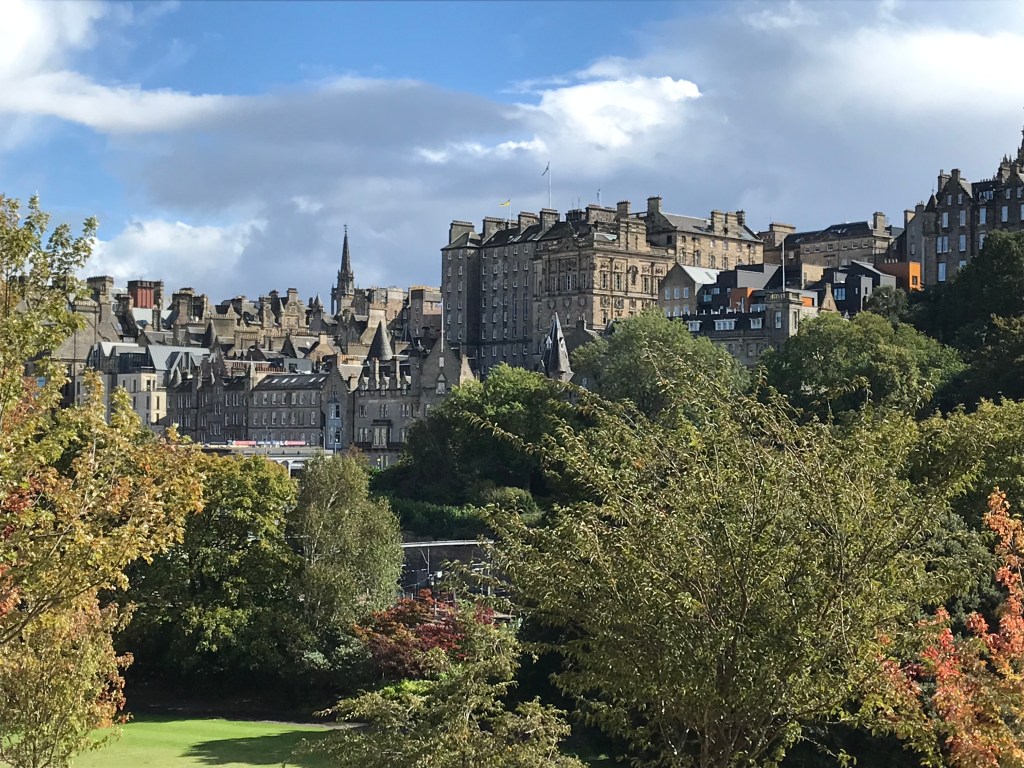
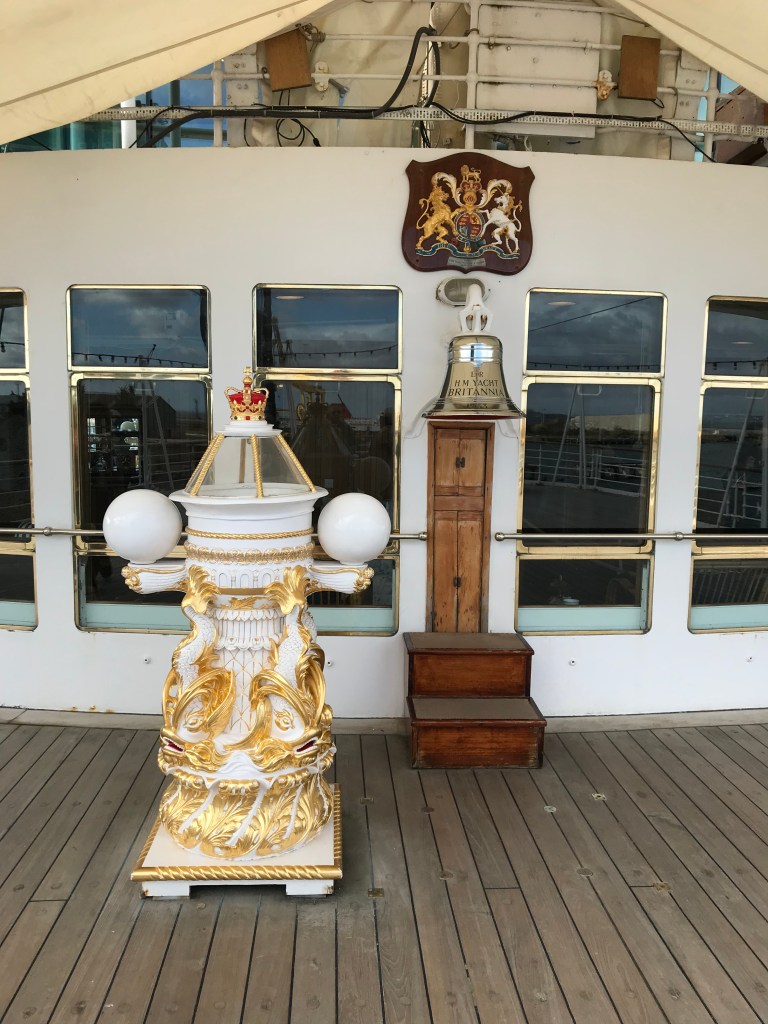
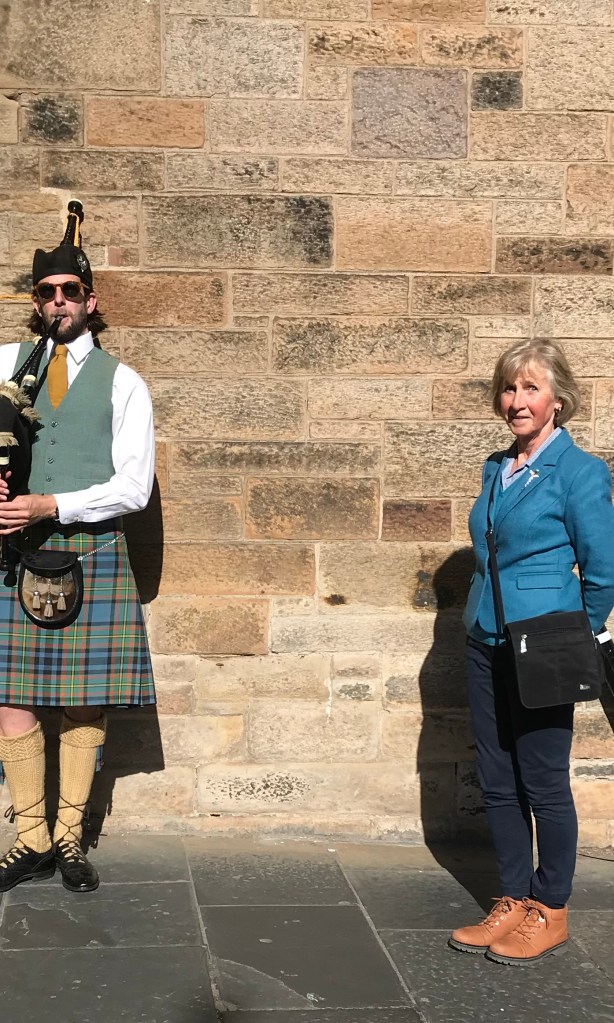

Photos six to end (c) cemwinstanley 2025
 In My Own Words
Clare, Loved your immersive travels with so much scenery and history, could feel the misty ra
LikeLike
Thank you so much Jim for your ongoing encouragement! Always much appreciated.
LikeLike